
In-Circuit Test Fixture Strain Rate Transformation and Boundary Qualification
Dynamic strain rate transformation during fixture actuation verifies mechanical compliance against IPC-9704 limits before structural testing begins.
Dynamic strain rate transformation during fixture actuation verifies mechanical compliance against IPC-9704 limits before structural testing begins.

Test target layout requires dedicated 0.8 mm pads on a 1.27 mm grid with 0.4 mm component keepouts to deliver full ICT access and low defect escape rates.
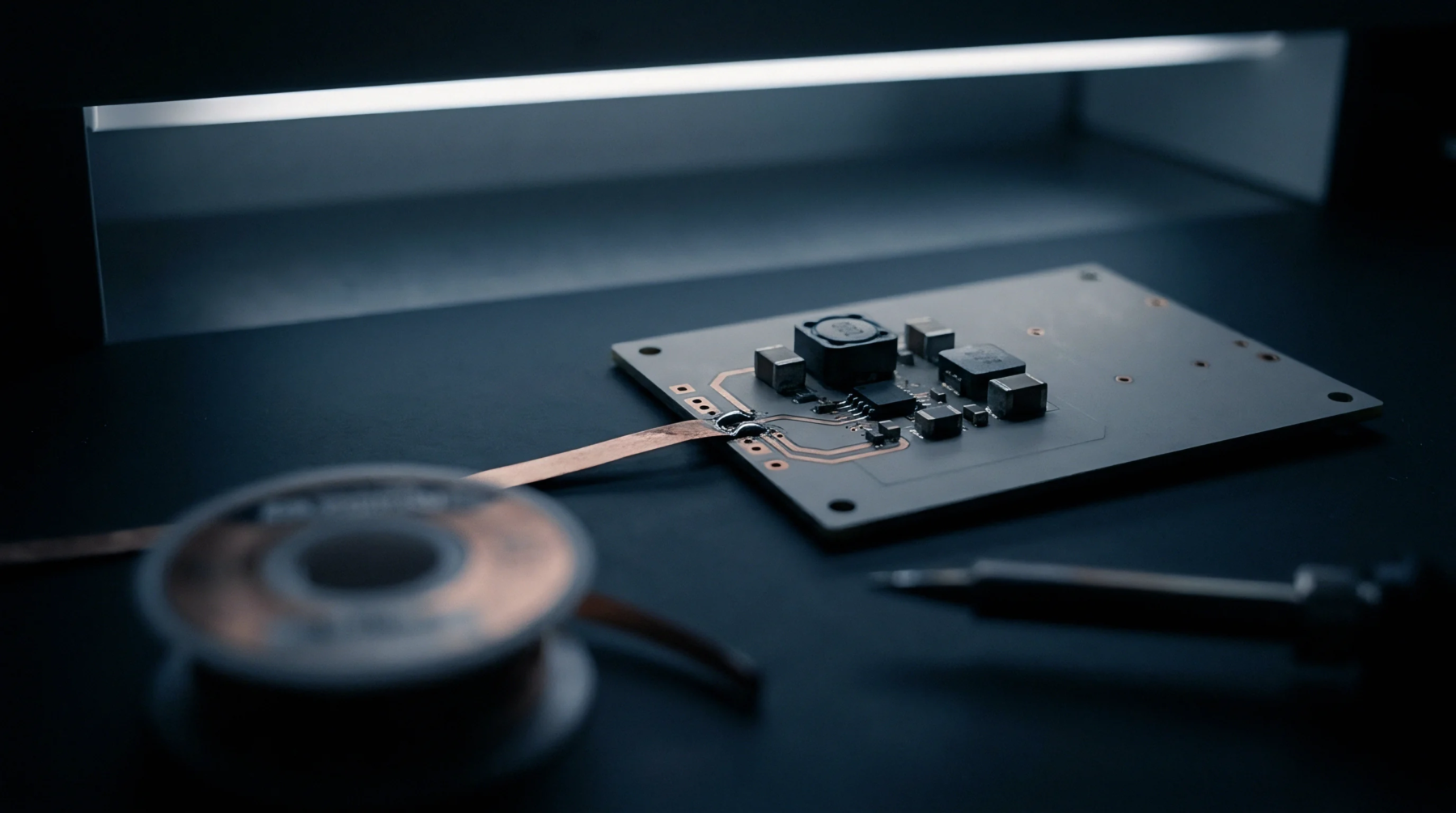
Auditing test point density and pogo pin degradation prevents false yield loss and controls field escape rates in high-density board production.

Quantifying boundary scan interconnect fault coverage pairs extracted netlist node universes with modified counting sequence vector execution logs.

Contractual test waivers transfer financial risk for latent manufacturing defects from the offshore assembler to the buyer upon shipment authorization.

ENIG guarantees 24-month solderability for staggered assembly runs, while OSP degrades beyond six months unless stored in vacuum-sealed moisture barrier bags.

Balancing micro-probe forces with precision push-fingers prevents substrate strain over 500 microstrain, protecting fine-pitch BGAs and MLCCs from fixture damage.

Quantifying component change masking in multi-tier assemblies requires sensitivity matrix formulation, thermal transient screening, and interface nodal access audits.
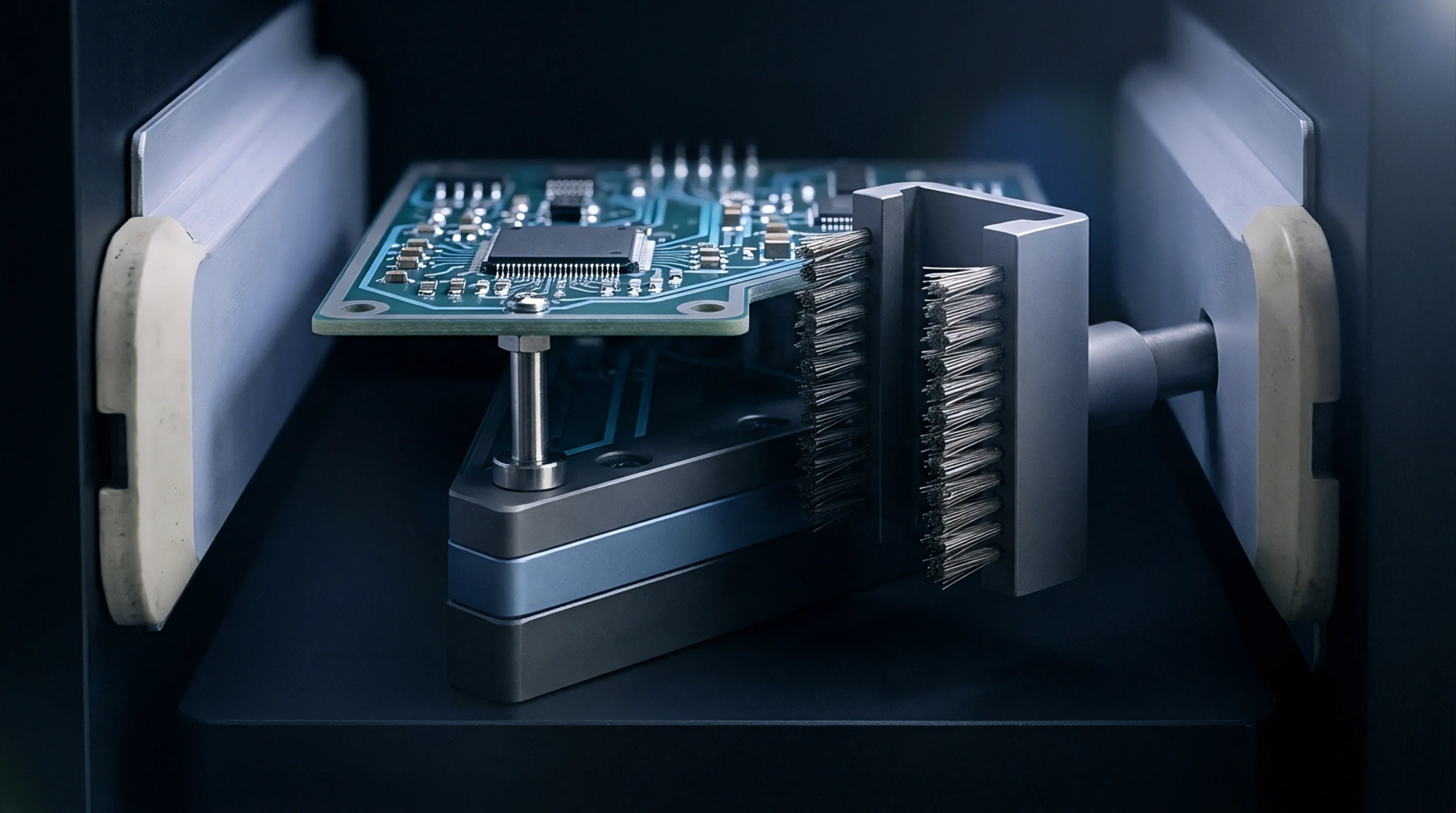
Surveillance compliance demands continuous cross-tier test record alignment, analytical material validation, and strict engineering change authorization.

Resolving boundary scan escape rates requires weighting fault coverage by defect universe and enforcing active guarding on unprobed parallel nets.

IEEE 1149 boundary scan delivers direct structural fault coverage on dense BGAs without physical probes by shifting test vectors through standardized internal chip logic.
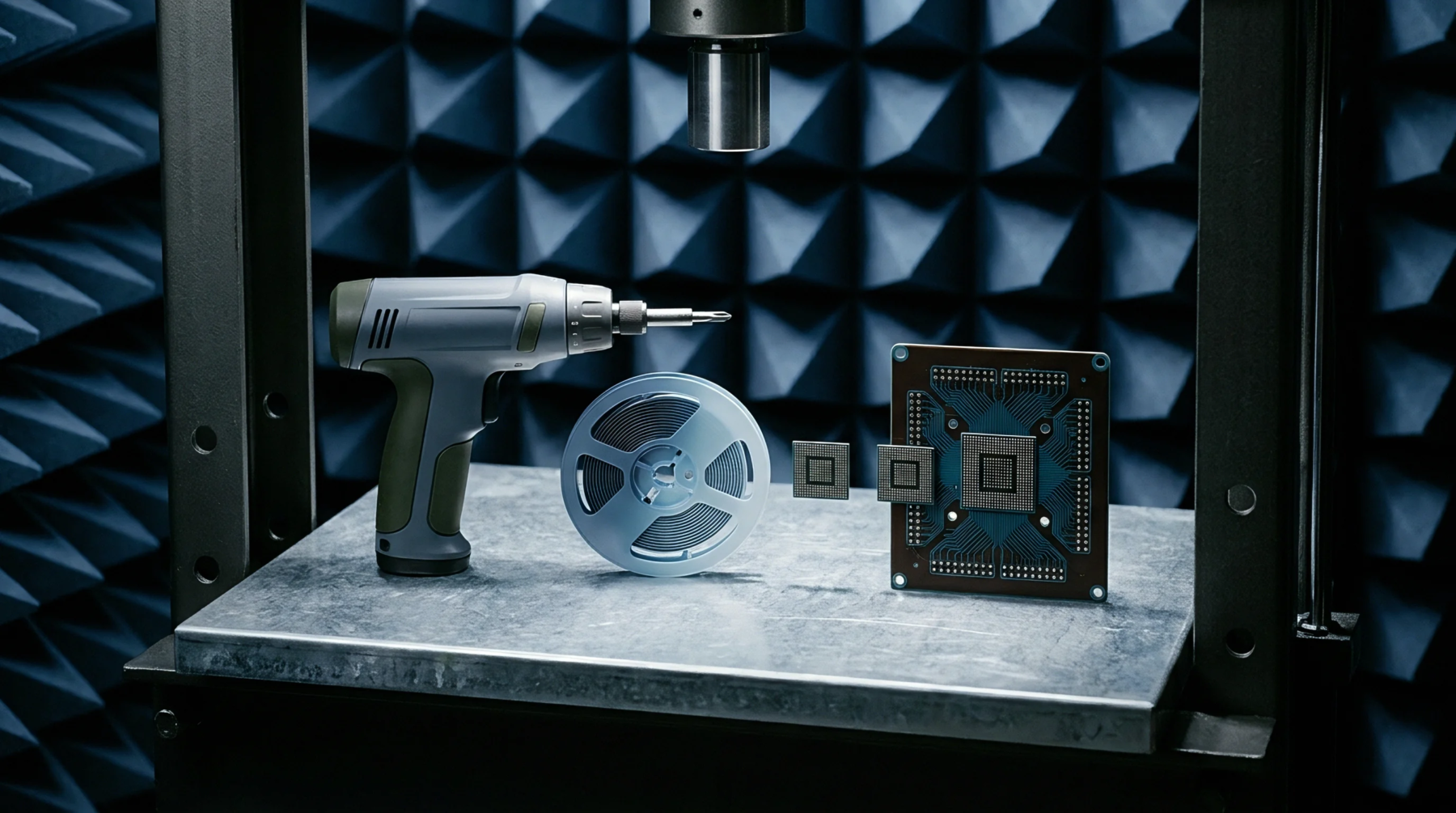
PCOLA SOQ metrics convert raw inspection data into weighted fault coverage, enabling precise calculation of board escape rates and field exposure risk.
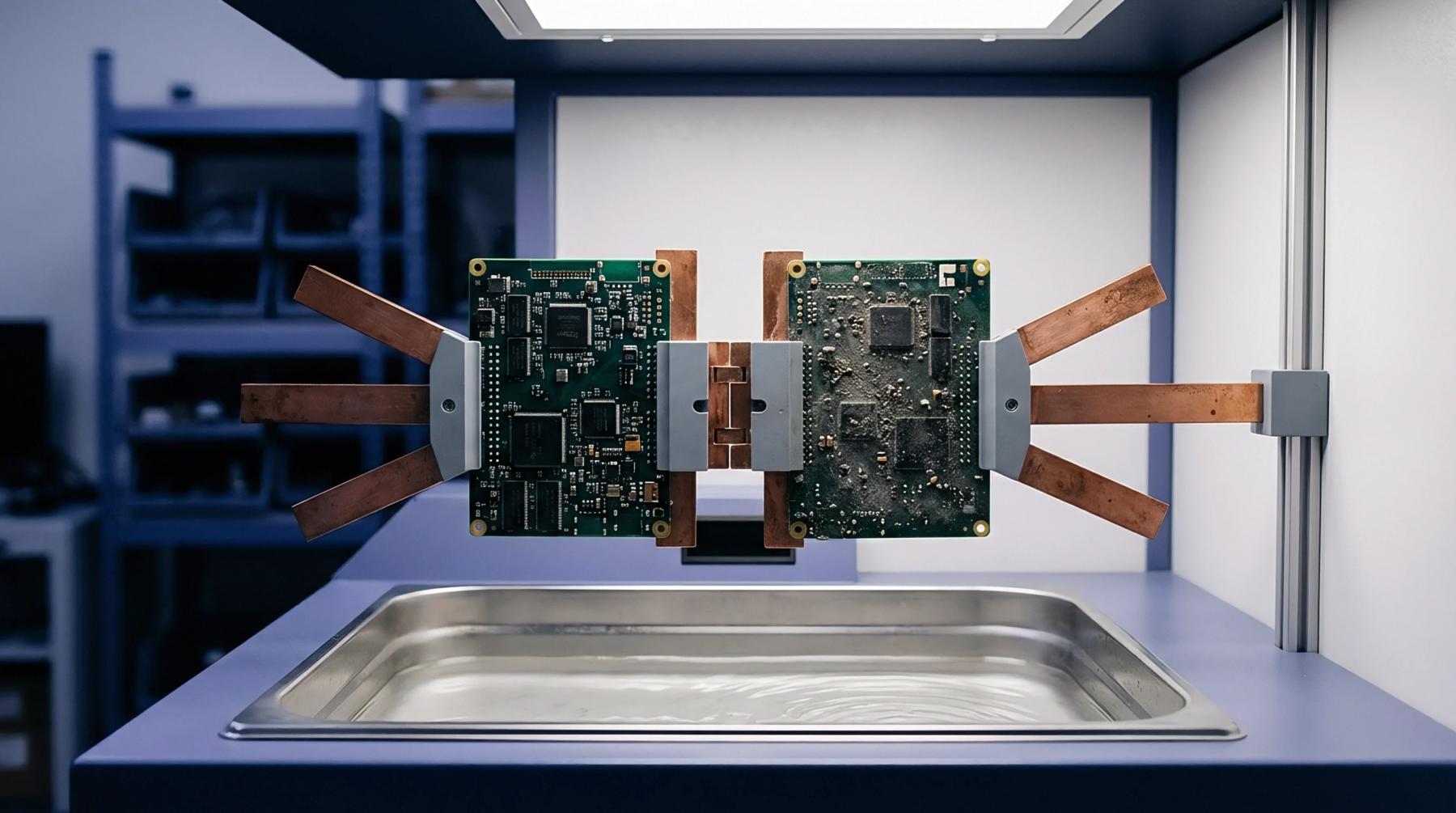
Combining boundary scan and in-circuit testing metrics requires mapping per-pin PCOLA-SOPS access, deduplicating overlapping faults, and logging verified nets for batch release.
Unscreened high-frequency channel structural escapes drive PCI Express residual bit error rates above spec limits by inducing localized signal resonances.
Maximizing nodal access balances minimum test pad diameters against fixture pointing tolerances and mechanical strain limits to prevent board damage.
Boundary scan interconnect testing turns silicon multiplexers into virtual probes to verify fine-pitch BGA solder joints without physical test pads.

Factory first pass yield figures routinely mask high field defect rates by excluding off line retests, unmapped fault coverage gaps, and clamping stress false passes.
Expertise is a utility, not a secret. sentiention™ publishes its working knowledge as open reference: intelligence layer covering the materials it sources, the markets it enters, and the reference that serves both.