Lamination Shift
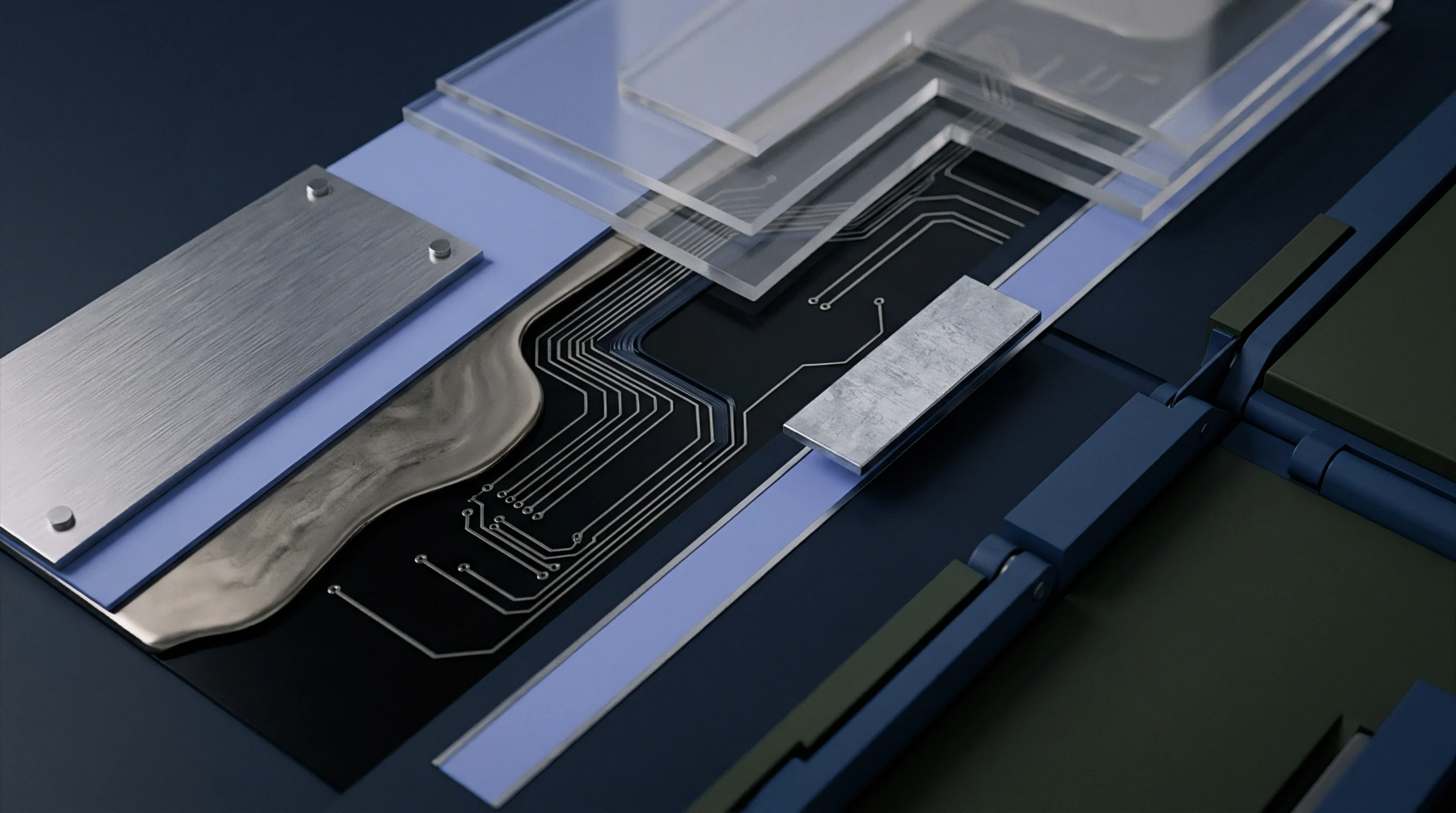
Lateral displacement of printed copper traces from their intended layout positions during the lamination of multilayer circuit boards occurs when the resin liquifies under high pressure. This trace swim typically affects fine traces on the inner layers of the board, where the force of the flowing resin can wash them sideways. It is a major issue for high-speed boards where precise trace spacing is required to maintain correct electrical impedance.
This problem becomes more pronounced on high-layer-count boards where the total volume of flowing resin is high.
Dielectric Effect
Movement of the traces can cause them to end up too close to adjacent copper features or vias, causing short circuits or impedance variations. In extreme cases, the traces can even break or tear, causing open circuits. This movement is more likely to occur when the prepreg has a high resin content and long gel times.
Control Procedure
Fixation of the copper layers is achieved by choosing prepregs with a faster cure time or by optimization of the lamination pressure profile. Board designers can also add anchoring features or use wider traces on inner layers to increase their resistance to the flowing resin. These measures help to keep the traces in their correct positions.