
Determining Statistical Process Capability Limits in Surface Mount Lines
Statistical process capability limits in surface mount lines require gauge R and R validation below ten percent before calculating paste volume and placement indices.
Statistical process capability limits in surface mount lines require gauge R and R validation below ten percent before calculating paste volume and placement indices.
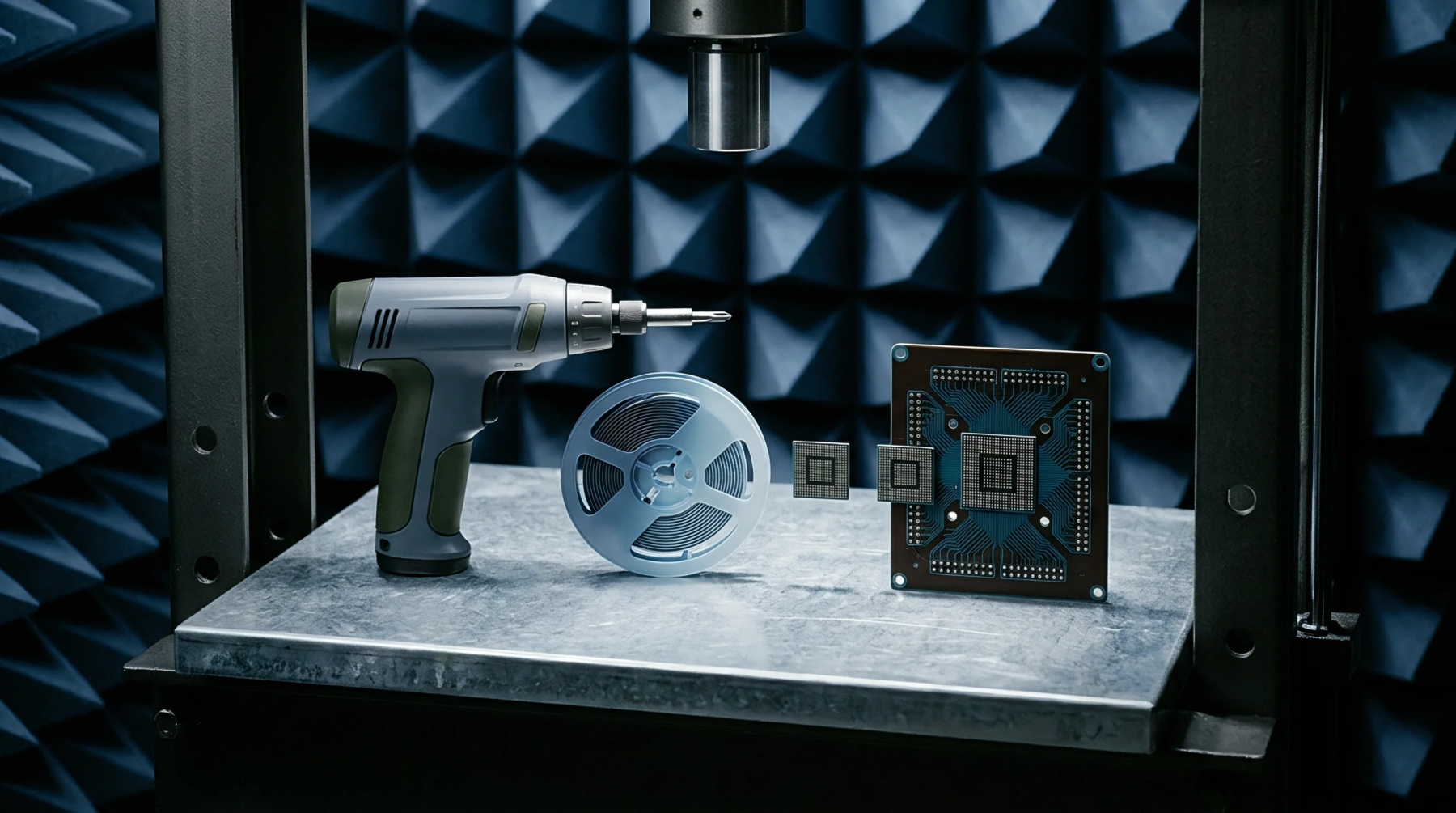
Intermittent paste bridging in sub quarter millimeter arrays stems from localized solder mask micro gapping and shear thinning under squeegee pressure.

Micro package solder joint reliability relies on strict 3D paste volume tolerance bands governed by stencil area ratios and inspection settings.

Fine pitch transfer efficiency depends on maintaining aperture area ratios above 0.66 and controlling wall surface roughness to ensure uniform paste release.

Optimizing SMT landing pads requires matching copper pad definitions, stencil area ratios, and solder mask tolerances to fabricator process windows.

Isothermal solvent evaporation measurement quantifies flux volatile loss rates under fixed thermal holds to set precise stencil residence limits and prevent print defects.

EWMA control limits track stencil nano-coating decay by filtering SPI volume noise to isolate aperture transfer efficiency loss before defects occur.
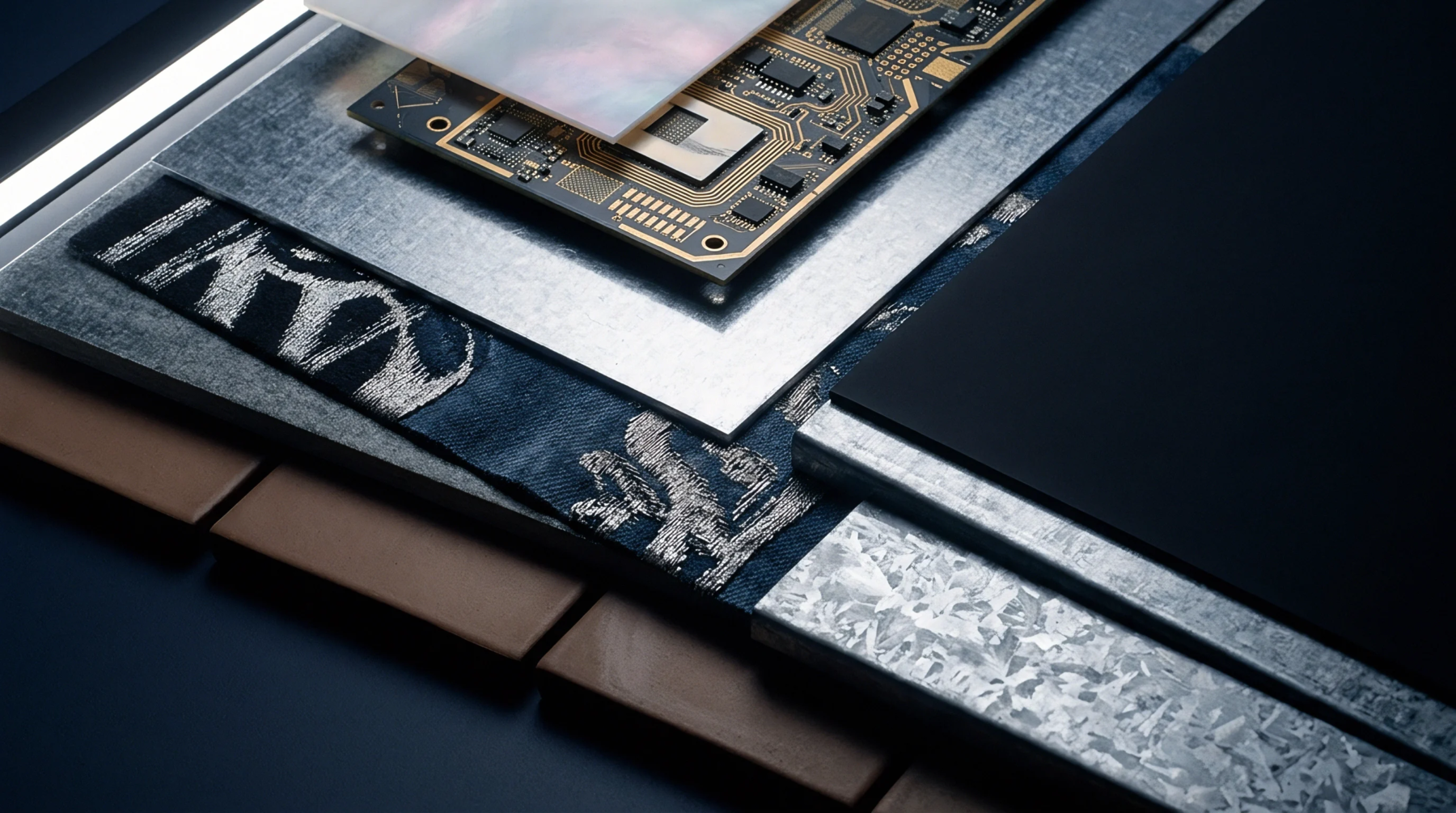
Establishing nano coating wear bounds requires tracking contact angle decay below 85 degrees and limiting squeegee pressure to 0.30 kg per centimeter.

Contact angle verification defines stencil coating life, keeping polar surface energy below thirty dynes to prevent aperture paste adherence.
Expertise is a utility, not a secret. sentiention™ publishes its working knowledge as open reference: intelligence layer covering the materials it sources, the markets it enters, and the reference that serves both.