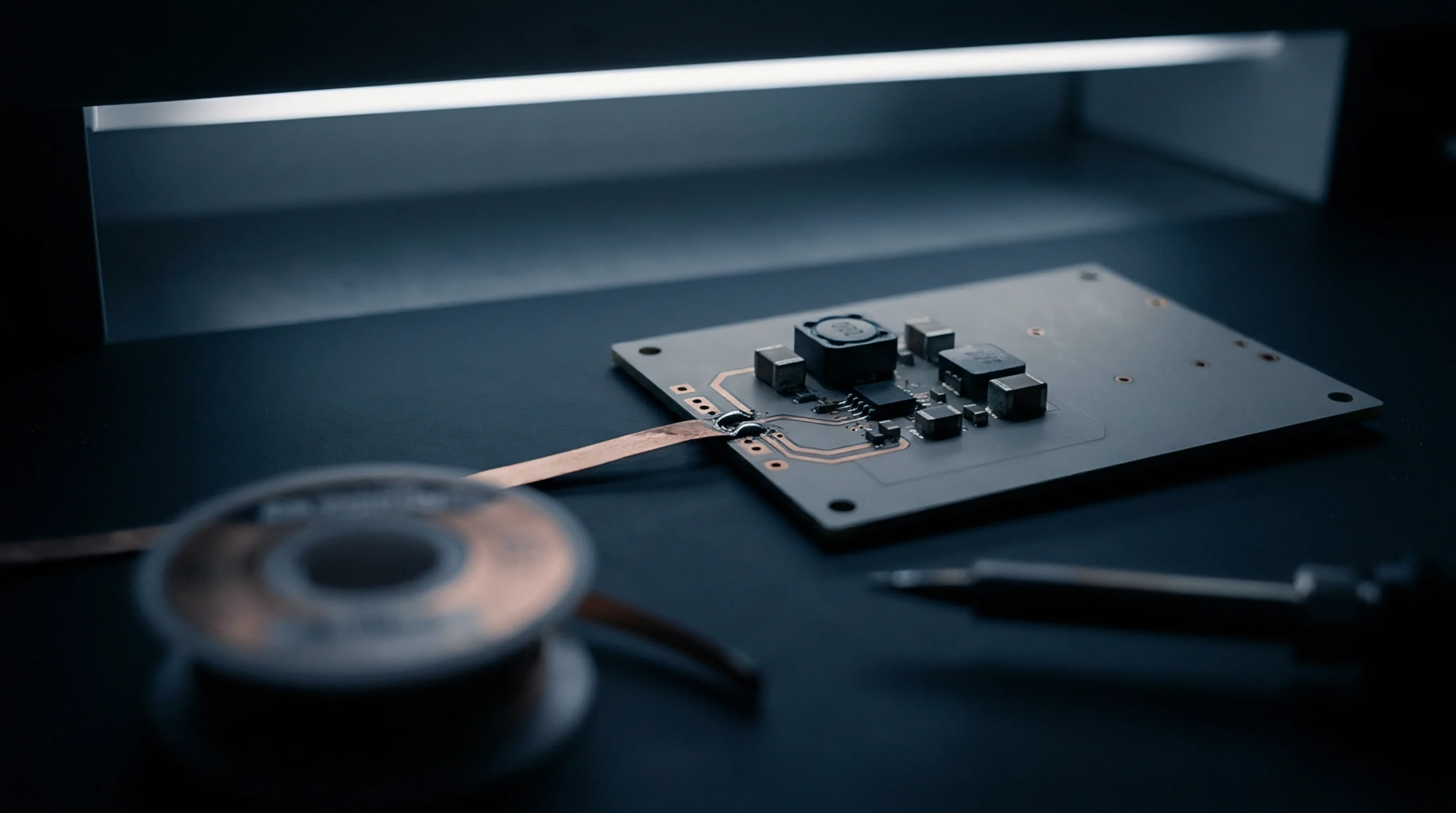
Optimizing Squeegee Blade Pressure Windows for Relief Step Stencil Printing
Relief step stencil printing demands matching blade pressure to pocket clearance so paste seals step edges without scooping volume from fine-pitch apertures.
Relief step stencil printing demands matching blade pressure to pocket clearance so paste seals step edges without scooping volume from fine-pitch apertures.
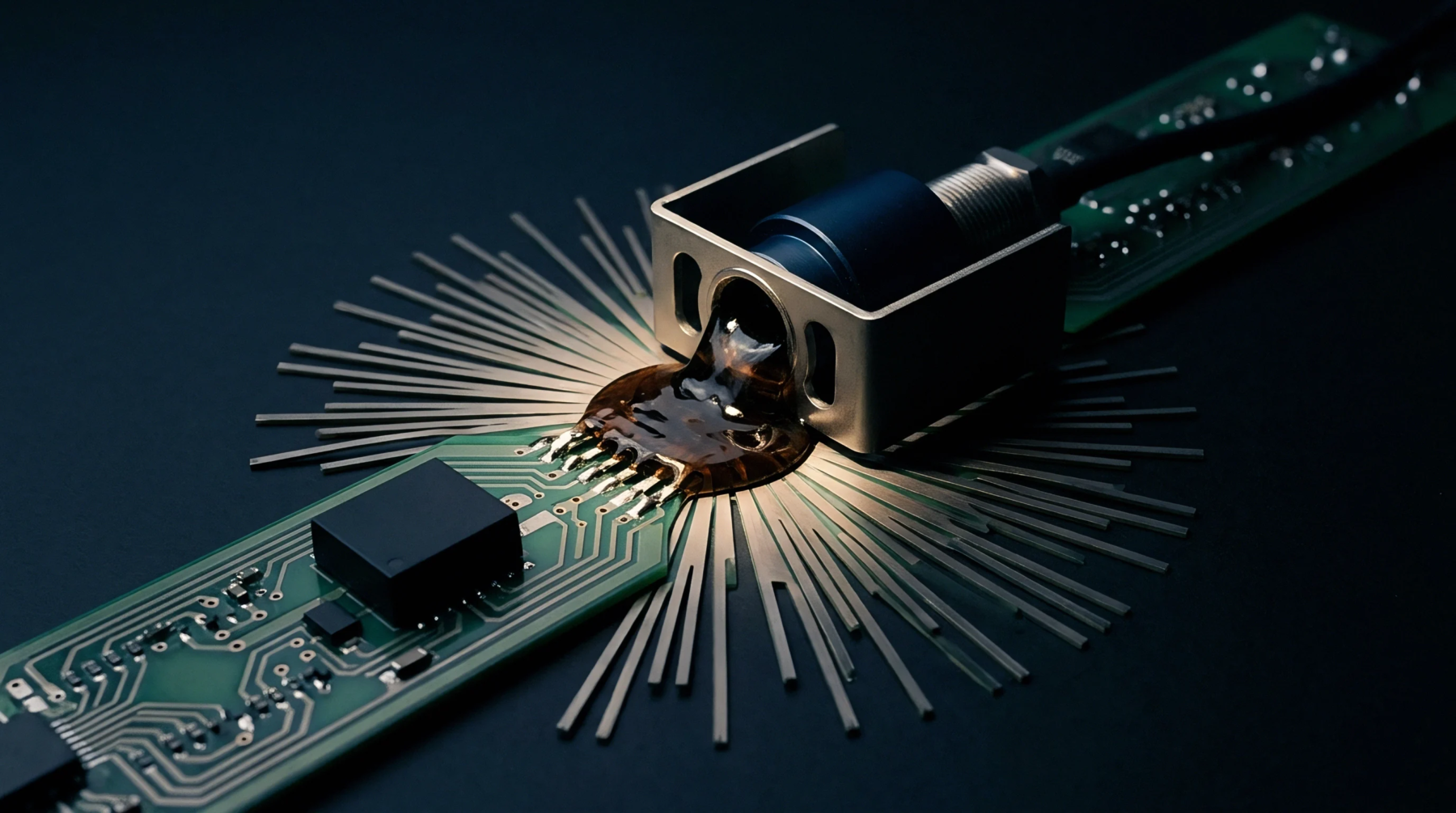
Electroformed step-down stencils deliver tighter volume control than nano-coated steel below 0.50 area ratio, provided keepouts exceed 1.2 mm per 25 µm step.
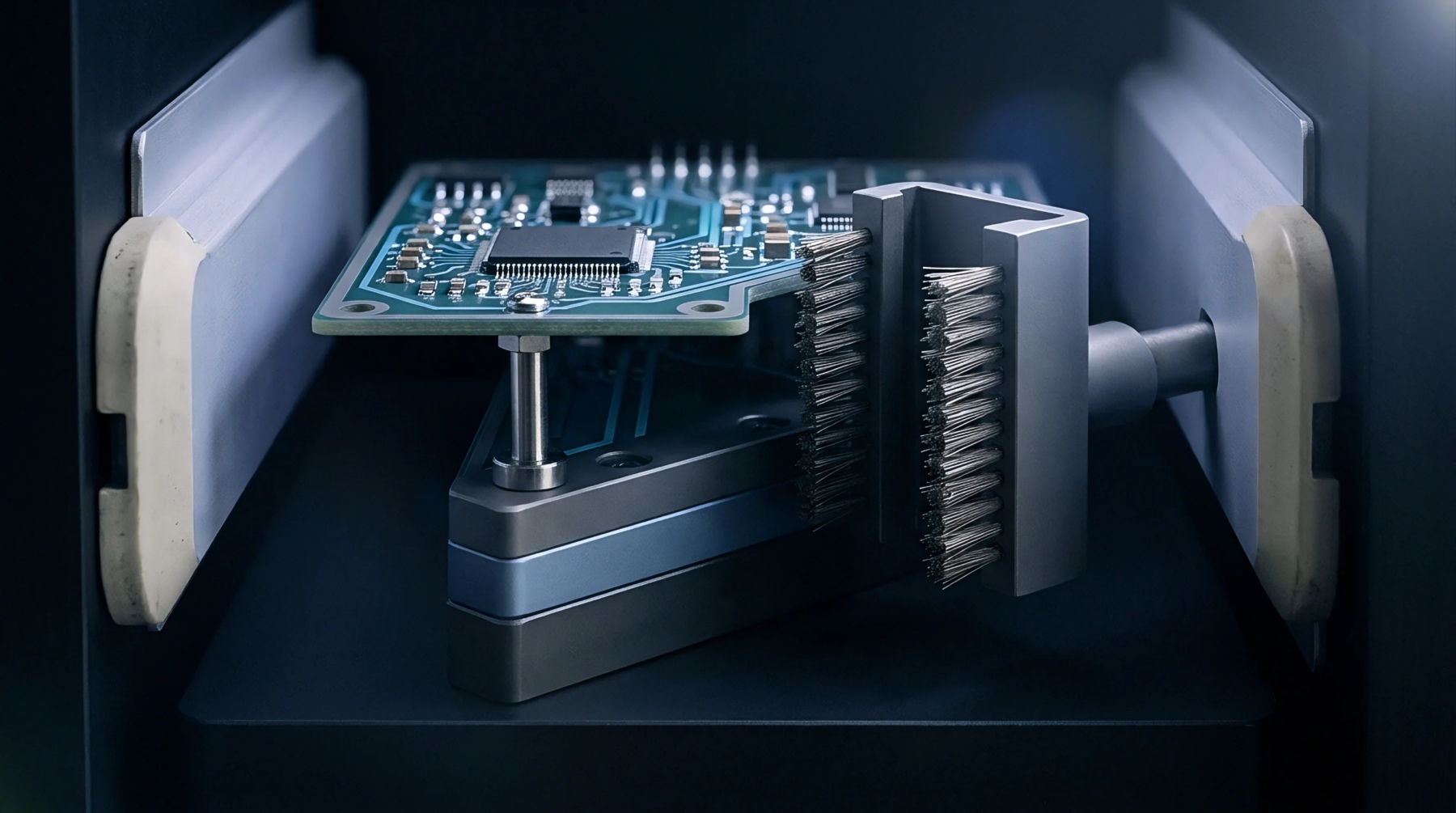
Stencil surface treatments extend area ratio limits to 0.50 by lowering wall surface energy and cutting under-stencil wipe frequency to lift print yields.
Baseline SMT stencil area ratios govern paste transfer efficiency, requiring minimum thresholds of 0.66 for standard foils and 0.50 for nano-coated apertures.

Electroformed stencil release rates depend on balancing dynamic fluid shear stress against wall slip along ultra-smooth Nickel aperture sidewalls.
Electroformed nickel stencils achieve reliable paste release down to 0.50 area ratios, reducing fine-pitch BGA defects and yielding lower total landed assembly costs.

Non-rectangular apertures overcome sub-0.3 mm pitch transfer efficiency limits by eliminating corner pinning, raising paste release to 75 percent on thin foils.
Establishing baseline stencil aperture ratios above 0.55 ensures consistent paste transfer efficiency and prevents post-reflow solder defects.

Optimizing fine pitch stencil aperture reductions requires maintaining area ratios above 0.66 while applying 10 to 15 percent width cuts to prevent solder bridging.
Continuous SMT printing breaks solder paste vehicle polymers, driving viscosity shifts and volatile loss that degrade aperture transfer and increase reflow voids.

Thixotropic yield stress restoration prevents post-print slump and bridging in ultra-fine pitch stencil printing by rebuilding paste structure after shear.

Sub-0.5 mm stencil yield relies on tuning separation speed so process timescales exceed solder paste viscoelastic relaxation time, preventing wall tear-out.
Dynamic viscosity recovery kinetics dictate aperture release: rapid gelling causes paste pull-back, while delayed reconstitution causes post-print slump.
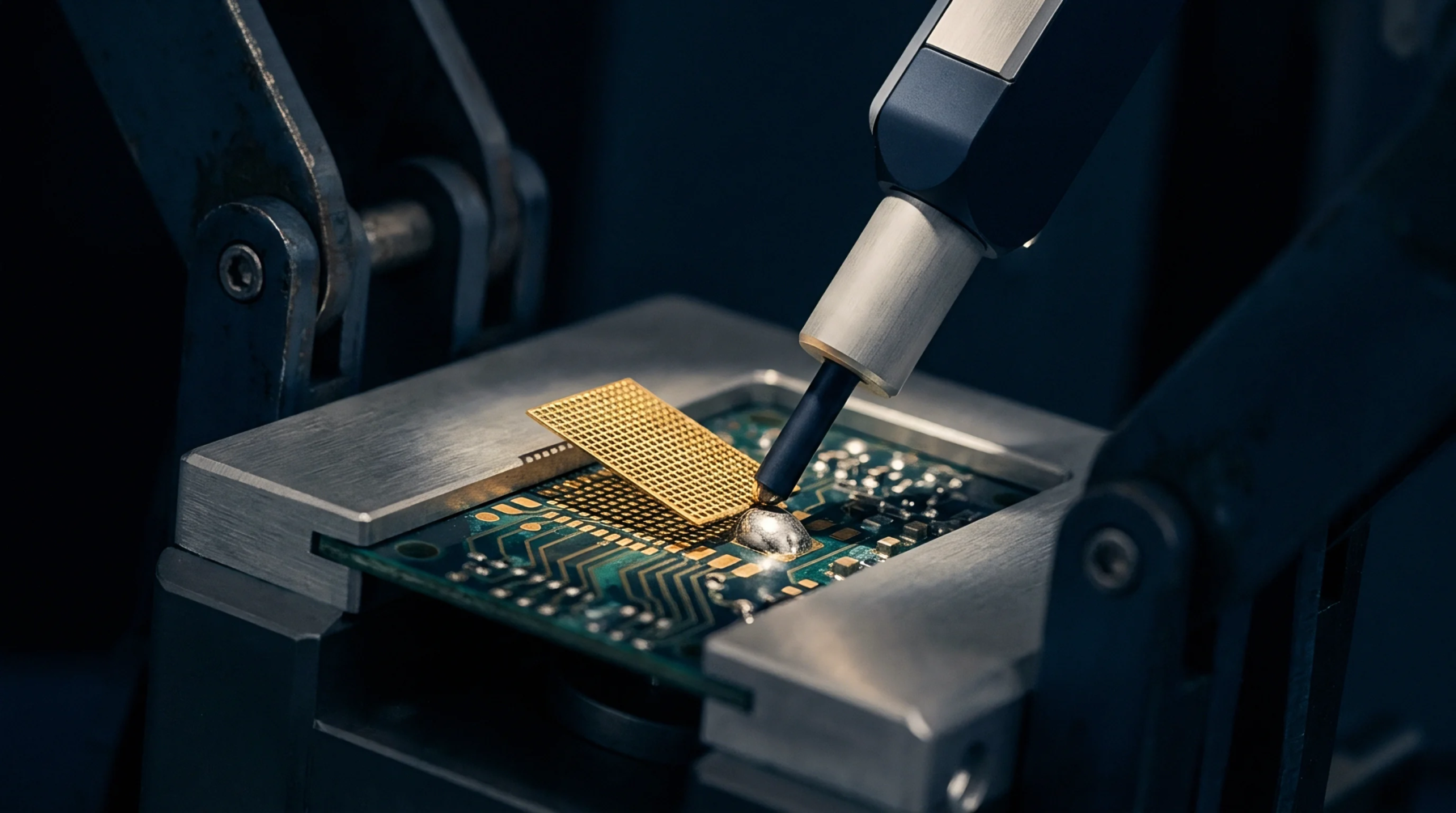
Fine pitch printing requires controlling paste viscosity under squeegee shear and managing stencil area ratios above zero point five five to maintain volume yield.
Sub-0.5 area ratio stencils require Type 5 paste with fluoropolymer nanocoating to prevent wall friction sticking and maintain 80 percent transfer efficiency.
Optimize micro-pitch stencil area ratios above 0.50 by pairing fine-grain or electroformed foils, nano-coatings, and Type 5 paste to stabilize transfer volume.

Sub-15 micron powder pastes require organic acid ligand tuning to balance shear breakdown against thixotropic rebuild rates for zero-defect 0.3mm pitch printing.
Type 6 paste requires G prime recovery above 1,200 Pa within 30 seconds of stencil extrusion to maintain 0.3mm pitch deposit geometry without bridging.
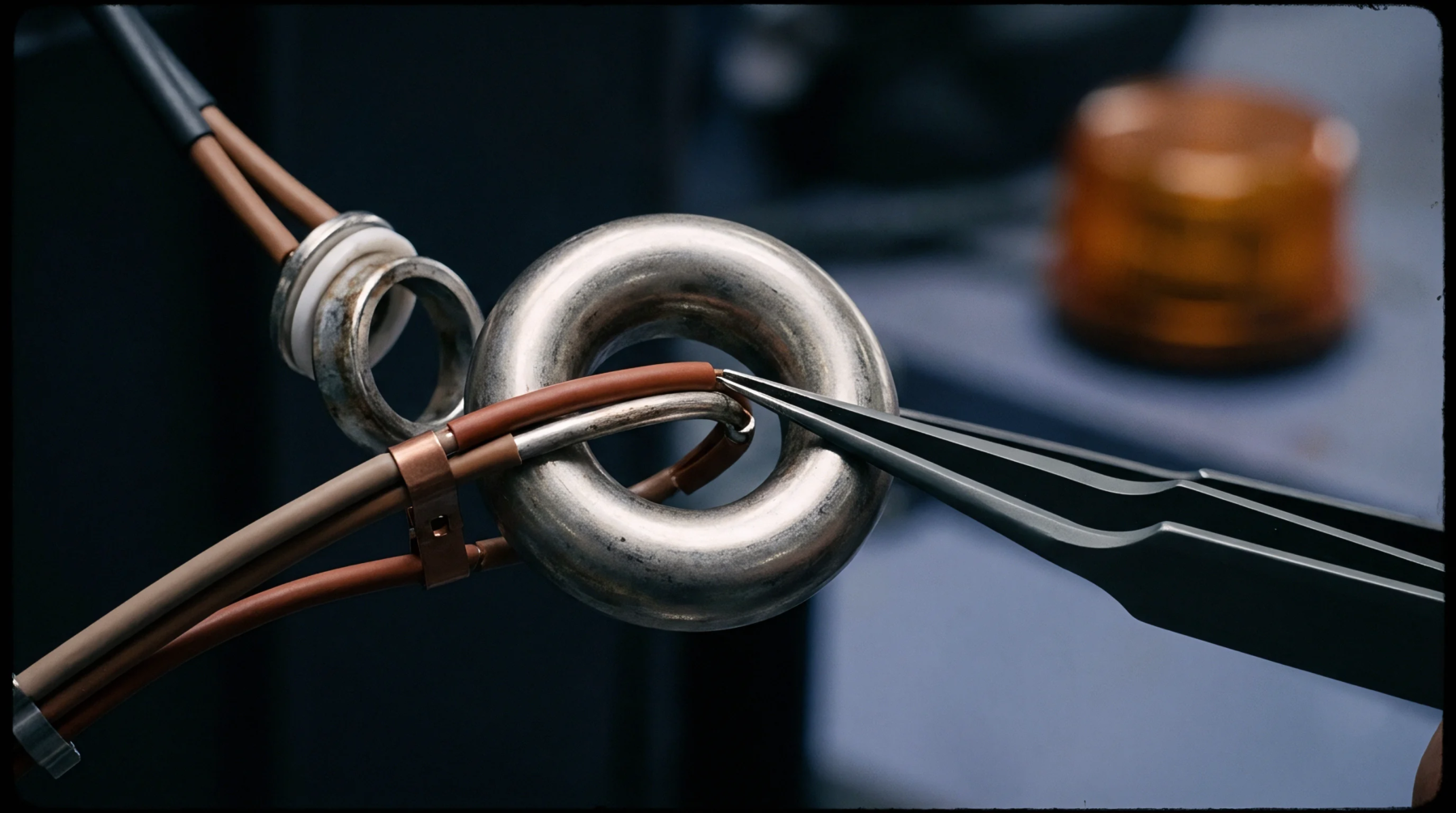
Continuous stencil shear reduces solder paste viscosity; maintaining print volume requires balancing squeegee speed, roll diameter, and paste turnover rates.

Ultrafine pitch aperture release depends on modeling solder paste relaxation spectra against sidewall slip lengths to prevent paste shearing defects.
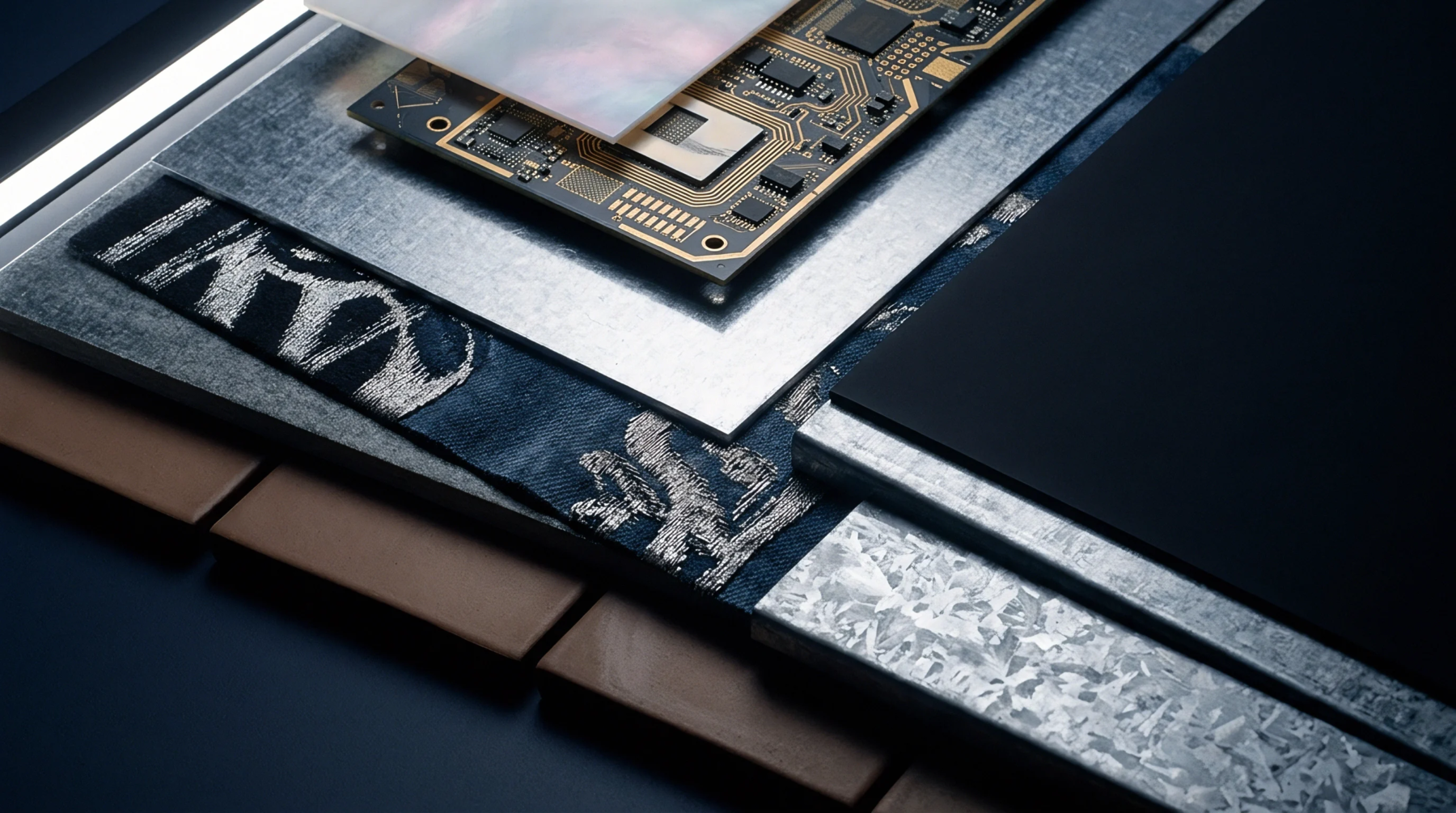
Fine pitch SMT printing success relies on qualifying solder paste yield stress, thixotropic recovery, viscosity profiles, and tack retention dynamics.
Non-clean Type 4 paste recovery limits demand strict dwell caps to prevent cold slump and stencil clogging on fine-pitch assembly lines.
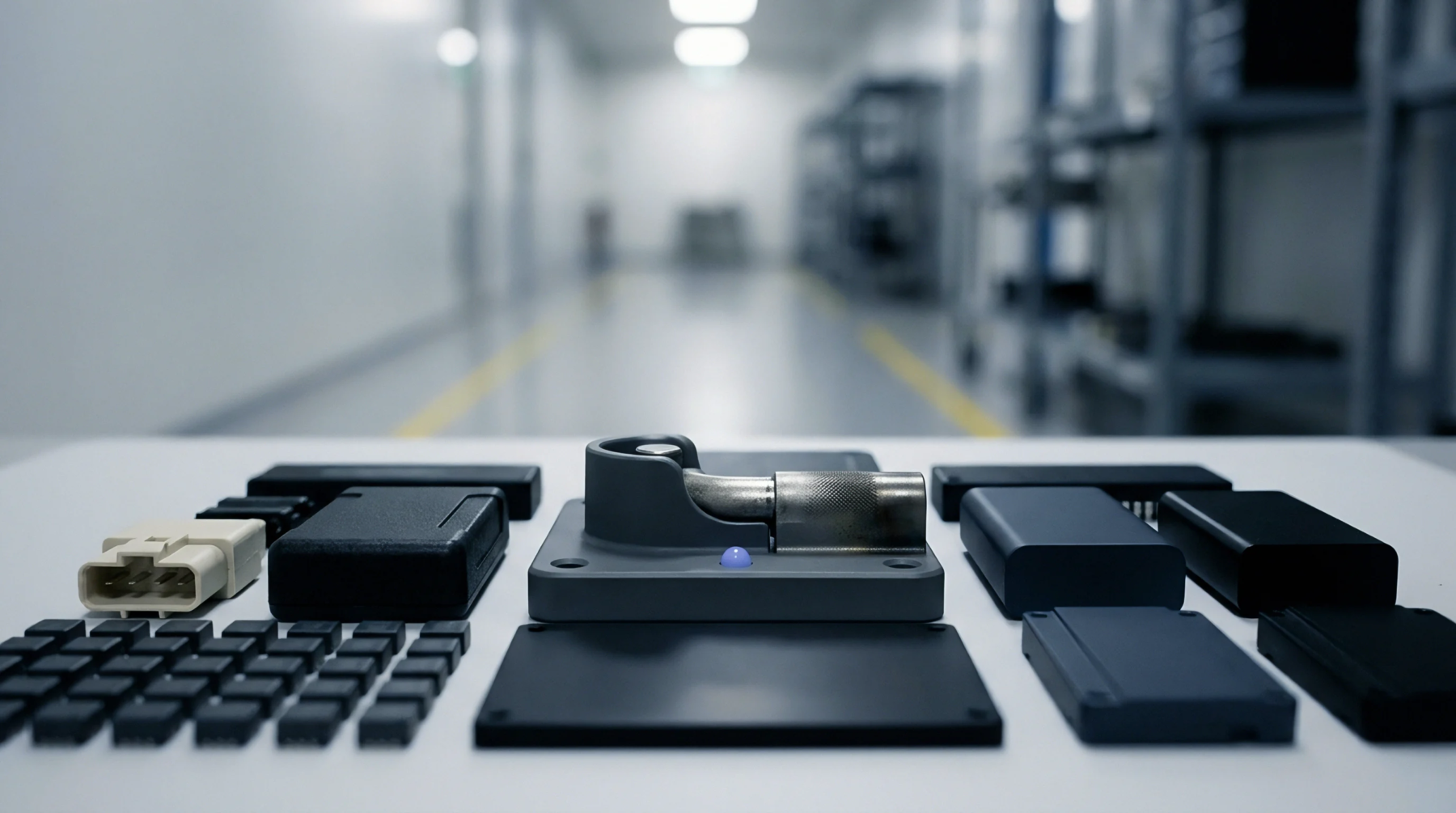
Balance squeegee load at 0.18 to 0.22 kilograms per centimeter to seal the foil without scooping, running velocity to sustain paste roll hydrodynamics.

Clear contract assembly boundaries require linking specific IPC inspection classes to documented thermal profiles, moisture logs, and signed first-article records.

Unapproved component broker procurement voids contractual manufacturing liability caps, exposing assembly partners to full rework and recall costs.
Microvoids under thermal fatigue concentrate local creep strain, accelerating intermetallic crack propagation and shortening solder joint lifespan.
Optimizing aperture sidewall energy and controlling z-axis separation speed prevents paste shearing, securing complete solder volume release in micro-SMT assembly.
Managing Type 5 solder paste requires narrow shear envelopes, automated replenishment, and tight humidity controls to prevent viscosity collapse and bridging.

Line qualification requires measuring first-print transfer efficiency after 30-minute pauses to prevent micro-aperture deposit starvation on high-density boards.
Transfer efficiency below 0.66 area ratio hinges on paste yield stress and wall shear thinning, where oscillatory rheology separates printable lots from defects.
Expertise is a utility, not a secret. sentiention™ publishes its working knowledge as open reference: intelligence layer covering the materials it sources, the markets it enters, and the reference that serves both.