Oscillatory Parallel Plate Rheometry in Sub-Fifty Micron Glass Prepregs
Dynamic oscillatory rheometry on sub-fifty micron prepregs quantifies minimum complex viscosity and gel windows to prevent trace encapsulation voids.
Dynamic oscillatory rheometry on sub-fifty micron prepregs quantifies minimum complex viscosity and gel windows to prevent trace encapsulation voids.
Chemorheological modeling predicts thermoset gelation and squeeze flow, defining heating rates and platen pressures to hold sub-20 µm dielectric variations within ±1 µm.
Optimizing plasma desmear for heterogeneous laminates balances differential etch rates across polymer chemistries to ensure plating adhesion without wedge defects.
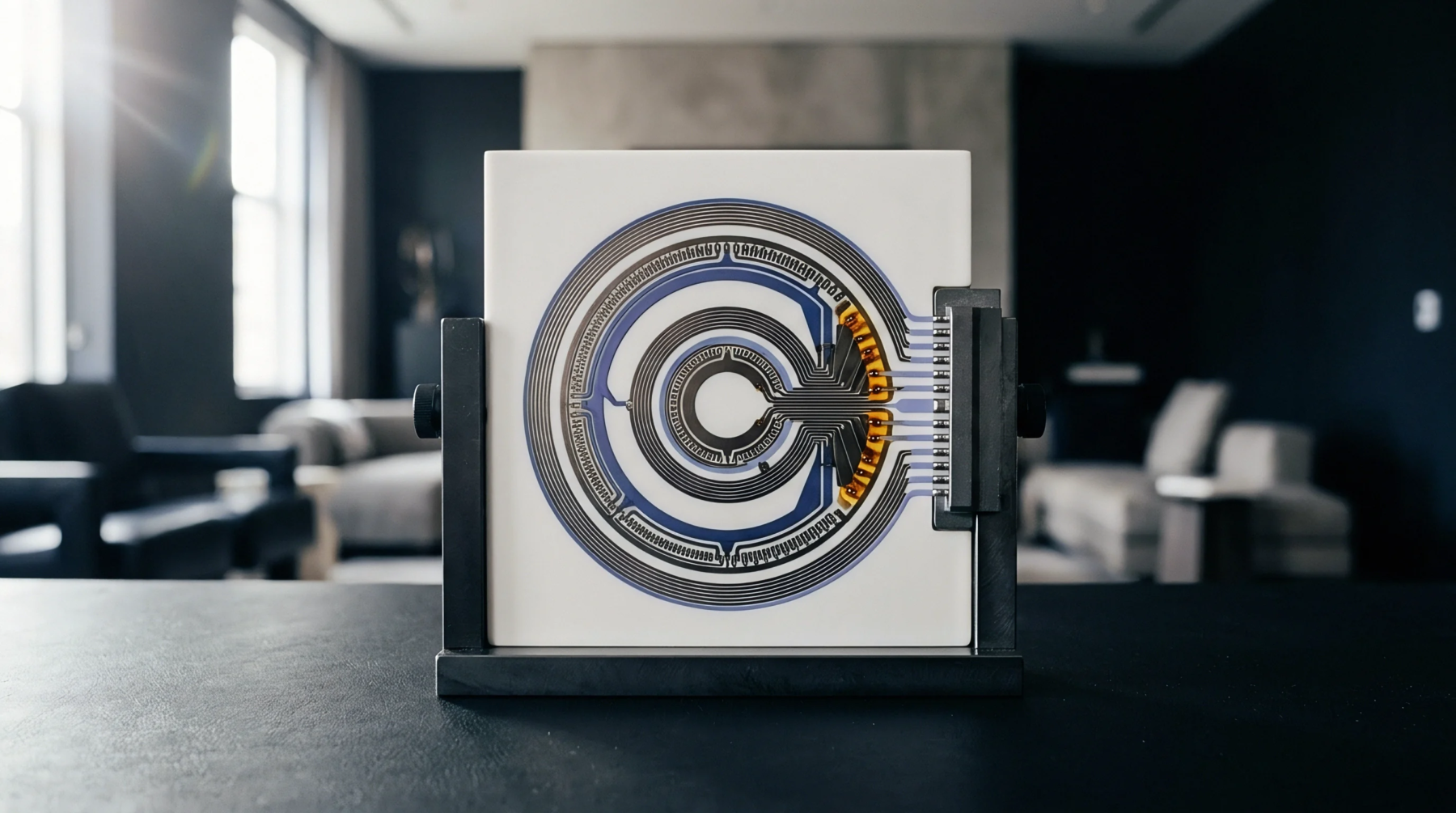
Prepreg viscosity profiles under precise heating rates dictate resin fill, dielectric spacing, and internal layer registration in high frequency stackups.
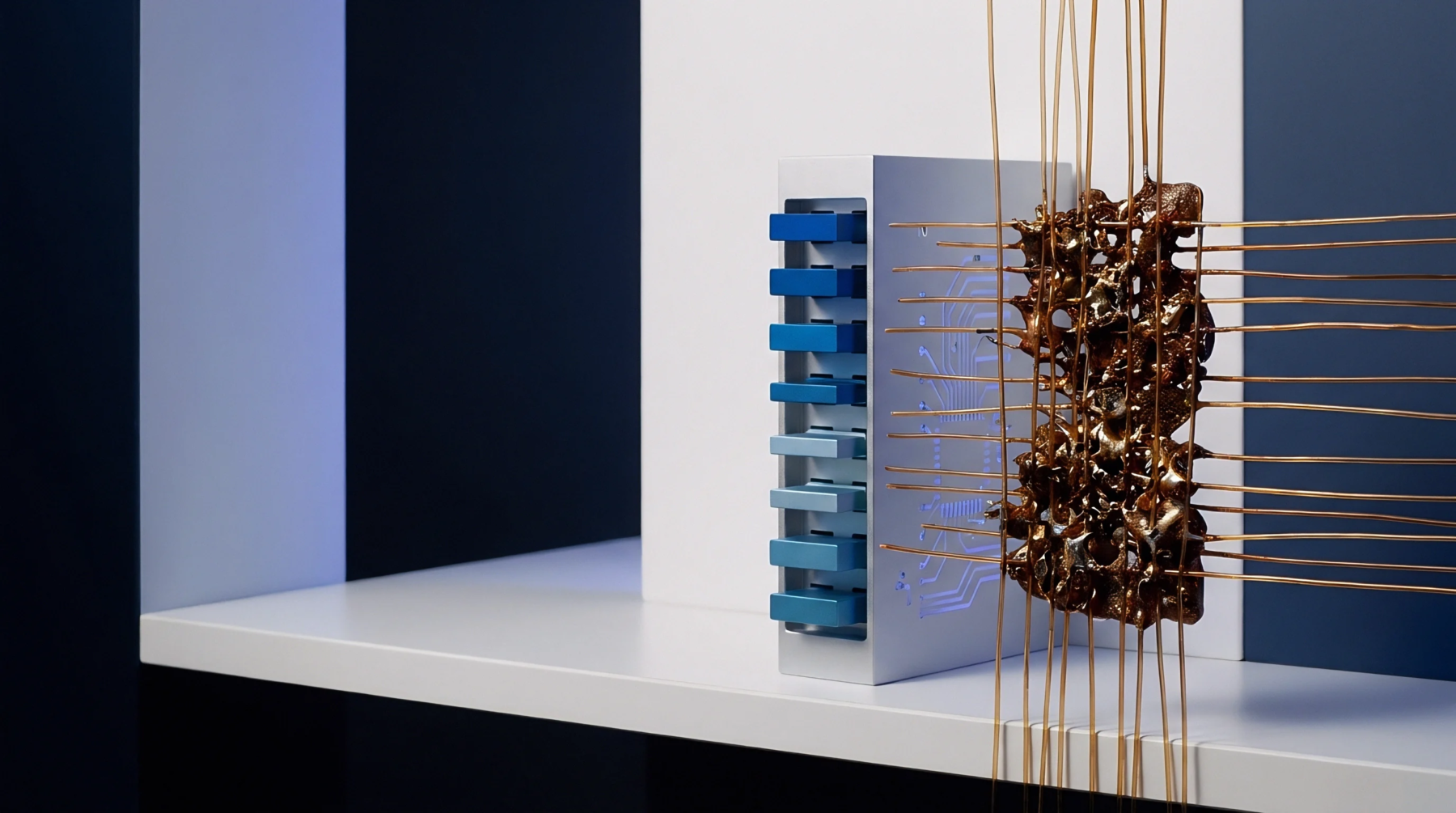
Microvia resin filling depends on vacuum timing before viscosity minimum to maximize capillary drive and dissolve trapped bubbles before thermoset gelation.
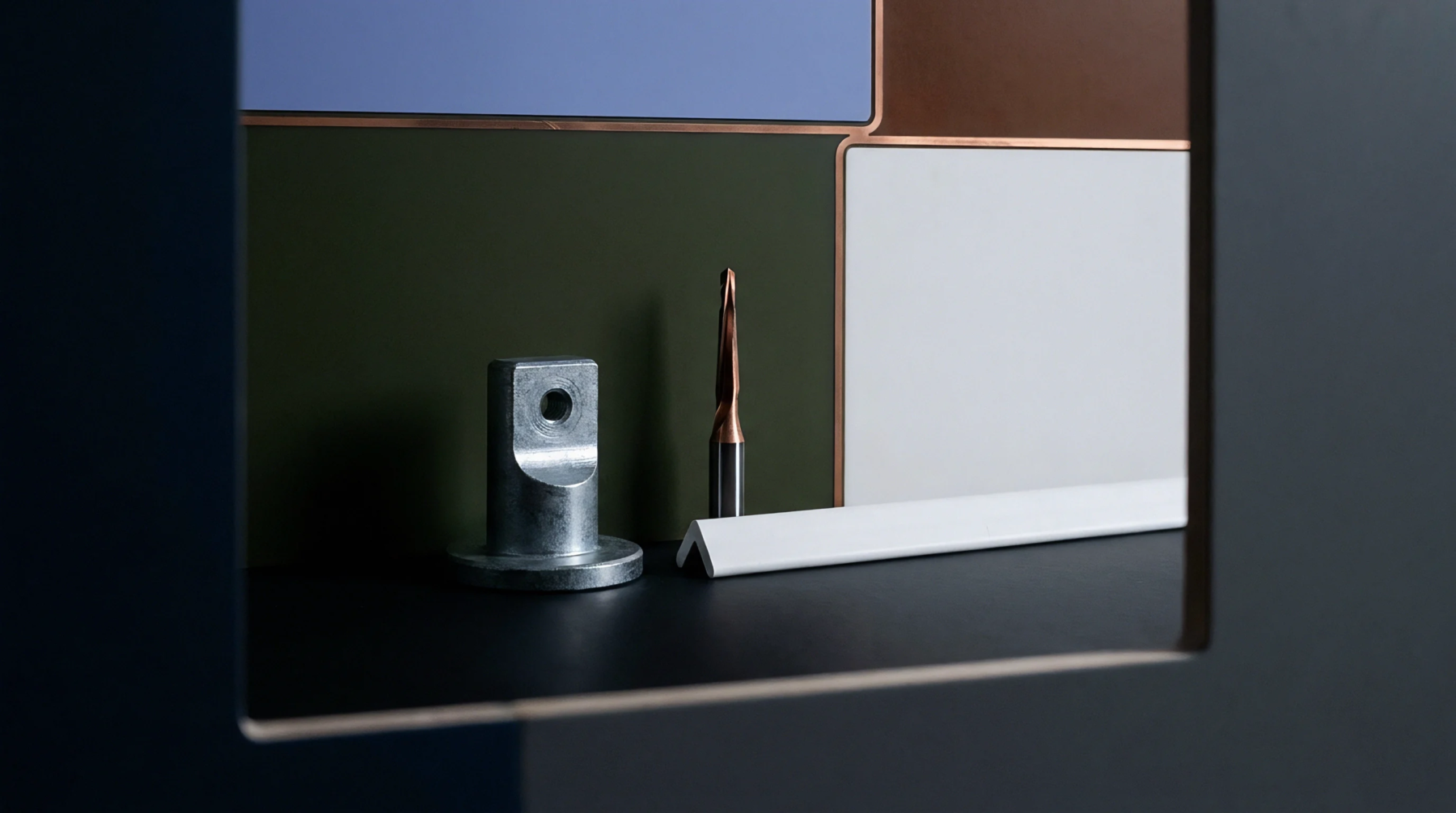
Pairing mid-loss resins with HVLP copper cuts high-frequency trace attenuation by up to 38 percent without forcing transitions to expensive ultra-low-loss substrates.
Unbalanced inner-layer copper density drives uneven resin flow during lamination, thinning dielectric over dense areas and altering impedance tolerances.
Expertise is a utility, not a secret. sentiention™ publishes its working knowledge as open reference: intelligence layer covering the materials it sources, the markets it enters, and the reference that serves both.