Deembedding Multi Port Scattering Matrices for High Speed Board Characterization
De-embedding multi-port scattering matrices removes physical fixture loss and crosstalk to extract accurate printed circuit trace performance for high-speed boards.
De-embedding multi-port scattering matrices removes physical fixture loss and crosstalk to extract accurate printed circuit trace performance for high-speed boards.
Extracting microvia loop inductance requires vector network analyzer S-parameter de-embedding on IPC-2141A coupons to isolate sub-50 pH parasitics from fixture launches.
De-embedding launch parasitics converts raw TDR reflections into intrinsic trace impedance profiles, isolating PCB fabrication errors from test fixture artifacts.
Phase distortion calibration extracts true propagation velocity by de-embedding fixture parasitics and compensating for copper profile inductance and weave skew.
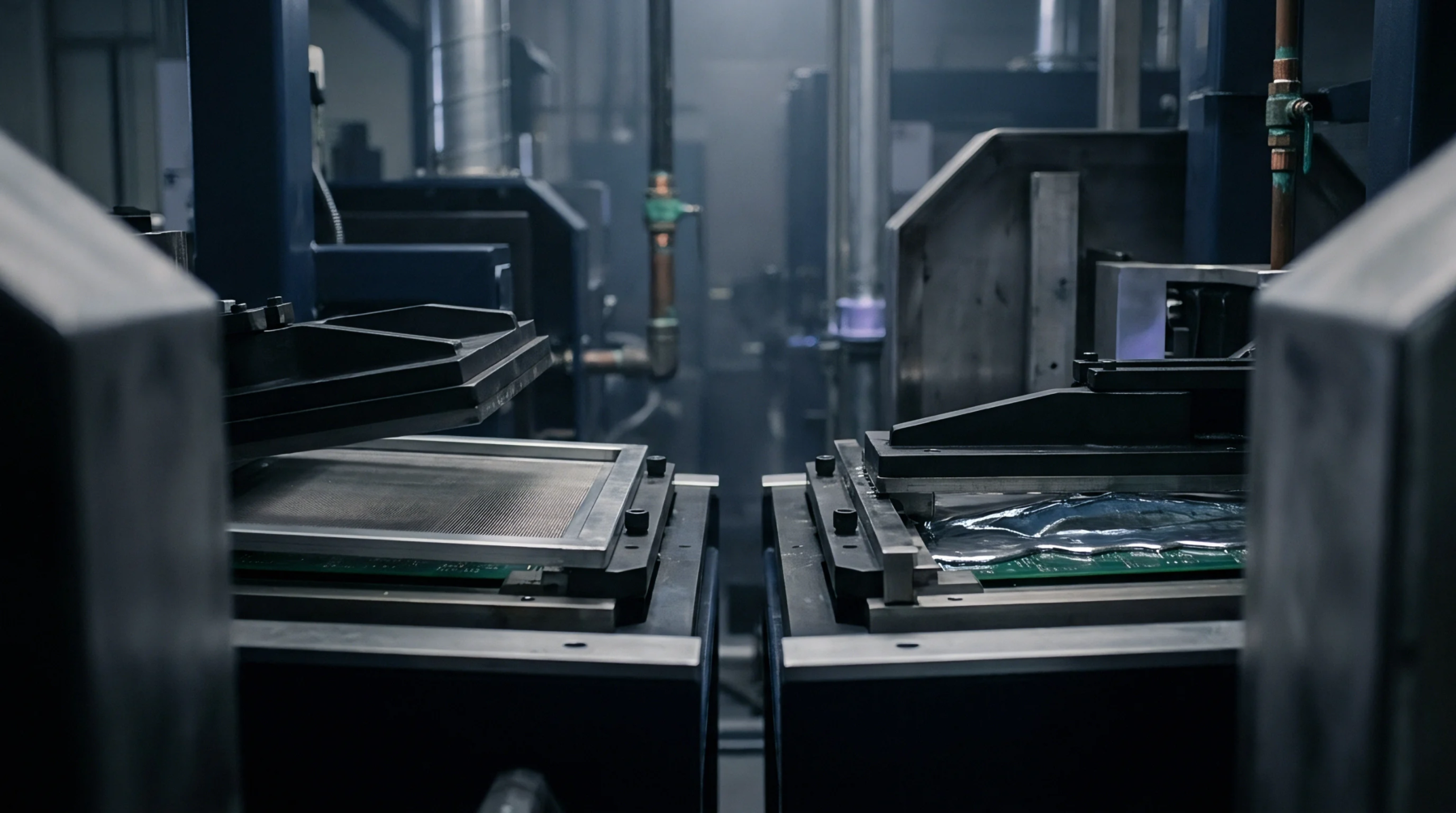
Differential phase skew standards require de-embedded S-parameter phase extraction or calibrated TDR thresholding over spread-glass coupons to verify limits.
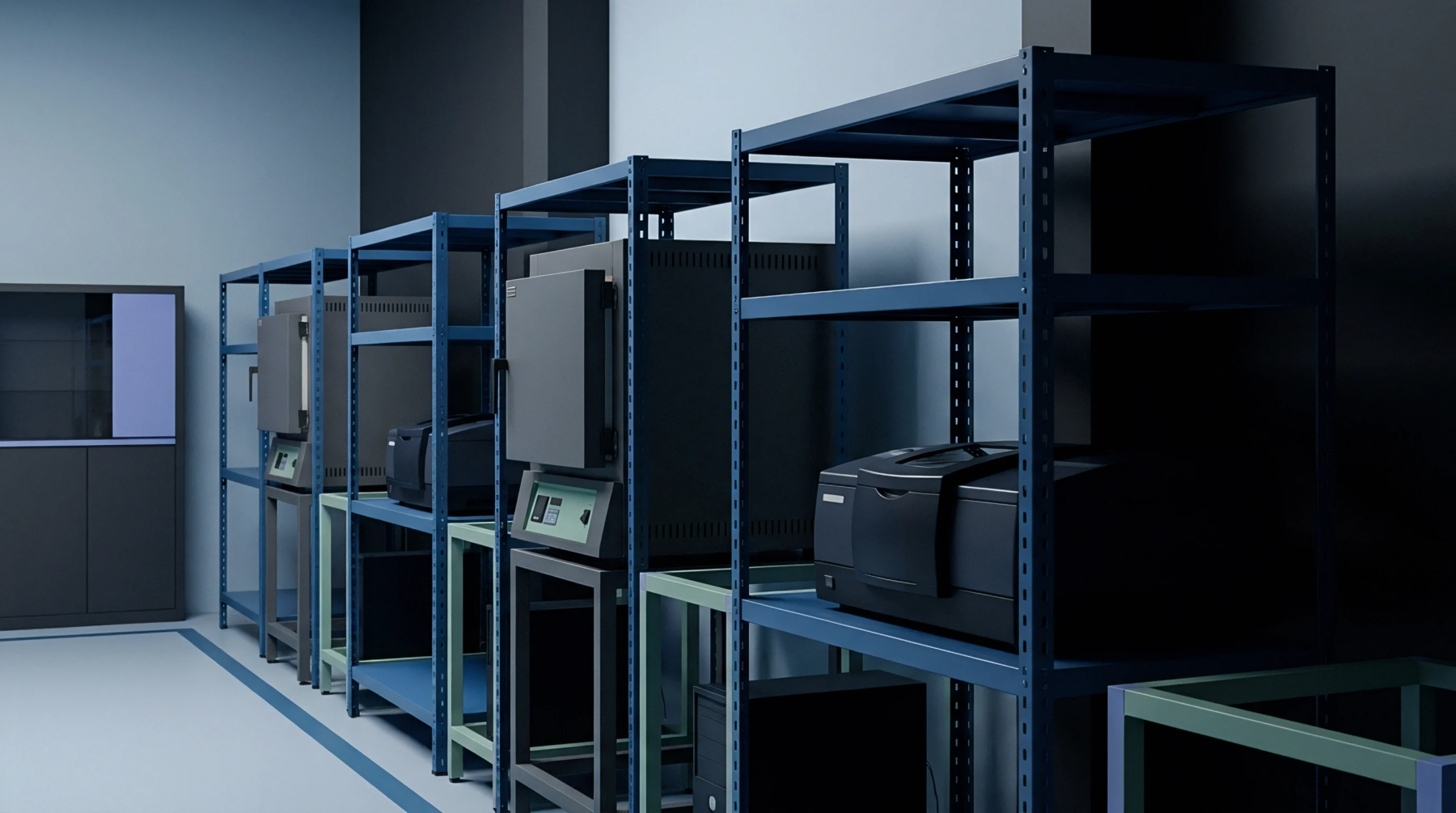
Dynamic de-embedding drift from micro-coaxial probe wear is resolved through inline contact monitoring, automated tip cleaning, and dynamic error-box updates.
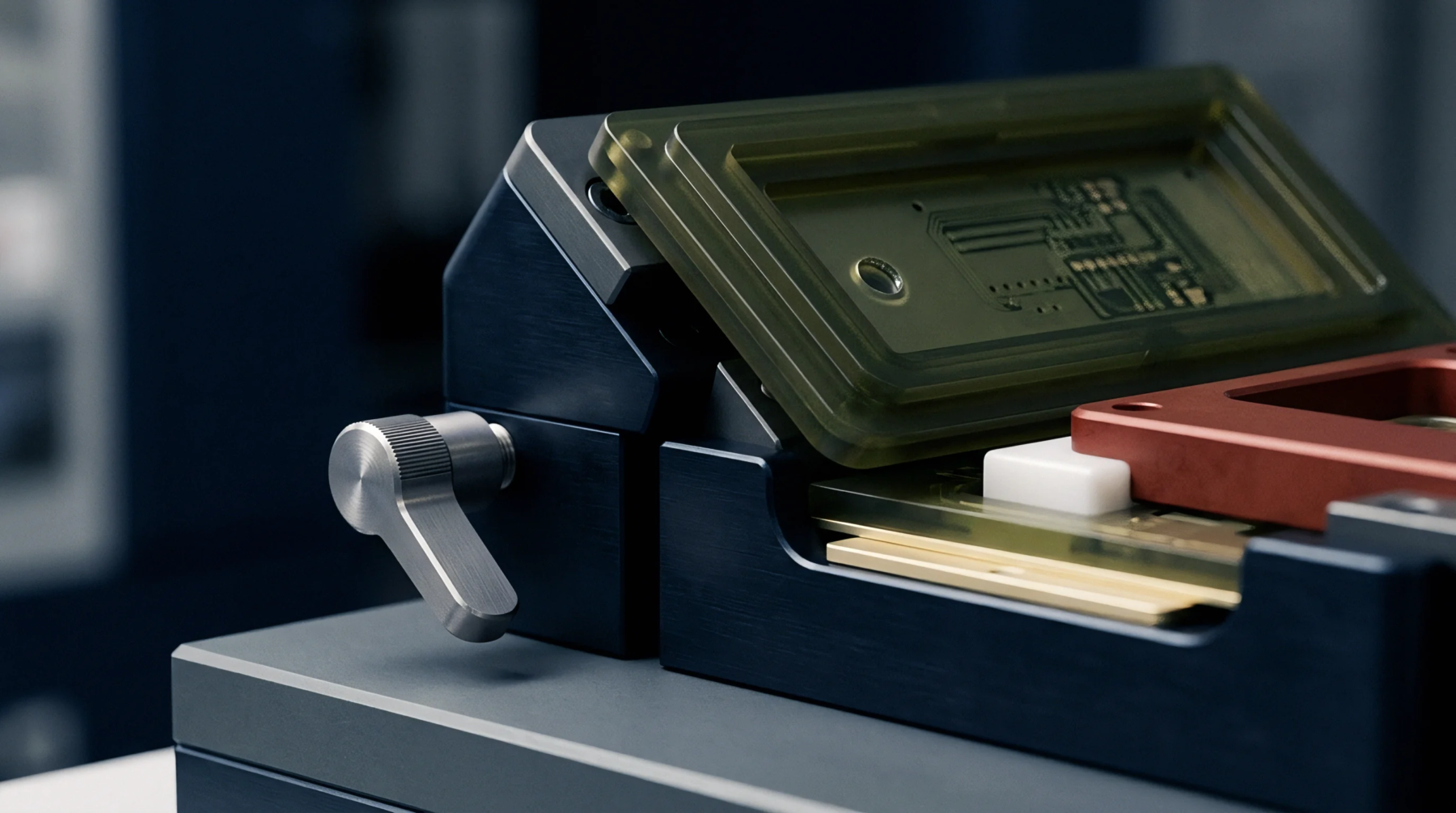
Micro-fractures in high-speed coupling capacitors elevate insertion loss and phase jitter; wideband S-parameter screening catches latent dielectric failures.
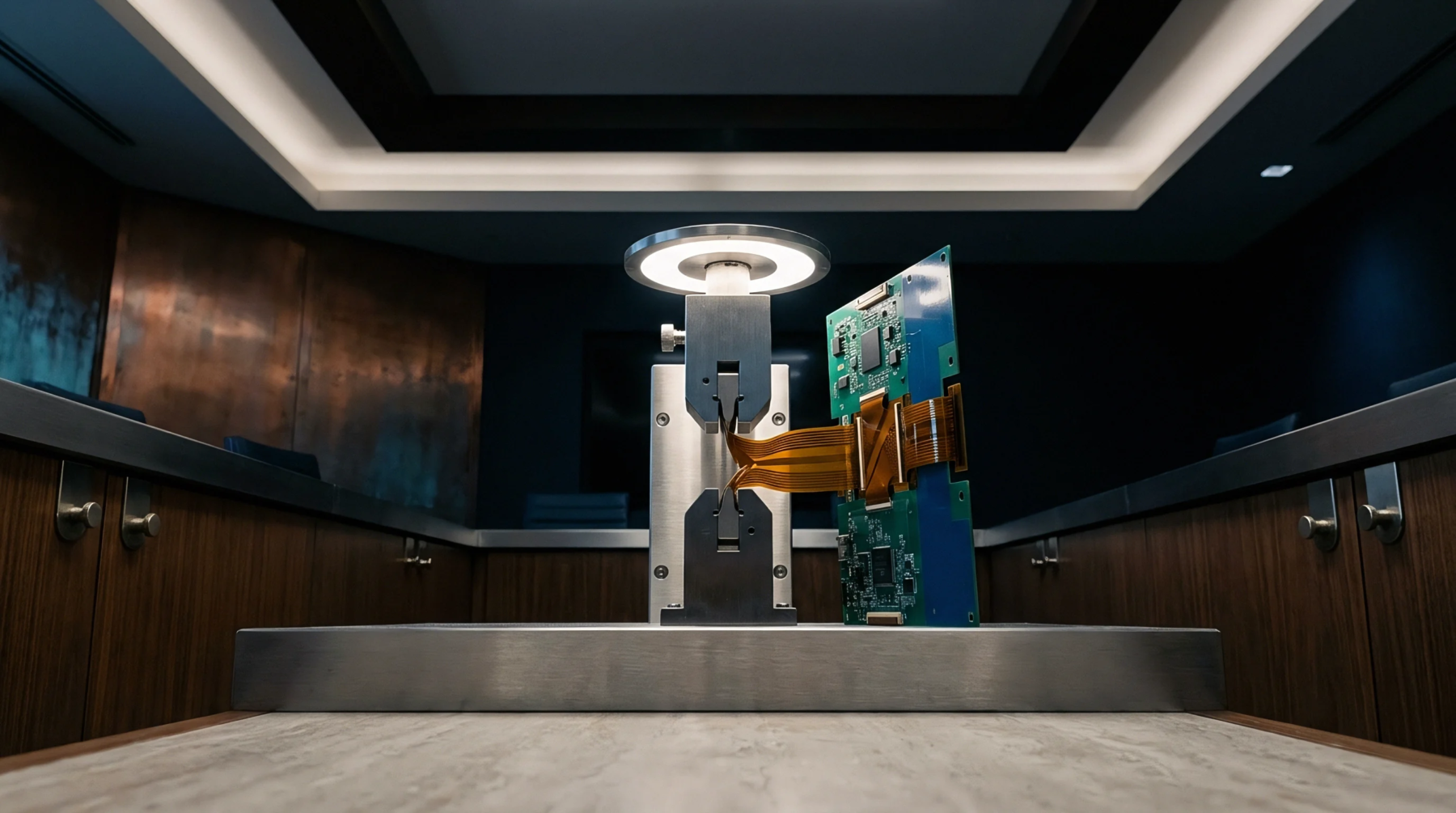
Extracting return path discontinuity metrics requires multi-port VNA s-parameters, IEEE 370 de-embedding, and IFFT conversion to quantify impedance spikes.
Expertise is a utility, not a secret. sentiention™ publishes its working knowledge as open reference: intelligence layer covering the materials it sources, the markets it enters, and the reference that serves both.