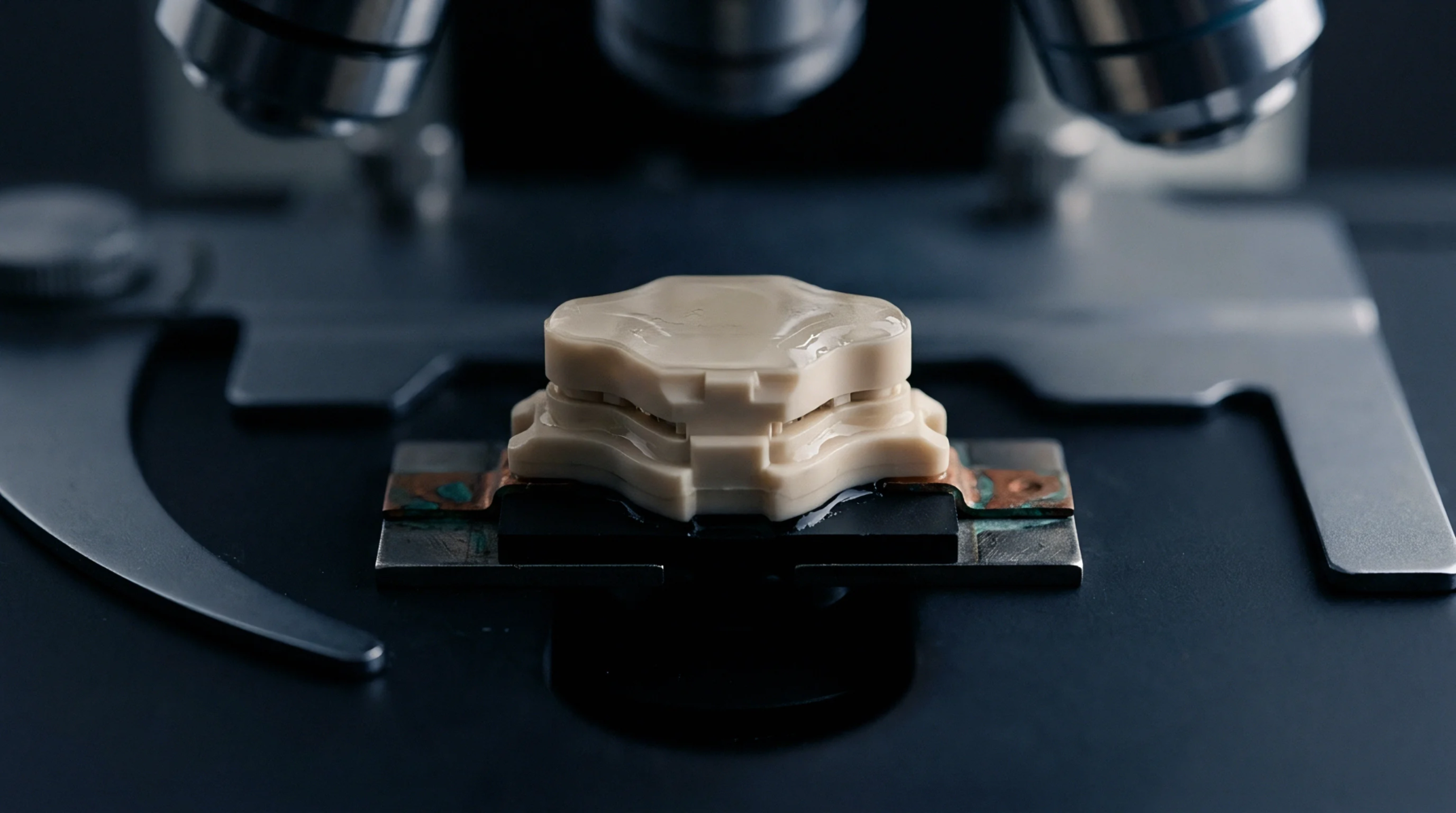
Spatial Dielectric Variation Analysis in High Frequency Core Packaging Structures
Spatial dielectric variation across organic package cores causes differential phase skew and impedance ripple, requiring spread glass and strict panel-level metrology.
Spatial dielectric variation across organic package cores causes differential phase skew and impedance ripple, requiring spread glass and strict panel-level metrology.
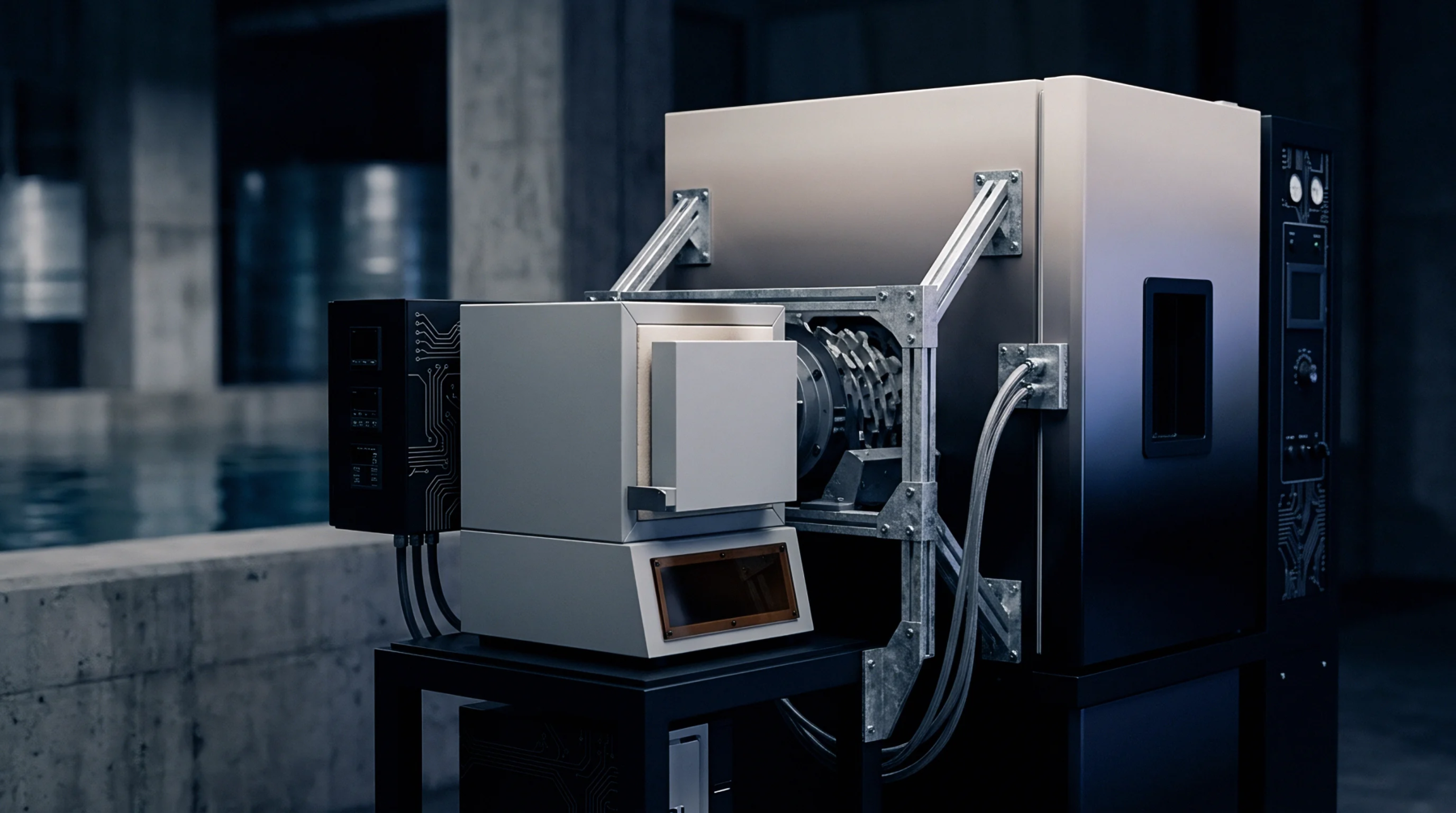
Escape rate analysis for high-speed SerDes requires combined AC boundary scan and high-frequency TDR screening to capture micro-voids and flex micro-cracks.
AC coupling capacitor solder joint failures require AC boundary scan and TDR screening to detect latent mechanical microcracks before field deployment.

Selecting mechanically flattened spread glass styles like 1067 or 1078 eliminates dielectric pitch gaps and keeps high-speed differential skew below 2 ps/inch.

Spread glass prepregs eliminate dielectric permittivity gaps across differential traces, suppressing signal skew below 1 ps/inch in 112G PAM4 stackups.
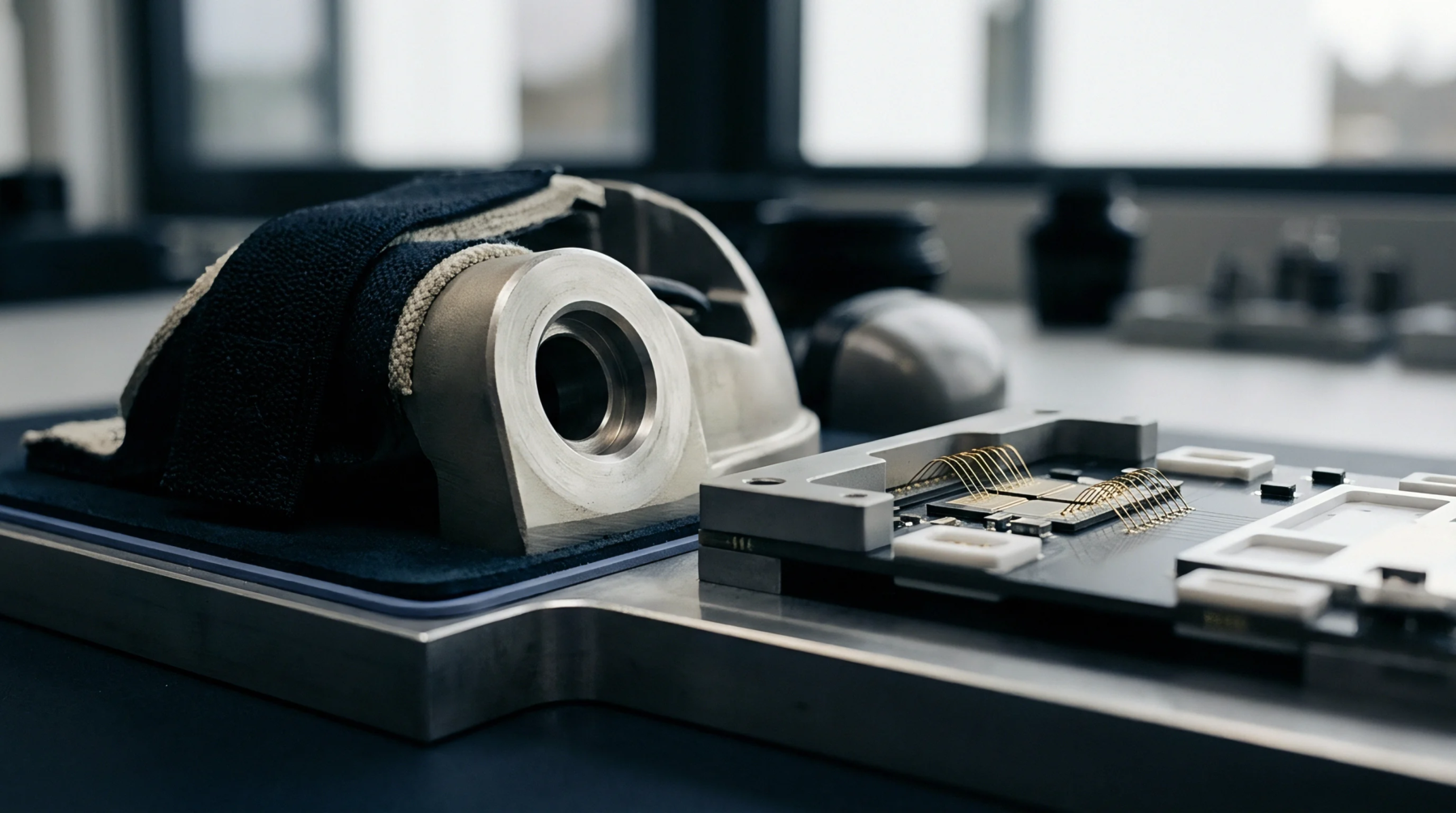
Matching glass bundle pitch to trace geometry and using spread glass weaves eliminates local permittivity variations, bounding differential phase skew within tolerance.

Resolving high-frequency dissipation factor degradation requires specifying hydrophobic organosilane treatments on low-loss glass fabrics with strict vacuum desiccation protocols.

Managing anisotropic permittivity in sequential substrates requires spread glass prepregs, optimized press kinetics, and directional fixture qualification.
Modeling structural failure escape rates on hybrid AC-coupled serial nets requires combining IEEE 1149.6 boundary scan with automated X-ray inspection.

Differential phase skew control requires spread-glass fabrics or off-axis routing to eliminate local micro-scale dielectric variations across high-speed traces.

Spread glass weaves minimize micro-spatial permittivity variations, stabilizing high-frequency phase delay when press thermal cycles are tightly controlled.
Expertise is a utility, not a secret. sentiention™ publishes its working knowledge as open reference: intelligence layer covering the materials it sources, the markets it enters, and the reference that serves both.