Thermal Resistance
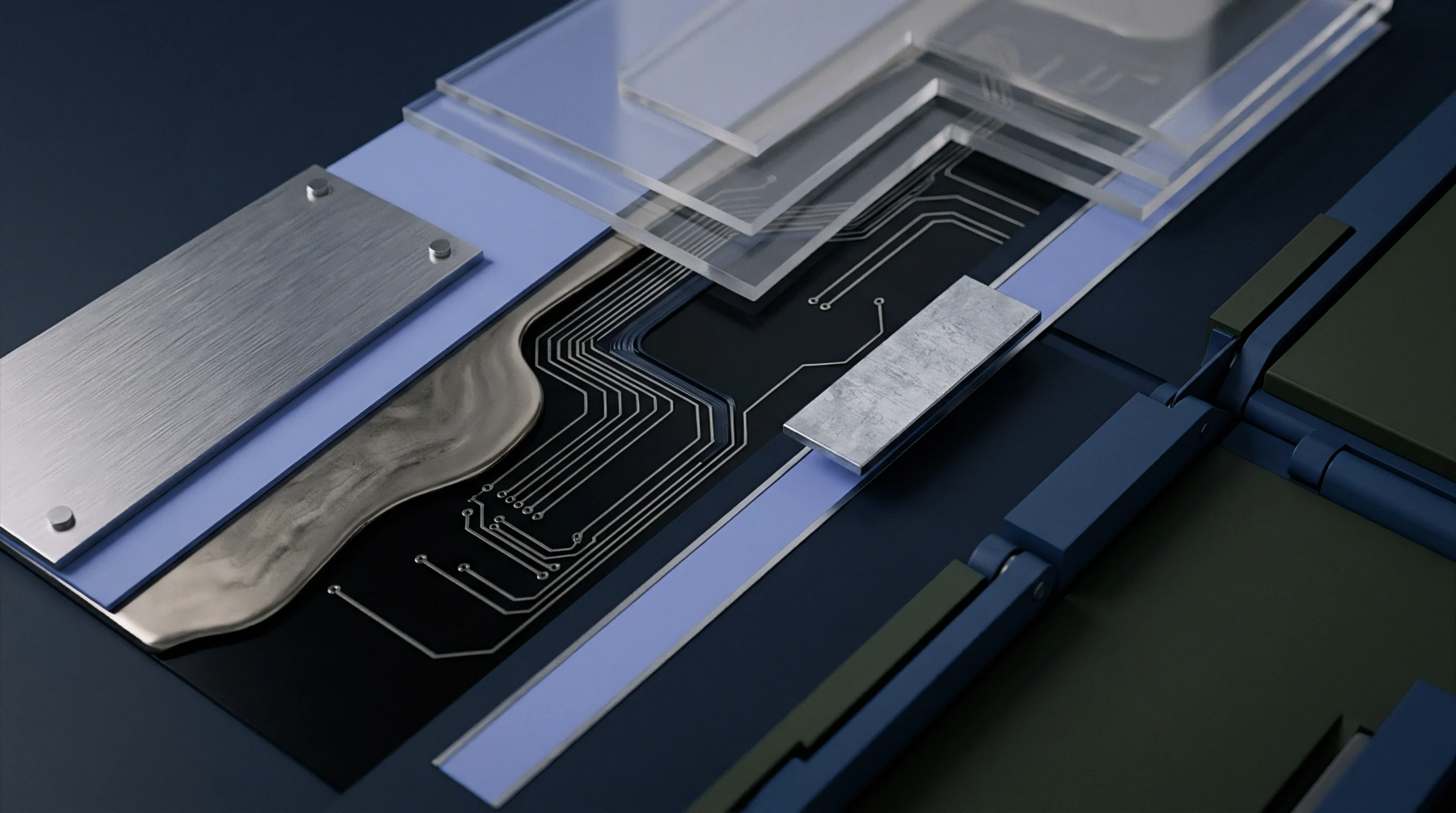
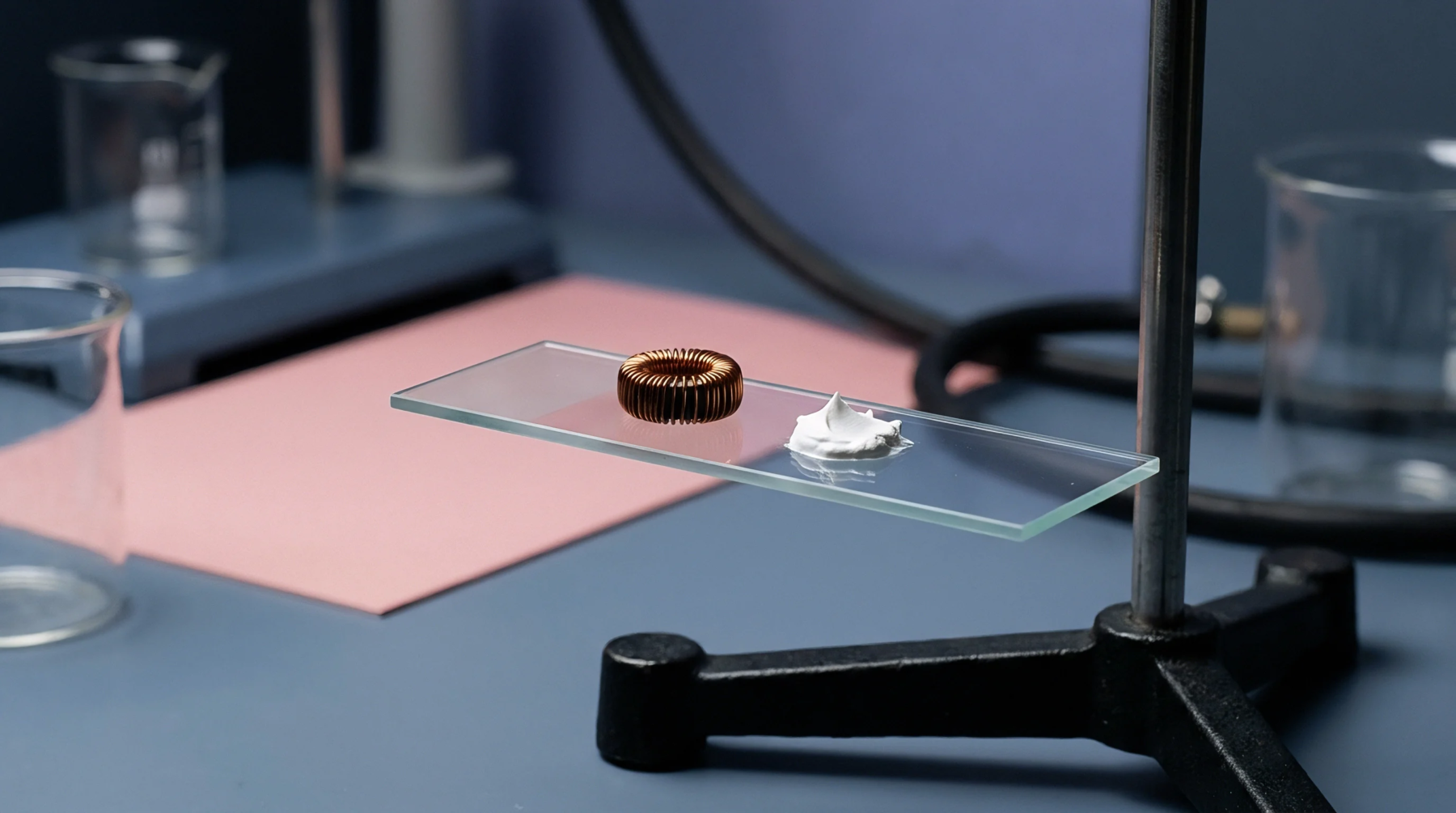
A high performance interface compound provides a baseline for heat dissipation in power electronics applications by filling microscopic voids between a component surface and a heatsink to minimize air gaps. The tachyon 100g ensures stable junction temperatures during heavy operation by reducing contact impedance across uneven mating faces. This material relies on a silicone matrix loaded with metallic oxides to create a conductive pathway for phonons.
Higher pressure application forces the paste into texture irregularities, while low viscosity prevents excessive bleed during thermal cycling. A stable bond survives internal stresses that cause phase separation in inferior chemical suspensions. The product effectively manages wattage density within confined board footprints.
Bond Line
Thickness control during the application of tachyon 100g defines the actual efficiency of heat transfer away from the die. Excessive material accumulation increases the path length for energy, which leads to heat buildup within the active semiconductor layers. Precise dispense patterns reduce material waste and prevent contamination of sensitive solder joints on the peripheral circuitry.
Automated machinery maintains a uniform layer by limiting nozzle pressure during the initial deposition sequence. The chemical composition remains stable under standard industrial soldering temperatures, yet the fluid state permits rework without damaging sensitive surface mount components. Consistent application prevents the formation of voids that act as localized heat traps.
Mechanical tolerances dictate the volume of paste required to achieve the desired interface thickness. Tight control over these parameters allows for repeatable cooling results across an entire production batch.
Operational Boundary
Performance limitations for tachyon 100g emerge when the environmental temperature exceeds the upper threshold of the carrier medium, causing base evaporation and subsequent voids. Long term reliability depends on the chemical integrity of the filler particles under high frequency vibration. Oxidation of the interface occurs if the seal fails to exclude moisture from the contact area over extended field deployment.
Proper surface preparation remains the primary factor for consistent heat flux across the joint. The compound eventually loses its pliability after chemical degradation, which necessitates maintenance cycles in demanding power conversion systems. Failure to monitor interface health results in uncontrolled temperature rise within the assembly.
Constant thermal impedance serves as a functional requirement for the lifespan of electronic hardware.