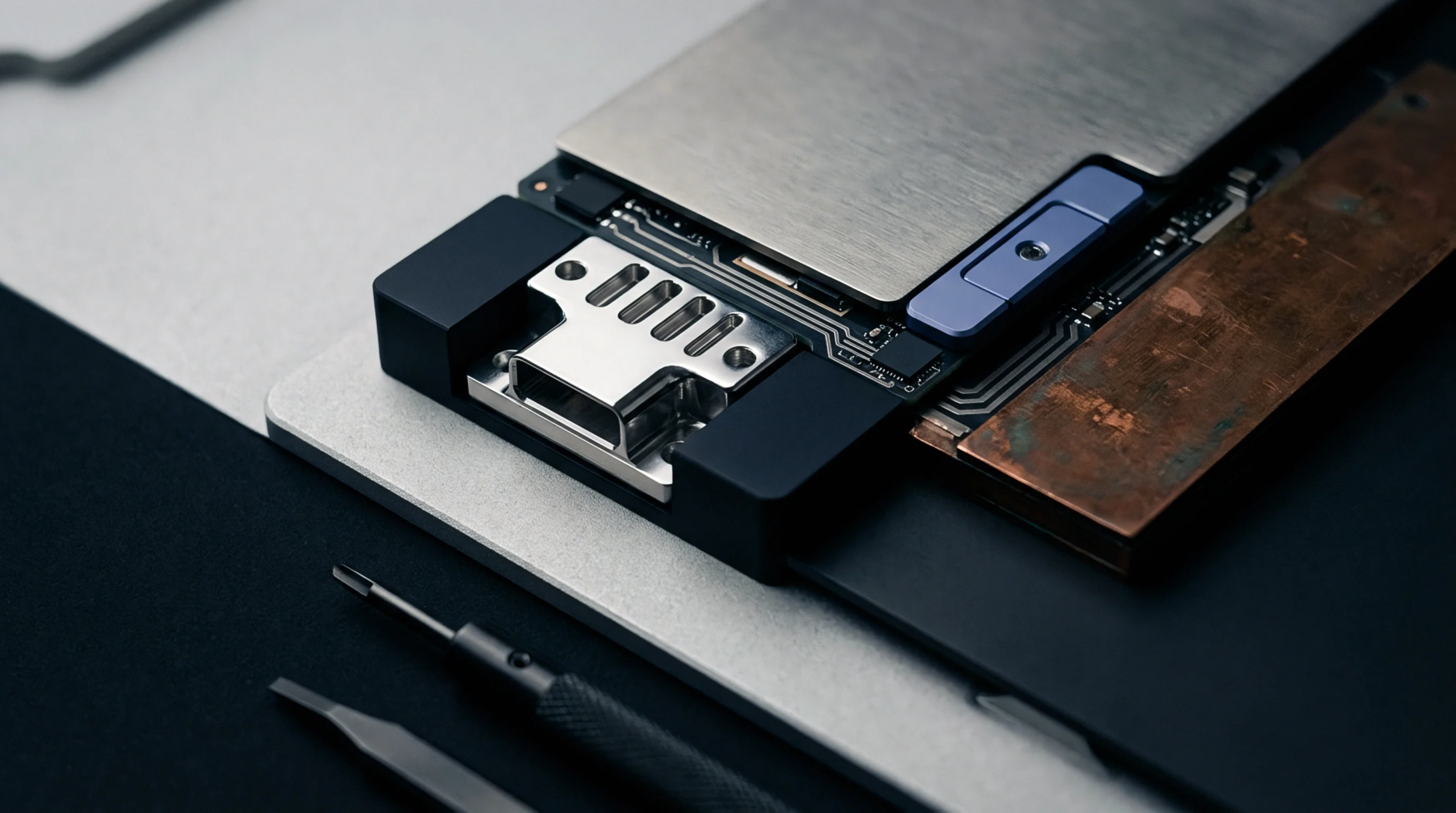
Mechanical Deflection Limits for Lead Free BGA Assemblies during Actuation
Board strain on lead-free BGA assemblies stays below 500 microstrain at high actuation rates to eliminate brittle intermetallic pad cratering.
Board strain on lead-free BGA assemblies stays below 500 microstrain at high actuation rates to eliminate brittle intermetallic pad cratering.
Quantifying assembly strain per IPC-JEDEC-9704 isolates latent microvia and pad cratering risks before volume production releases.
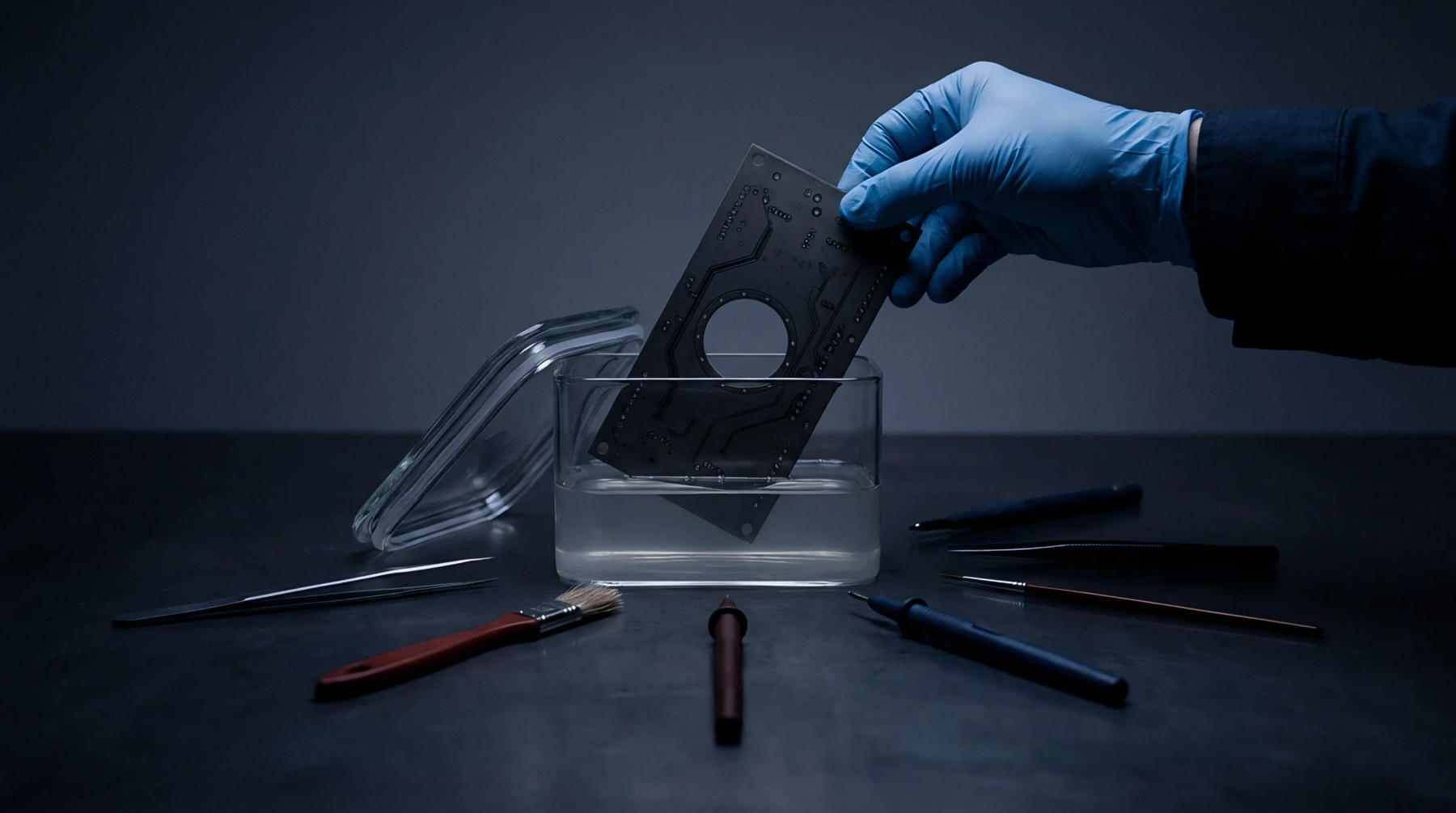
Deriving principal microstrain tensors from triaxial rosettes converts channel voltages into rate-dependent limits to prevent latent pad cratering during ICT.
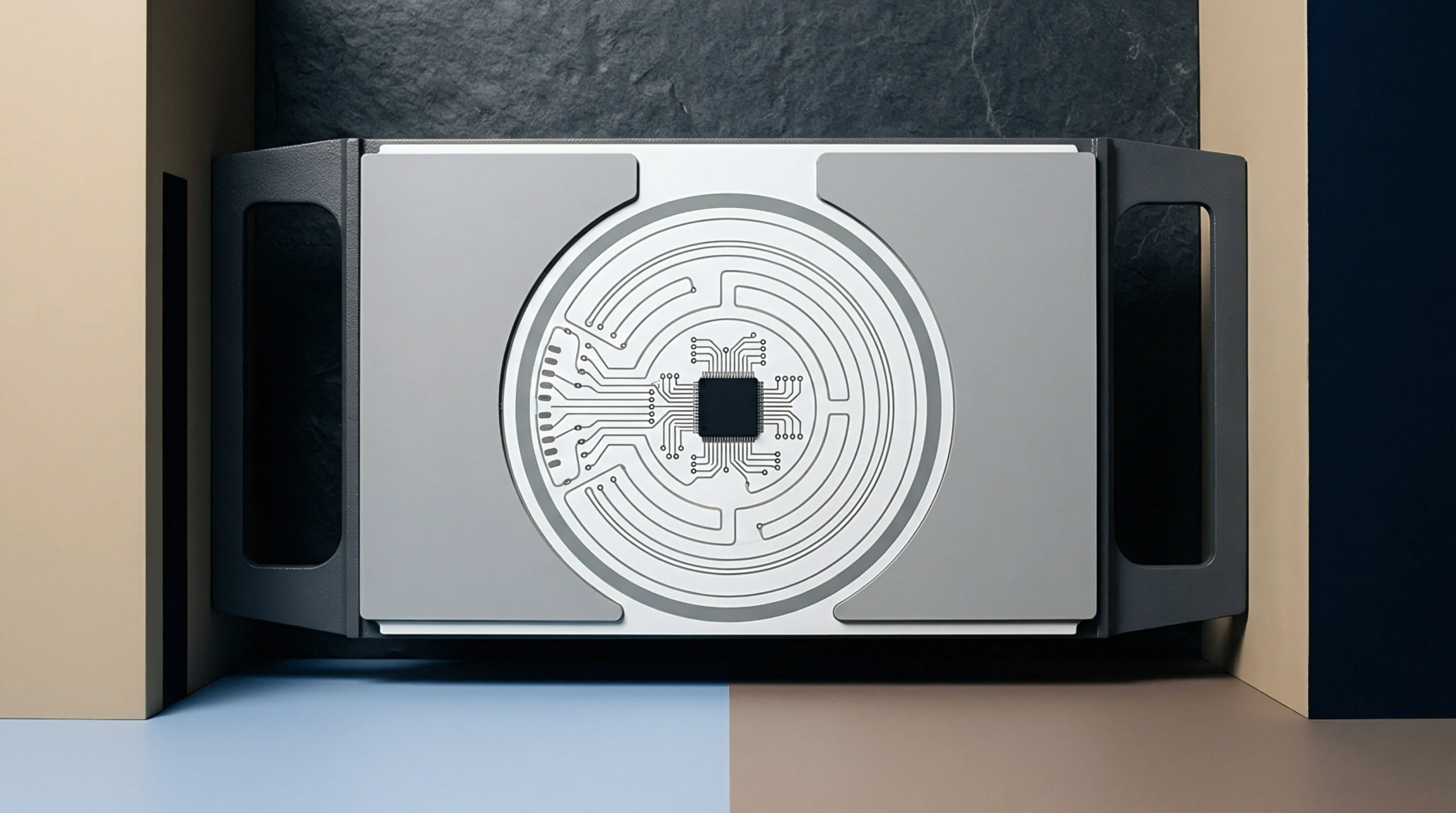
Strain gage testing establishes microstrain and strain rate boundaries across assembly steps to prevent solder joint rupture and laminate pad cratering.

Characterize in-circuit test bending strain using high-speed triaxial rosettes and IPC-9704 limits to eliminate latent solder cracking and pad cratering.
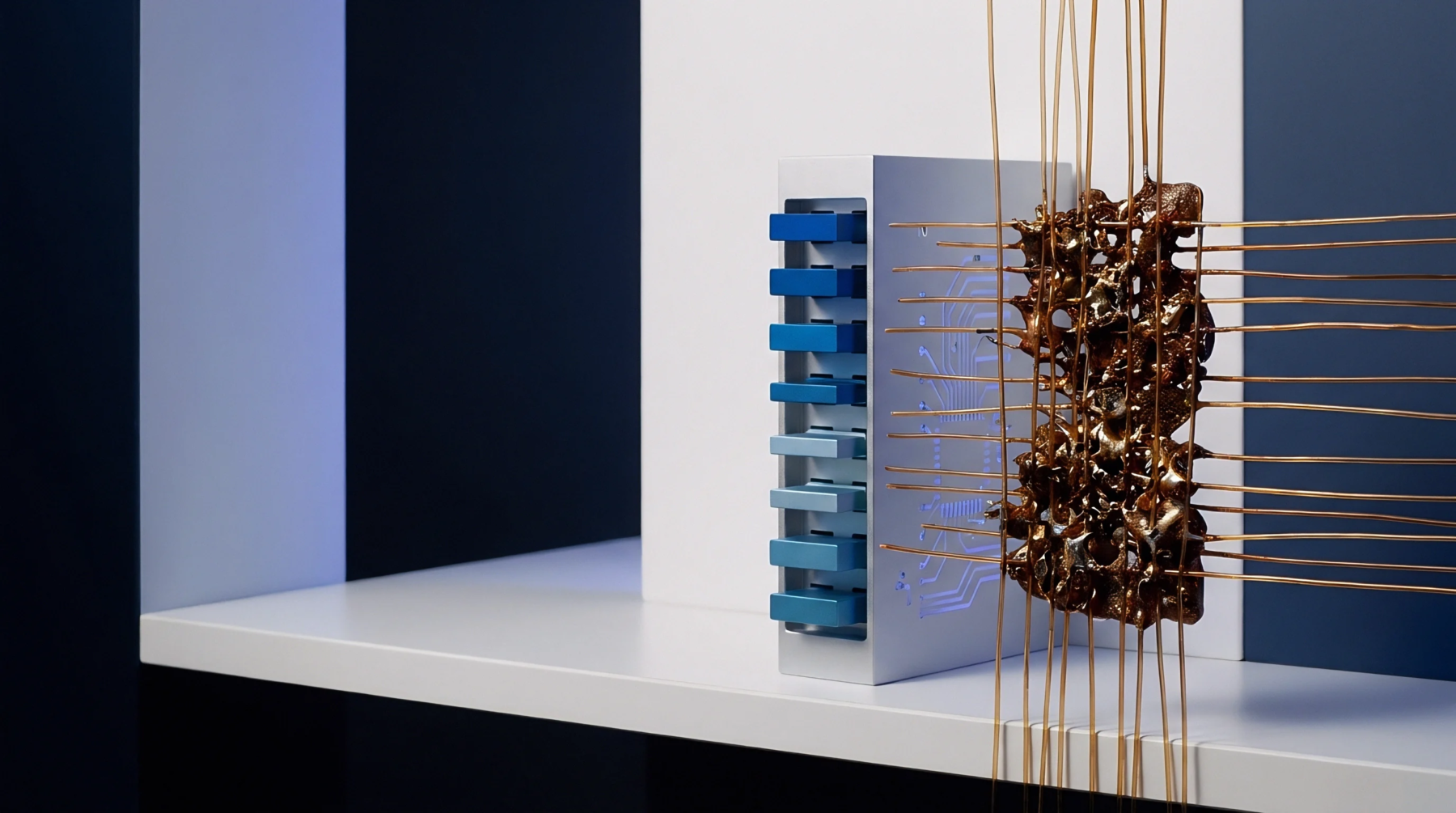
Dynamic strain rate transformation during fixture actuation verifies mechanical compliance against IPC-9704 limits before structural testing begins.

Finite element analysis verification against physical strain gauge telemetry requires localized mesh refinement and empirical contact friction coefficients.
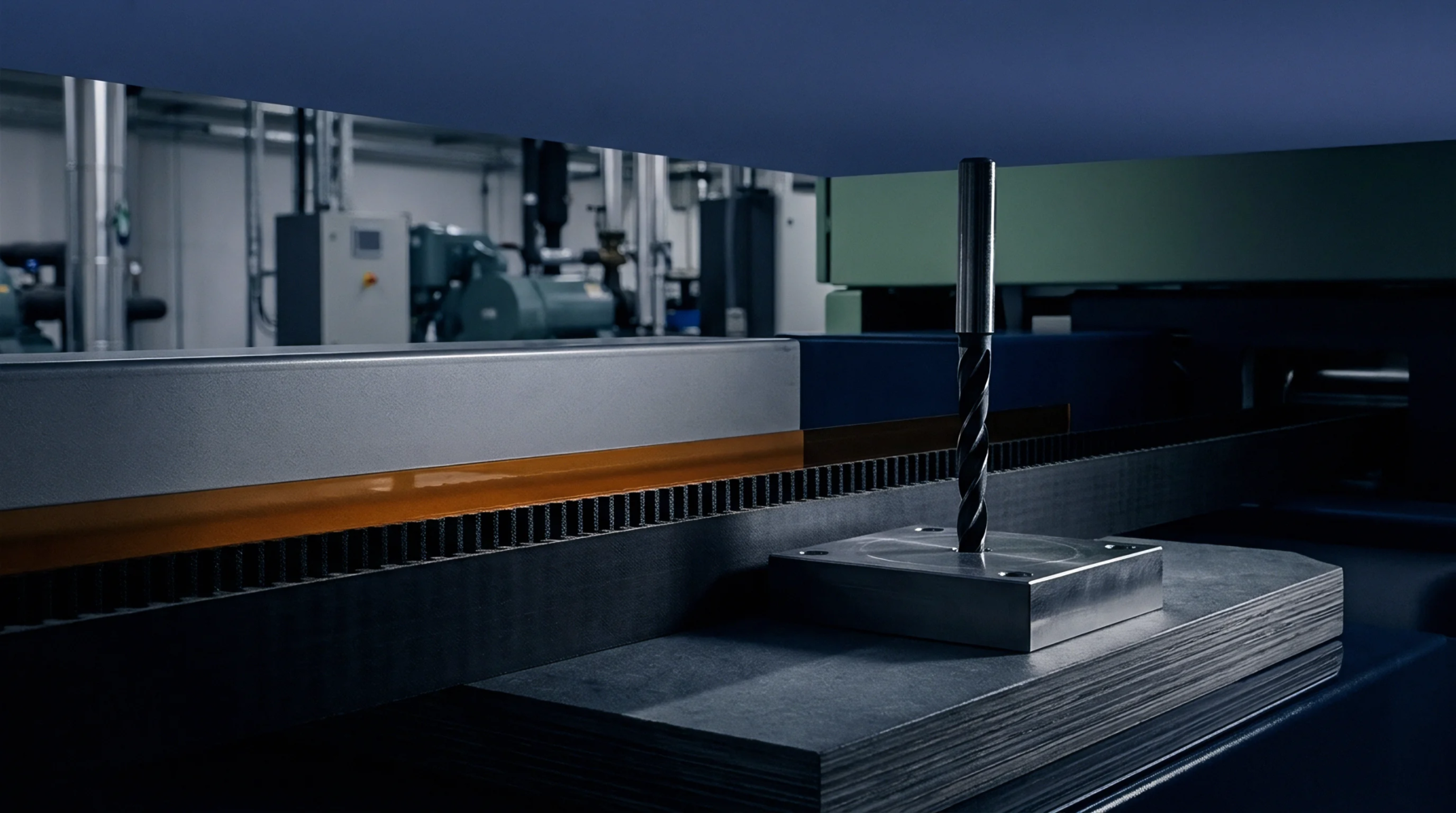
Quantifying dynamic strain gradients and rate-dependent tensile limits around dense BGA corners prevents latent dielectric pad cratering during assembly.
Expertise is a utility, not a secret. sentiention™ publishes its working knowledge as open reference: intelligence layer covering the materials it sources, the markets it enters, and the reference that serves both.