Setting Stencil Paste Volume Hold Boundaries in Automated Inspection Systems
Setting automated solder paste inspection hold boundaries requires balancing transfer efficiency limits against component pad density to control false calls.
Setting automated solder paste inspection hold boundaries requires balancing transfer efficiency limits against component pad density to control false calls.

DSC solvent evaporation endotherms set strict SMT preheat soak limits to clear high-boiling flux carriers before alloy reflow prevents joint voiding.

Minimizing assembly thermal gradients demands balanced board copper, tuned oven convection, and zoned soak profiles to shrink array temperature differentials.
Controlled thixotropic rebuild kinetics prevent cold slump bridging while ensuring clean aperture filling under continuous high velocity squeegee shear.
Extended line stagnation causes micro aperture transfer failure through solvent evaporation and thixotropic recovery; dynamic post-pause knead strokes restore printable shear viscosity.
Optimize SAC305 reflow profiles between 235-248°C with 45-75s TAL and 3-5°C/s cooling to limit interfacial intermetallic growth and prevent brittle joint failure.
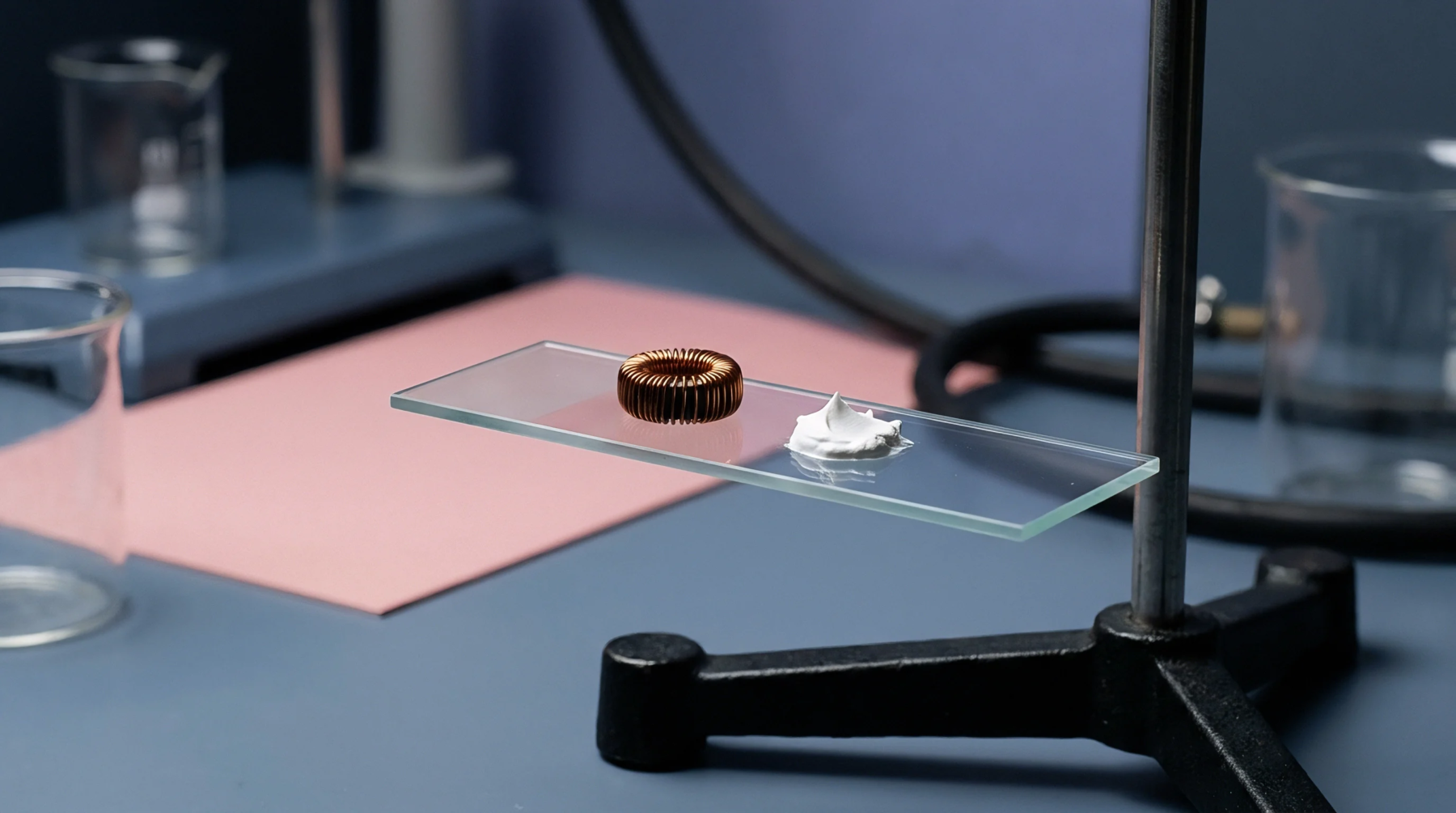
Controlling reflow preheat ramp rate between 1.0 and 2.0 °C/sec prevents thermal shock, flux outgassing defects, and component micro-cracking during assembly.
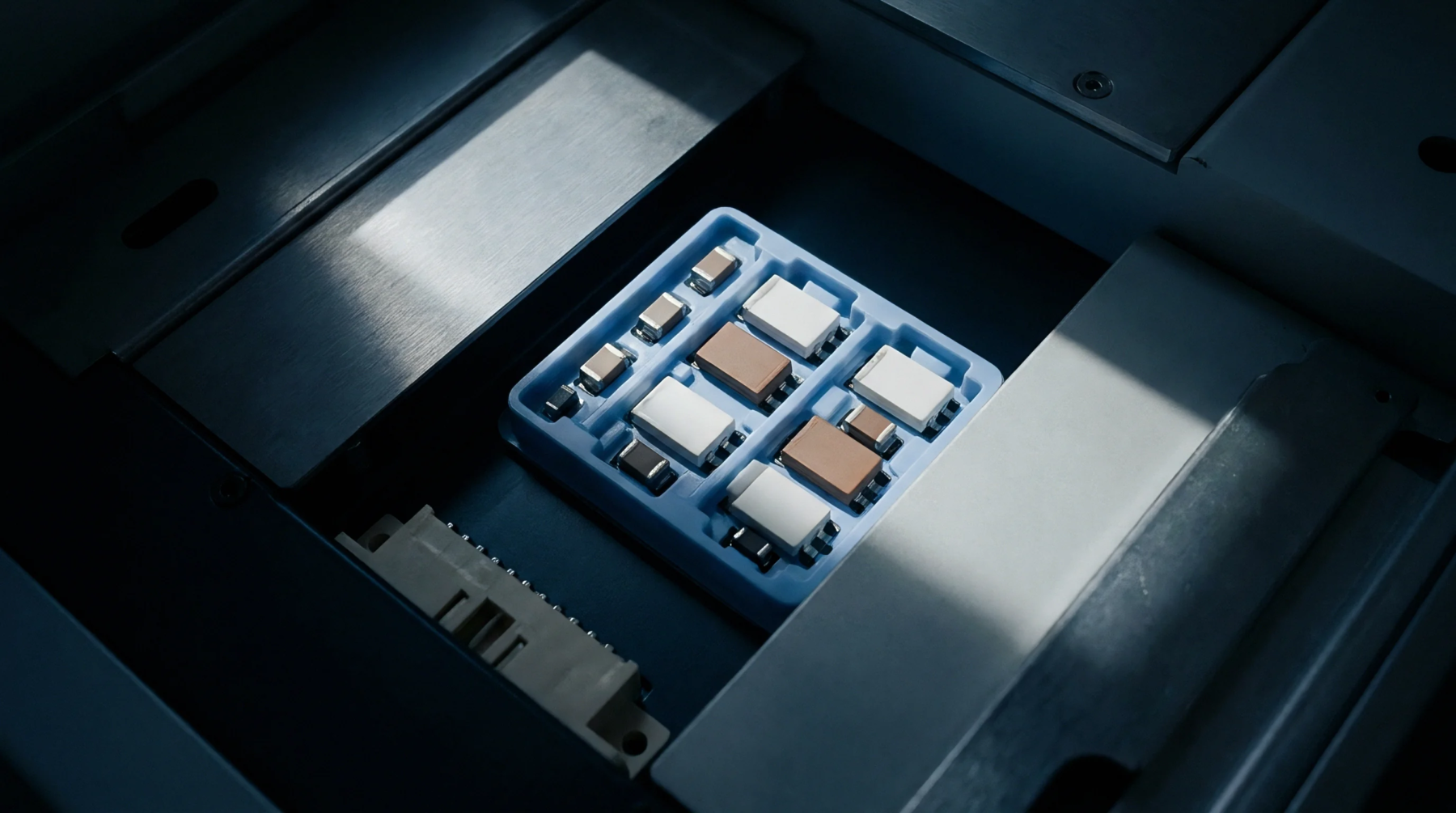
Optimizing solder paste rheology and stencil area ratios above 0.66 drives transfer efficiency stability and eliminates fine-pitch assembly defects.
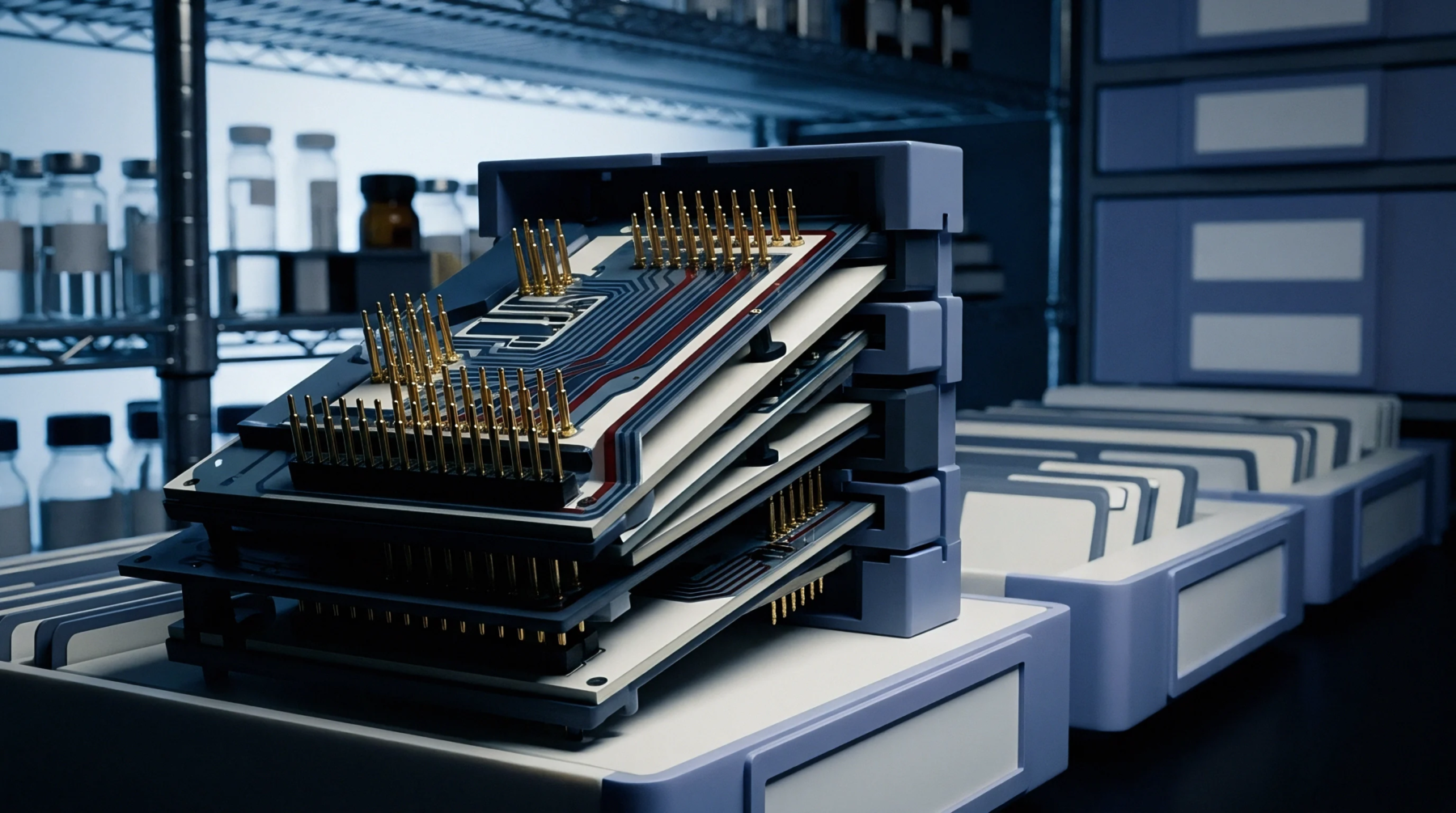
Thermal deltas across fully loaded panels require profile soak expansion and localized copper balance to keep peak temperatures within a five degree window.
Expertise is a utility, not a secret. sentiention™ publishes its working knowledge as open reference: intelligence layer covering the materials it sources, the markets it enters, and the reference that serves both.