Structural Plating Variations between Panel Border Coupons and Board Core Vias
Border coupons consistently receive higher current density and fluid turnover than board core vias, masking interior plating starvation during coupon testing.
Border coupons consistently receive higher current density and fluid turnover than board core vias, masking interior plating starvation during coupon testing.
High aspect ratio multilayers resist cyclic thermal stress when barrel wall ductility exceeds eighteen percent and copper plating thickness remains uniform.
Perimeter coupon microsections overestimate internal circuit hole plating by up to forty percent due to edge current crowding and throwing power attenuation.
Interconnect stress testing detects sub-micron post separations through dynamic resistance drift before static optical microsections show physical cracks.
Reconciling edge coupon TDR and plating data with interior HDI circuitry demands empirical compensation factors for electroplating current and etch rates.
Microvia aspect ratios capped at 0.75:1 with optimized acid copper throwing power deliver maximum plating yield and thermomechanical reliability in HDI stackups.
Optimizing hybrid board fabrication requires balancing thermal ramp rates, dual-gas plasma desmear, and pinless registration to eliminate delamination.
Mid-loss laminates paired with low-roughness copper foil match high-cost ultra-low-loss performance at a fraction of the raw panel price.
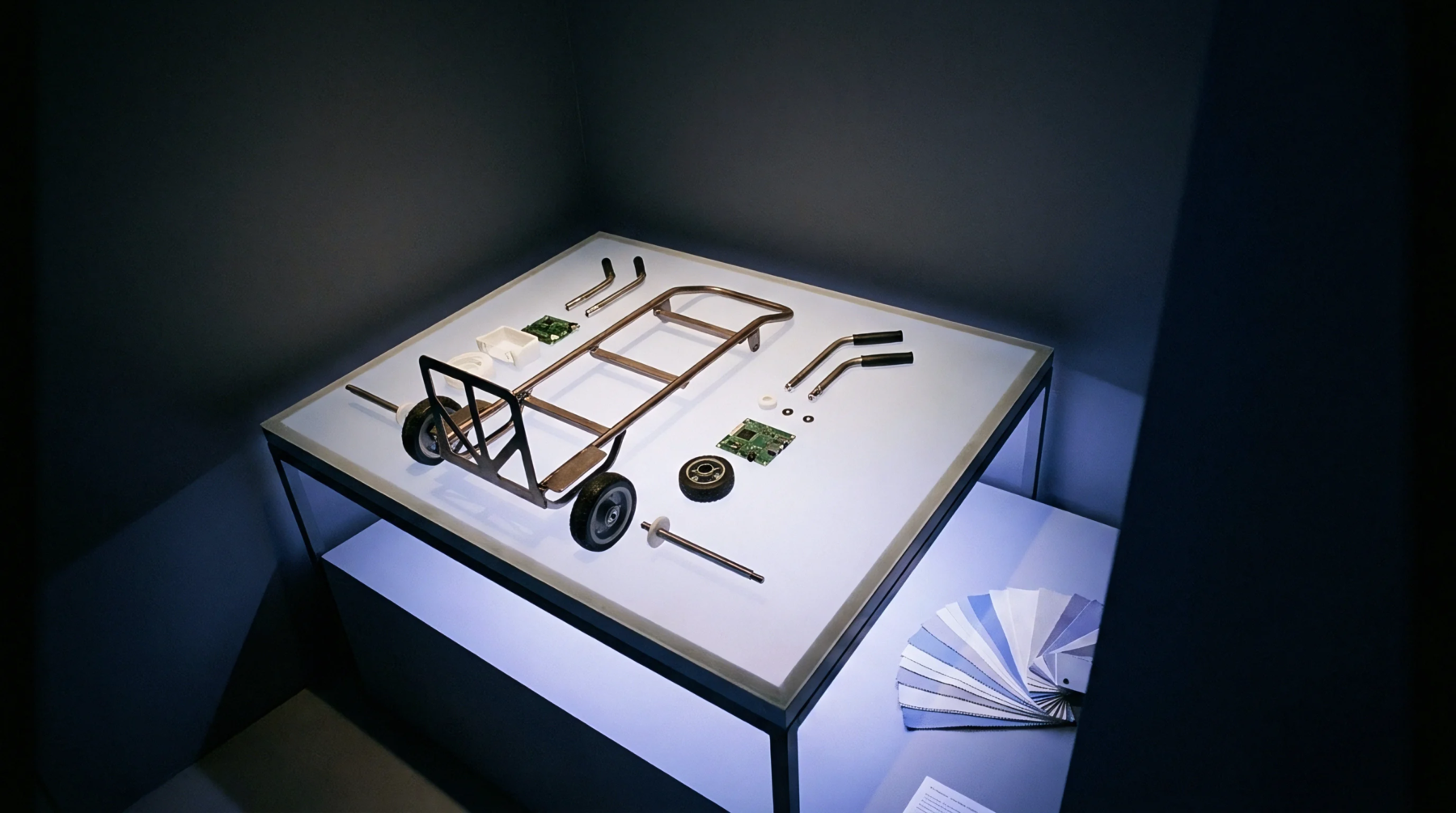
Multilayer PCB fabrication laminates etched copper cores and prepreg under heat and vacuum, creating vertical interconnects through precision drilling and copper electroplating.
Expertise is a utility, not a secret. sentiention™ publishes its working knowledge as open reference: intelligence layer covering the materials it sources, the markets it enters, and the reference that serves both.