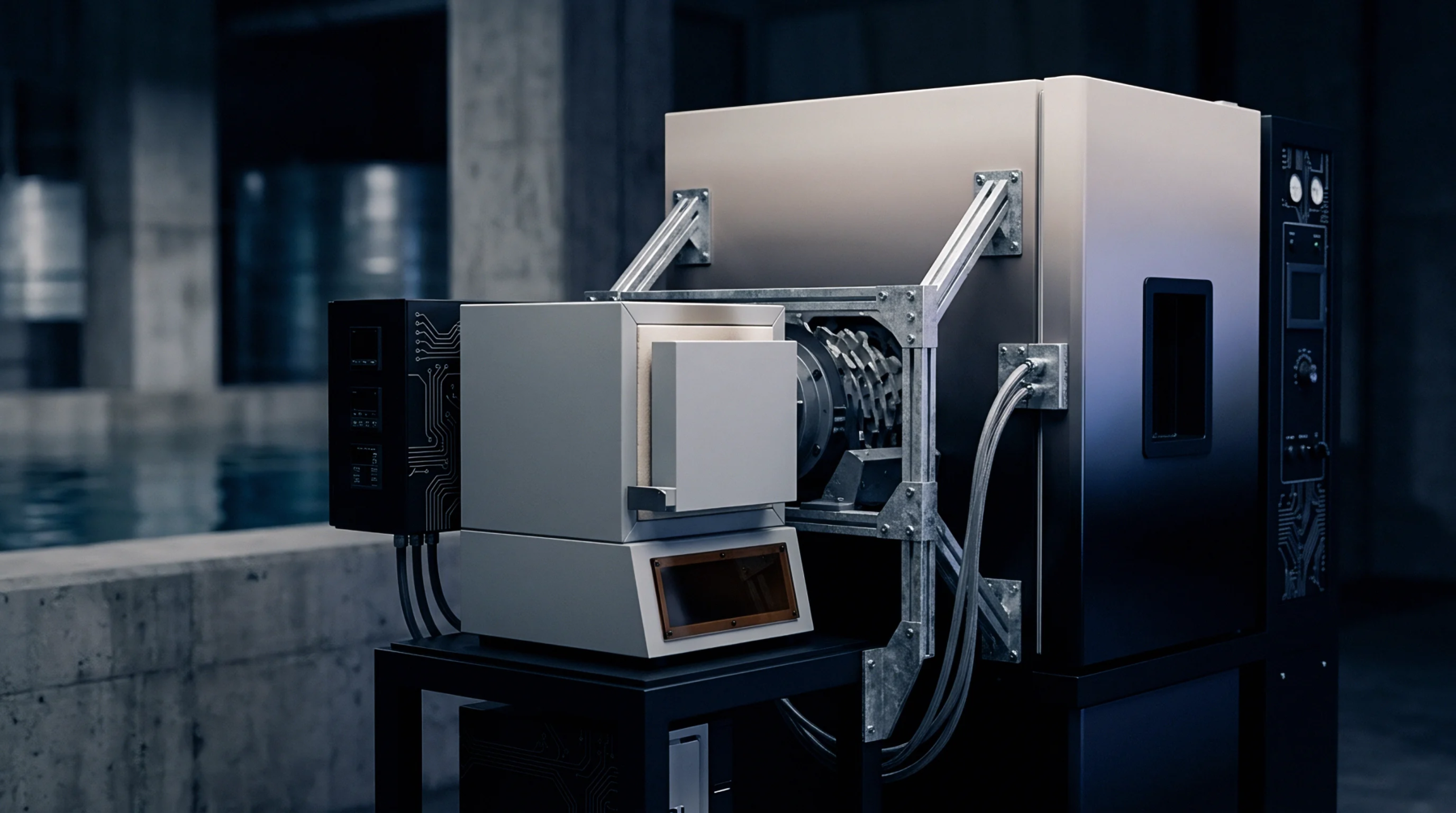
Optimizing Etch Compensation Factors for High Density Inner Layer Cores
Optimizing etch compensation factors requires matching base copper profile tolerances to fluid replenishment rates on thin HDI inner layer cores.
Optimizing etch compensation factors requires matching base copper profile tolerances to fluid replenishment rates on thin HDI inner layer cores.
Boundary slip velocity models replace empirical roughness factors with electron specularity parameters, predicting insertion loss and phase delay up to 110 GHz.
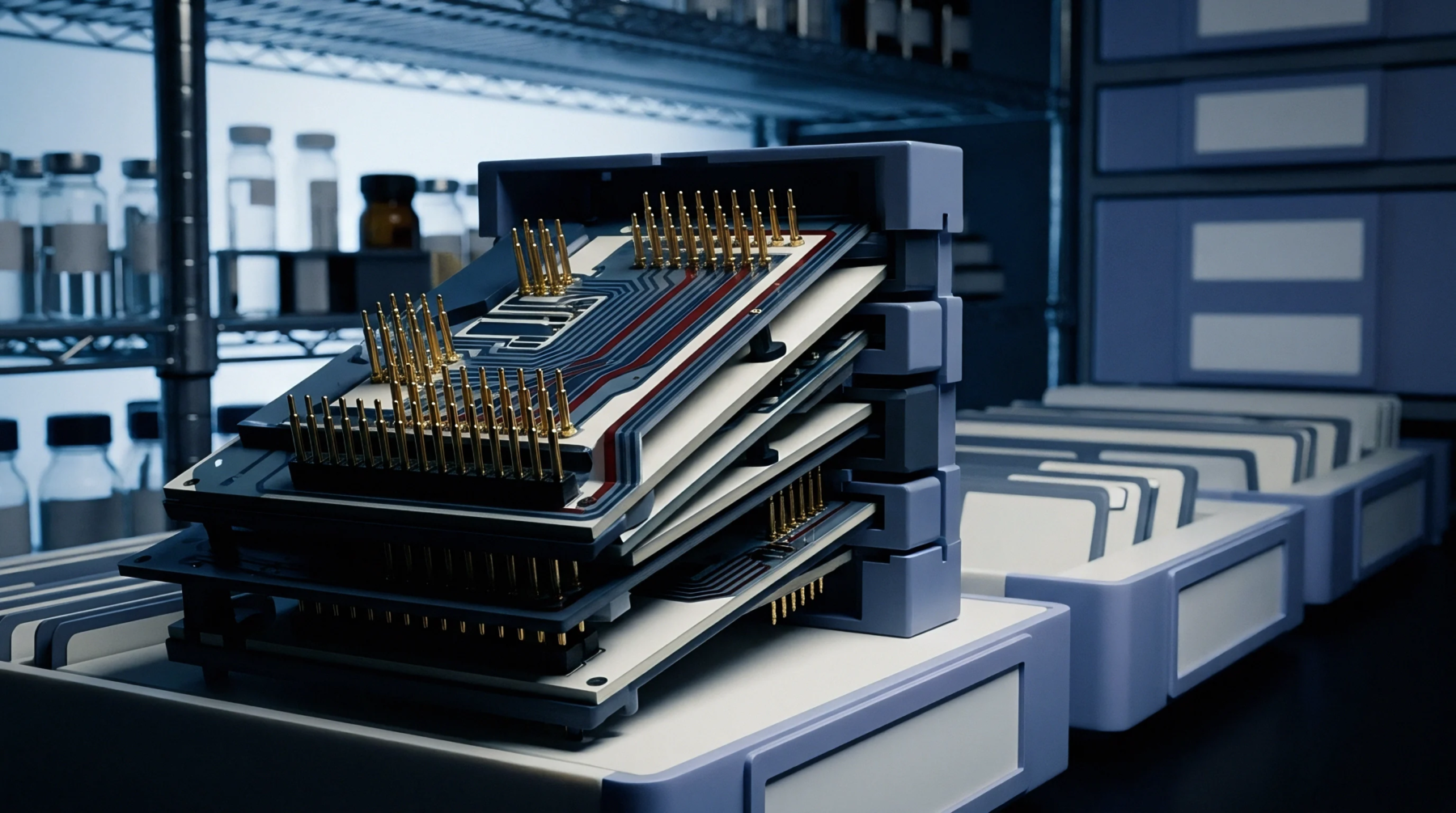
Modified semi additive process stackups require ultra-thin copper seeds under three microns to achieve sub-twenty-micron traces with stable impedance.
Hydrophobic organosilane surface treatments on low-loss microwave substrates suppress moisture-induced Df drift and enable ultra-smooth copper foils.
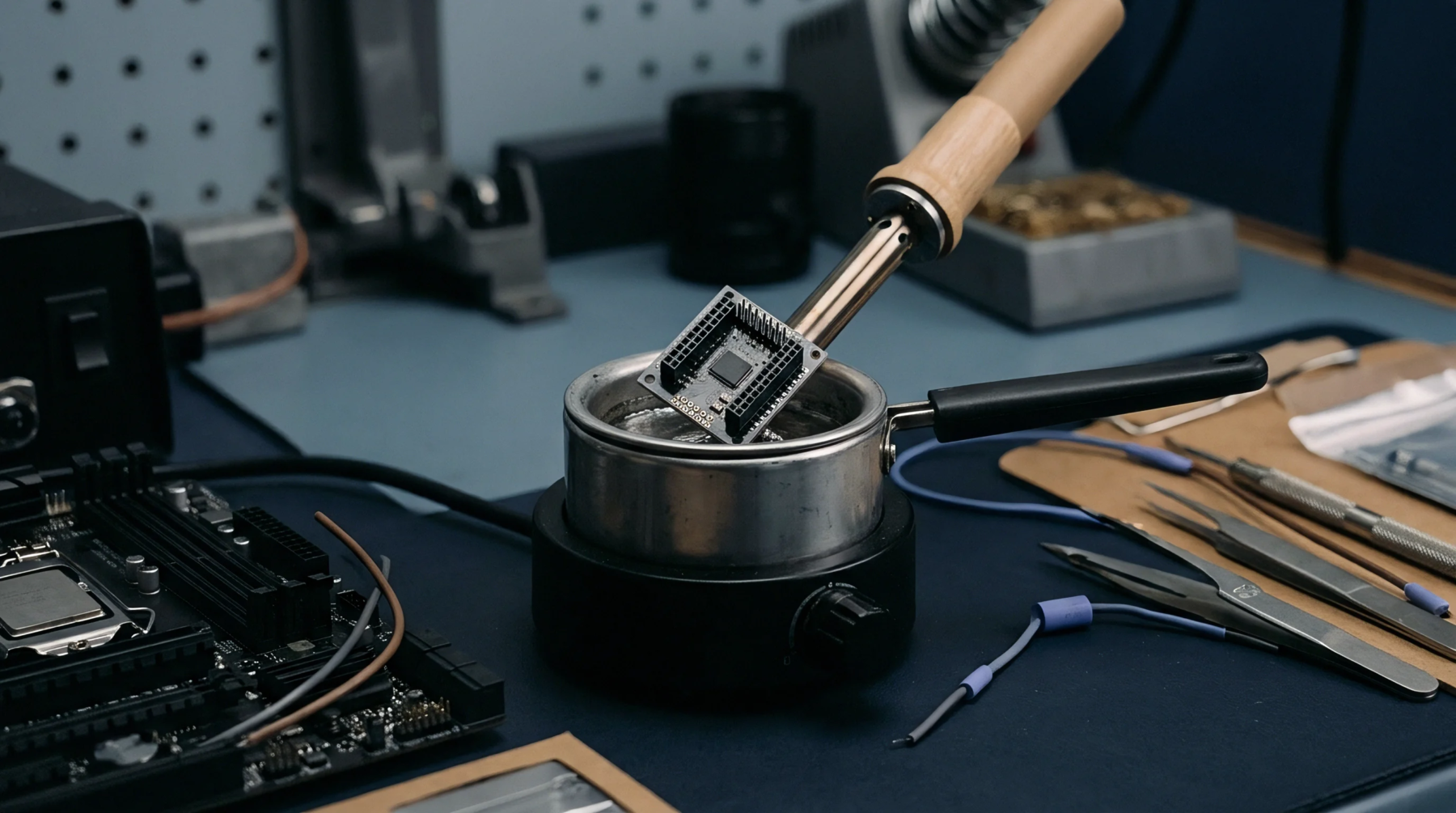
Dynamic resin squeeze flow across ultra smooth copper foils demands precise thermal press ramping to prevent micro-voiding and hold tightly controlled plane spacing.
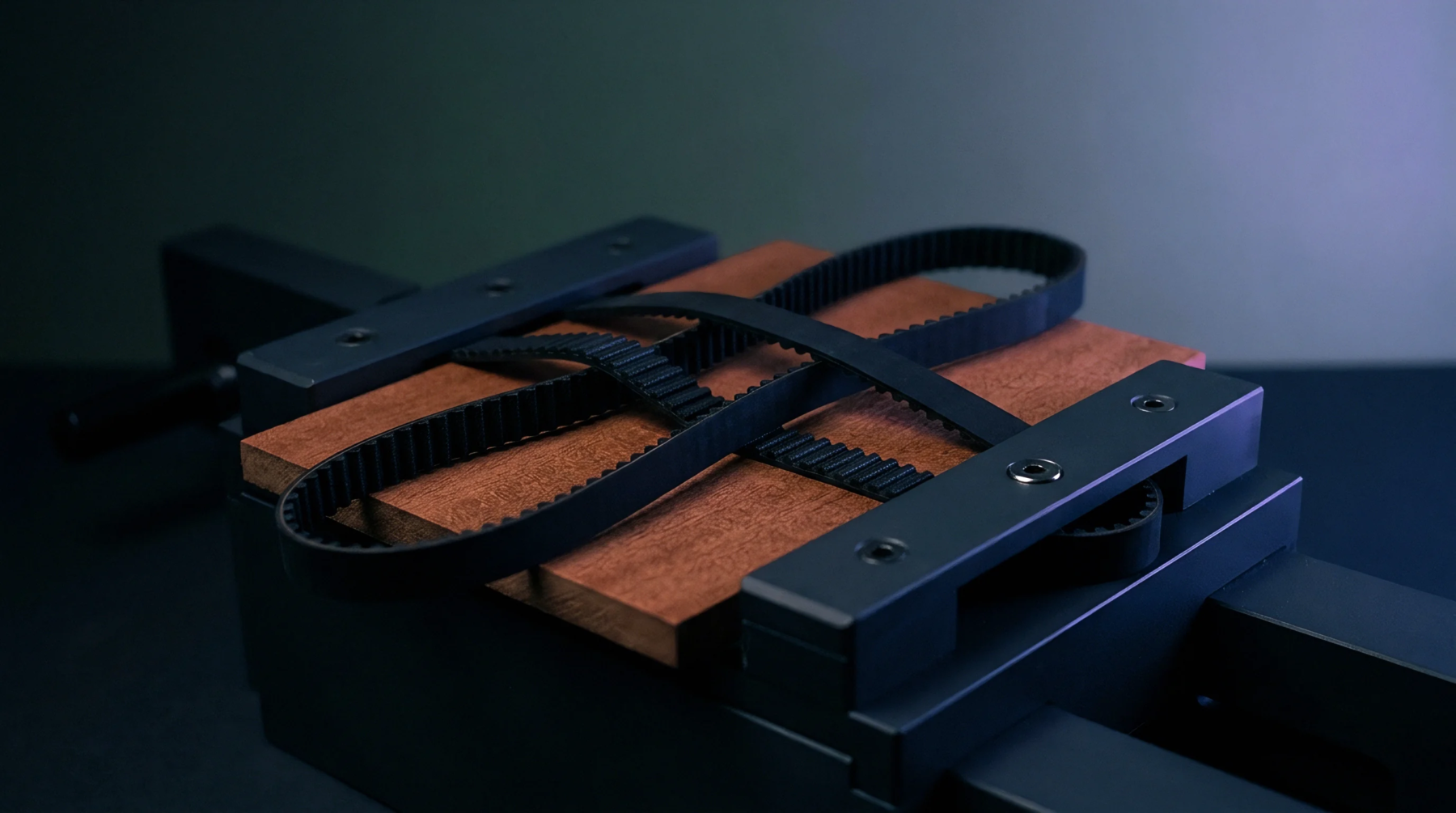
Sub-50 micron trace etching demands mSAP seed layers, anisotropic chemistry passivators, and dynamic laser imaging scaling to hold 3.5+ etch factors and pass IPC Class 3 yield limits.
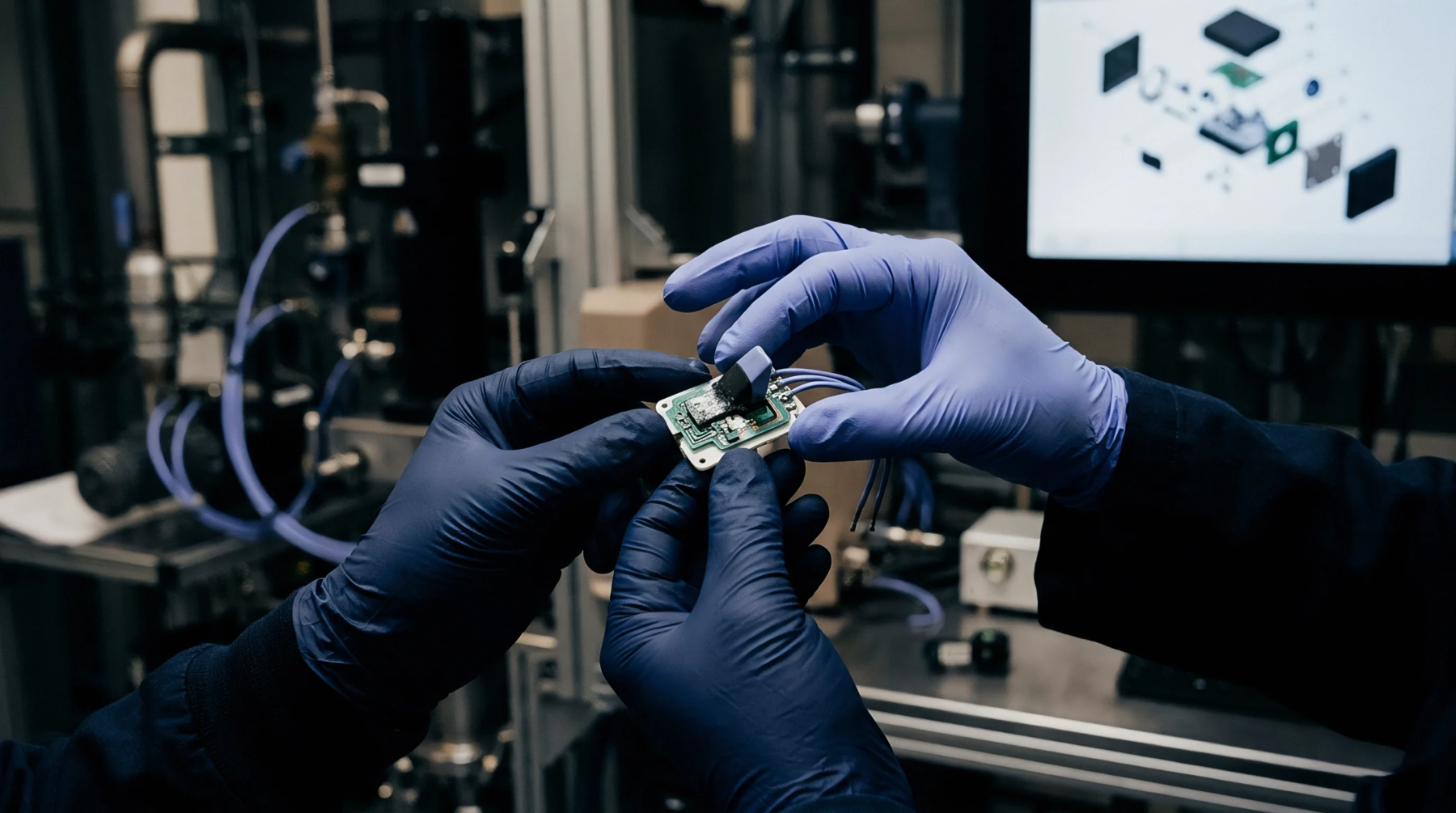
Mid-loss laminates paired with low-roughness copper foil match high-cost ultra-low-loss performance at a fraction of the raw panel price.
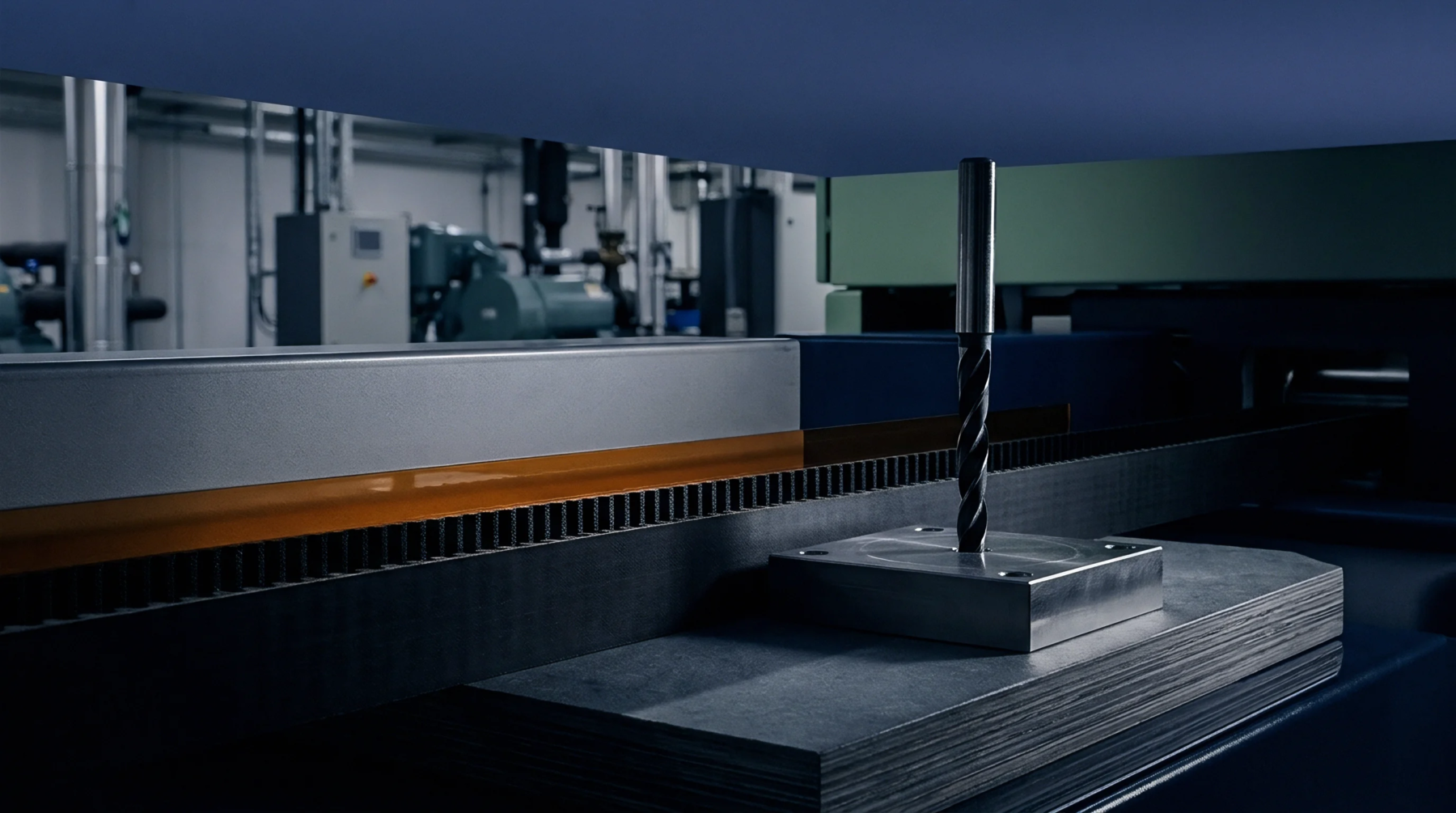
Sub-sixty micron trace fabrication mandates semi-additive processing over subtractive etching to eliminate undercut and hold tight differential impedance.
Expertise is a utility, not a secret. sentiention™ publishes its working knowledge as open reference: intelligence layer covering the materials it sources, the markets it enters, and the reference that serves both.