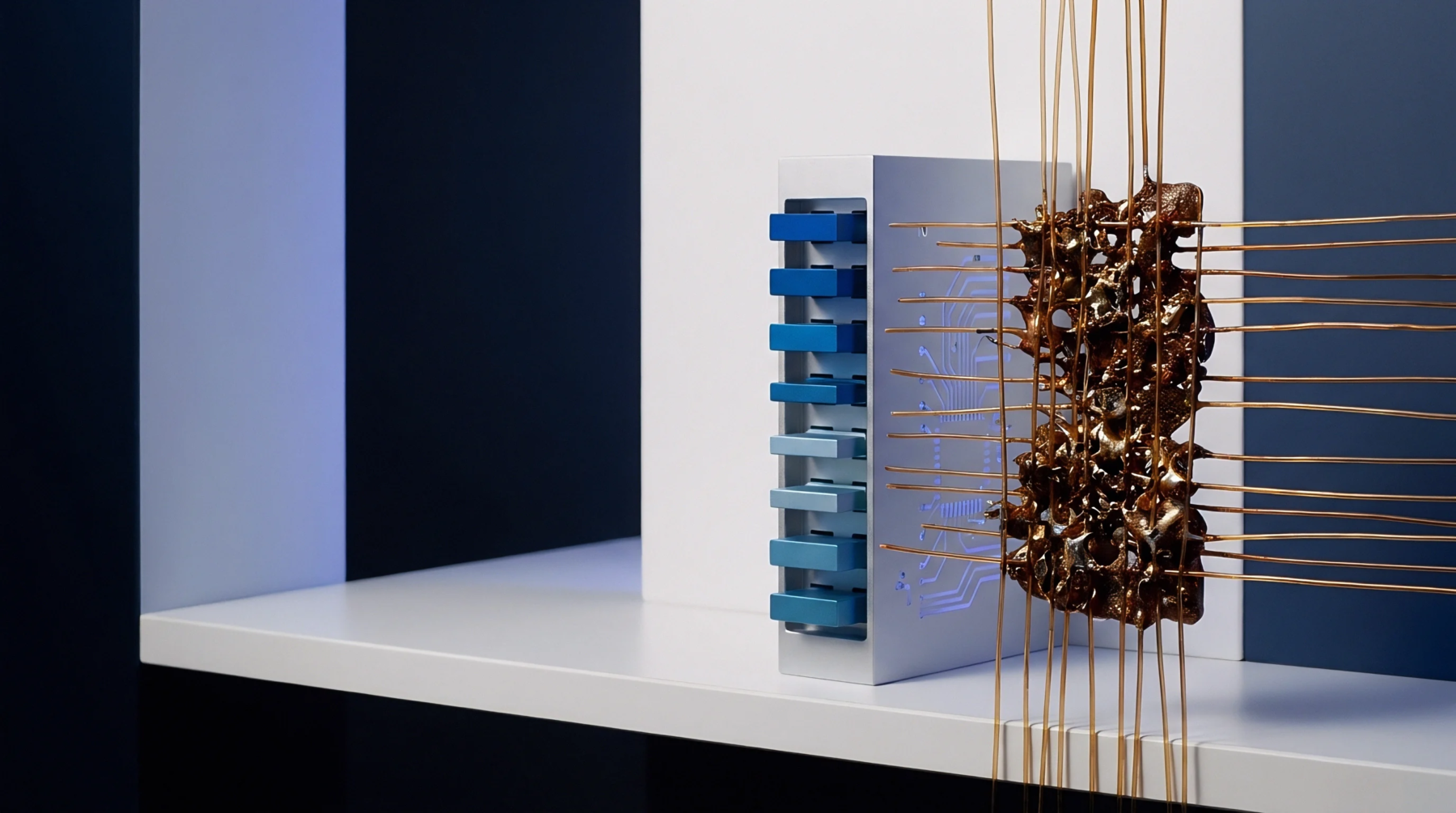
In-Circuit Test Fixture Strain Rate Transformation and Boundary Qualification
Dynamic strain rate transformation during fixture actuation verifies mechanical compliance against IPC-9704 limits before structural testing begins.
Dynamic strain rate transformation during fixture actuation verifies mechanical compliance against IPC-9704 limits before structural testing begins.
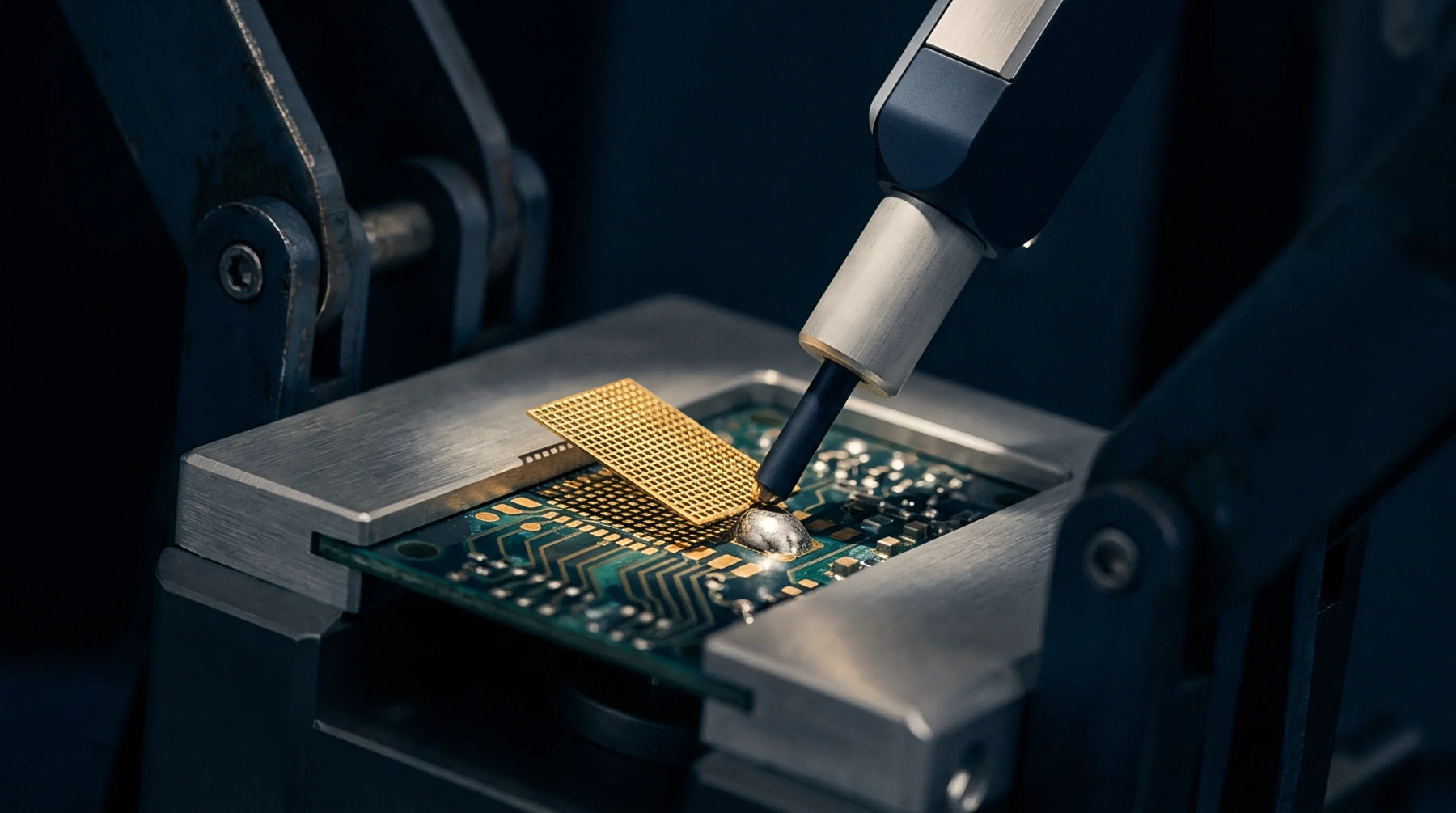
Vacuum test fixture support pin density and strategic probe counter-balancing prevent structural PCB flexure and fragile surface-mount component fracture.
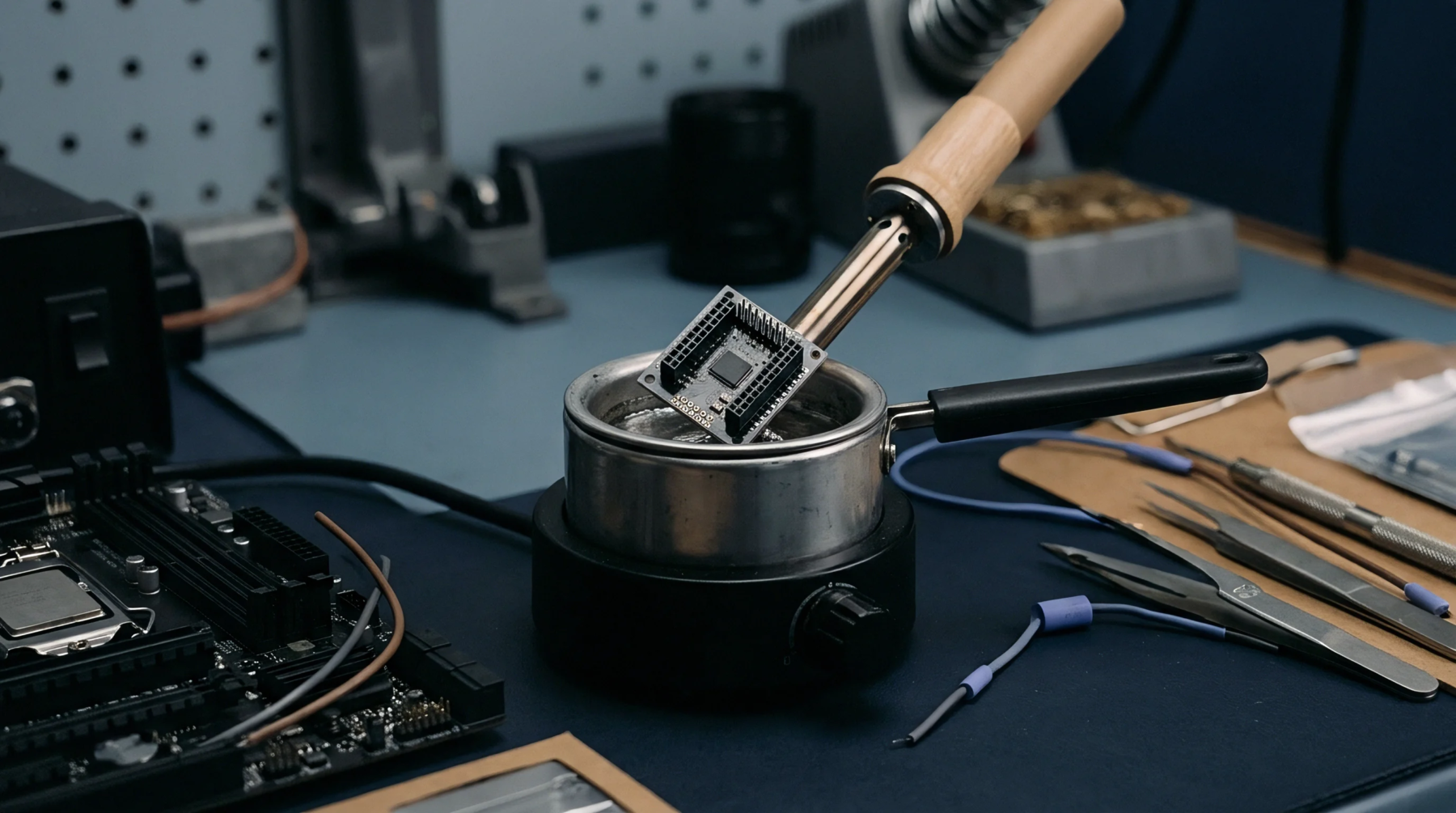
Physical test probe access drops on high-density microvia boards, demanding solder beads or boundary scan to maintain coverage without damaging copper caps.
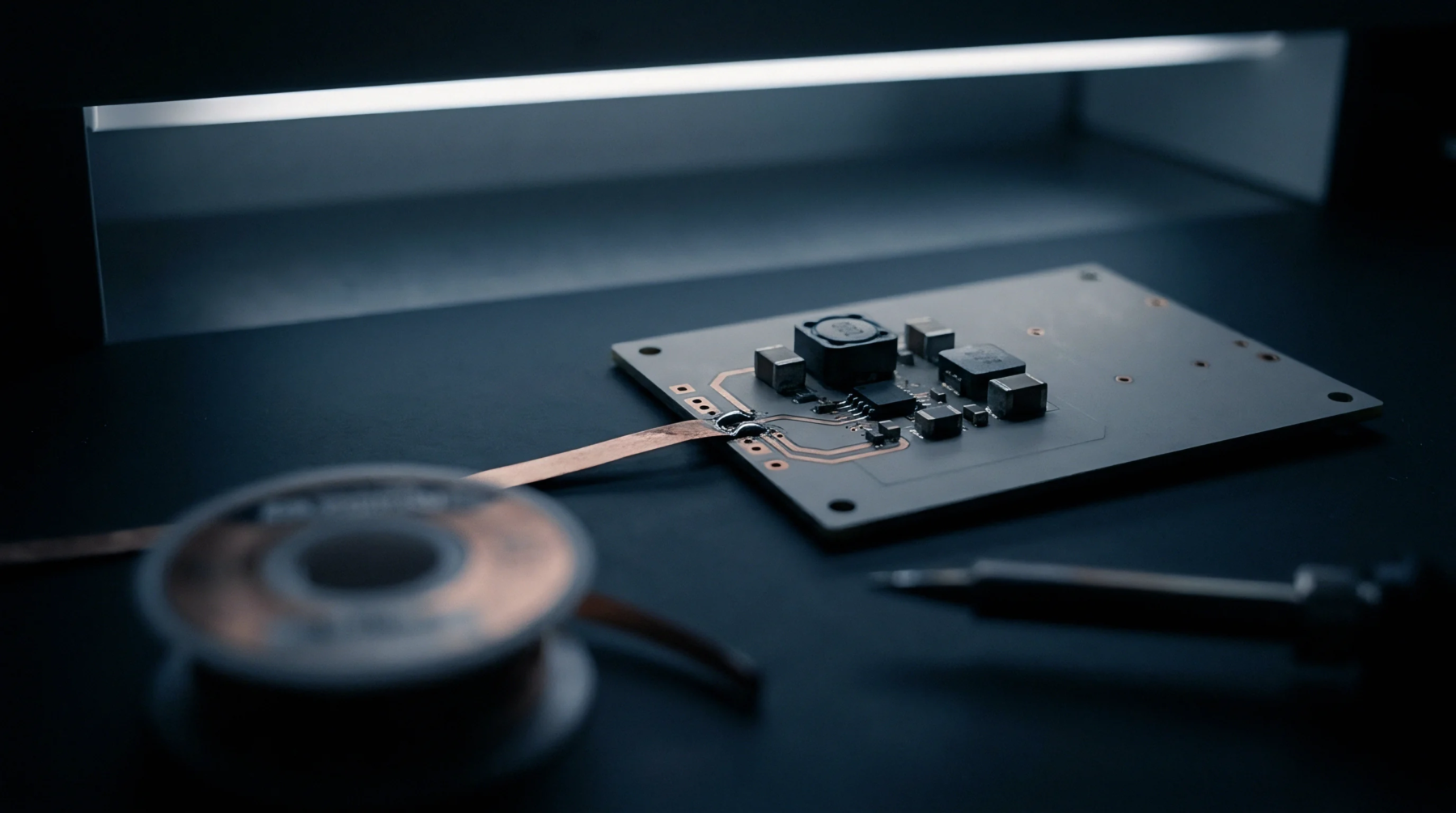
Auditing test point density and pogo pin degradation prevents false yield loss and controls field escape rates in high-density board production.
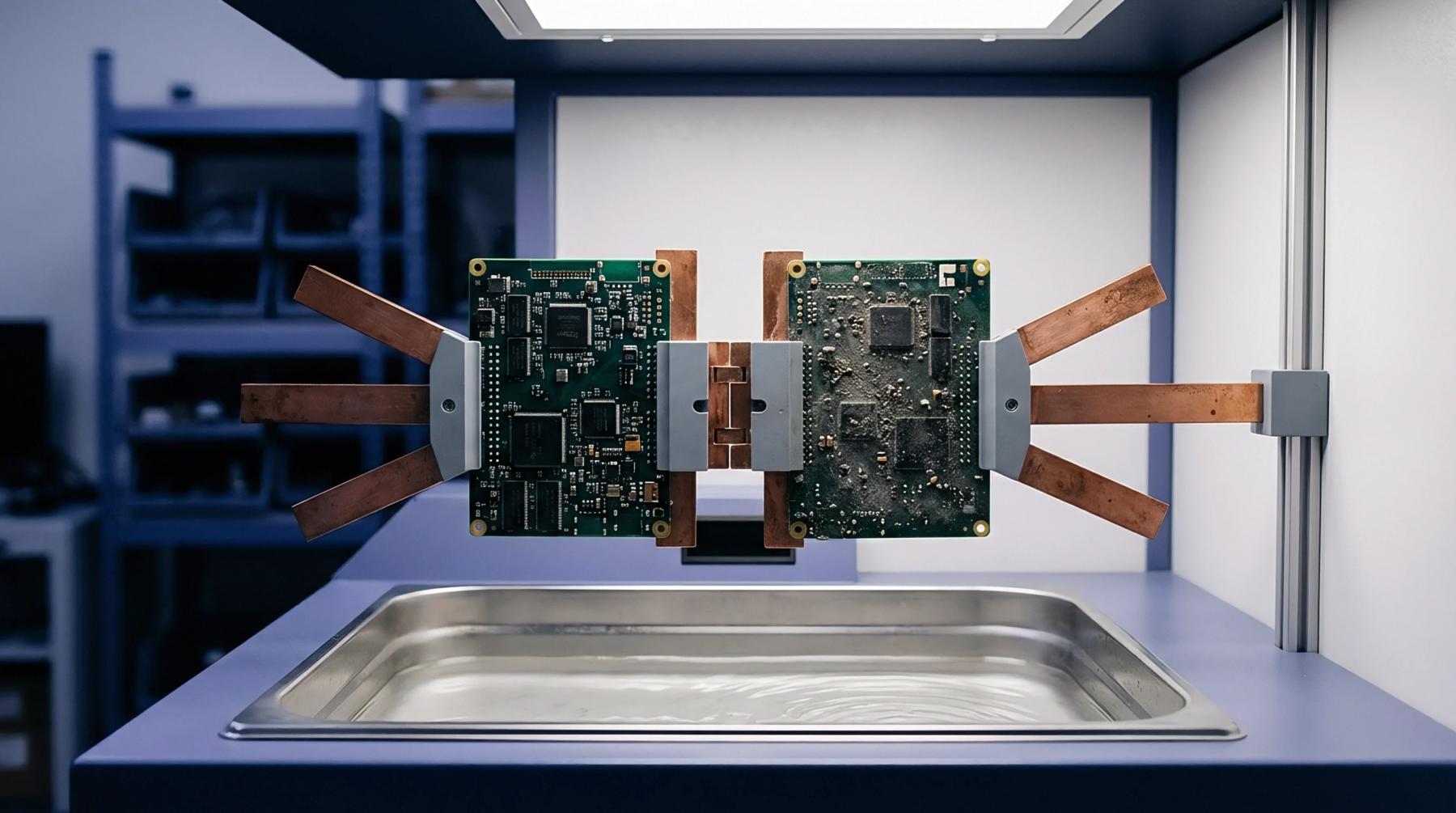
Combining boundary scan and in-circuit testing metrics requires mapping per-pin PCOLA-SOPS access, deduplicating overlapping faults, and logging verified nets for batch release.
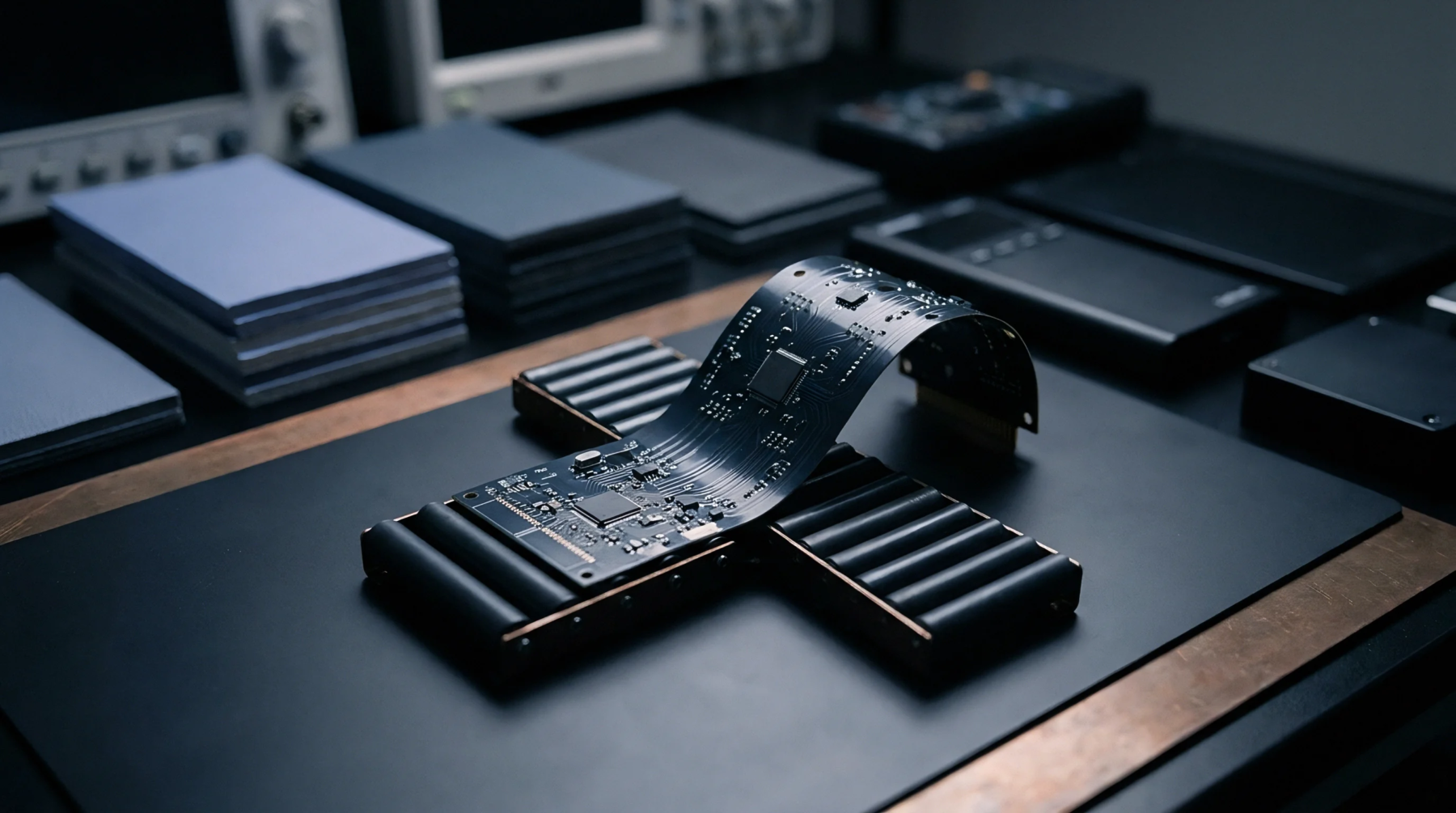
Factory first pass yield figures routinely mask high field defect rates by excluding off line retests, unmapped fault coverage gaps, and clamping stress false passes.

Flying probe testing saves tooling costs on runs under 11,000 units, while bed of nails fixtures deliver superior cycle speeds and lower per-unit cost at scale.
Expertise is a utility, not a secret. sentiention™ publishes its working knowledge as open reference: intelligence layer covering the materials it sources, the markets it enters, and the reference that serves both.