
Managing Selective Soldering Parameters on Heavy Copper Assemblies
Managing selective soldering on heavy copper requires balancing high preheat temperatures and extended dwell times against barrel wall copper dissolution limits.
Managing selective soldering on heavy copper requires balancing high preheat temperatures and extended dwell times against barrel wall copper dissolution limits.

Aperture wall clearances above 1.5mm prevent composite pallets from chilling through-hole barrels below liquidus during nitrogen-shrouded wave immersion.

Titanium inserted pallet apertures isolate fine pitch connector pins with 0.4mm walls that prevent composite erosion, bridging, and thermal sink defects.
Plated through hole solder joints evaluated under IPC standards require strict vertical fill, top and bottom fillet wetting, and bounded radiographic voiding.
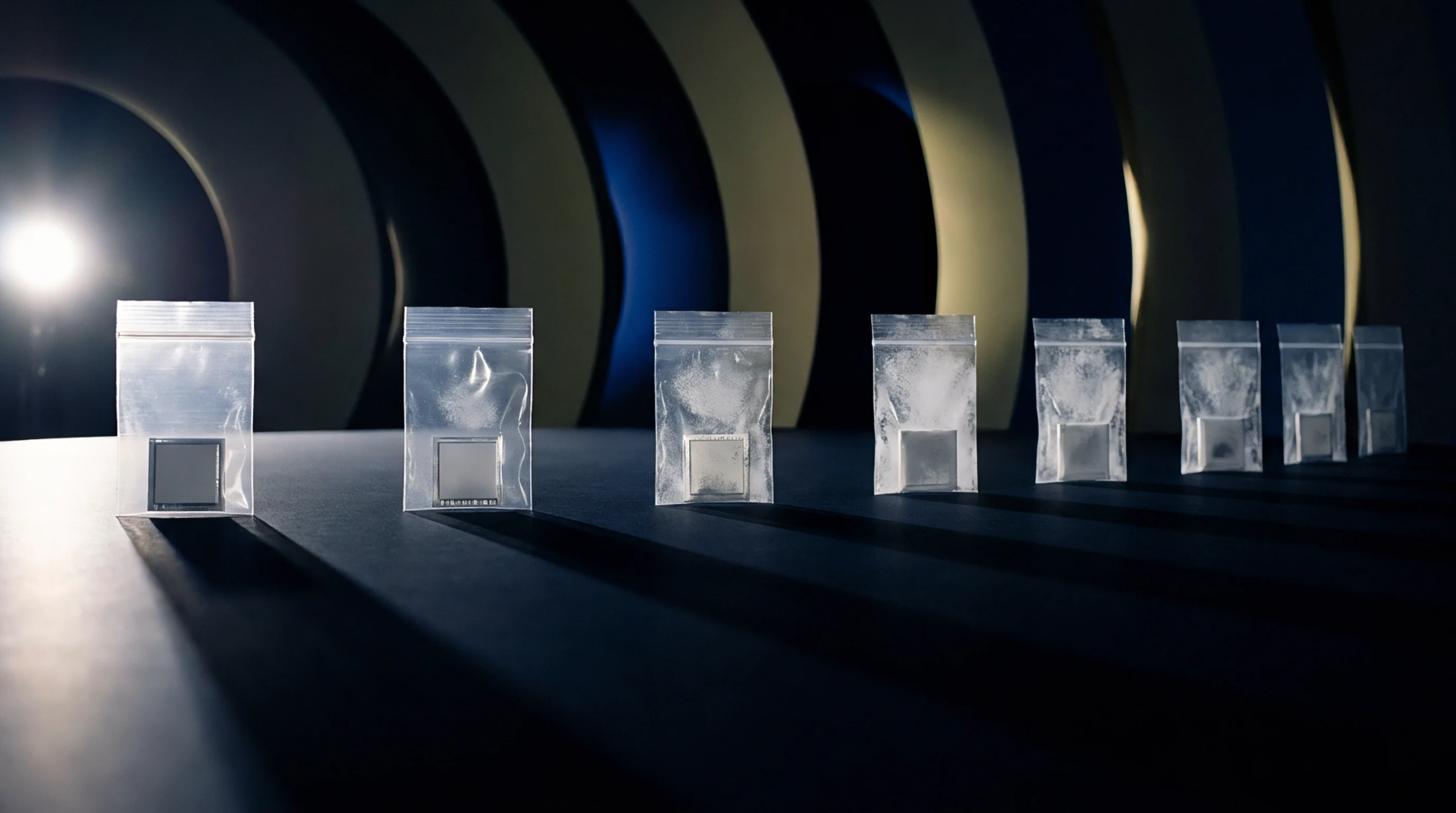
Selective preheat windows for heavy multi-layer boards require top-side convection to achieve 110-130°C without exceeding flux thermal activation limits.
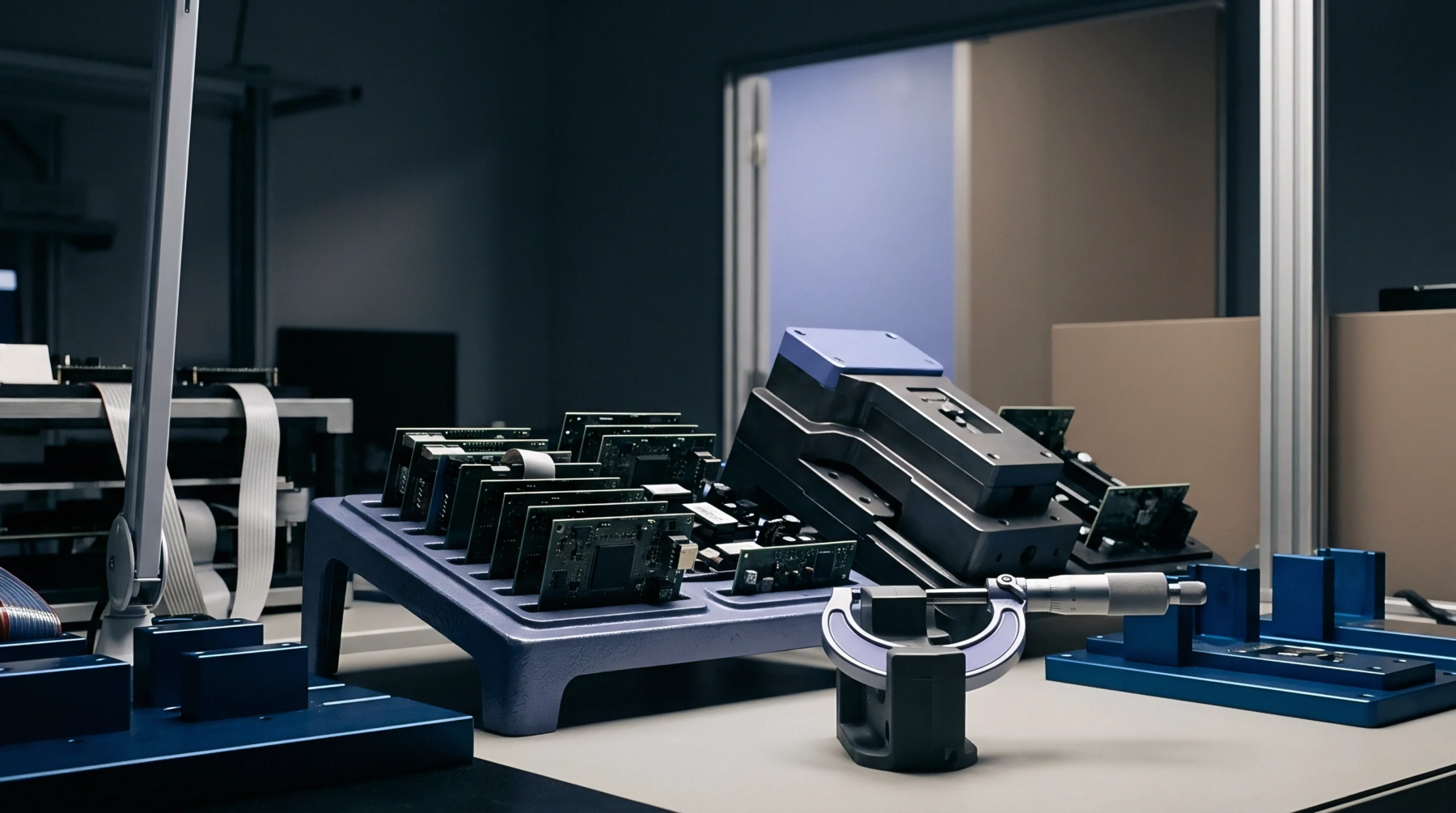
Achieving vertical hole fill on heavy copper PCBs requires extended preheat profiles, thermal relief spokes, and precise solder paste volumetric overprinting.

Precision pallet geometry balances thermal shielding against wave access, ensuring compliant vertical hole fill and zero SMT bridges on high-density boards.
Maintaining residual oxygen under 10 ppm in selective soldering shrouds limits heavy copper sleeve dissolution to under five micrometers per pass.
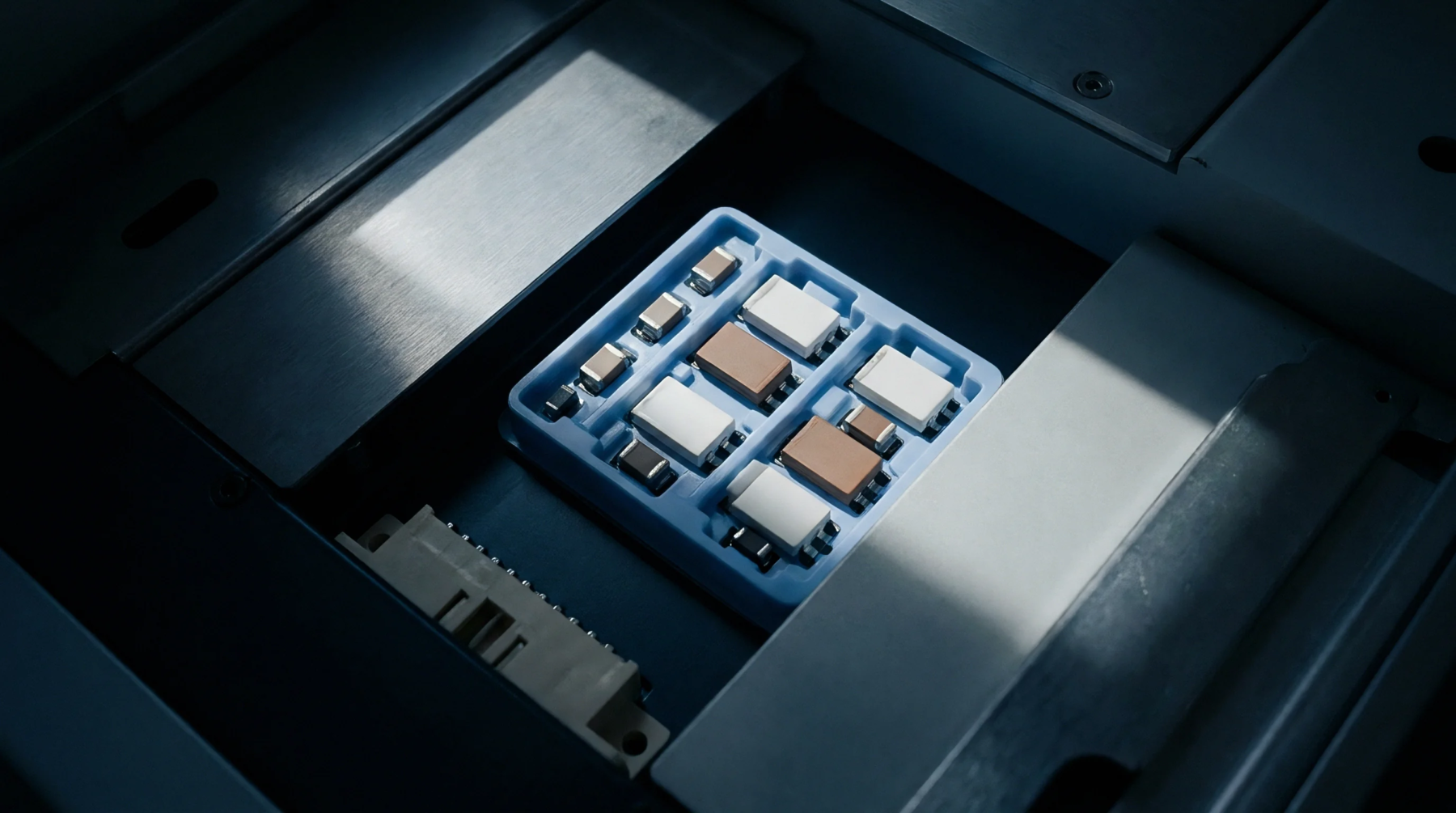
Prevent secondary reflow and component damage by enforcing clear keepout zones, utilizing machined composite shielding, and capping adjacent joint temperatures below 180°C.
Expertise is a utility, not a secret. sentiention™ publishes its working knowledge as open reference: intelligence layer covering the materials it sources, the markets it enters, and the reference that serves both.