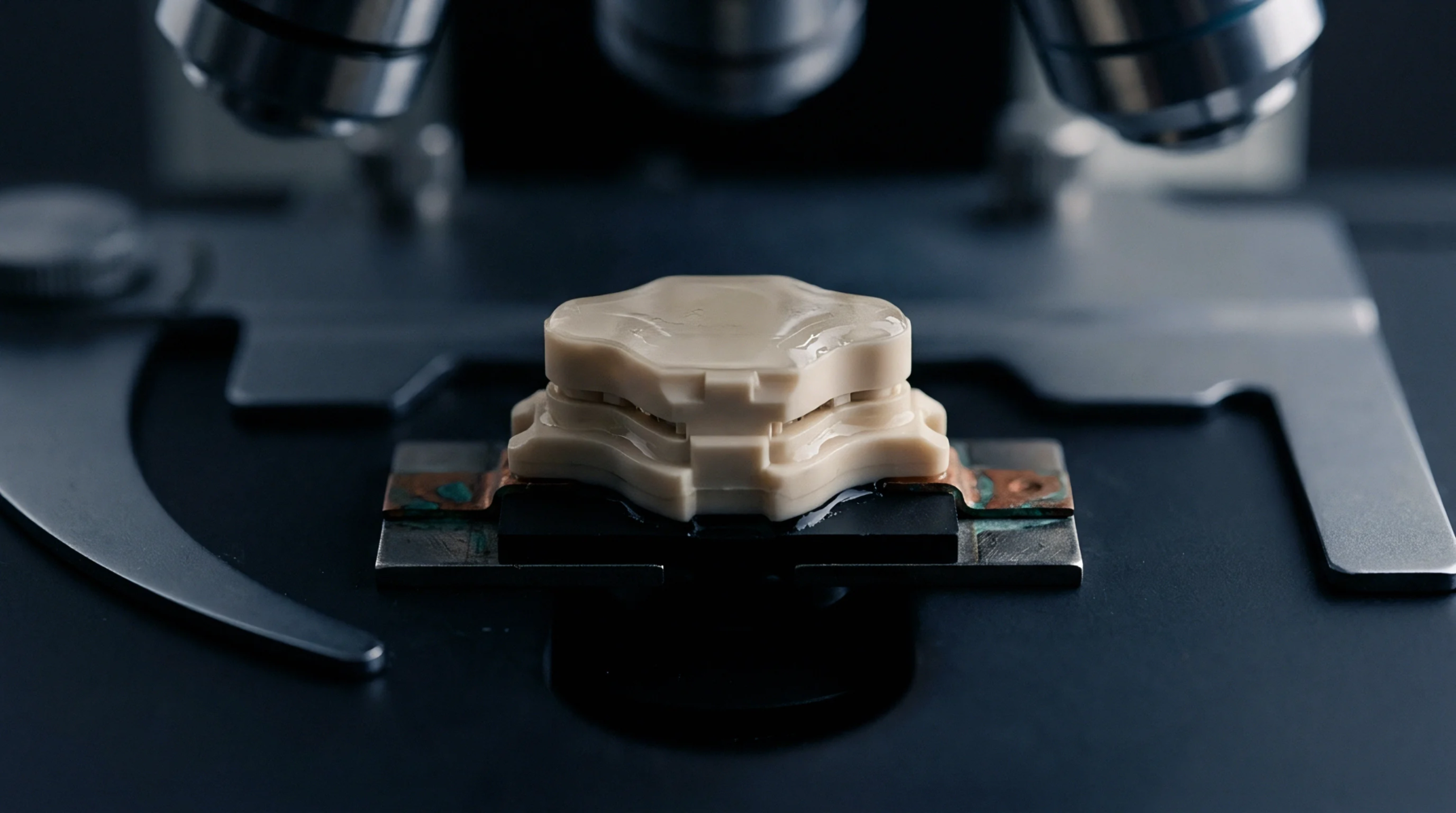
Selecting Laminate Materials for High Density Interconnect Stackups
HDI laminate selection balances resin z-CTE expansion, low-Dk glass weave style, and HVLP copper roughness against sequential lamination panel yields.
HDI laminate selection balances resin z-CTE expansion, low-Dk glass weave style, and HVLP copper roughness against sequential lamination panel yields.
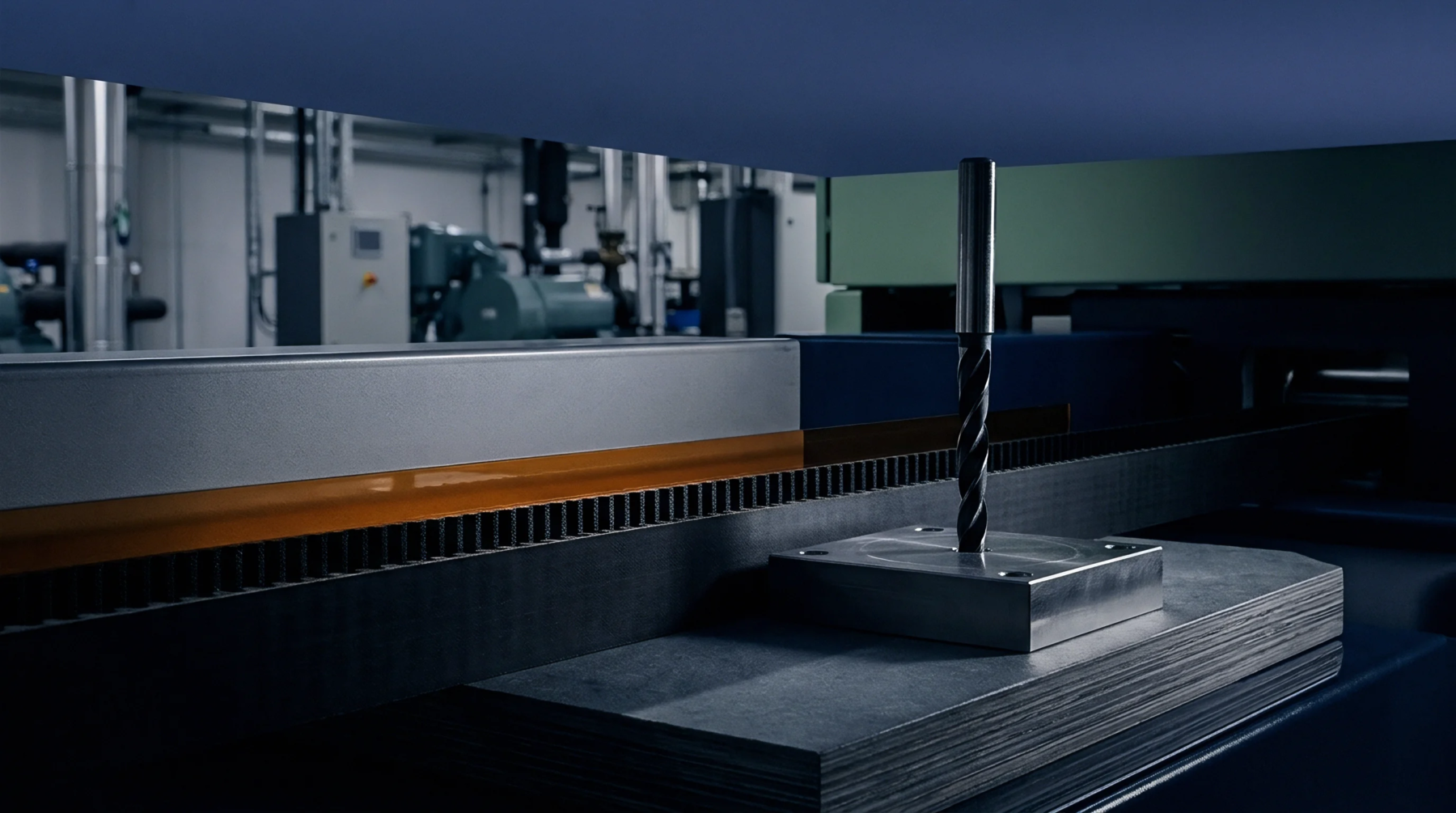
Microstrip phase velocity depends on outer layer inhomogeneous dielectric fields, glass reinforcement architecture, copper roughness, and lamination compression.
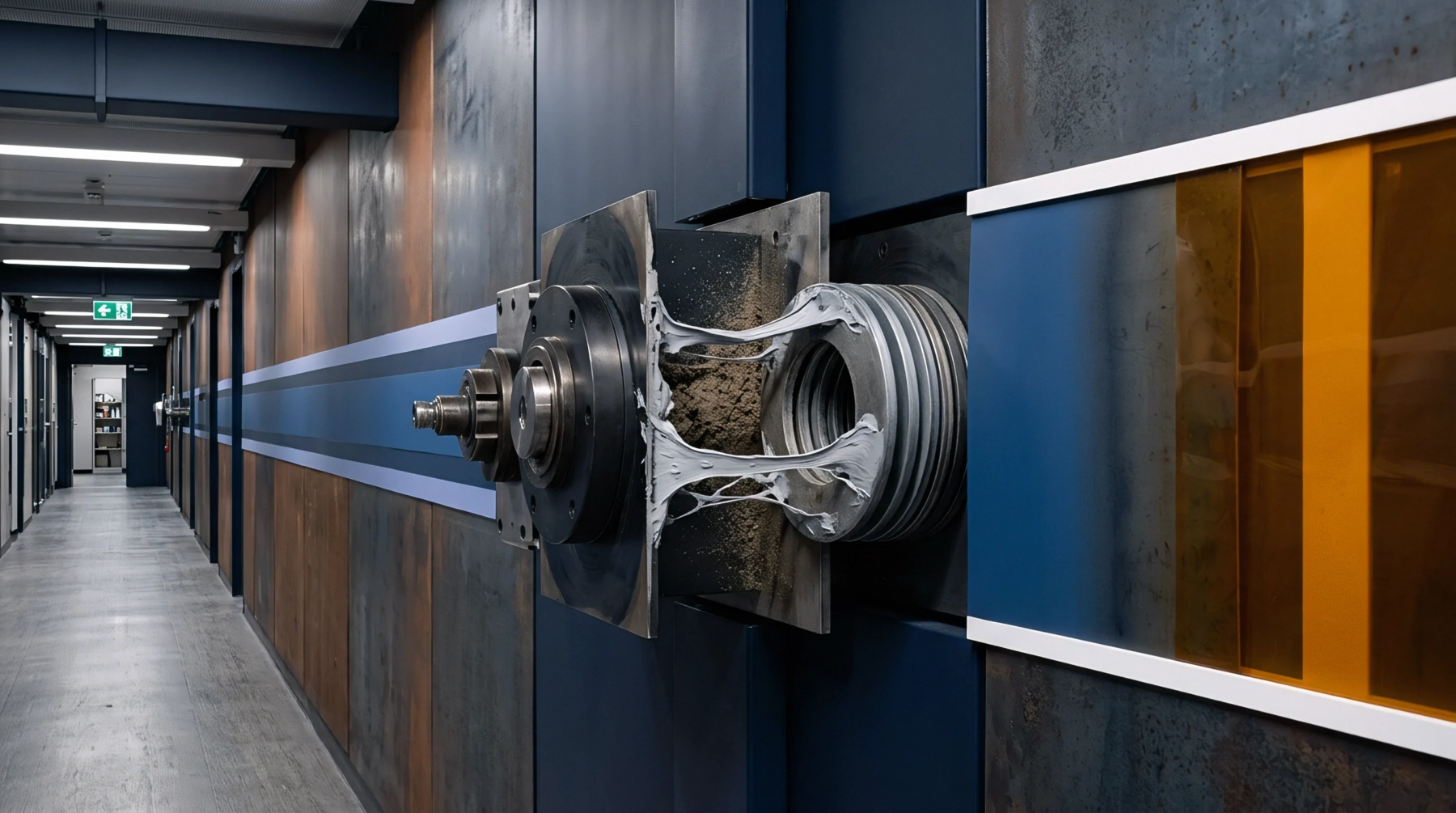
Matching dielectric CTE above Tg to copper ductility prevents inner layer interconnect fracture during high temperature reflow thermal profile cycles.
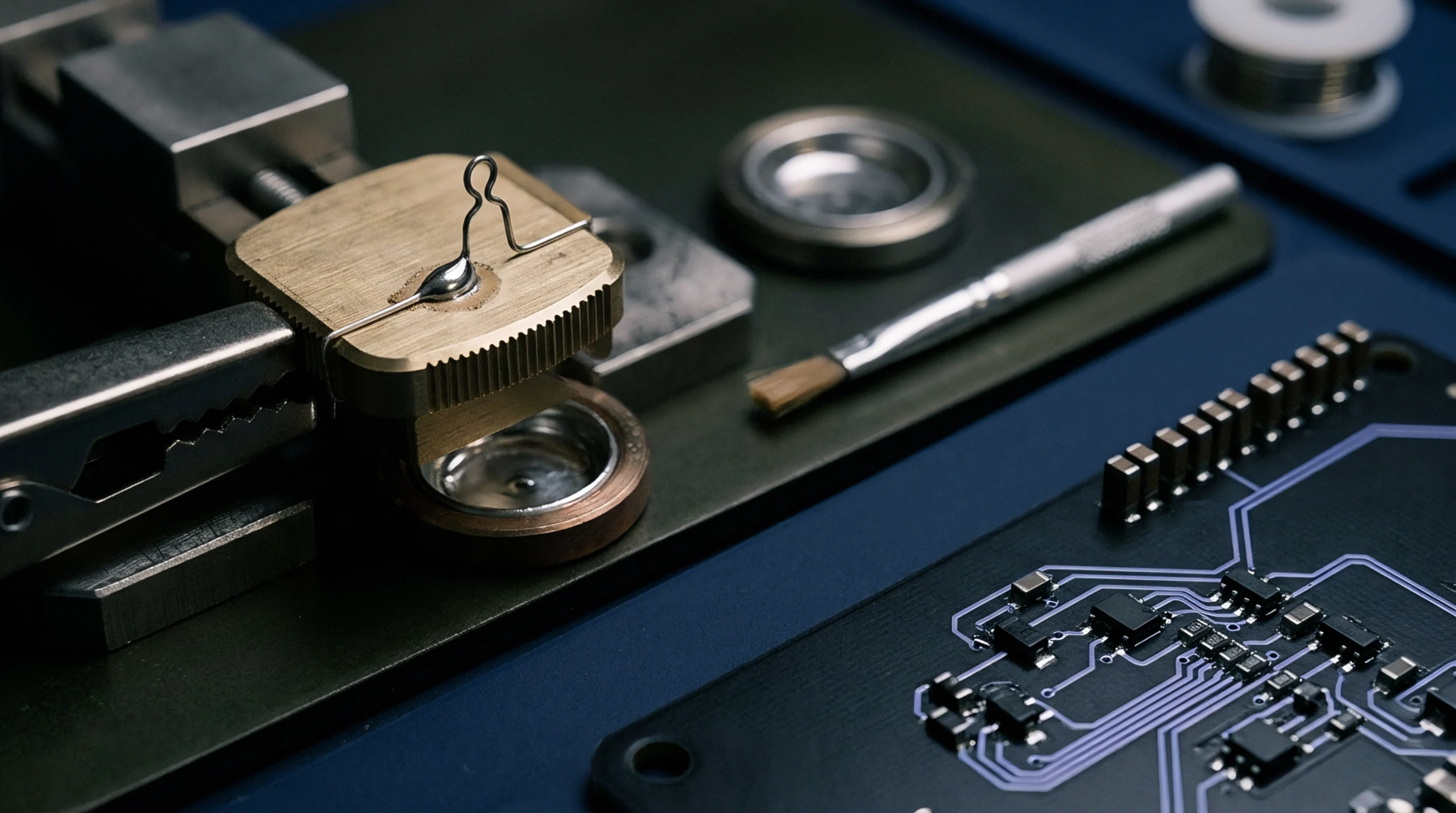
Routing traces at ten degrees off-axis eliminates fiber weave differential skew without paying panel artwork rotation penalties.
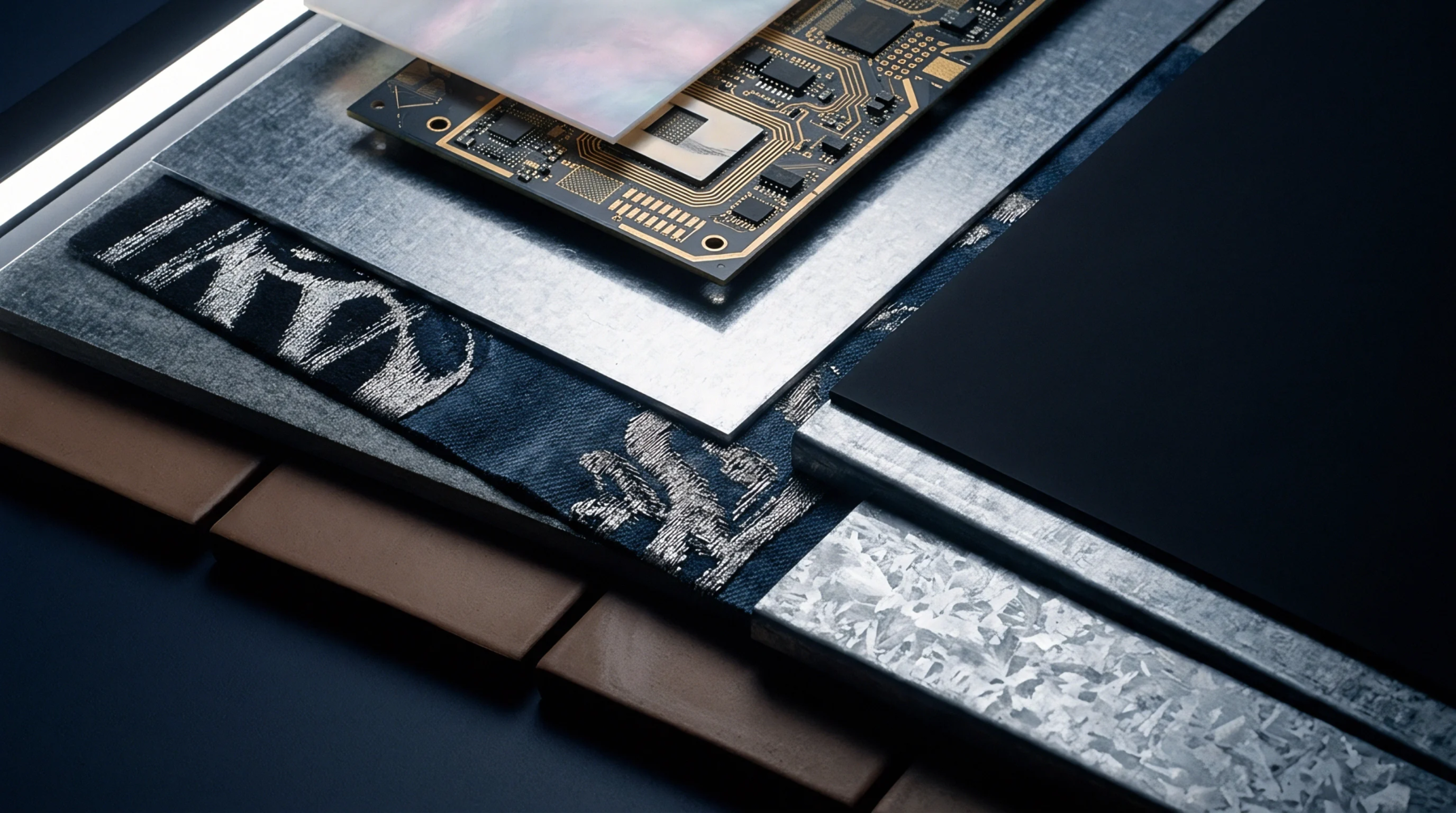
Calculate usable circuits per master production panel and subtract outer border clearances before negotiating bare board unit prices with fabricators.
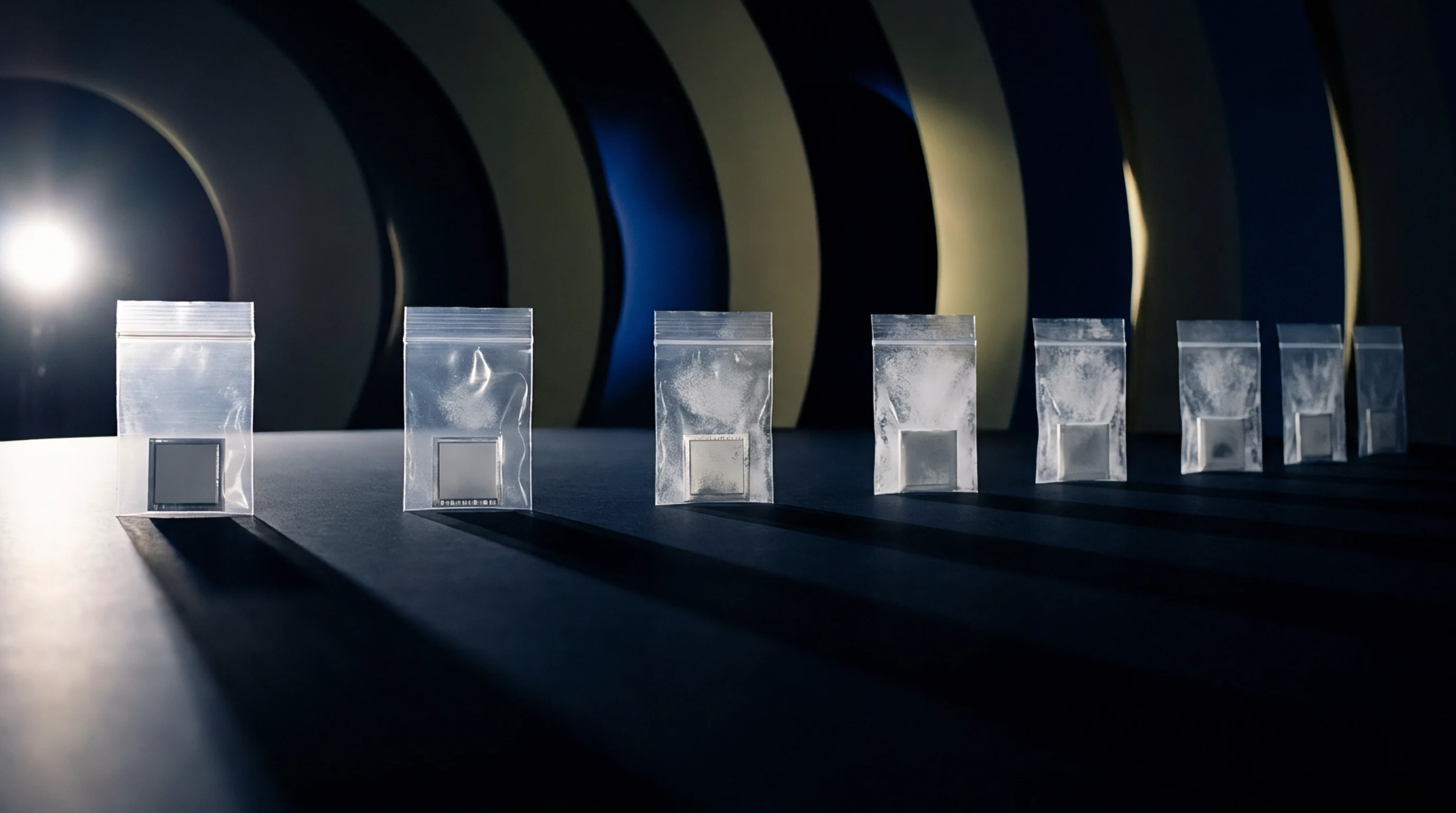
Spatial resin flow and glass weave density variations across woven laminate panels drive localized dielectric drift, requiring strict test protocols and explicit stackup drawing bounds.
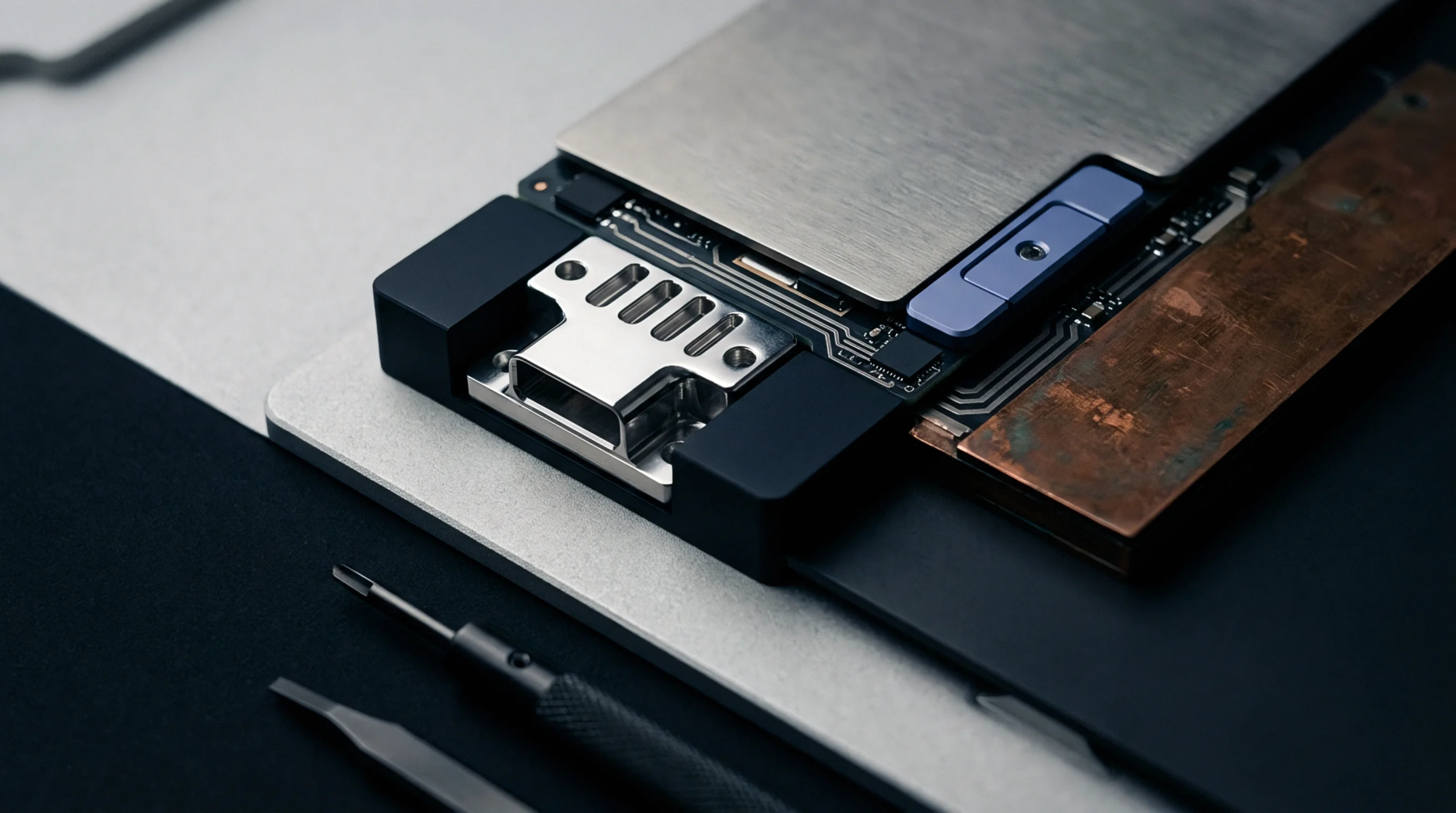
Quantifying phase velocity shift in glass weave substrates requires mapping fiber pitch against trace angle to control differential skew.
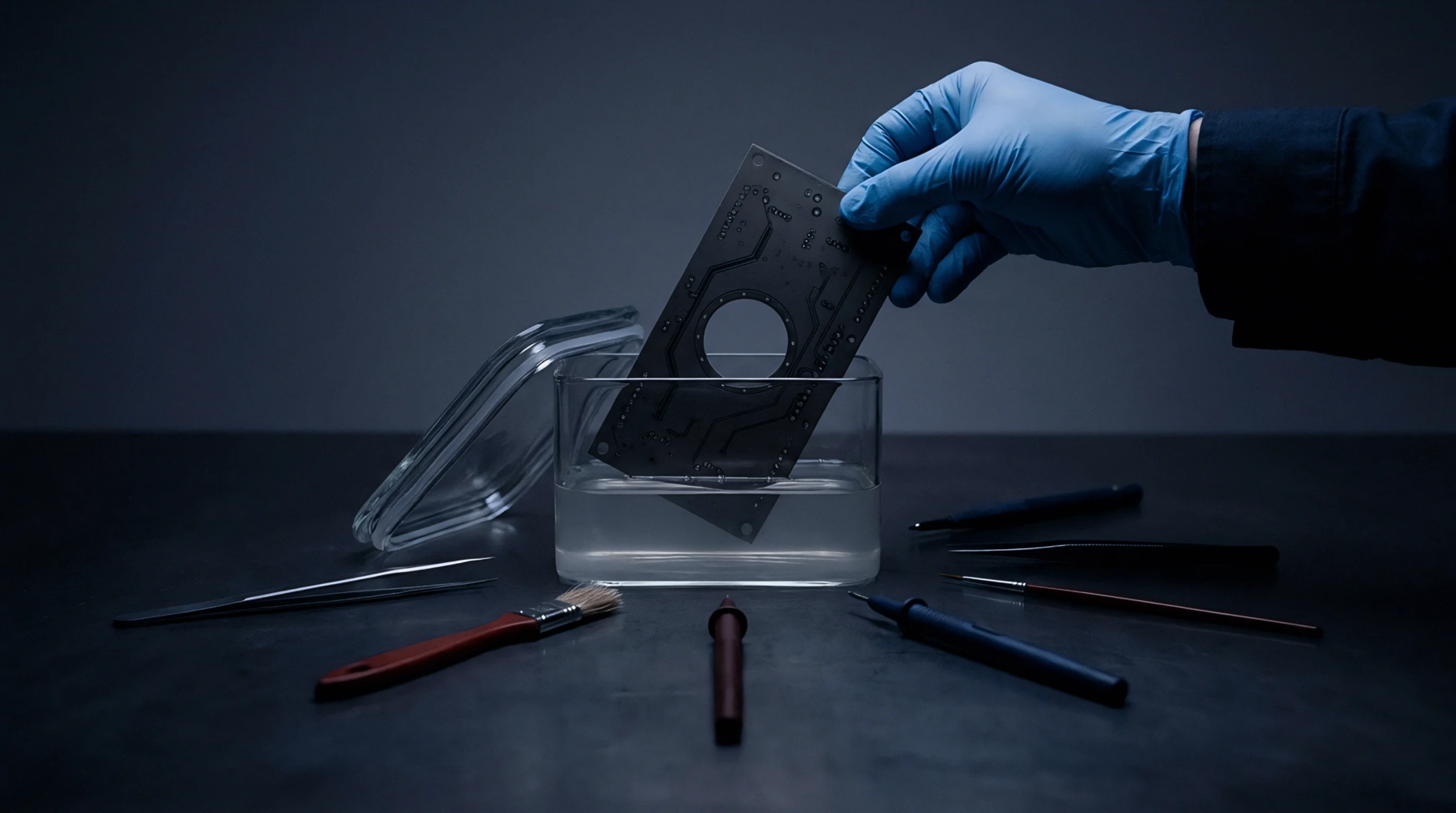
Resolving high-frequency dissipation factor degradation requires specifying hydrophobic organosilane treatments on low-loss glass fabrics with strict vacuum desiccation protocols.
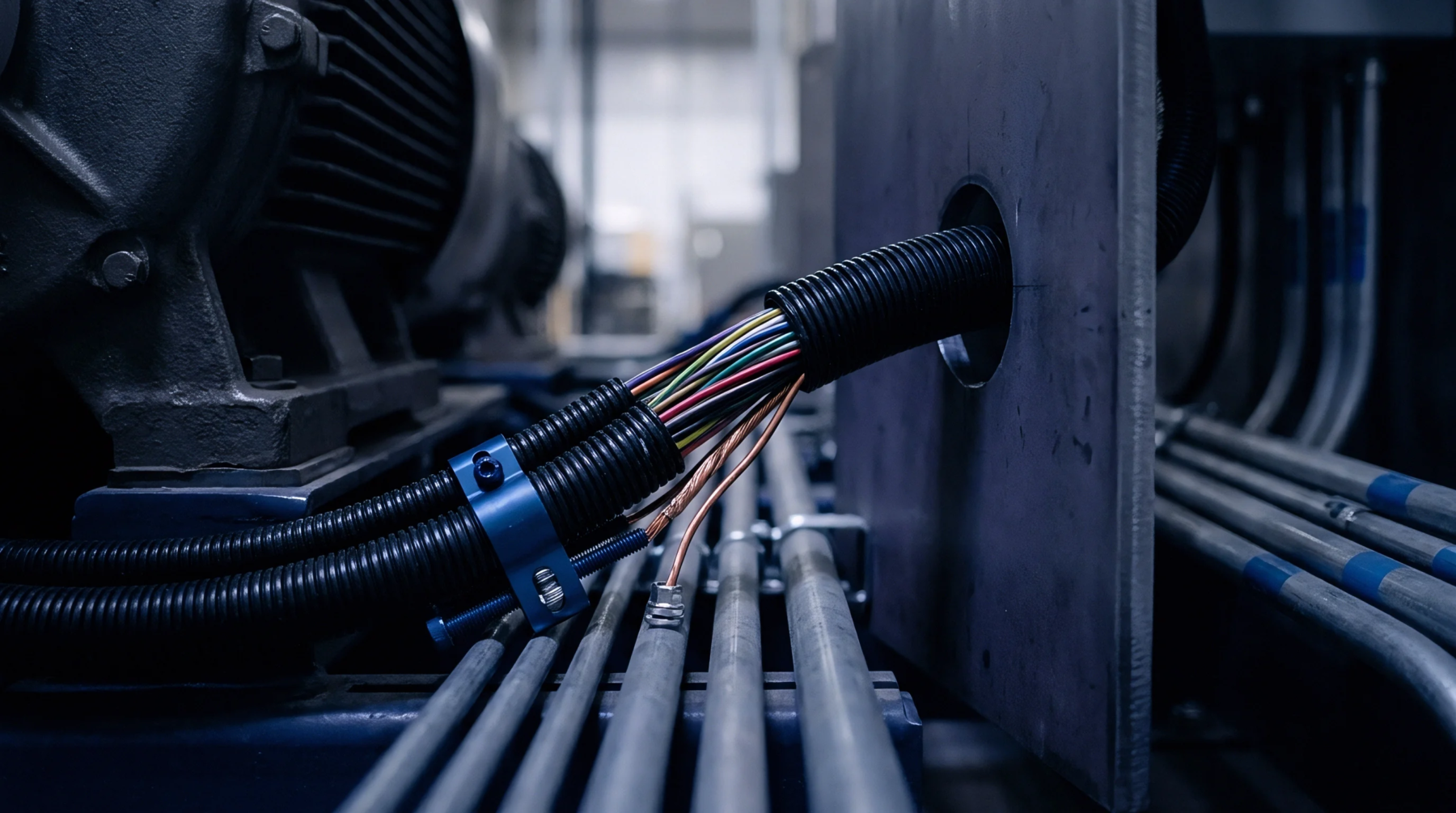
Anisotropic permittivity variations in glass filament bundles under thermal cycling and moisture exposure are driven by silane interphase degradation, requiring spread-glass weaves and dynamic tensor modeling to prevent high-speed differential skew.
Non-destructive quasi-optical characterization captures true millimeter-wave permittivity tensors, preventing costly phase velocity errors before lamination.
Unprobed netlist escapes caused by latent intermetallic microvoiding fall on the buyer unless contract terms define microstructural aging as a material defect.
Expertise is a utility, not a secret. sentiention™ publishes its working knowledge as open reference: intelligence layer covering the materials it sources, the markets it enters, and the reference that serves both.