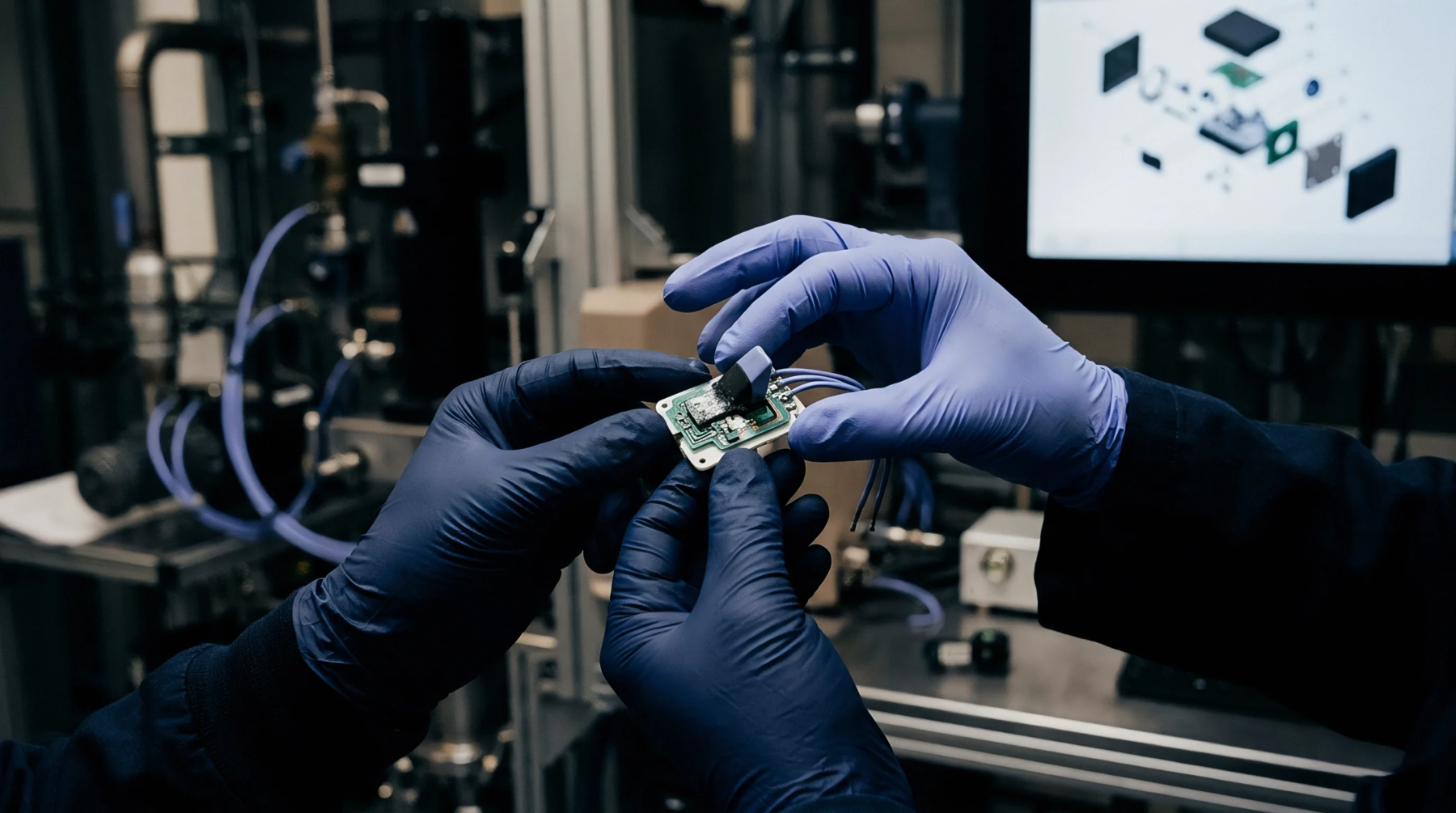
Glass Weave Skew Mitigation Techniques in Differential Stripline Channels
Mitigate differential stripline glass weave skew by combining low-Dk spread glass, multi-ply prepregs, and minimum two-degree routing offsets on drawings.
Mitigate differential stripline glass weave skew by combining low-Dk spread glass, multi-ply prepregs, and minimum two-degree routing offsets on drawings.
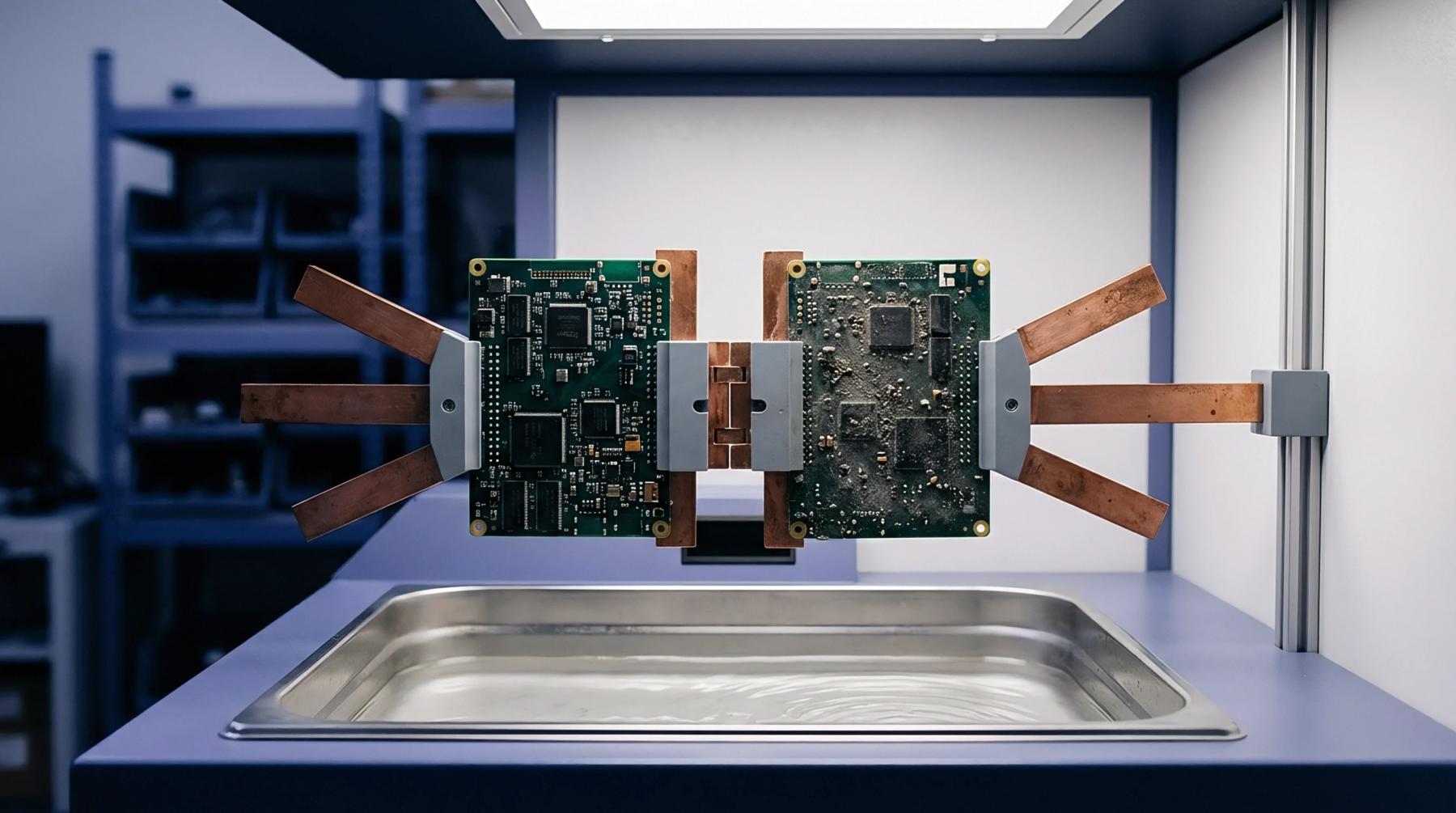
Spread glass styles eliminate dielectric spatial variation, stabilizing differential impedance and phase skew across high-frequency printed circuit routing.
Prepreg glass bundle spacing causes local permittivity shifts that introduce picosecond phase delay variance in high-speed microstrip traces.
Quasi-optical extraction isolates intrinsic substrate loss from copper roughness, requiring explicit z-axis anisotropy conversion for accurate mmWave stackup design.
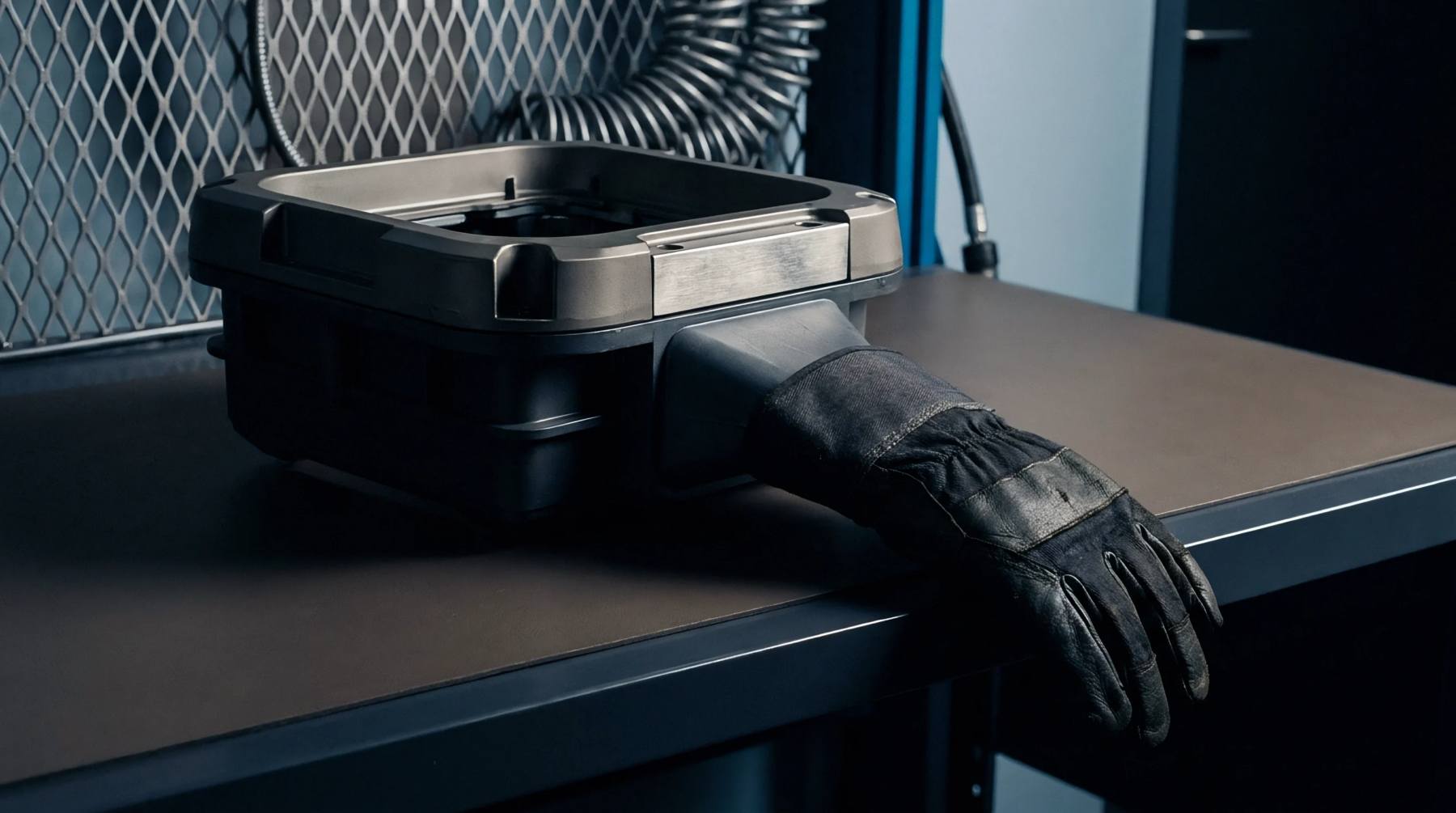
Selecting mechanically flattened spread glass styles like 1067 or 1078 eliminates dielectric pitch gaps and keeps high-speed differential skew below 2 ps/inch.
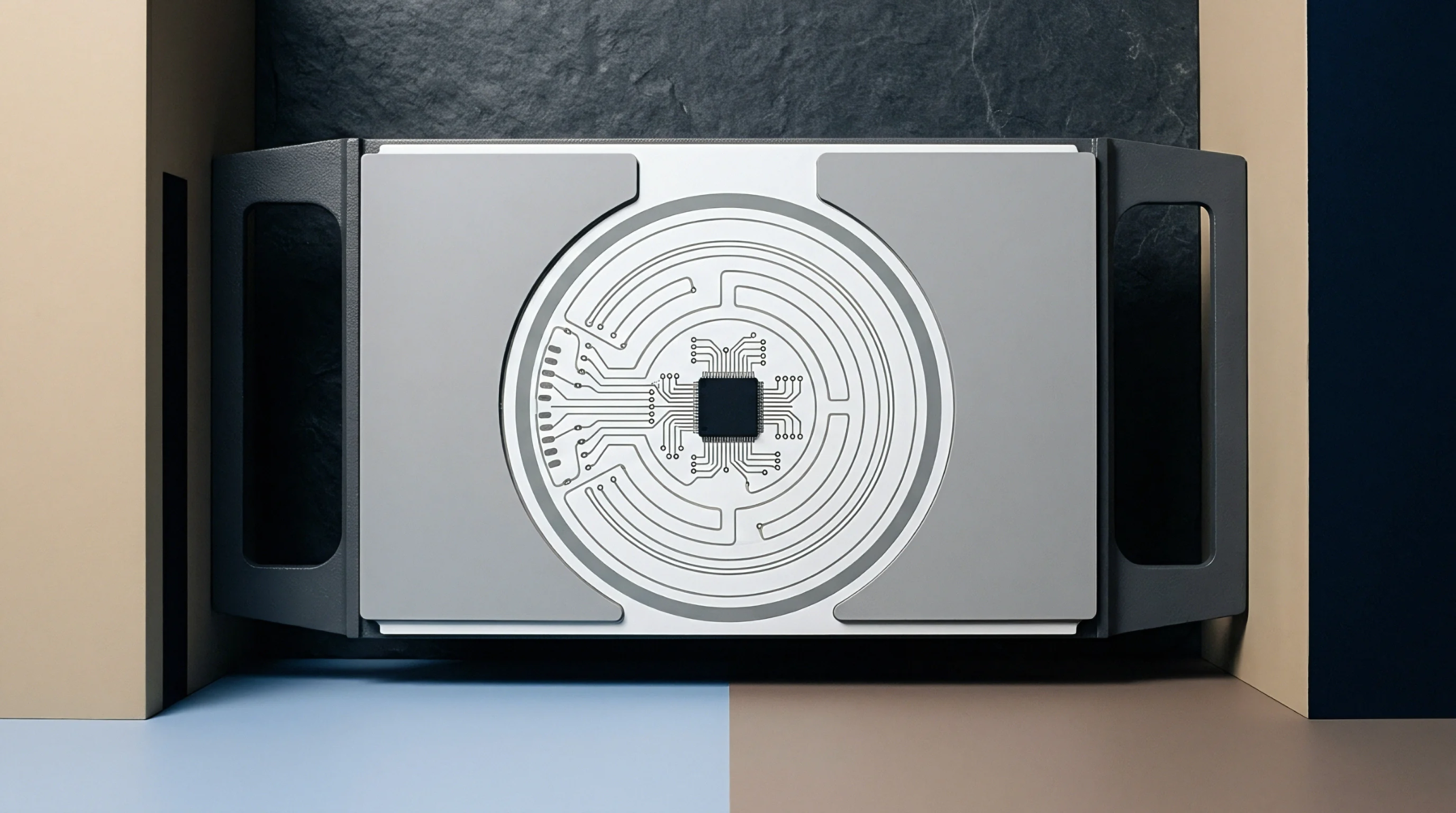
Glass weave skew causes intra-pair phase delay in high-speed differential pairs, requiring spread glass, dual-ply prepreg, or off-axis panel rotation.
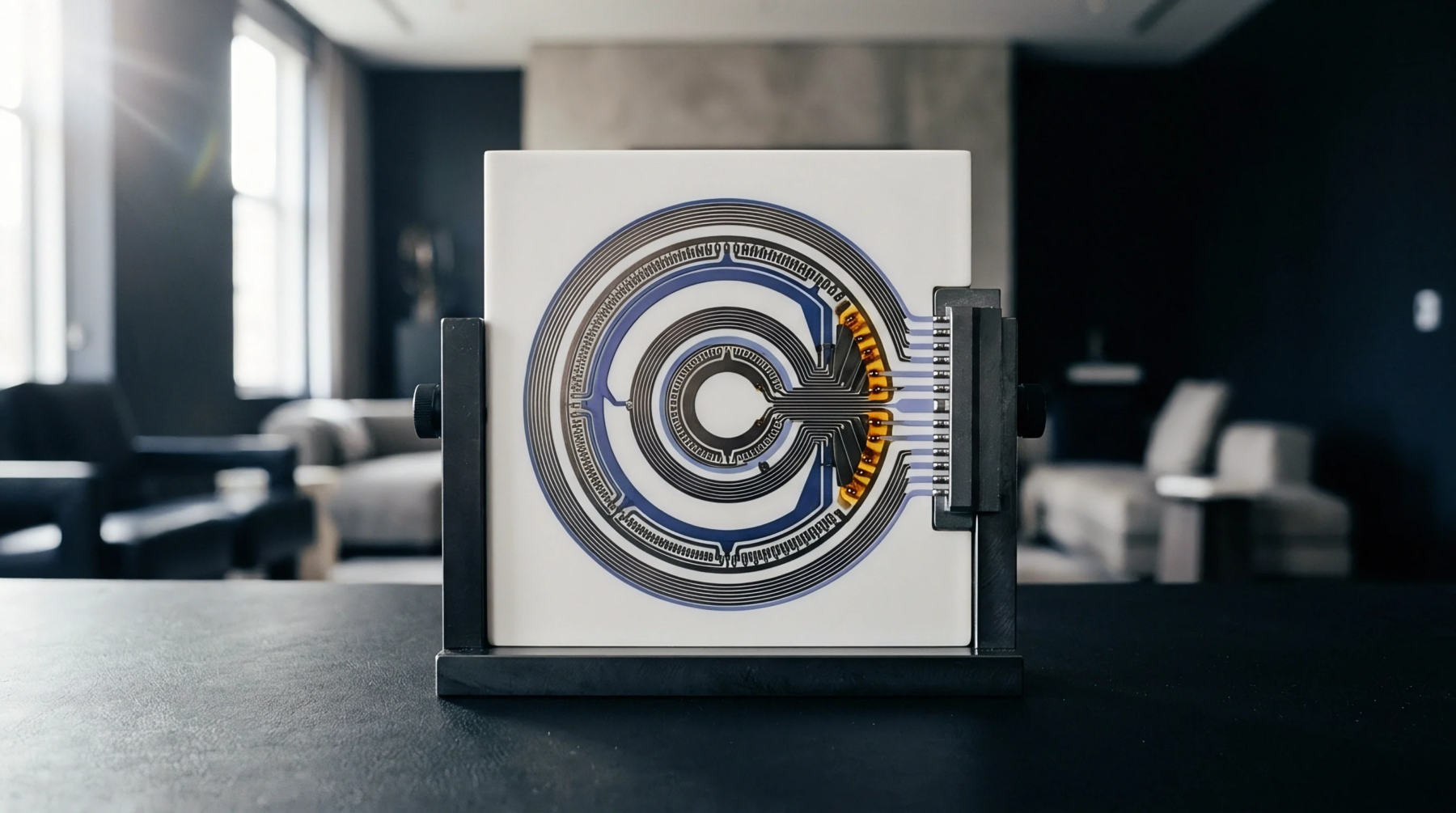
Standardizing low-Dk spread glass requires matching glass chemistry with mechanical yarn flattening to eliminate differential skew and fix impedance tolerances.
Spread glass prepreg selection eliminates differential phase skew by flattening fiber bundles and reducing dielectric constant variations across signal paths.
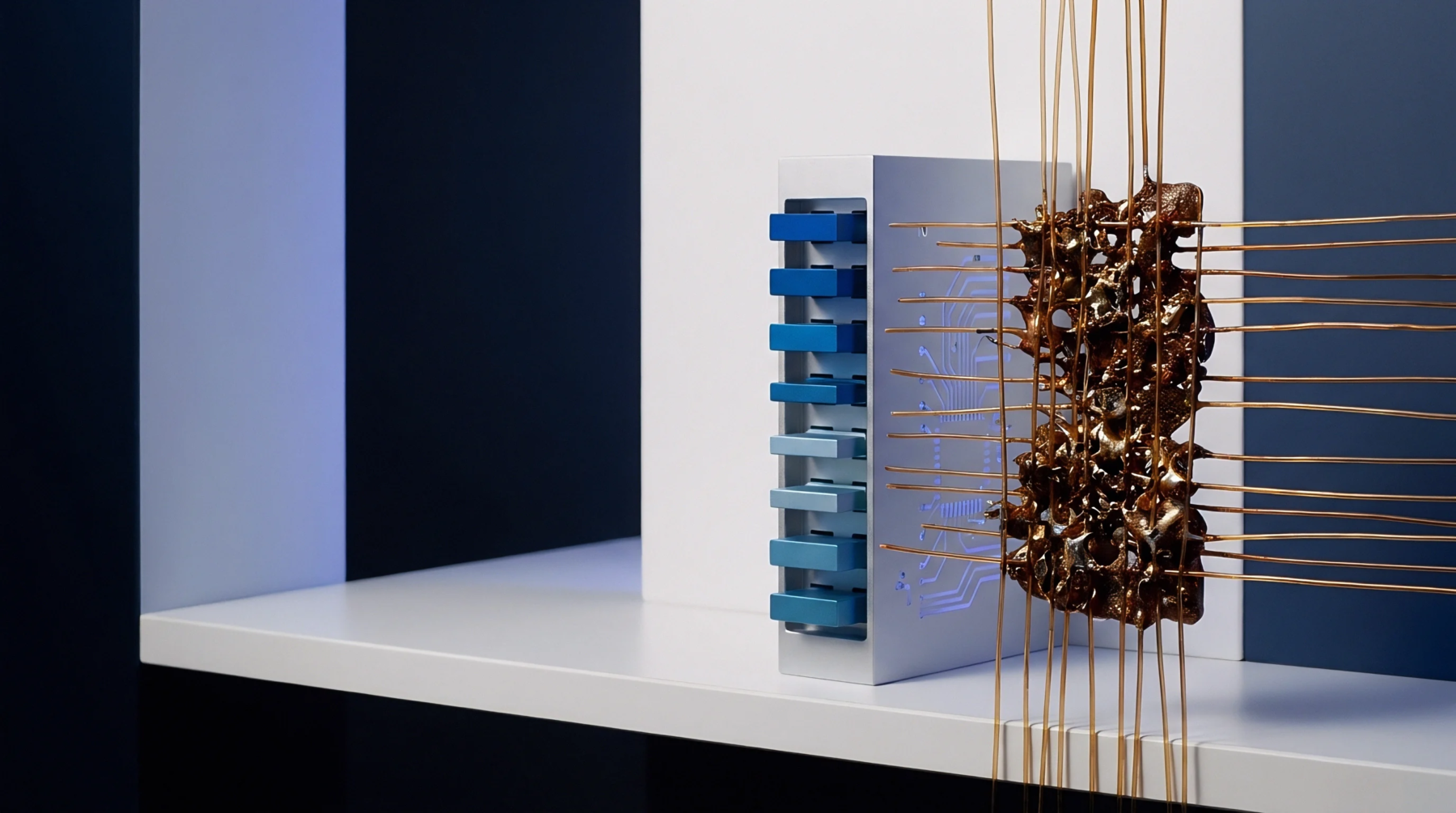
Spatial dielectric variation in glass laminates stems from weave periodicity and drives phase skew, requiring spread glass or angled routing to pass tight jitter budgets.
Spread glass weaves minimize micro-spatial permittivity variations, stabilizing high-frequency phase delay when press thermal cycles are tightly controlled.
Expertise is a utility, not a secret. sentiention™ publishes its working knowledge as open reference: intelligence layer covering the materials it sources, the markets it enters, and the reference that serves both.