
High Density Perimeter via Barrel Stress Fatigue under Extended Thermal Shock Verification
Extended thermal shock verification isolates latent perimeter via barrel fractures before high-density printed circuit board batches enter assembly streams.
Extended thermal shock verification isolates latent perimeter via barrel fractures before high-density printed circuit board batches enter assembly streams.
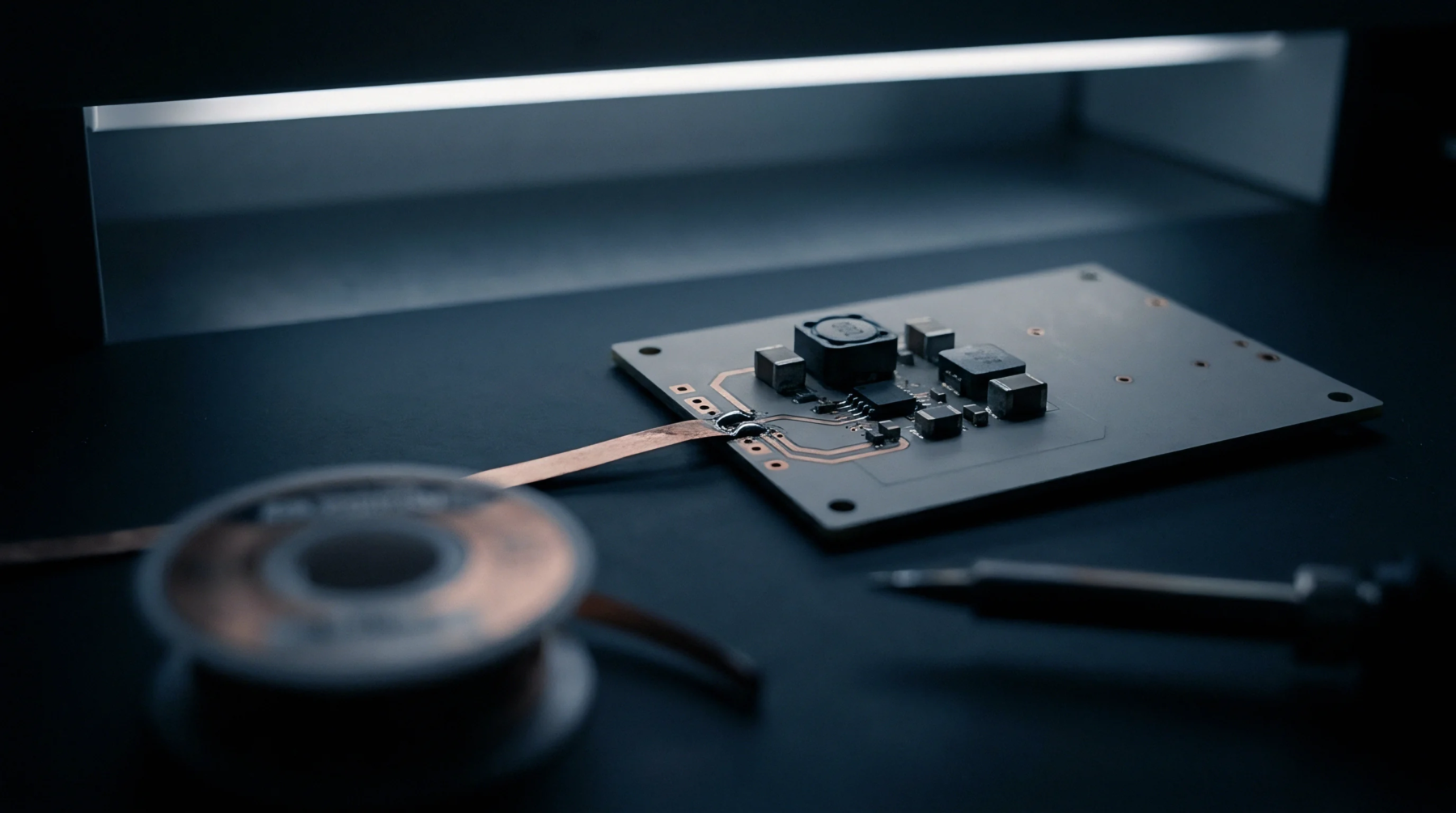
Weibull shape and location parameters derived from microsections quantify true target pad clearance safety margins, protecting buyers from latent dielectric field failures.

Precision destructive microsection preparation and calibrated optical extraction establish compliance for barrel plating, wrap copper, and internal layer interfaces.
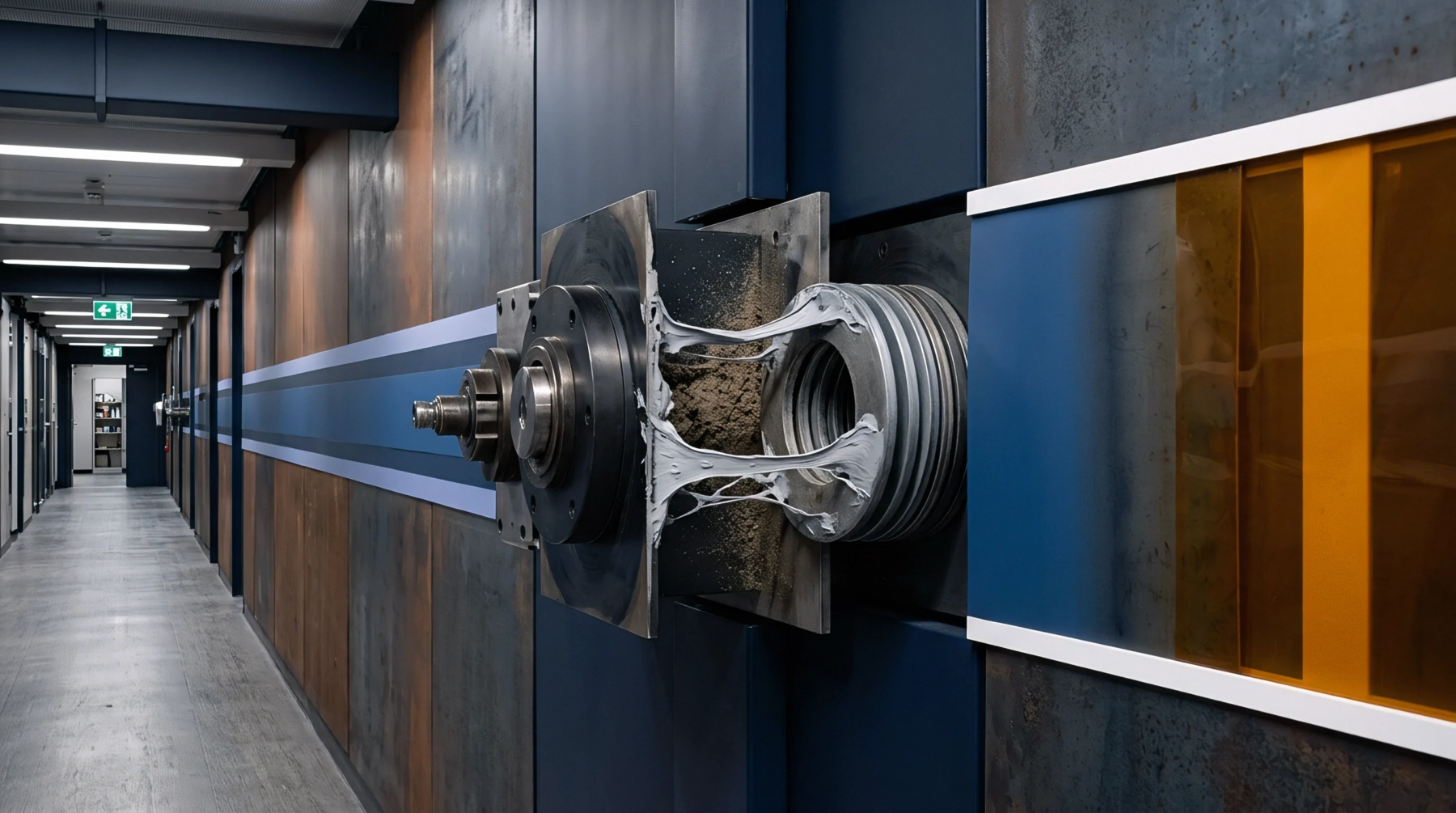
Matching dielectric CTE above Tg to copper ductility prevents inner layer interconnect fracture during high temperature reflow thermal profile cycles.

Resolving intermittent high speed signal integrity escapes requires pairing static boundary scan with embedded IJTAG at speed stress testing to catch dynamic physical layer failures.
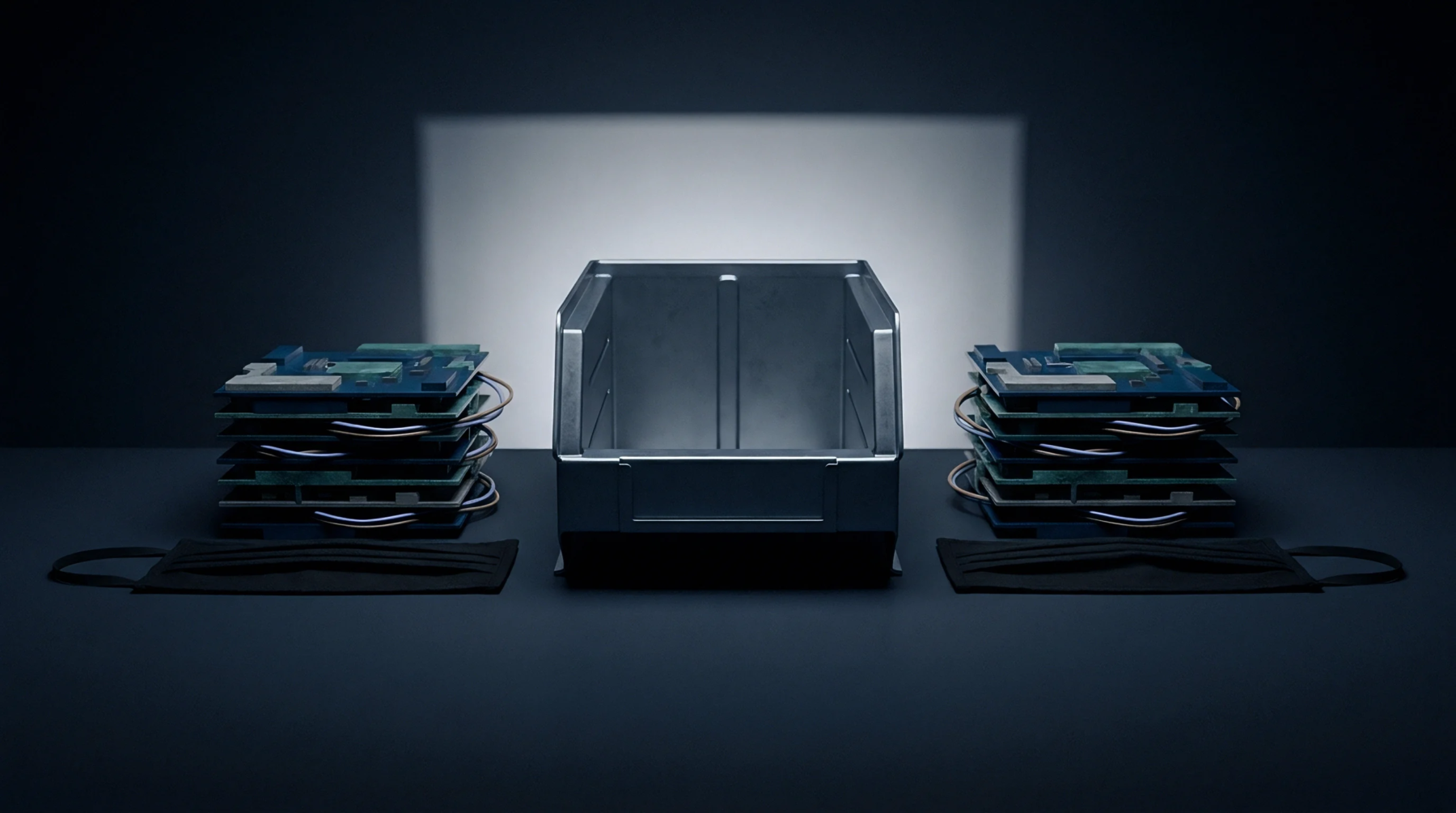
Low z-CTE silica-filled laminates (IPC-4101/129) and staggered microvia topologies prevent target pad separation during 260°C lead-free reflow excursions.
Microvia aspect ratios capped at 0.75:1 with optimized acid copper throwing power deliver maximum plating yield and thermomechanical reliability in HDI stackups.
Expertise is a utility, not a secret. sentiention™ publishes its working knowledge as open reference: intelligence layer covering the materials it sources, the markets it enters, and the reference that serves both.