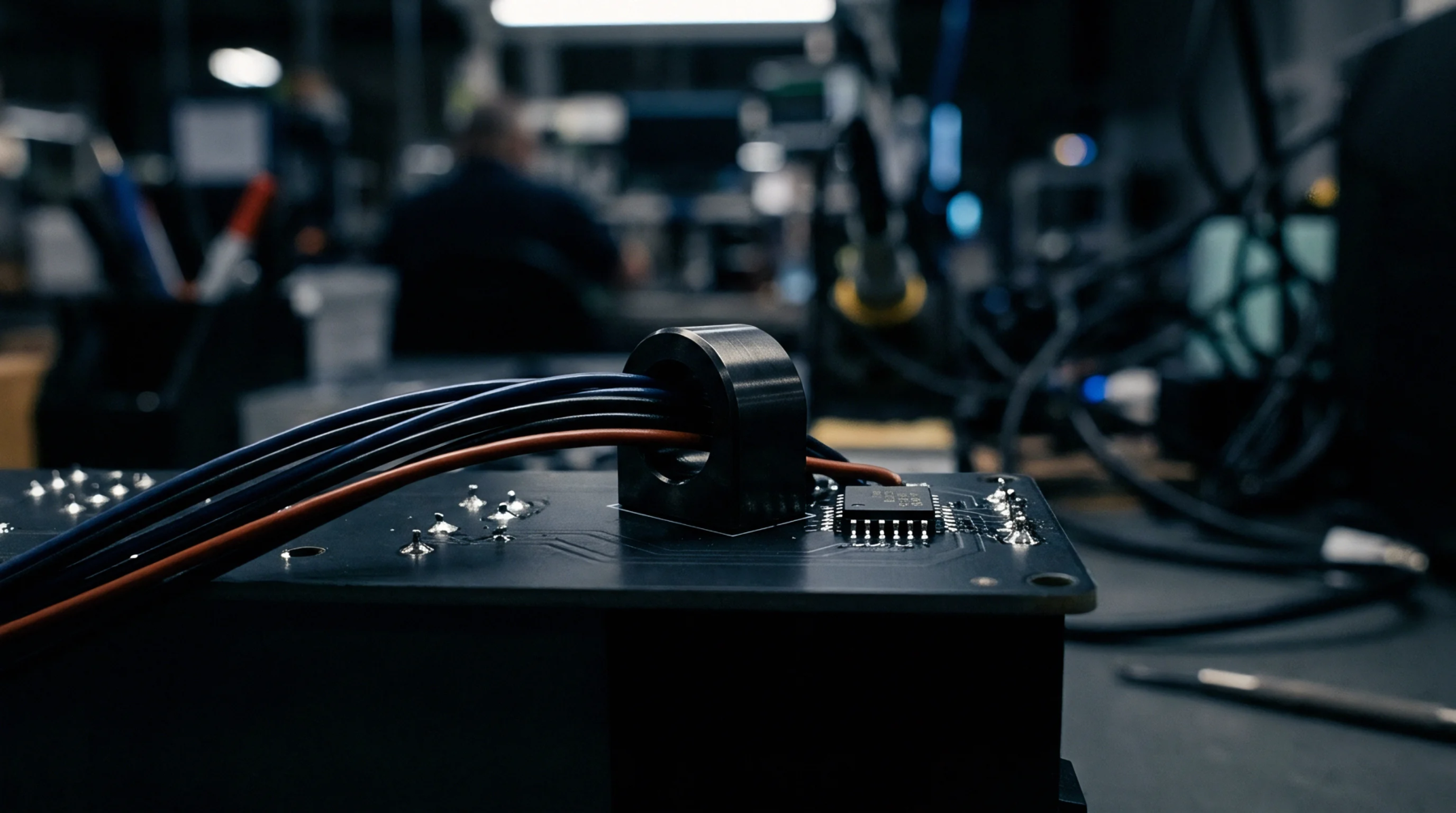
Moisture Sensitive Parts Opened before the Line Was Ready
Opening moisture-sensitive parts before line release exposes components to ambient humidity, risking thermal delamination during reflow unless floor life is tracked and restored.
Opening moisture-sensitive parts before line release exposes components to ambient humidity, risking thermal delamination during reflow unless floor life is tracked and restored.
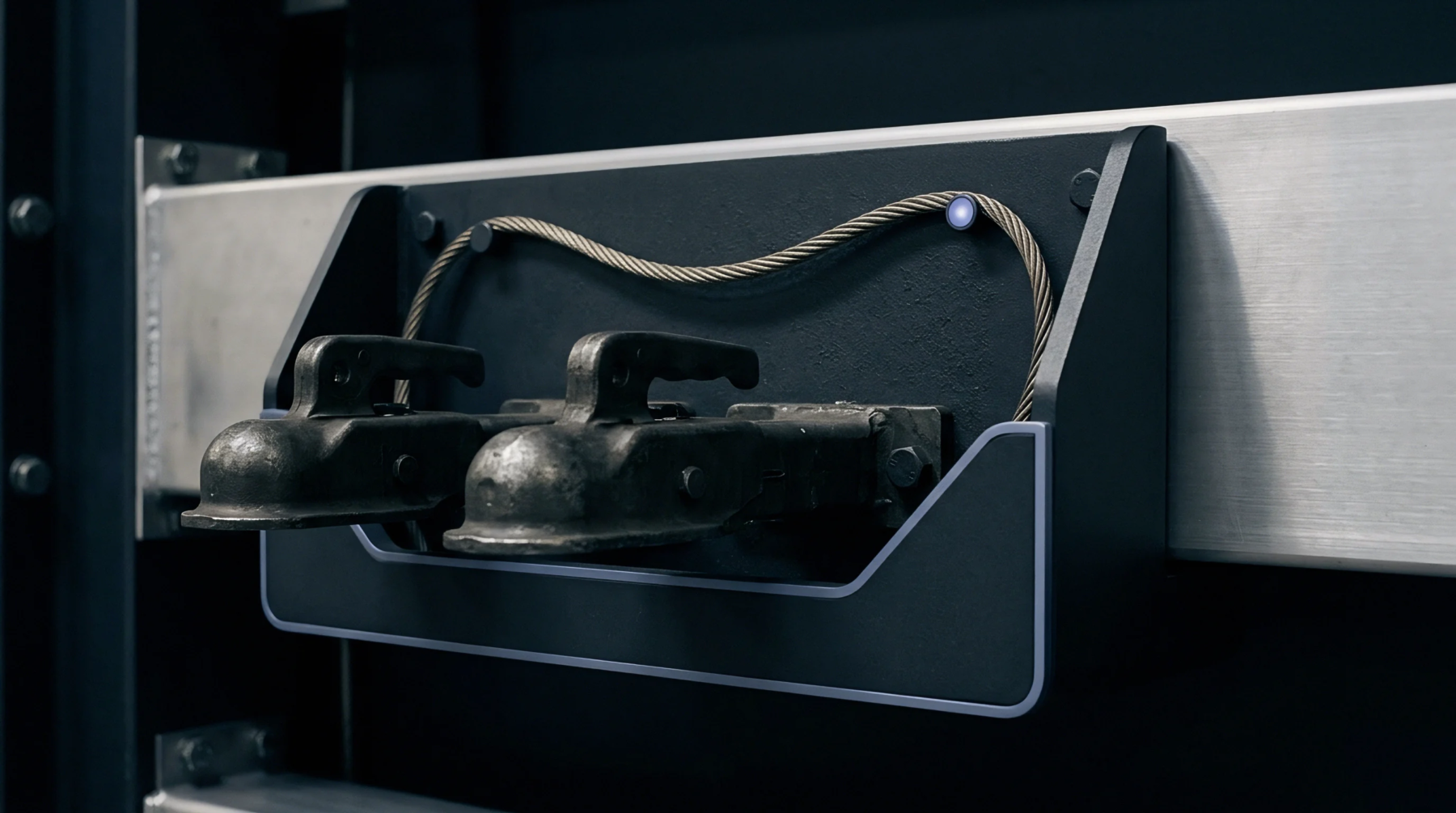
Non-Newtonian resin flow inside thin prepreg micro-channels governs void formation, trace displacement, and dielectric thickness stability during high-pressure lamination.
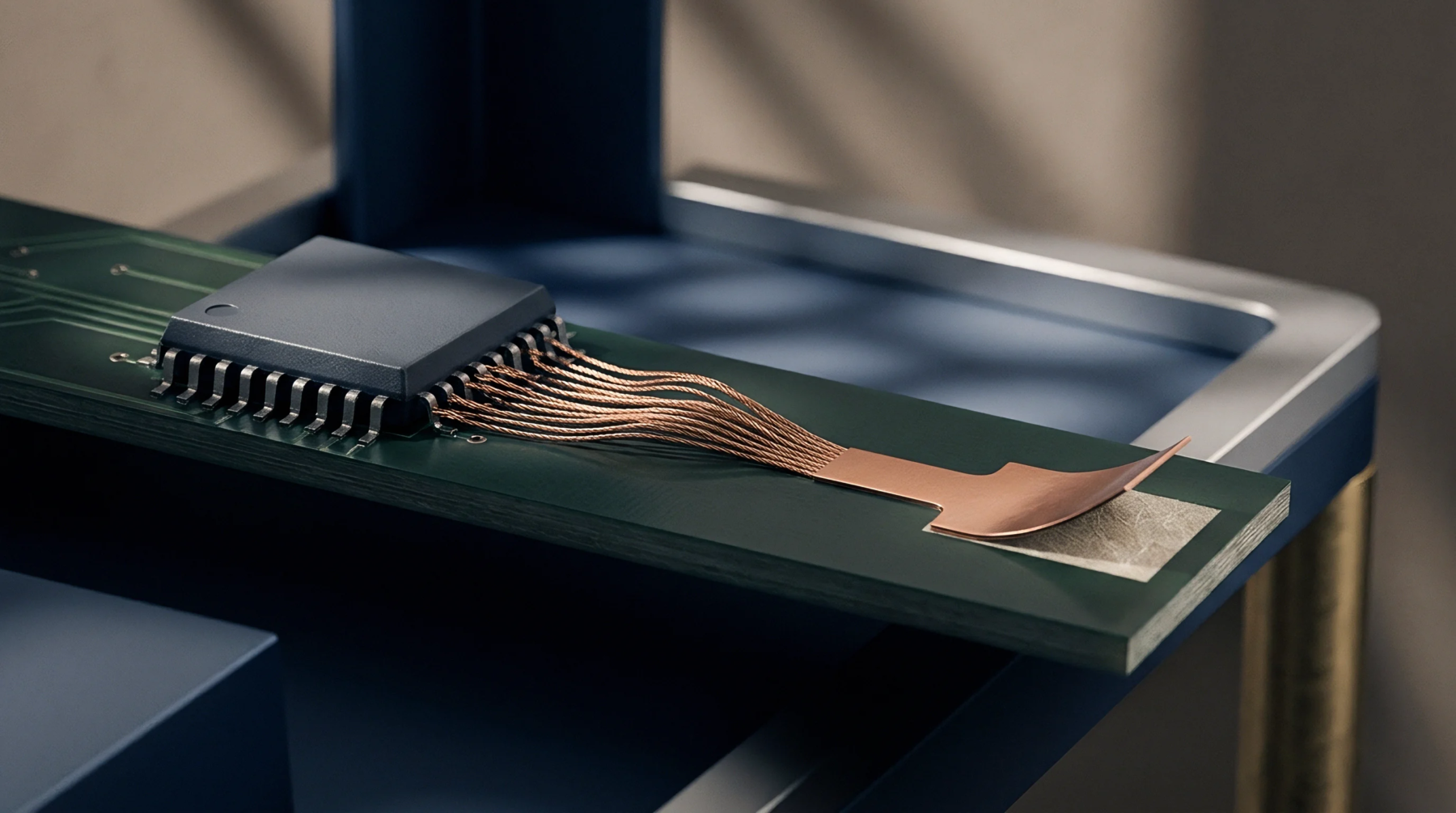
Dynamic thermal screening paired with acoustic reflection depth-gating isolates micro-cracks that pass static bench testing before they reach finished inventory.

Matching prepreg melt viscosity minima to press pressure ramps prevents thin-core distortion and resin starvation in high-density multilayer lamination.
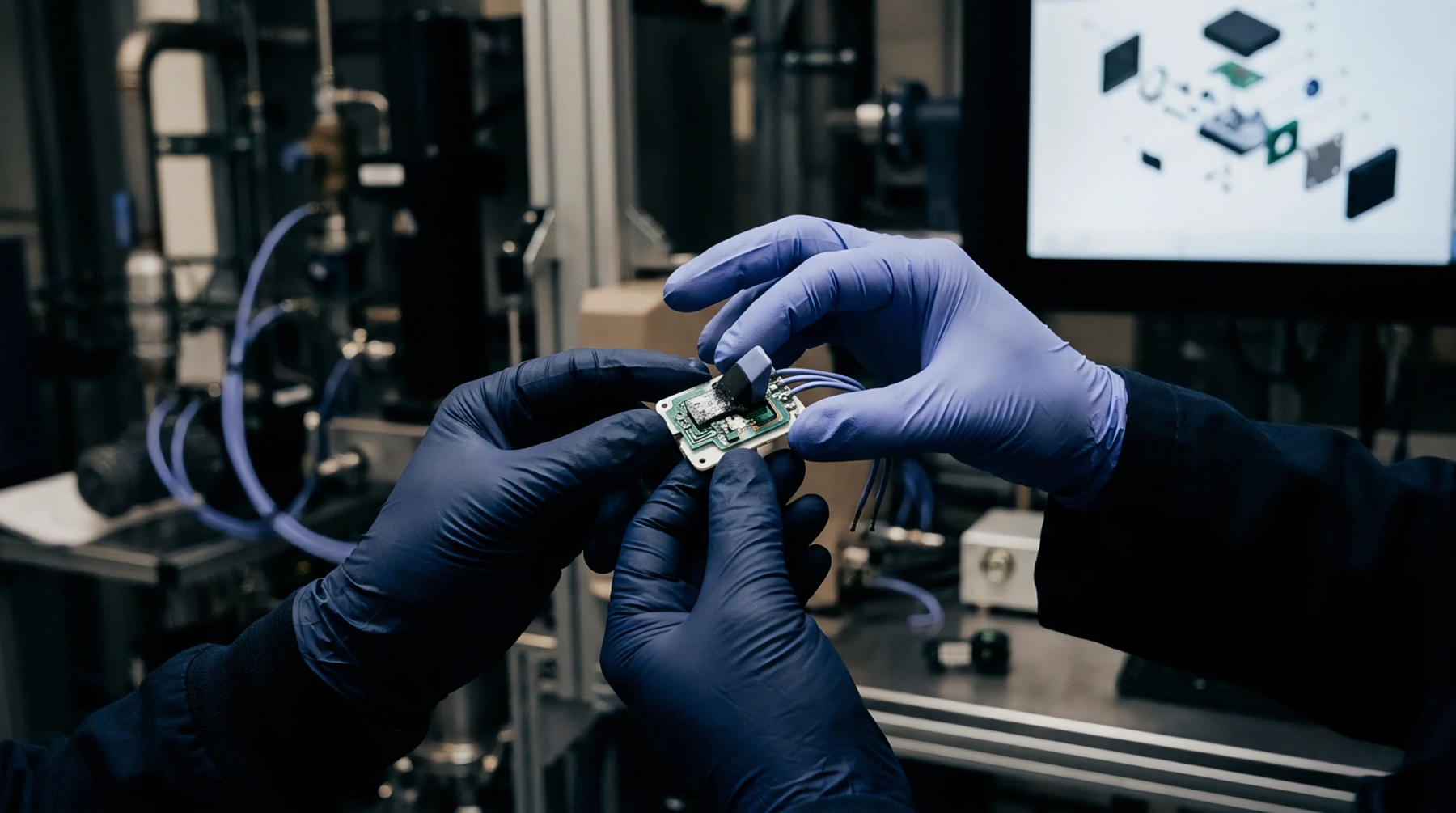
High frequency C-SAM detects post bake package delamination down to ten nanometer air gaps using acoustic phase inversion analysis.
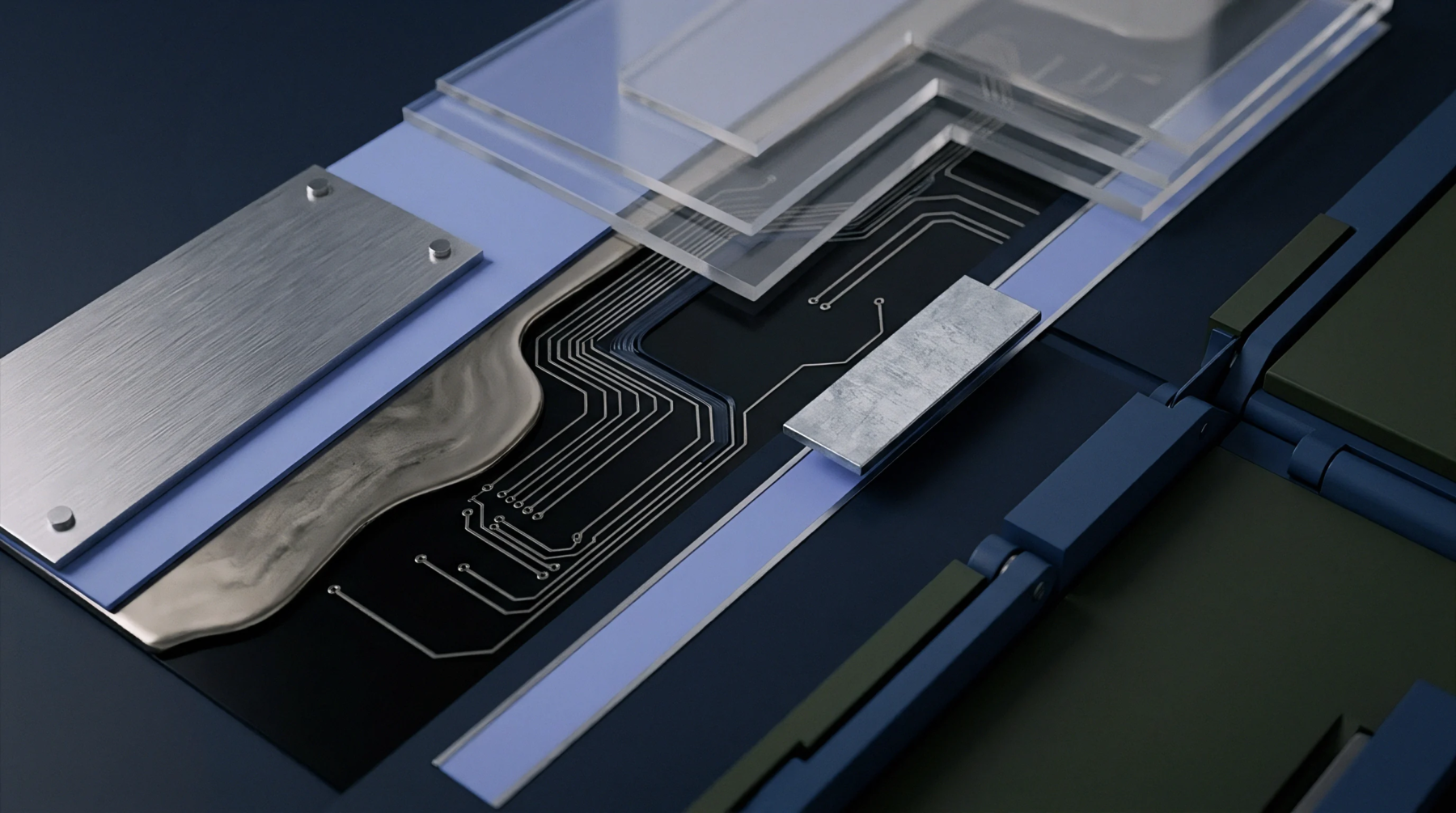
Exceeding component floor life limits risks catastrophic reflow popcorning; restore parts via J-STD-033 validated bake profiles before surface mount assembly.

Characterizing boundary micro-cracking in peripheral via core laminates requires high-frequency S-parameter testing and acoustic microscopy beyond DC continuity checks.
Verification of thermal rework degradation limits relies on coupon continuous resistance tracking and microsectioning to prevent latent inner-layer via cracking.

Non-destructive ultrasonic screening isolates sub-micron microvia target pad separations by detecting 180-degree phase inversions at high-frequency acoustic gates.
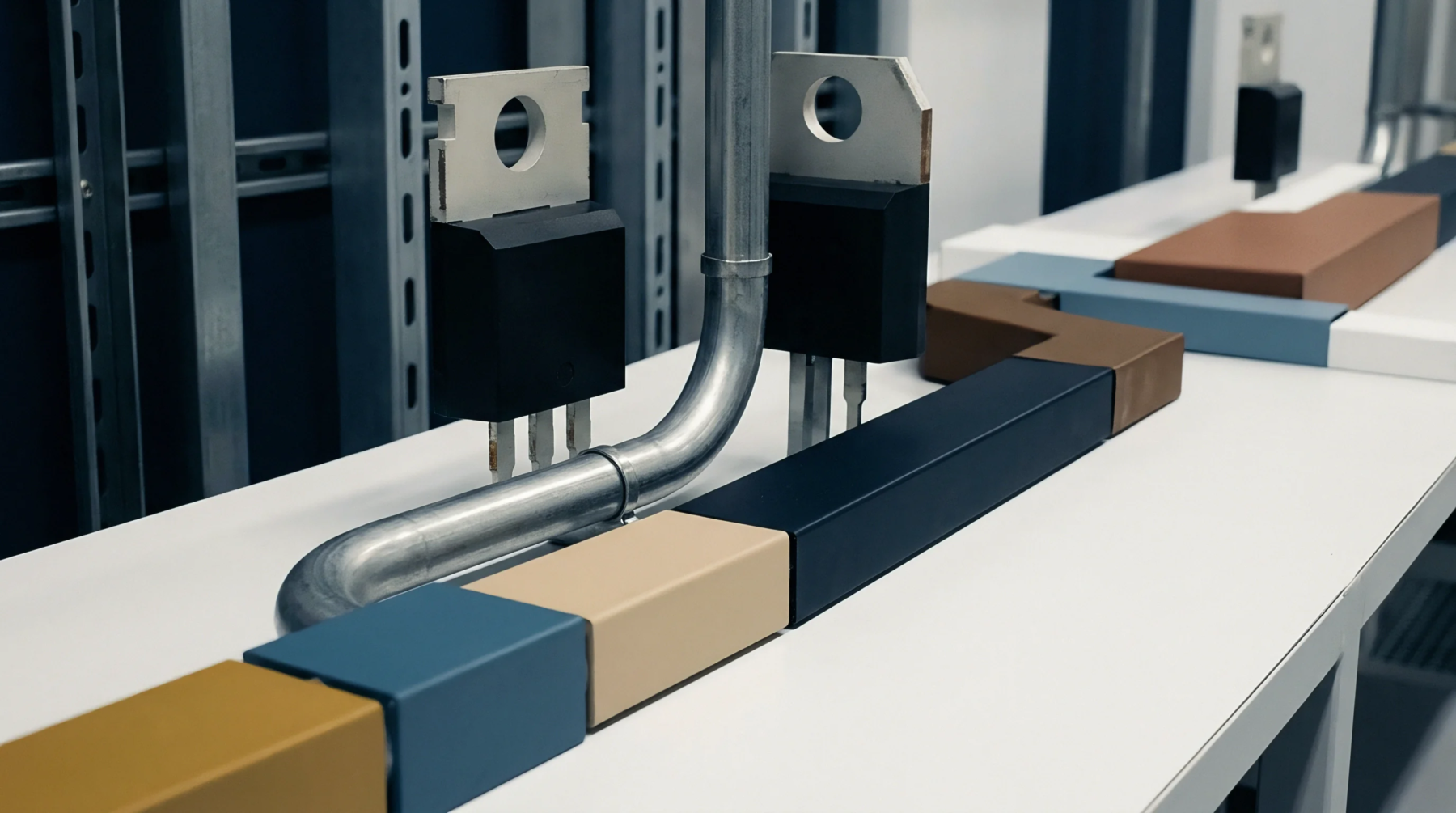
Submicron crack contact under thermal bias masks delamination signals, requiring phase-inversion gating and high-frequency transducers to verify package integrity.
Evaluating thermomechanical creep in dual-sided solder joints requires tracking secondary reflow thermal exposure, intermetallic layer growth, and creep strain accumulation under asymmetric board warpage.
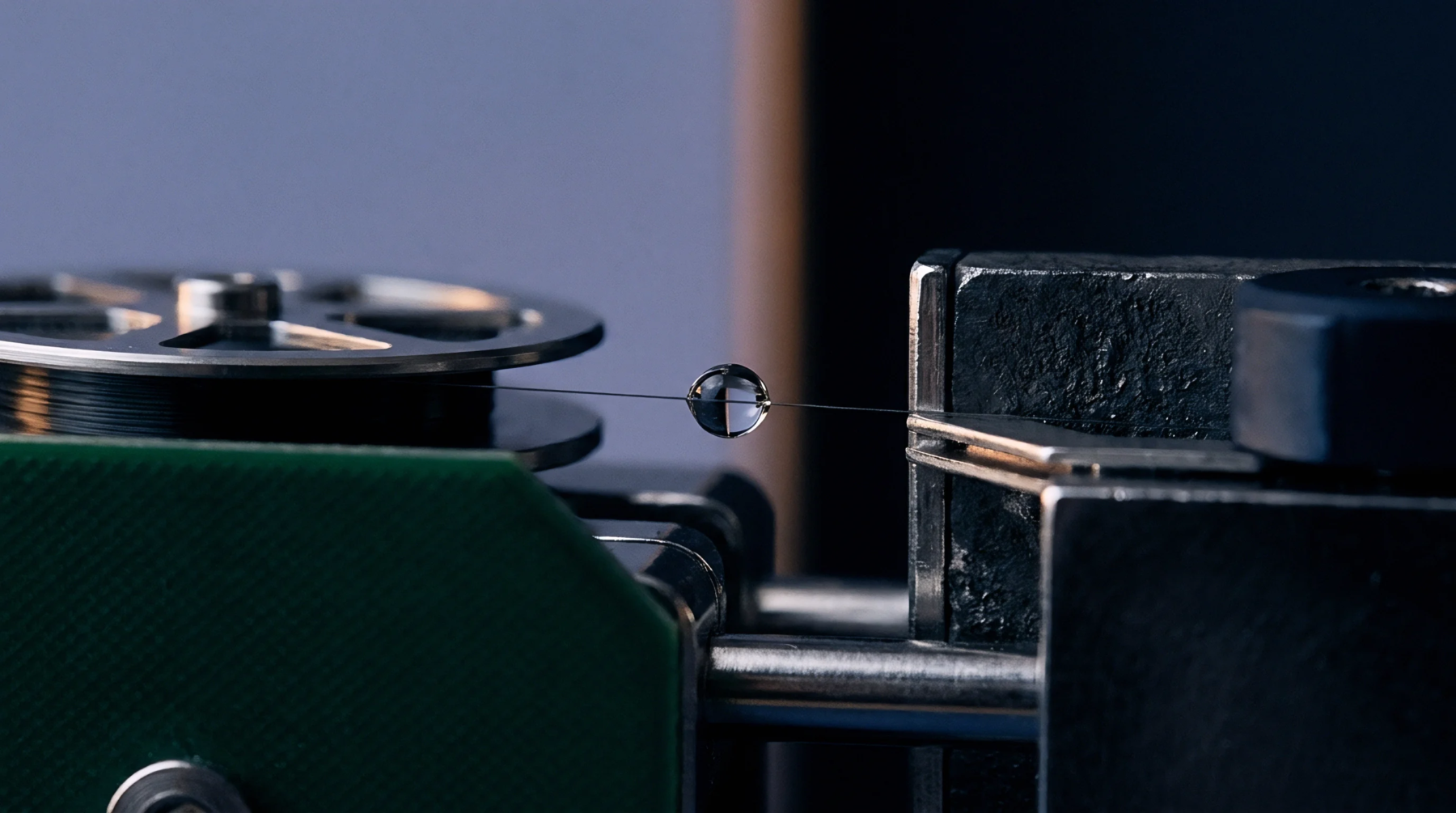
Solder reflow steam pressures inside plastic components demand exact floor life accounting and dry storage discipline to prevent package delamination.
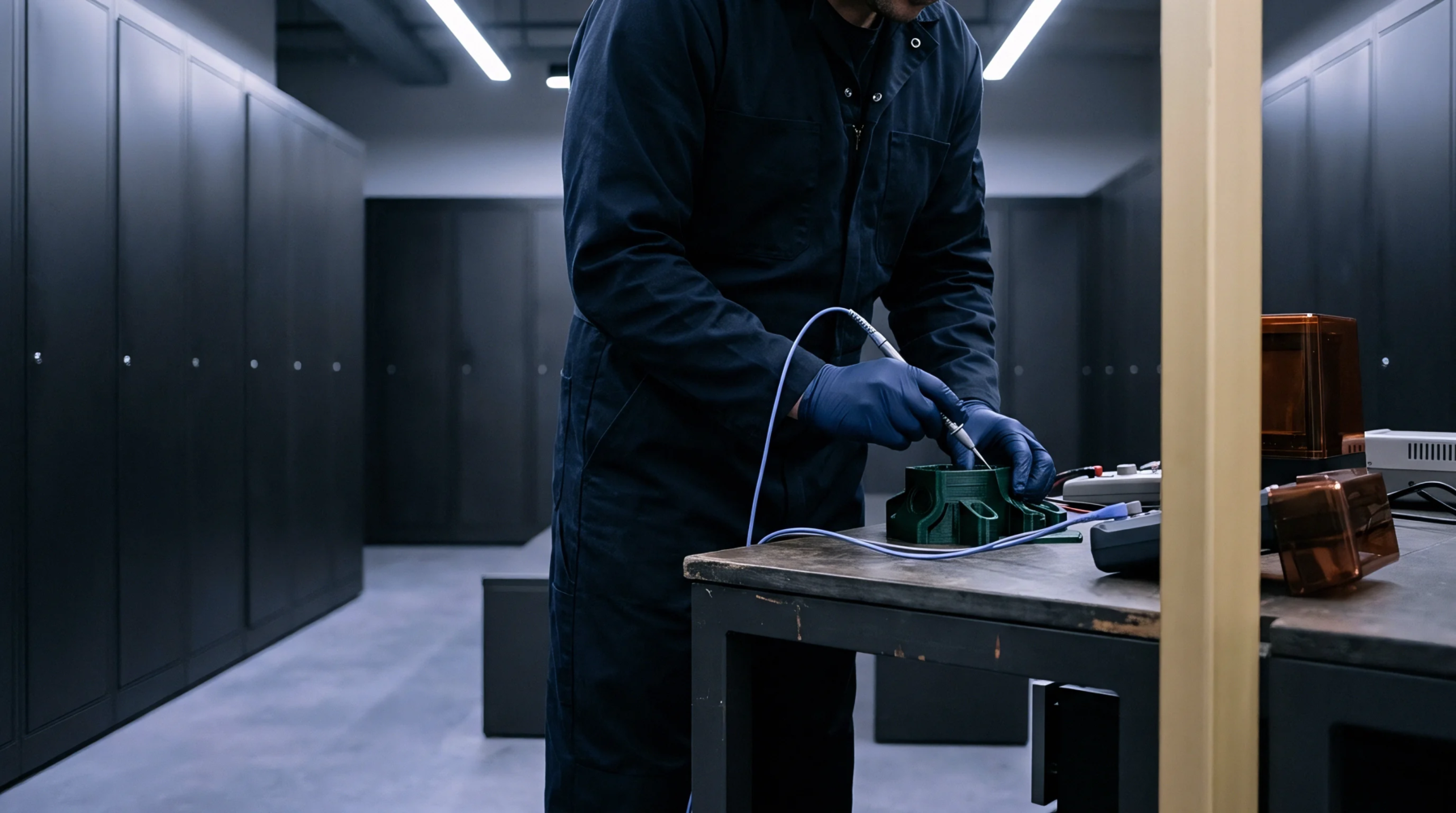
Arbitrated thermal wear-out liabilities require metallurgical failure proof and Weibull shape parameters exceeding two to establish pre-existing factory escapes.
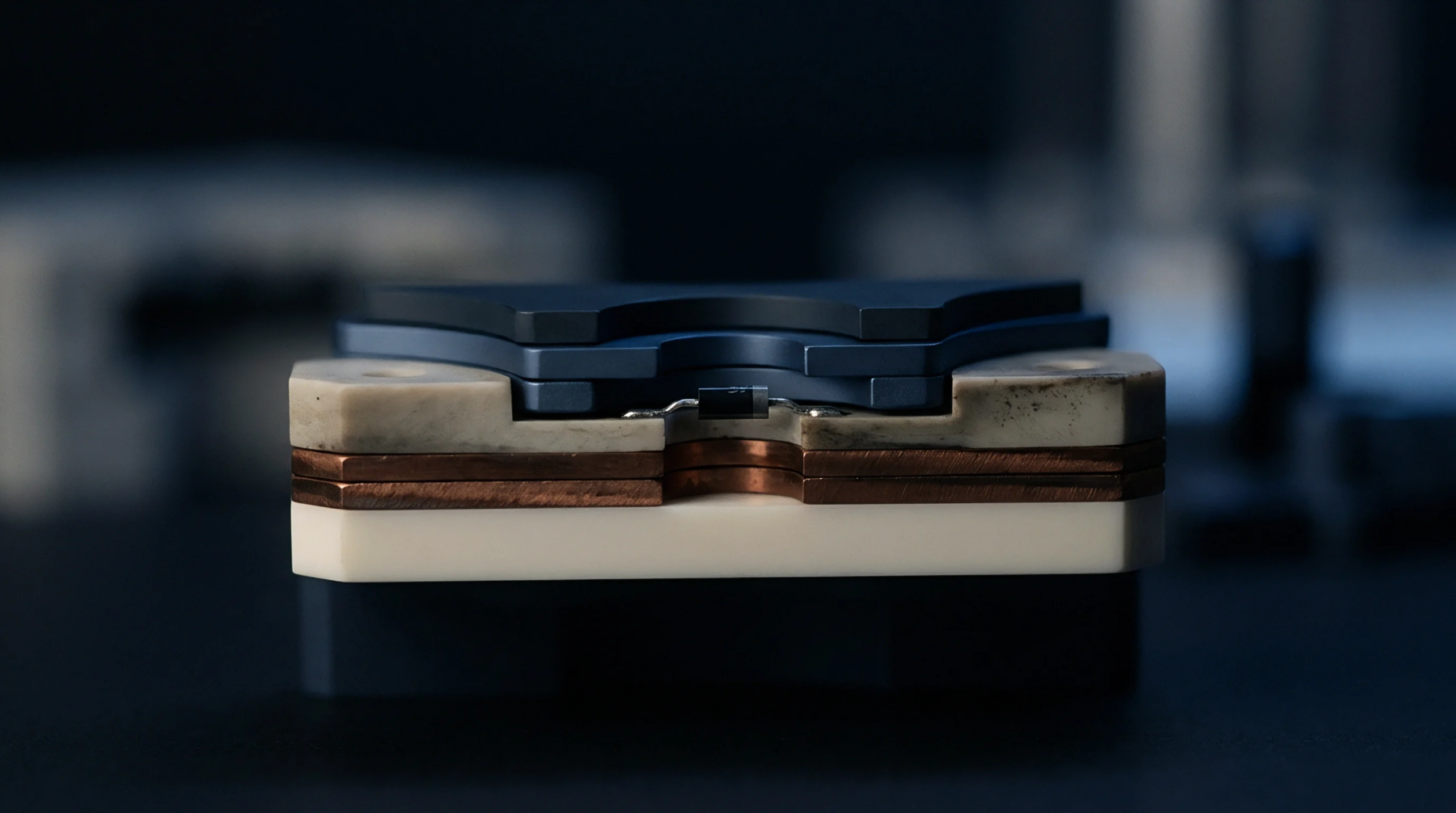
Acoustic phase inversion limits in baked plastic packages occur when thermal gap shrinkage creates sub-wavelength contact that suppresses echo reversal.

BGA moisture sensitivity compliance demands strict floor life tracking, J-STD-020 preconditioning qualification, and acoustic inspection for subsurface delamination.
Acoustic phase inversion identifies package delamination by tracking 180-degree echo phase shifts caused by air gap impedance drop at internal material boundaries.
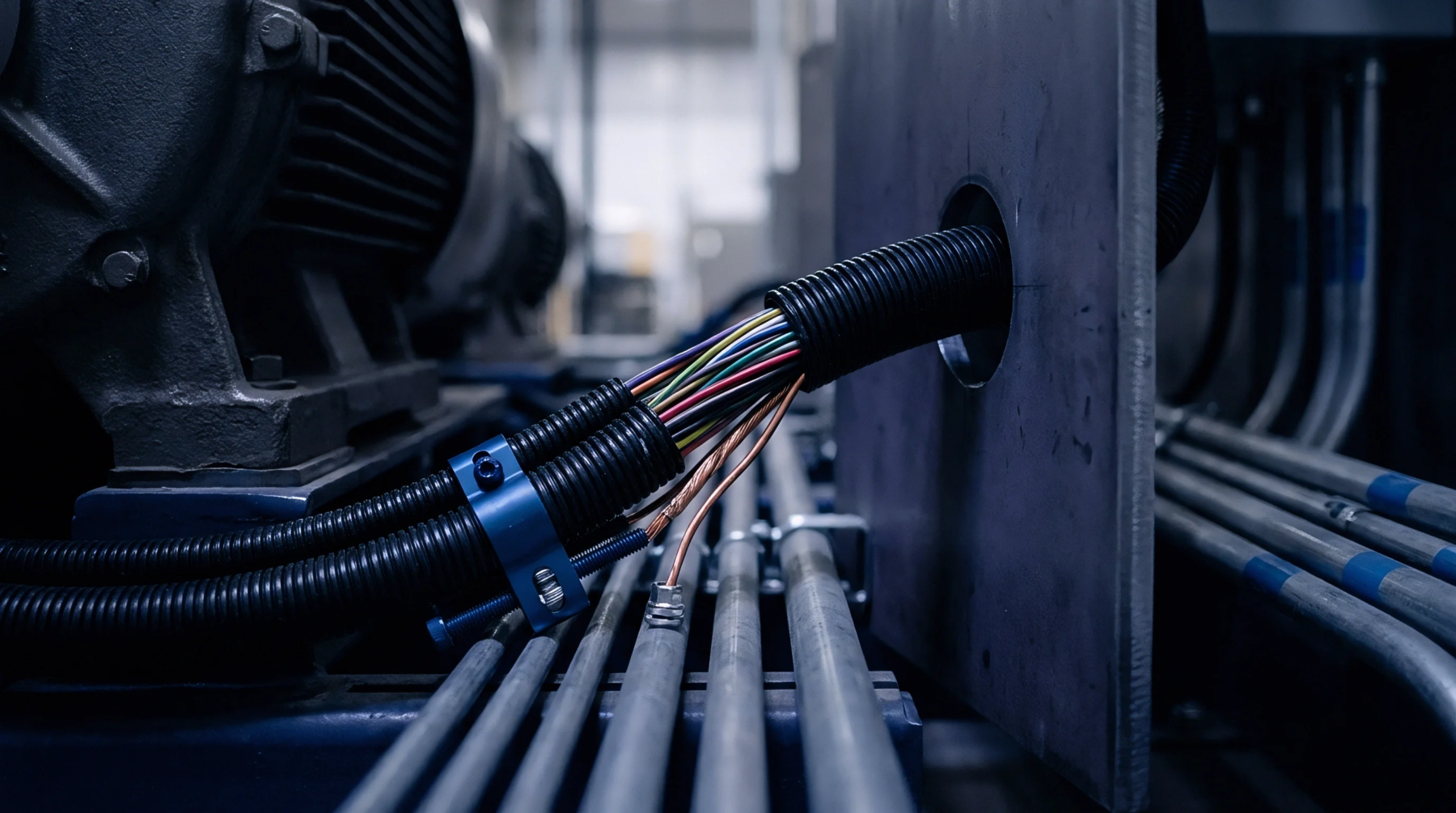
Sub-ten micron die delamination quantification requires transducers above 200 MHz, balancing 5-micron spatial resolution against material acoustic attenuation.
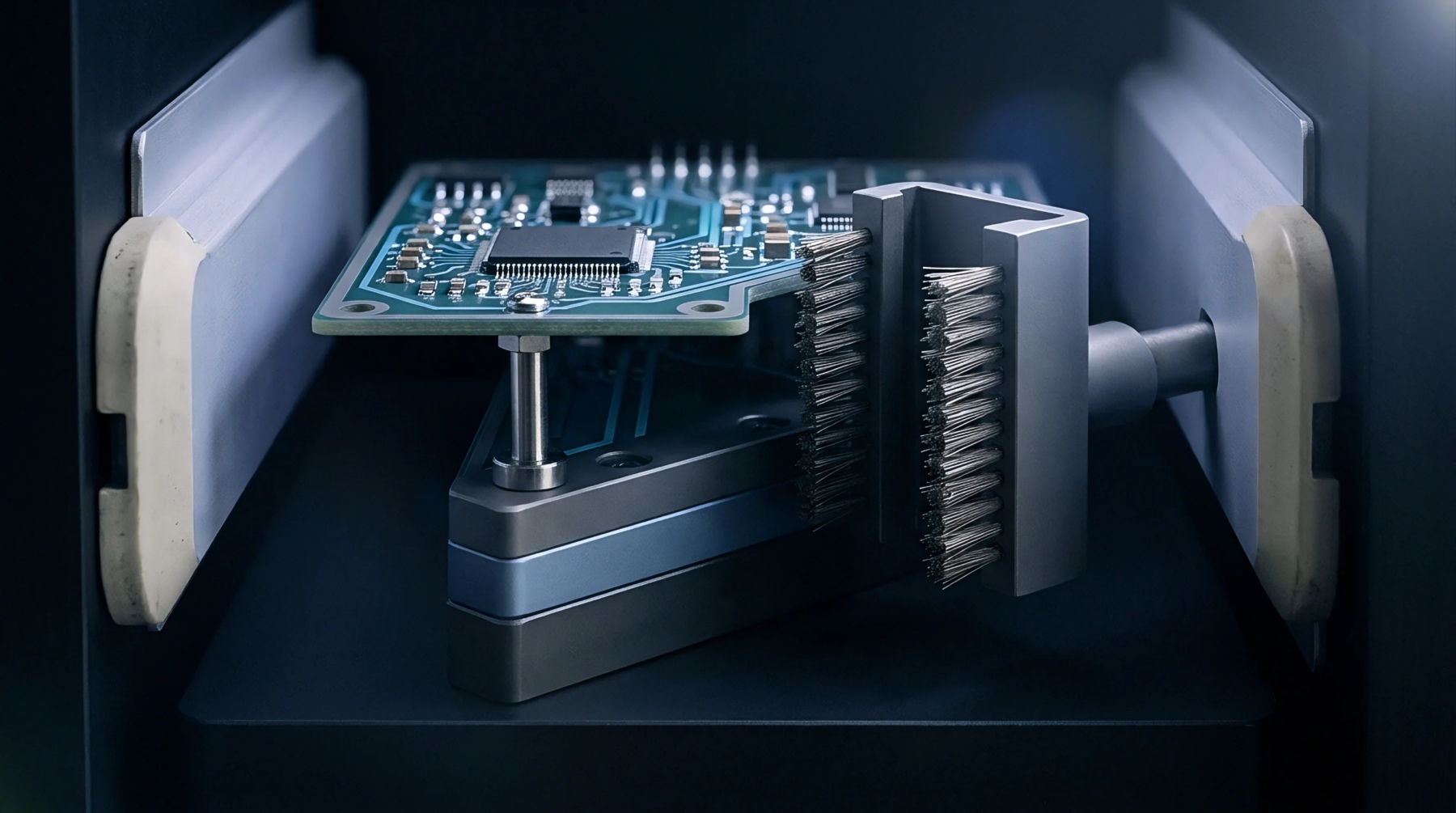
Microvoid coalescence under thermal cyclic strain stems from creep-fatigue interaction at intermetallic layers, requiring EBSD and strain partitioning to prove.
Rapid preheat ramp rates induce severe thermal gradients in MLCCs, causing latent micro-cracks that degrade insulation resistance under bias.
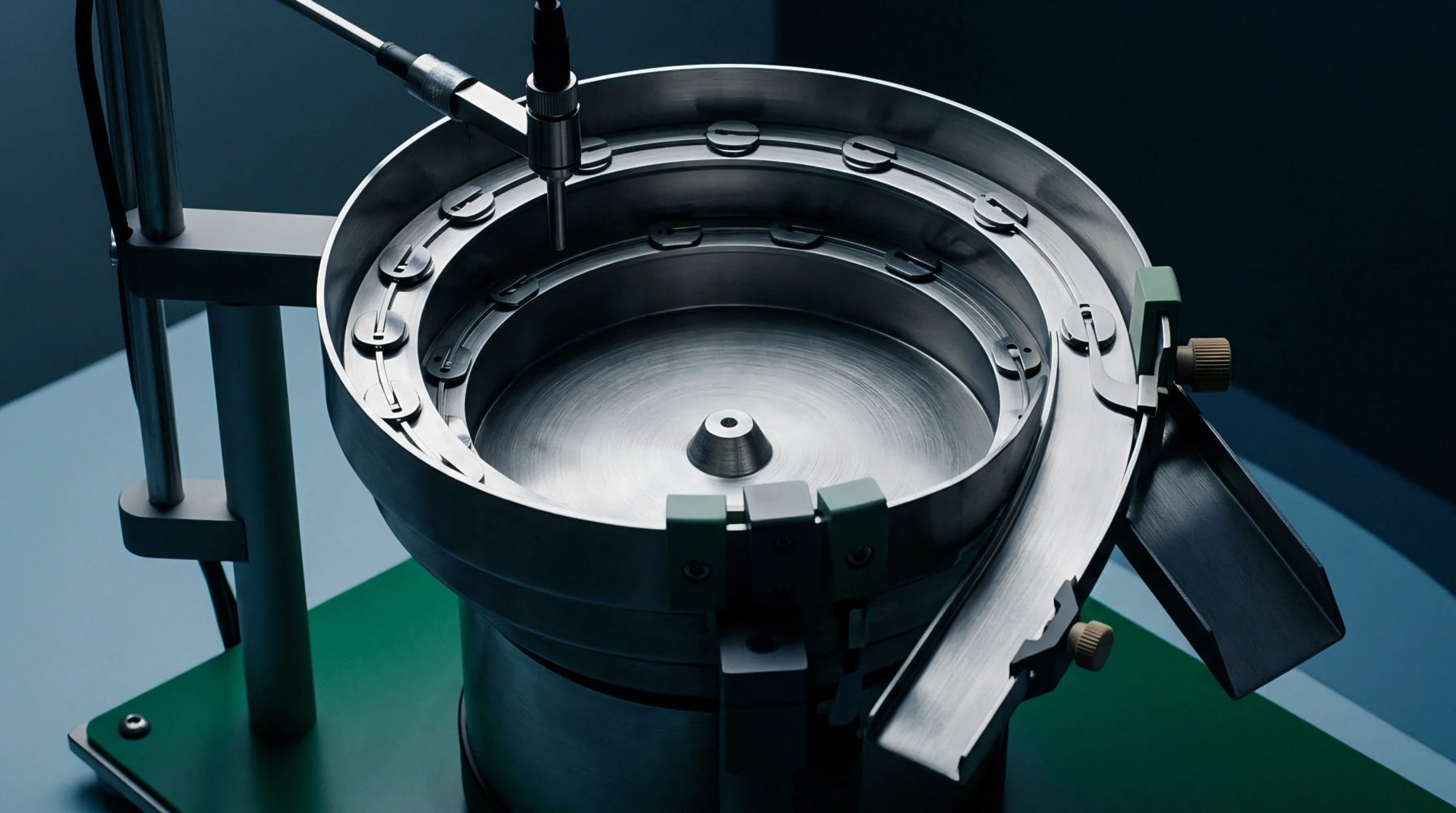
Evaluating stress intensity factors requires calculating mode mixity across bimaterial boundaries to prevent latent interfacial cleavage in high-density packages.

Moisture absorption along hydrolyzed glass silane interfaces causes severe high-frequency dielectric loss and phase drift under continuous damp heat exposure.
Z-axis laminate expansion exceeding copper ductility during lead-free reflow drives microvia failure, requiring high-Tg filled dielectrics and coupon screening.
High-frequency acoustic microscopy resolution in multilayer laminates is limited by weave scattering and dielectric attenuation, requiring phased gating.
High-frequency acoustic phase inversion reveals submicron microvia delamination escaping electrical tests, saving $5.60 per unit over field warranty exposure.

Acoustic phase inversion analysis detects microvia interfacial delamination by identifying 180-degree echo polarity flips at lower impedance void boundaries.
GHz acoustic attenuation in sub-ten micron dielectric layers limits echo signal-to-noise ratio, requiring picosecond laser acoustics for reliable characterization.

Asperity contact pressure above ten megapascals masks interface delamination during acoustic qualification, requiring thermal-bias ultrasonic verification.

At 260°C reflow, trapped laminate moisture generates 4.69 MPa vapor pressure, exceeding rubbery matrix strength and driving interfacial popcorning delamination.
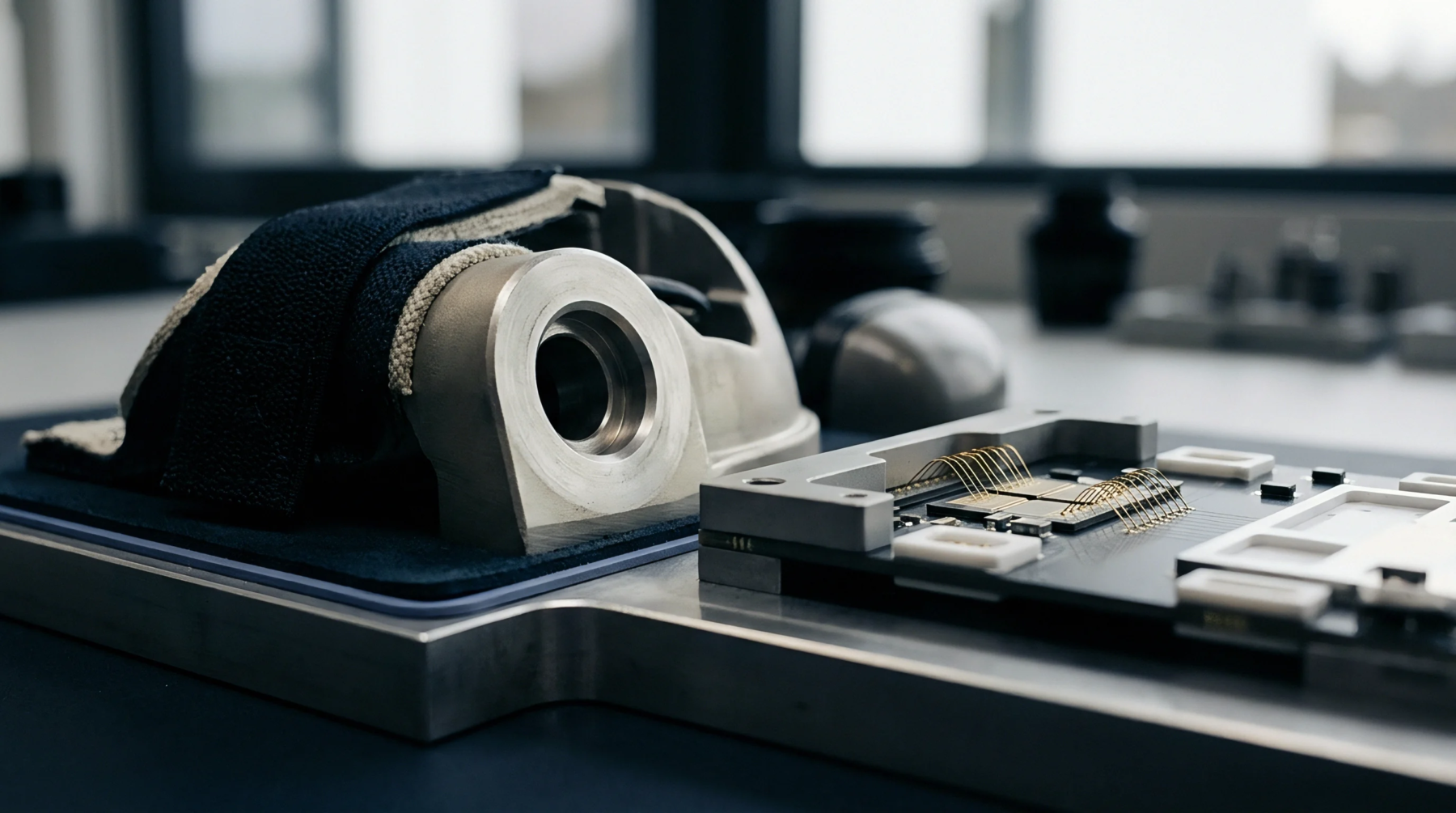
Dynamic topography variations in asymmetric thermoset interfaces cause localized resin squeeze-out failures, creating micro-air voids that degrade impedance.
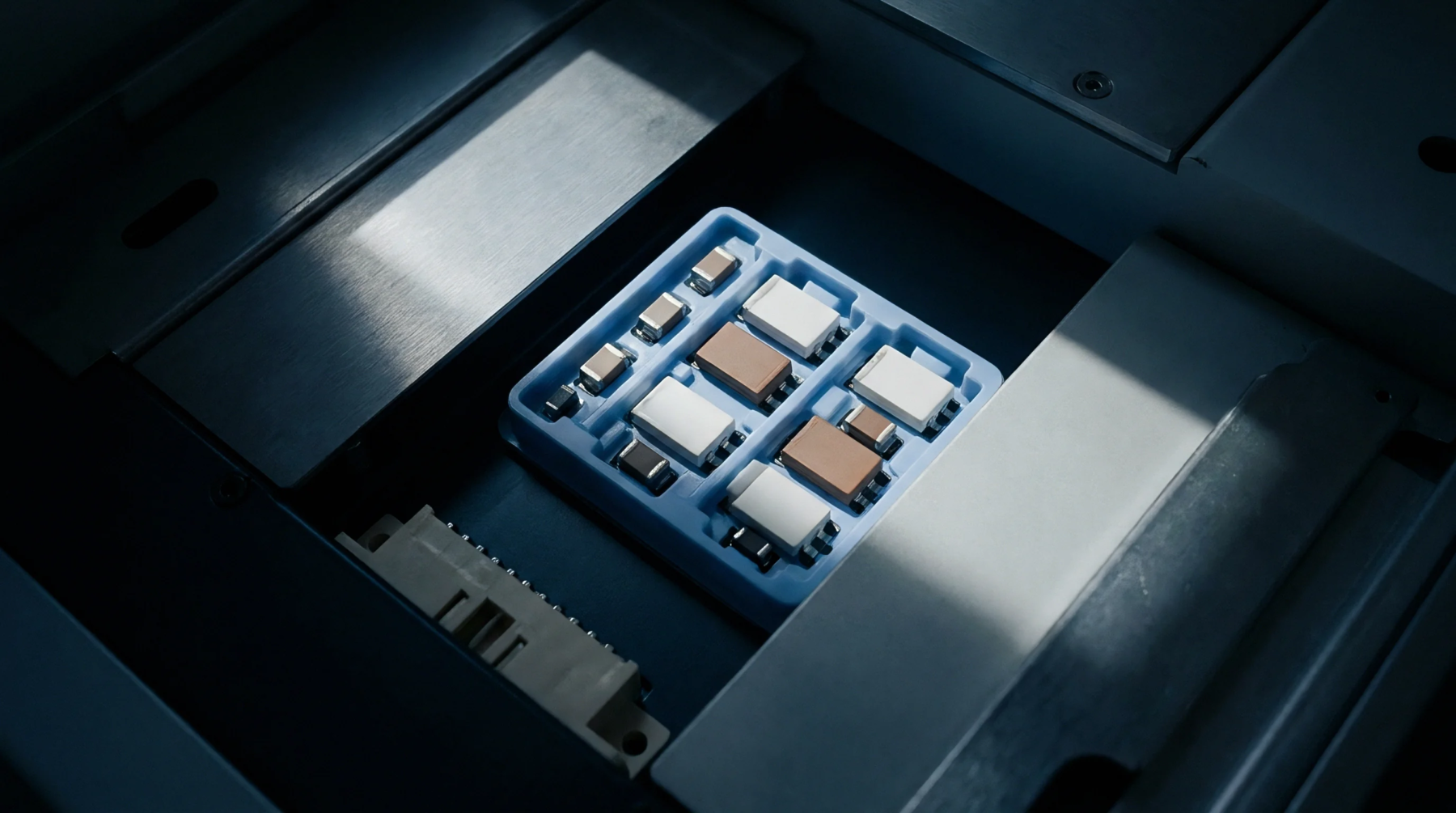
Asymmetric cooling in dual-sided modules elevates topside solder creep work, requiring gradient-calibrated Anand models to avoid early joint fatigue failures.
Expertise is a utility, not a secret. sentiention™ publishes its working knowledge as open reference: intelligence layer covering the materials it sources, the markets it enters, and the reference that serves both.