
Sub-Forty Millimeter Component Pin Inspection Fundamentals
Sub-forty millimeter component pin inspection relies on calibrated 3D profilometry, telecentric optics, and IPC Class 3 coplanarity thresholds.
Sub-forty millimeter component pin inspection relies on calibrated 3D profilometry, telecentric optics, and IPC Class 3 coplanarity thresholds.
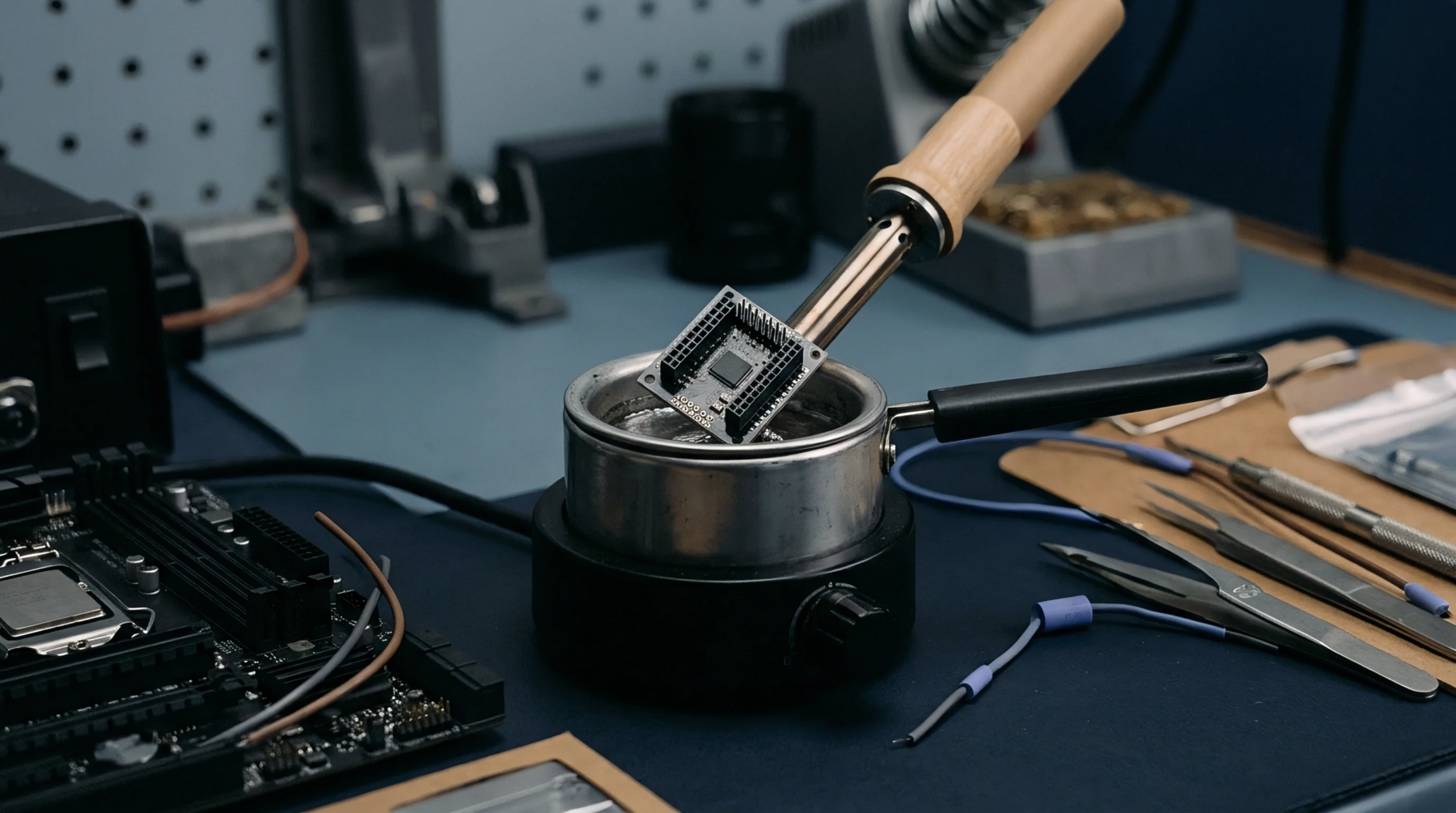
Asymmetric copper layers induce dynamic PCB warpage during reflow, causing solder bridges and opens on ultra-fine-pitch assemblies below 0.4mm pitch.

Dynamic in situ pressure measurement uses substrate-embedded optical or MEMS sensors to quantify outgassing spikes and optimize stencil aperture venting.

Electroformed nickel stencils achieve reliable paste release down to 0.50 area ratios, reducing fine-pitch BGA defects and yielding lower total landed assembly costs.

Non-rectangular apertures overcome sub-0.3 mm pitch transfer efficiency limits by eliminating corner pinning, raising paste release to 75 percent on thin foils.
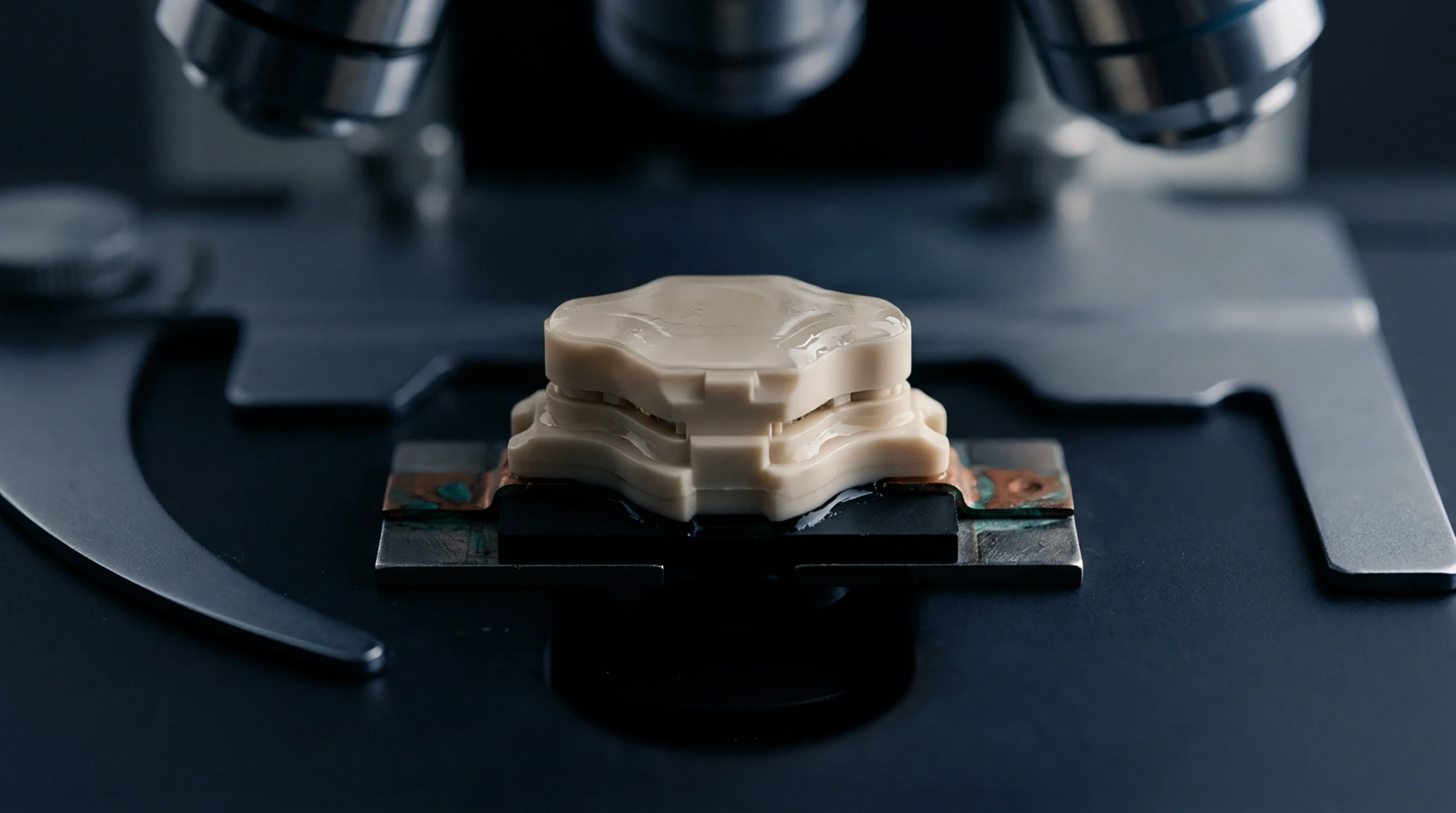
Establishing baseline stencil aperture ratios above 0.55 ensures consistent paste transfer efficiency and prevents post-reflow solder defects.
Dynamic reinforcement learning eliminates placement thermal drift by predicting mechanical frame warping milliseconds ahead of delayed thermistor feedback loops.
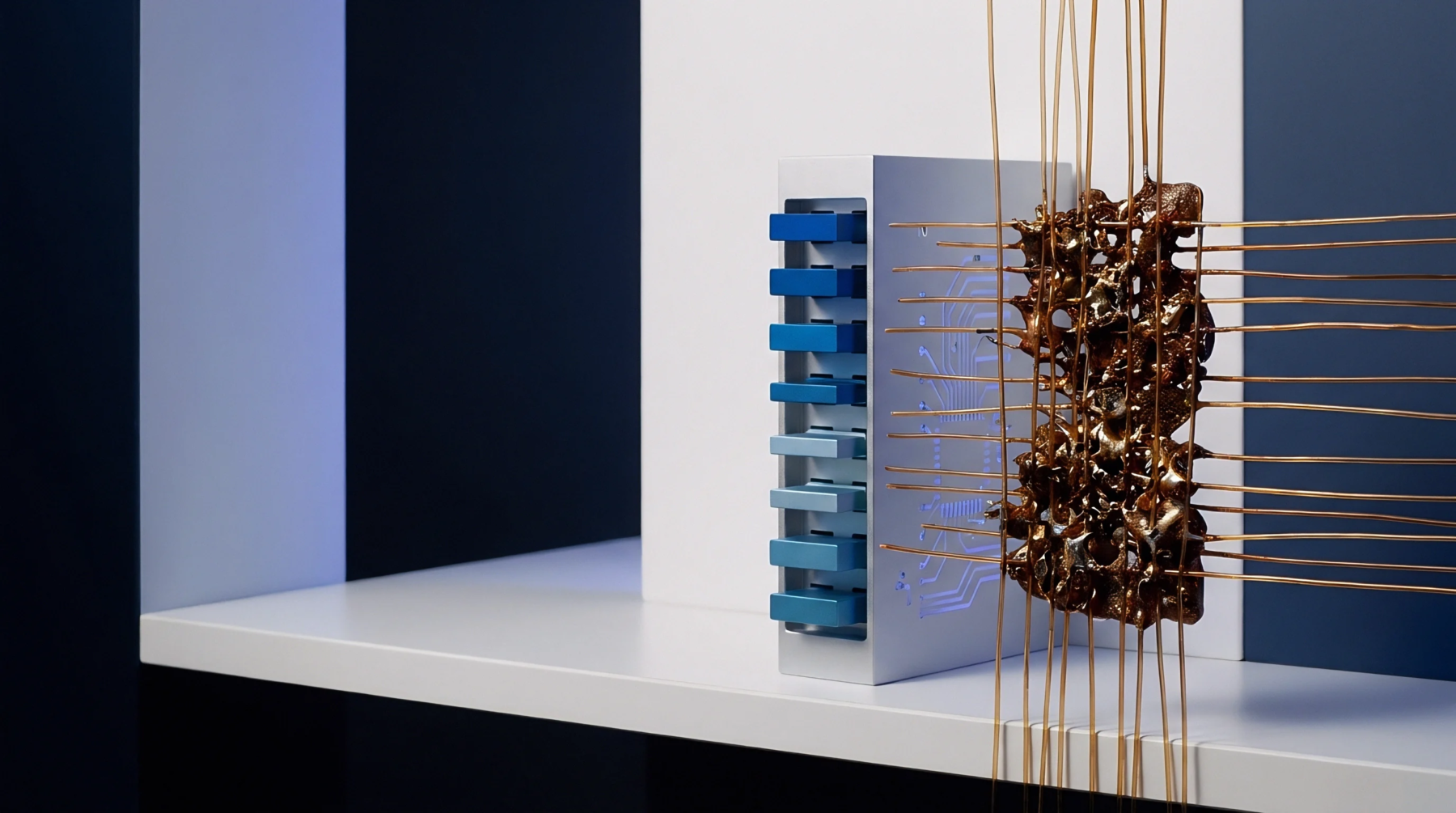
IEEE 1149.6 pulse-based boundary scan screens AC-coupled differential SerDes channels for opens and shorts without physical test pads damaging signal integrity.
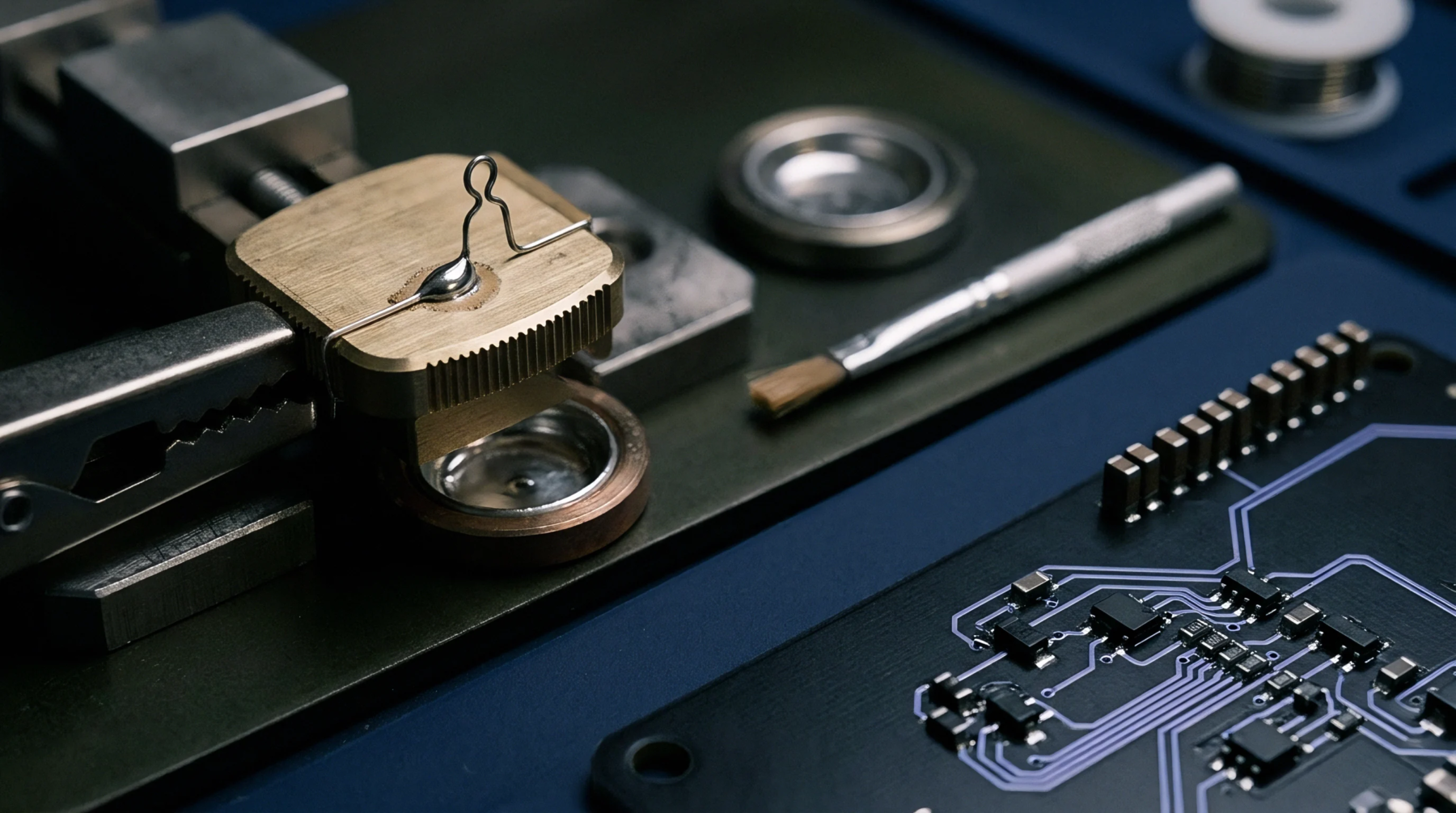
Optimize solder paste transfer efficiency in high-density SMT using 3D SPI control charts targeting a Cpk above 1.67 across sub-0.4mm pitch components.

Continuous stencil shear reduces solder paste viscosity; maintaining print volume requires balancing squeegee speed, roll diameter, and paste turnover rates.

Clear contract assembly boundaries require linking specific IPC inspection classes to documented thermal profiles, moisture logs, and signed first-article records.
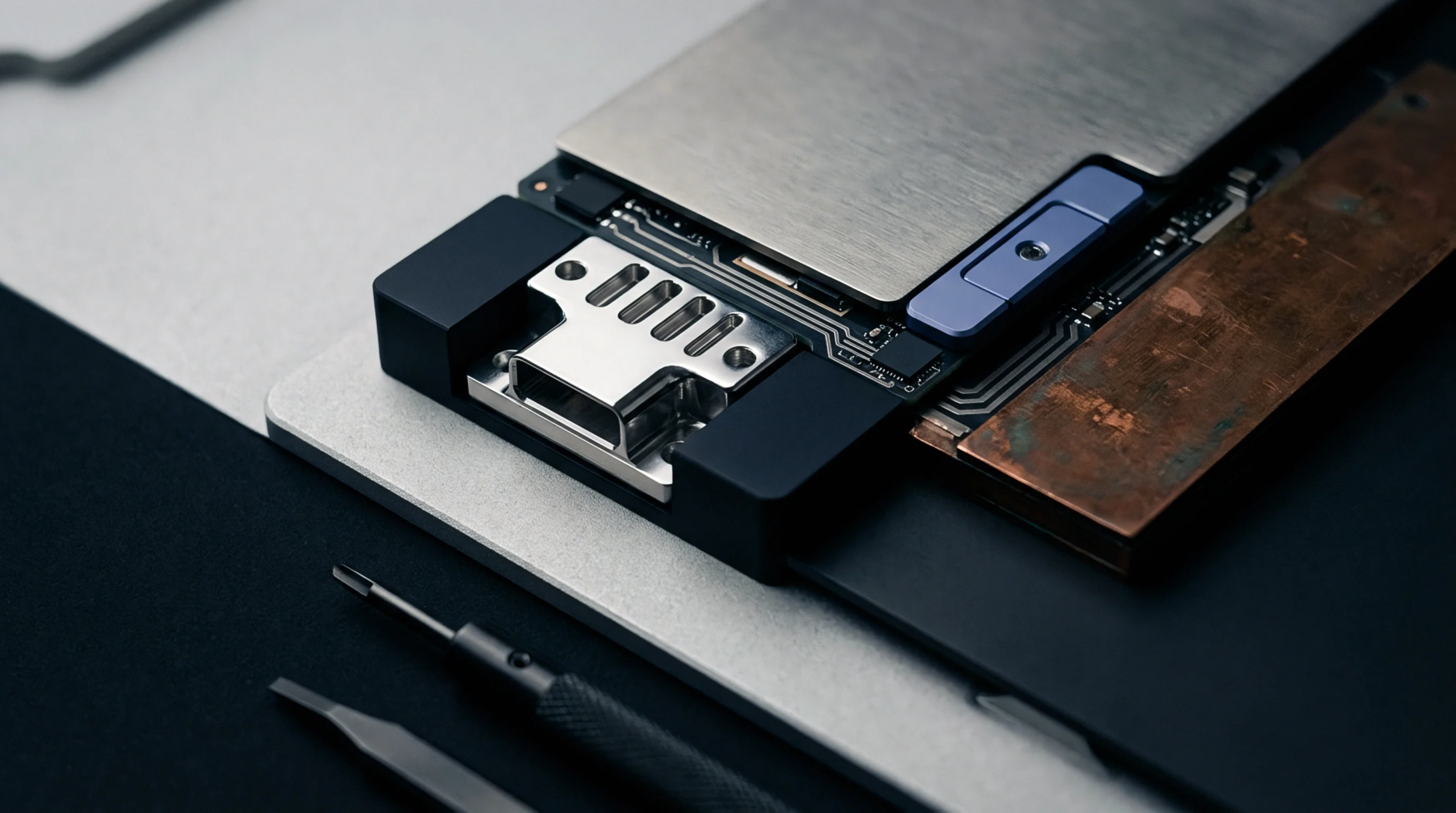
Solder paste transfer efficiency relies on stencil area ratio, wall roughness, and separation velocity to achieve repeatable deposit volumes in fine pitch SMT.
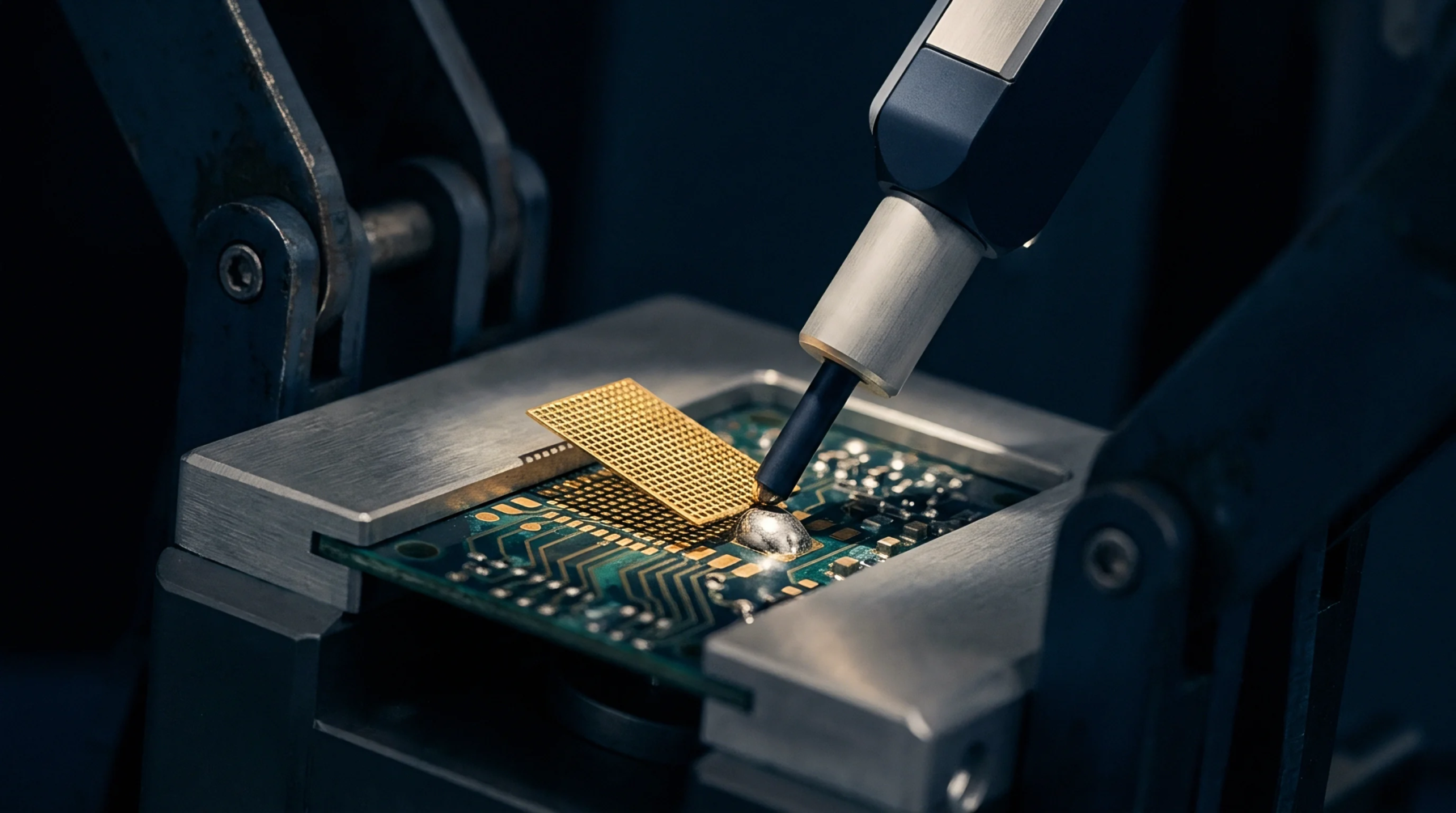
Sub-0.50 area ratio printing requires non-Gaussian statistical process control limits, Type 5 paste, and nano-coated stencils to prevent severe volume starvation.
Nano coated stencils sustain solder paste transfer efficiency above seventy-five percent across sub point six area ratios by reducing aperture wall friction.
Expertise is a utility, not a secret. sentiention™ publishes its working knowledge as open reference: intelligence layer covering the materials it sources, the markets it enters, and the reference that serves both.