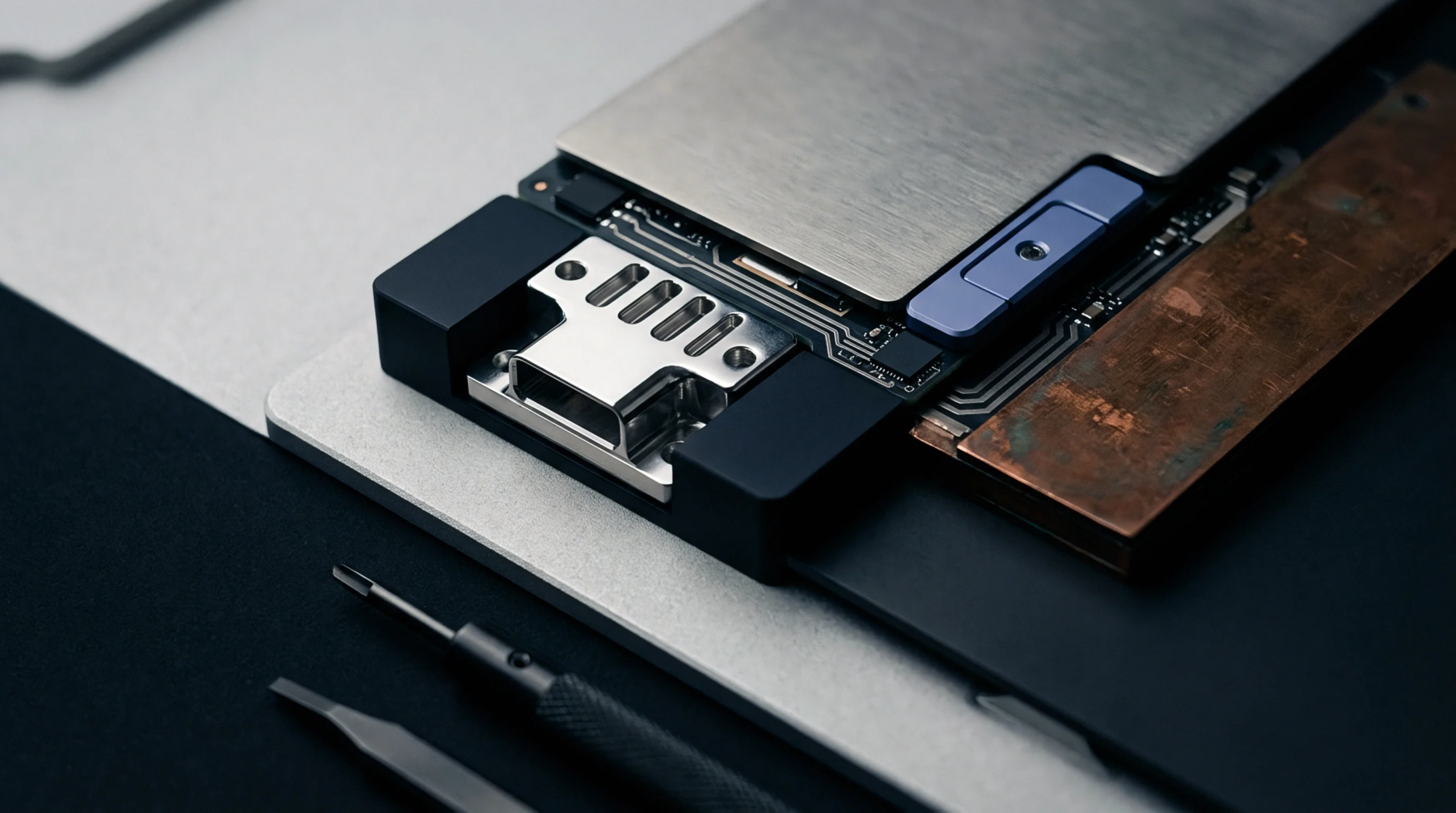
Through Hole Parts Surviving on a Selective Solder Line
Selective soldering relies on precise preheat baselines, controlled exit trajectories, and high nitrogen purity to achieve Class 3 barrel fill without thermal damage.
Selective soldering relies on precise preheat baselines, controlled exit trajectories, and high nitrogen purity to achieve Class 3 barrel fill without thermal damage.
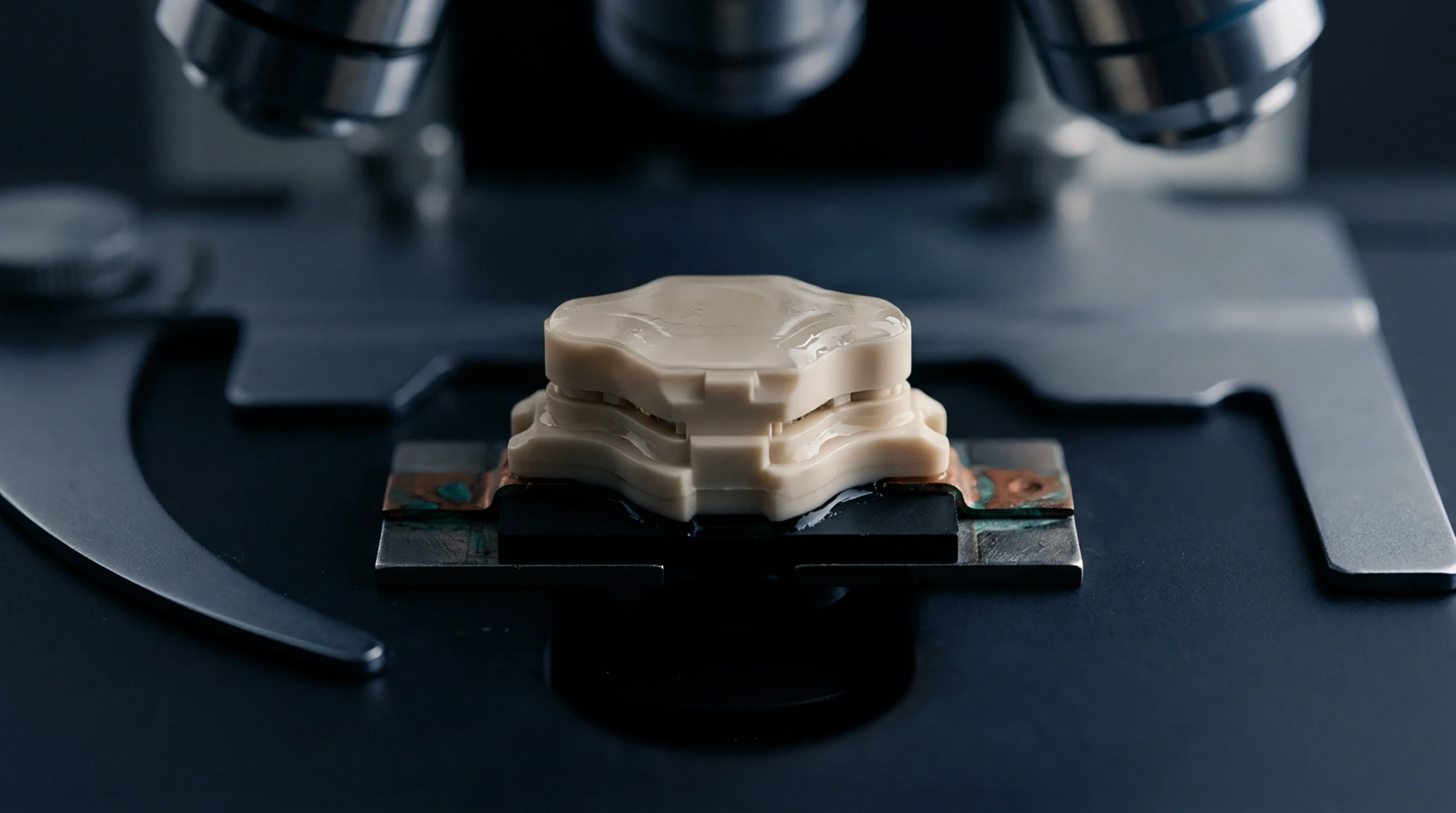
Selective solder process windows require matching top-side preheat above 110C with precise 3-second pin dwell times to achieve 75 percent Class 3 barrel fill.
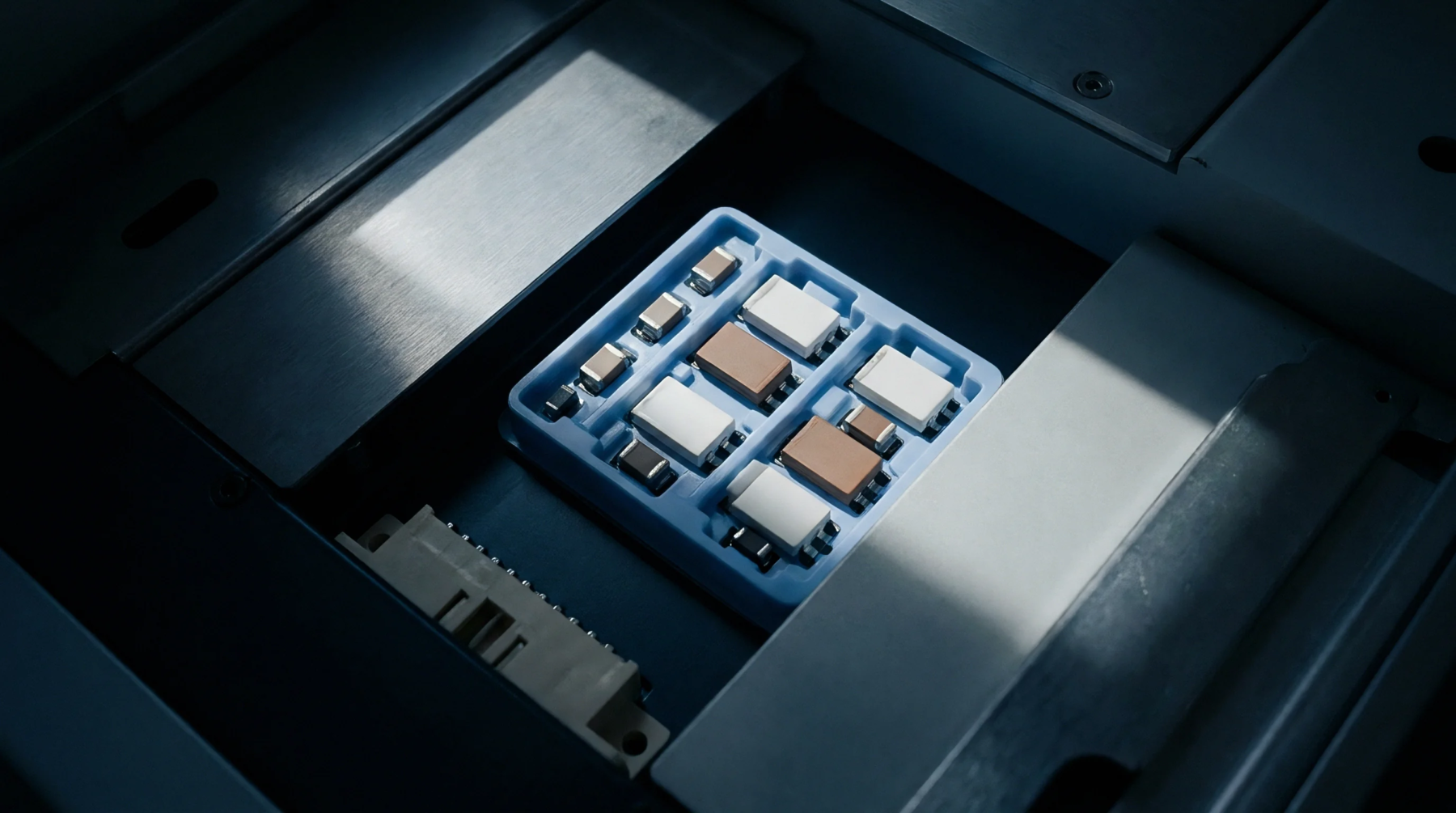
Optimizing solder paste rheology and stencil area ratios above 0.66 drives transfer efficiency stability and eliminates fine-pitch assembly defects.

Electroformed nickel stencils lower aperture wall roughness below 0.08 µm Ra, enabling clean solder paste release at area ratios down to 0.50 for 0.3mm BGAs.

Precision pallet geometry balances thermal shielding against wave access, ensuring compliant vertical hole fill and zero SMT bridges on high-density boards.
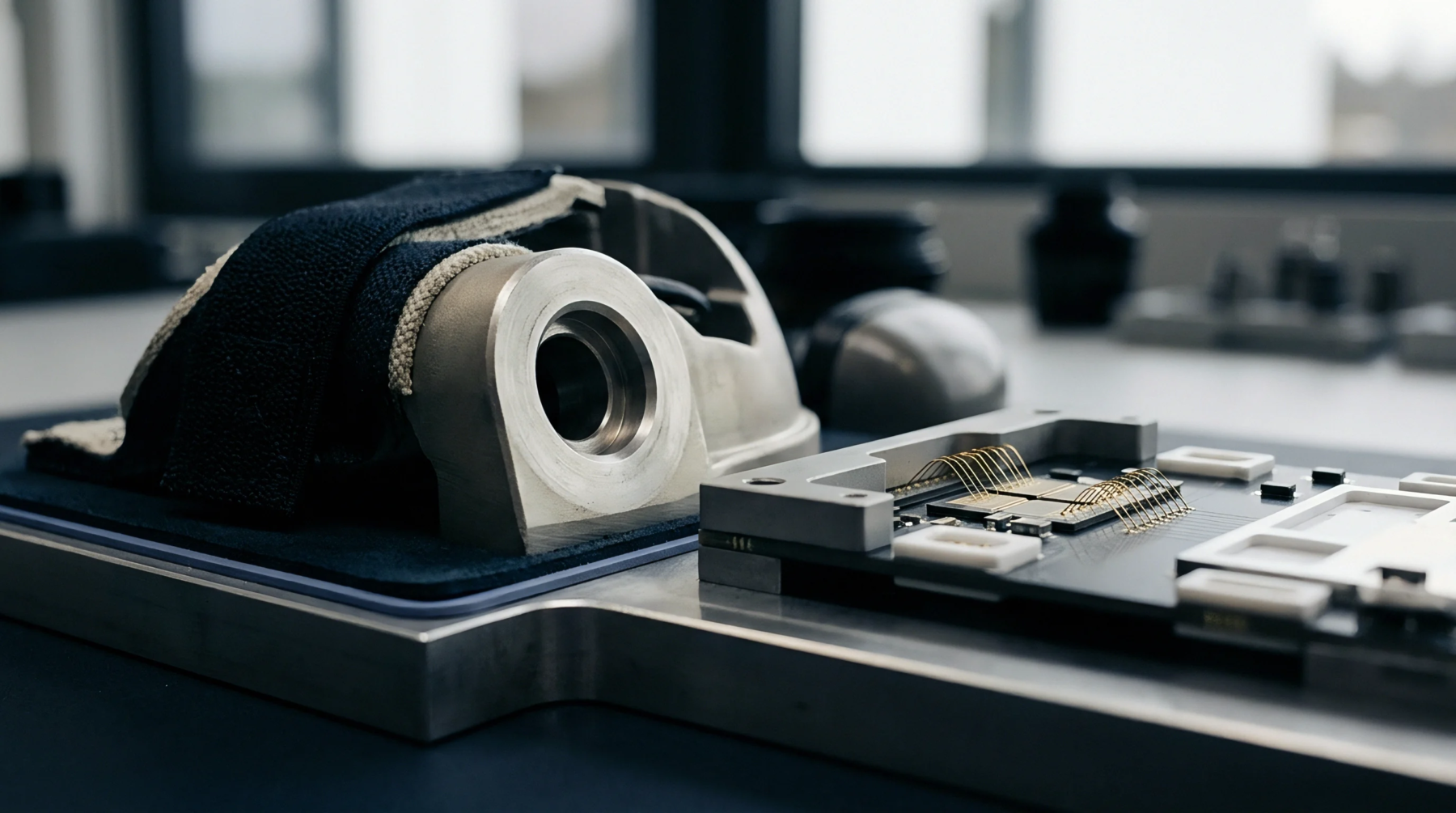
Fine pitch SMT inspection requires combining 3D optical profilers with boundary scan and automated X-ray gates to catch hidden solder escapes before field deployment.

Fine pitch stencil printing stability drops sharply below 0.50 area ratio, requiring Type 5 powder, nano-coated apertures, and tight SPI volume limits.
Oscillatory rheometry strain and frequency sweeps qualify solder paste viscoelasticity for fine pitch SMT printing where static viscometry fails.

Thixotropic rebuild kinetics dictate stencil release and deposit stability, where tuning separation speed to viscosity recovery maximizes fine pitch print yield.

Calculating area ratios above 0.66 and applying targeted aperture reductions prevents bridging while ensuring consistent solder paste transfer efficiency on fine pitch pads.
Calculate stencil area ratio above 0.66 for standard laser foil and above 0.50 for nano coated electroformed stencil to guarantee ninety percent paste release.
Aperture area ratios below 0.66 demand smooth sidewalls or nano-coatings to maintain 80 percent paste transfer efficiency.
Nitrogen inerting below 100 ppm O2 lowers surface tension and prevents dross, enabling 100% IPC Class 3 barrel fill on heavy copper power boards.
Setting automated solder paste inspection hold boundaries requires balancing transfer efficiency limits against component pad density to control false calls.

Calibrating AOI offset triggers for fine pitch SMT requires mapping optical pixel resolution against surface tension self-alignment limits to minimize false calls.

Boundary scan replaces physical fixture probes by shifting serial test patterns through dedicated on-chip registers to prove high-density ASIC solder integrity.
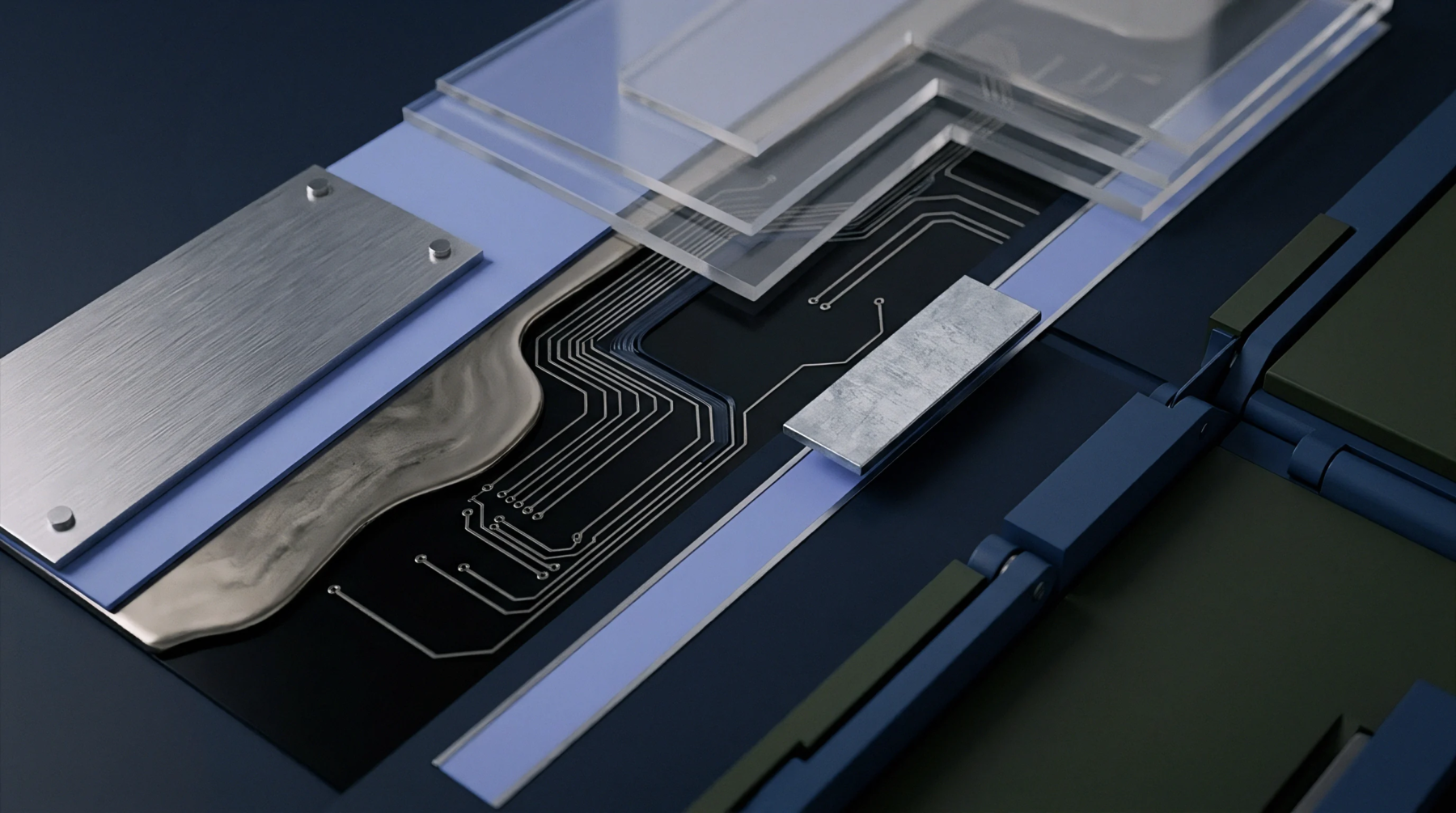
Radiographic inspection qualifies hidden bottom-terminated joints through calibrated photon absorption, measuring void percentages and wetting without sightlines.

Production lines run stable when automated inspection yields fifty false calls per million solder joints without suppressing defect classification algorithms.
Verify structural fault coverage on high density assemblies by combining boundary scan with radiographic inspection where physical probe access falls below eighty percent.

Dynamic thermal warpage pulls fine pitch arrays out of planarity during reflow; managing it requires stepped stencils, rigid pallets, and hot coplanarity data.
Dynamic shadow moiré quantifies reflow peak dwell warpage where copper asymmetry shifts the neutral axis, driving solder opens that require pallet restraint.
Boundary scan accessibility delivers over 95 percent structural interconnect coverage on high-density assemblies without physical bed-of-nails test probes.
Nonlinear hygrothermal stress combines vapor pressure surges with polymer modulus loss during lead-free reflow, requiring tight MSL and ramp controls.
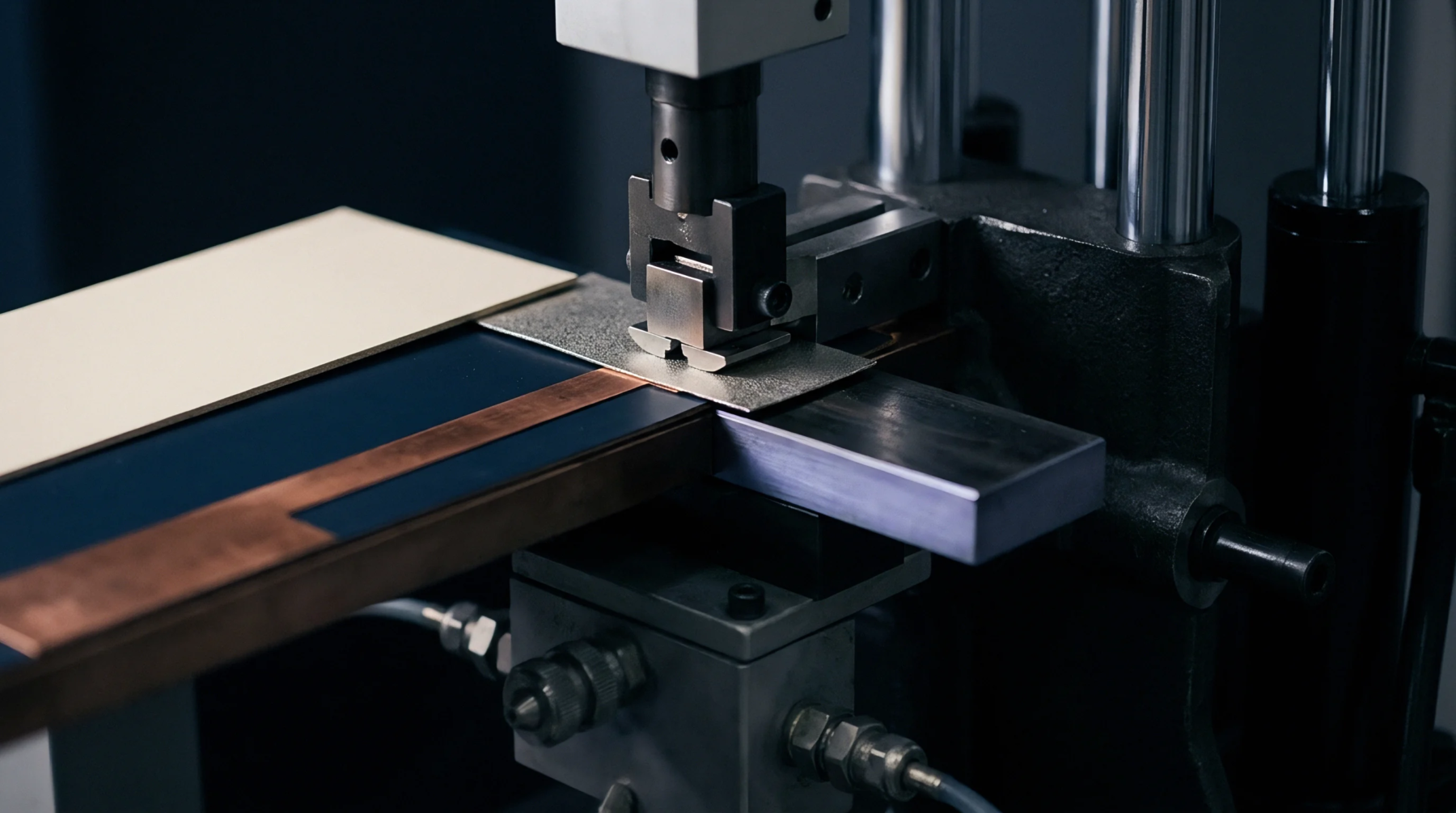
Wettable nozzle selective assembly anchors the solder wave via capillary forces, demanding precise peel speeds and inerting to stop bridging and erosion.
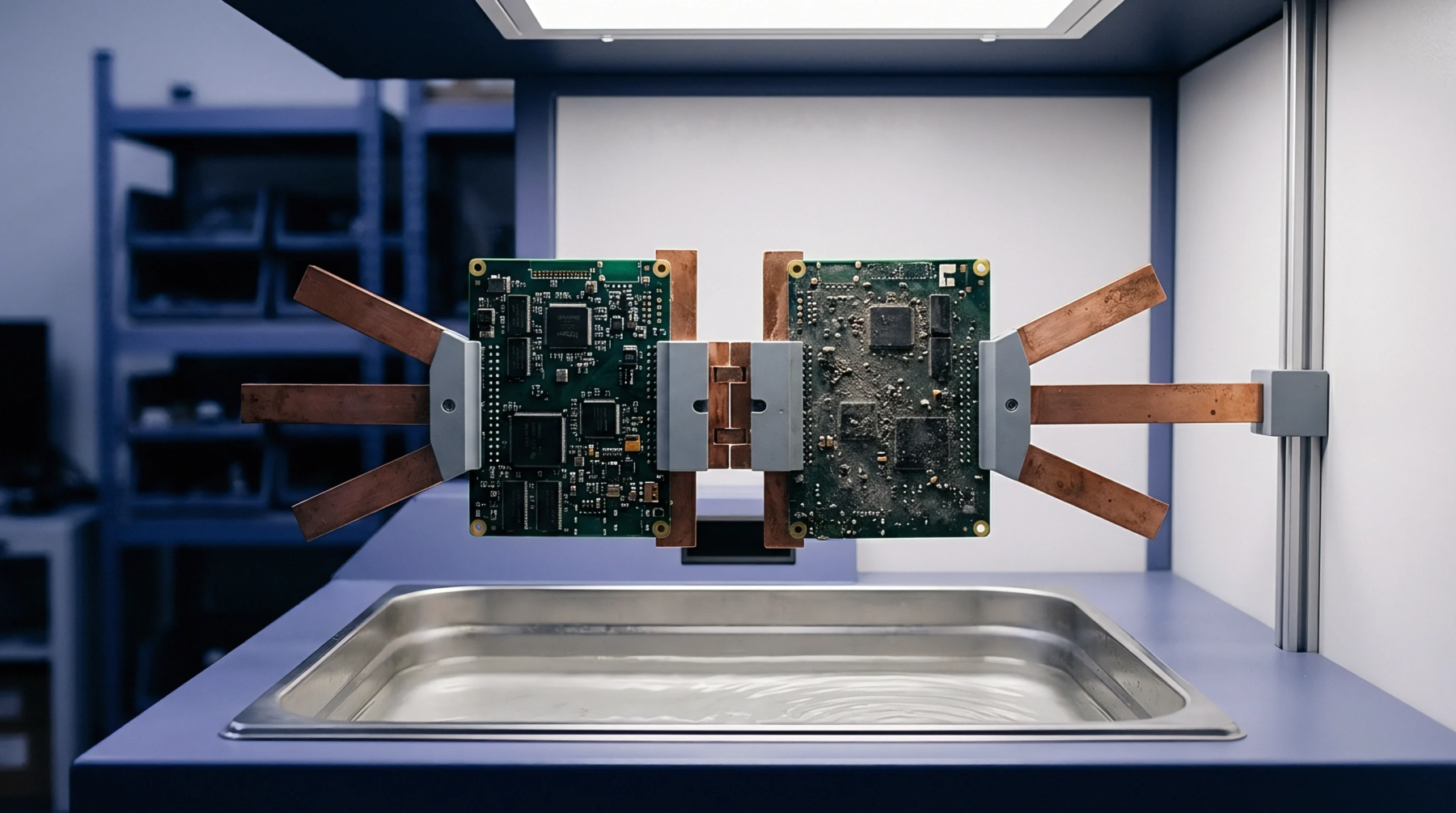
Configure clean TAP terminations, verify BSDL instruction registers, and execute EXTEST vectors to isolate physical solder bridges and open joints.

Titanium inserted pallet apertures isolate fine pitch connector pins with 0.4mm walls that prevent composite erosion, bridging, and thermal sink defects.
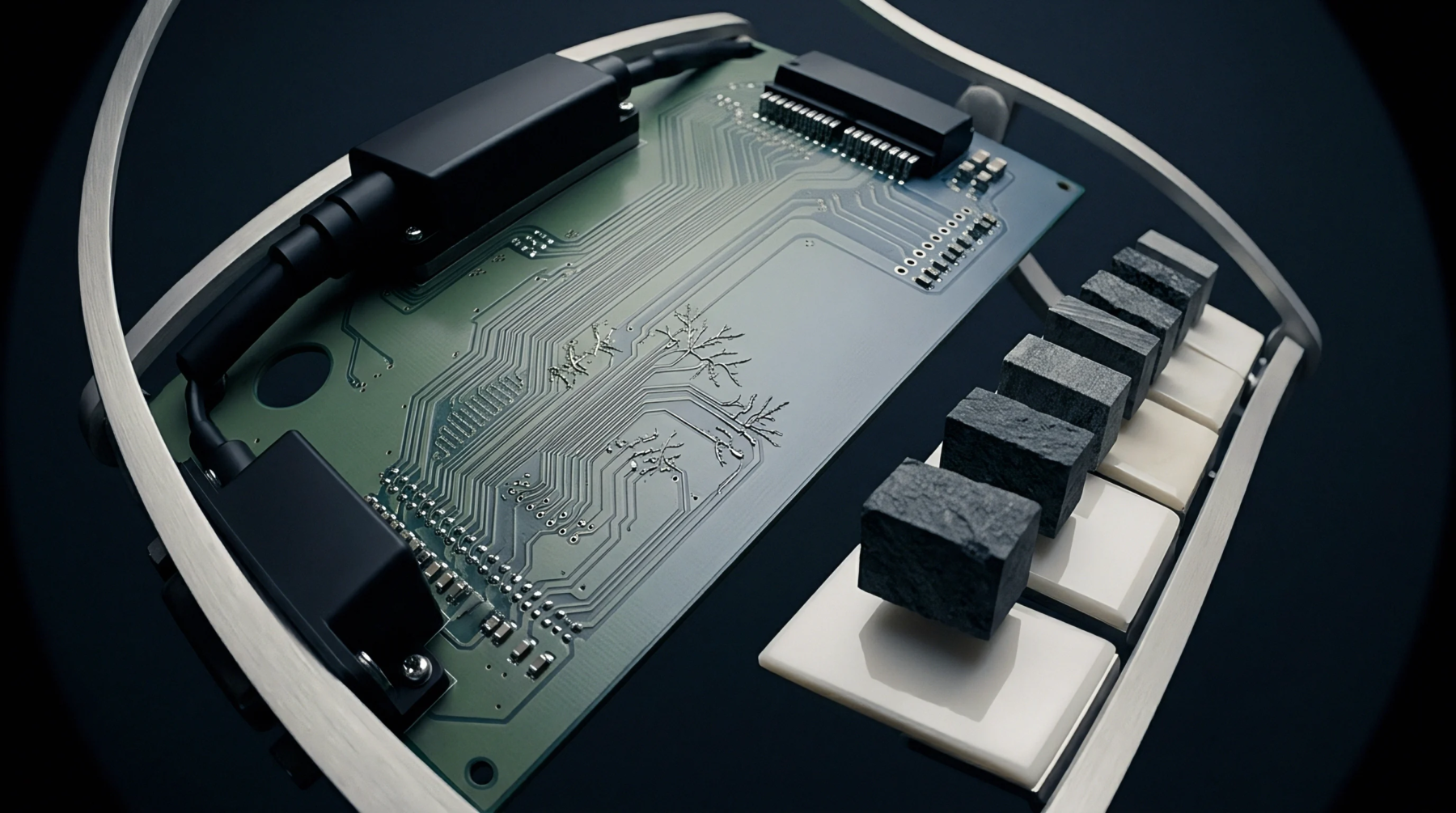
Fine pitch assemblies demand strict surface finish thickness controls to prevent solder bridging, black pad corrosion, and brittle intermetallic joint failures.
Statistical control limits for SMT inspection must reflect actual equipment variance rather than specification bands to prevent scrap and rework.

Fixtured in-circuit test amortizes its nonrecurring tooling against flying probe runtime rates when production batches exceed twelve hundred double-sided boards.

Optimizing solder paste rheology and stencil aperture geometry achieves consistent paste transfer efficiency and minimizes volume dispersion on fine pitch SMT pads.
Expertise is a utility, not a secret. sentiention™ publishes its working knowledge as open reference: intelligence layer covering the materials it sources, the markets it enters, and the reference that serves both.