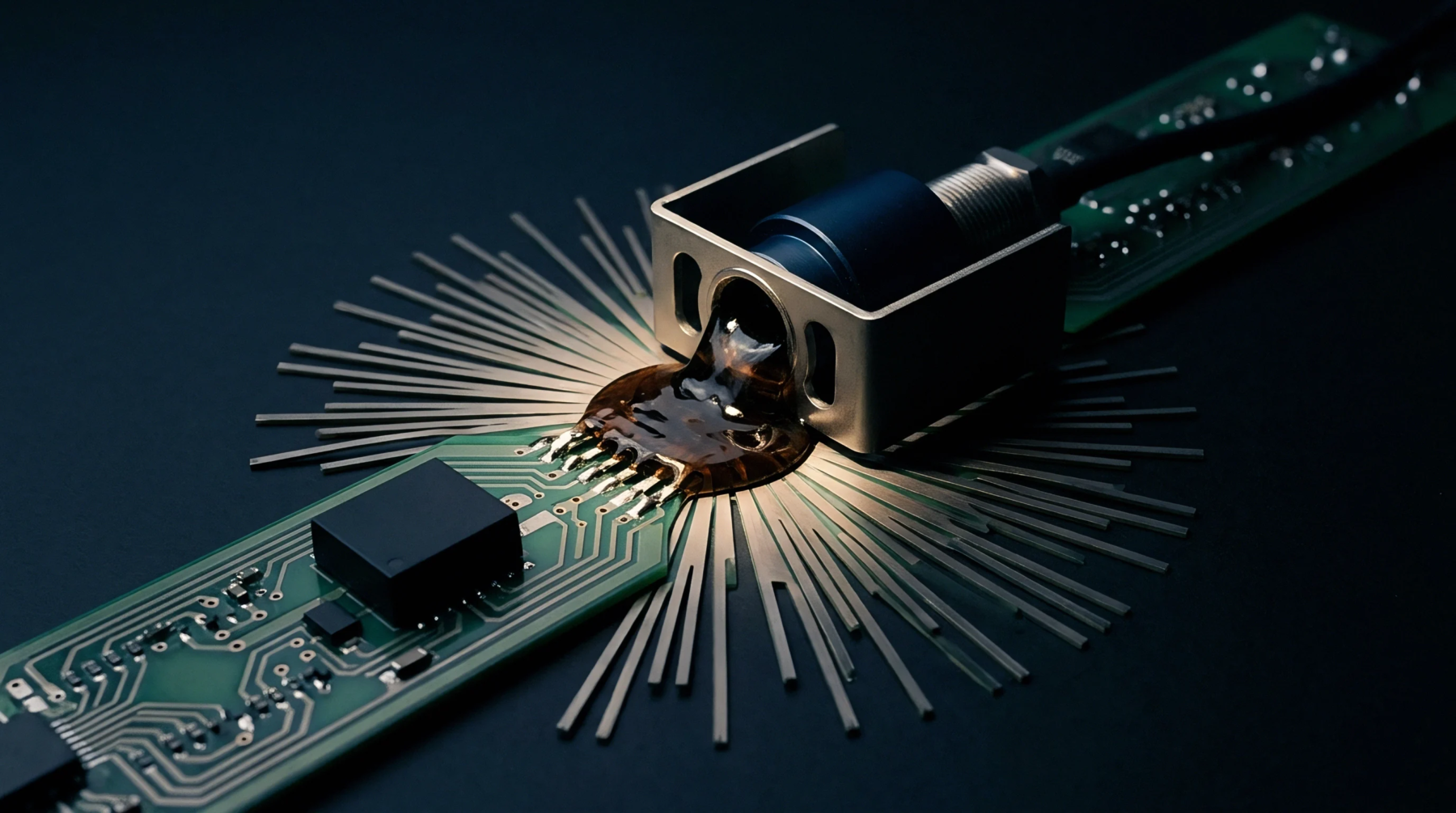
Deriving EWMA Control Limits for Stencil Nano Coating Transfer Efficiency Decay
EWMA control limits track stencil nano-coating decay by filtering SPI volume noise to isolate aperture transfer efficiency loss before defects occur.
EWMA control limits track stencil nano-coating decay by filtering SPI volume noise to isolate aperture transfer efficiency loss before defects occur.
Characterizing step stencil transition drops requires isolating squeegee skip shadows using 3D SPI and enforcing a 1.5 mm keep-out to prevent joint starvation.
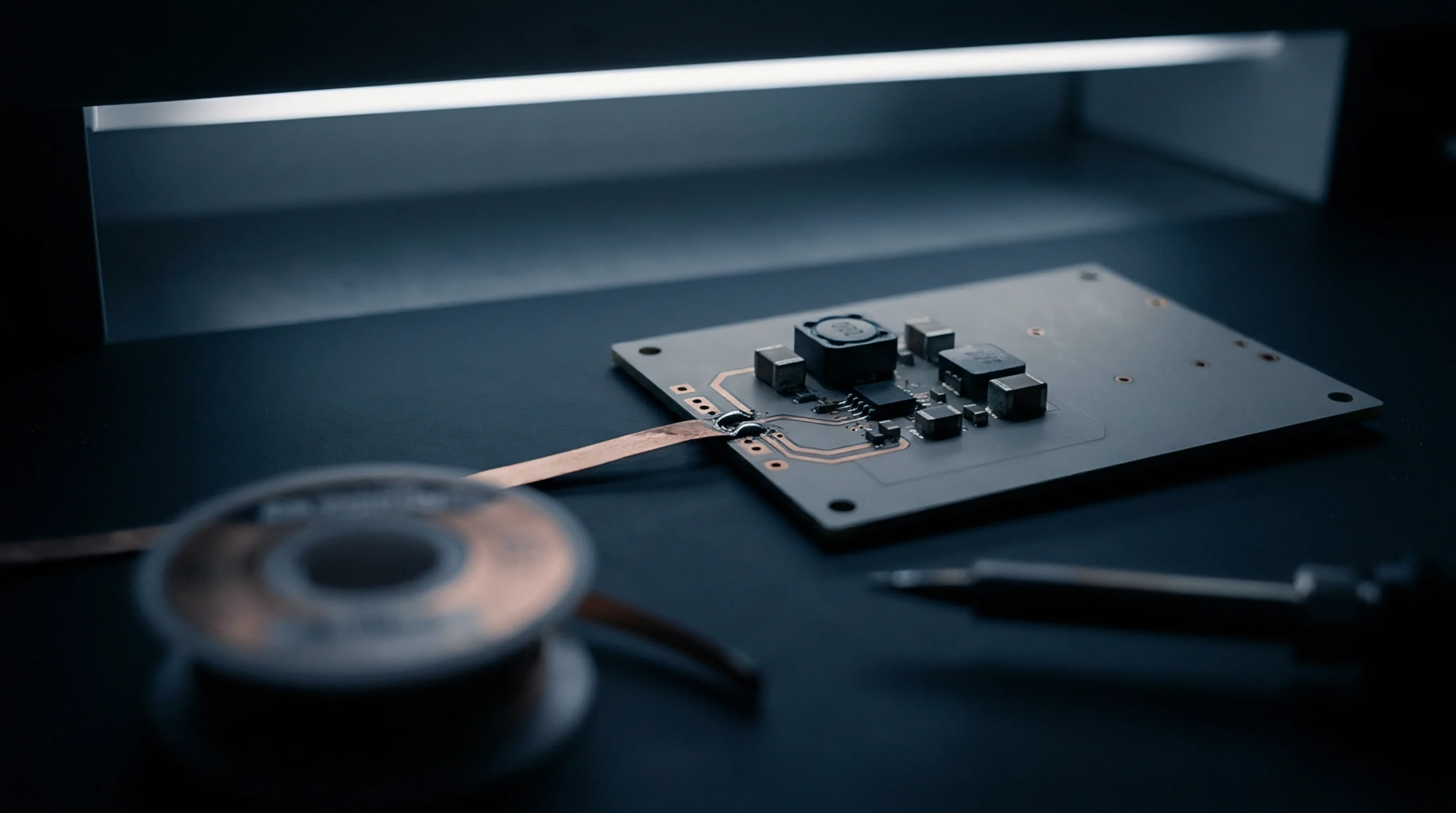
Relief step stencil printing demands matching blade pressure to pocket clearance so paste seals step edges without scooping volume from fine-pitch apertures.
Fine pitch SMT paste release requires stencil aperture area ratios of 0.66 minimum for standard steel and 0.55 for nano-coated electroformed foils.

Area ratio calculations divide aperture opening area by wall area, dictating solder paste transfer efficiency above the mandatory 0.66 process limit.
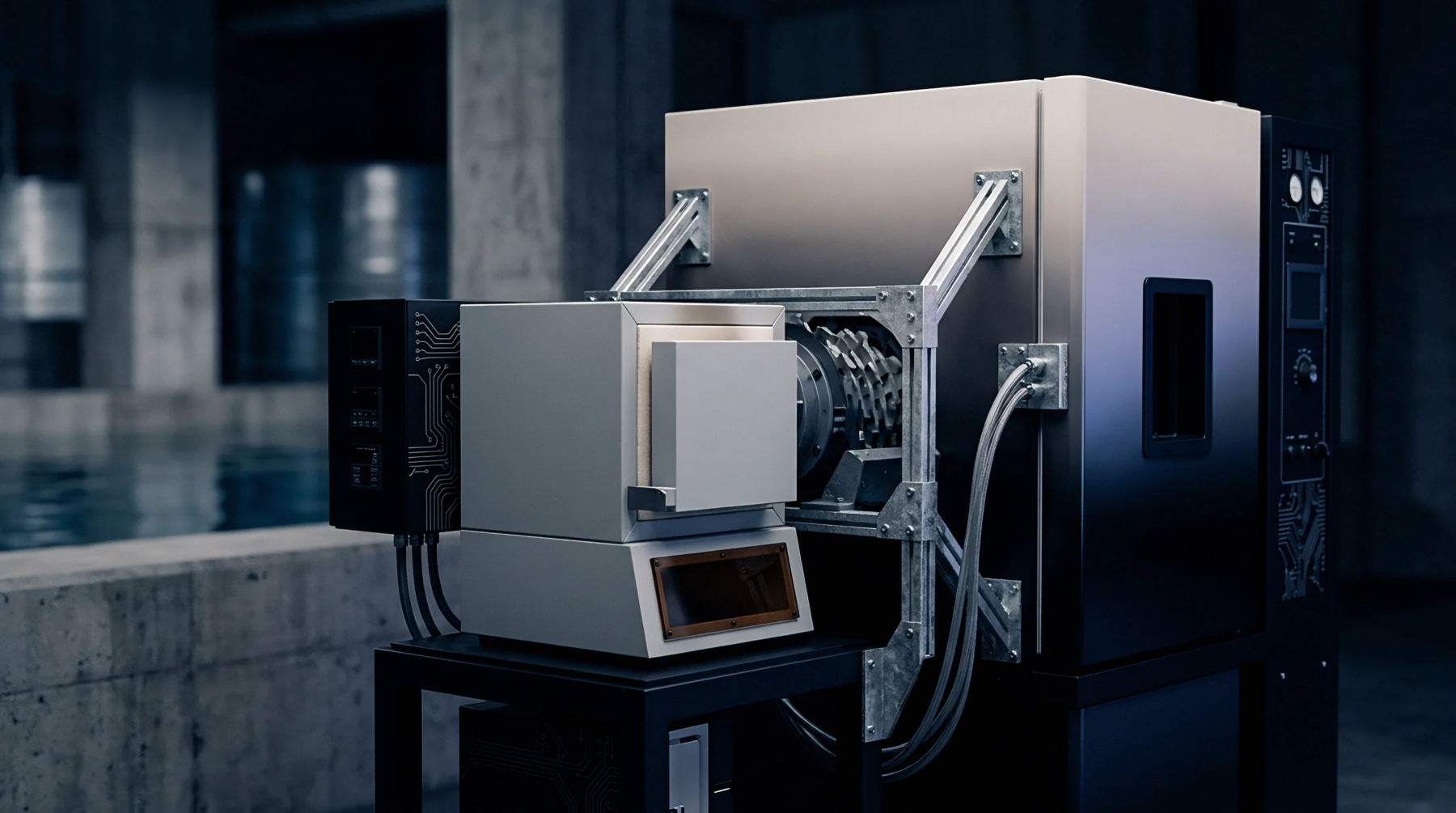
Fine pitch solder paste transfer efficiency increases by pairing electroformed stencils with Type 5 powder and controlled separation speeds.
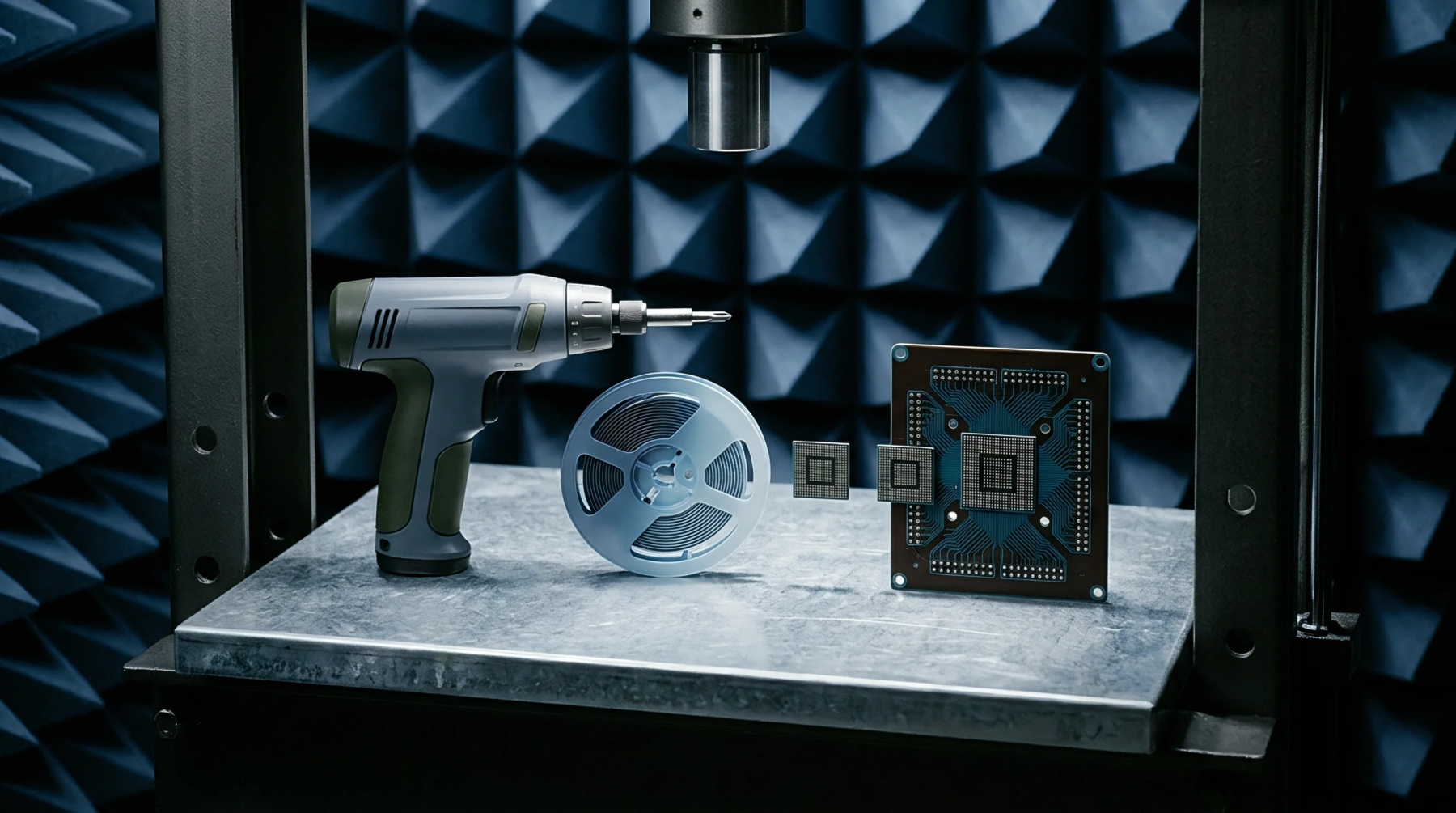
Dynamic bicubic mesh reconstruction removes substrate warpage from triangulation data, keeping height error under four micrometers for BGA coplanarity inspection.
Electroformed step-down stencils deliver tighter volume control than nano-coated steel below 0.50 area ratio, provided keepouts exceed 1.2 mm per 25 µm step.
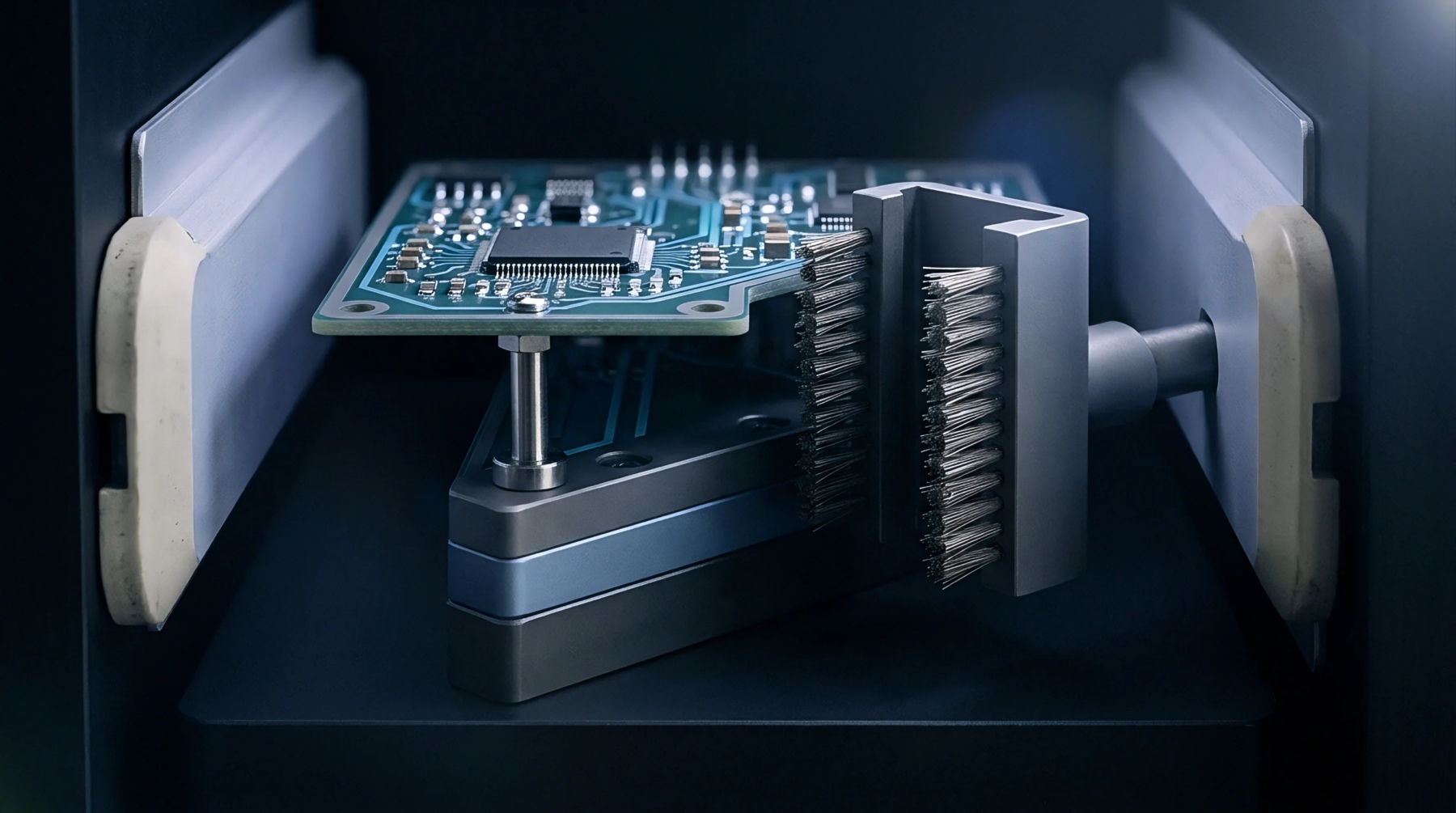
Stencil surface treatments extend area ratio limits to 0.50 by lowering wall surface energy and cutting under-stencil wipe frequency to lift print yields.
Baseline SMT stencil area ratios govern paste transfer efficiency, requiring minimum thresholds of 0.66 for standard foils and 0.50 for nano-coated apertures.

Electroformed stencil release rates depend on balancing dynamic fluid shear stress against wall slip along ultra-smooth Nickel aperture sidewalls.

Electroformed nickel stencils achieve reliable paste release down to 0.50 area ratios, reducing fine-pitch BGA defects and yielding lower total landed assembly costs.

Non-rectangular apertures overcome sub-0.3 mm pitch transfer efficiency limits by eliminating corner pinning, raising paste release to 75 percent on thin foils.
Establishing baseline stencil aperture ratios above 0.55 ensures consistent paste transfer efficiency and prevents post-reflow solder defects.

Optimizing fine pitch stencil aperture reductions requires maintaining area ratios above 0.66 while applying 10 to 15 percent width cuts to prevent solder bridging.
Thixotropic yield stress restoration prevents post-print slump and bridging in ultra-fine pitch stencil printing by rebuilding paste structure after shear.

Type 6 solder paste rheology enables micro-aperture printing below 0.50 area ratios by balancing shear thinning flow with rapid thixotropic structural recovery.

Sub-0.5 mm stencil yield relies on tuning separation speed so process timescales exceed solder paste viscoelastic relaxation time, preventing wall tear-out.
Dynamic viscosity recovery kinetics dictate aperture release: rapid gelling causes paste pull-back, while delayed reconstitution causes post-print slump.

Optimize micro-pitch stencil area ratios above 0.50 by pairing fine-grain or electroformed foils, nano-coatings, and Type 5 paste to stabilize transfer volume.
Balance squeegee load at 0.18 to 0.22 kilograms per centimeter to seal the foil without scooping, running velocity to sustain paste roll hydrodynamics.
Master manufacturing agreements cap assembly liability at paid fees while strict counterfeit testing protocols isolate component origin disputes.
Managing Type 5 solder paste requires narrow shear envelopes, automated replenishment, and tight humidity controls to prevent viscosity collapse and bridging.
Expertise is a utility, not a secret. sentiention™ publishes its working knowledge as open reference: intelligence layer covering the materials it sources, the markets it enters, and the reference that serves both.