
First Article Approval Steps Worth Writing into the Contract
Contractual first-article approval requires binding solder volume maps, 5-point profile logs, X-ray void limits, and clear downtime liability terms.
Contractual first-article approval requires binding solder volume maps, 5-point profile logs, X-ray void limits, and clear downtime liability terms.
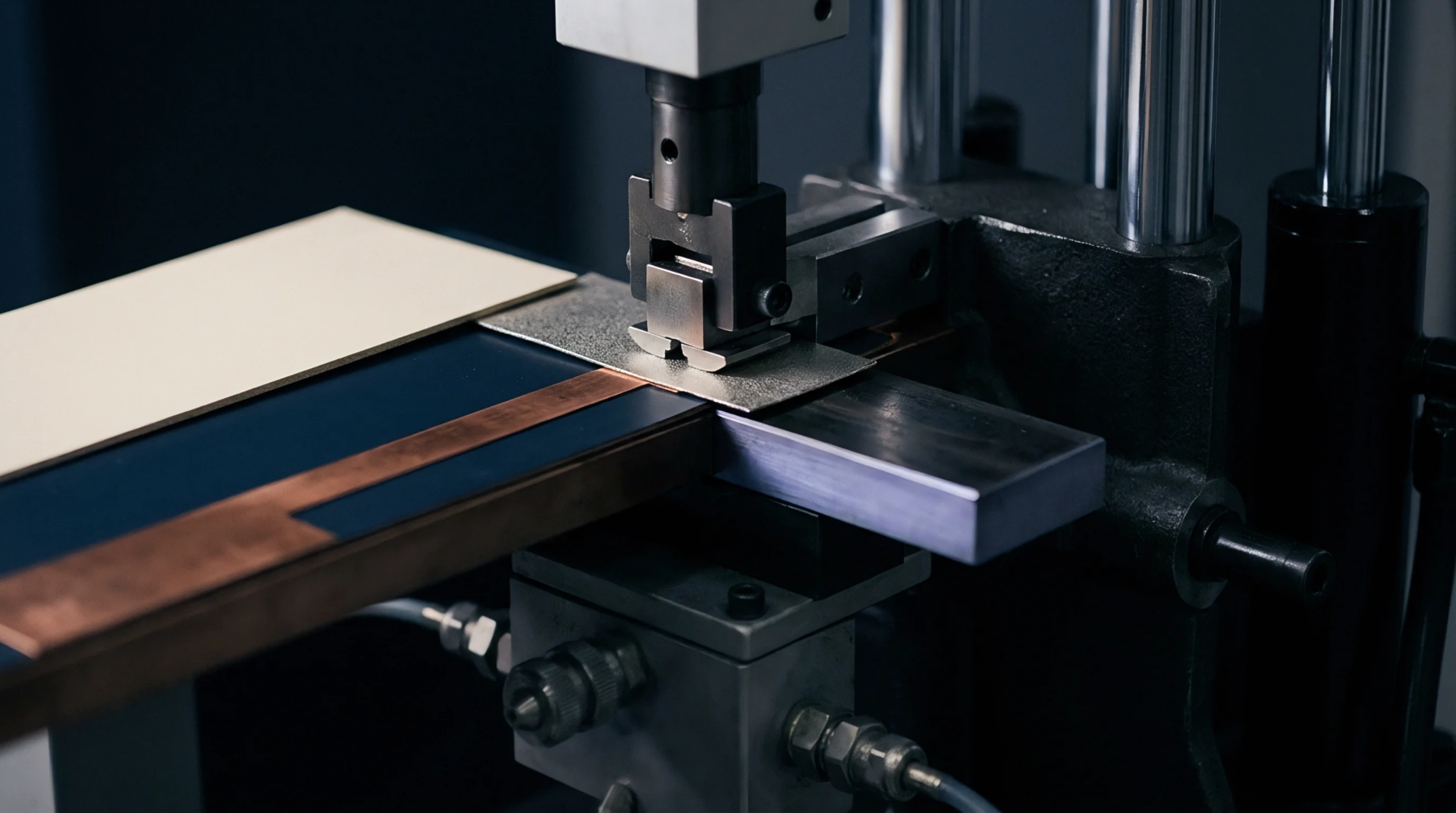
Class 3 line qualification demands paste measurement, thermal profiling, microsection verification, and first-article sign-off before production release.

Hidden interconnect defects escape visual inspection, requiring explicit contract terms that redefine acceptance windows and enforce 3D laminography profiling.
SMT setup delays, component scrap overages, and rework thermal damage are governed by explicit contractual downtime tariffs, material allowances, and IPC inspection limits.

Optimal SMT yield requires matching paste shear-thinning rheology with stencil area ratios above 0.66 and reflow profiles holding peak temperatures within 5°C.

First pass yield gaps in high-density assemblies stem from optical test blind spots, microvia structural fatigue, and restricted physical probe access.
Verify SMT solder paste batches using Malcolm rotational viscometry and 3ITT rheology to prevent stencil slump, fine-pitch bridging, and volume transfer loss.

Automated optical and X-ray line qualification holds enforce physical line stops, lot containment, and statistical re-proof before production can resume.

Optimizing surface mount stencil apertures demands balancing area ratios above 0.66, foil wall smoothness, and pad reductions for repeatable paste volume.

High-speed squeegee shear collapses solder paste yield stress, causing deposit slump and bridging unless viscoelastic recovery kinetics match line cycle speed.
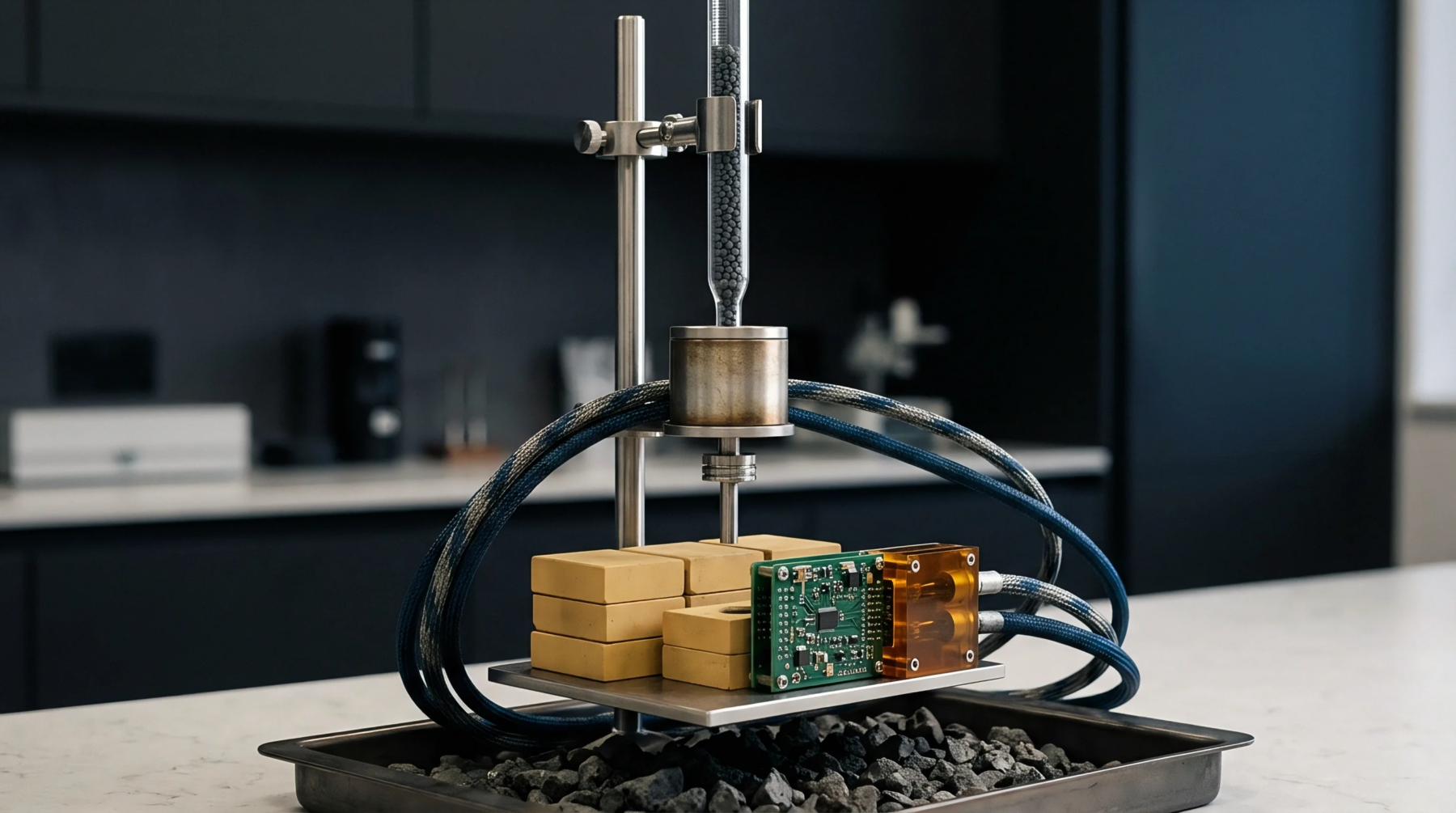
Maintain stencil aperture area ratios above 0.66 and aspect ratios above 1.5 to achieve reliable solder paste transfer efficiency on fine pitch components.

Electroformed nickel foils enable reliable solder paste release down to 0.50 area ratios by lowering wall roughness below 0.08 microns Ra.
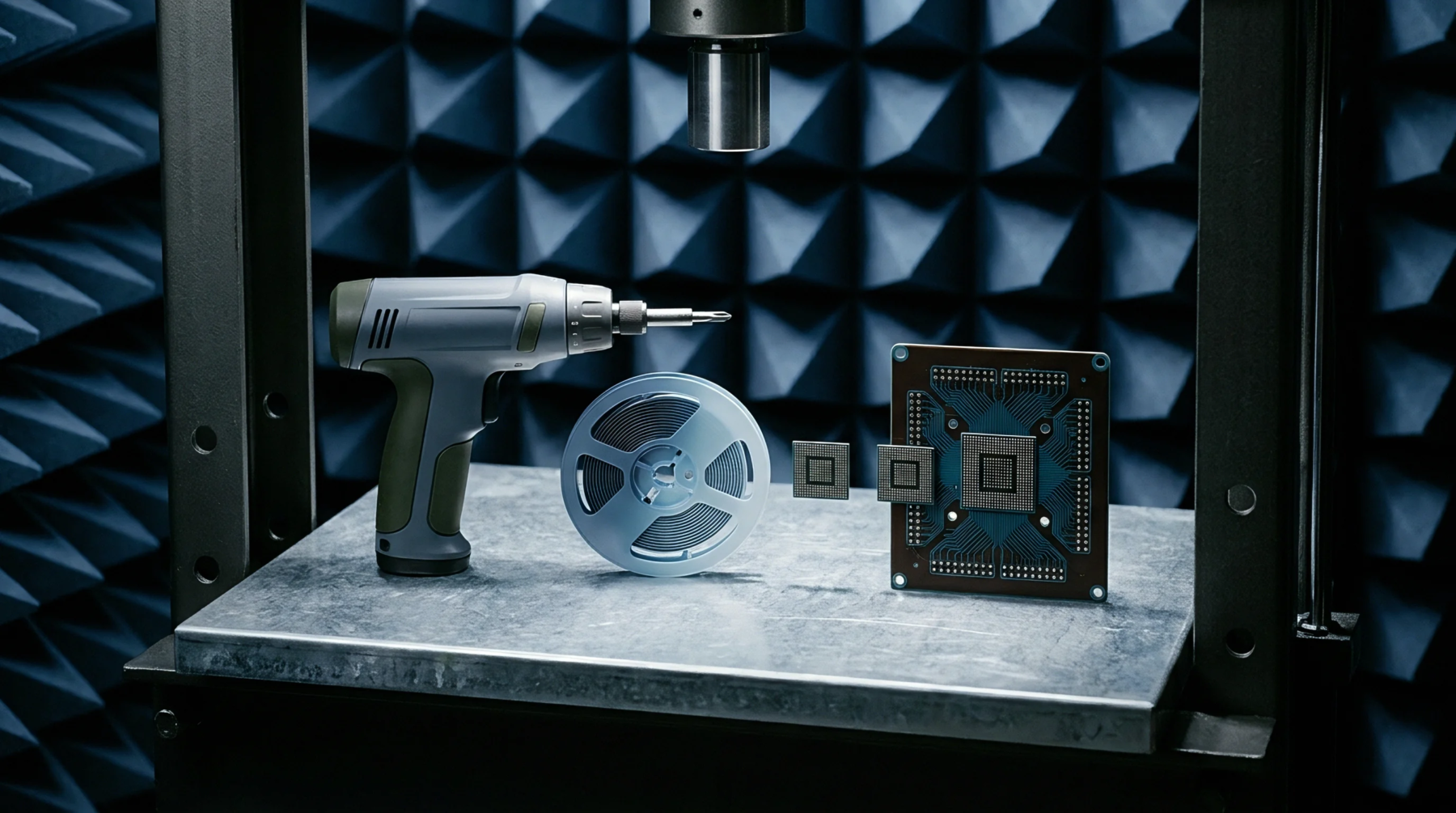
PCOLA SOQ metrics convert raw inspection data into weighted fault coverage, enabling precise calculation of board escape rates and field exposure risk.

Financial exposure bounds in high-density SMT rely on binding paste volume thresholds, AOI escape modeling, and explicit contract scrap liability caps.
Automated inspection hold triggers halt surface mount lines on consecutive statistical defects, preventing costly scrap propagation and hidden interconnect failure.

Contractual SMT yield indemnification defines financial remedies for scrap exceeding baseline thresholds by isolating line defects from component defects.
Dynamic multi-engine optical calibration and thermal drift compensation protocols eliminate false calls and harmonize solder volume thresholds across SMT lines.
Verify stencil aperture area ratios exceed 0.66 using SPI volume data before adjusting reflow oven profiles for solder starvation defects.

Oscillatory amplitude sweeps define solder paste structural yield points to guarantee accurate aperture filling and clean release on fine pitch stencils.
Optimized lead-free reflow profiling requires thermal deltas under eight degrees, controlled time above liquidus, and precise paste transfer efficiency.
Matching paste particle size and viscosity to stencil area ratio maintains stable transfer efficiency above 80 percent on fine-pitch components.

Fine pitch stencil printing stability drops sharply below 0.50 area ratio, requiring Type 5 powder, nano-coated apertures, and tight SPI volume limits.
Optimize squeegee speed, separation rate, and aperture nanocoating to stabilize paste viscosity, maintain high transfer efficiency, and maximize SPI yields.
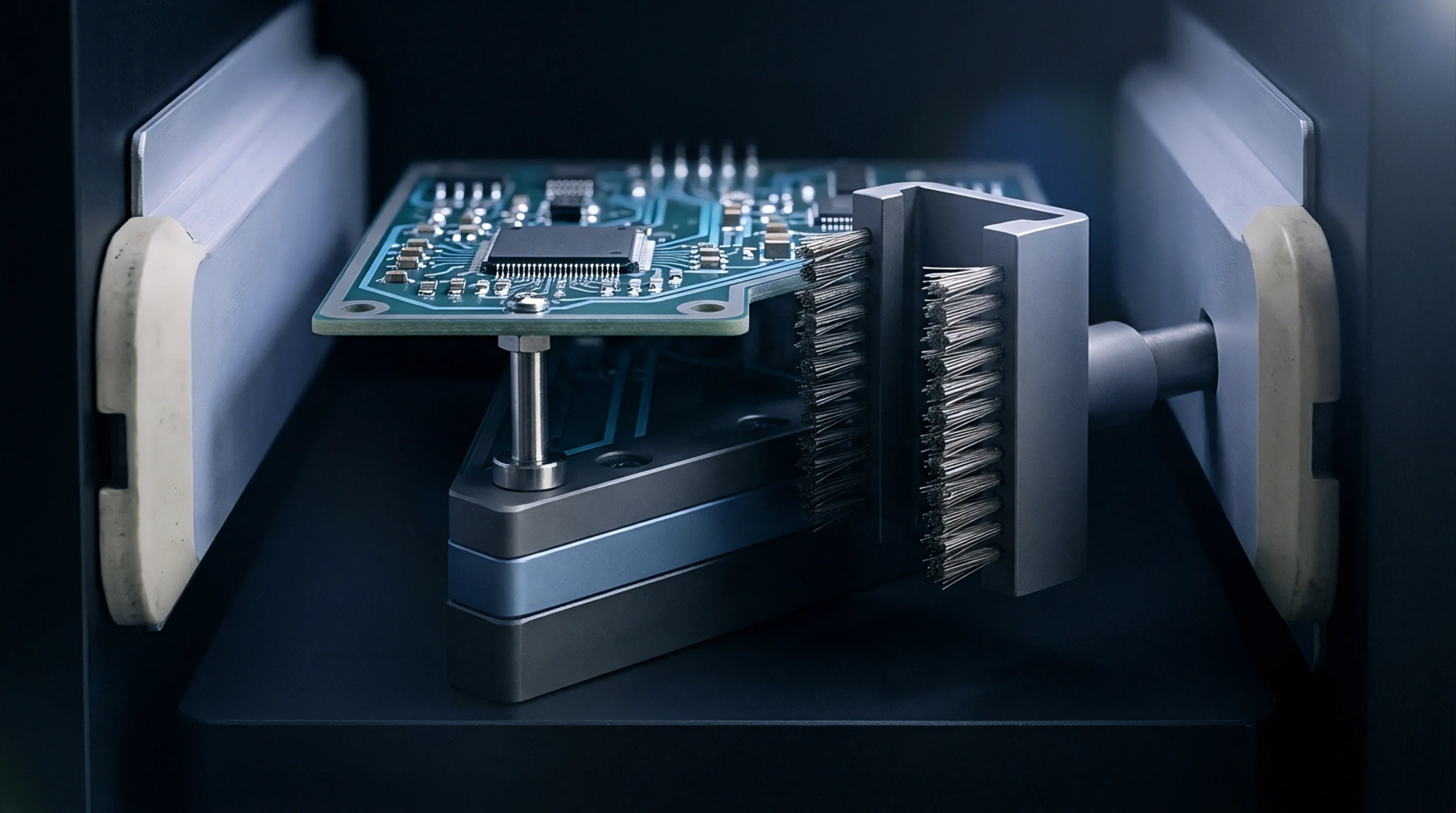
Microvoid coalescence under thermal cyclic strain stems from creep-fatigue interaction at intermetallic layers, requiring EBSD and strain partitioning to prove.

Thixotropic rebuild kinetics dictate stencil release and deposit stability, where tuning separation speed to viscosity recovery maximizes fine pitch print yield.
Calculating area ratios above 0.66 and applying targeted aperture reductions prevents bridging while ensuring consistent solder paste transfer efficiency on fine pitch pads.
Electroformed stencil transfer efficiency drops under high speed printing due to binder separation and wall compaction, requiring optimized wipe cycles.
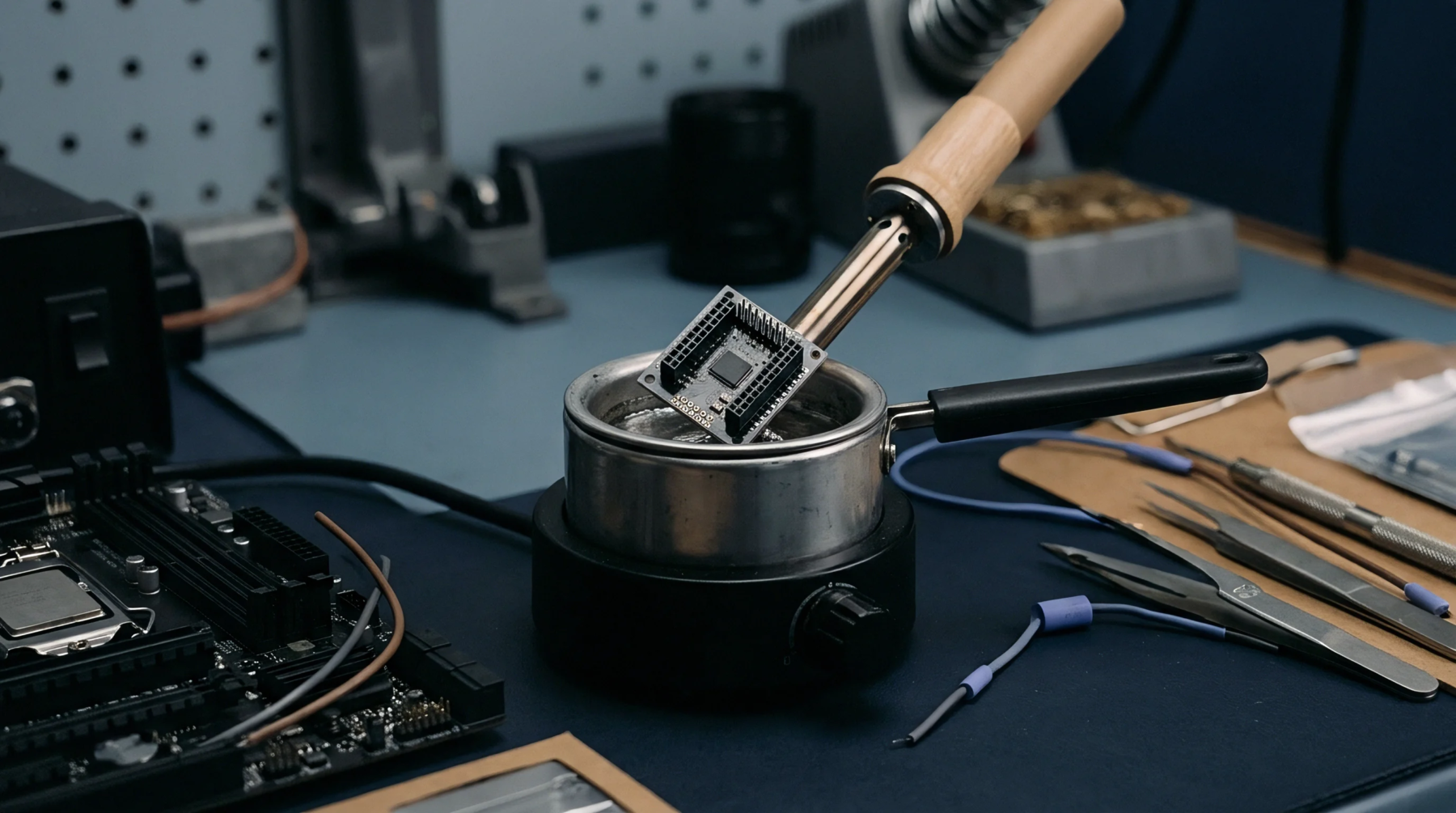
Calculate stencil area ratio above 0.66 for standard laser foil and above 0.50 for nano coated electroformed stencil to guarantee ninety percent paste release.

Dynamic substrate distortion induces height shifts in optical triangulation systems, requiring real-time surface mesh interpolation to prevent false deposit rejects.

Aperture area ratios below 0.66 demand smooth sidewalls or nano-coatings to maintain 80 percent paste transfer efficiency.
Expertise is a utility, not a secret. sentiention™ publishes its working knowledge as open reference: intelligence layer covering the materials it sources, the markets it enters, and the reference that serves both.