Thermal Degradation
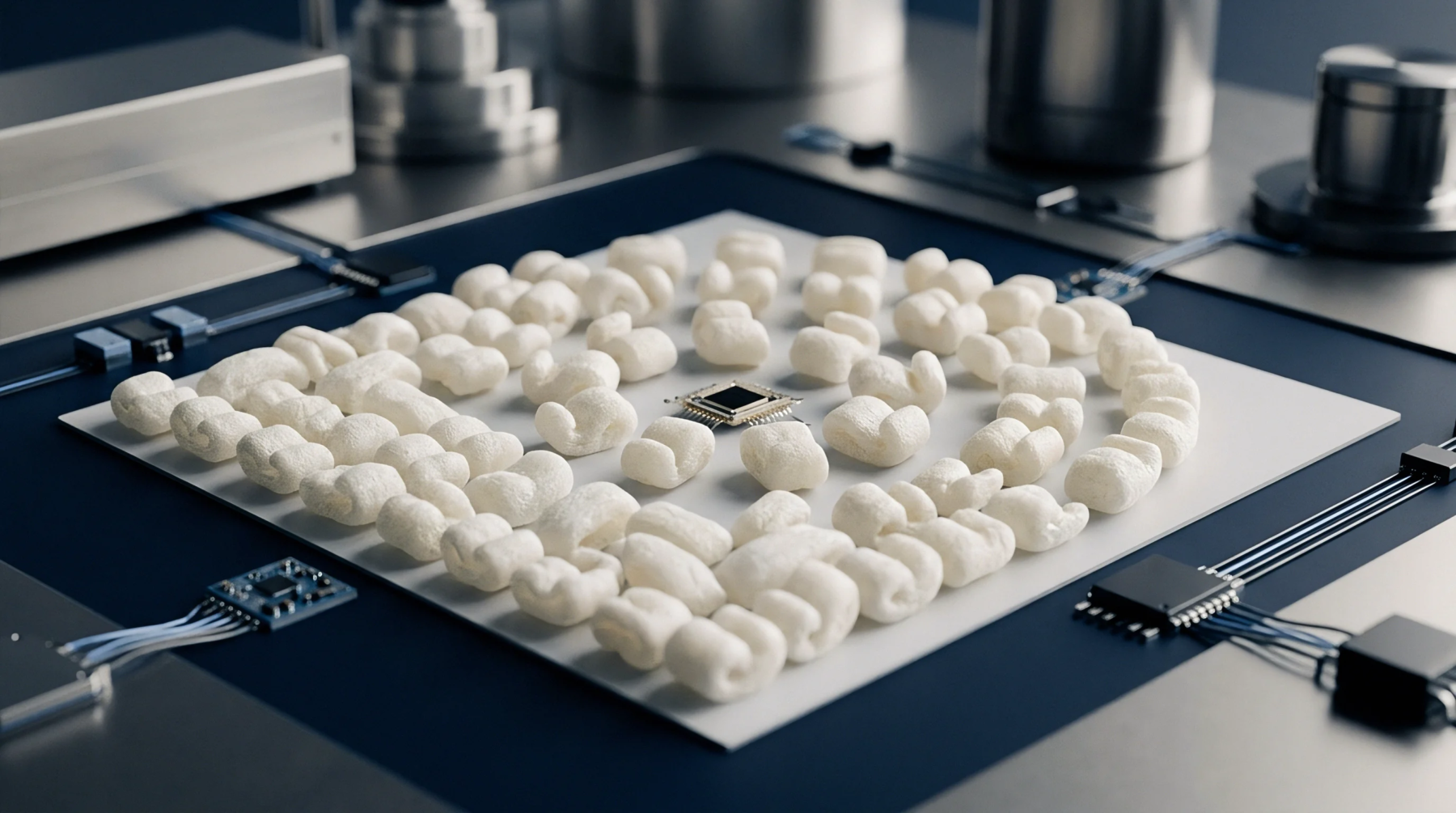
Mass change measurement quantifies the stability of materials as temperature increases under a controlled atmosphere. Thermogravimetric analysis tracks the weight loss of a polymer or laminate sample while it undergoes a programmed heating cycle within a precision furnace. High sensitivity balances detect microgram variances to pinpoint decomposition kinetics or moisture loss.
This method verifies the curing status of epoxy resins used in prepreg fabrication.
Decomposition Kinetics
Chemical transitions cause weight loss at distinct points on the temperature curve. Decomposition occurs when polymer chains break or volatile components evaporate from a PCB substrate. Software models interpret these transitions to identify volatile organic compound content and identify additives within the base material.
Engineers rely on these results to establish glass transition temperatures and long term thermal performance limits for high heat applications.
Equipment Integration
Analytical instruments include a furnace, a high precision balance and a gas control system for inert or oxidizing environments. Electronic assemblies undergo testing within these units to confirm that no residual solvents or low molecular weight fragments remain after manufacturing. Precise temperature control ensures that every measurement remains repeatable across different laboratory settings.
Correct interpretation of mass loss curves prevents failure during lead free soldering processes where materials experience rapid thermal shock.