
Quantifying Gas Cluster Ion Beam Etching Kinetics
Gas cluster ion beam etching kinetics depend on kinetic energy per atom, where cluster size selection suppresses subsurface damage while maintaining surface smoothing.

Gas cluster ion beam etching kinetics depend on kinetic energy per atom, where cluster size selection suppresses subsurface damage while maintaining surface smoothing.
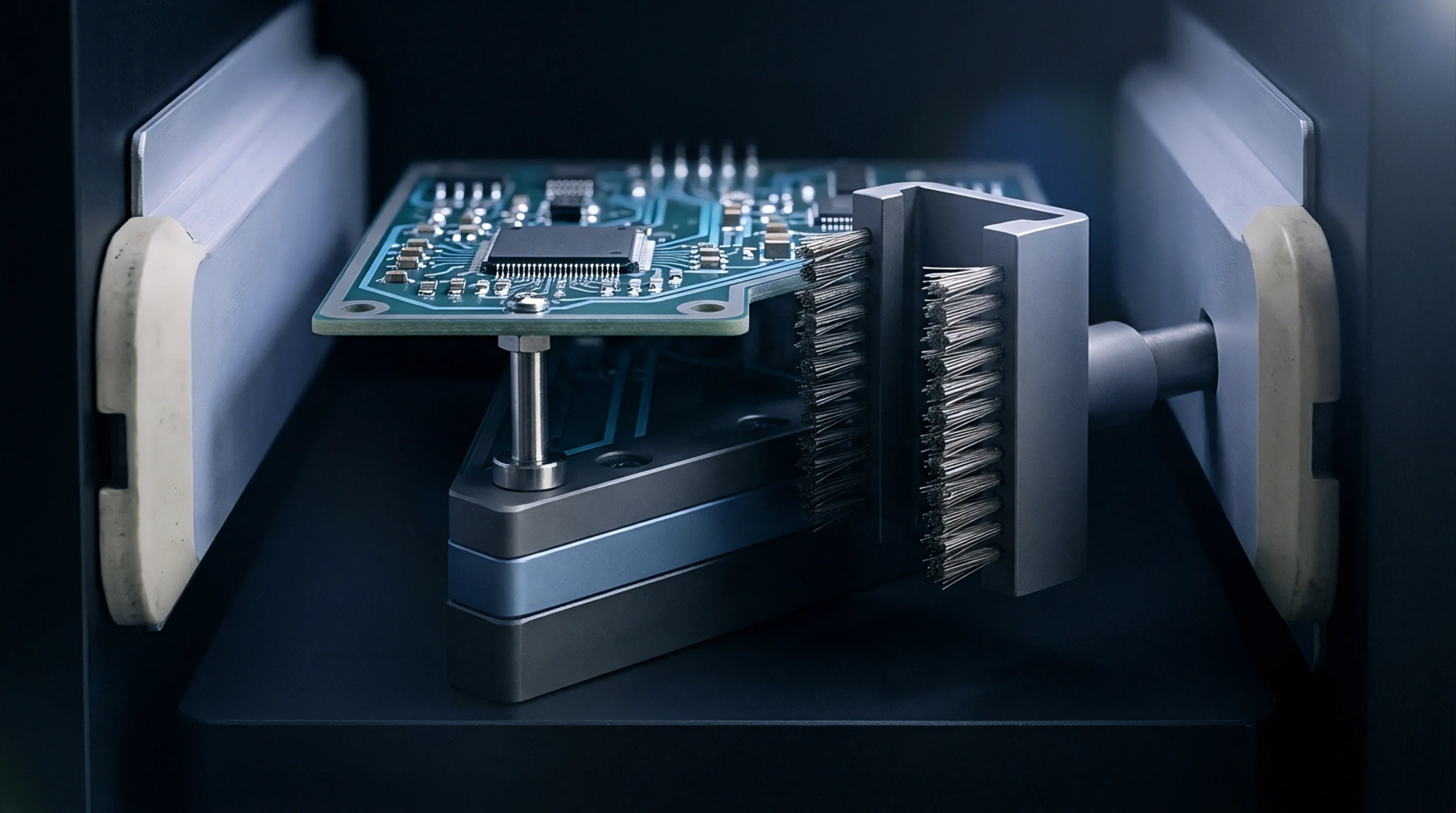
Unscreened high-frequency channel structural escapes drive PCI Express residual bit error rates above spec limits by inducing localized signal resonances.
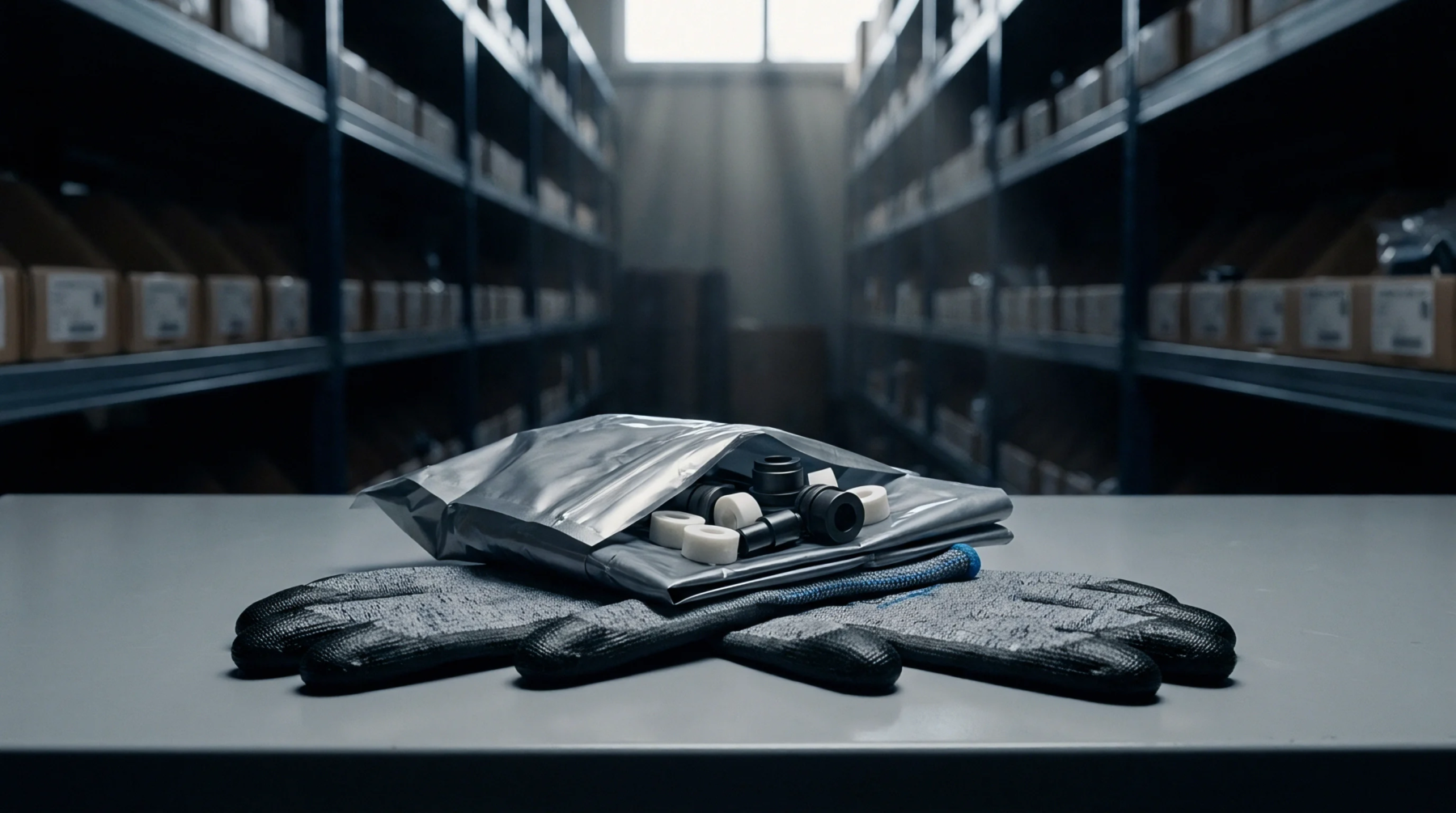
Substrate copper roughness exceeding skin depth dampens cavity quality factor by extending surface current paths, demanding 3D surface area profiling and incoming batch screening.
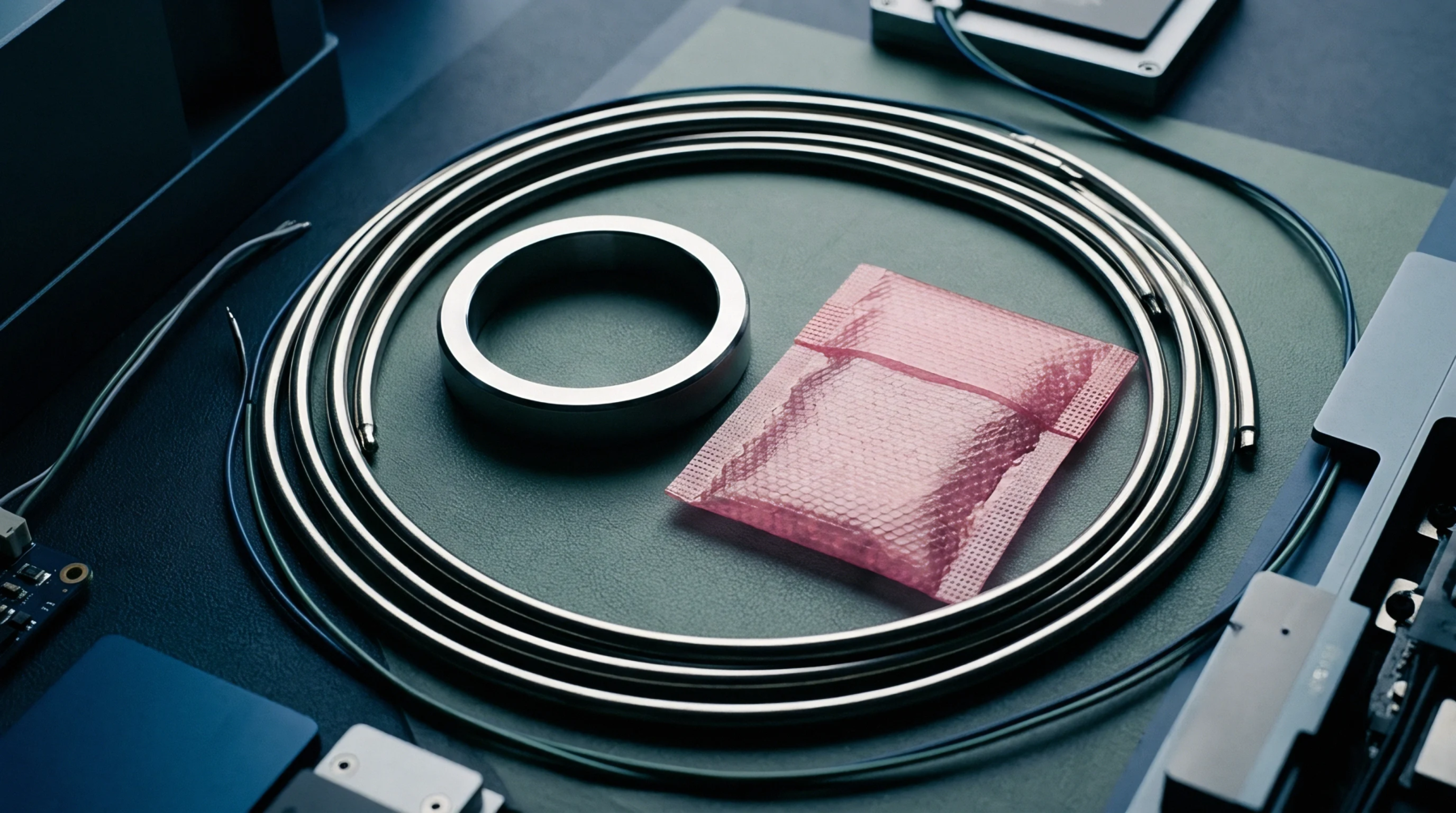
Peripheral stitching via arrays damp planar cavity resonances and prevent edge radiation when spatial pitch stays below one-tenth wavelength.

Dynamic thermal screening paired with acoustic reflection depth-gating isolates micro-cracks that pass static bench testing before they reach finished inventory.
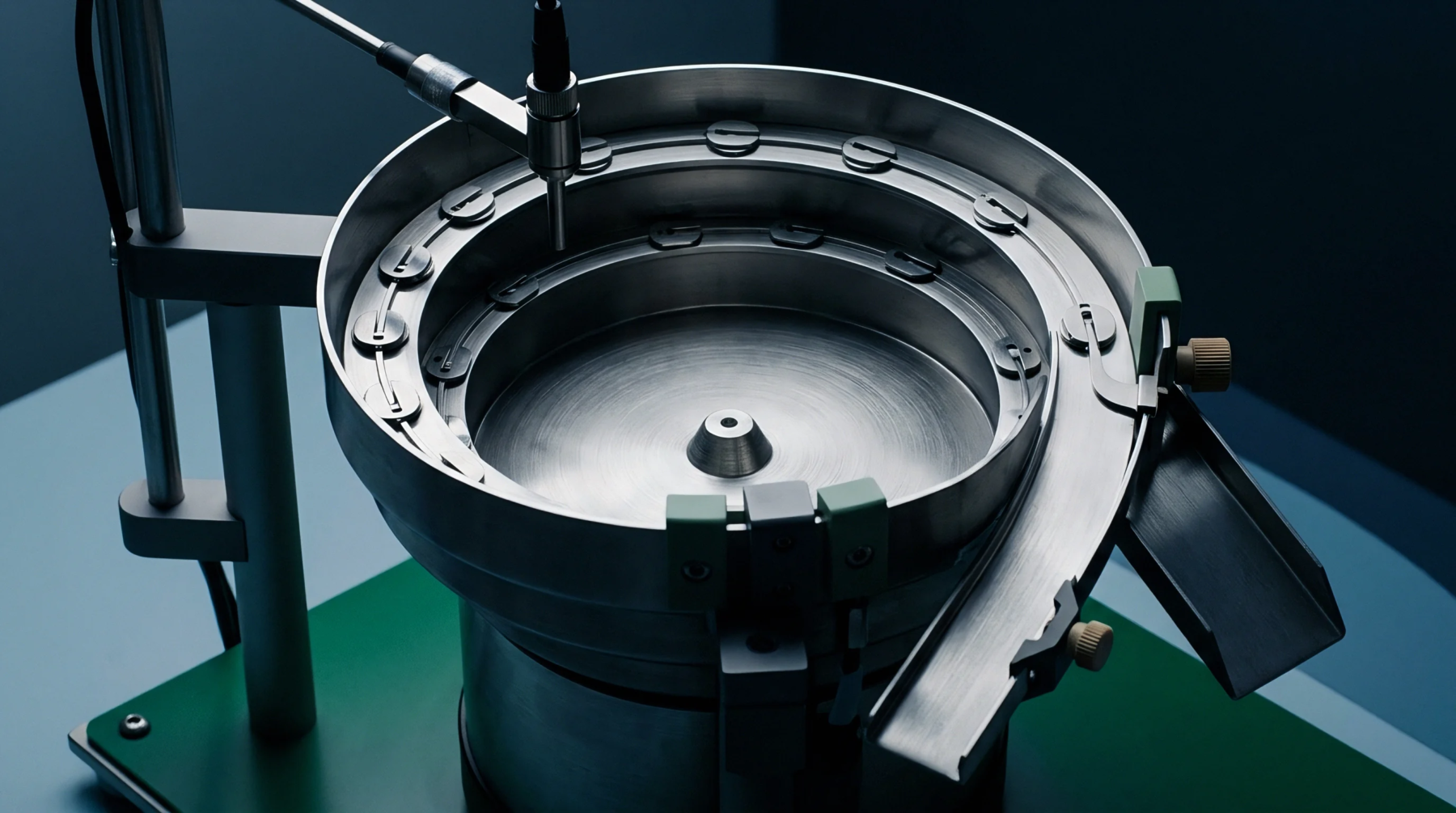
Combining flying probe vectors with boundary scan coverage maximizes test fault detection while protecting micro-land integrity on dense interposers.
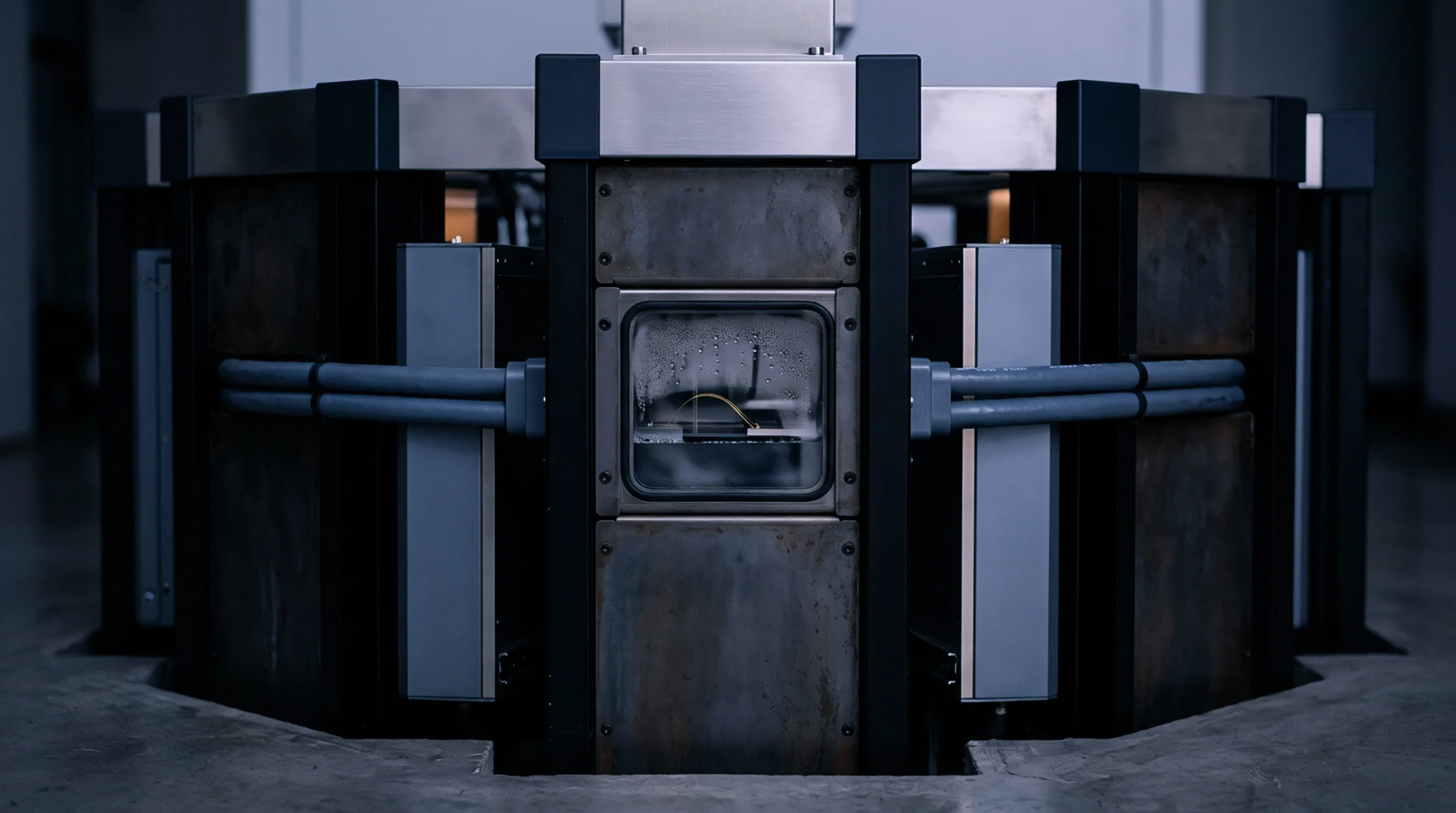
Dynamic four-wire resistance screening under thermal stress isolates latent microvia defects prior to assembly, preventing costly field failures.
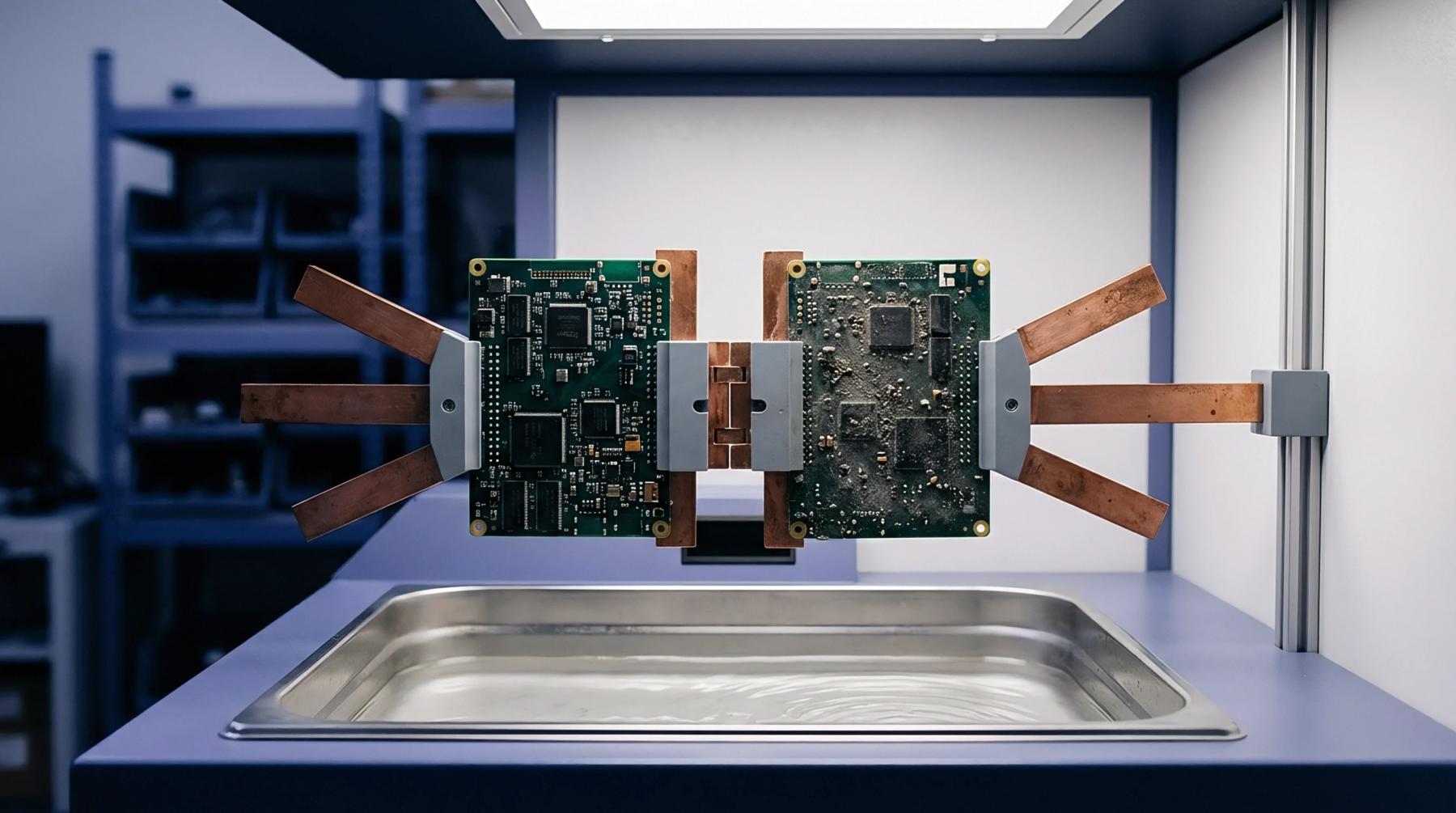
Triaxial strain gauge rosette verification proves vacuum fixture actuation stays within IPC-9704A strain limits on dense assemblies.
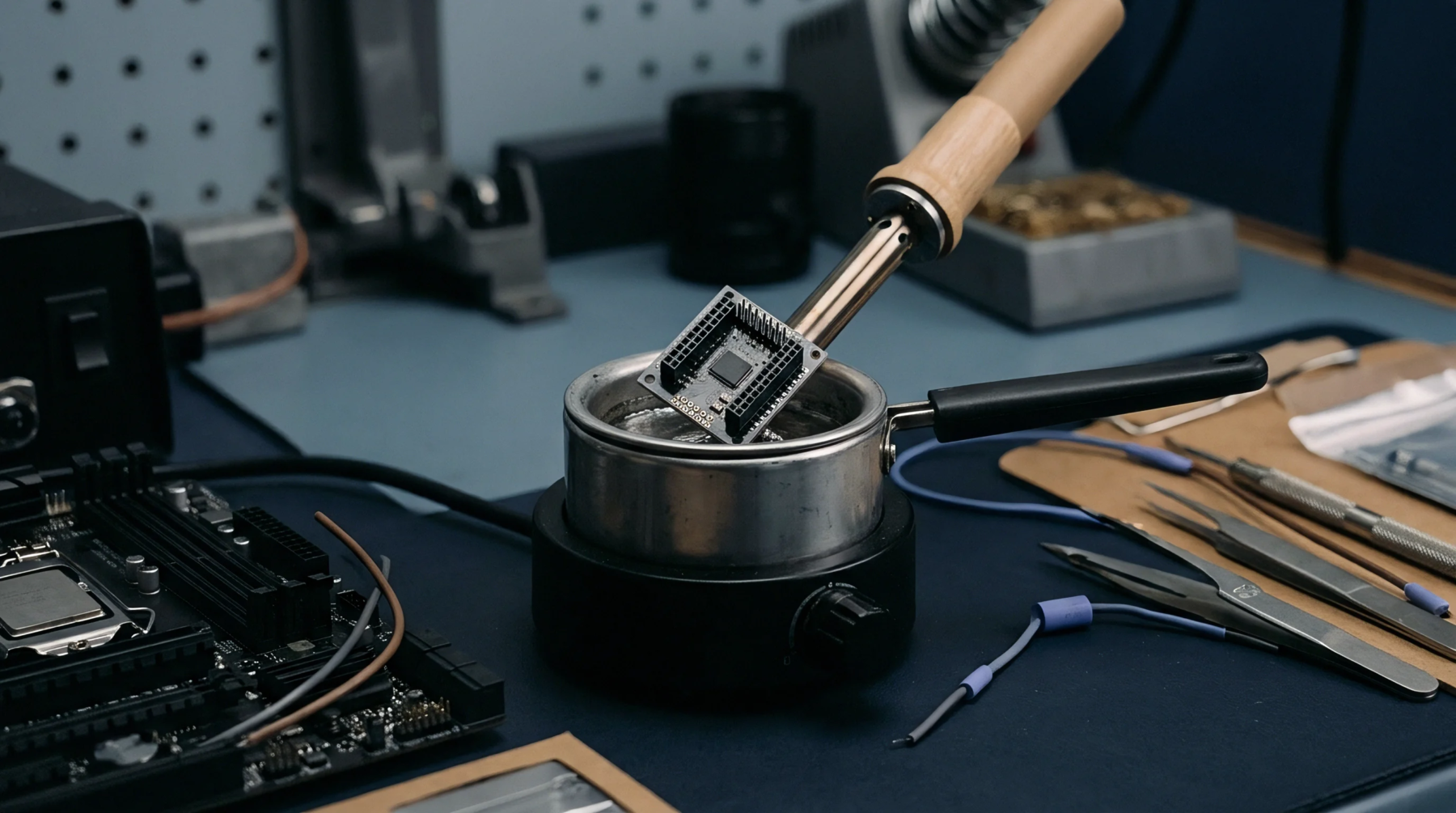
Quantifying cluster beam etch rates requires integrating beam current, cluster size distribution, and optical step metrology while neutralizing charge.
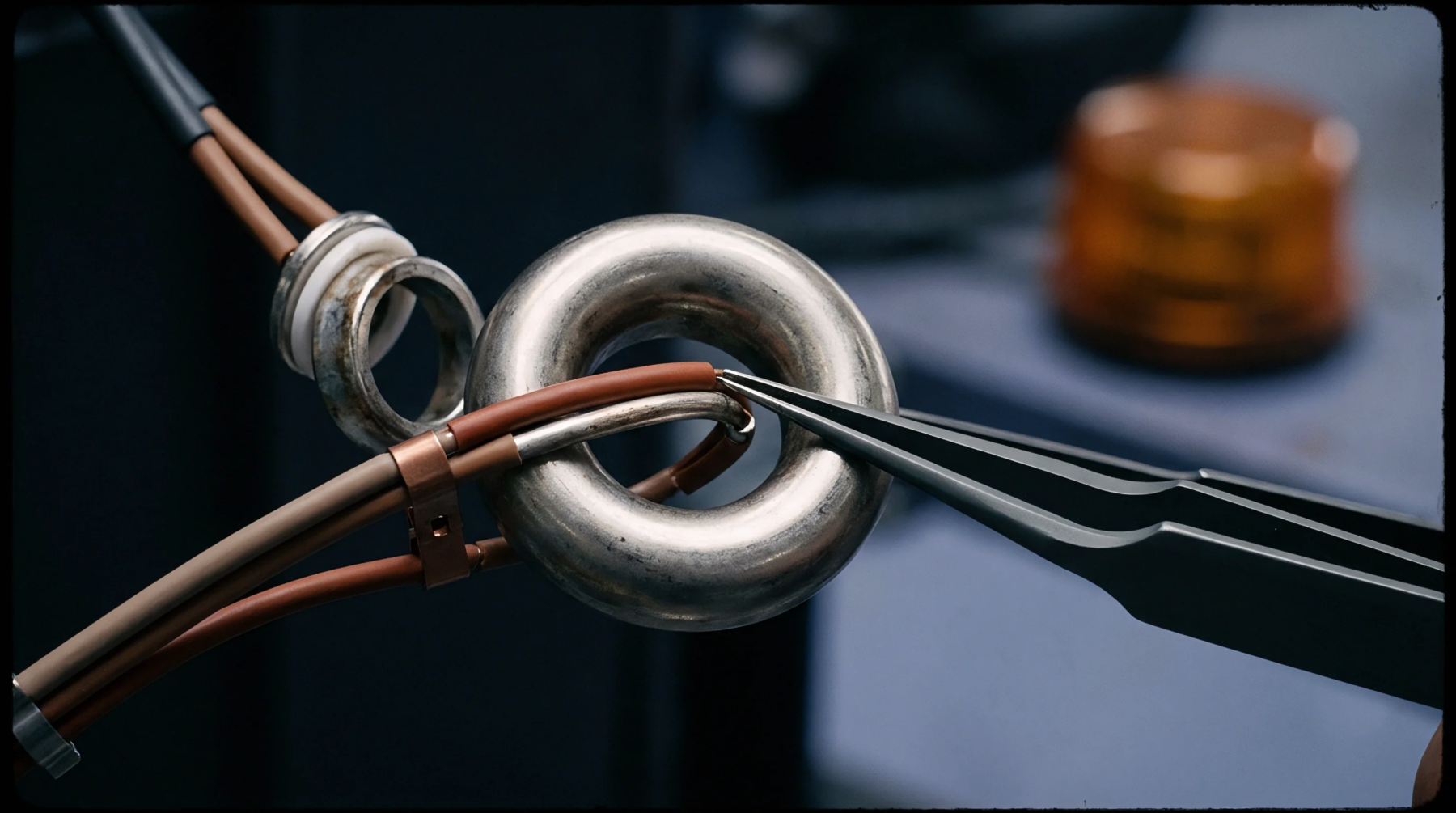
Multi-regime coverage modeling combines structural, boundary scan, and at-speed functional tests to quantify and suppress differential serial net escapes.
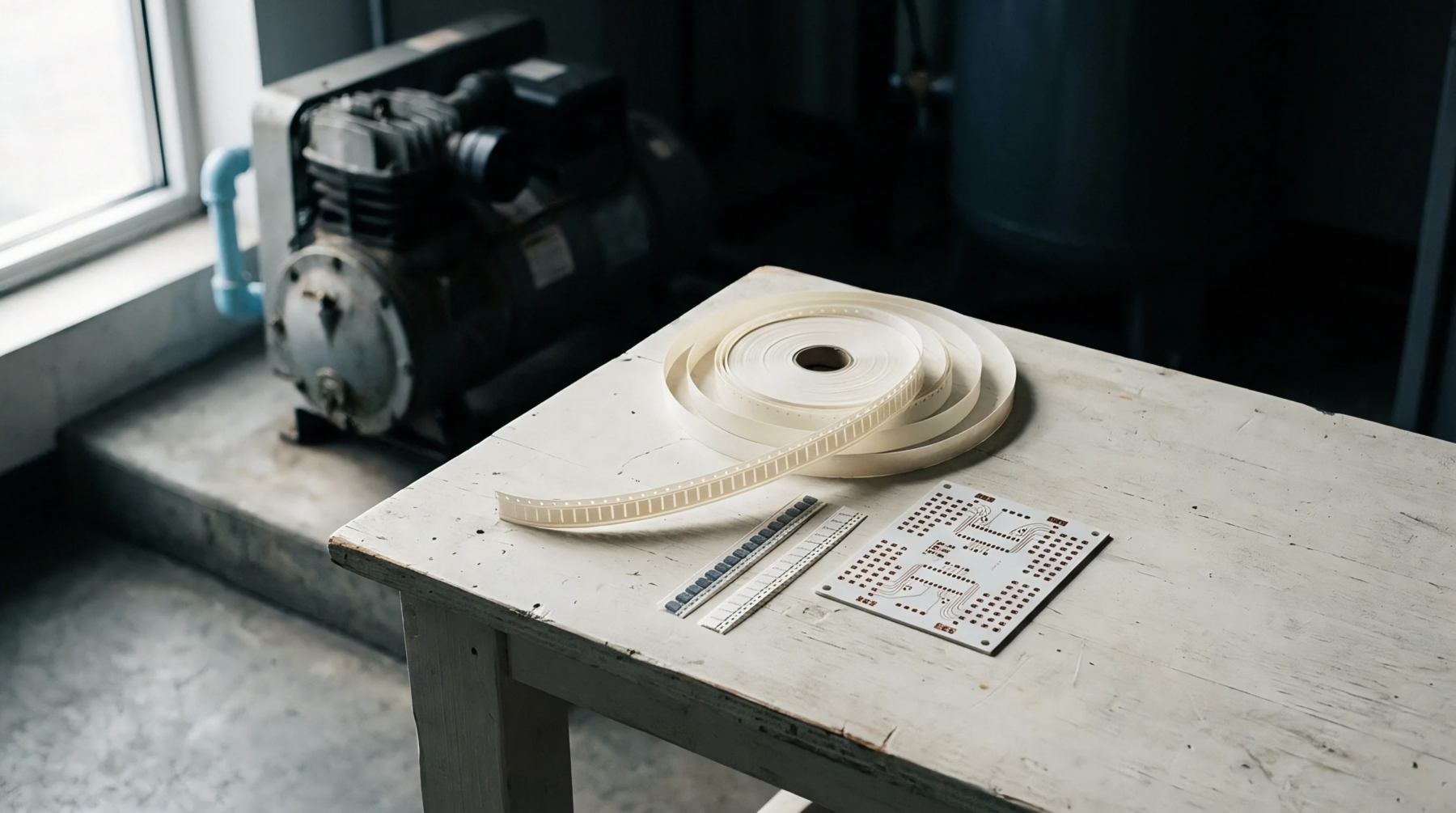
Stitching via arrays and eddy current losses damp cavity resonances to suppress power plane noise in high-speed substrates.
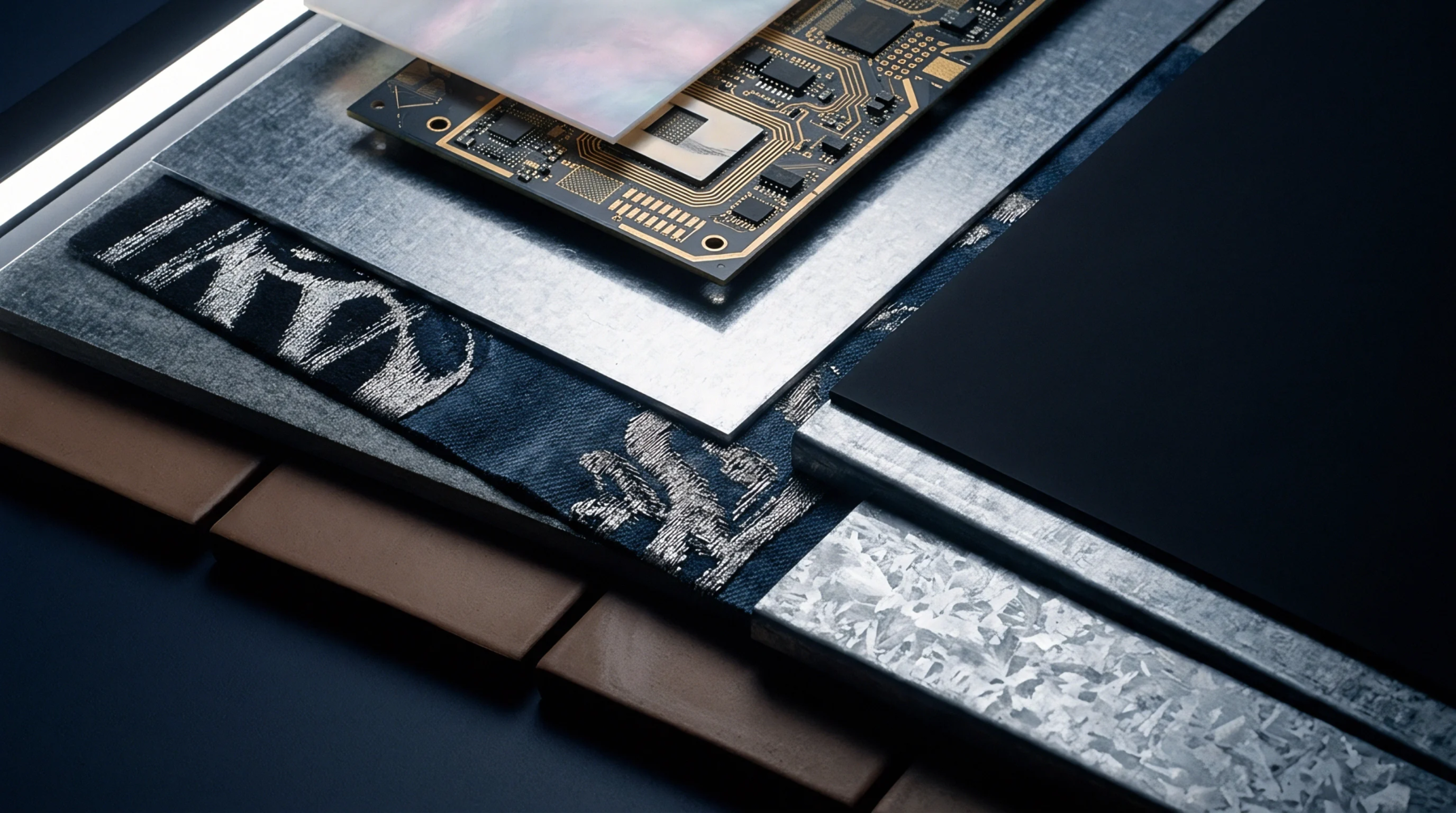
Modeling probe parasitics and edge skew on boundary scan nets prevents false test failures and maintains scan chain timing margins under fixture actuation.

Hybrid execution matrices combine physical probe mechanics with boundary scan cell vectors to maximize structural fault coverage on partially accessible ASIC clusters.
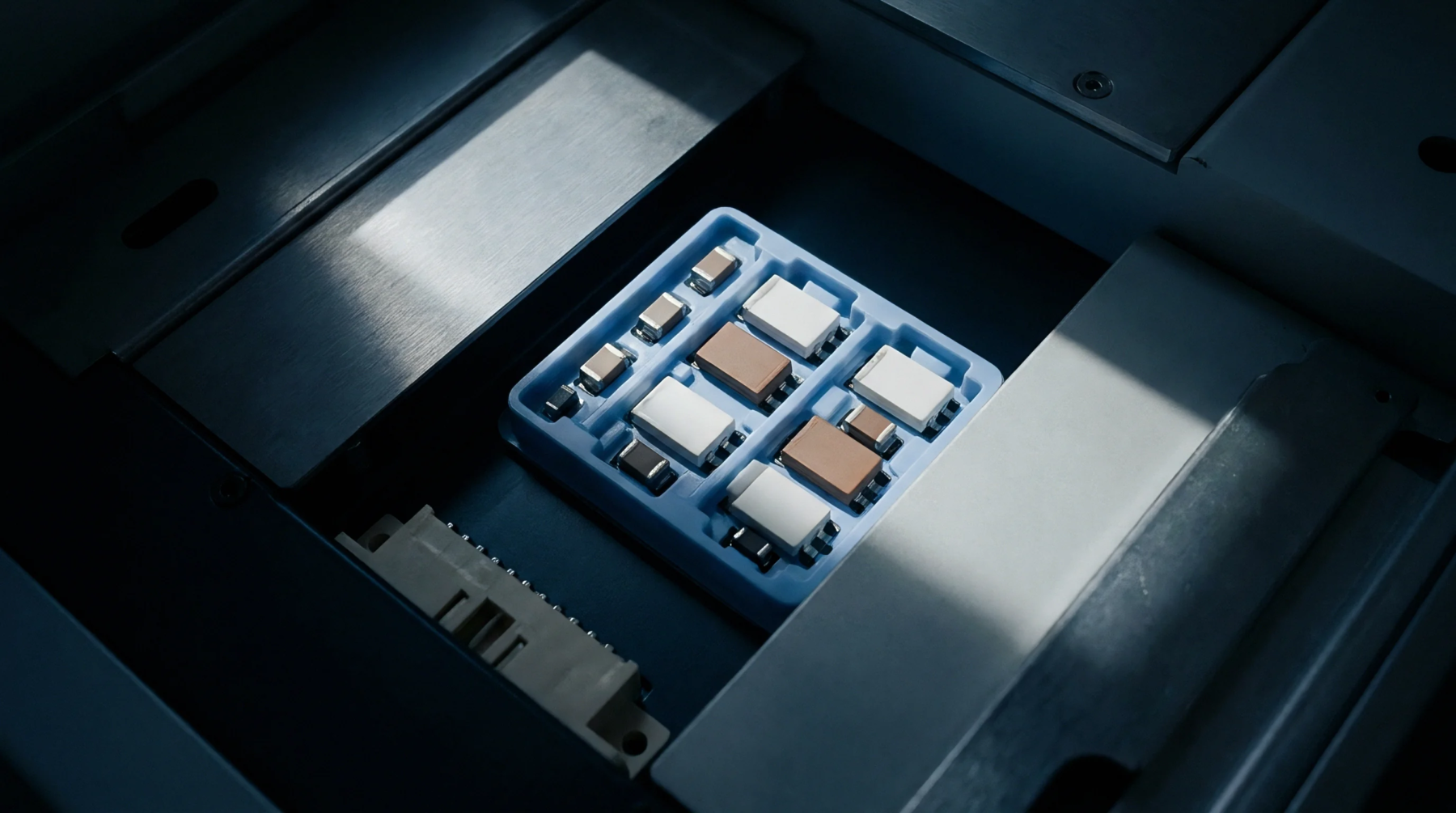
Latent microvia interfacial fatigue opens during thermal transients to cause intermittent high-speed signal failures detectable only by dynamic four-wire thermal screening.

Dynamic lamination rheology control via 2.0-2.8°C/min platen ramp rates minimizes glass bundle tilt and resin squeeze-out to hold sub-picosecond phase skew.
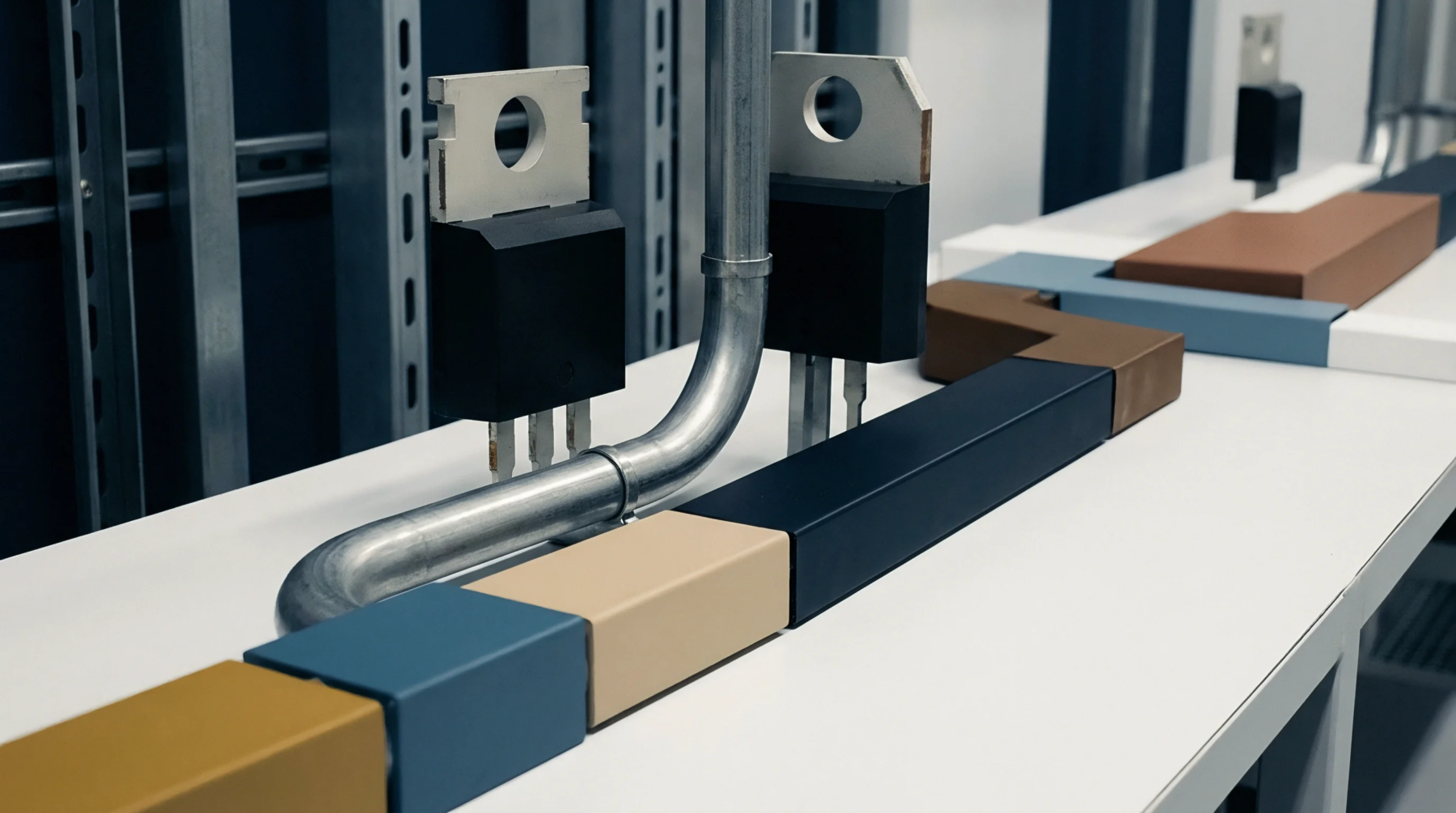
Fixture spring force and deflection limits enforce maximum micro-strain thresholds to prevent latent BGA pad cratering and ceramic capacitor fracture during testing.

Multilayer directional permittivity variance causes stripline capacitance shifts that must be corrected by modeling in-plane and out-of-plane dielectric constants separately.

Sequential lamination elevates Z-axis permittivity via resin compaction and thermal cross-linking, requiring pre-compensated CAD trace widths per layer pass count.

Subassembly press hydraulic parallelism and thermal ramp control determine resin distribution, eliminating dielectric height variation and differential signal phase skew.
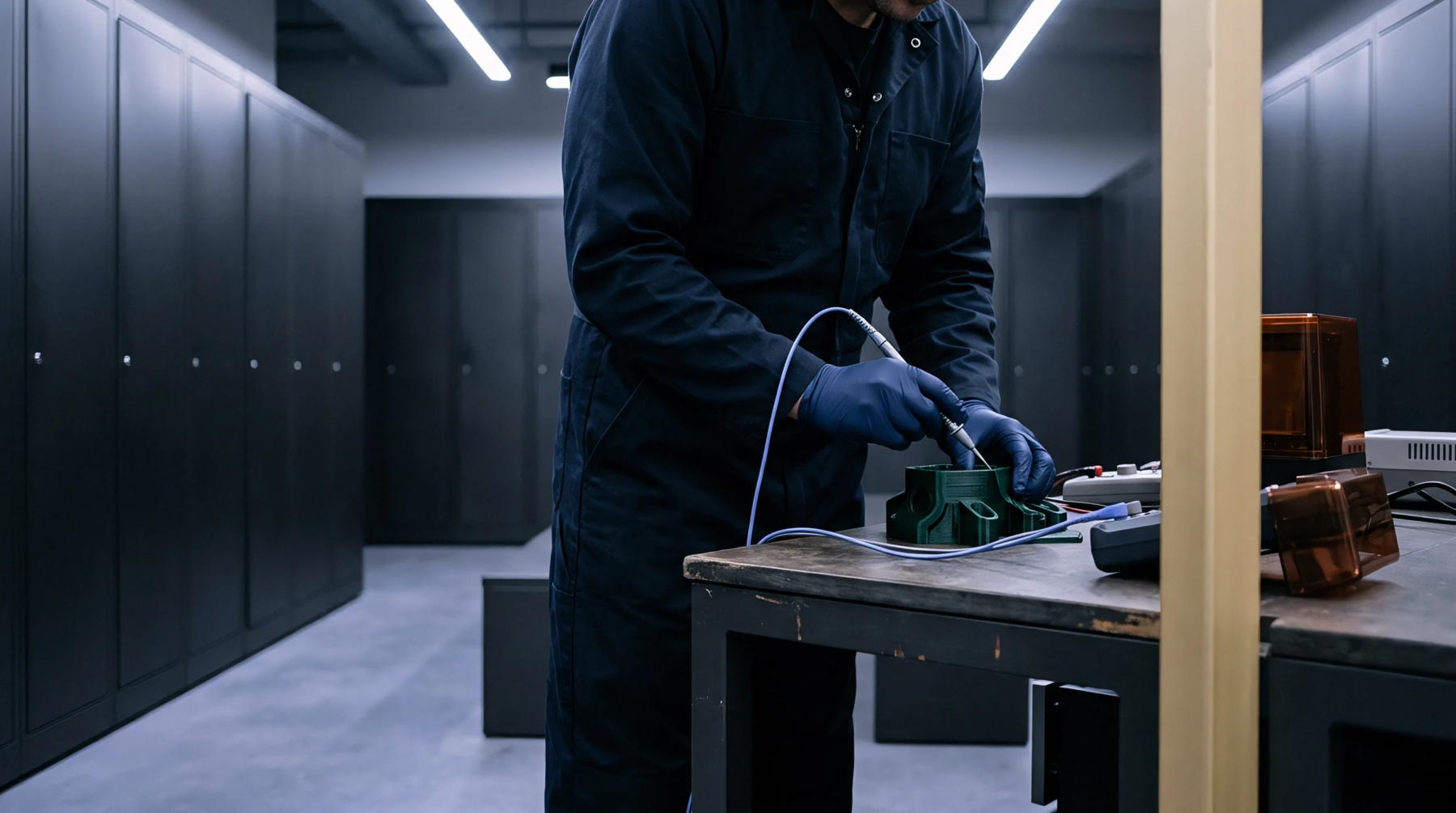
Directional dielectric permittivity variance in multilayer laminates requires evaluating in-plane and out-of-plane Dk tensors to prevent impedance errors.
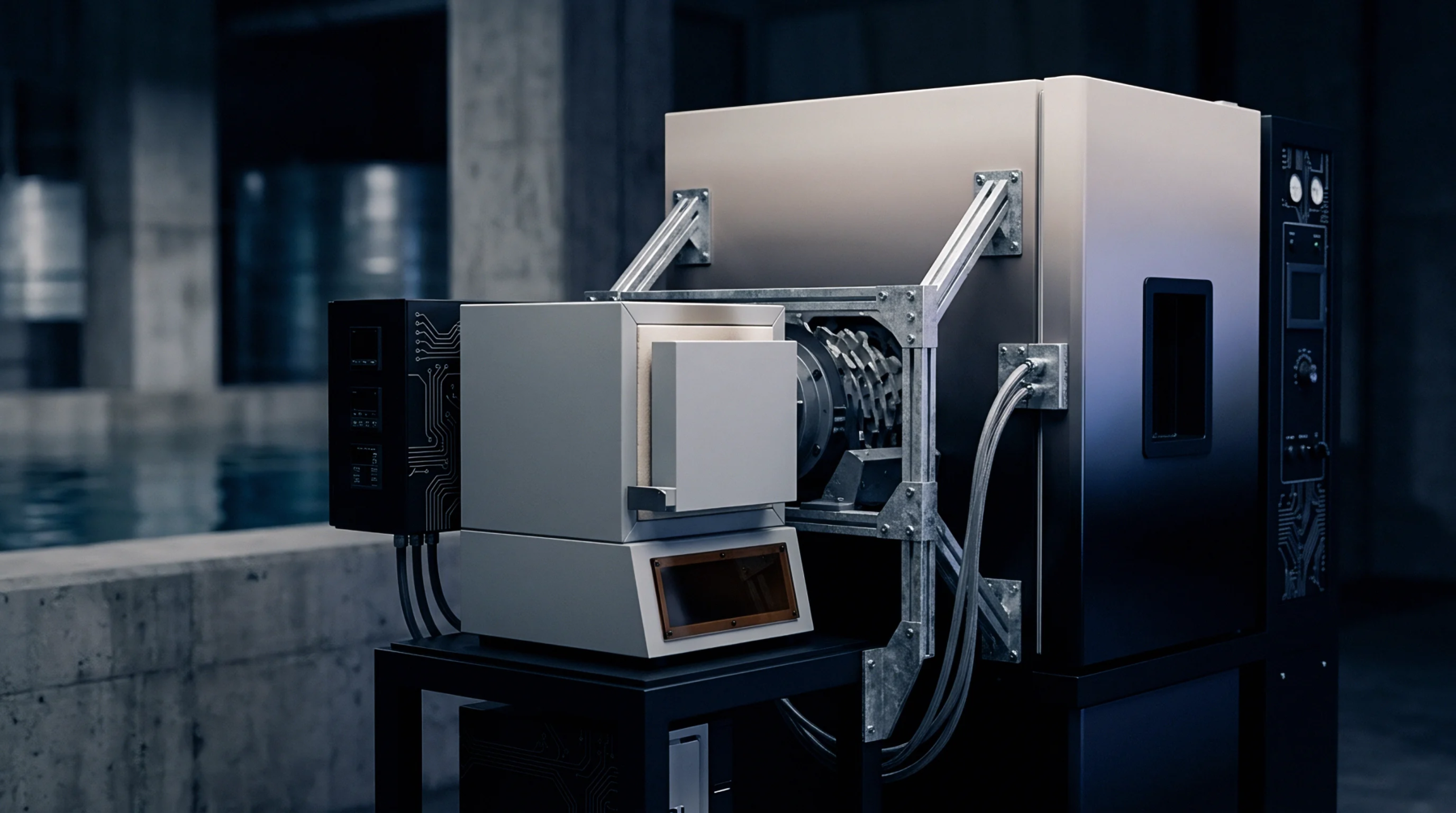
Argon cluster beam sputter rates drop up to 30 percent across crystalline Ni3P boundaries in amorphous Ni-P, requiring dynamic phase calibration to prevent barrier layer thickness overestimation.
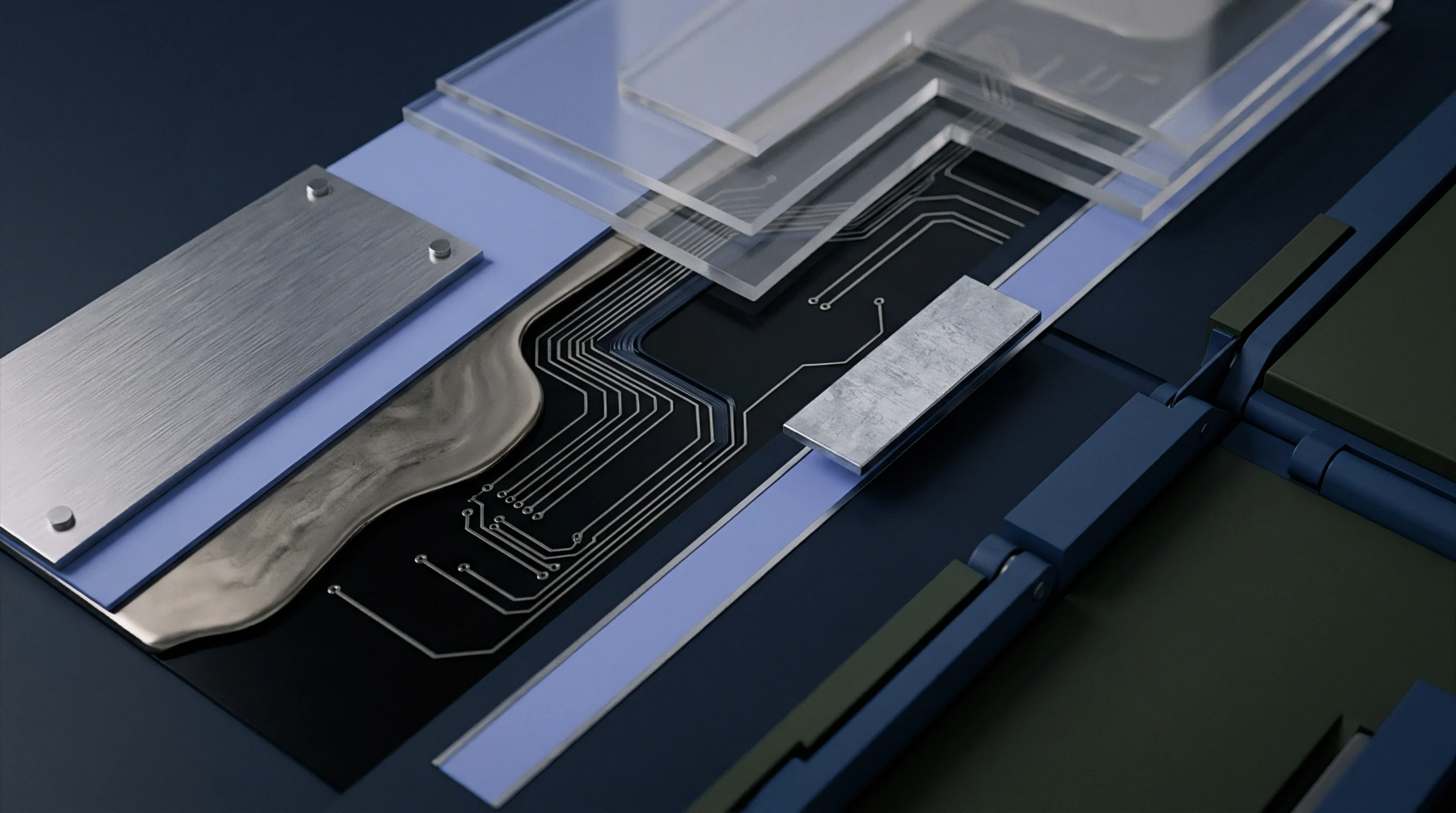
Shear forces during vacuum pressing shift heavy copper traces when resin flow velocity exceeds interfacial bond strength, requiring optimized aspect ratios.
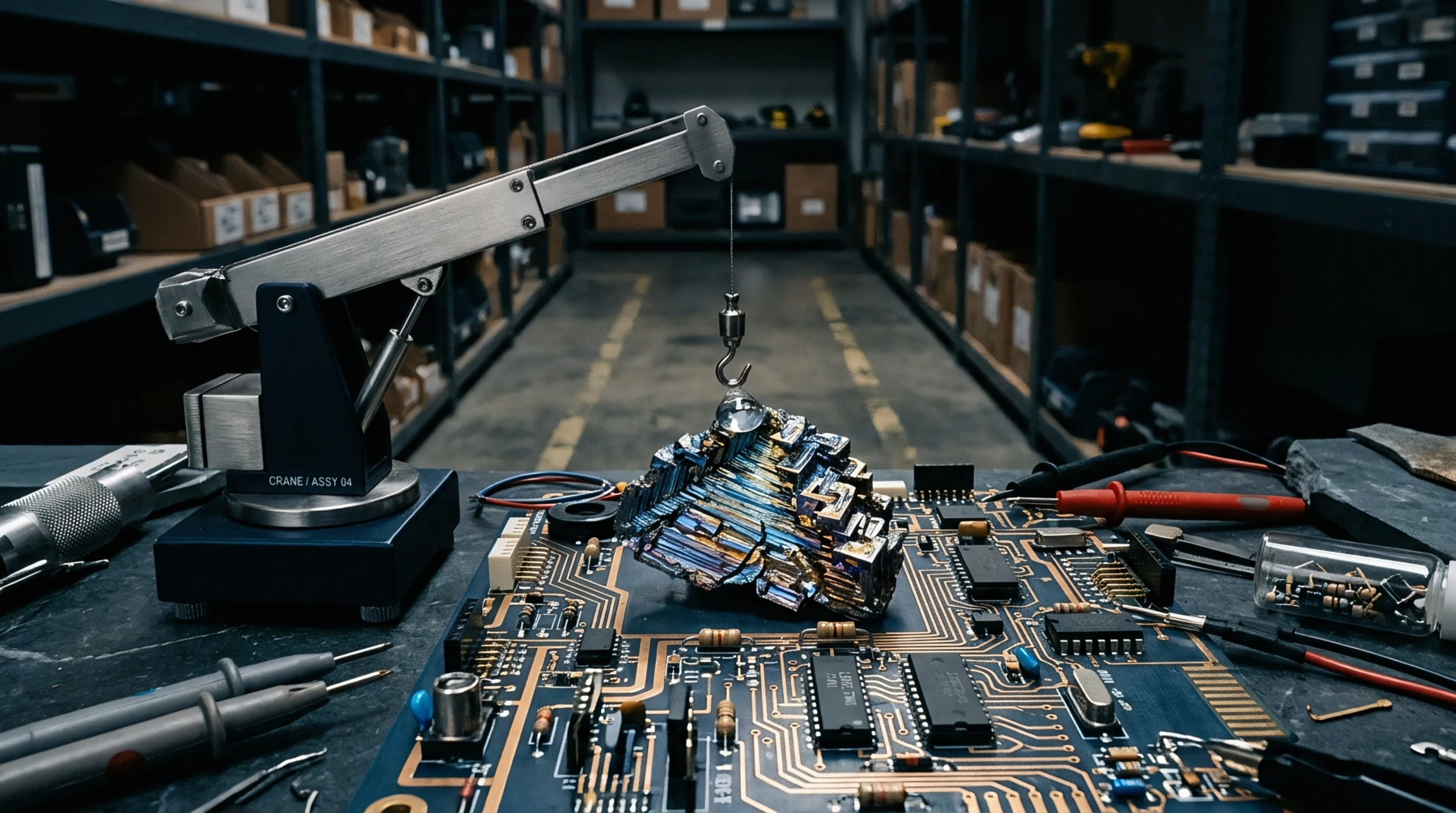
Multilayer PCB lamination relies on managing dynamic resin viscosity and glass fabric permeability to fill copper features without starving dielectric layers.

Verify SMT solder paste batches using Malcolm rotational viscometry and 3ITT rheology to prevent stencil slump, fine-pitch bridging, and volume transfer loss.

Managing anisotropic permittivity in sequential substrates requires spread glass prepregs, optimized press kinetics, and directional fixture qualification.
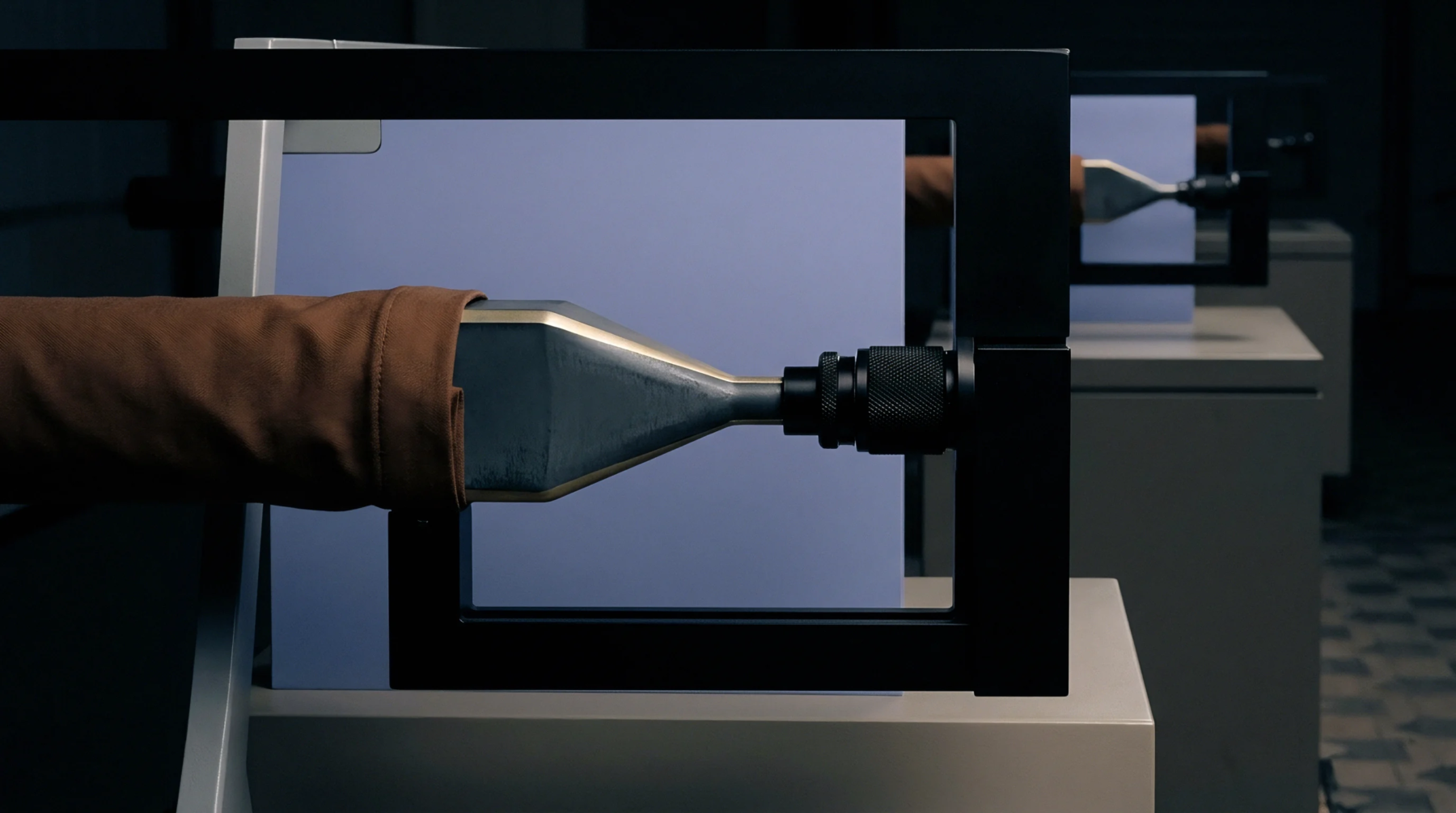
Modelling resin squeeze flow shear kinetics during multilayer pressing prevents inner-layer trace swim and guarantees reliable dielectric clearance.
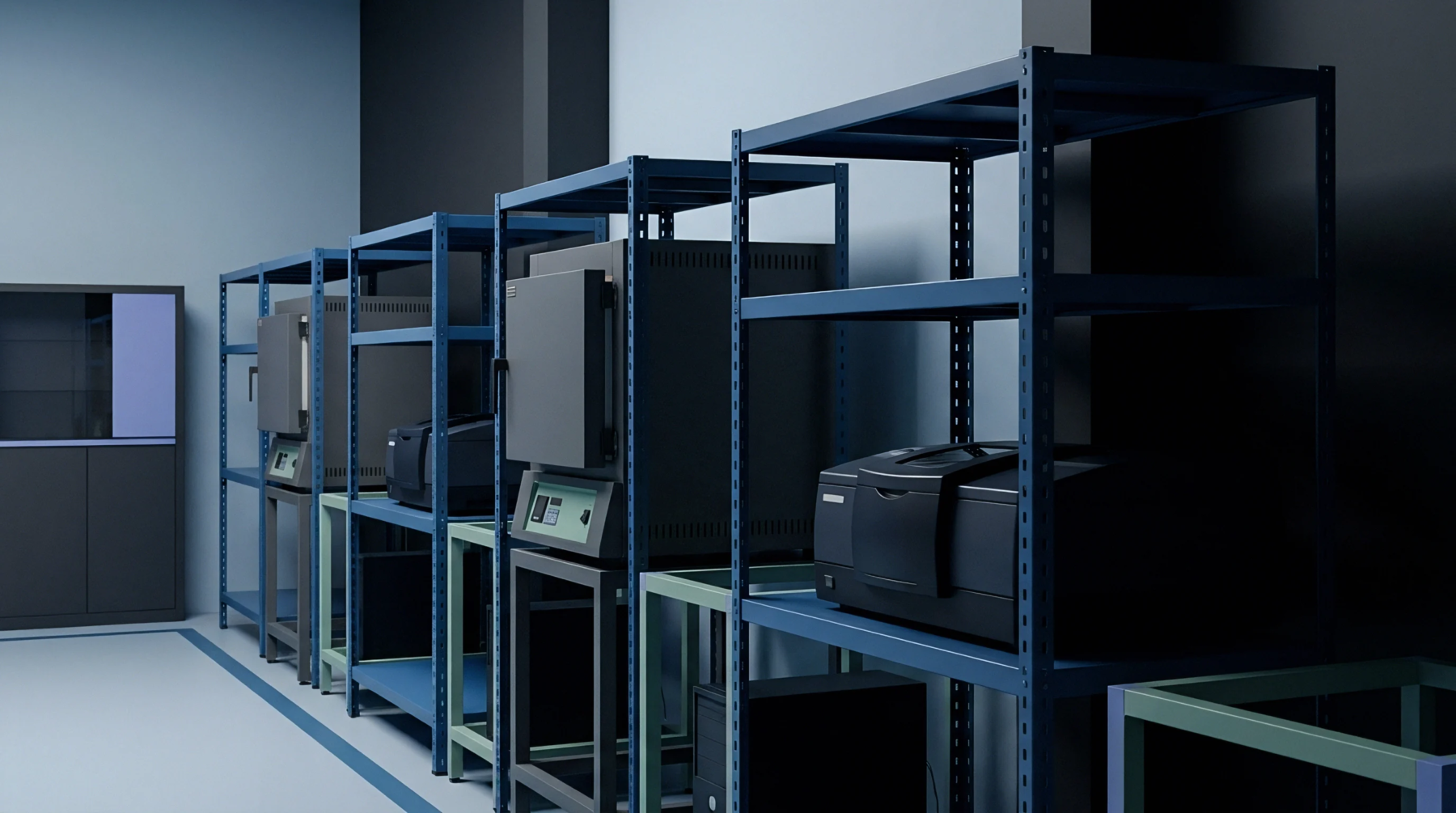
Adhesiveless hydrophobic polyimide interfaces reduce high-frequency dielectric attenuation by suppressing moisture uptake and eliminating lossy acrylic adhesive layers.
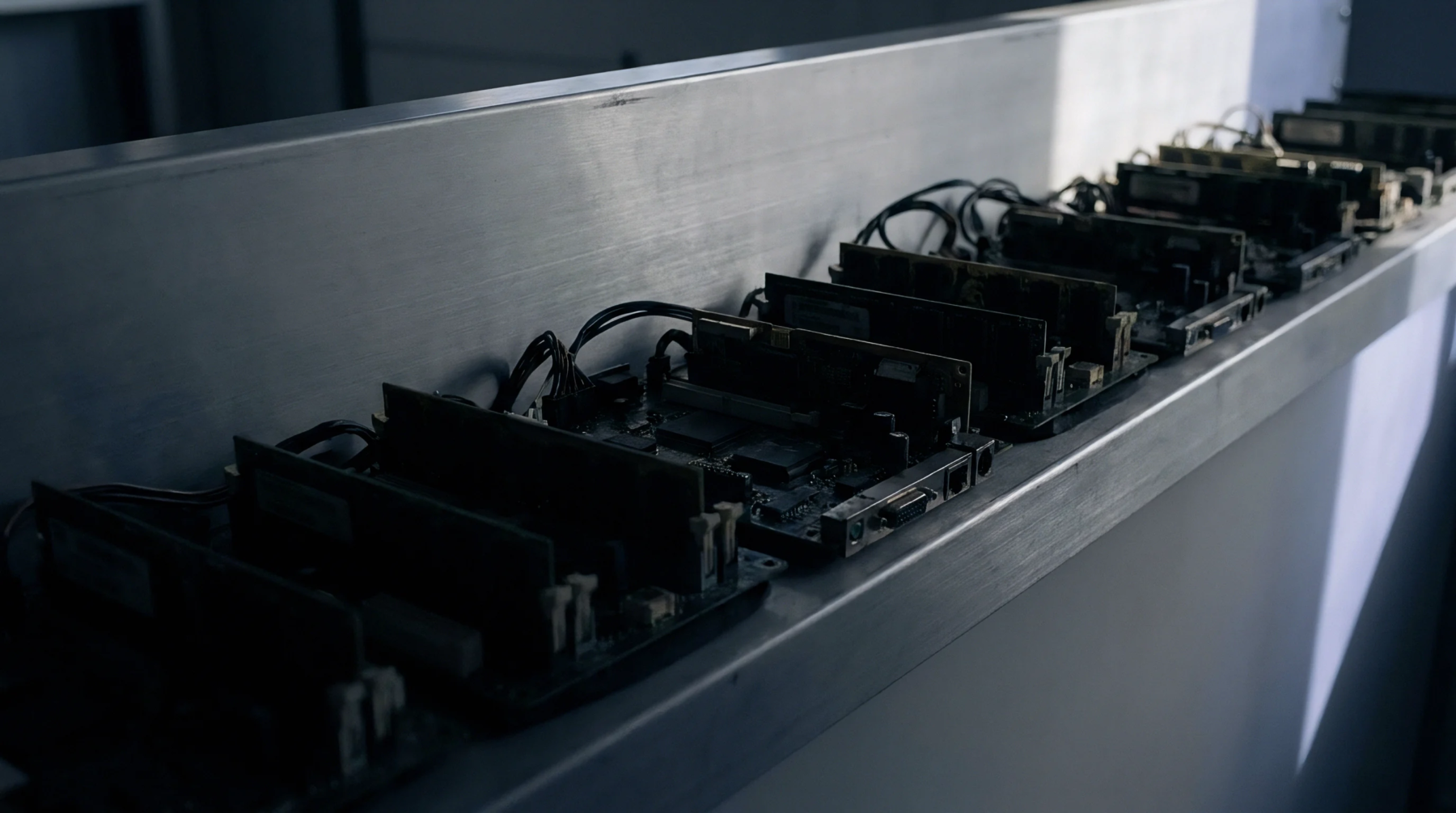
Modeling structural failure escape rates on hybrid AC-coupled serial nets requires combining IEEE 1149.6 boundary scan with automated X-ray inspection.

High-frequency laminate rheology dictates prepreg flow kinetics, fixing pressed dielectric thickness, local impedance stability, and panel registration yield.
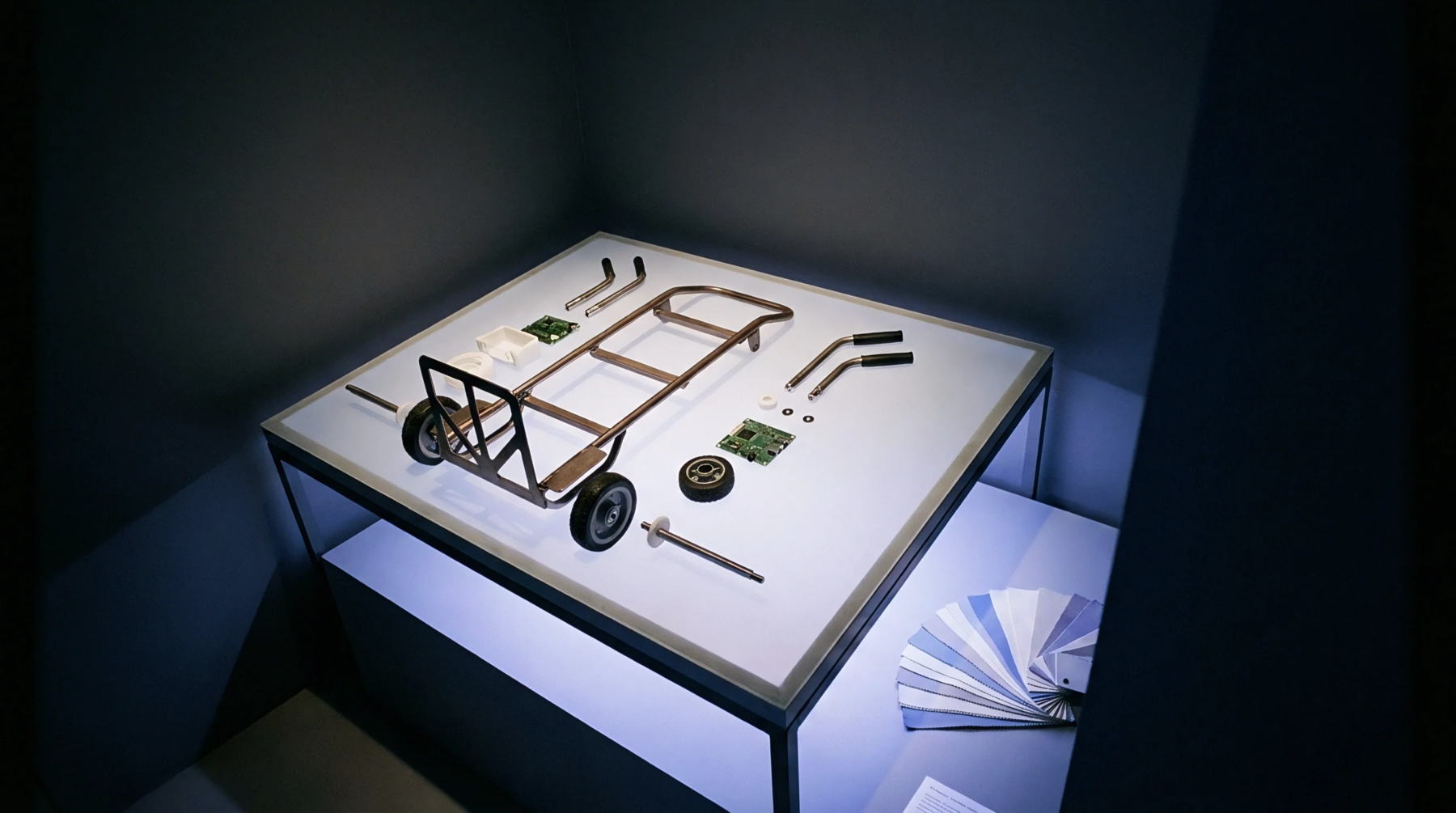
Continuous power planes suppress sub-gigahertz magnetic fields via eddy currents, requiring thin dielectrics and dense stitching vias to prevent costly EMC escapes.
Expertise is a utility, not a secret. sentiention™ publishes its working knowledge as open reference: intelligence layer covering the materials it sources, the markets it enters, and the reference that serves both.