
Establishing Clear Title to In-Circuit Test Hardware
Clear title to in-circuit test hardware requires milestone vesting clauses, perfected public bailment filings, and uncompiled vector source deliverables.

Clear title to in-circuit test hardware requires milestone vesting clauses, perfected public bailment filings, and uncompiled vector source deliverables.
Combining IEEE 1149.6 boundary scan vectors with unpowered analog testing eliminates parametric capacitor fault escapes on high-speed differential pairs.
Line qualification requires measuring first-print transfer efficiency after 30-minute pauses to prevent micro-aperture deposit starvation on high-density boards.

Empirical blind microvia thermal fatigue models use modified Coffin-Manson equations to correlate CTE strain mismatch with cyclic interconnect survival.

Algorithmic trace etch compensation scales photolithographic Gerber artwork to neutralize chemical undercut and hold target trace cross-sections.

Border coupons consistently receive higher current density and fluid turnover than board core vias, masking interior plating starvation during coupon testing.
Sub-five micrometer etching overcomes stagnant channel diffusion limits through megasonic boundary layer disruption and surfactant-driven surface tension reduction.

Transfer efficiency below 0.66 area ratio hinges on paste yield stress and wall shear thinning, where oscillatory rheology separates printable lots from defects.

Differential etch control in ultra-fine pitch packaging requires precise chemical selectivity and hydrodynamic boundary layer management to clear seed copper.
Boundary scan cell allocation dictates structural fault coverage by converting physical IC pins into software-driven stimulus and response registers.
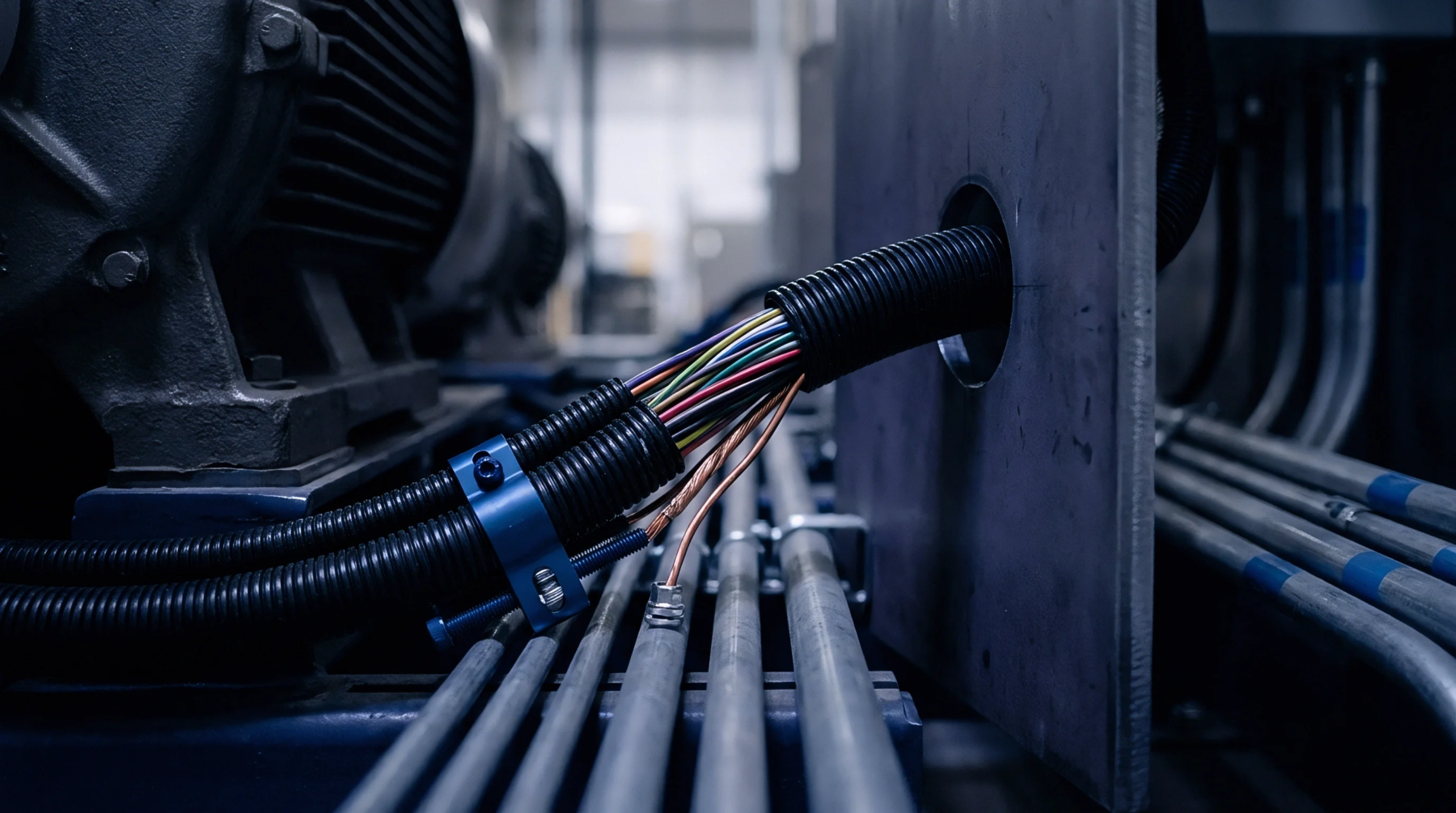
Controlled pump-down rates between 15 and 30 mbar/s suppress volatile splatter while reducing power termination voiding below IPC Class 3 defect thresholds.
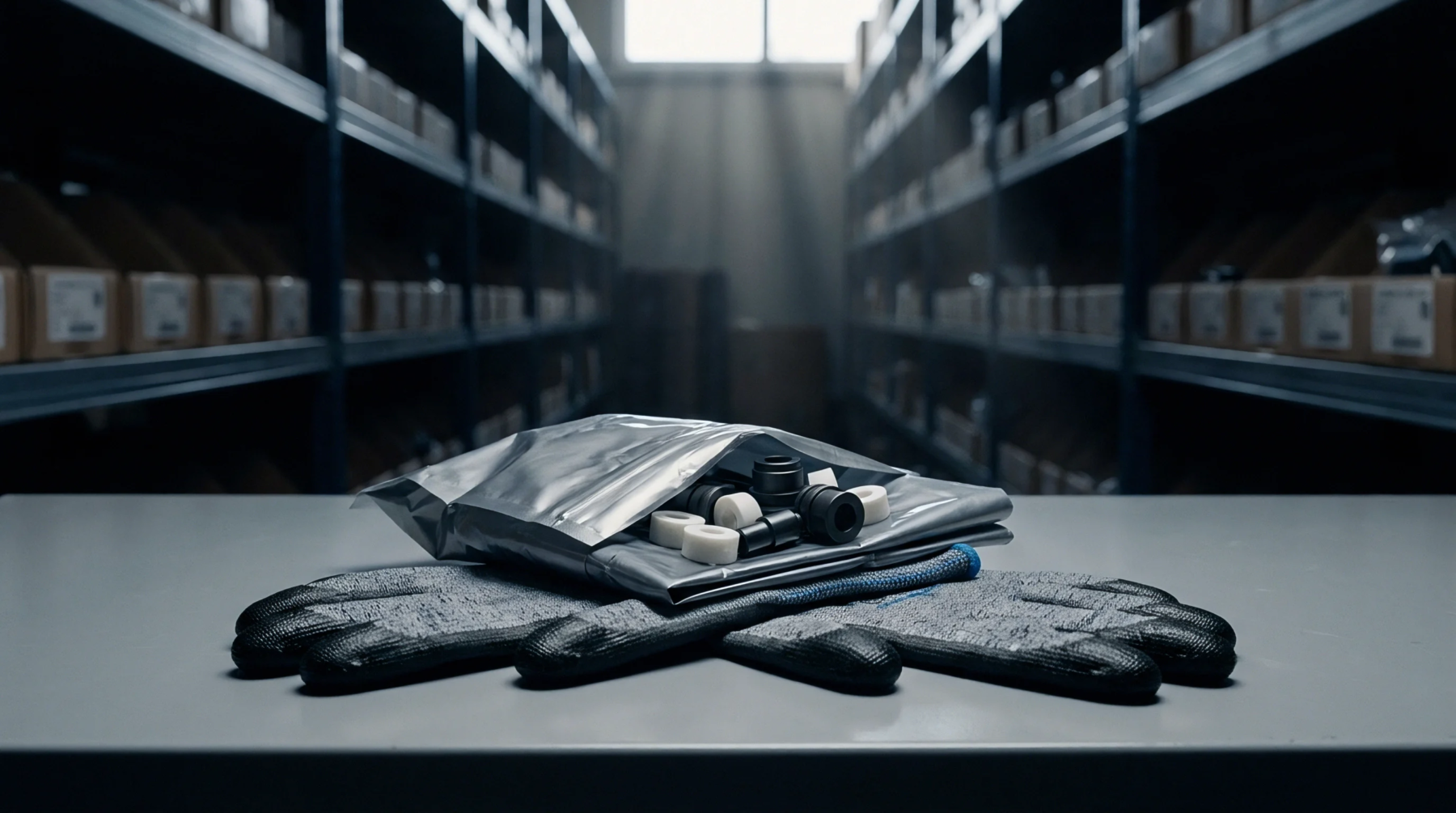
Chemical desmear for semi-additive packaging balances sub-180 nm surface roughness with via cleaning to prevent high-frequency loss and flash-etch undercut.
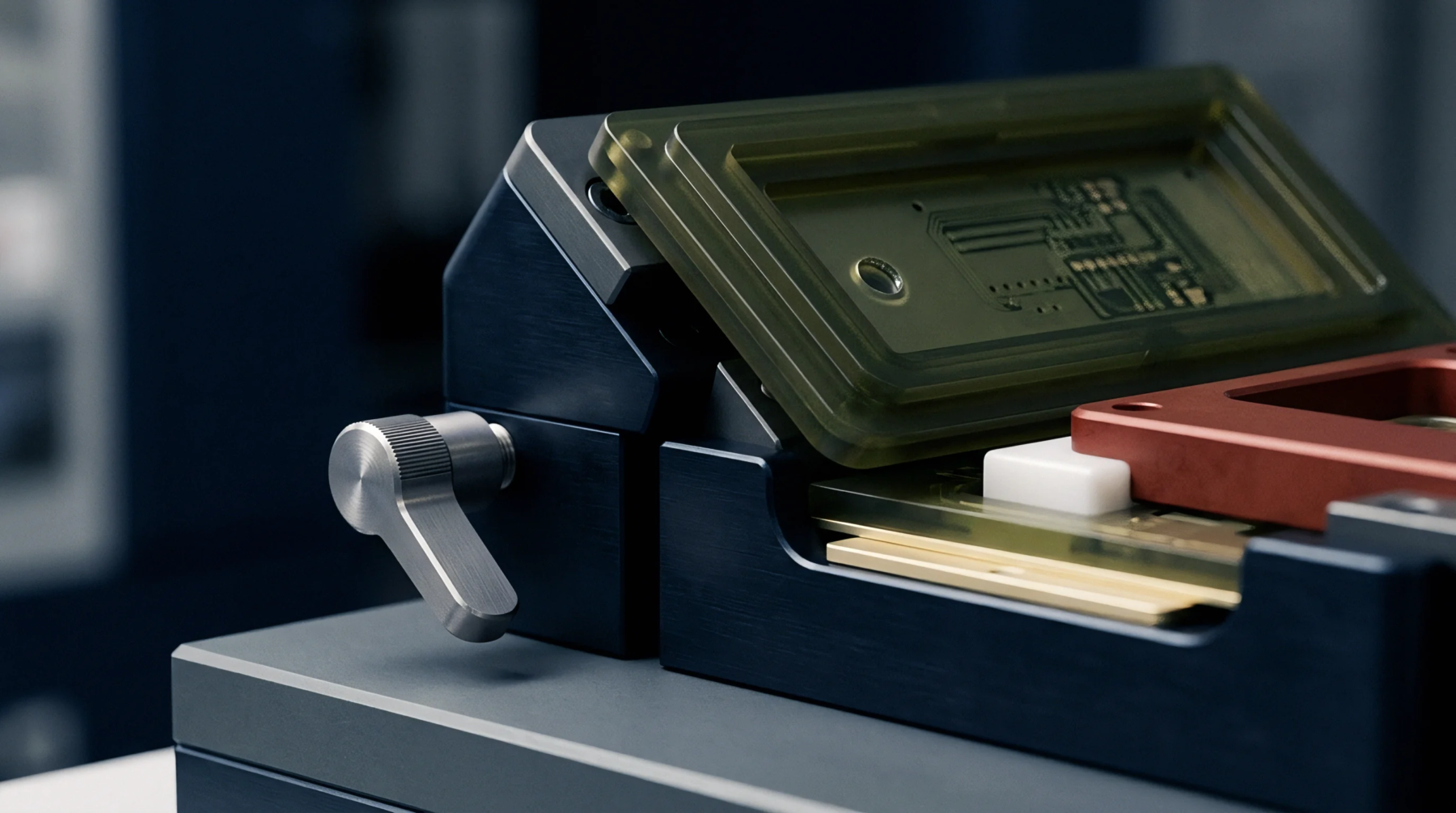
Modified counting sequence vectors compress boundary scan runs to logarithmic depth, isolating micro-bridges and cracked solder joints before field exposure.

Vacuum reflow profiling requires aligning vacuum dwell fully inside liquidus while controlling depressurization rates to suppress voiding below five percent.
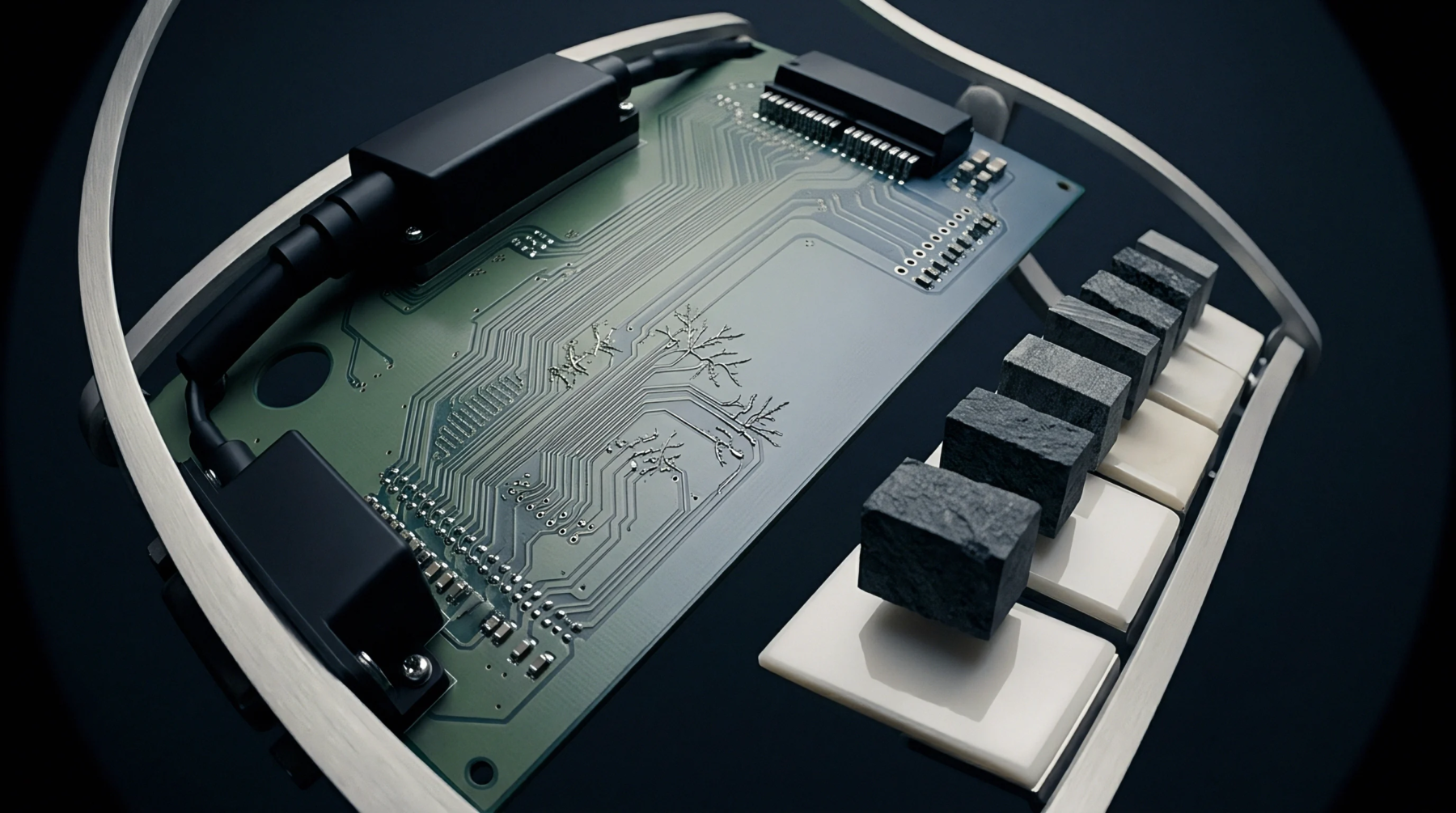
Nanoscale interface texturing eliminates target pad shear delamination in any-layer assemblies by swapping macro-mechanical teeth for molecular silane bonds.

IEEE 1149.6 AC boundary scan testing requires precise alignment between cell hysteresis thresholds and channel RC time constants to catch AC coupling defects.

Sub-core target pad fracture stems from Z-axis CTE mismatch during reflow, mitigated by low-CTE laminates, teardrop filleting, and 75-micrometre annular rings.
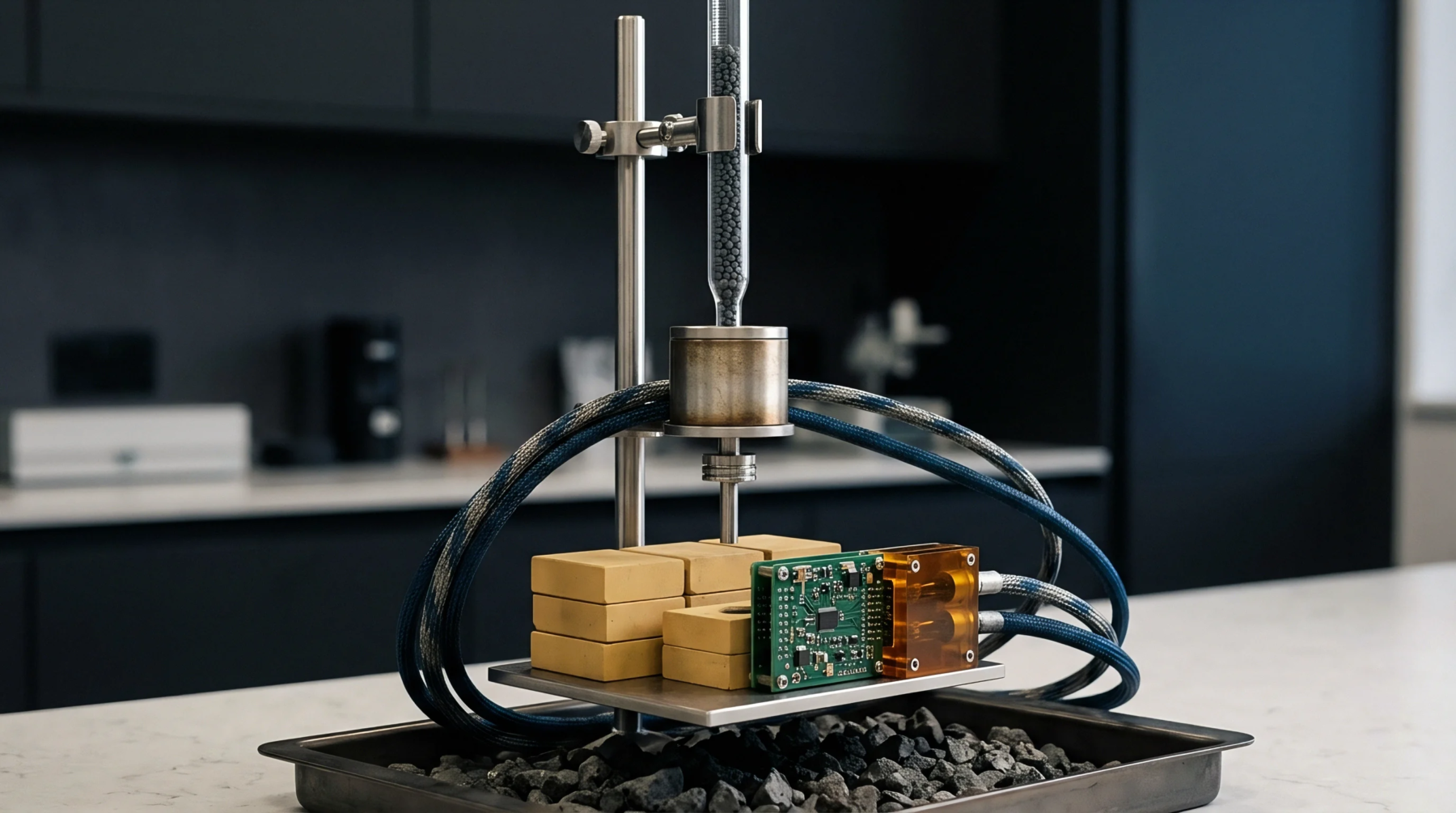
Sub-atmospheric reflow reduces BTC thermal pad voiding below five percent by expanding and extracting entrapped flux gases during the molten liquidus phase.
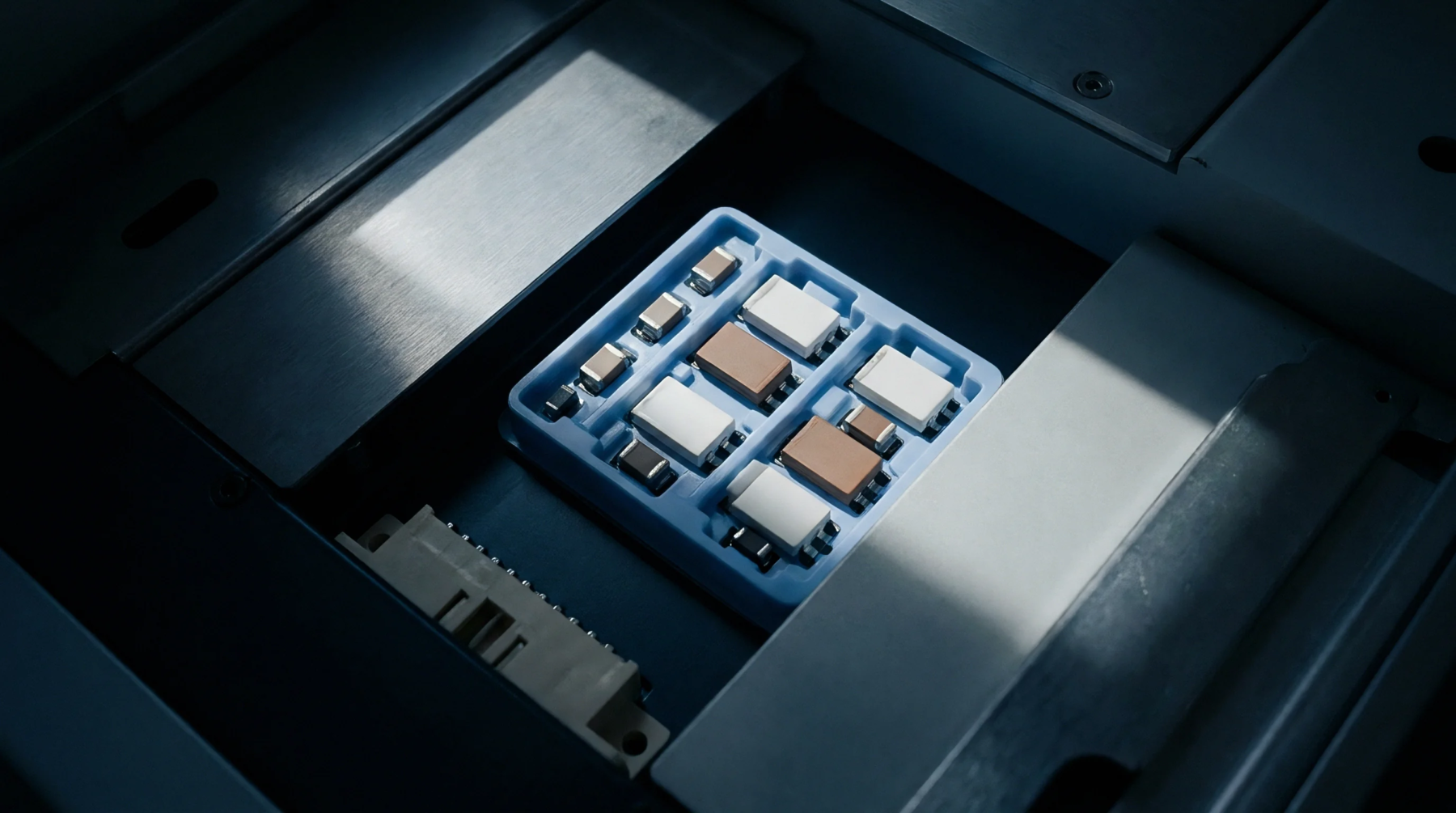
Target pad separation occurs when reflow heat drives z-axis dielectric expansion that shears weak electroless copper bonds at the microvia base.
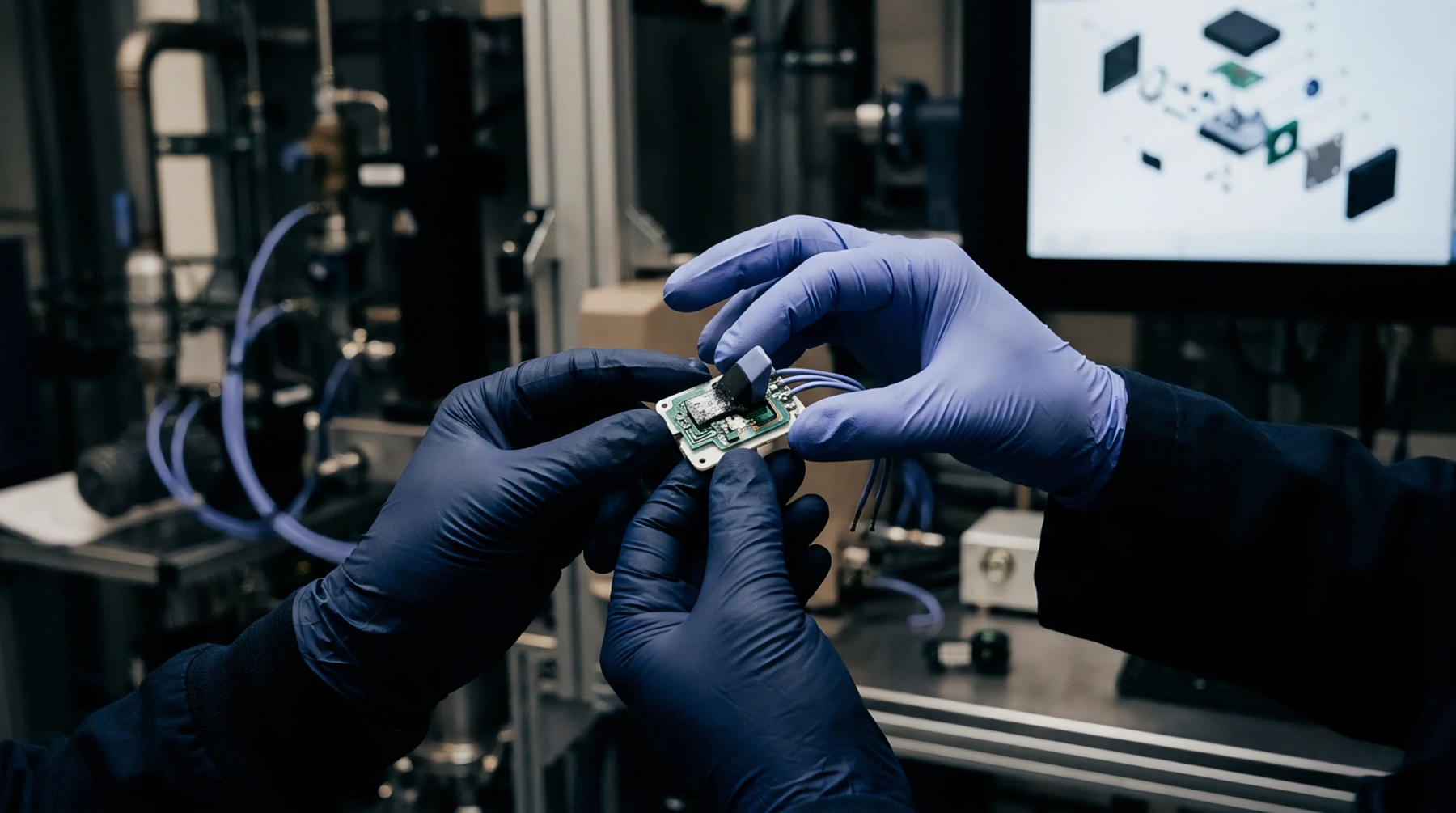
Nonlinear viscoelastic modeling prevents asymmetric ultrathin substrate warpage and via breakout by predicting cure-dependent shear strains during consolidation.
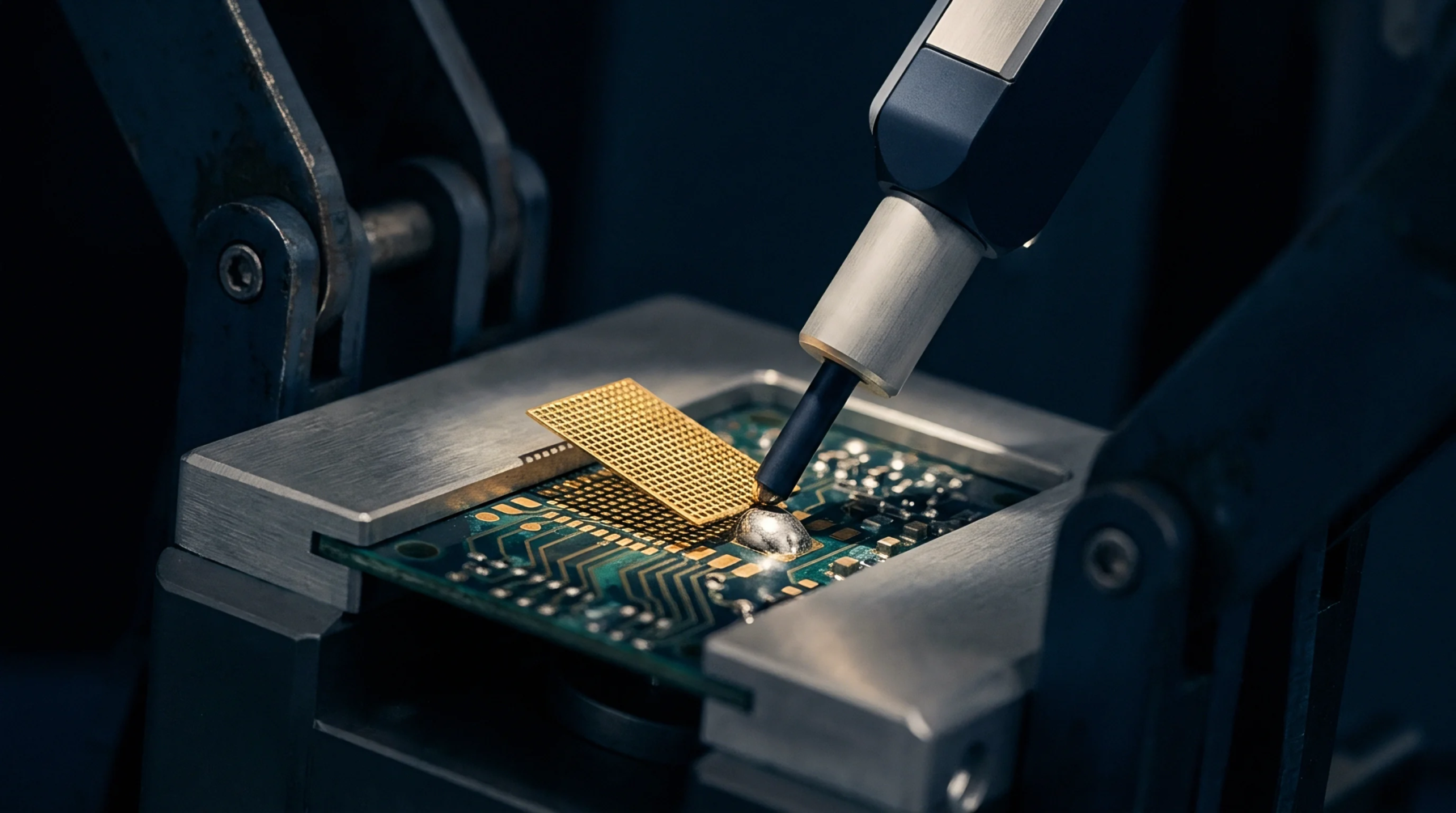
Sub-0.50 area ratio printing requires non-Gaussian statistical process control limits, Type 5 paste, and nano-coated stencils to prevent severe volume starvation.
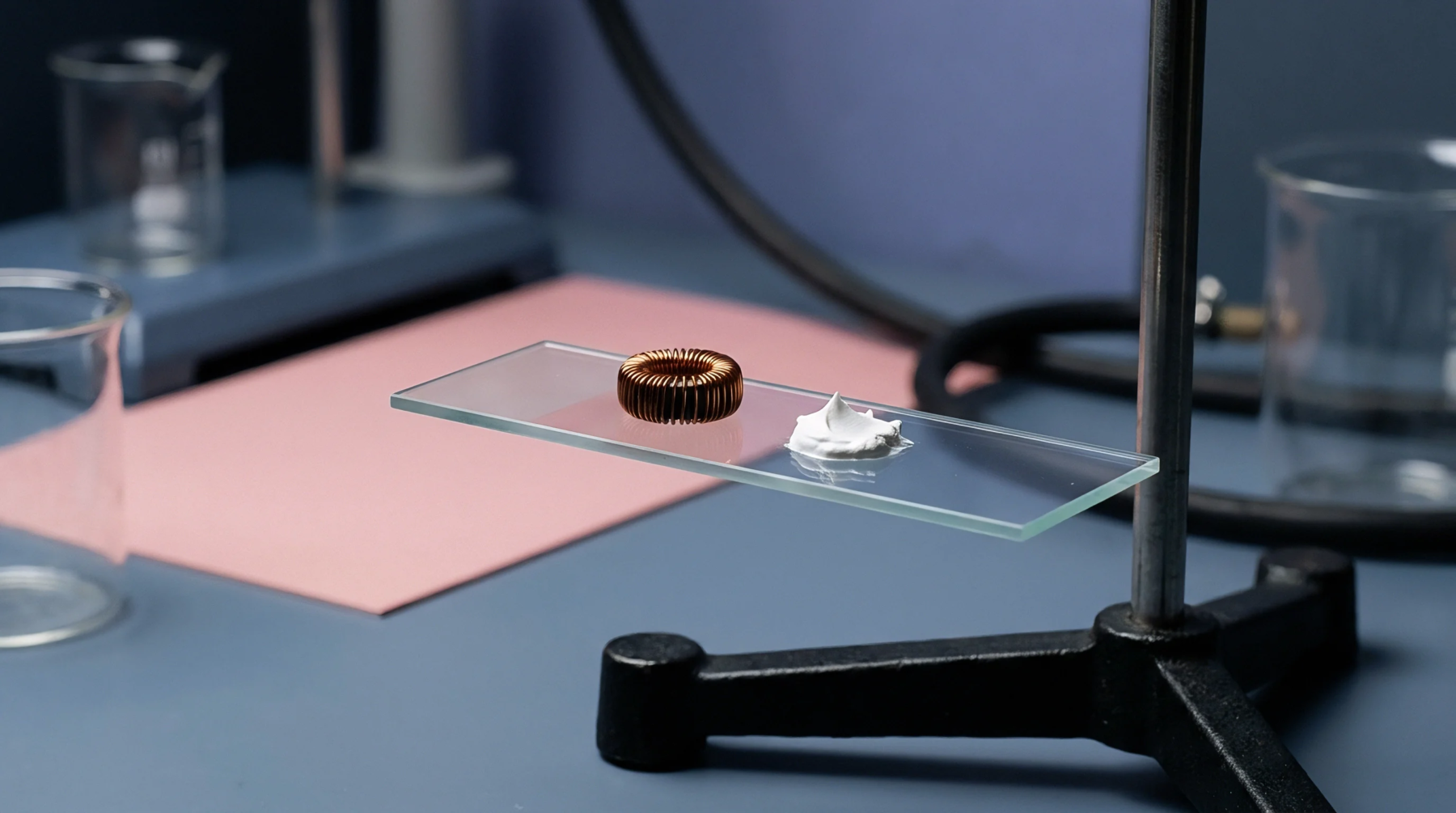
Controlling resin flow and dielectric thickness in high density interconnects requires balancing prepreg rheology against press profile parameters.
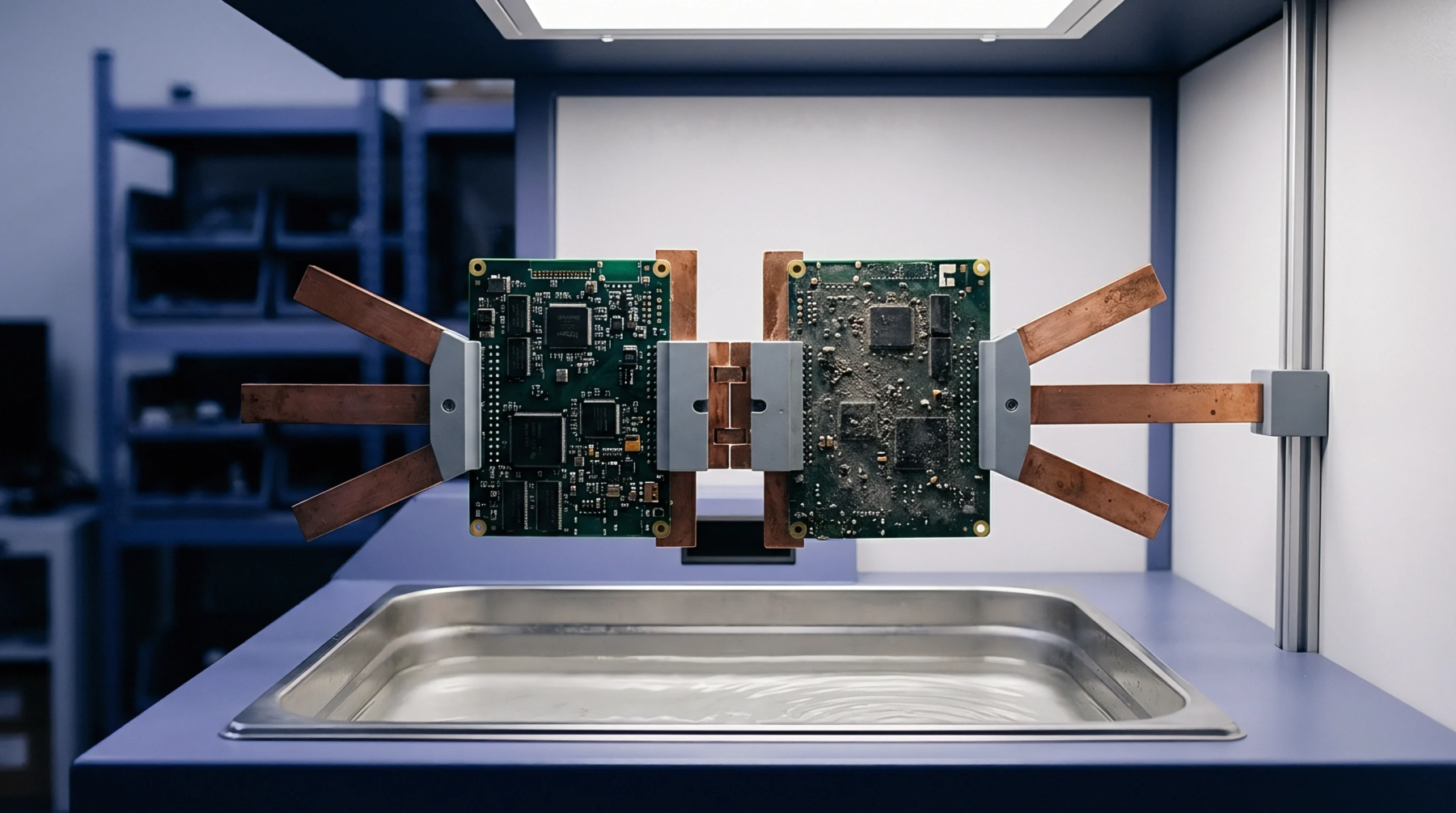
Validate BSDL syntax and IEEE 1149.1 cell semantics prior to ATPG to prevent shift register misalignments, driver contention, and false defect calls.
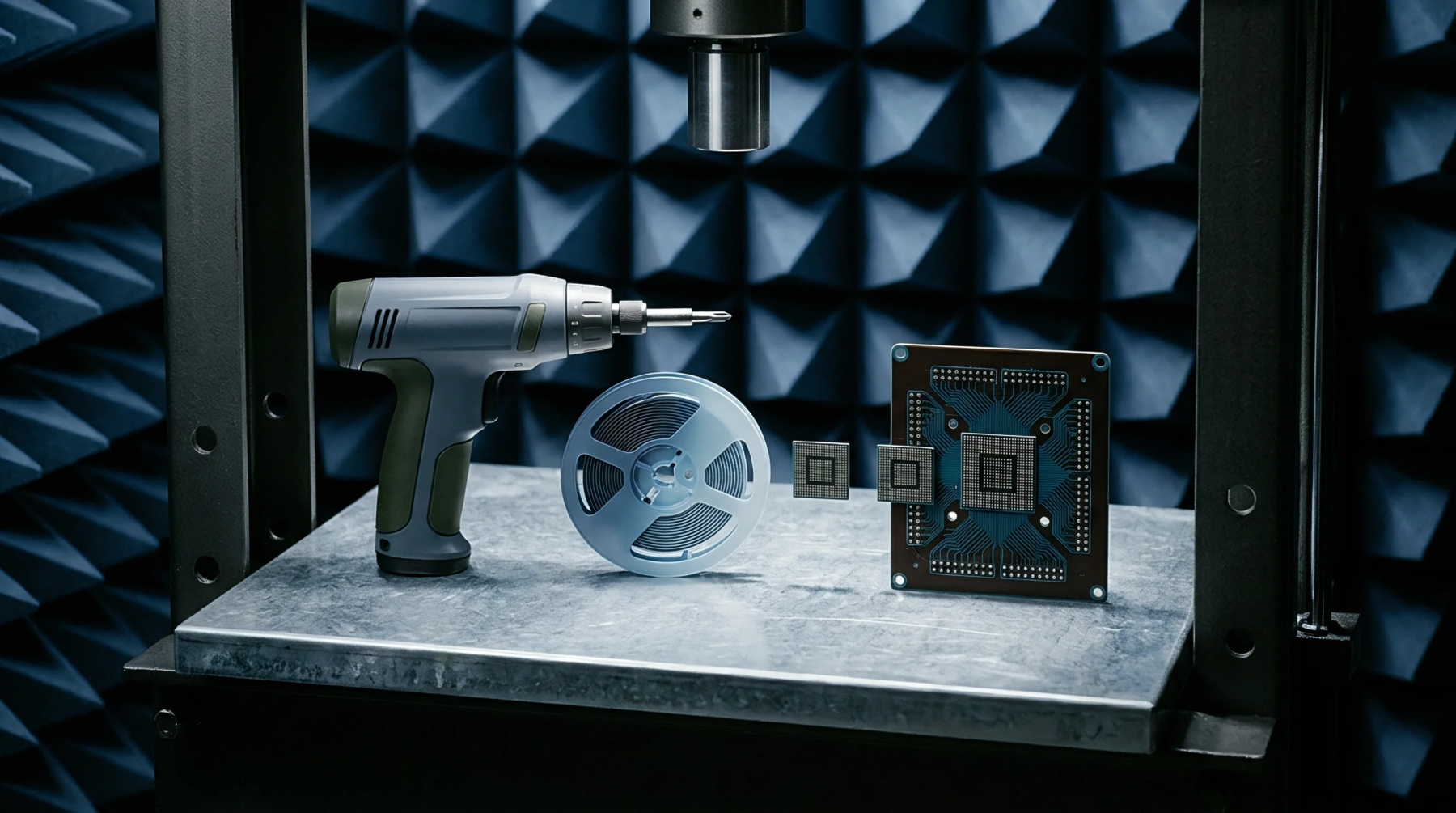
Vacuum press profiles for thin cores require 15-30 mbar chamber evacuation before a two-stage hydraulic force ramp locks dielectric separation without core shift.
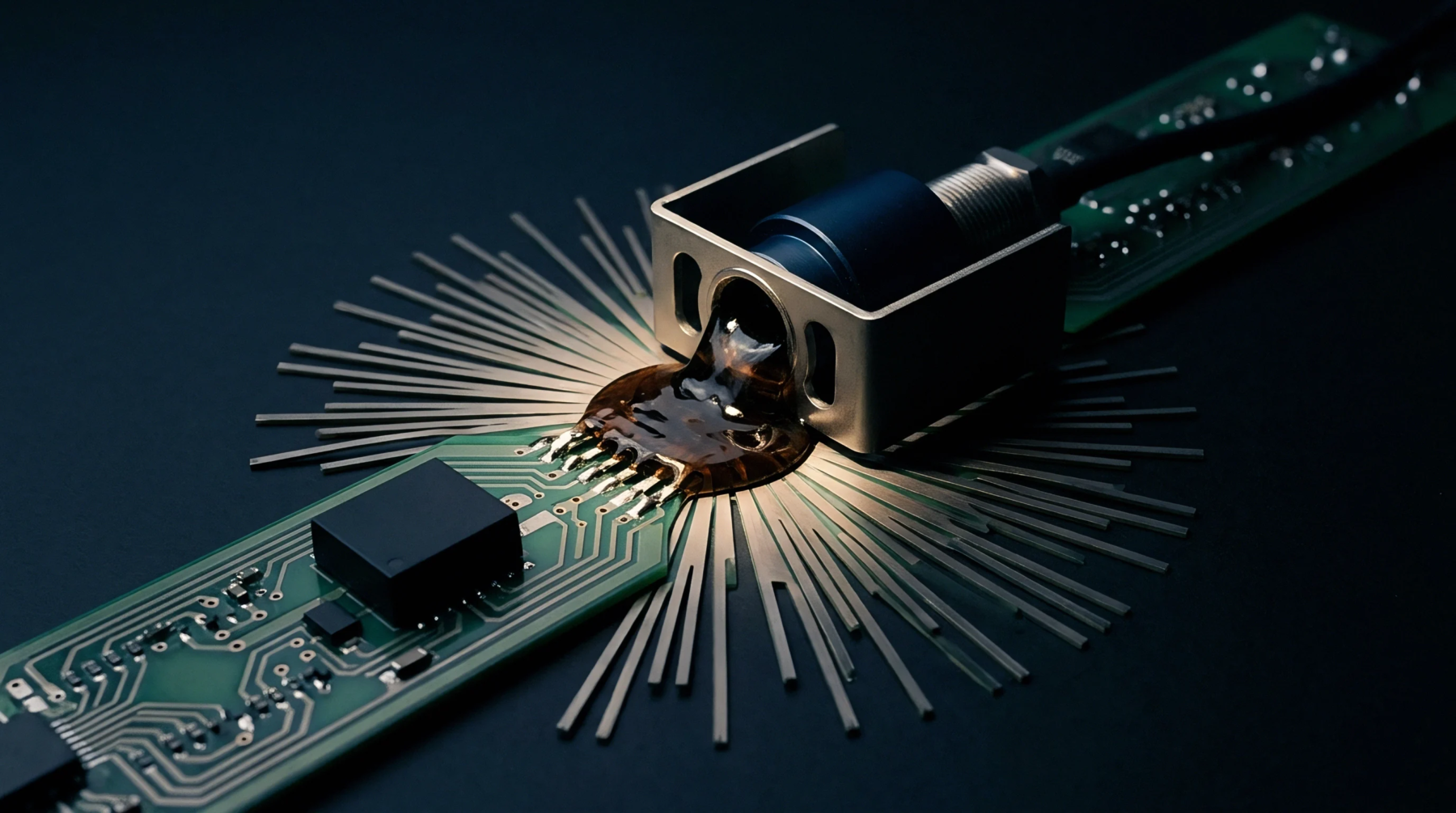
Boundary scan testing uses a five-pin TAP interface and 16-state controller to verify PCB trace integrity and detect assembly faults without physical probe access.
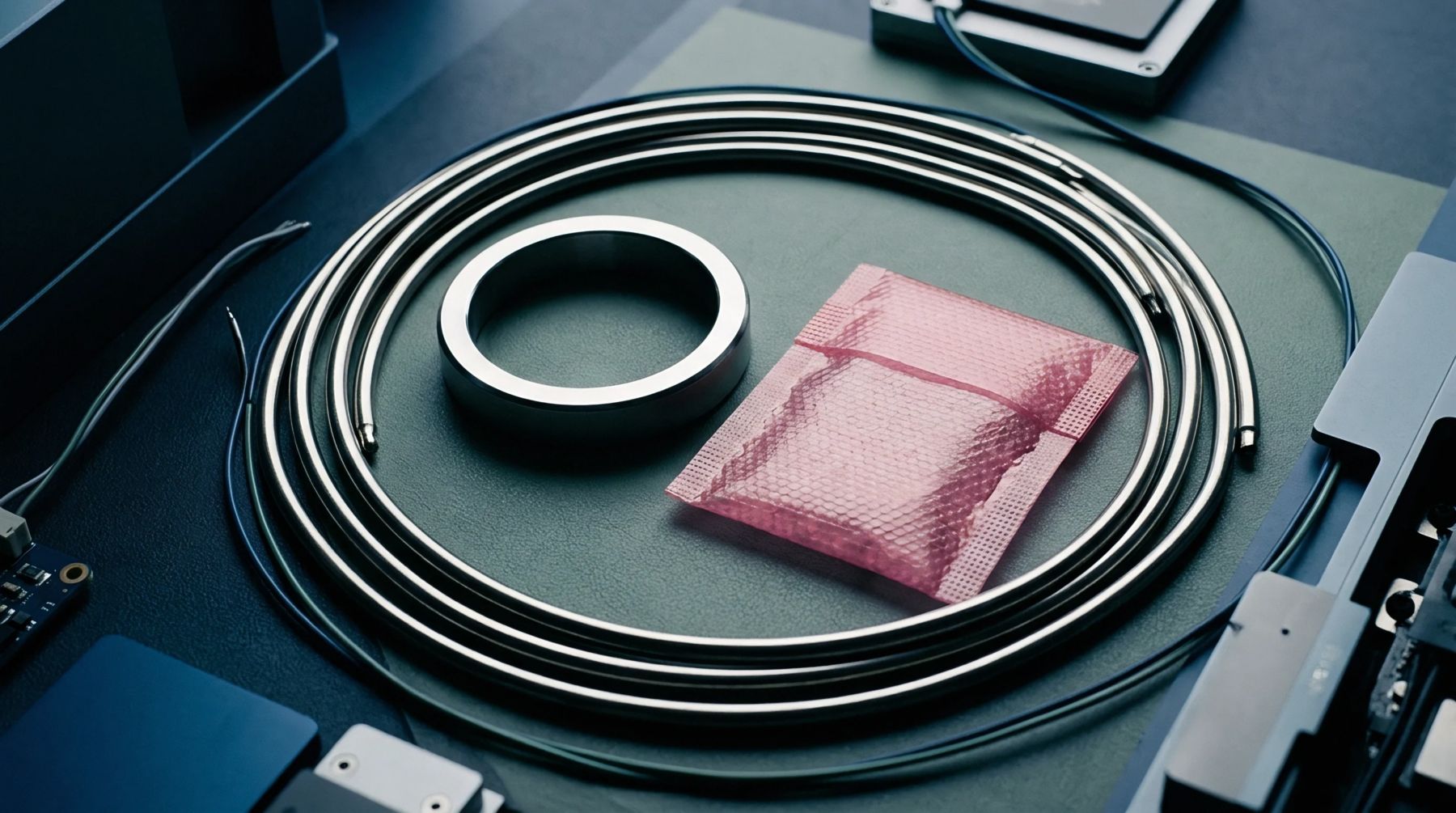
Deconvolving packaging core dispersion under humidity stress requires separating copper roughness from causal bound-water relaxation across anisotropic weave axes.
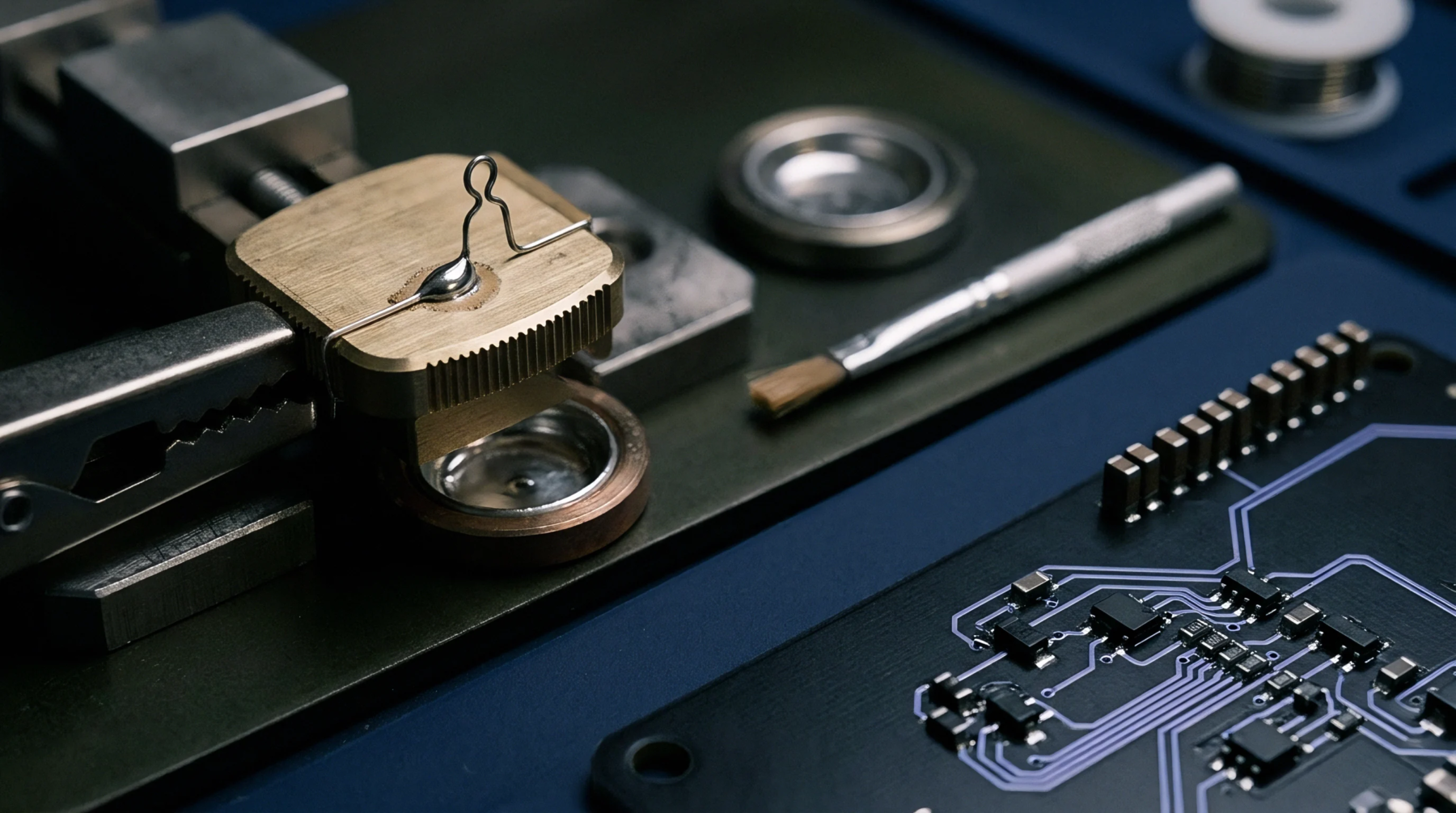
Nano coatings increase fine pitch transfer efficiency above critical area ratios, but mechanical wipe abrasion truncates release gains below sixty percent nominal volume.
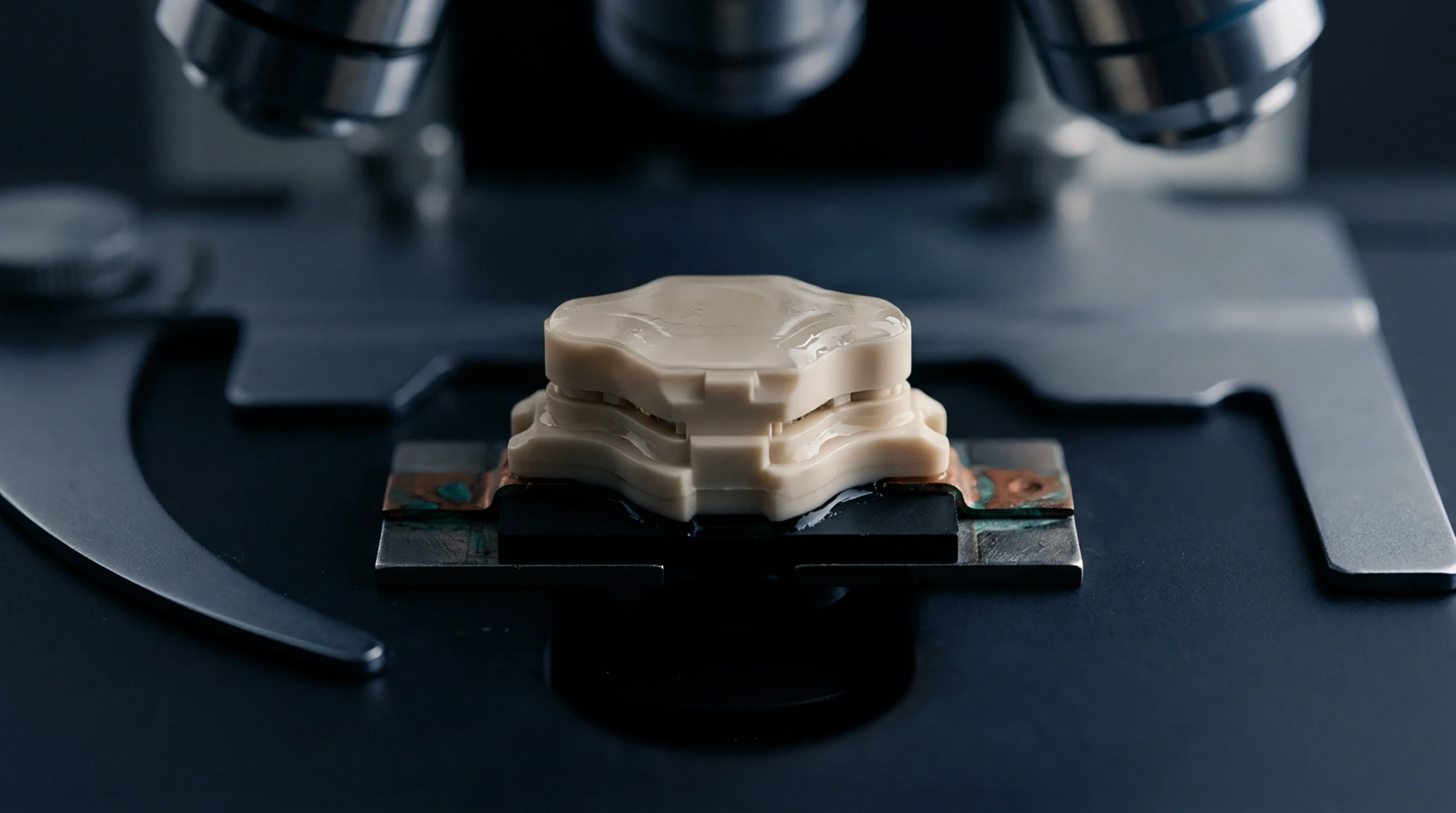
Phase-separated ground layers limit transient extraction through local dielectric polarization saturation and microvia current crowding under high di/dt loads.

Sub-fifty-micrometre dielectric metrology requires edge fringing subtraction and Huray surface topography modeling to prevent massive impedance scrap.
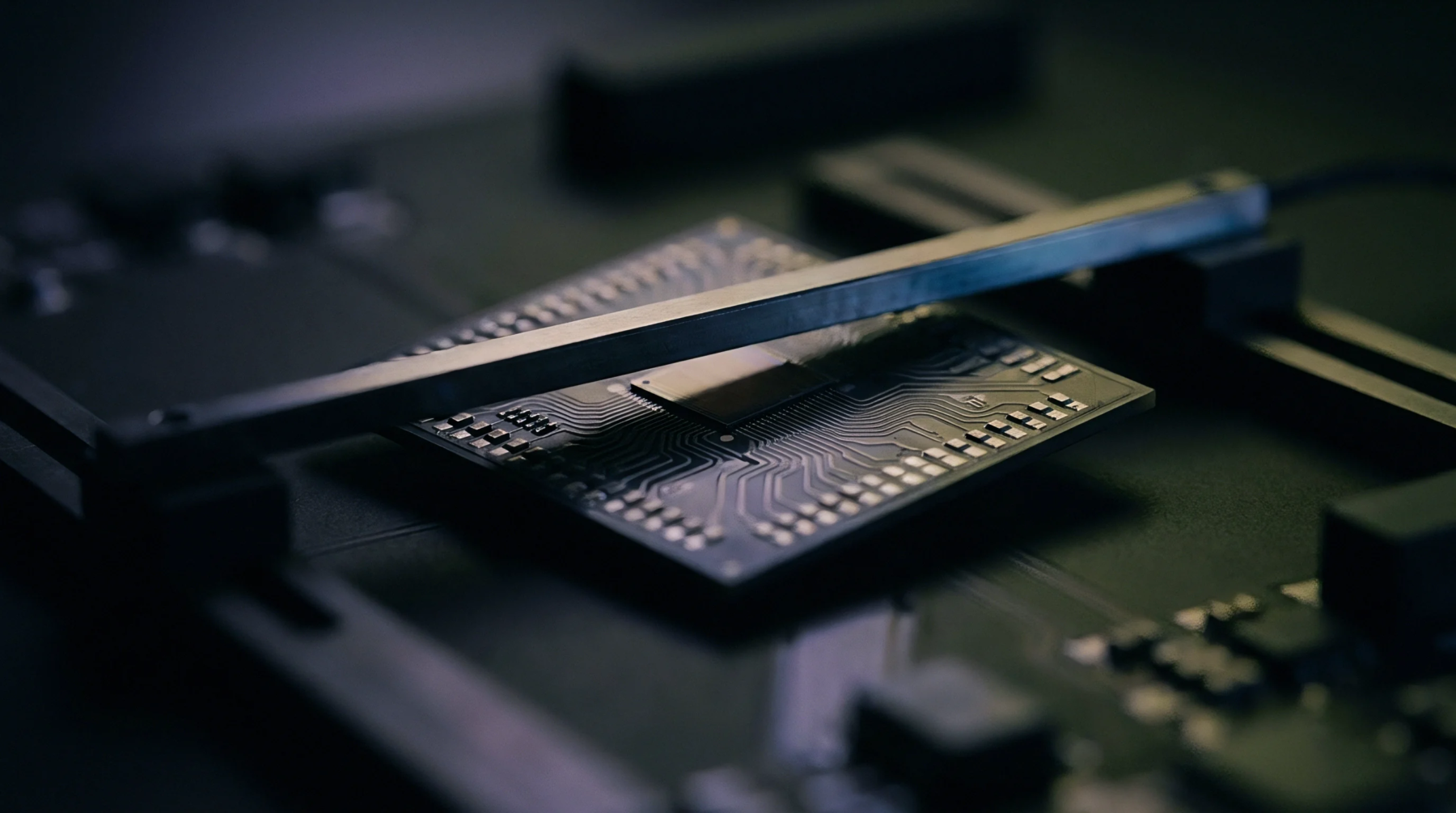
Sub-Hertz phase angle extraction isolates interfacial charge entrapment and latent ionic leakage in multilayer insulation, failing defective lots before assembly.
Expertise is a utility, not a secret. sentiention™ publishes its working knowledge as open reference: intelligence layer covering the materials it sources, the markets it enters, and the reference that serves both.