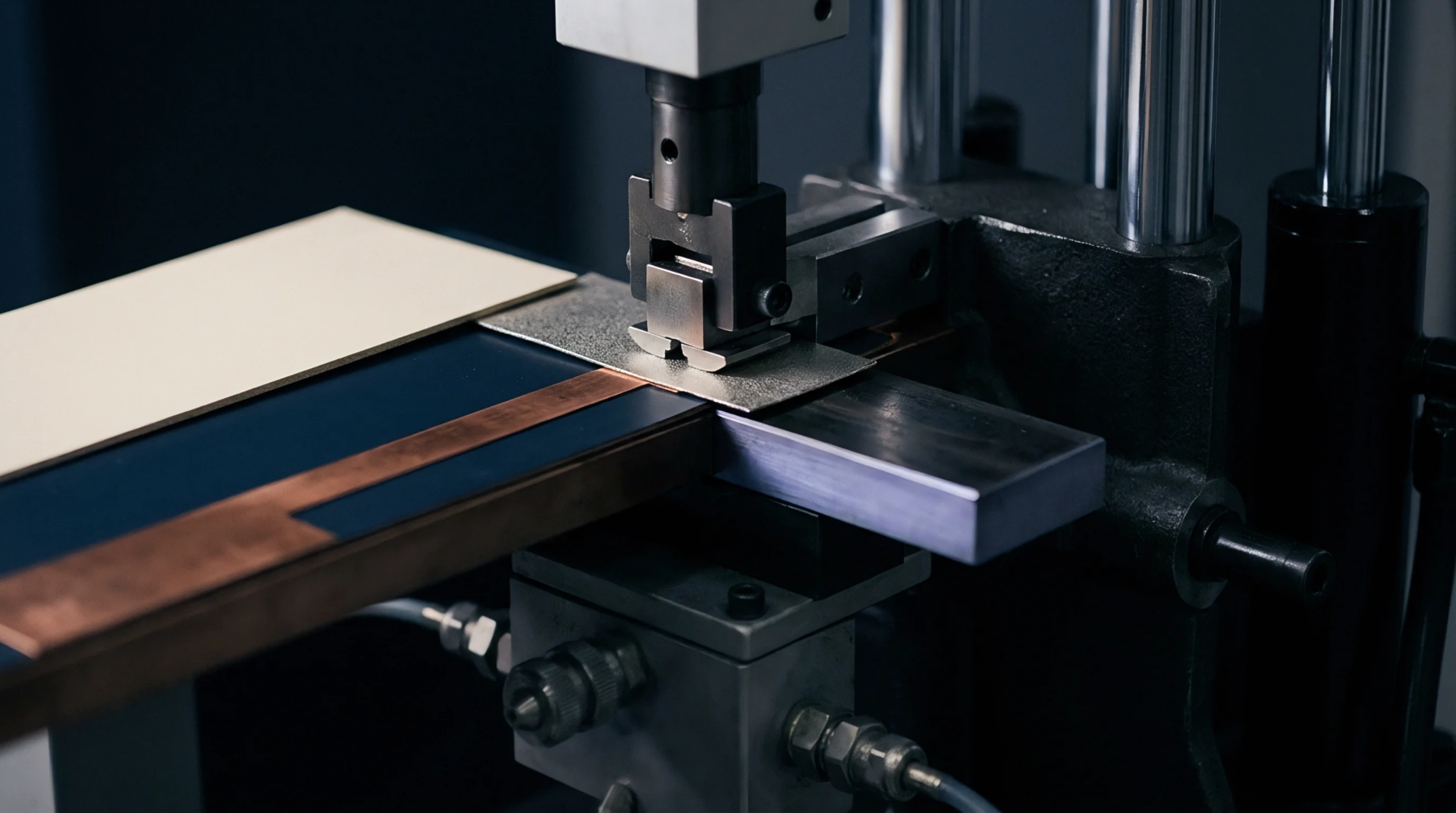
Standardizing Glass Fabric Specifications for High Speed Printed Boards
Standardizing spread Low-Dk glass fabrics eliminates phase skew and stabilizes trace impedance across high-speed printed circuit board panels.

Standardizing spread Low-Dk glass fabrics eliminates phase skew and stabilizes trace impedance across high-speed printed circuit board panels.
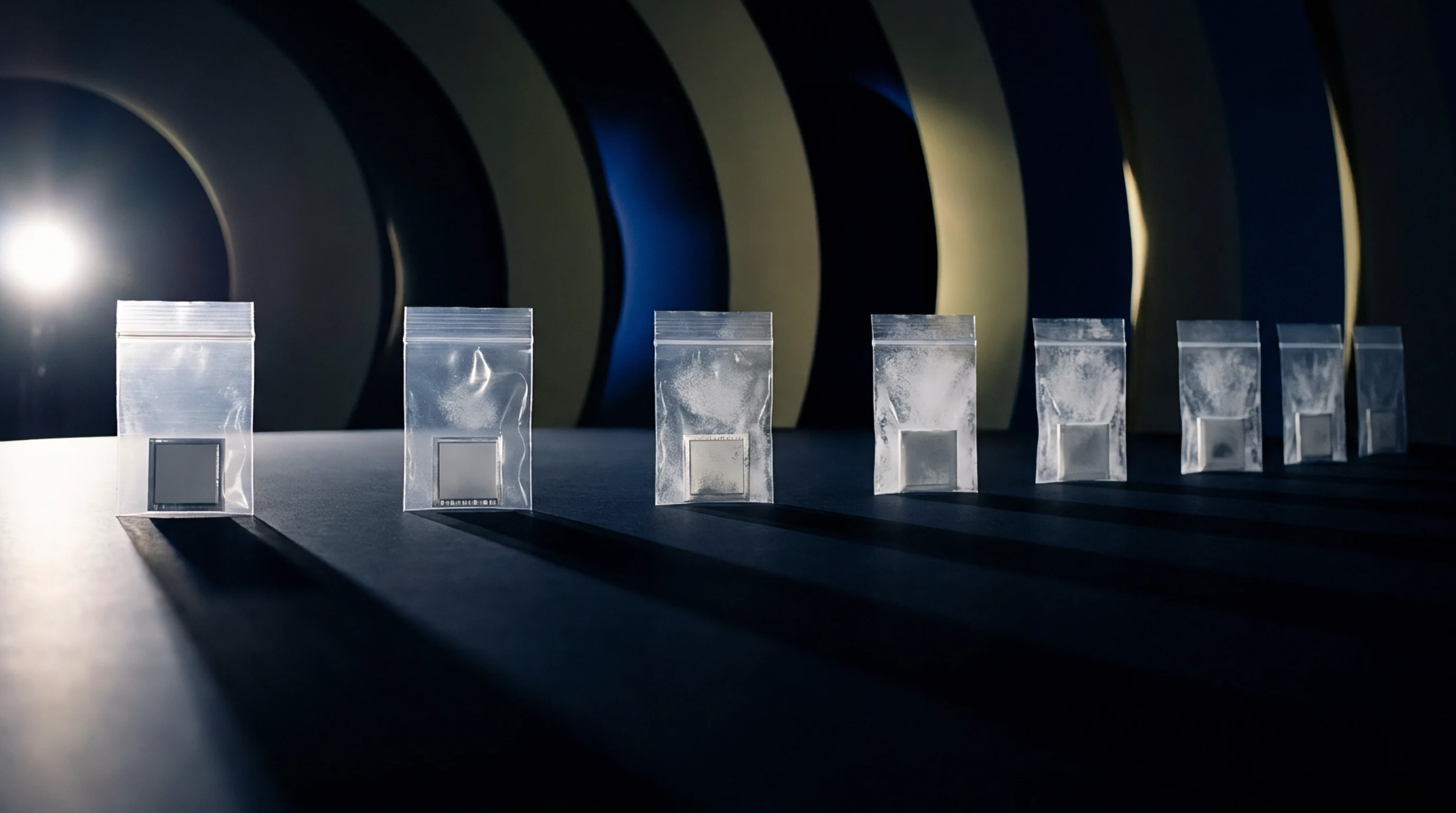
Correlating micro-ohmic resistance drift in thermal stress coupons with microsection defect rates isolates latent inner layer post separation before assembly.
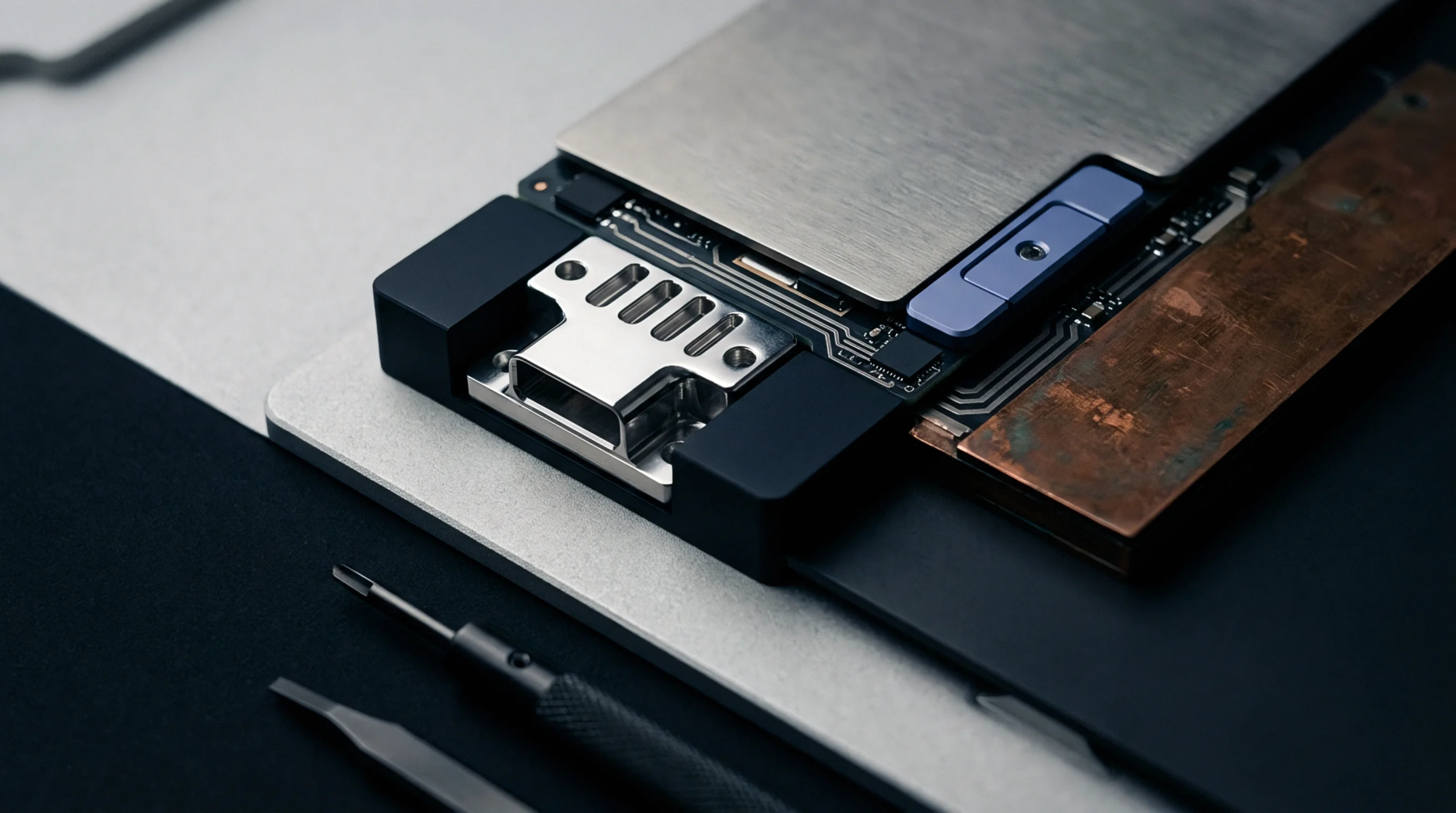
Quantifying boundary layer collapse around high mass PCB features prevents thermal shadow defects through profile adjustments and targeted gas flow management.
Resin squeeze-out shear distorts dielectric tensor components and drives microvia misregistration in multi-pass buildup substrates.

Selecting selective soldering tooling shields requires matching composite thermal resistivity against component clearance gaps to guarantee zero thermal damage.
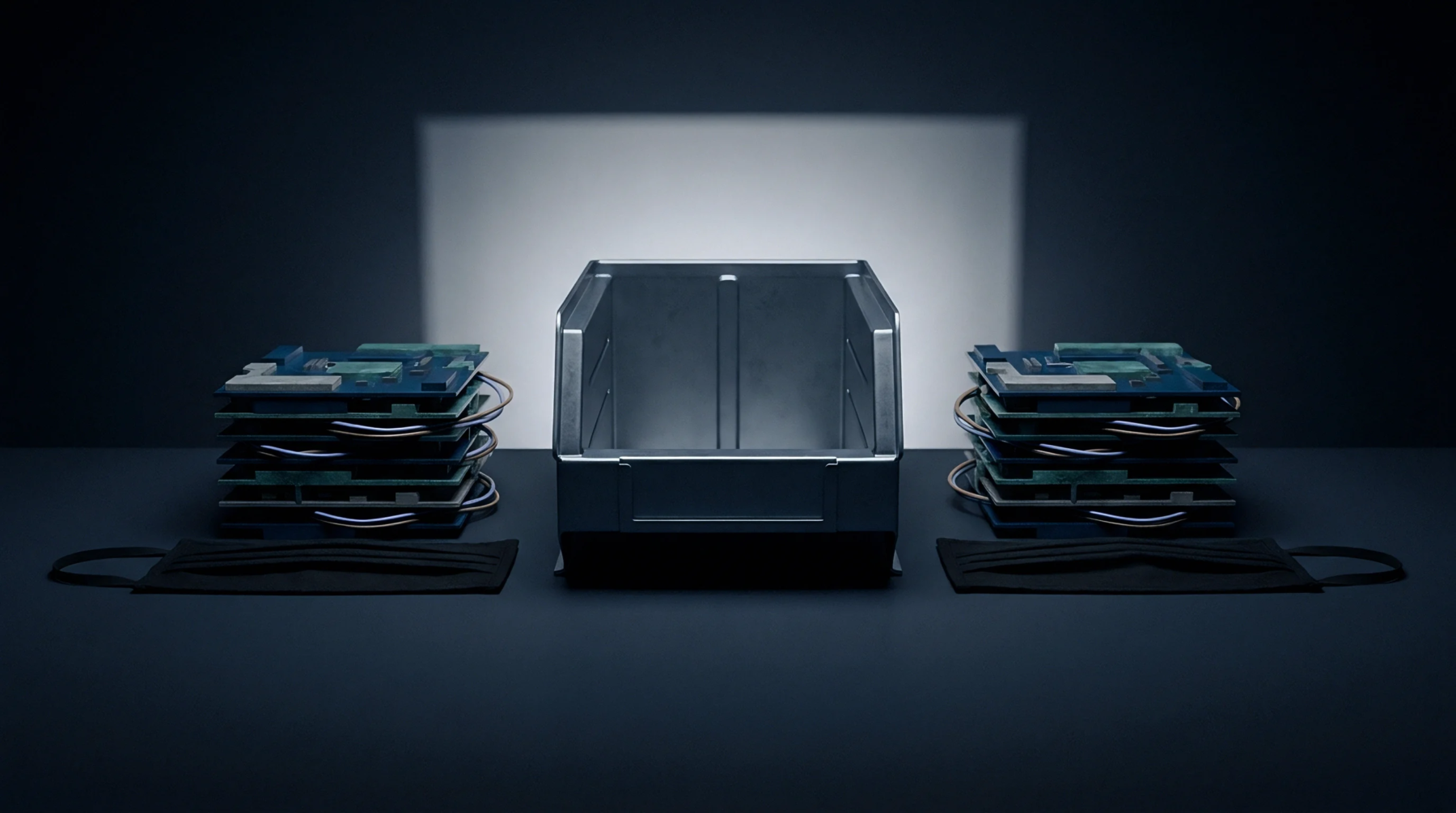
Combining IEEE 1149.1 boundary scan with targeted flying probe access closes logic cluster fault gaps while protecting net integrity and lowering unit test time.
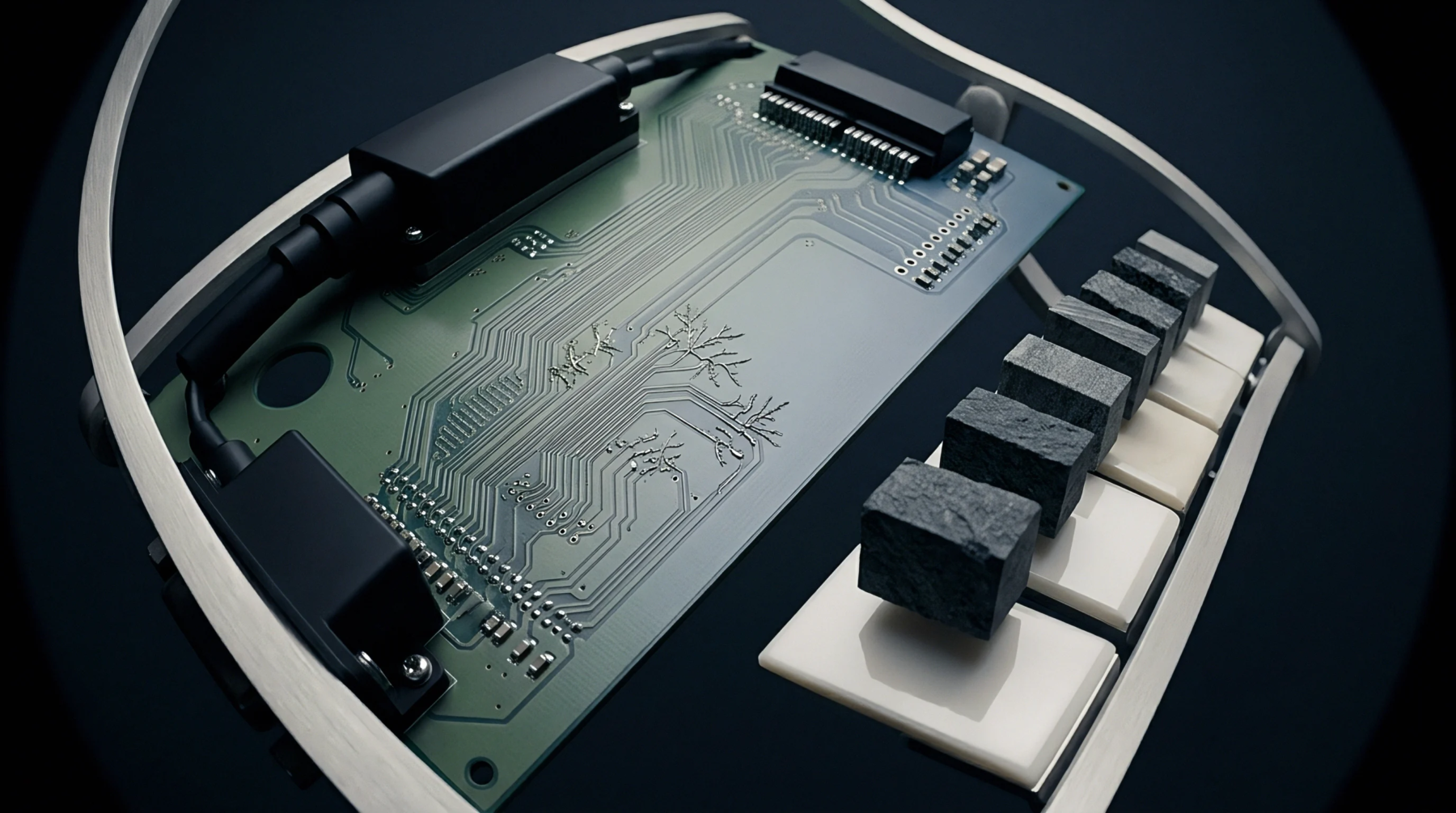
Controlled impedance across rigid flex transitions requires matching dielectric constants, tapering trace widths, and maintaining continuous ground planes.

Matching differential signal trace routing to glass bundle pitch and specifying spread-glass laminates eliminates microvia phase distortion in high-density interconnect stackups.

Optimize solder paste print volume and yield by maintaining area ratios above 0.66, controlling squeegee force, and verifying viscosity stability.
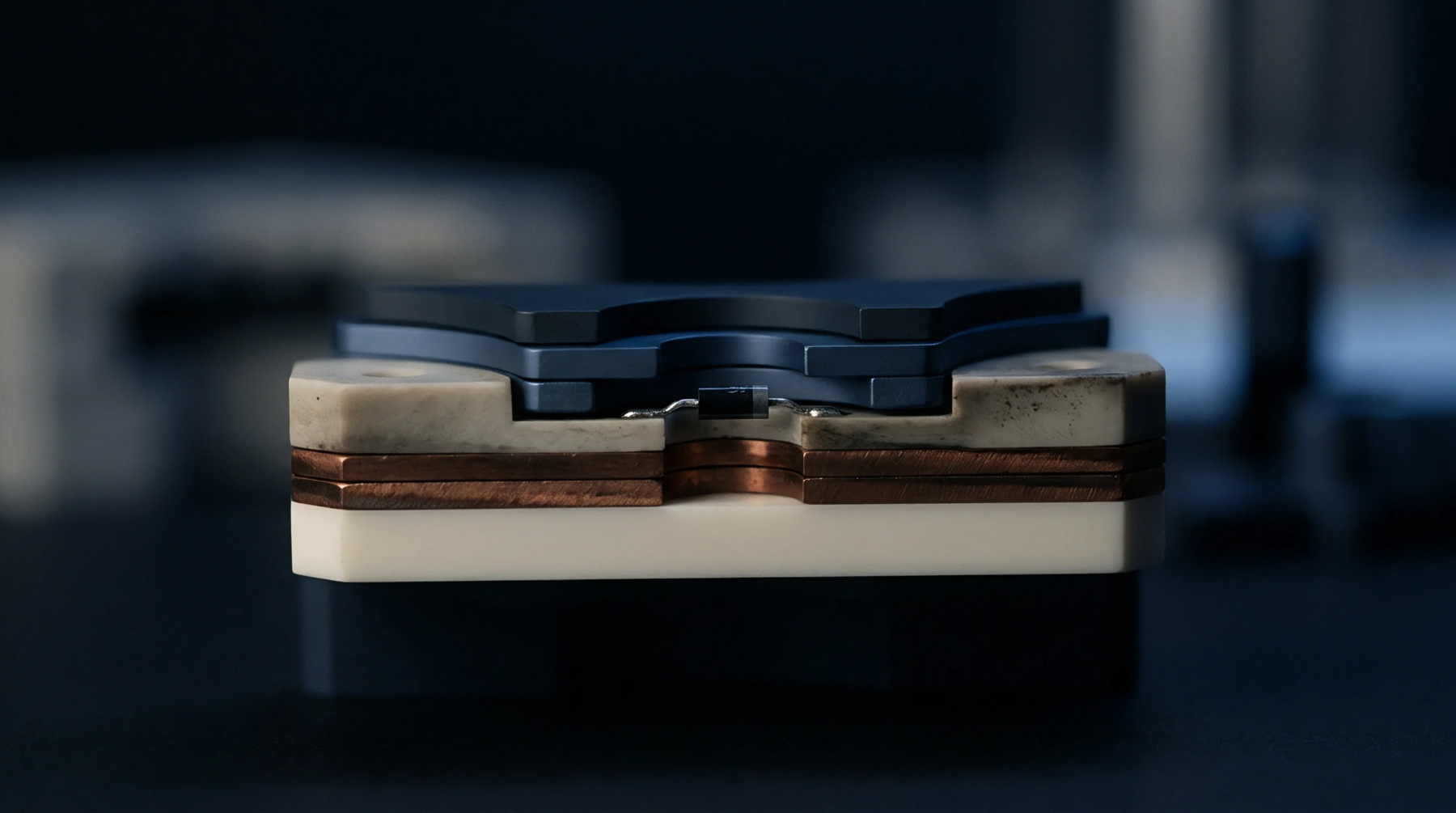
First pass yield gaps in high-density assemblies stem from optical test blind spots, microvia structural fatigue, and restricted physical probe access.
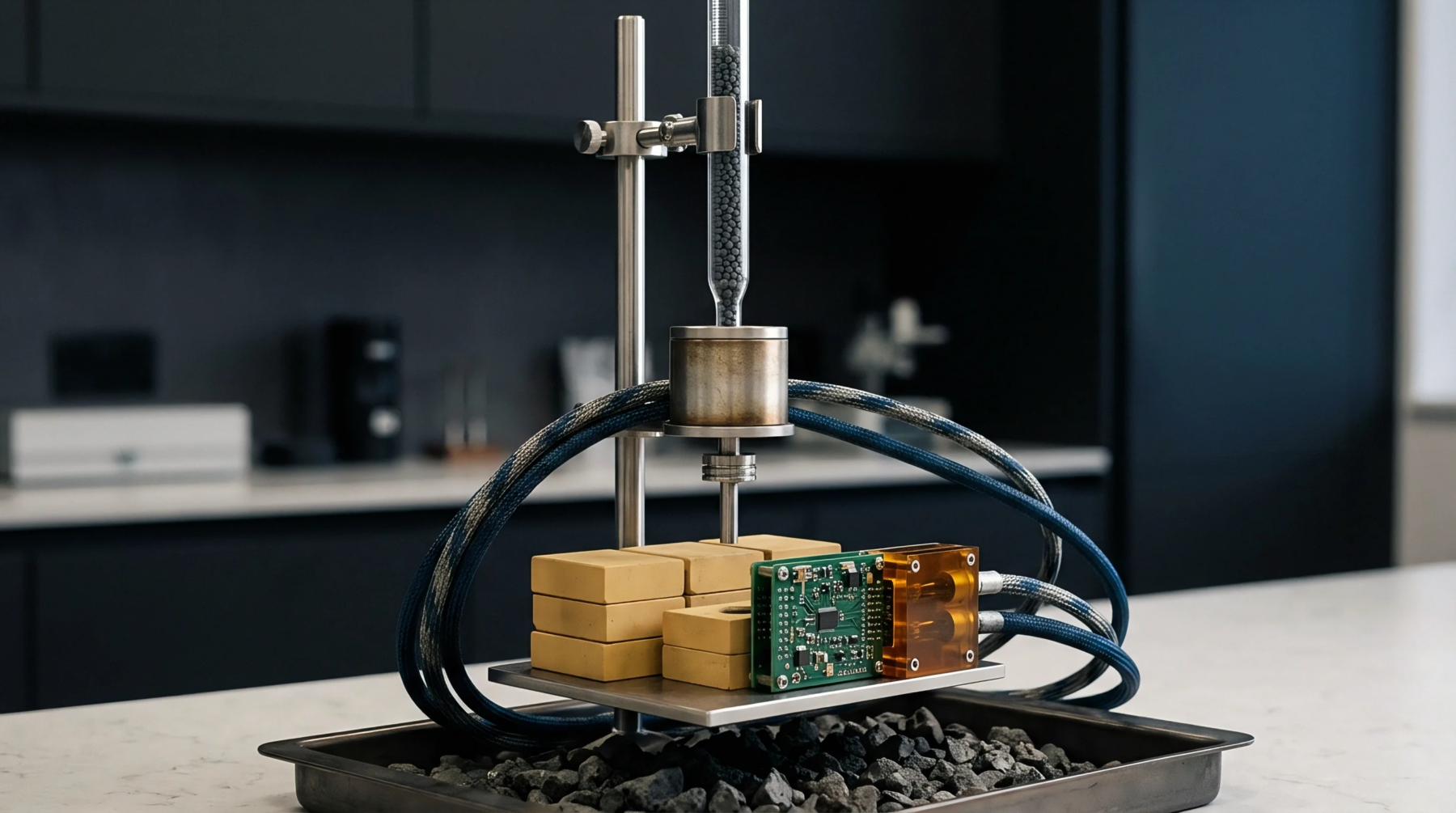
Unambiguous contract allocation caps assembly liability at process fees while tying thermal damage claims to independent coupon microsectioning evidence.
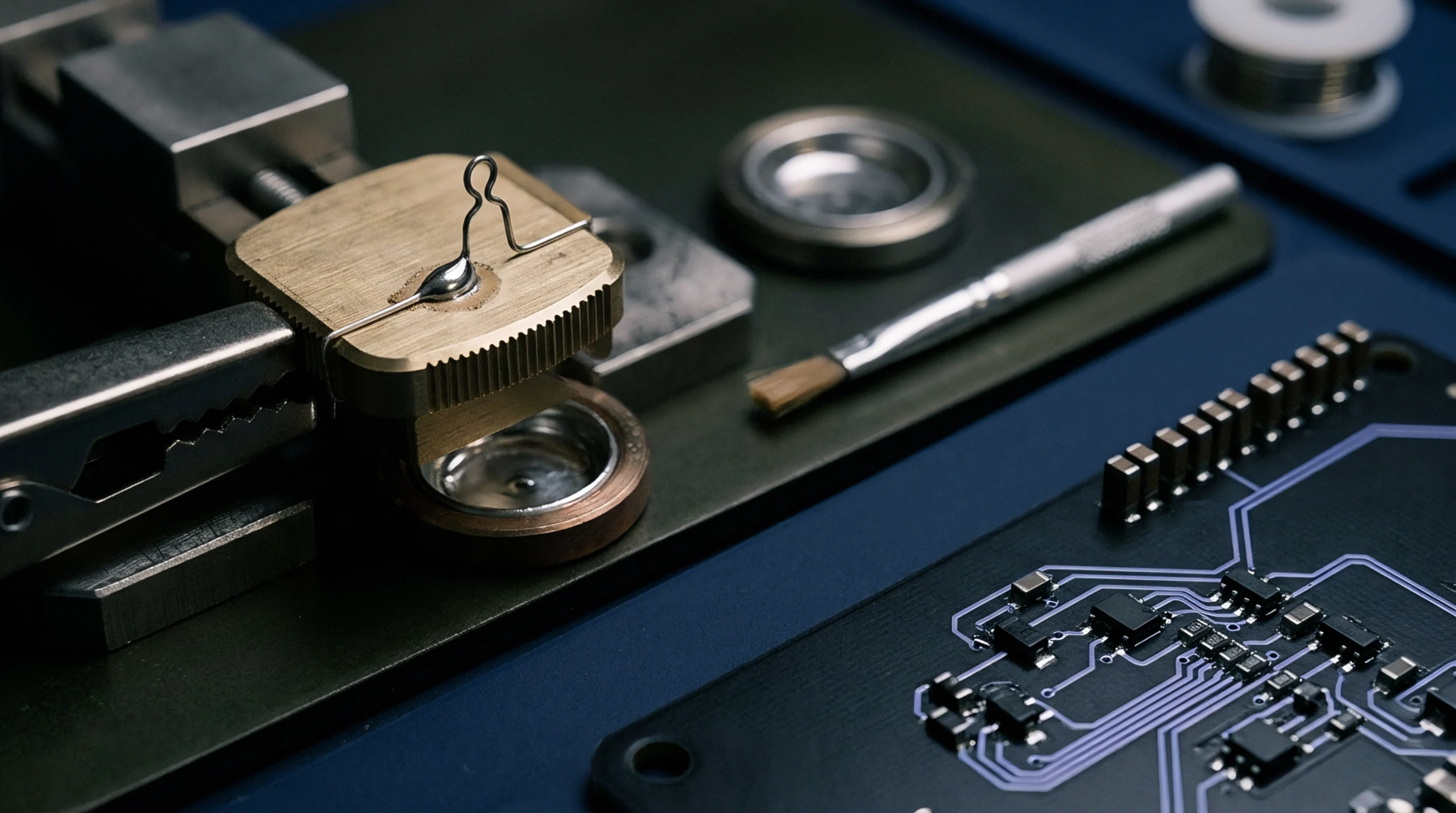
Non-destructive quasi-optical characterization captures true millimeter-wave permittivity tensors, preventing costly phase velocity errors before lamination.
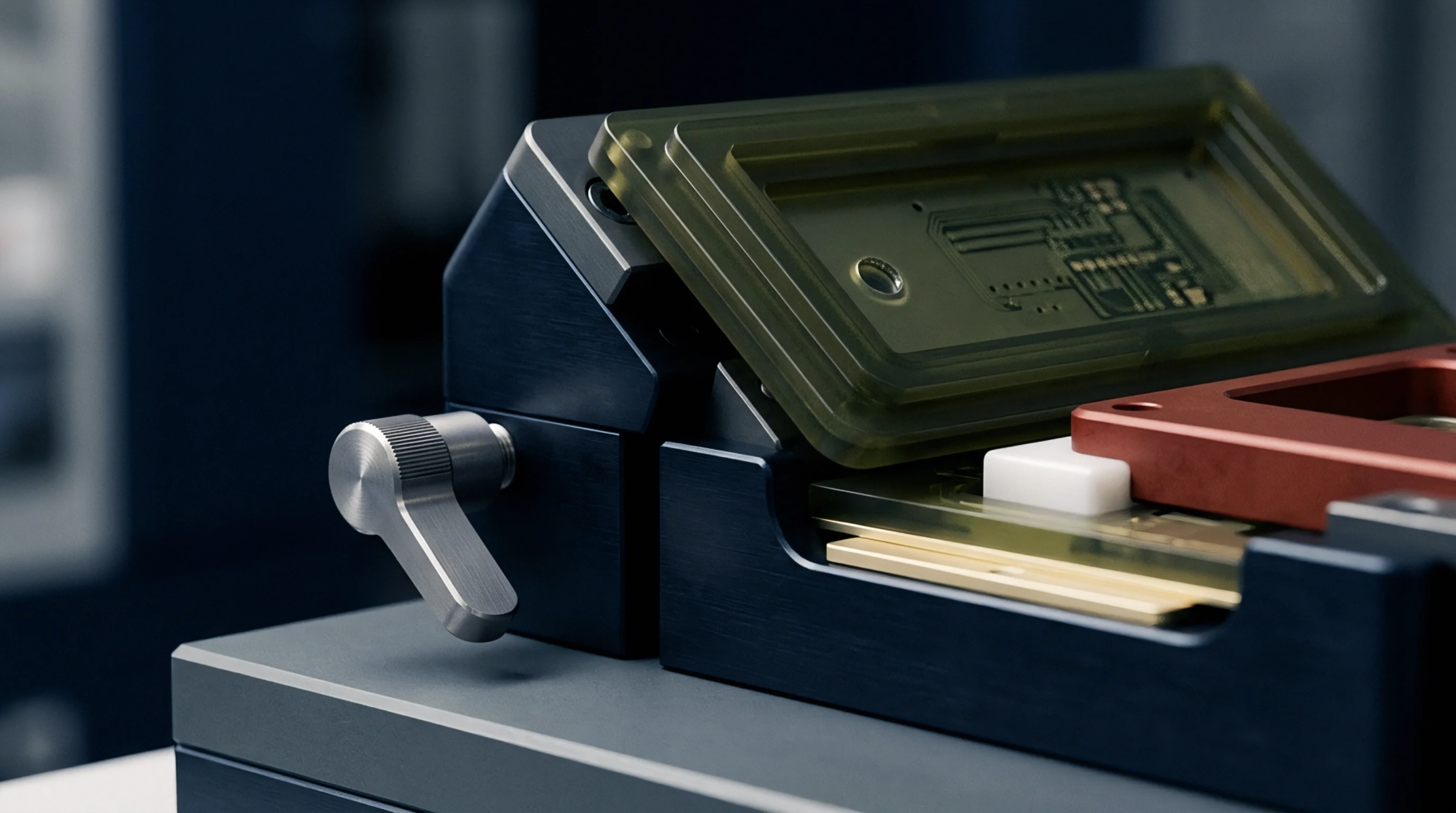
Maximizing nodal access balances minimum test pad diameters against fixture pointing tolerances and mechanical strain limits to prevent board damage.
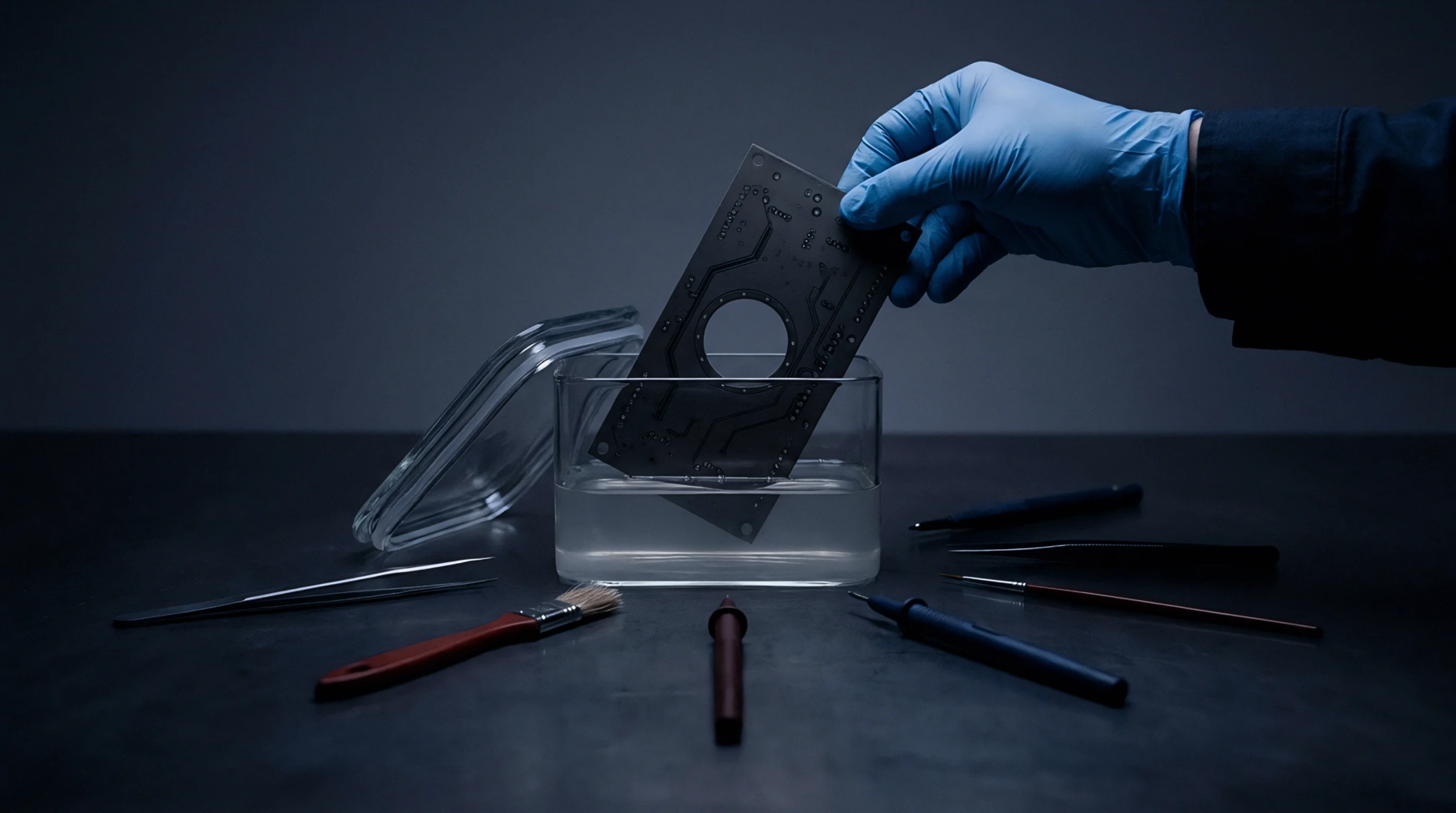
Viscoelastic boundary slip and capillary pressure dictate microvia filling and trace stability during high-density circuit board lamination.
Non-Newtonian resin flow inside thin prepreg micro-channels governs void formation, trace displacement, and dielectric thickness stability during high-pressure lamination.
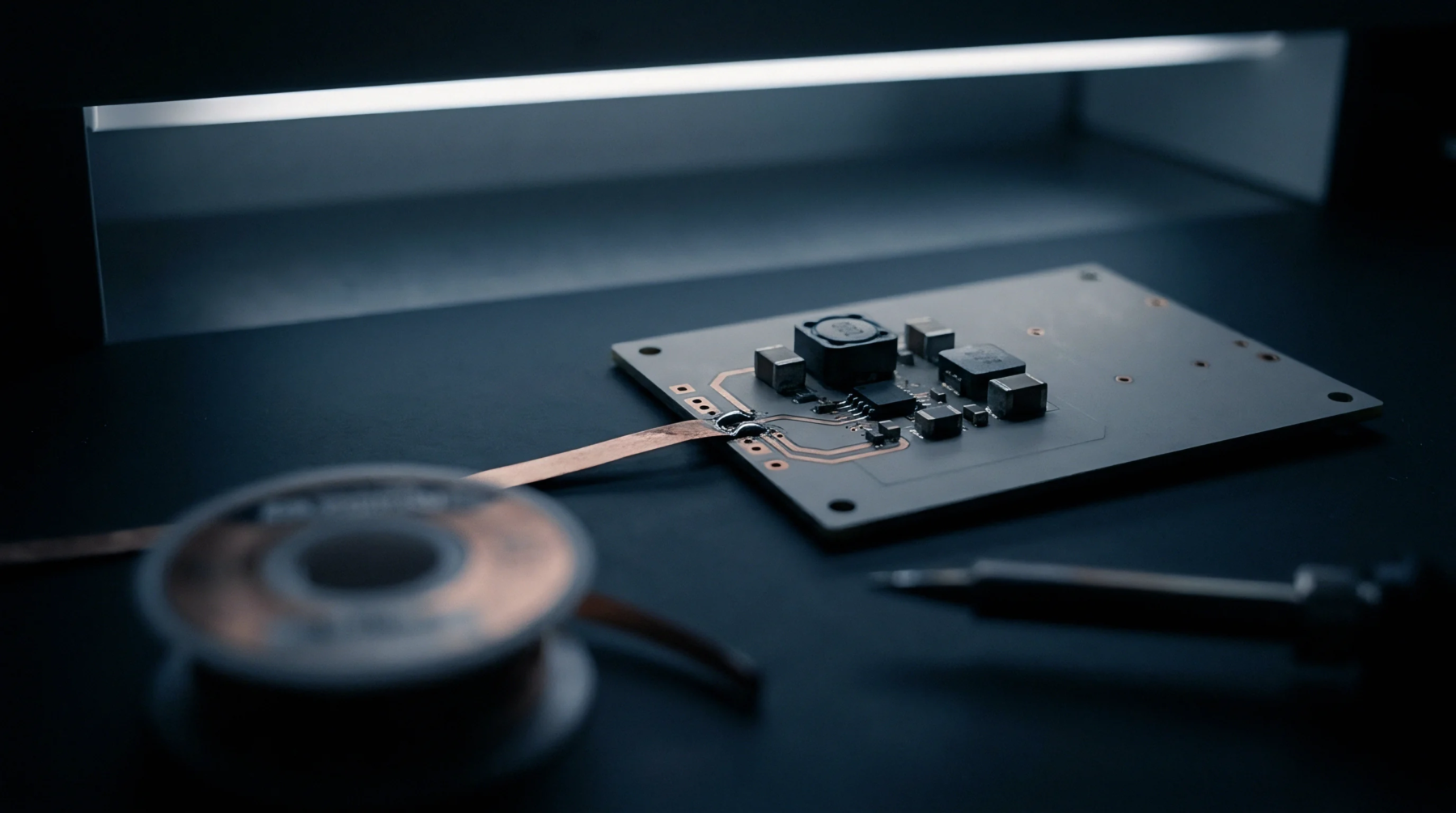
Geometric calibration targets establish spatial scale and correct optical distortion, guaranteeing valid void and dimensional measurements in SMT X-ray inspection.

Differential phase skew control requires spread-glass fabrics or off-axis routing to eliminate local micro-scale dielectric variations across high-speed traces.
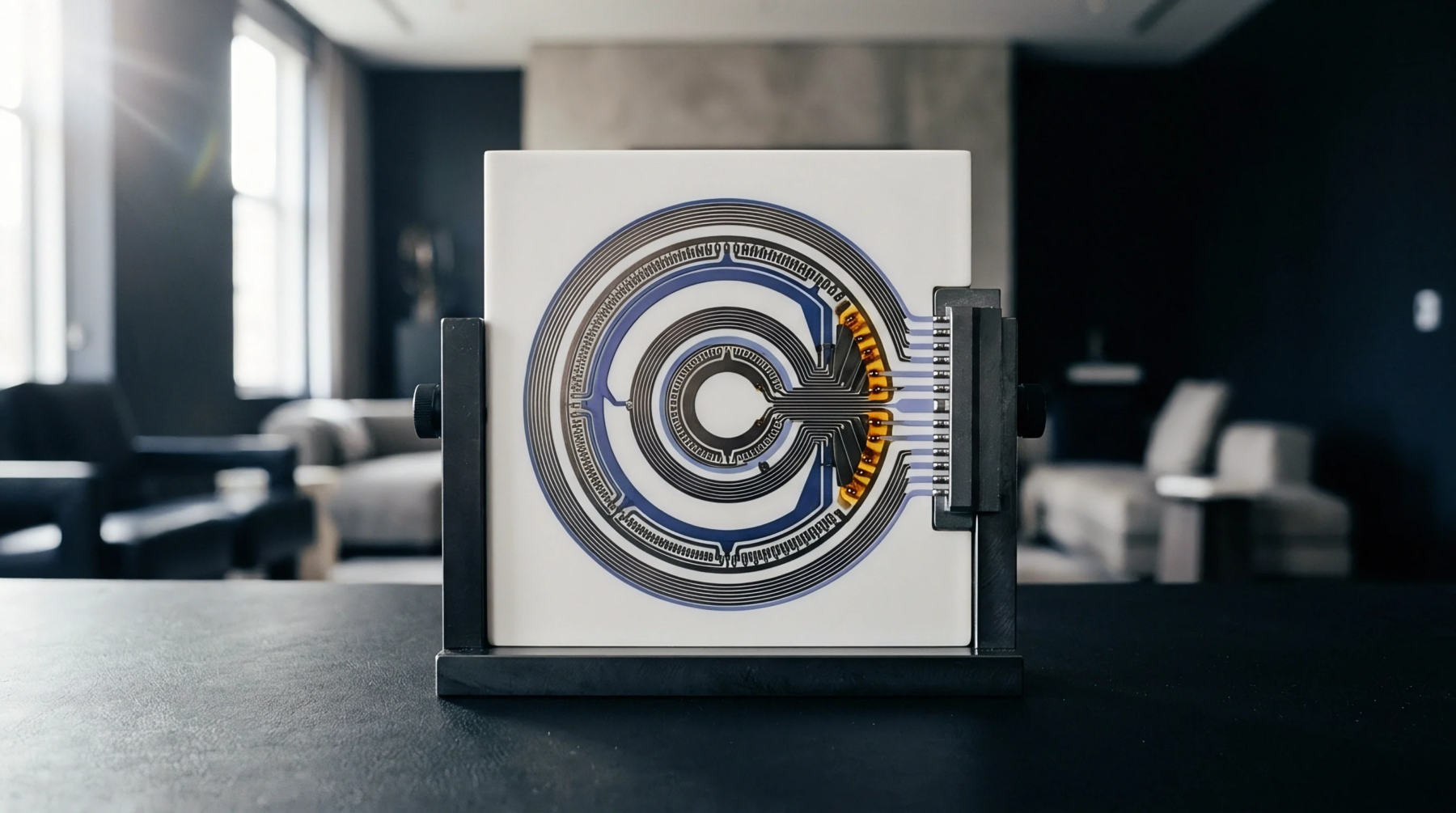
Integrating hybrid boundary scan and flying probe regimes eliminates unreached structural defects by establishing 99 percent nodal fault coverage.
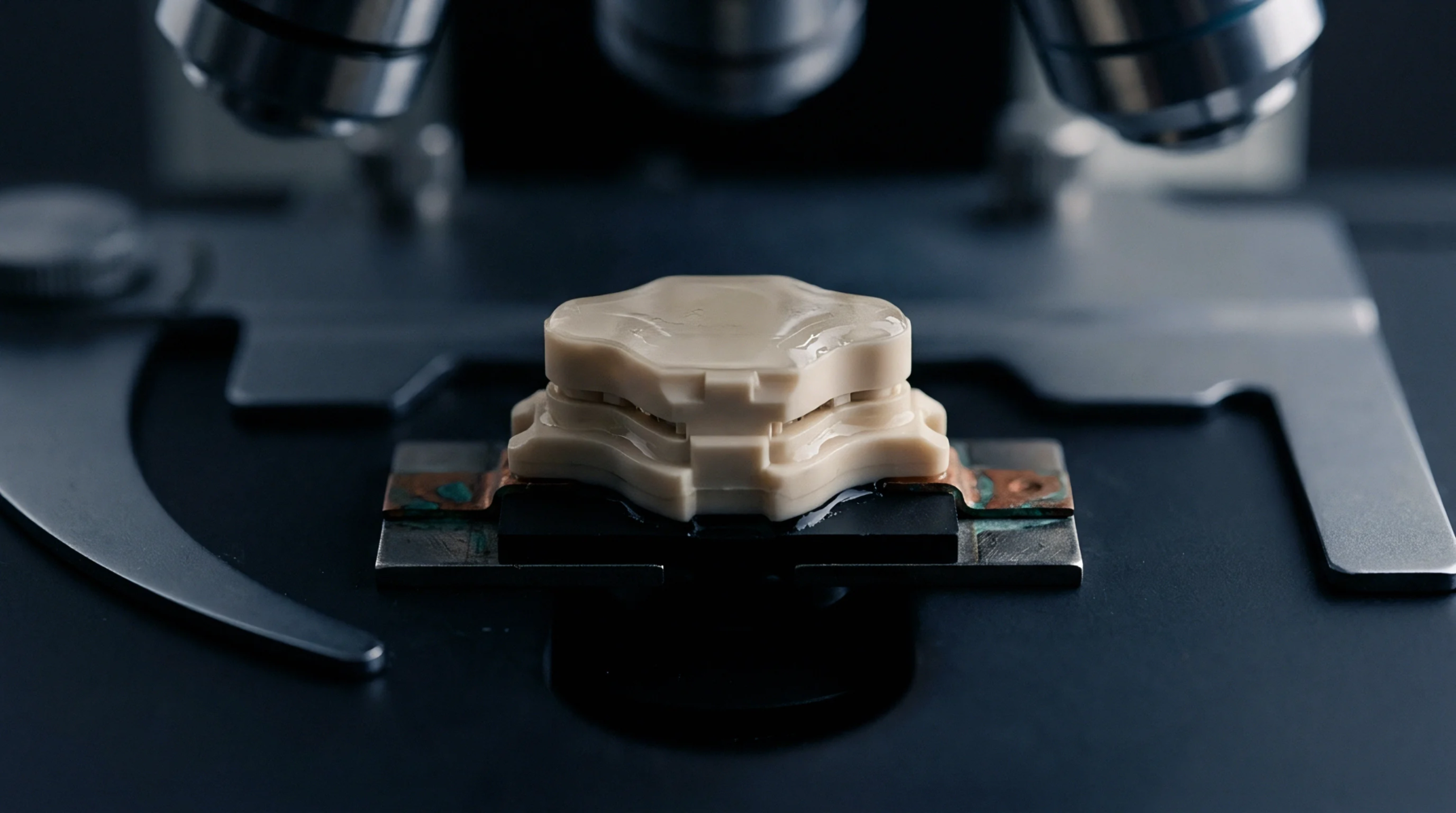
Selective solder process windows require matching top-side preheat above 110C with precise 3-second pin dwell times to achieve 75 percent Class 3 barrel fill.
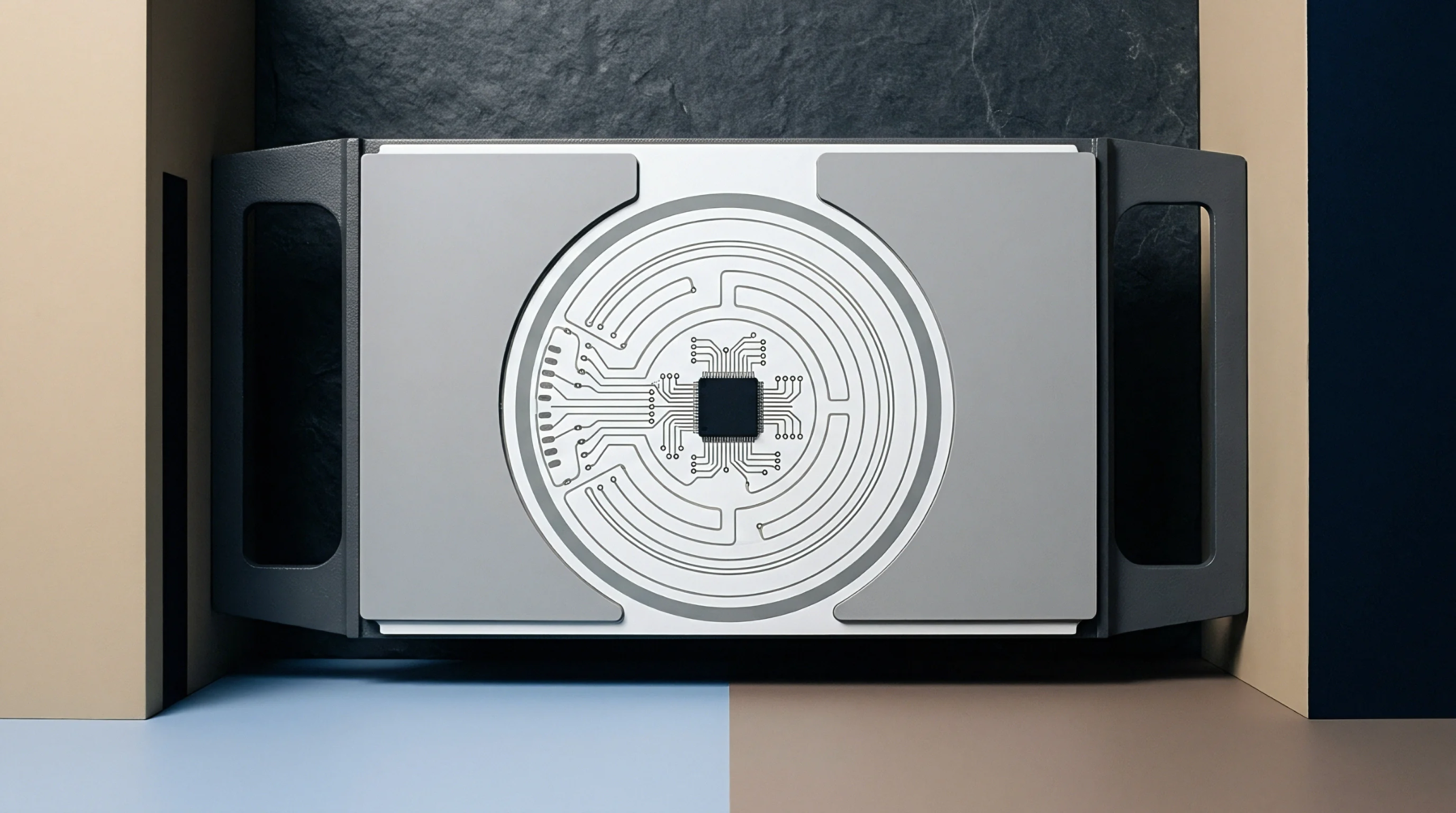
Spread glass prepreg selection eliminates differential phase skew by flattening fiber bundles and reducing dielectric constant variations across signal paths.
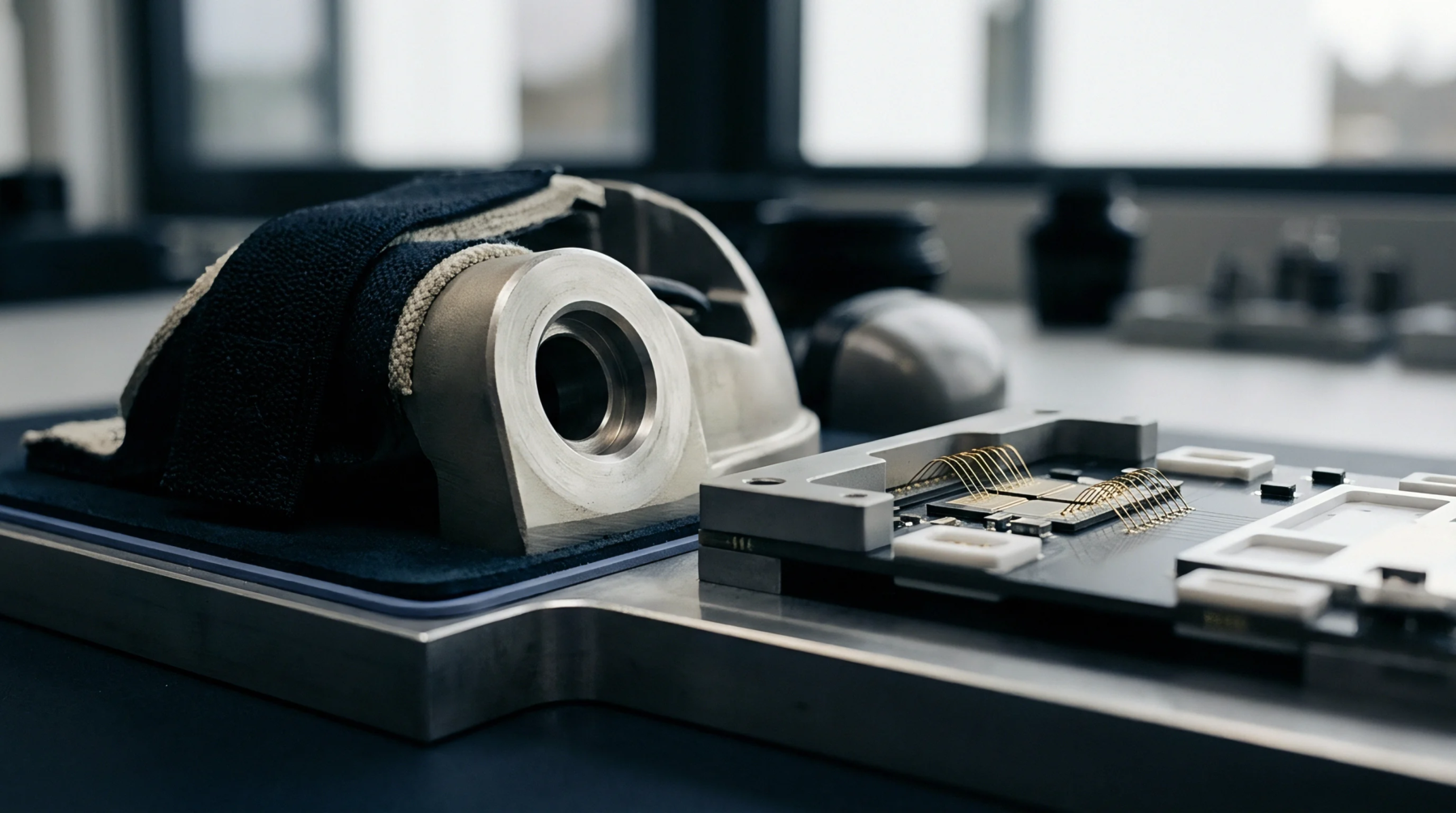
Selecting spread glass fabrics and controlling resin distribution tightens microstrip relative permittivity tolerances, eliminating differential phase skew.

Standard panel coupon architectures must balance border placement against current density gradients to ensure microsections accurately reflect internal board quality.
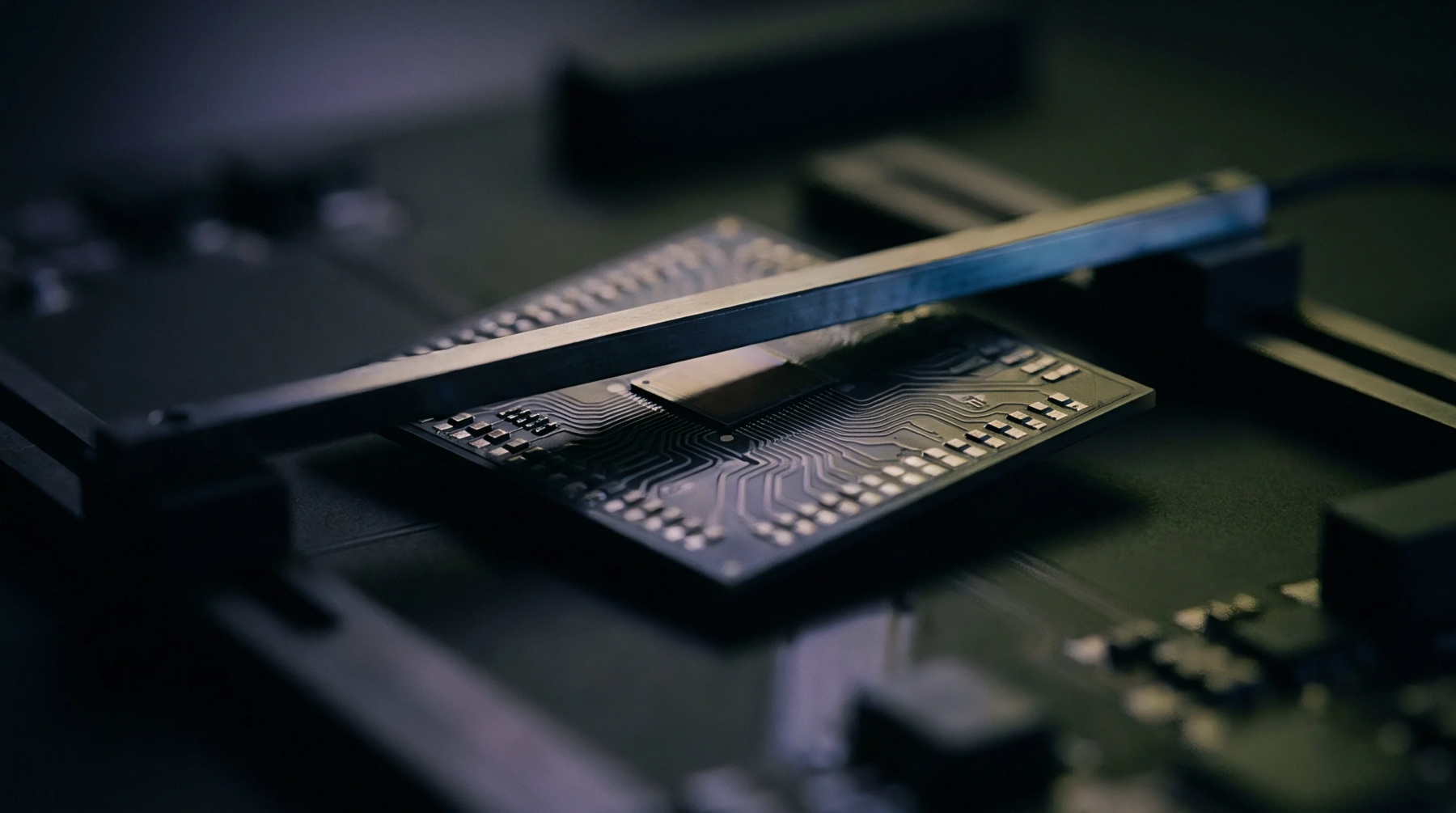
Sequential lamination registration budgets require root-sum-square alignment modeling of sub-core thermal shrinkage and drill offsets to size microvia lands.
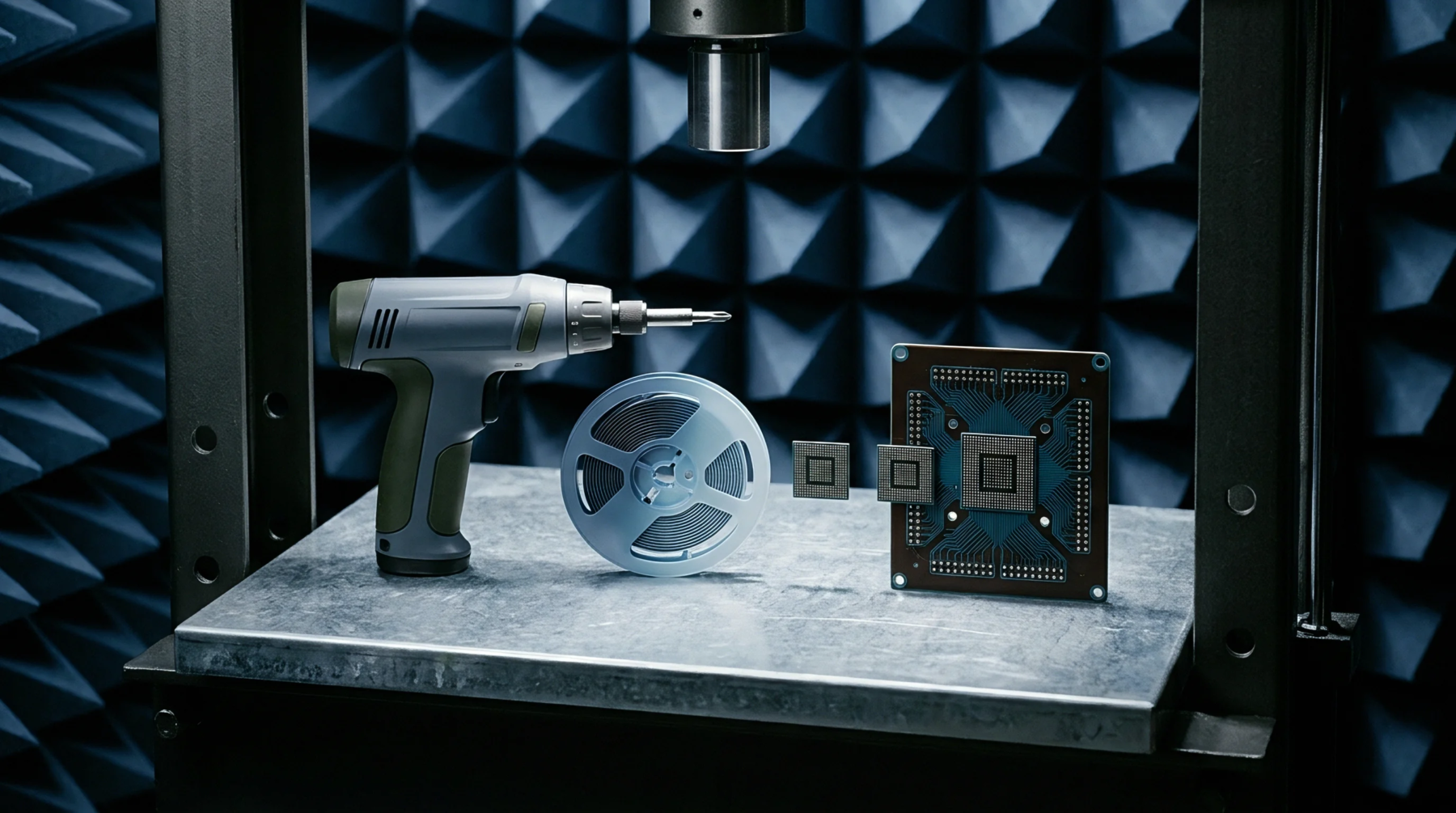
Sub-stack resin squeeze-out during sequential lamination elevates z-axis Dk and reduces dielectric thickness, shifting differential impedance off target.

Quantitative depth profiling via AES or XPS accurately measures sub-nanometer interfacial oxidation and phosphorus enrichment to prevent joint failures.
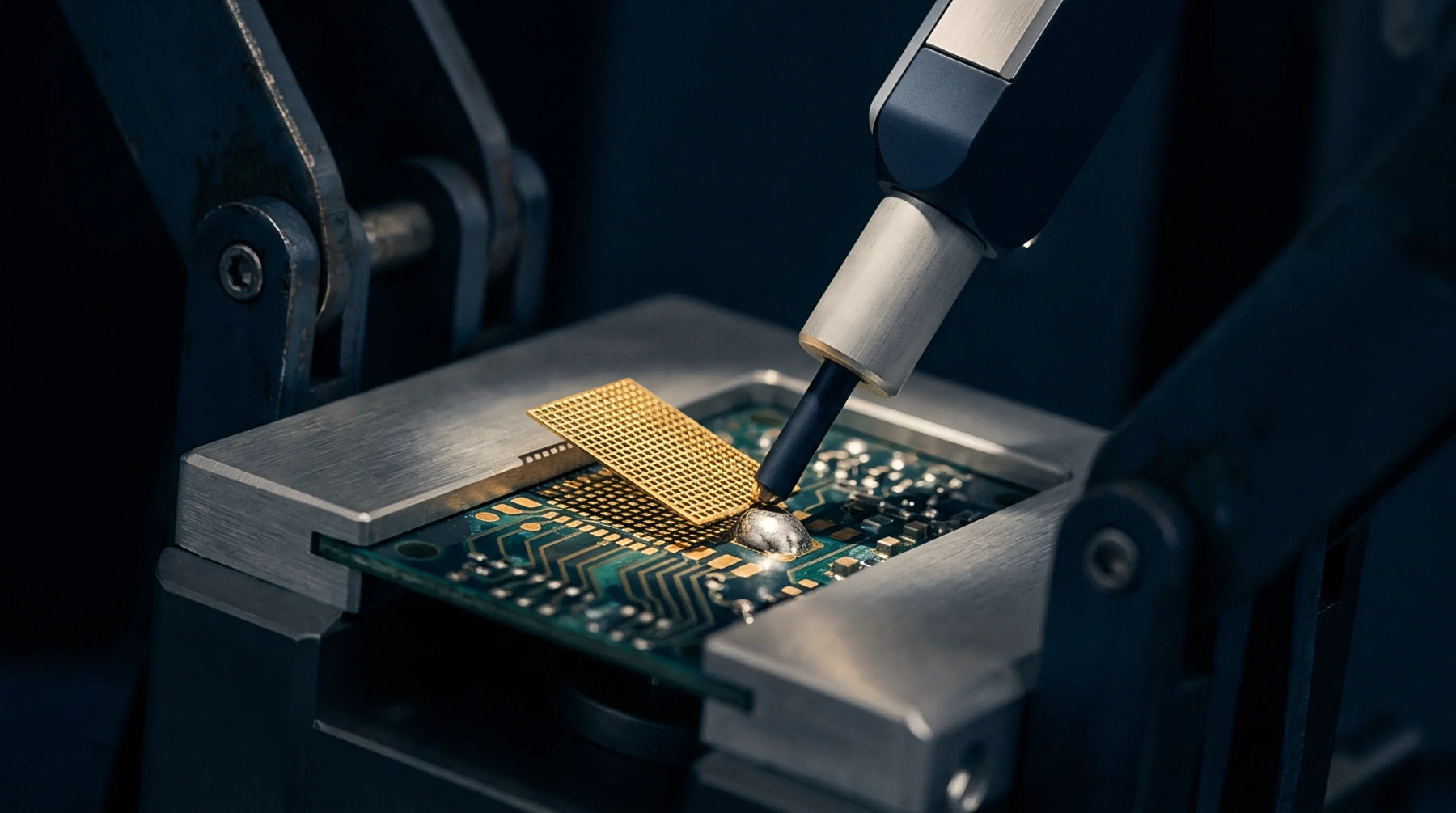
Select spread-glass prepreg and extract dielectric constants from TRL transmission line measurements to eliminate weave skew and impedance errors.
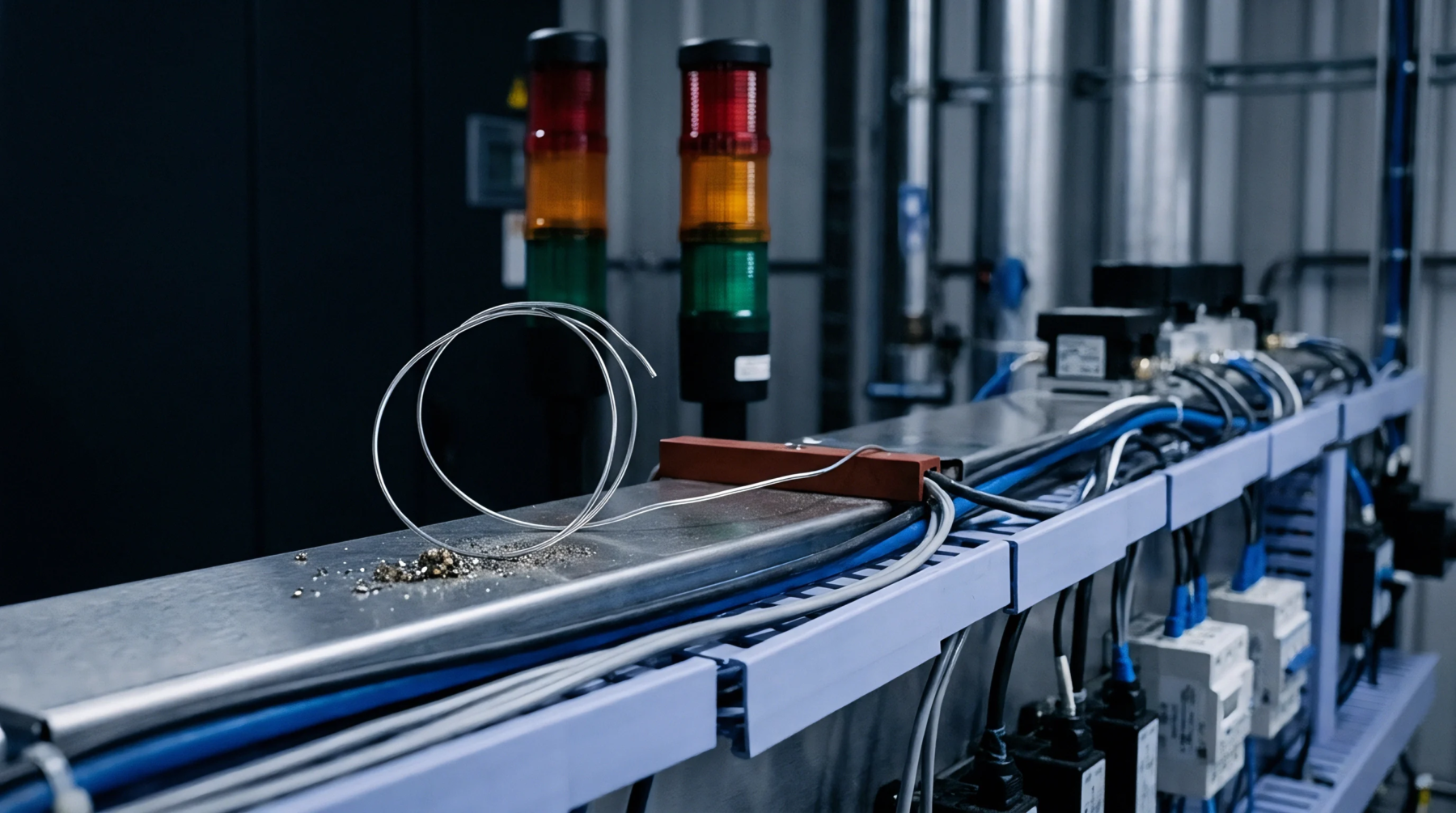
Heat-cured epoxies achieve superior strain transfer efficiency and lower creep drift than cyanoacrylates under high temperatures and long-term static loads.
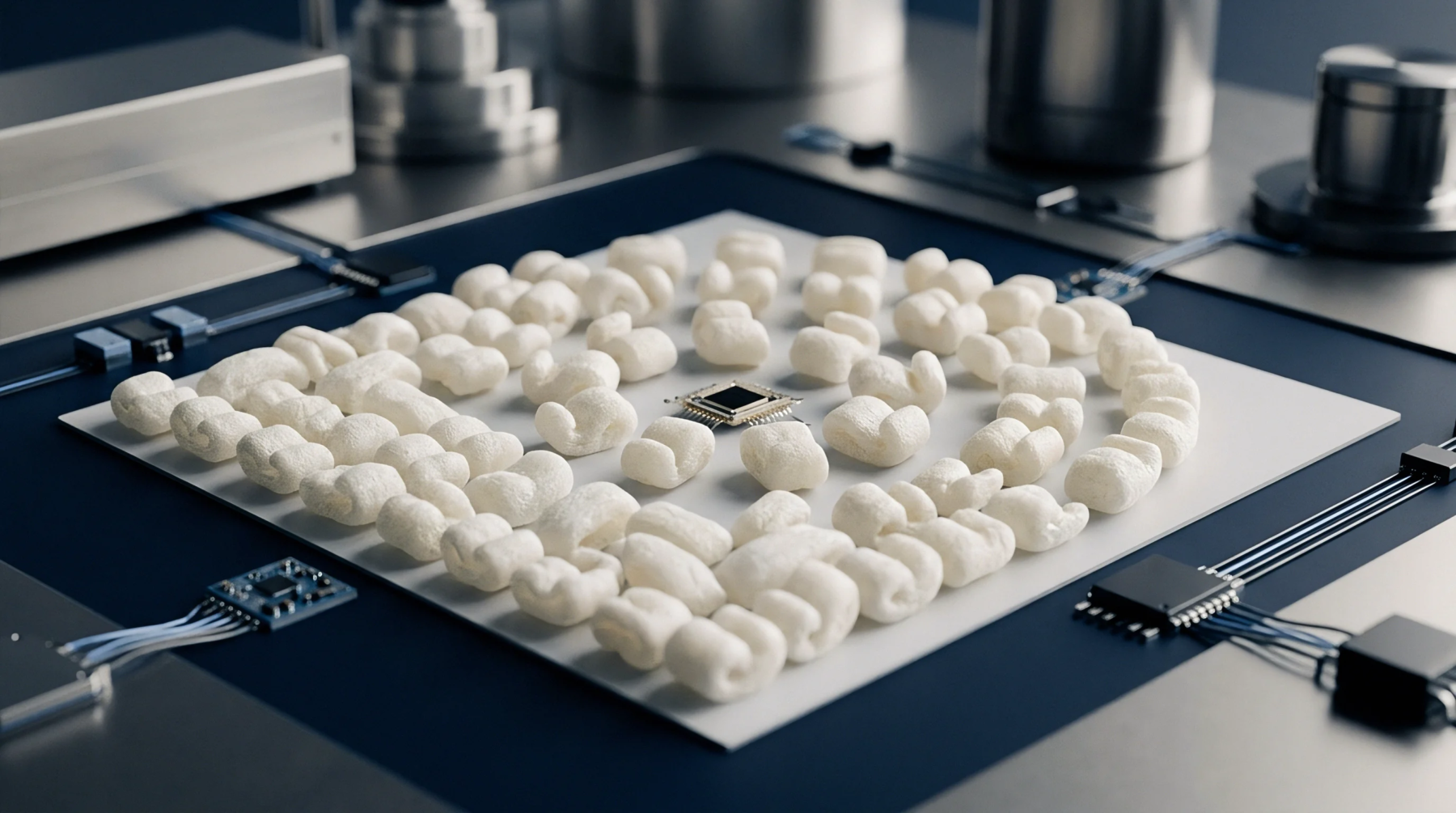
Quantifying stacked microvia thermal fatigue requires matching resin z-axis CTE limits to electrodeposited copper ductility under continuous resistance monitoring.

Sub-tier documentation decays as component revisions occur without notice; buyers maintain technical files through physical chemical audits and strict lot validation.
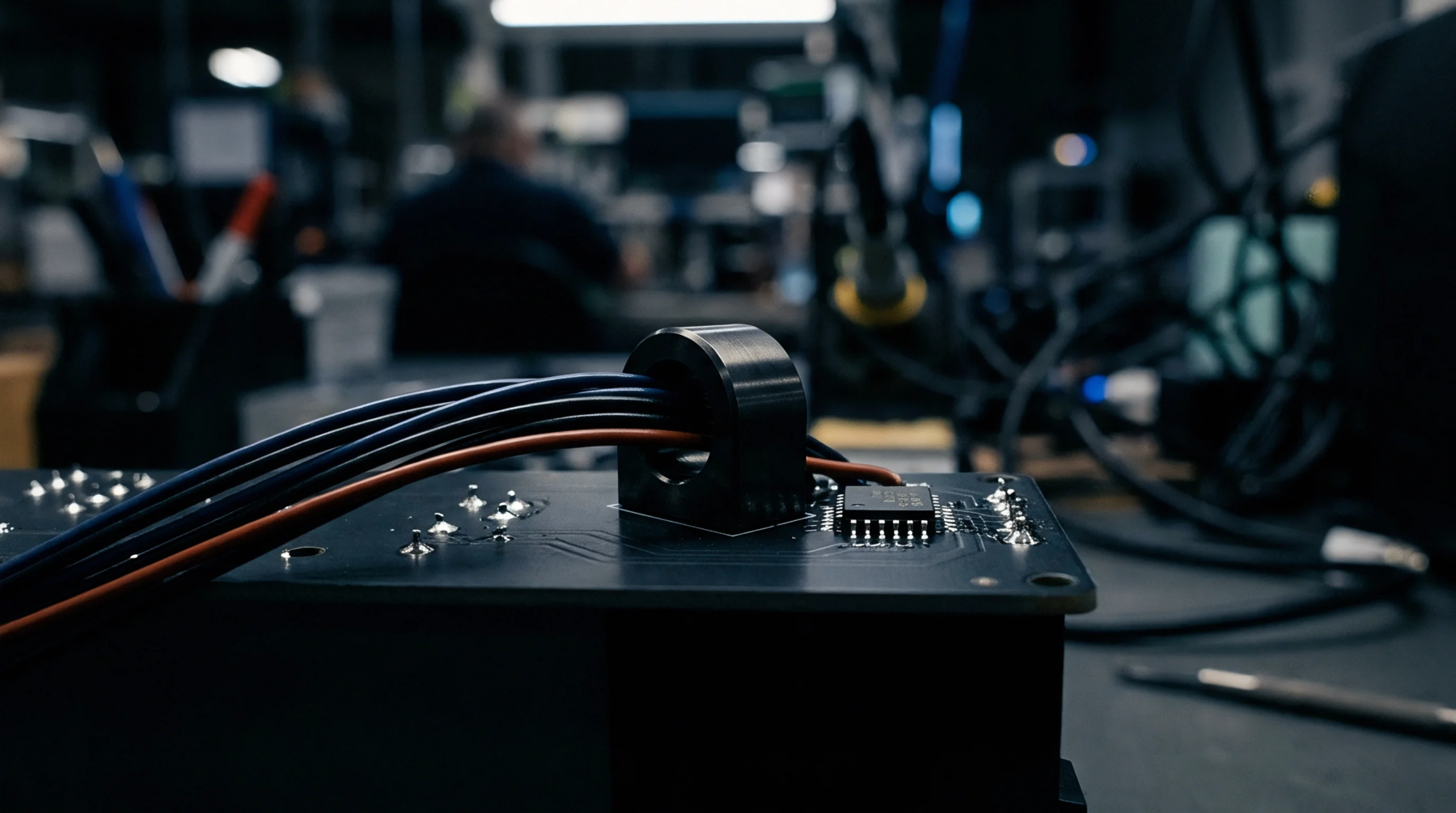
Opening moisture-sensitive parts before line release exposes components to ambient humidity, risking thermal delamination during reflow unless floor life is tracked and restored.
Expertise is a utility, not a secret. sentiention™ publishes its working knowledge as open reference: intelligence layer covering the materials it sources, the markets it enters, and the reference that serves both.