
Mechanically Spread Glass Selection and Stackup Optimization for Skew Mitigation
Mechanically spread glass eliminates glass weave skew by expanding yarn bundles into flat ribbons that eliminate resin gaps and equalize dielectric constants.

Mechanically spread glass eliminates glass weave skew by expanding yarn bundles into flat ribbons that eliminate resin gaps and equalize dielectric constants.
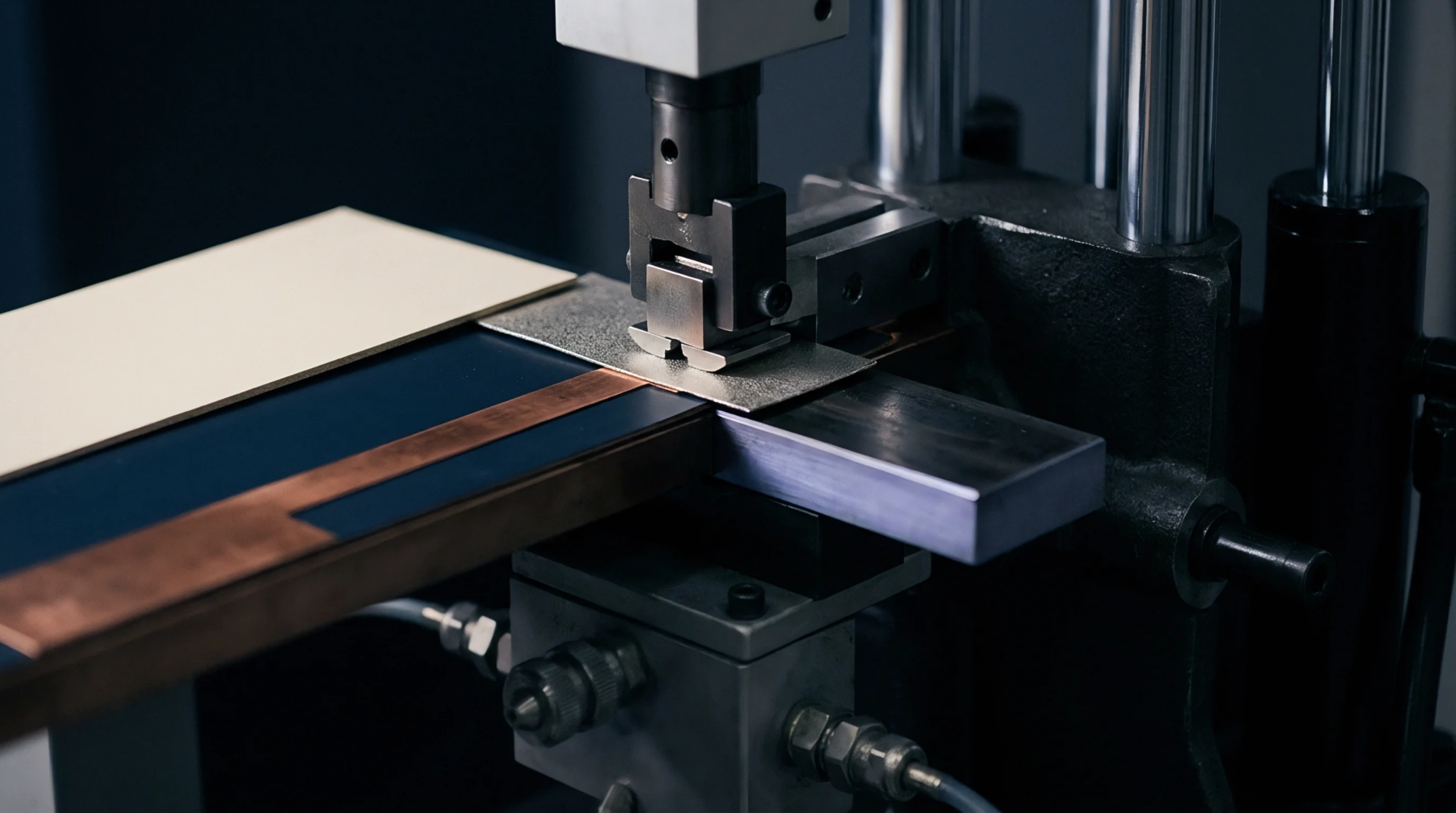
Fiber style choices and trace orientation dictate differential phase skew, requiring spread glass or angled routing to hold timing bounds.
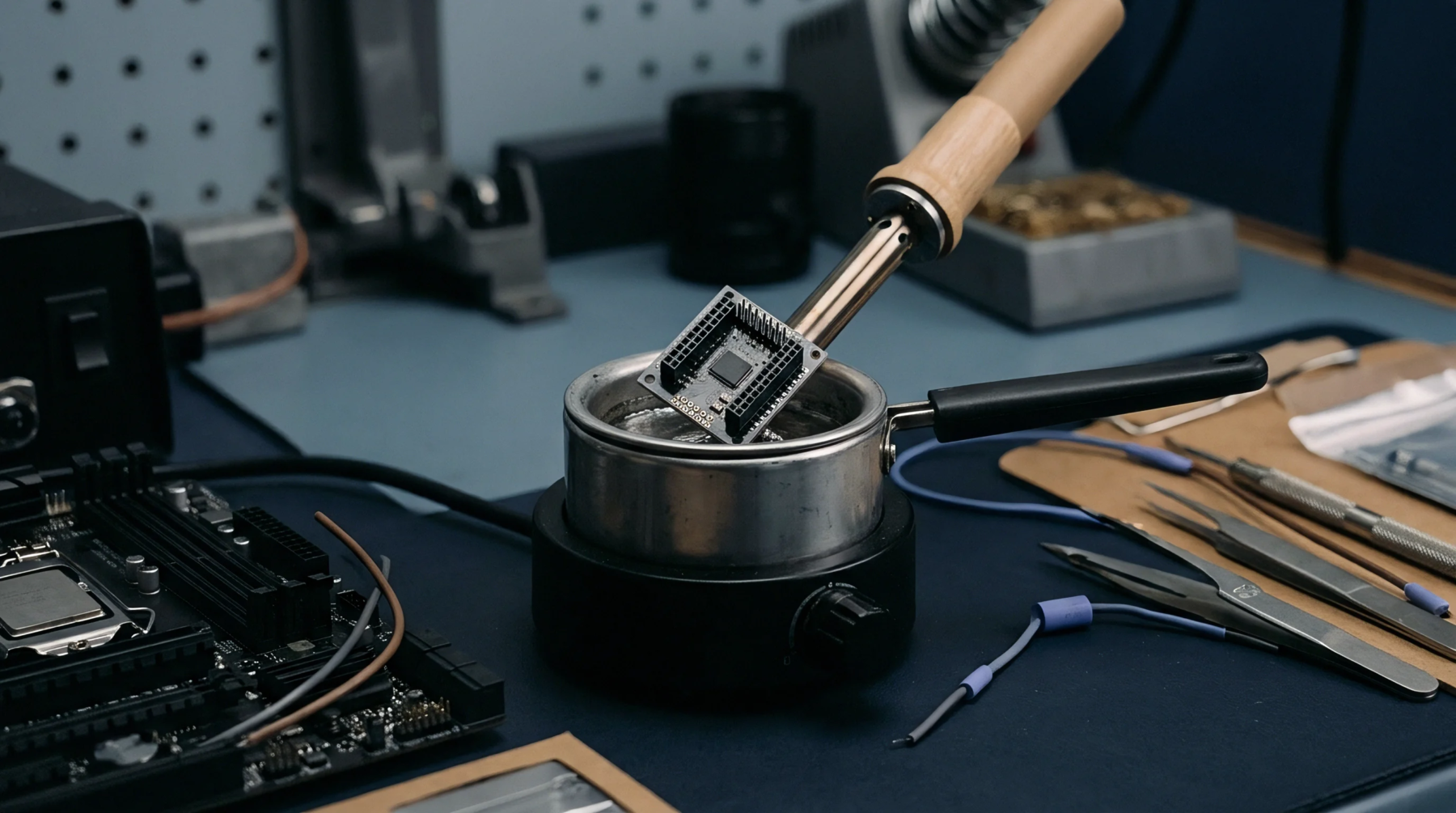
Modulating trace geometries against local interfacial dielectric gradients stabilizes phase velocity across millimeter wave interconnects.
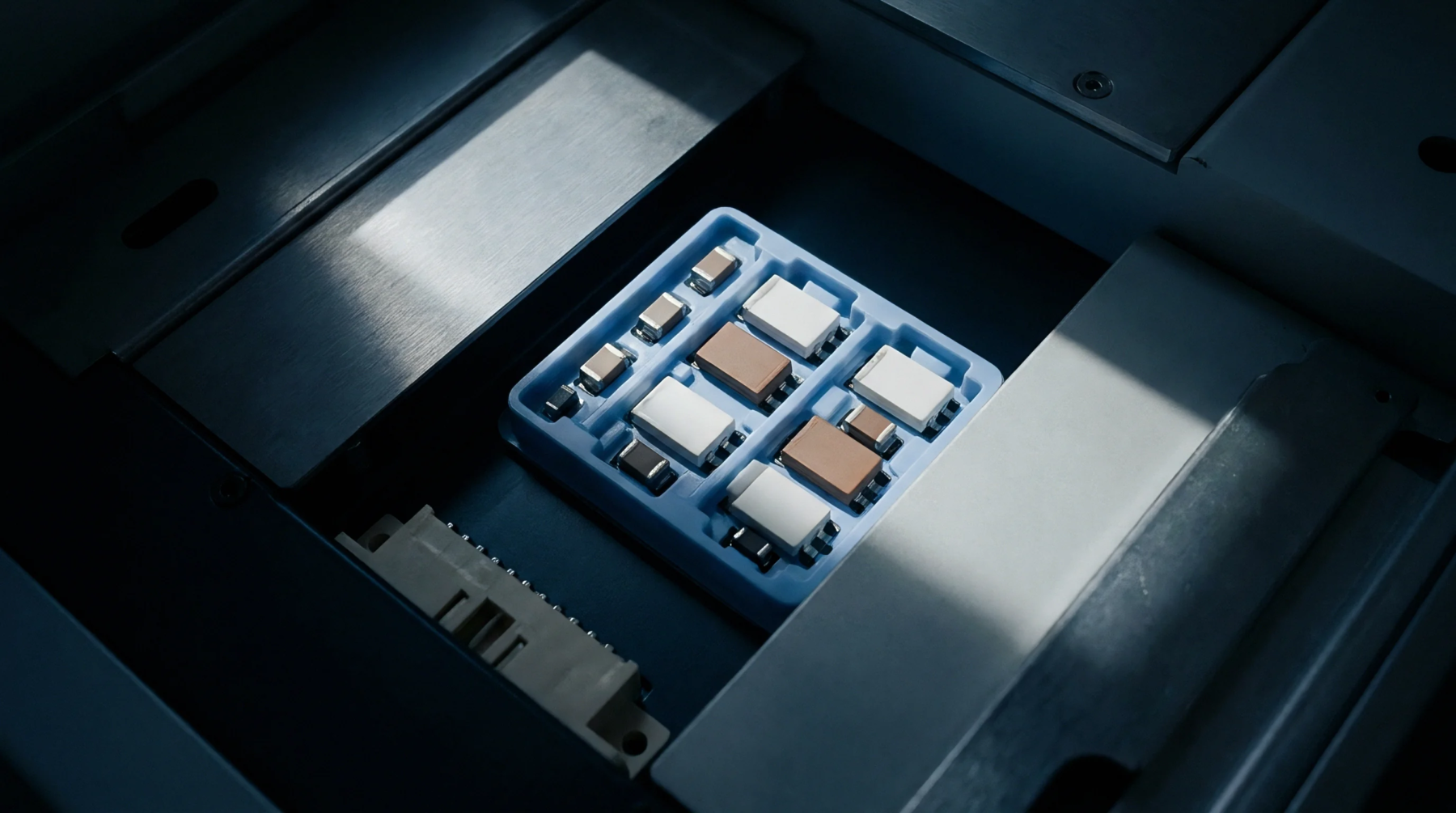
Etch fluid pooling creates trace asymmetry, changing high-frequency conductor profiles and driving insertion loss variations across printed circuit panels.

Etch factor quantification converts trapezoidal microstrip sidewall angles into accurate field solver inputs to prevent high-frequency impedance shifts.

Trapezoidal trace tapering reduces effective line width, raising microstrip impedance above rectangular model predictions and demanding field solver validation.

Asymmetrical dielectric buildup increases microvia thermal strain energy density, accelerating fatigue fracture at target pad corners during reflow cycling.
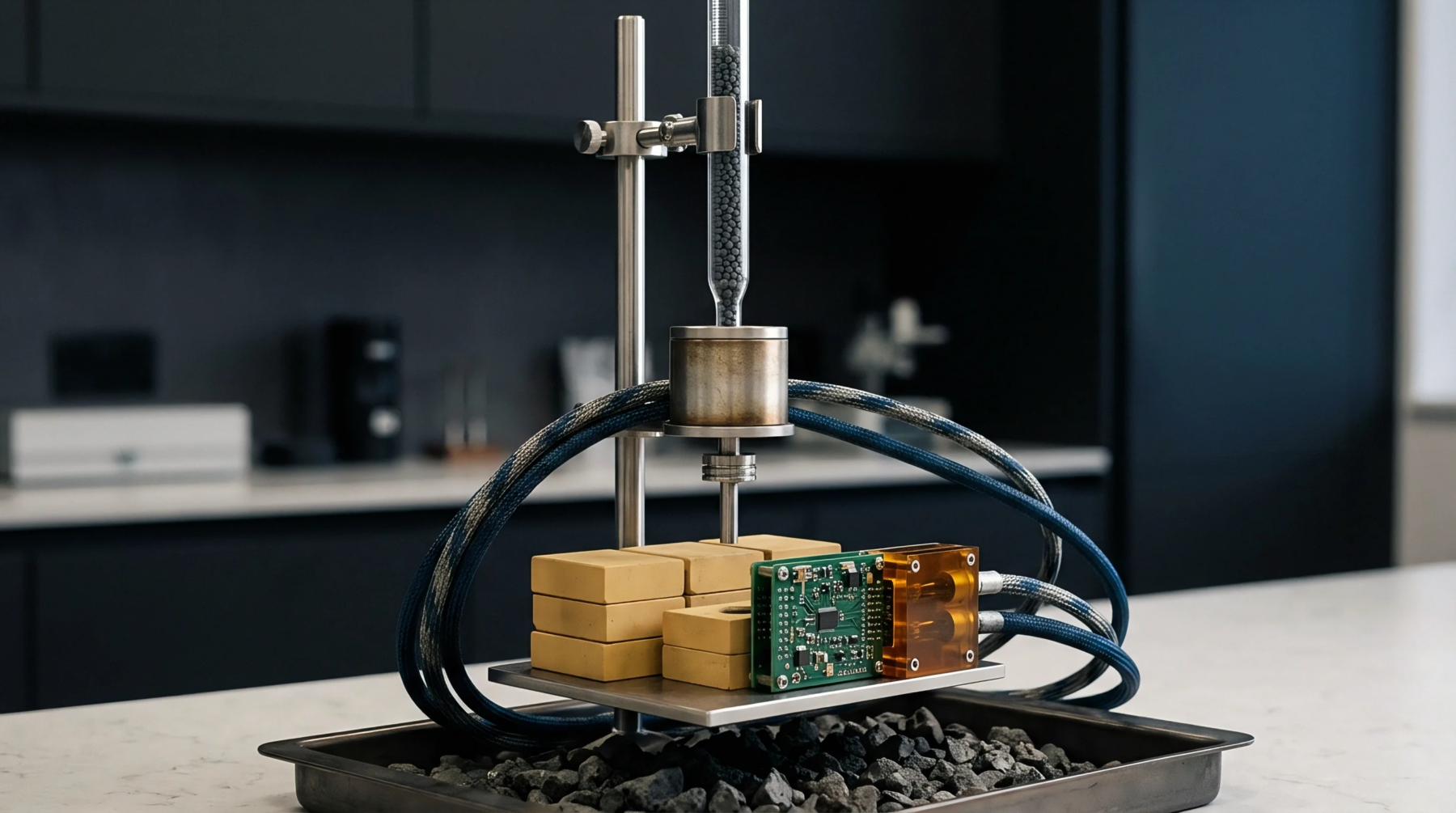
Dynamic substrate warpage during reflow alters micro bump height and causes optical signal loss that requires multi angle sensor compensation to pass assembly.

Extended thermal shock verification isolates latent perimeter via barrel fractures before high-density printed circuit board batches enter assembly streams.
Analytical verification of via array attenuation predicts cavity mode suppression, ensuring PCB layouts meet CISPR 32 Class B EMI compliance limits.
Maintain ground via spacing below one-twentieth of dielectric wavelength to prevent slot leakage and pass radiated emissions testing.

GHz acoustic attenuation in sub-ten micron dielectric layers limits echo signal-to-noise ratio, requiring picosecond laser acoustics for reliable characterization.
Statistical ROC tuning balances false calls against defect escapes to optimize 3D inspection height thresholds on fine-pitch SMT assemblies.
Quantifying radiometric noise floors isolates micro-via plating voids from detector electronics noise, preventing escapes and false calls on high-density interconnect lines.

Calculating pressed prepreg thickness requires accounting for copper pattern density, foil height, glass style geometry, and resin flow during cure.

Acoustic phase inversion analysis detects microvia interfacial delamination by identifying 180-degree echo polarity flips at lower impedance void boundaries.
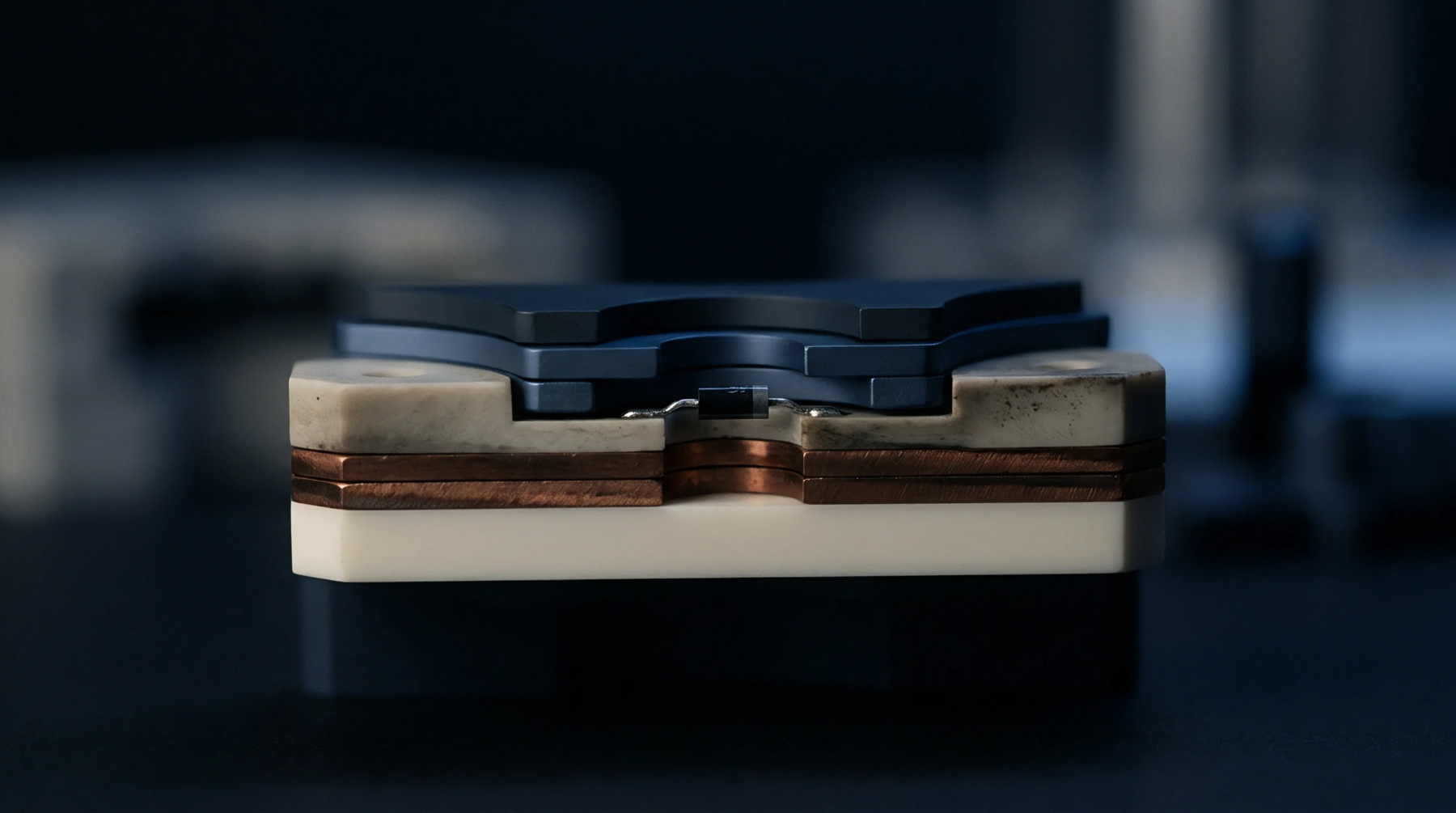
High frequency ultrasonic inspection demands matching transducer bandwidth and focal length to substrate layer depth to catch sub-micron microvia disbonding.
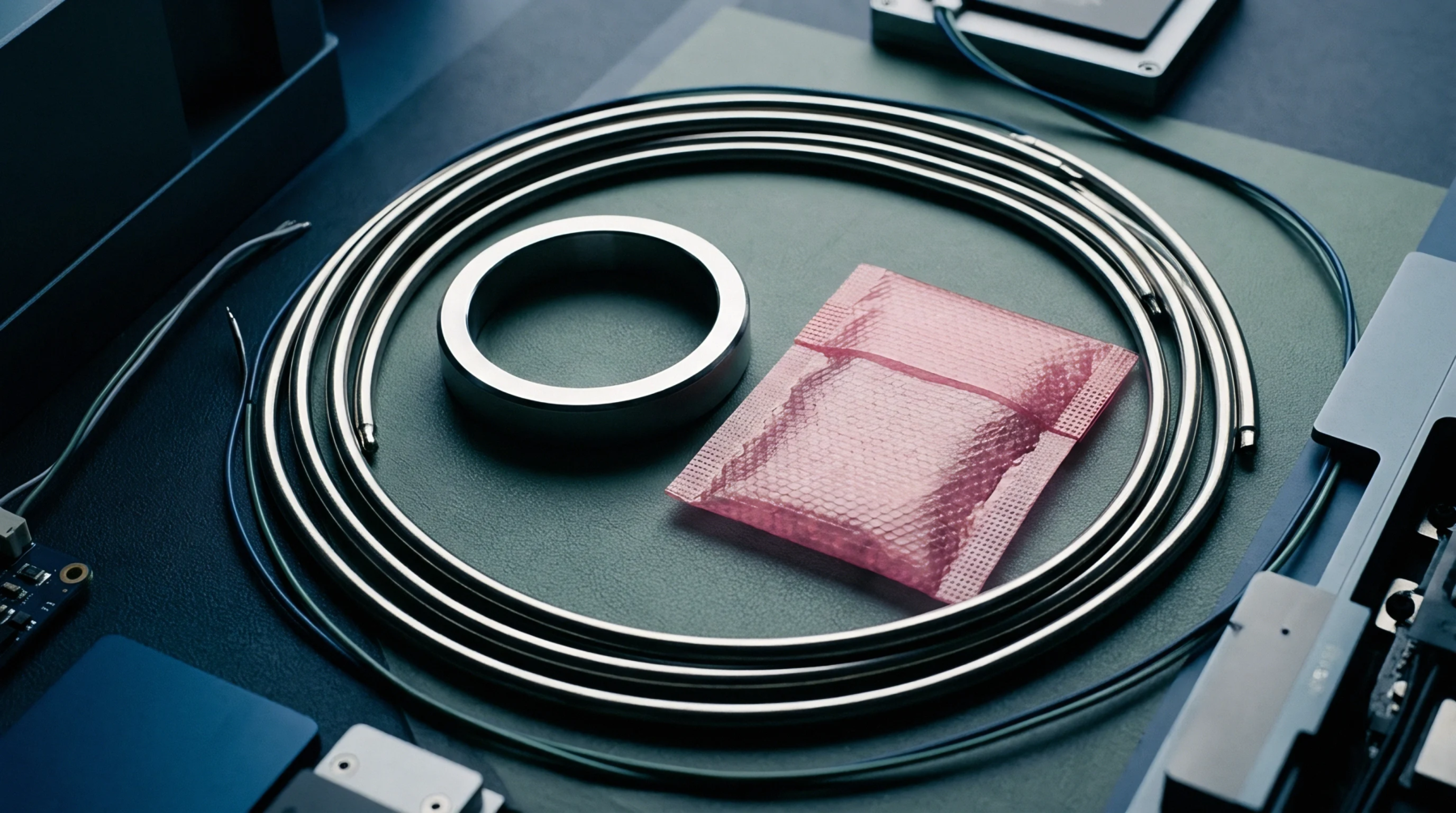
Eliminate Hermes inspection interlock latency by disabling TCP packet delays, isolating machine subnets, and stripping metrology data from board handshakes.
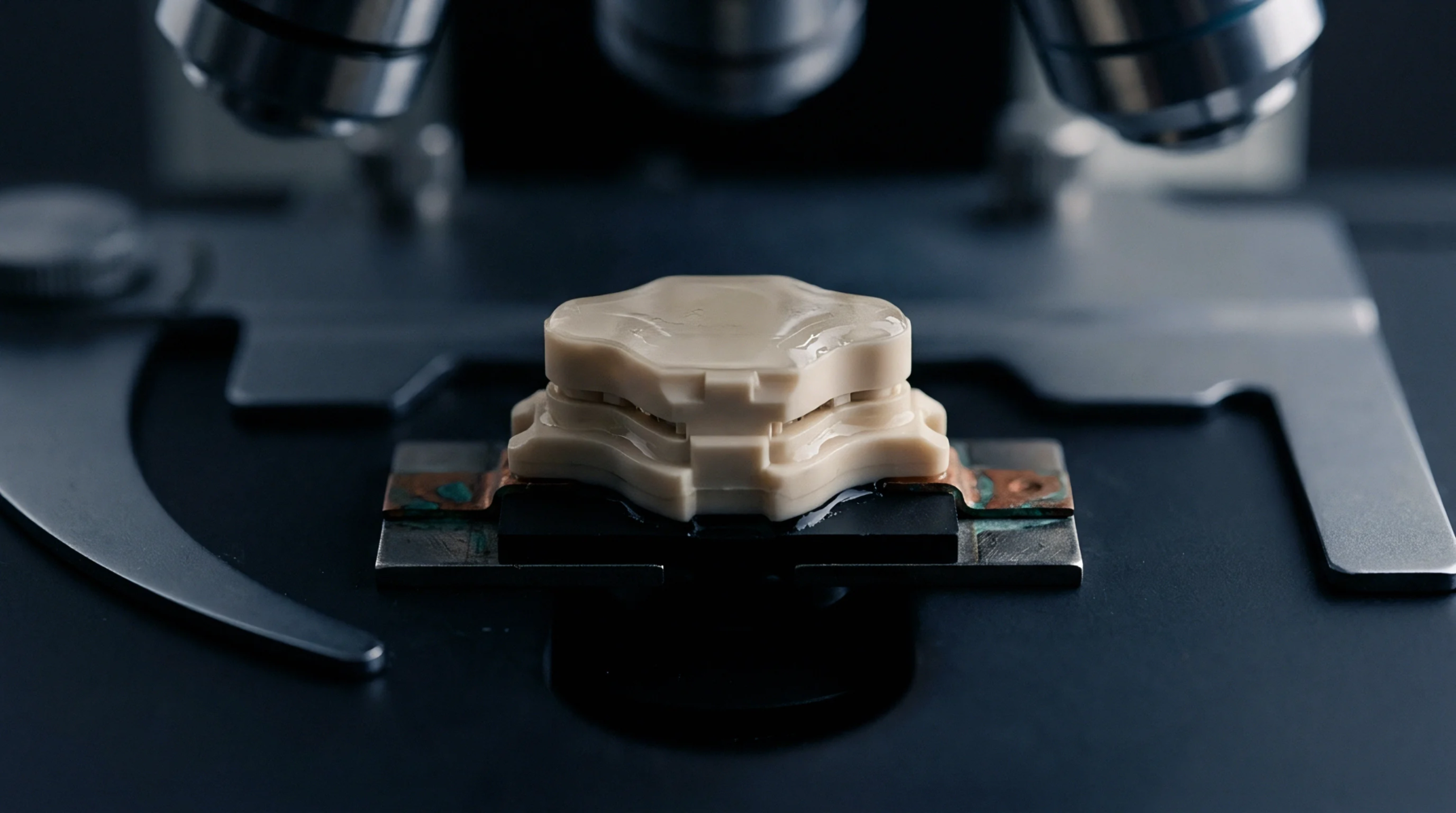
HDI laminate selection balances resin z-CTE expansion, low-Dk glass weave style, and HVLP copper roughness against sequential lamination panel yields.

Calibrating AOI offset triggers for fine pitch SMT requires mapping optical pixel resolution against surface tension self-alignment limits to minimize false calls.

Setting automated solder paste inspection hold boundaries requires balancing transfer efficiency limits against component pad density to control false calls.
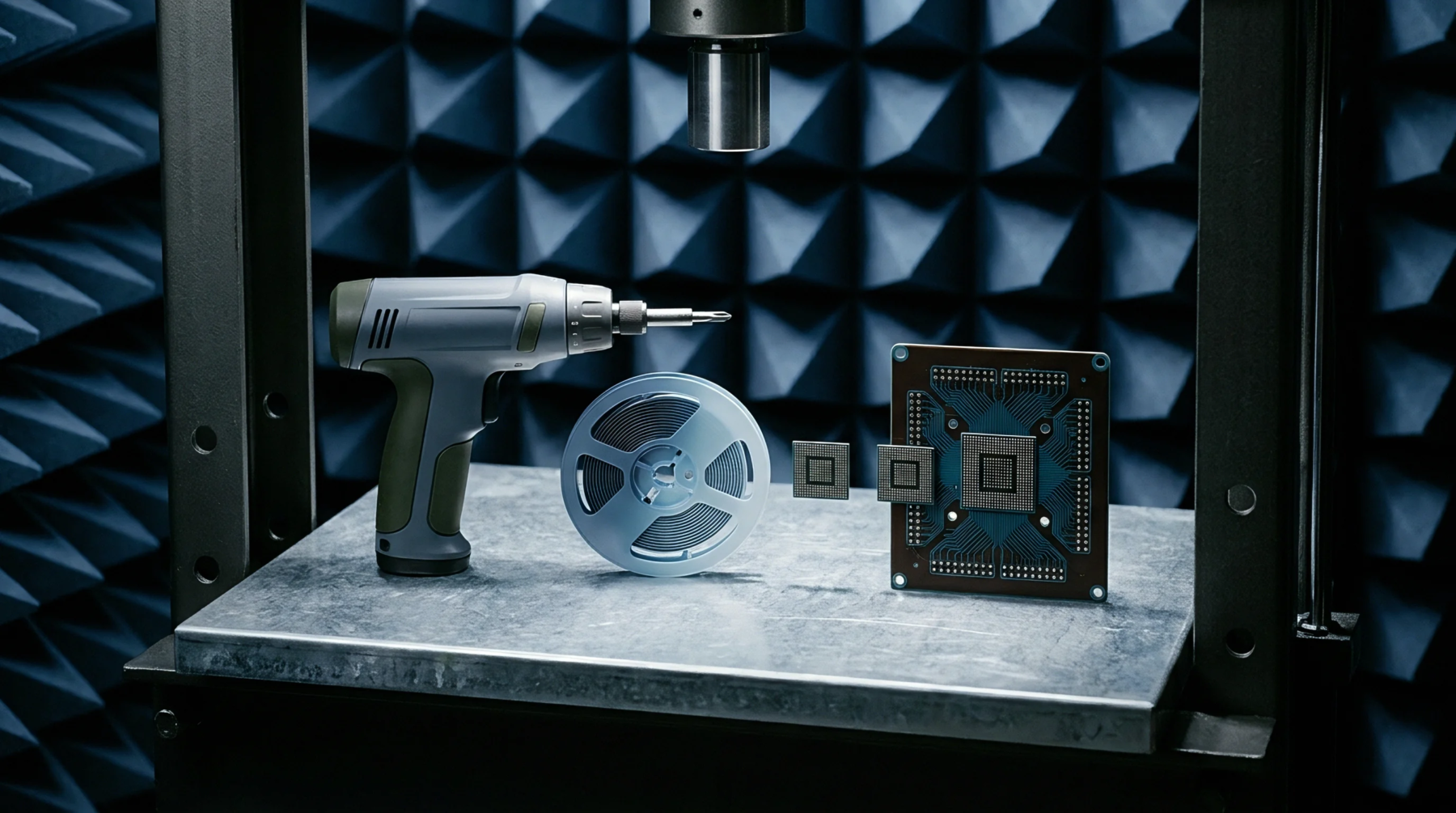
Evaporation kinetics and loss factor thresholds determine high-temperature rheological stability and prevent hot slump bridging in lead-free solder pastes.

Foil roughness forces skin currents through sub-micron surface teeth above 10 GHz, requiring Huray snowball modeling and low-etch oxide chemistries.
Mitigate differential stripline glass weave skew by combining low-Dk spread glass, multi-ply prepregs, and minimum two-degree routing offsets on drawings.

Baseline verification of incoming solder paste requires verifying transit thermal logs, measuring malcom viscosity, and checking powder oxide limits.

Evaluate yield stress and thixotropic recovery in fine pitch printing using stress-sweep rheometry and transfer efficiency metrics to prevent aperture clogging.

Dynamic zone direct imaging compensates for anisotropic thin-core shrinkage, keeping microvia misregistration within sub-15 micron limits.

High-frequency acoustic phase inversion reveals submicron microvia delamination escaping electrical tests, saving $5.60 per unit over field warranty exposure.

Acoustic impedance mapping detects microvia target land delamination by reading phase-inverted ultrasonic reflections before assembly reflow causes circuit failure.
Chemorheological modeling predicts thermoset gelation and squeeze flow, defining heating rates and platen pressures to hold sub-20 µm dielectric variations within ±1 µm.
Expertise is a utility, not a secret. sentiention™ publishes its working knowledge as open reference: intelligence layer covering the materials it sources, the markets it enters, and the reference that serves both.