
Oscillatory Amplitude Sweep Analysis for Fine Pitch Stencil Printability Qualification
Oscillatory amplitude sweeps define solder paste structural yield points to guarantee accurate aperture filling and clean release on fine pitch stencils.

Oscillatory amplitude sweeps define solder paste structural yield points to guarantee accurate aperture filling and clean release on fine pitch stencils.
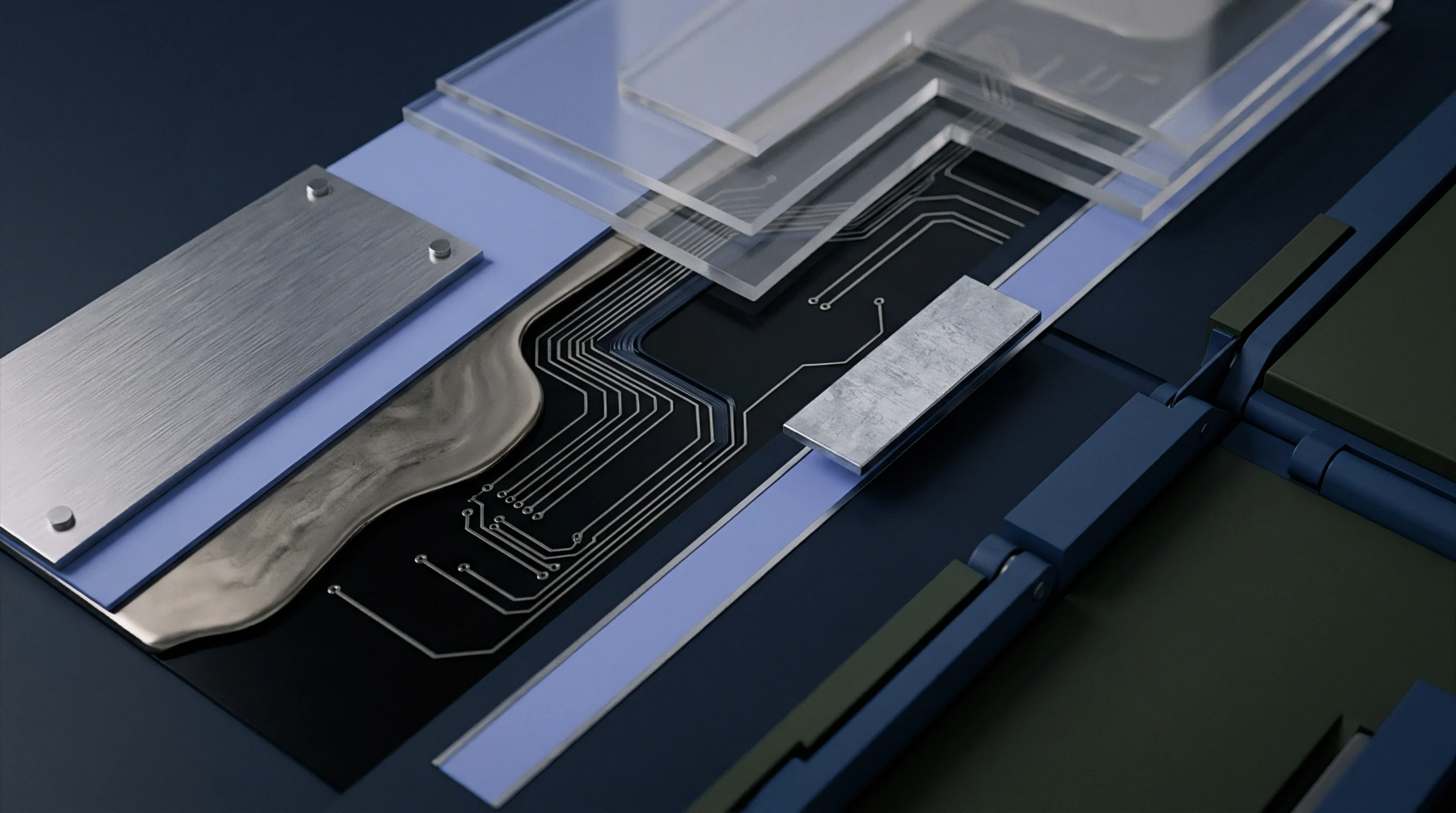
Spread prepreg styles flatten glass yarns to eliminate dielectric window voids, reducing differential phase skew below 1.5 ps per inch in PAM4 signal lines.
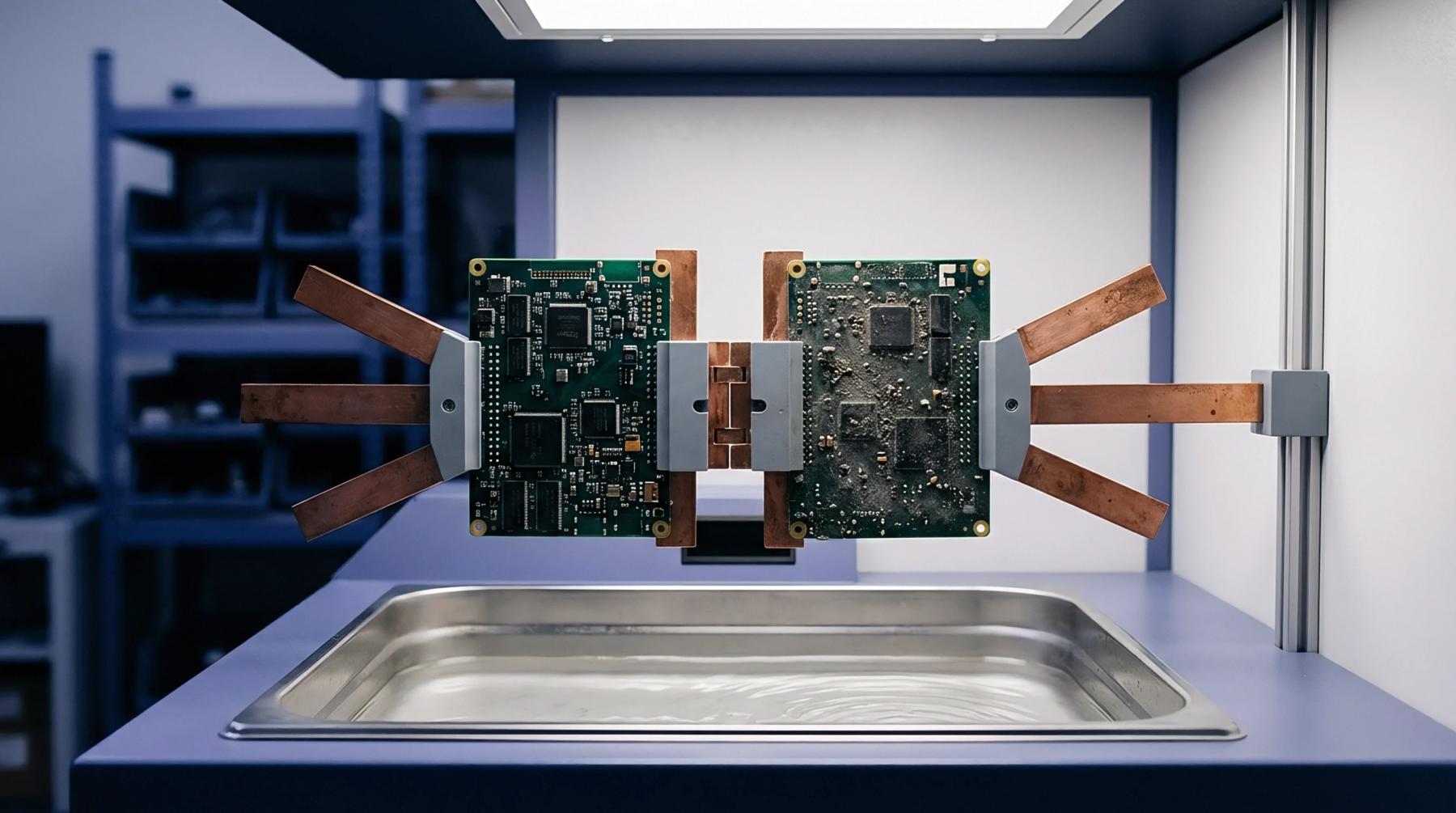
Unprobed netlists drop structural fault coverage, requiring integrated boundary scan vectors and adjusted warranty reserves to cover escape risks.
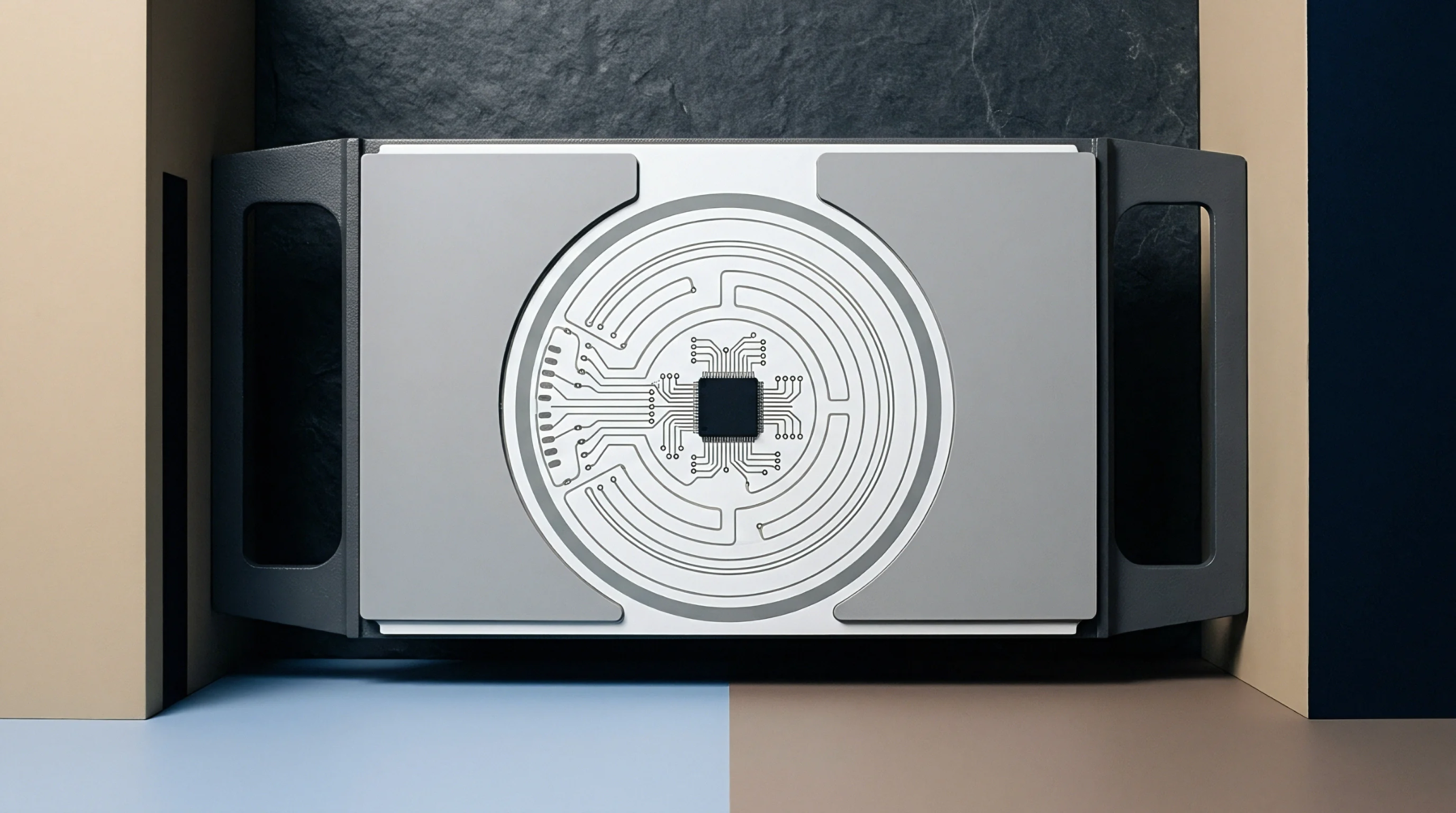
Glass weave skew causes intra-pair phase delay in high-speed differential pairs, requiring spread glass, dual-ply prepreg, or off-axis panel rotation.

Fine-pitch spring probes introduce parasitic inductance and contact resistance spikes that attenuate high-frequency signals and drive false test failures.
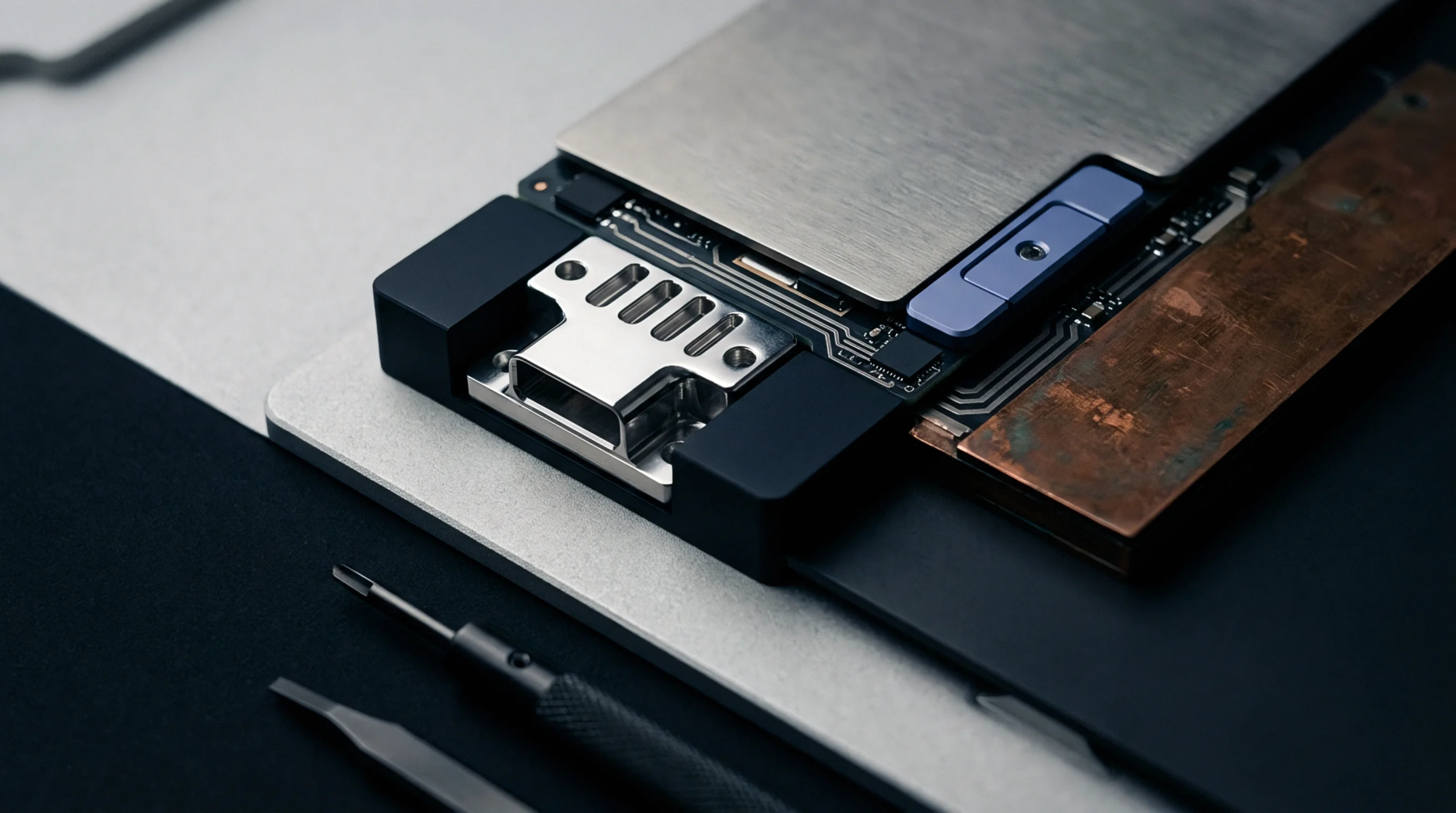
Preventing thermal collapse near high-mass components requires optimizing zone convection vectors rather than reducing line speed.

Calibrating convective reflow for heavy copper requires low conveyor speeds, high blower velocity, and dedicated thermal vehicle profiling to limit panel delta-T.

Standard test coupon layouts place structural patterns in panel frame gutters to verify microsection plating and trace impedance without sacrificing yield.
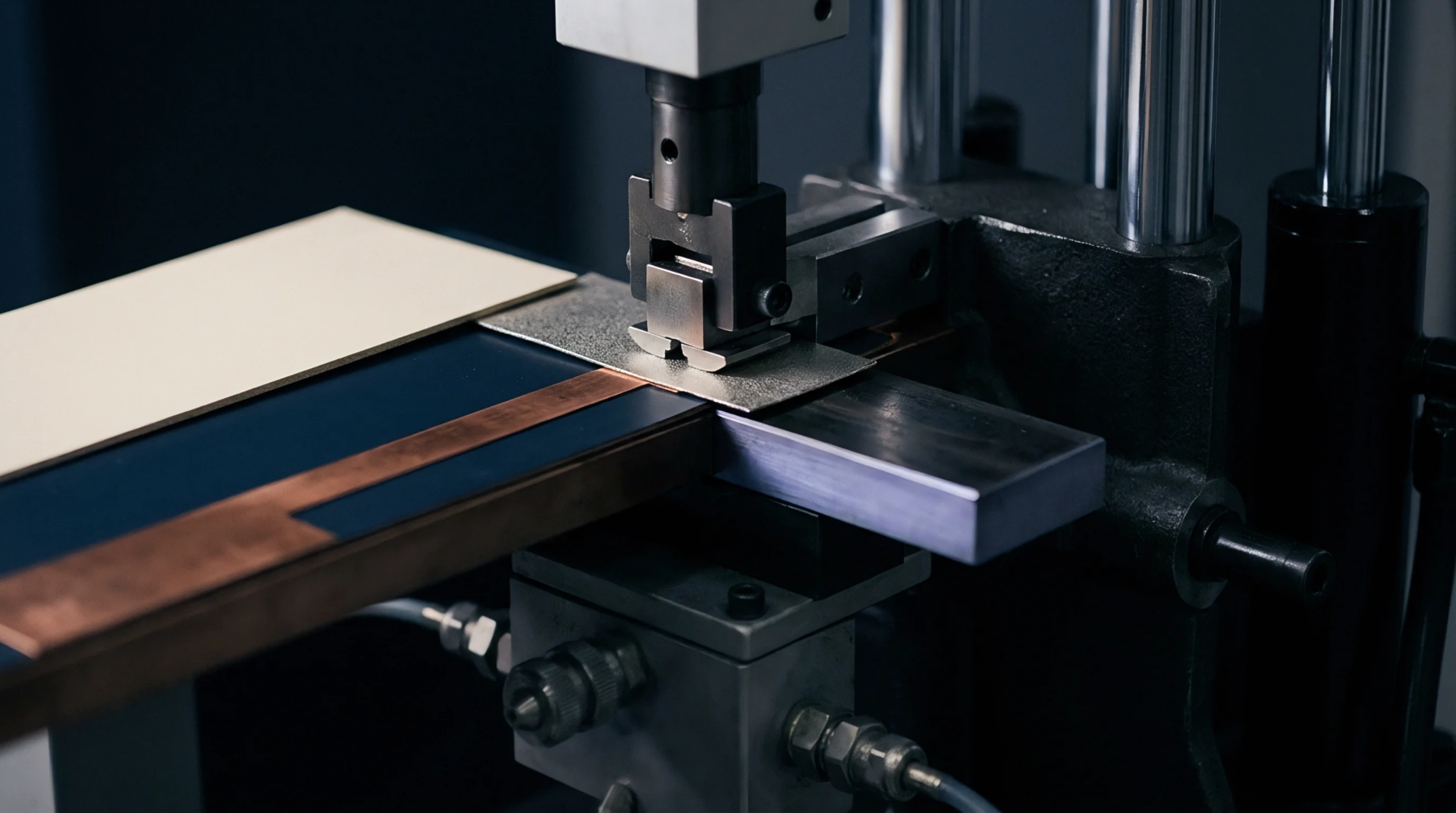
Predict anisotropic sub-core shrinkage by coupling glass yarn orientation with etched copper density across logarithmic decay models for each thermal pass.

Attributing intermittent BGA escapes requires pairing boundary scan fault coverage metrics with calibrated nanosecond discontinuity logging during line audits.

Capture pad size equals laser diameter plus twice the root-sum-square of tool, drill, and lamination movement tolerances.

Controlling HDI registration vectors demands balancing core dimensional shrinkage, LDI grid warping, and stackup symmetry to prevent microvia pad breakout.

Quantifying composite matrix degradation requires depth-resolved FTIR and nanoindentation to track silane debonding and Tg loss from unreacted acid flux.

Sequential lamination densifies HDI glass fabric, increasing out-of-plane dielectric constant and driving trace impedance below calculated line targets.
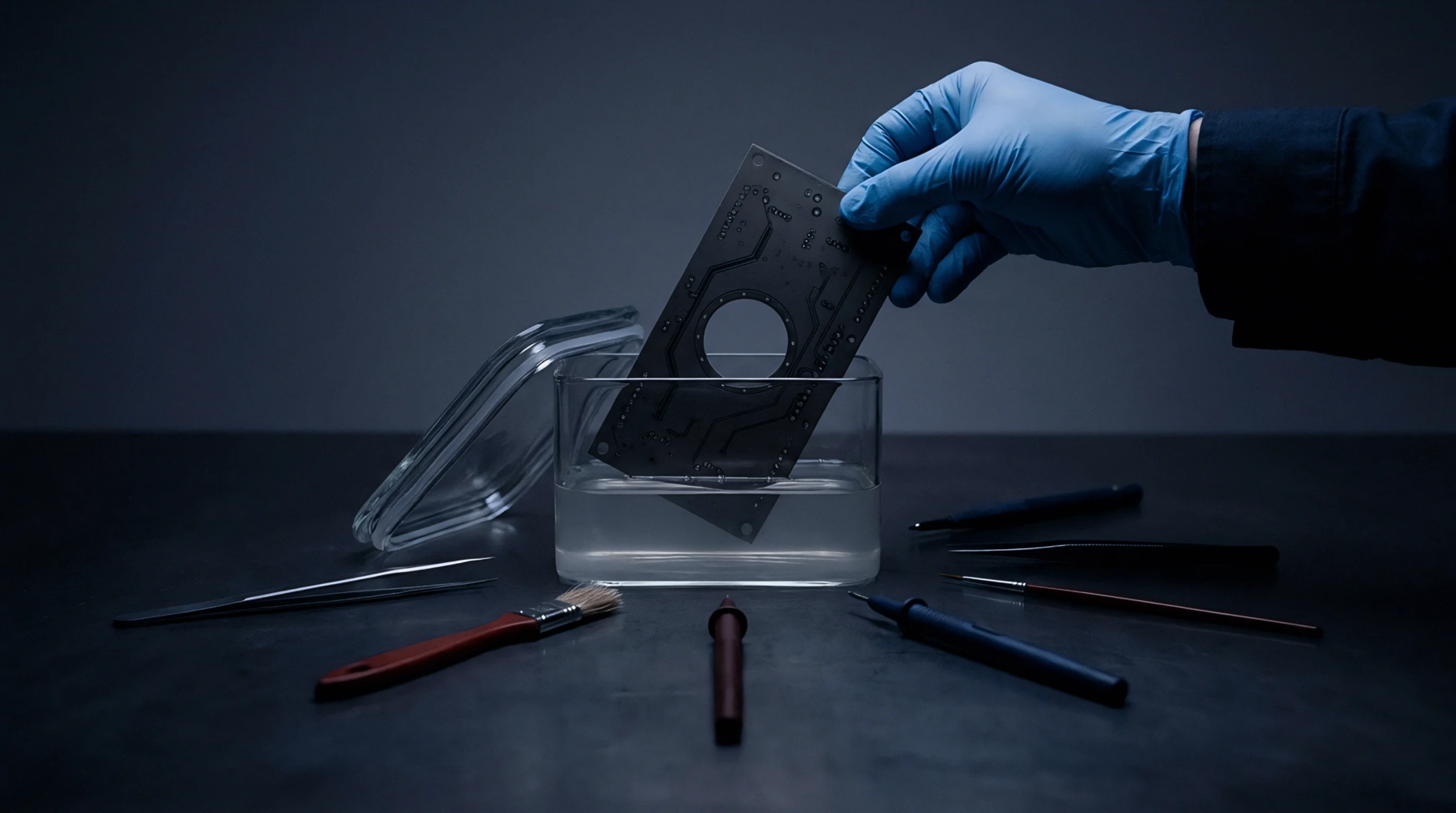
Titanium pocket inserts require Grade 2 unalloyed metal with PVD titanium nitride coating to prevent tin dissolution and pocket wall wear in high-tin lead-free solder waves.

Contractual yield adjustments protect buyers from paying assembly fees on reworked boards while allocating bonepile diagnostic labor transparently.

Precision pallet geometry balances thermal shielding against wave access, ensuring compliant vertical hole fill and zero SMT bridges on high-density boards.

Spread glass prepregs eliminate dielectric permittivity gaps across differential traces, suppressing signal skew below 1 ps/inch in 112G PAM4 stackups.

Extrapolating high-temperature laminate loss tangent shifts prevents gigahertz plane edge emissions escapes caused by thermal cavity resonance shifts.

Dielectric characterization methods determine in-circuit signal velocity by accounting for test fixture field structure, glass anisotropy, and copper surface roughness.

Optimizing stencil area ratios above 0.55 using electropolished foils and Type 5 paste maximizes volume transfer efficiency while minimizing SMT assembly defects.
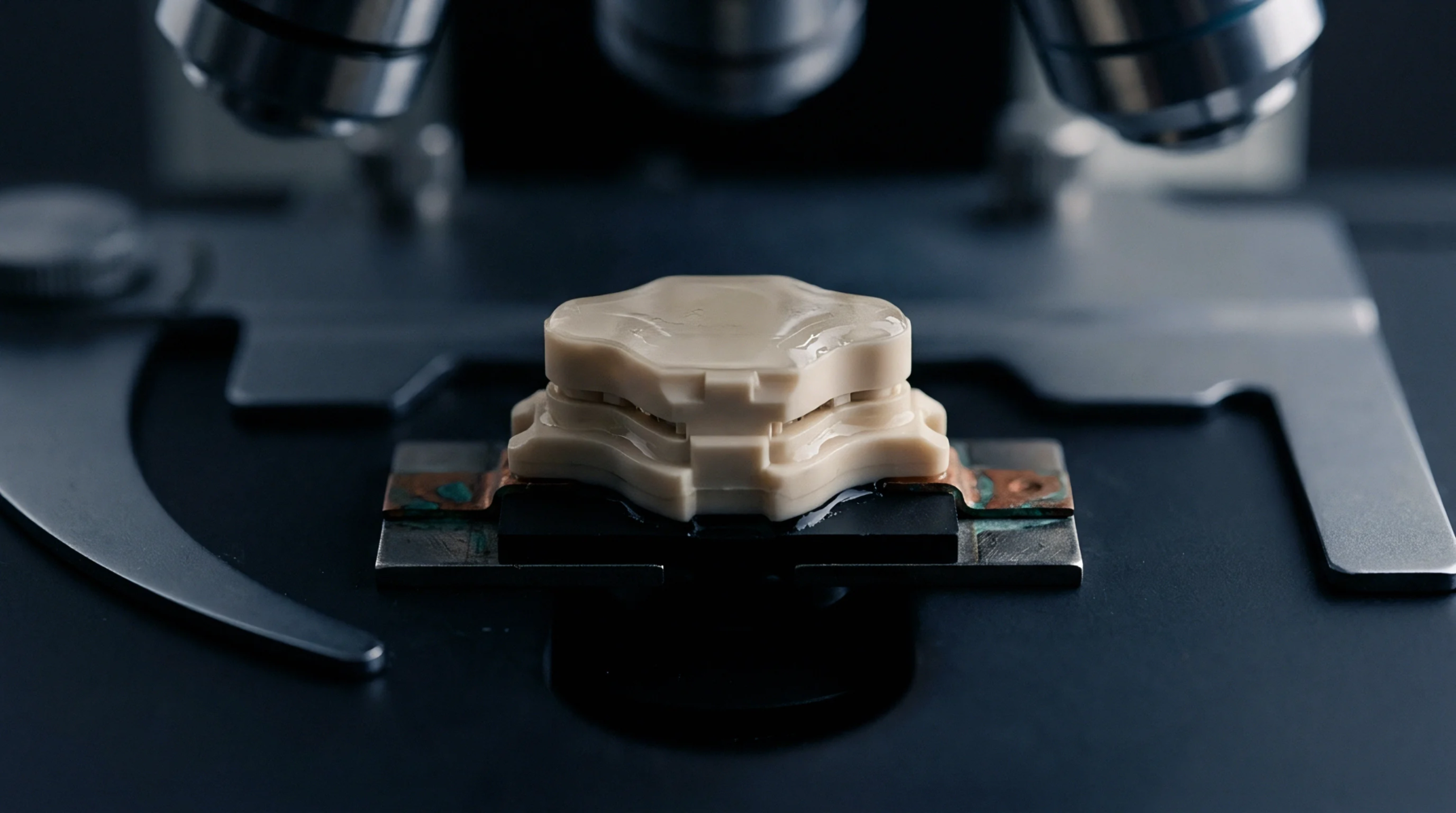
X-ray spatial magnification relies on precise distance ratios, focal spot limits, and grid calibration to ensure valid SMT solder joint measurement.

Mapping high-speed power rail transfer impedance limits directly to radiated emissions limits prevents costly EMC chamber re-tests and batch rejections.

Optimal selective soldering requires balancing nozzle orifice dimensions with precise top-side preheat windows to achieve Class 3 vertical barrel fill.

Power distribution plane cavity resonances create high impedance peaks that drive edge fringing fields, forcing radiated emissions beyond CISPR 32 limits.

Calculated steam expansion pressures in reflowed plastic integrated circuits reach 4.69 MPa at 260°C, causing catastrophic delamination if moisture exceeds critical levels.
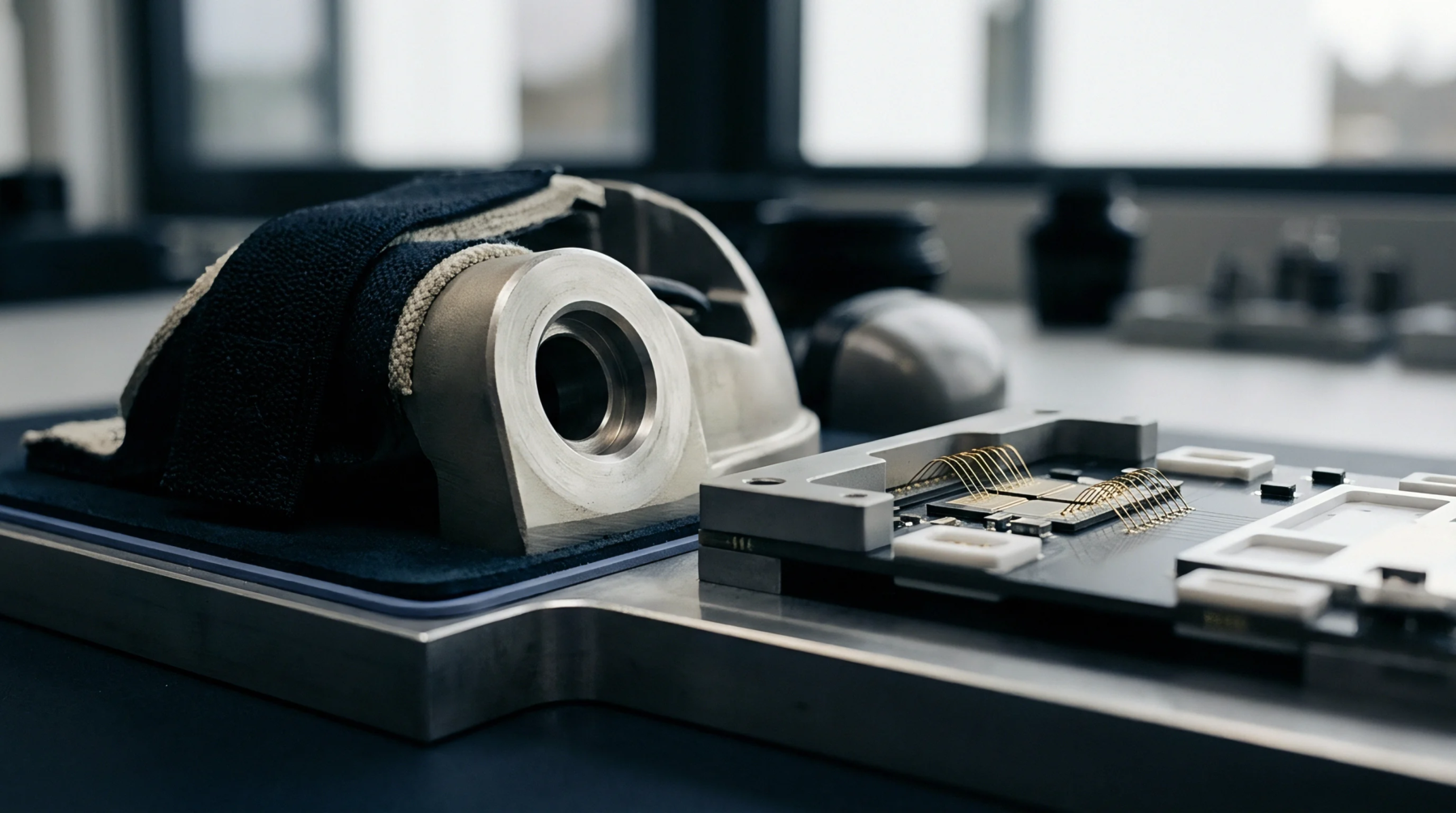
Microvia interface mechanics dictate that thermal cycling drives out-of-plane dielectric expansion, inducing shear failure at contaminated target pad boundaries.
Contractual test waivers transfer financial risk for latent manufacturing defects from the offshore assembler to the buyer upon shipment authorization.

Landed cost crossover balances fixture NRE against probe runtime fees, shifting financial advantage to fixtures once batch volume savings offset tooling costs.

Solder reflow steam pressures inside plastic components demand exact floor life accounting and dry storage discipline to prevent package delamination.
Expertise is a utility, not a secret. sentiention™ publishes its working knowledge as open reference: intelligence layer covering the materials it sources, the markets it enters, and the reference that serves both.