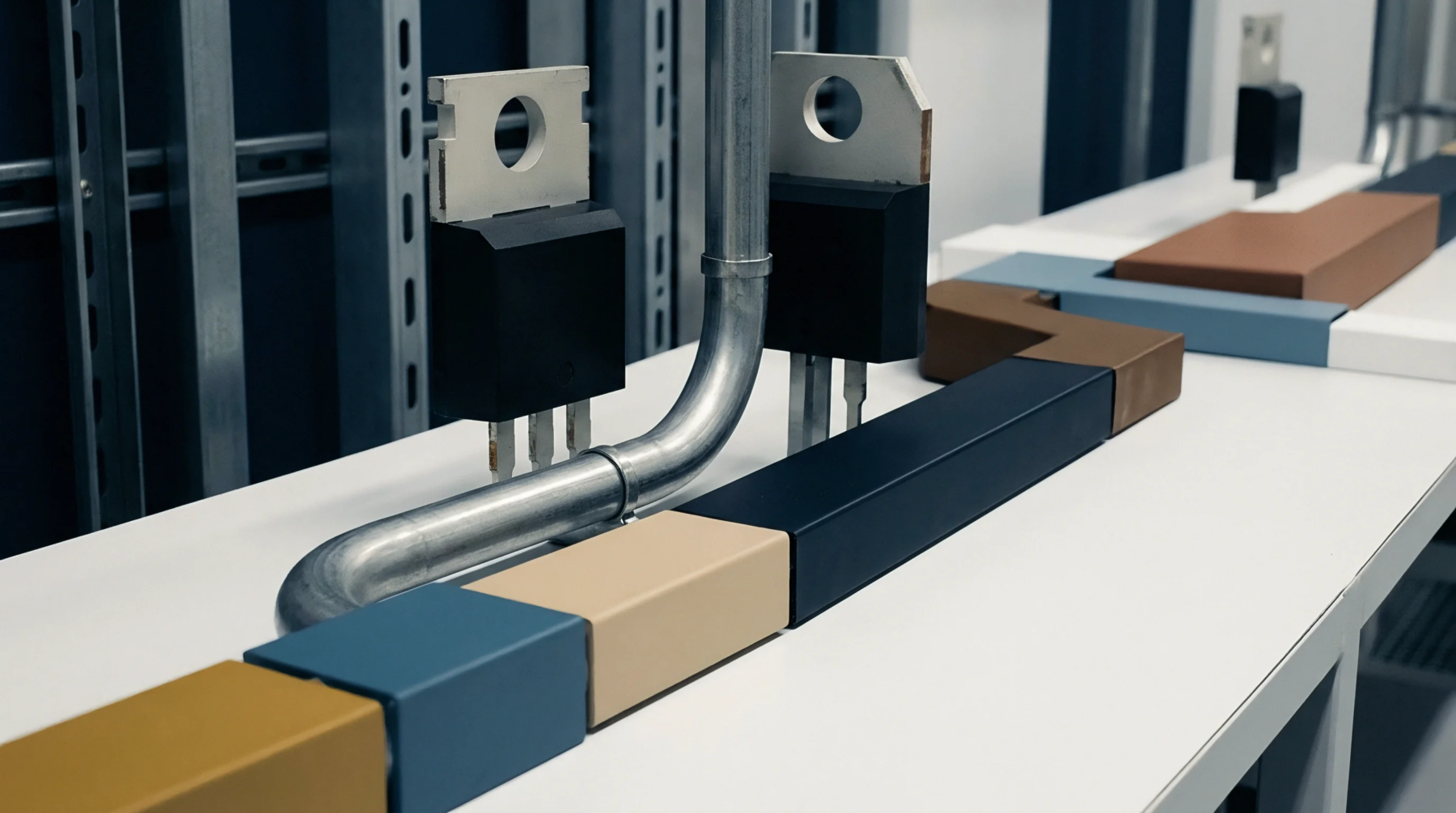
Predictive Hydrodynamic Modeling of High-Viscosity Epoxy Flow in Ultra-Heavy Copper Cavities
Predictive non-Newtonian flow modeling prevents micro-voiding in ultra-heavy copper cavities by matching prepreg viscosity minimums to press force ramps.

Predictive non-Newtonian flow modeling prevents micro-voiding in ultra-heavy copper cavities by matching prepreg viscosity minimums to press force ramps.
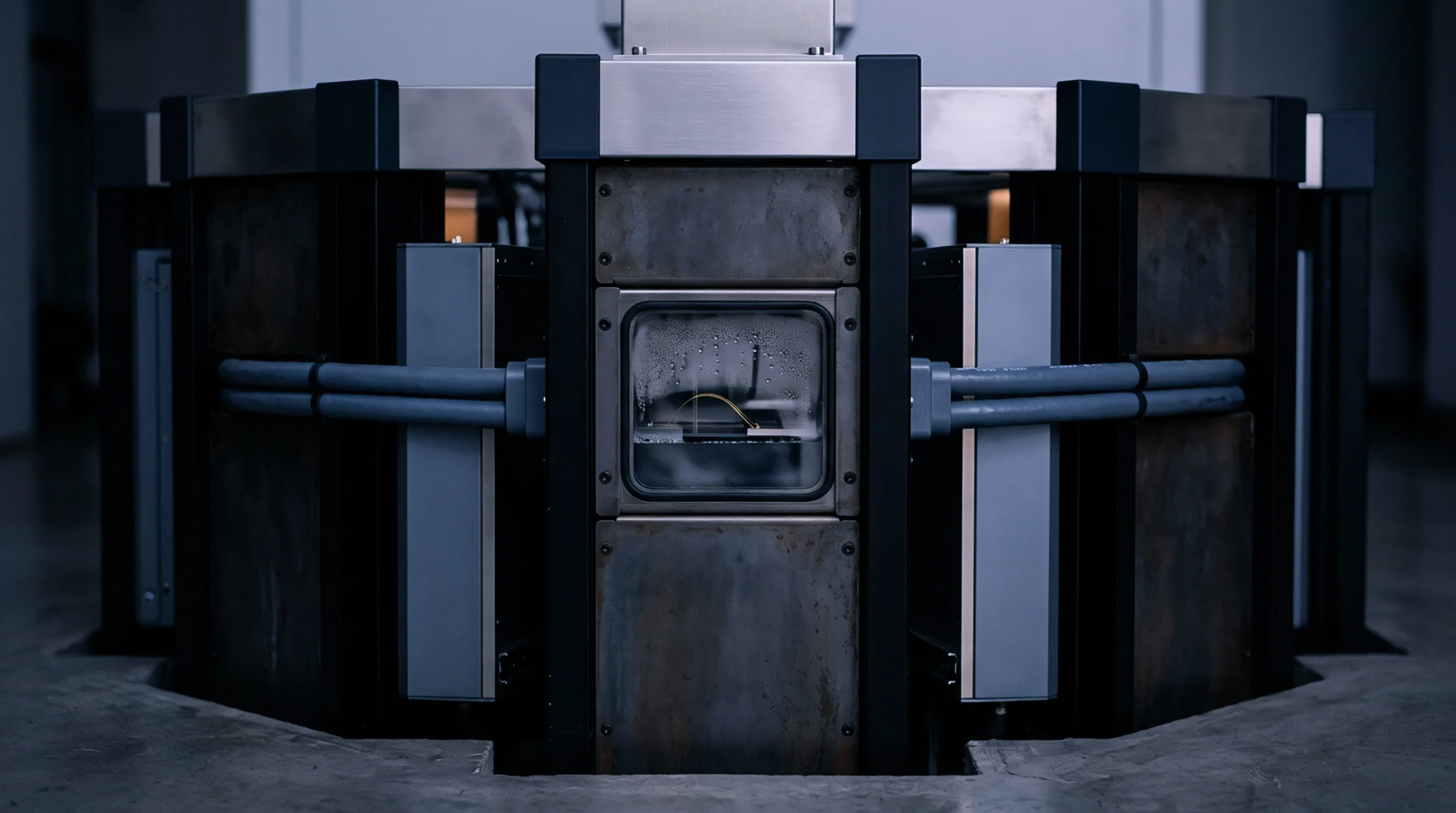
Non-isothermal squeeze flow and anisotropic permeability dictate prepreg filling, requiring precise press ramps to prevent dielectric micro-voiding.
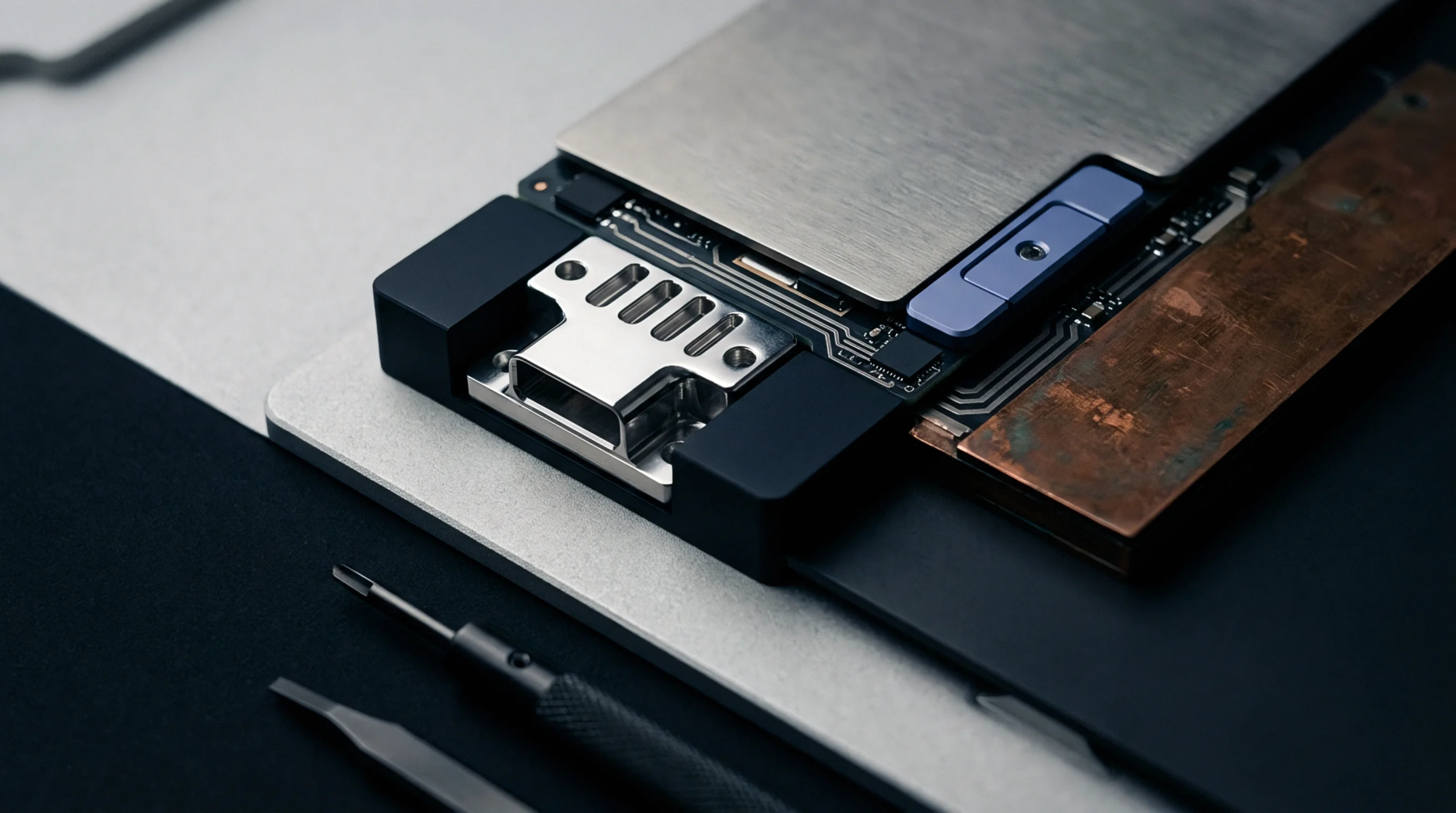
Dynamic viscosity minimums and hydraulic press profiles dictate complete microscale clearance filling, preventing latent internal voids and panel scrap.
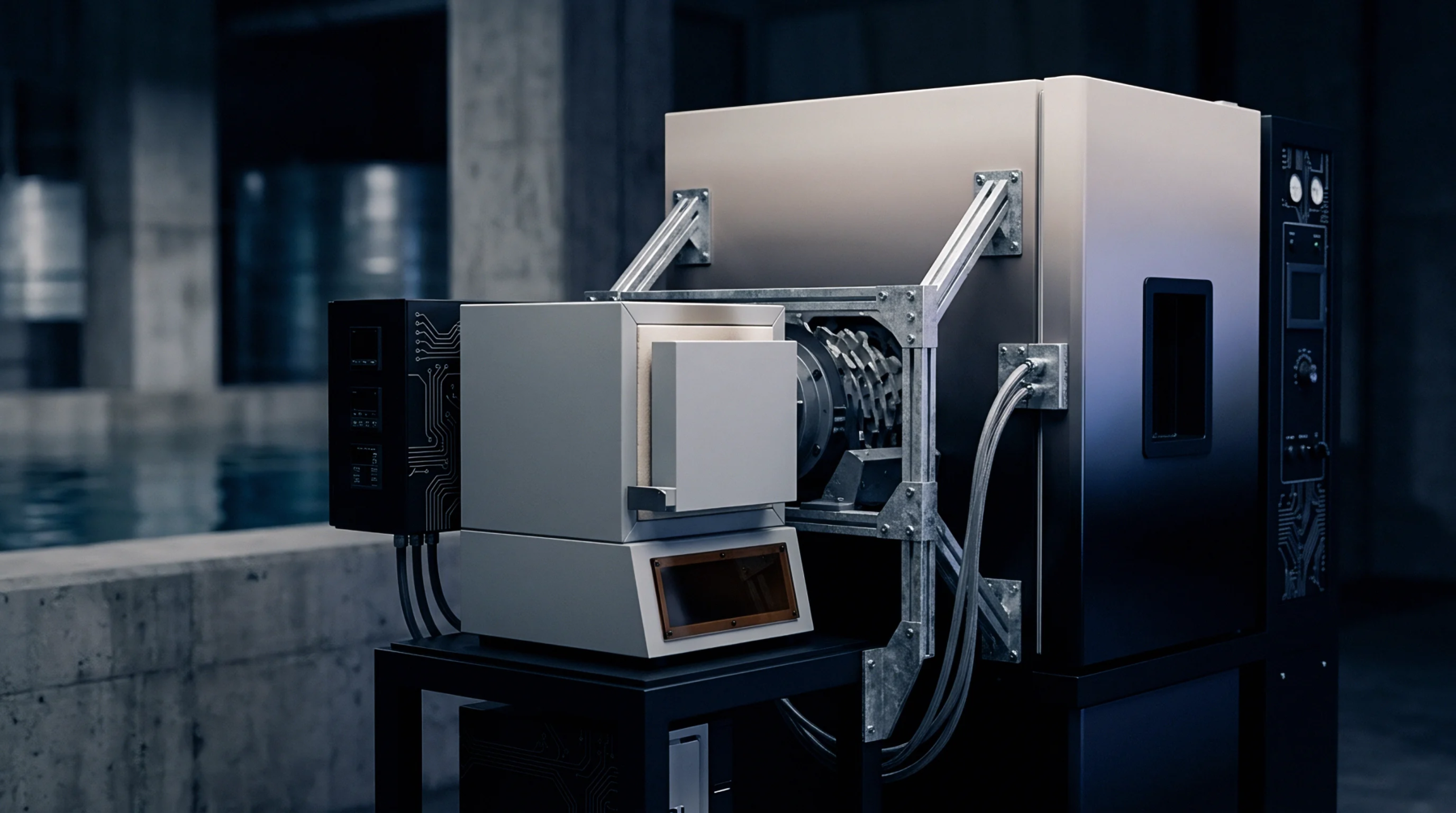
Escape rate analysis for high-speed SerDes requires combined AC boundary scan and high-frequency TDR screening to capture micro-voids and flex micro-cracks.
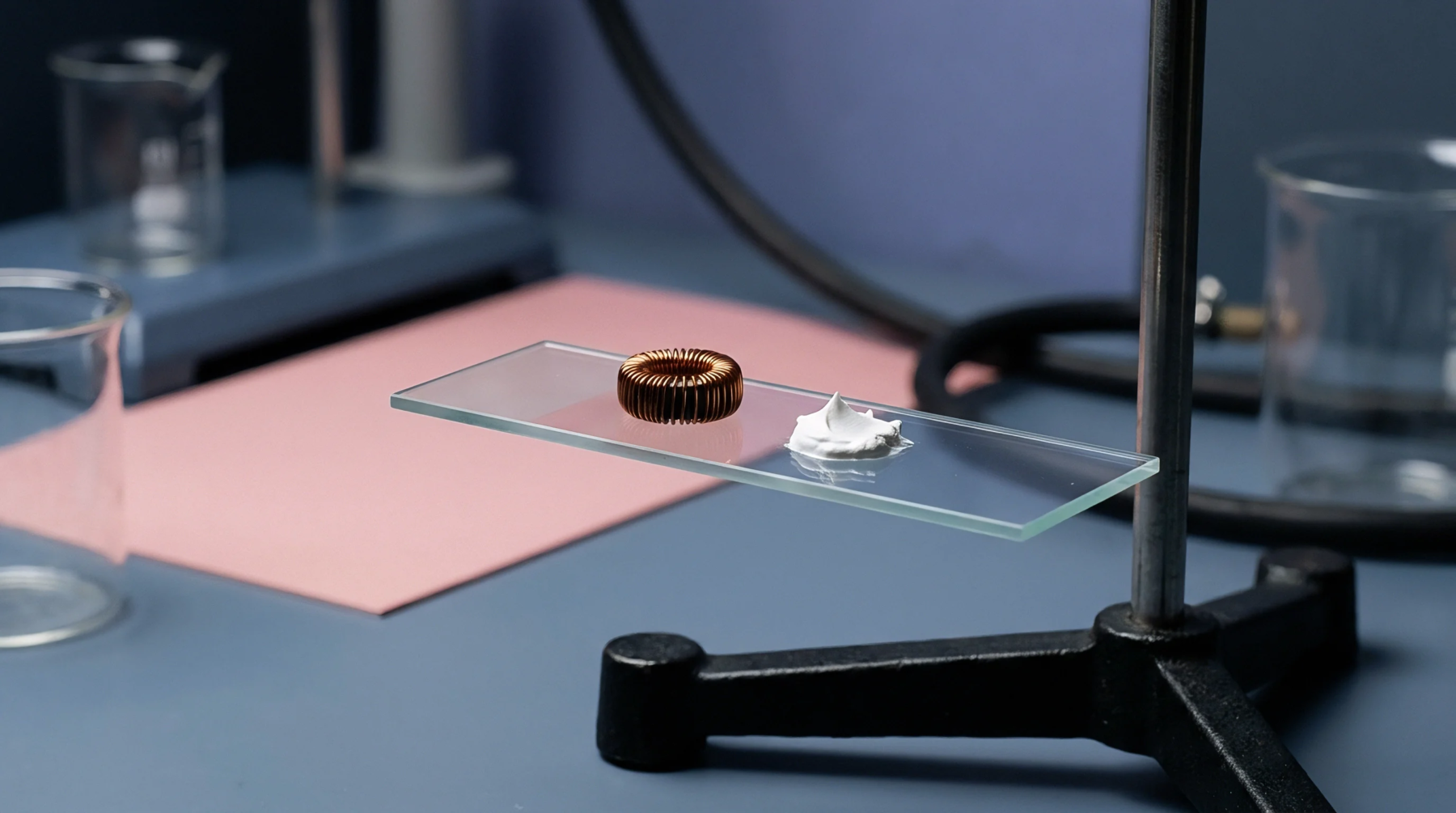
Decoupling tensor permittivity from interfacial scattering requires multiline TRL calibration and broadband power spectral density modeling up to 110 GHz.
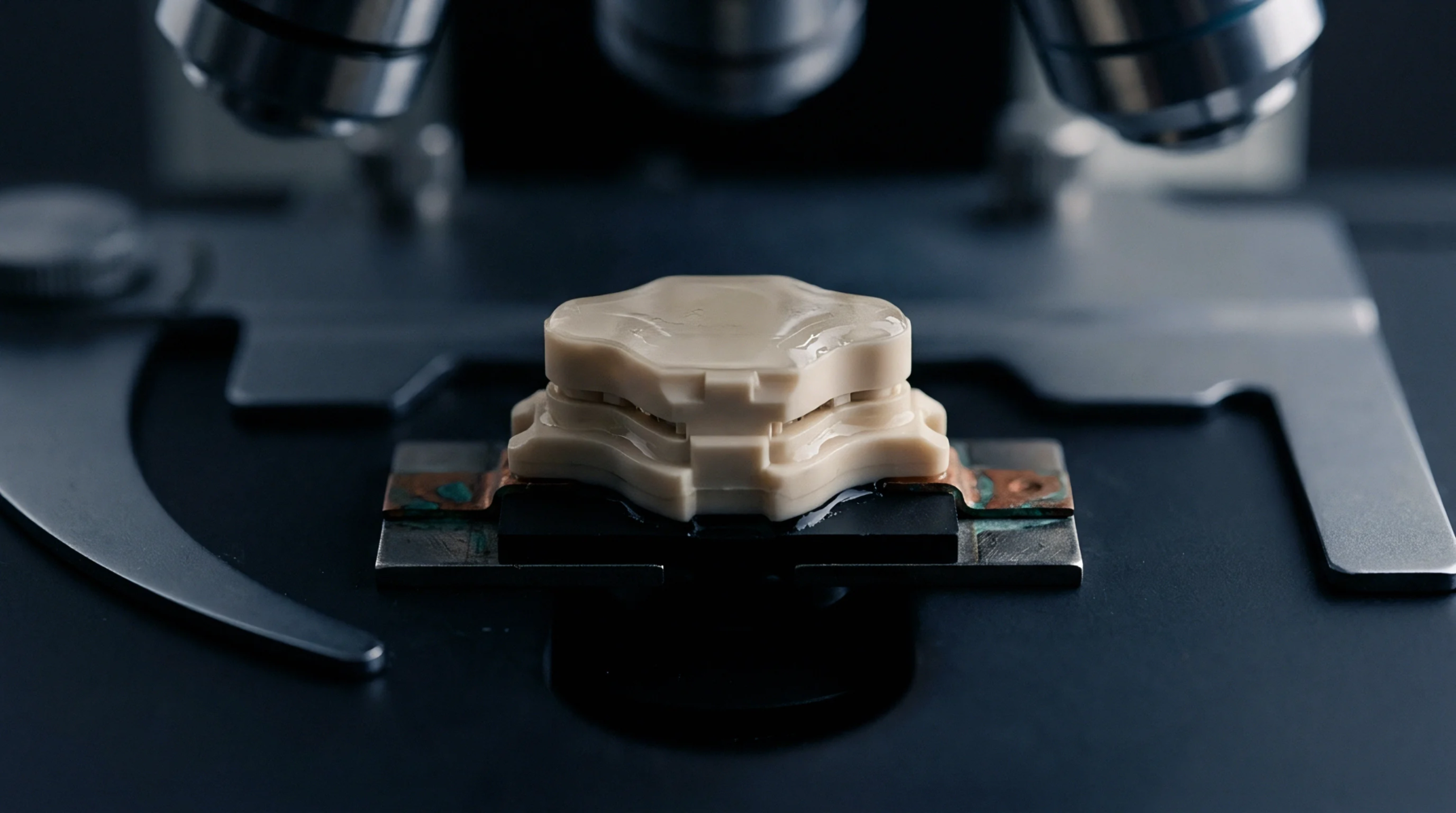
AC coupling capacitor solder joint failures require AC boundary scan and TDR screening to detect latent mechanical microcracks before field deployment.
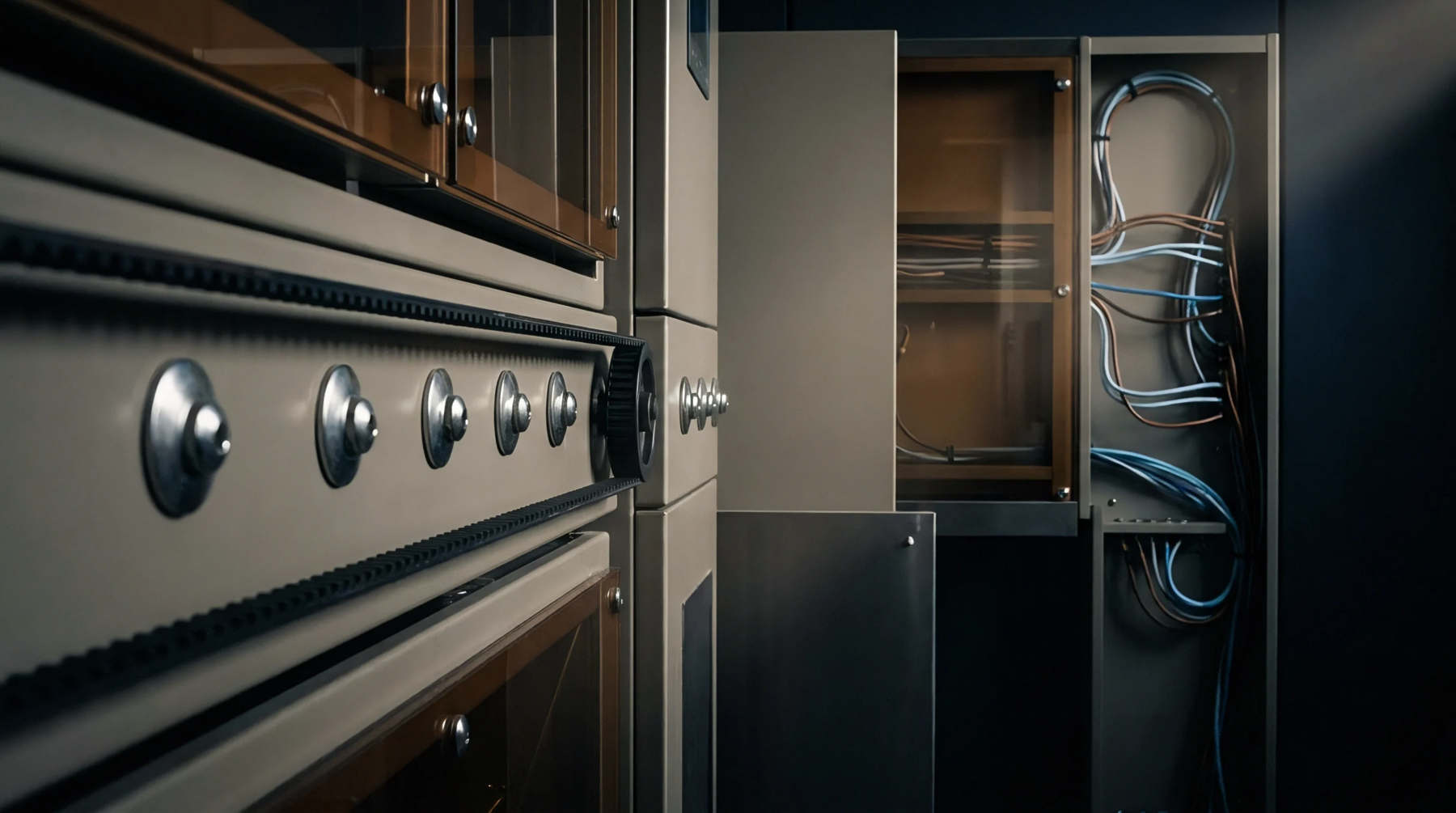
Predicting sub-GHz H-field leakage across HDI splits requires calculating slot return loop inductance and applying near-field dipole transformation limits.

Matching paste particle size and viscosity to stencil area ratio maintains stable transfer efficiency above 80 percent on fine-pitch components.
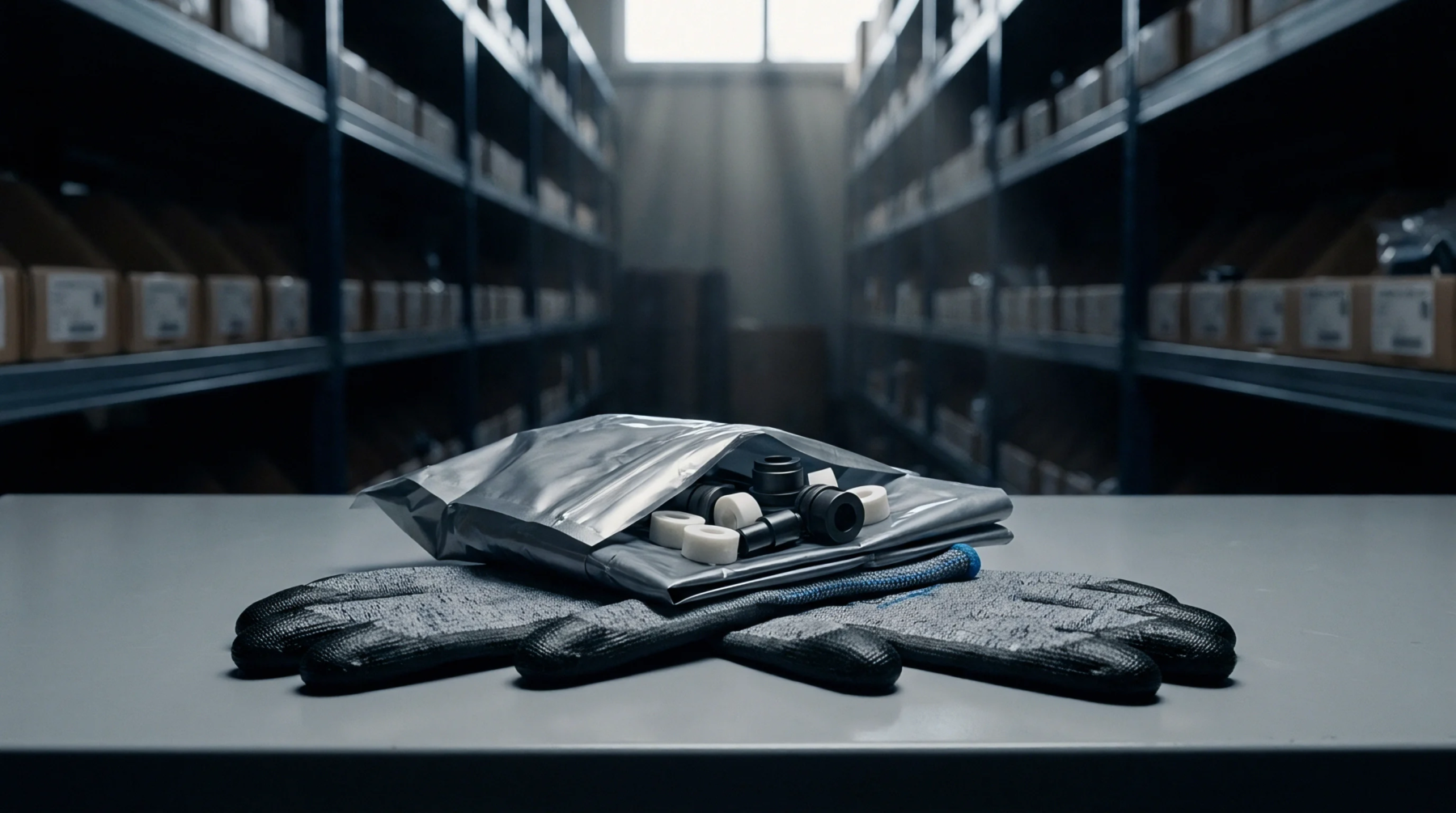
Real PCB assembly throughput averages forty to sixty percent of IPC-9850 placement rates due to board transfer, vision checks, and component variation.
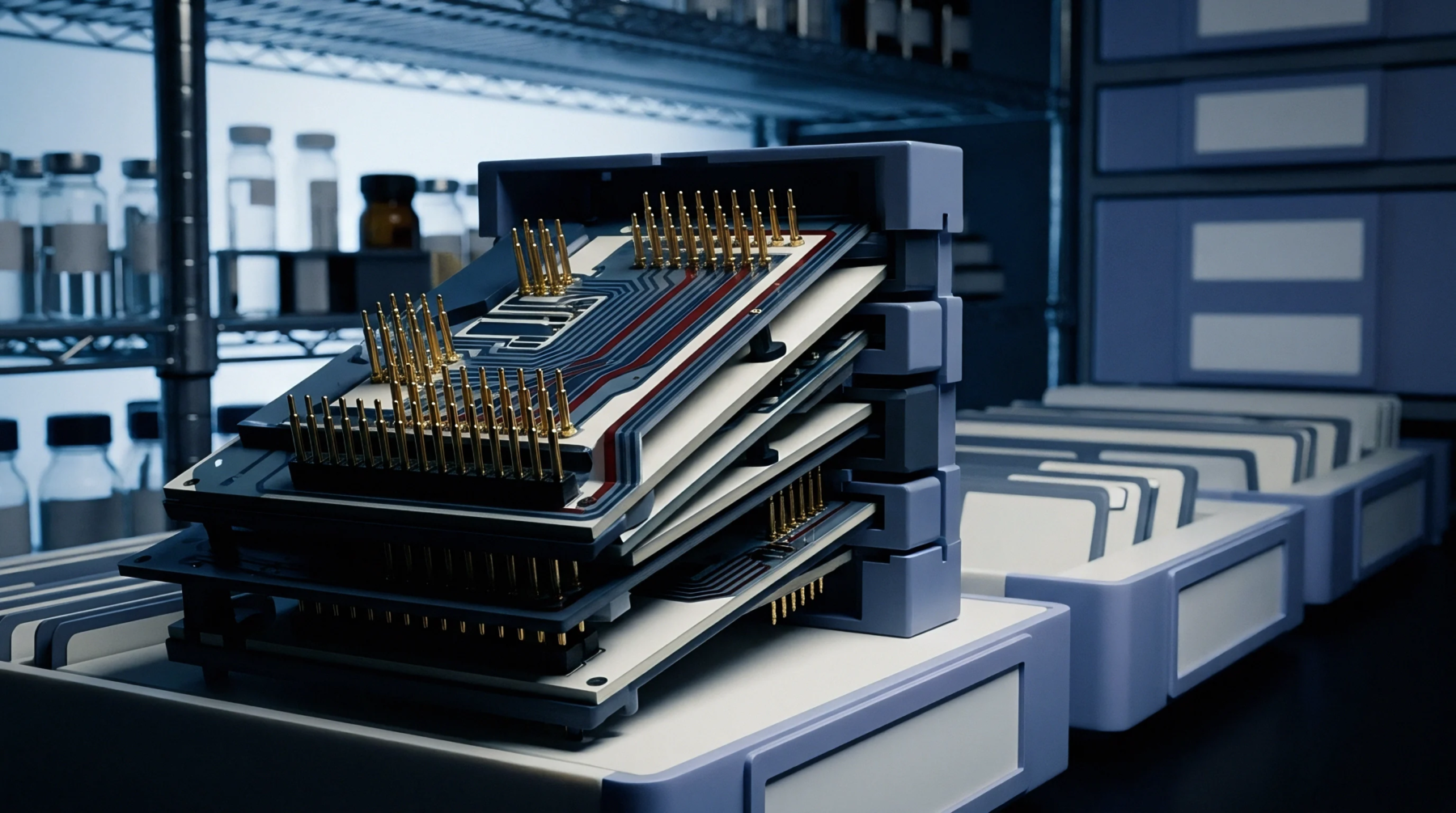
Thin dielectric power plane pairs suppress high frequency cavity modes and radiated emissions by lowering target impedance and shifting resonant frequencies.
Adhesiveless polyimide substrates eliminate high-loss acrylic adhesives, dropping dielectric loss tangents to 0.002 at 10 GHz when paired with smooth rolled copper.

Copper density gradients across sequential lamination stackups drive severe shear stress during reflow, requiring thieving and balance rules to protect yield.
Sub-ten micron die delamination quantification requires transducers above 200 MHz, balancing 5-micron spatial resolution against material acoustic attenuation.
Acoustic phase inversion identifies package delamination by tracking 180-degree echo phase shifts caused by air gap impedance drop at internal material boundaries.
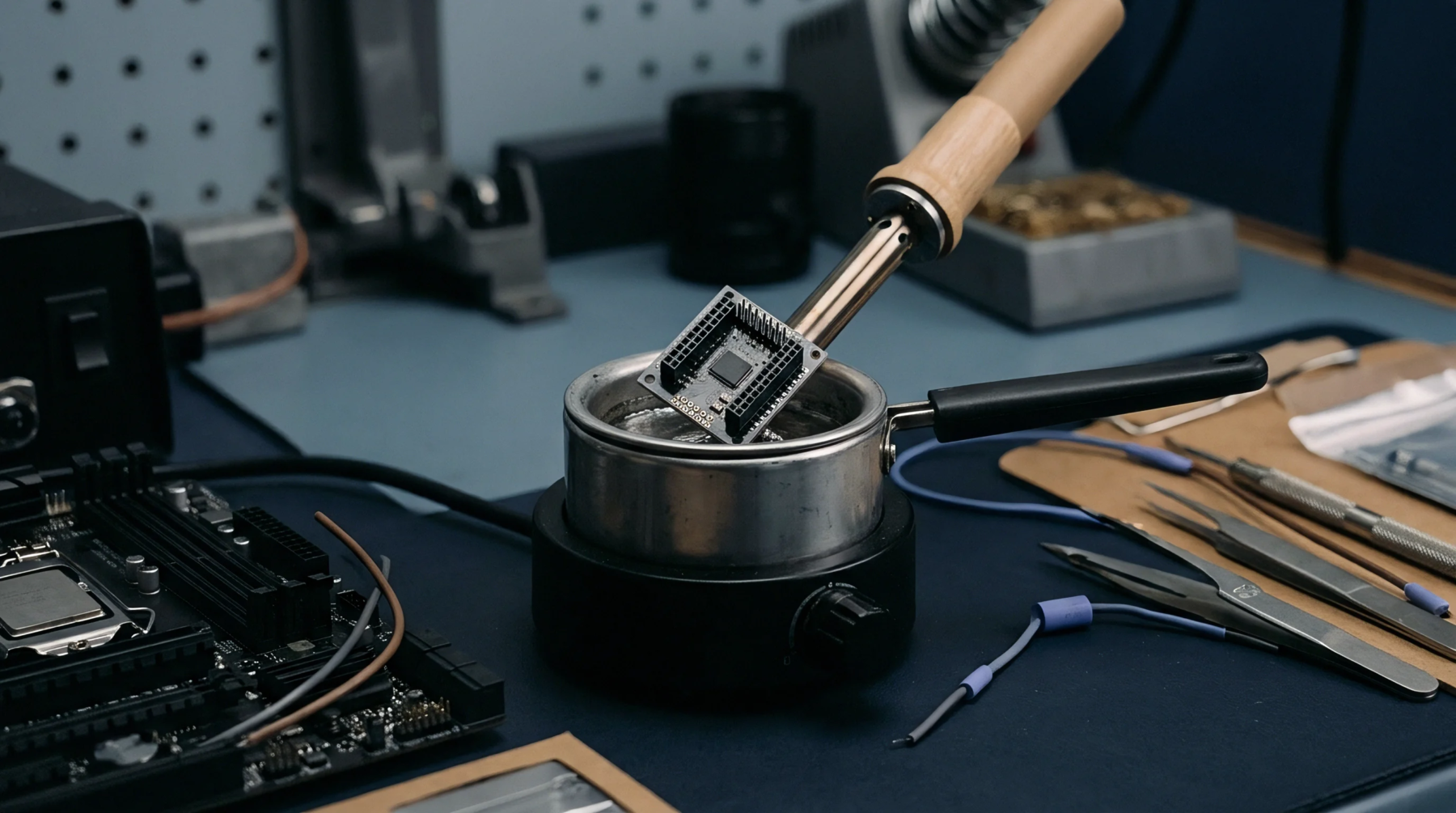
Physical test probe access drops on high-density microvia boards, demanding solder beads or boundary scan to maintain coverage without damaging copper caps.
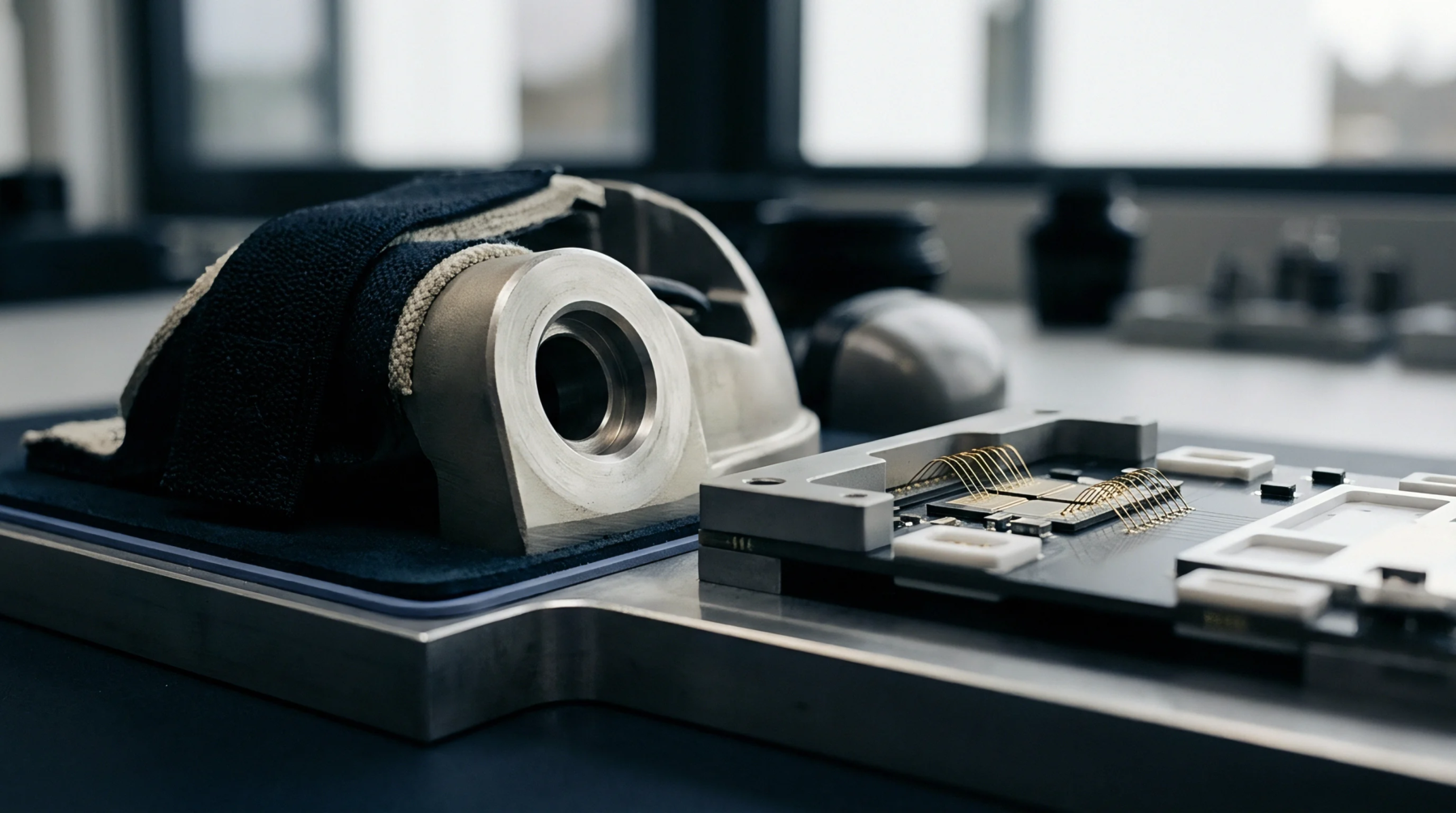
Fine pitch SMT inspection requires combining 3D optical profilers with boundary scan and automated X-ray gates to catch hidden solder escapes before field deployment.

BGA moisture sensitivity compliance demands strict floor life tracking, J-STD-020 preconditioning qualification, and acoustic inspection for subsurface delamination.
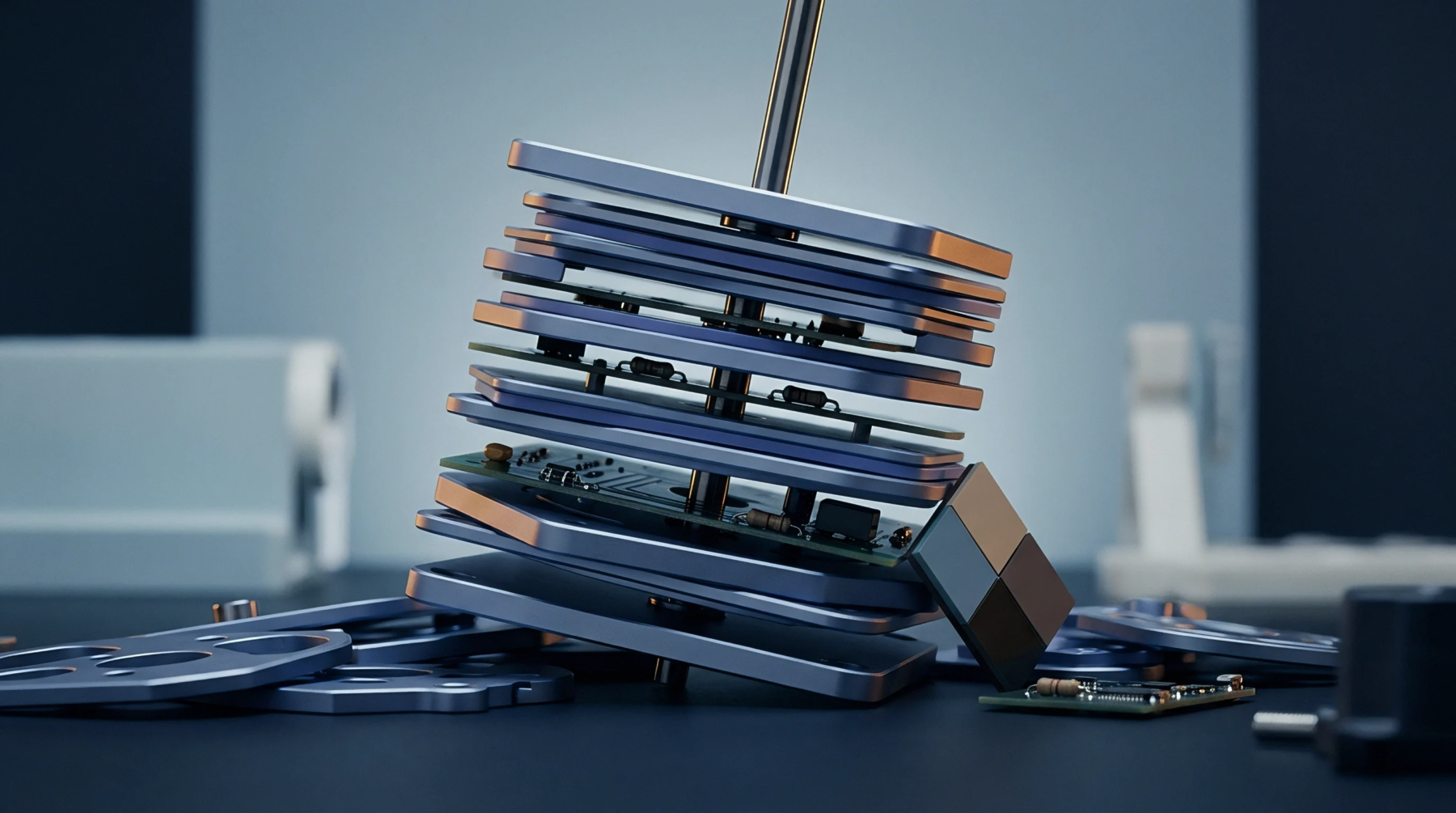
Fickian desorption calculations use temperature-dependent diffusivity to determine exact package bake times, preventing reflow popcorning and structural delamination.
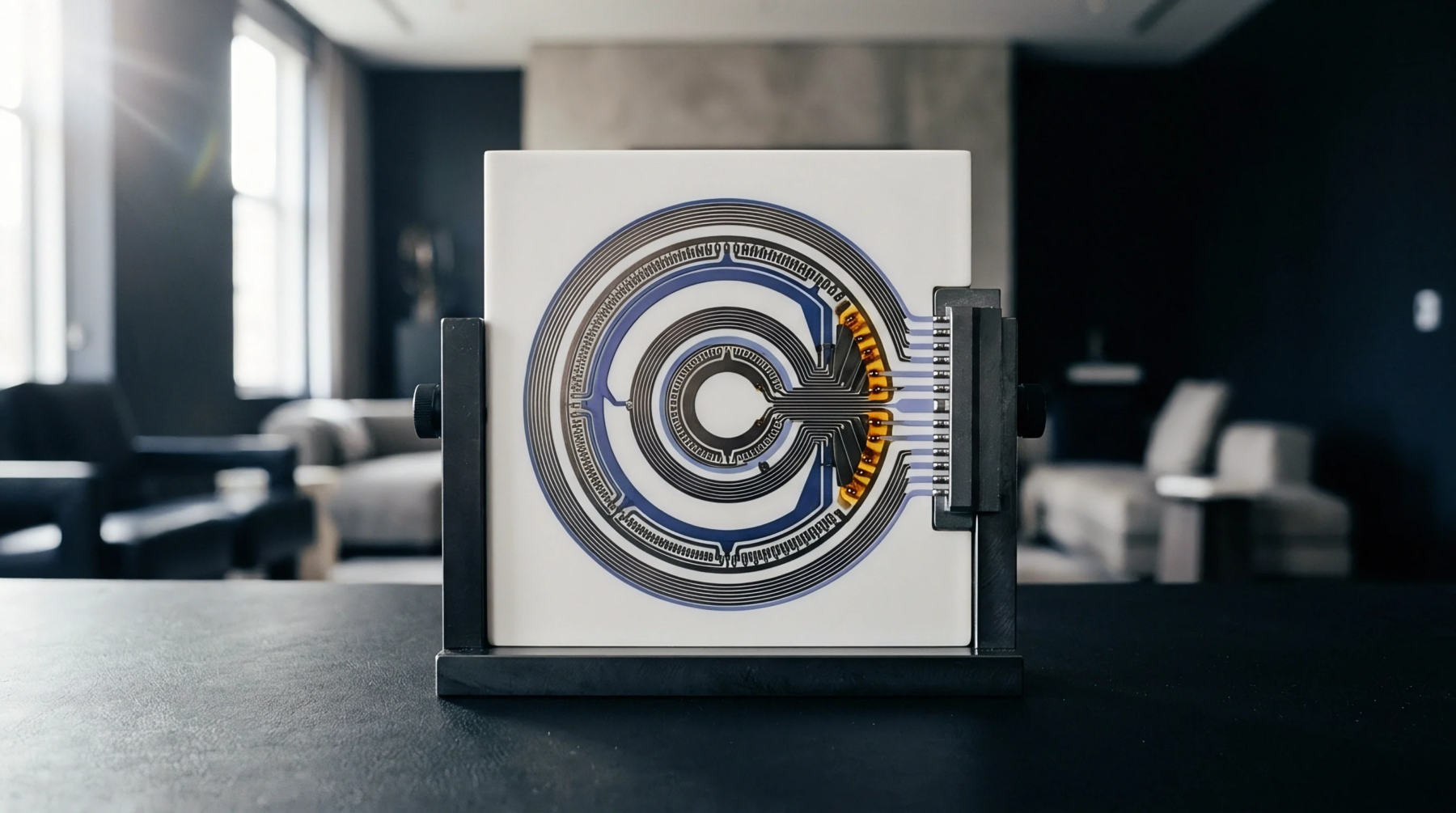
Prepreg viscosity profiles under precise heating rates dictate resin fill, dielectric spacing, and internal layer registration in high frequency stackups.

Partial nodal access models predict field escapes by multiplying baseline DPMO against unprobed structural and functional coverage gaps across dense nets.
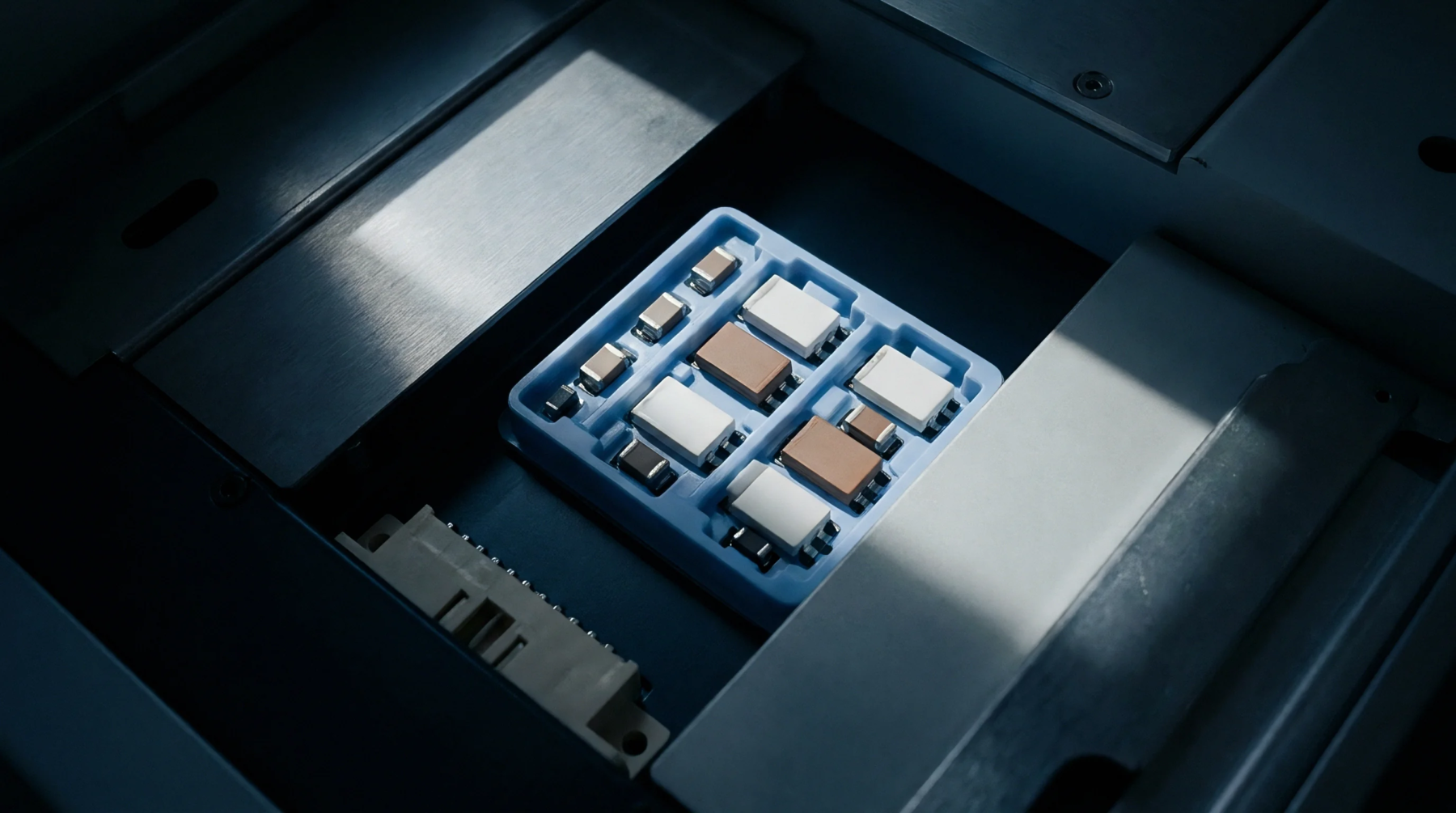
Prepreg glass bundle spacing causes local permittivity shifts that introduce picosecond phase delay variance in high-speed microstrip traces.
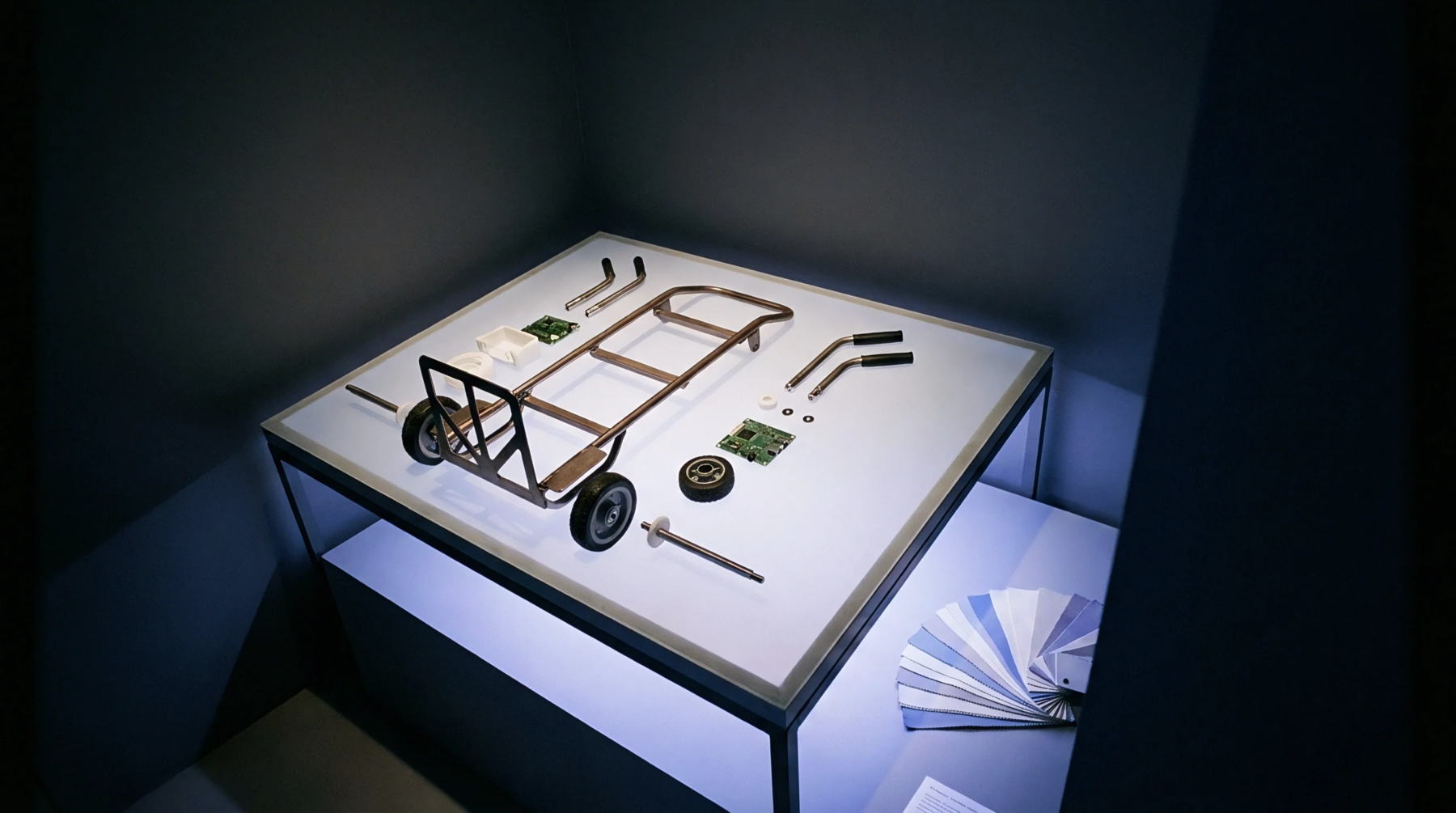
Sub-0.15mm microvia target pad interface fatigue scales nonlinearly with z-axis CTE mismatch and target pad offset, demanding thick base copper and equiaxed plating.
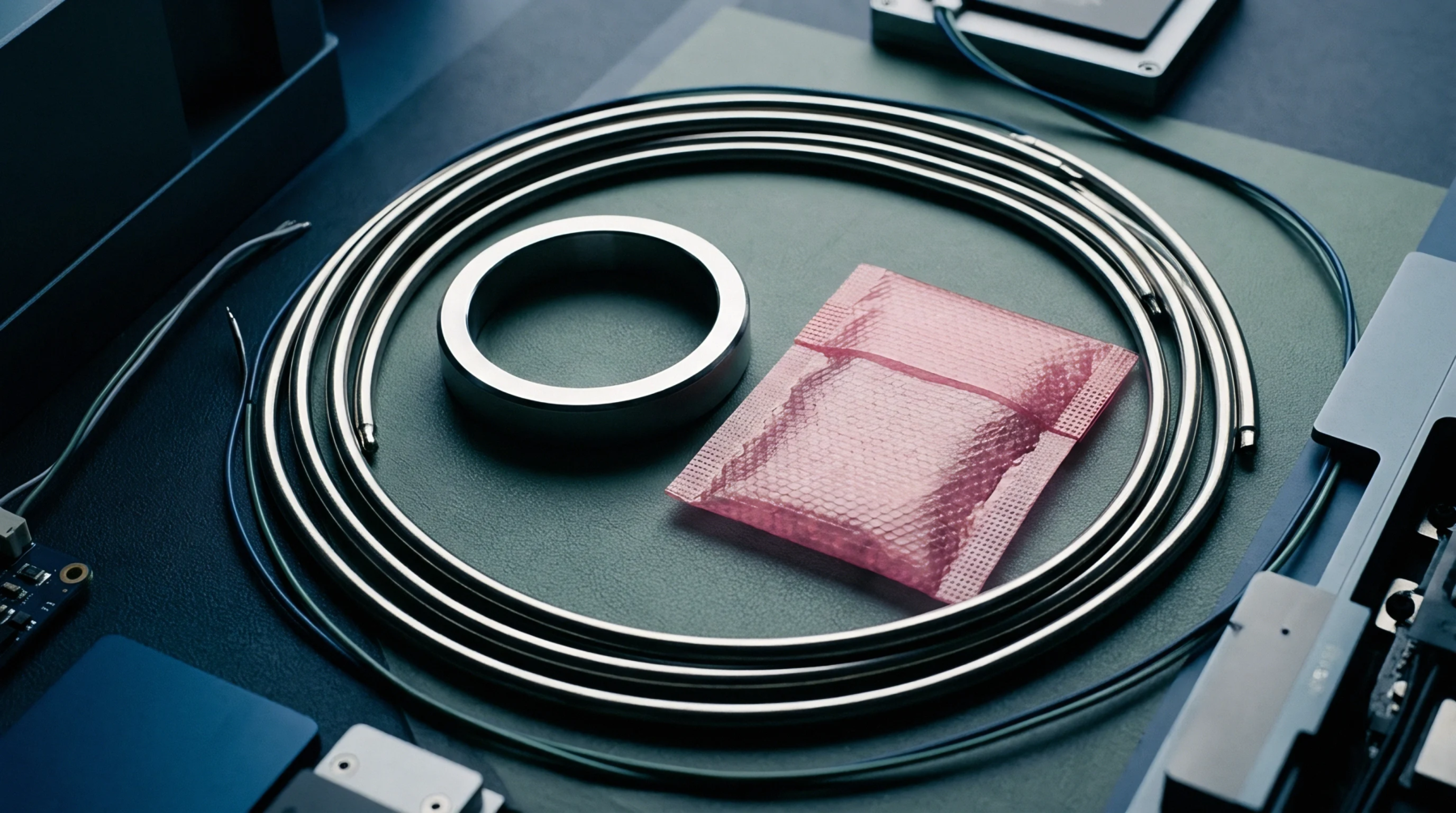
Interconnect stress testing detects sub-micron post separations through dynamic resistance drift before static optical microsections show physical cracks.
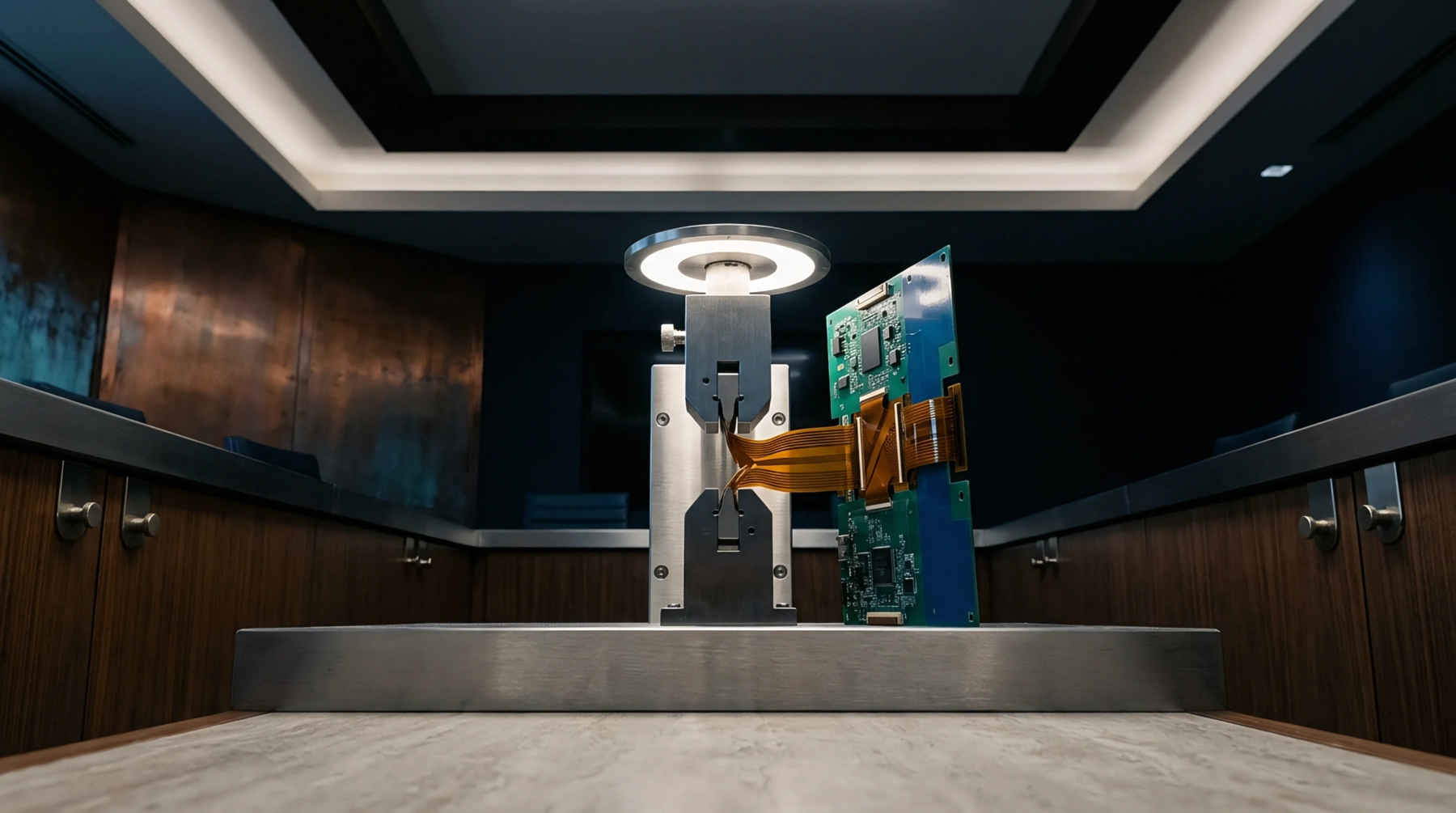
Component floor life compliance requires strict tracking, verified moisture barrier packaging, and controlled bake protocols before surface reflow.

Test point designs require 0.80 mm targets on 1.27 mm pitch with bottom-side placement to maximize fixture alignment and maintain strain under 500 microstrain.
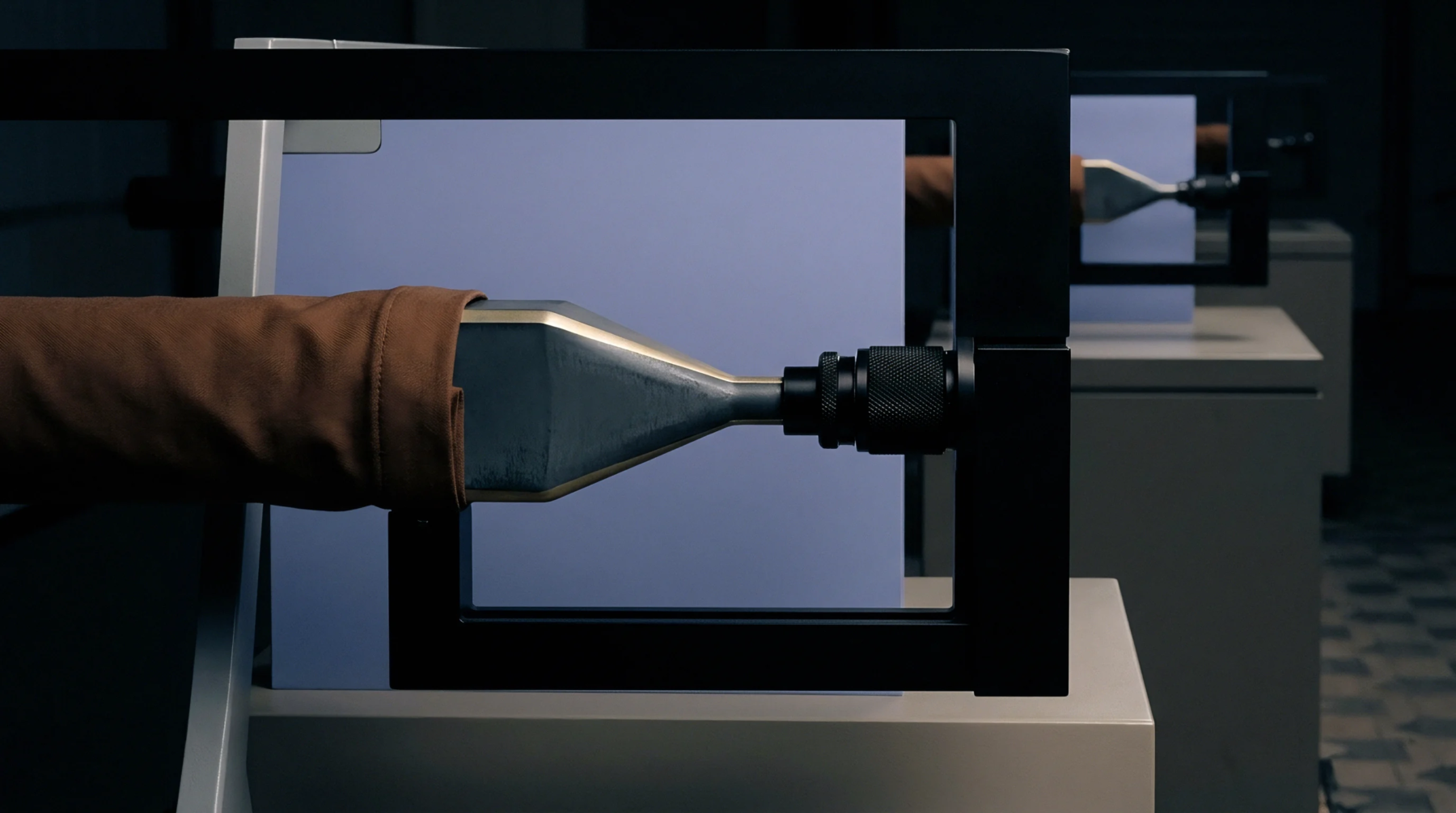
Profiling variable weight copper stackups requires extended soak dwell and high gas velocity to equalize thermal delta across light pads and heavy ground planes.

Matching dielectric CTE above Tg to copper ductility prevents inner layer interconnect fracture during high temperature reflow thermal profile cycles.
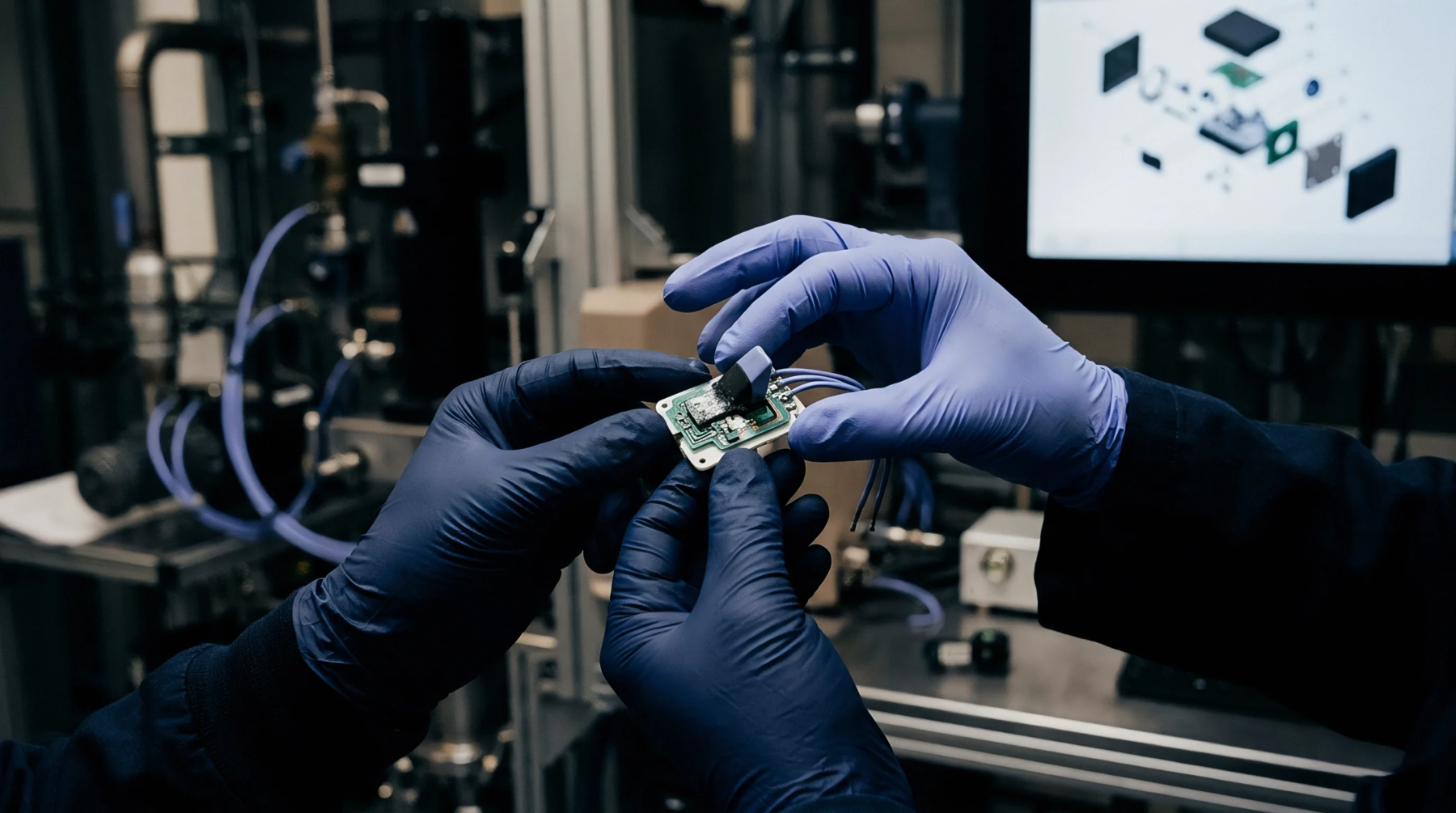
Non-linear viscoelastic cure modeling predicts microvia target pad separation by coupling resin shrinkage to interfacial cohesive fracture energy.
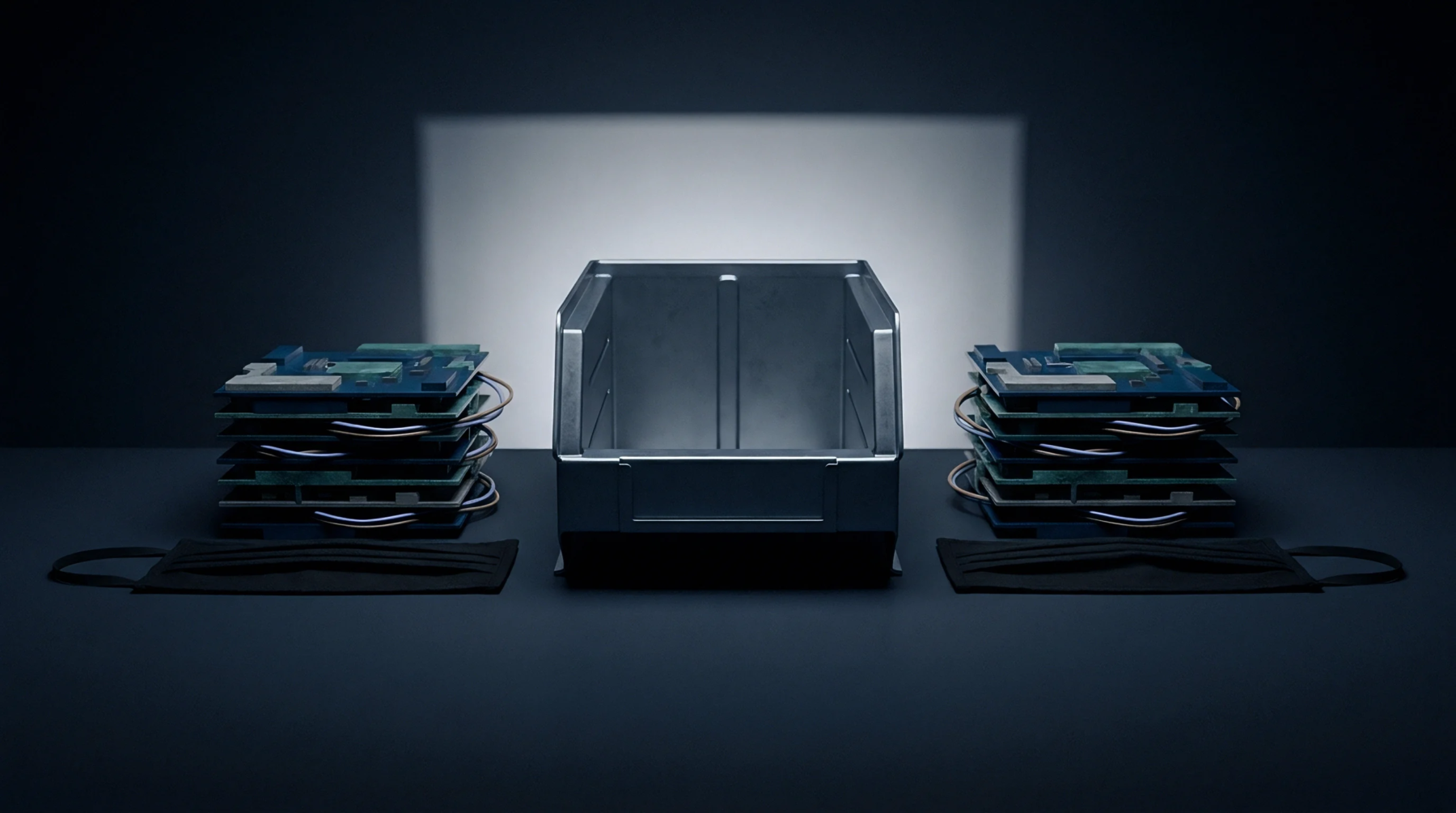
Cross-hatched ground plane geometry requires balancing mesh pitch, line width, and trace bias angle to prevent impedance elevation and slow-wave phase delay.
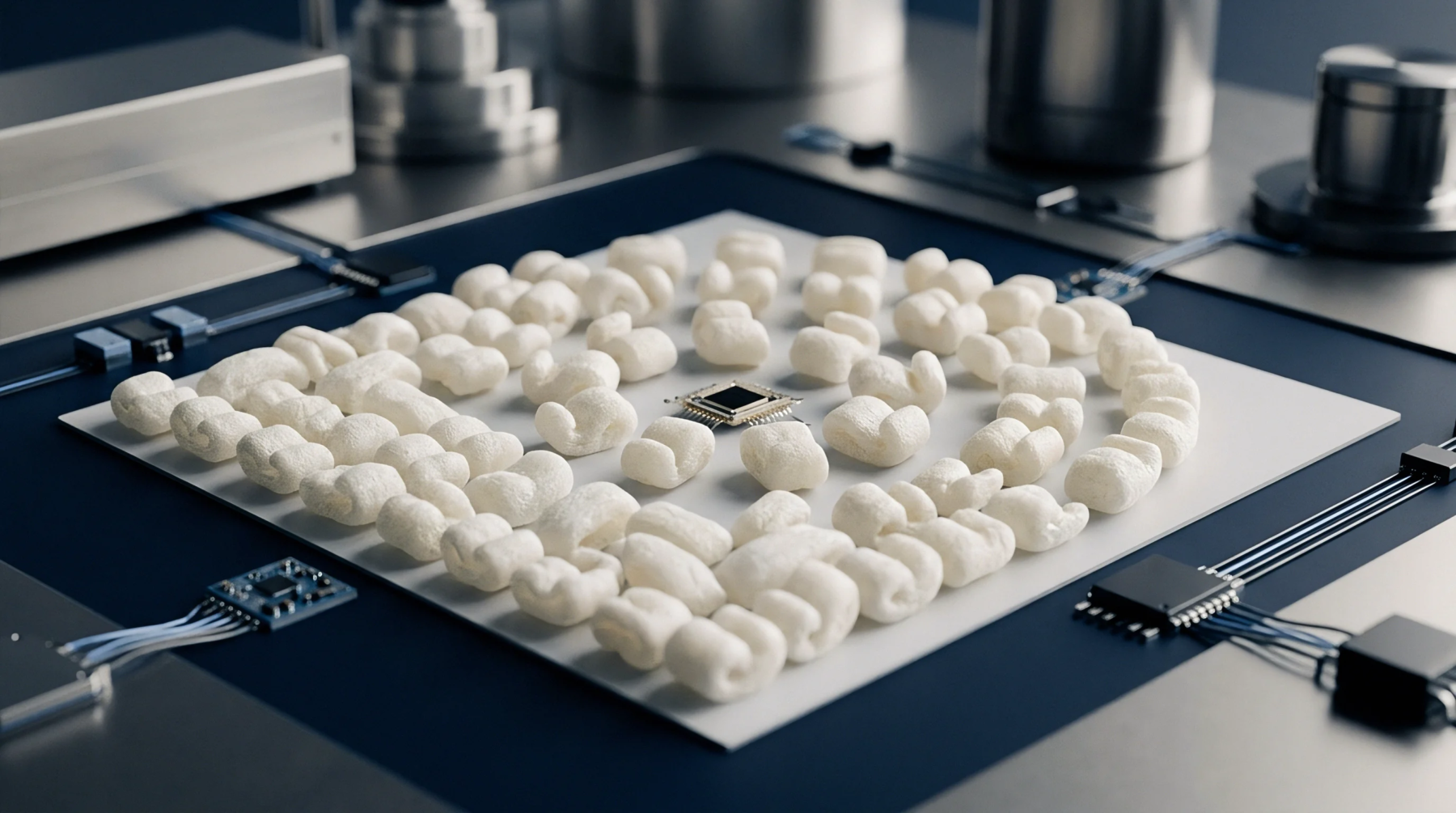
Combining IEEE 1149.6 boundary scan vectors with deflection-assisted flying Kelvin probes isolates unmasked BGA head-in-pillow defects down to 4.5 micro-ohms.
Expertise is a utility, not a secret. sentiention™ publishes its working knowledge as open reference: intelligence layer covering the materials it sources, the markets it enters, and the reference that serves both.