
Transfer Efficiency Variance across Stencil Foils and Nanocoatings in High Density SMT
Aperture area ratios below 0.50 demand fine-grain foils with CVD nanocoatings to sustain transfer efficiency above 80 percent and print Cpk above 1.33.

Aperture area ratios below 0.50 demand fine-grain foils with CVD nanocoatings to sustain transfer efficiency above 80 percent and print Cpk above 1.33.

Dielectric constant shifts permanently during lead-free reflow, requiring stackup field solvers to simulate compensated post-thermal permittivity baselines.
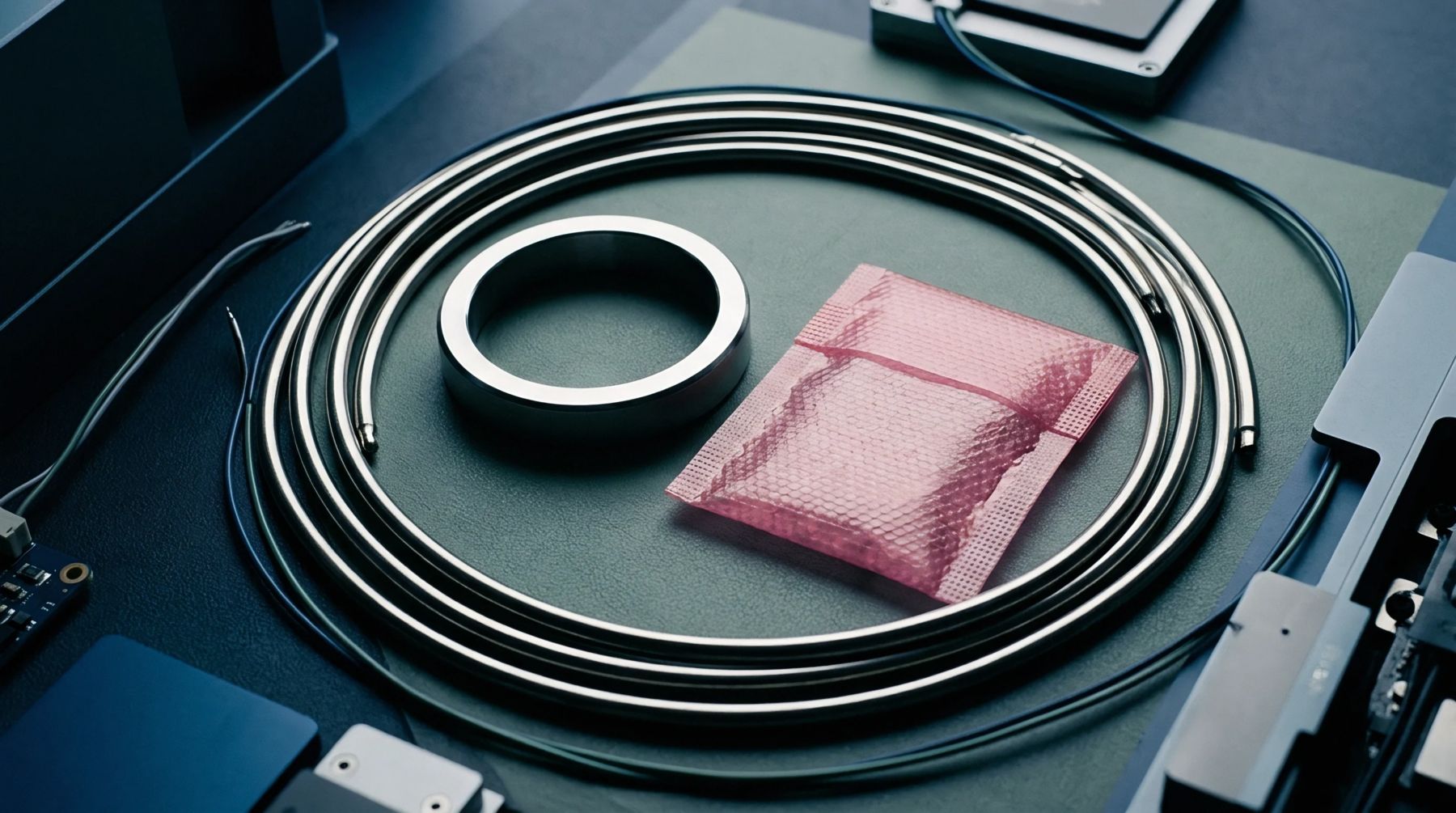
Subsurface power planes extract heat downward during reflow, creating thermal shadowing and premature freezing that traps flux volatiles as interfacial voids.

Empirical silicon sputter yield quantification requires pairing optical crater volume metrology with mass-filtered Faraday cup cluster dosimetry.

Tuning convective gas velocity compresses boundary layers on heavy panels, shrinking delta T without scorching edges or dislodging miniature components.
Spread glass anisotropy demands tensor permittivity models and angled routing to prevent high frequency differential phase skew failures in production builds.
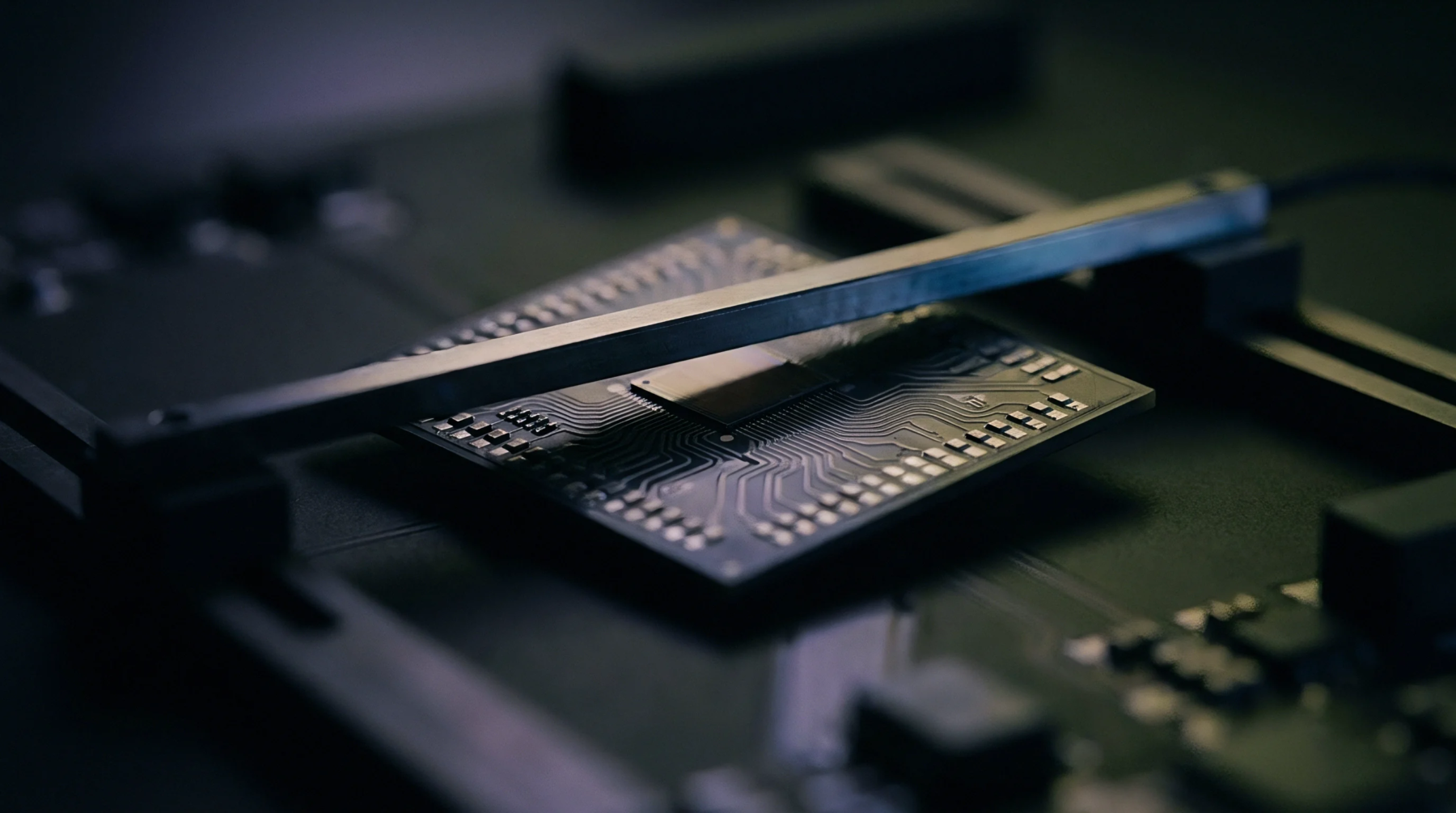
Latent copper-dielectric microcracks evade room-temperature factory testing, opening under operational heat to collapse high-speed receiver phase margins.

Thick copper power board reflow demands extended soak plates and vacuum liquidus dwells to bridge extreme component mass differentials and eliminate joint voids.
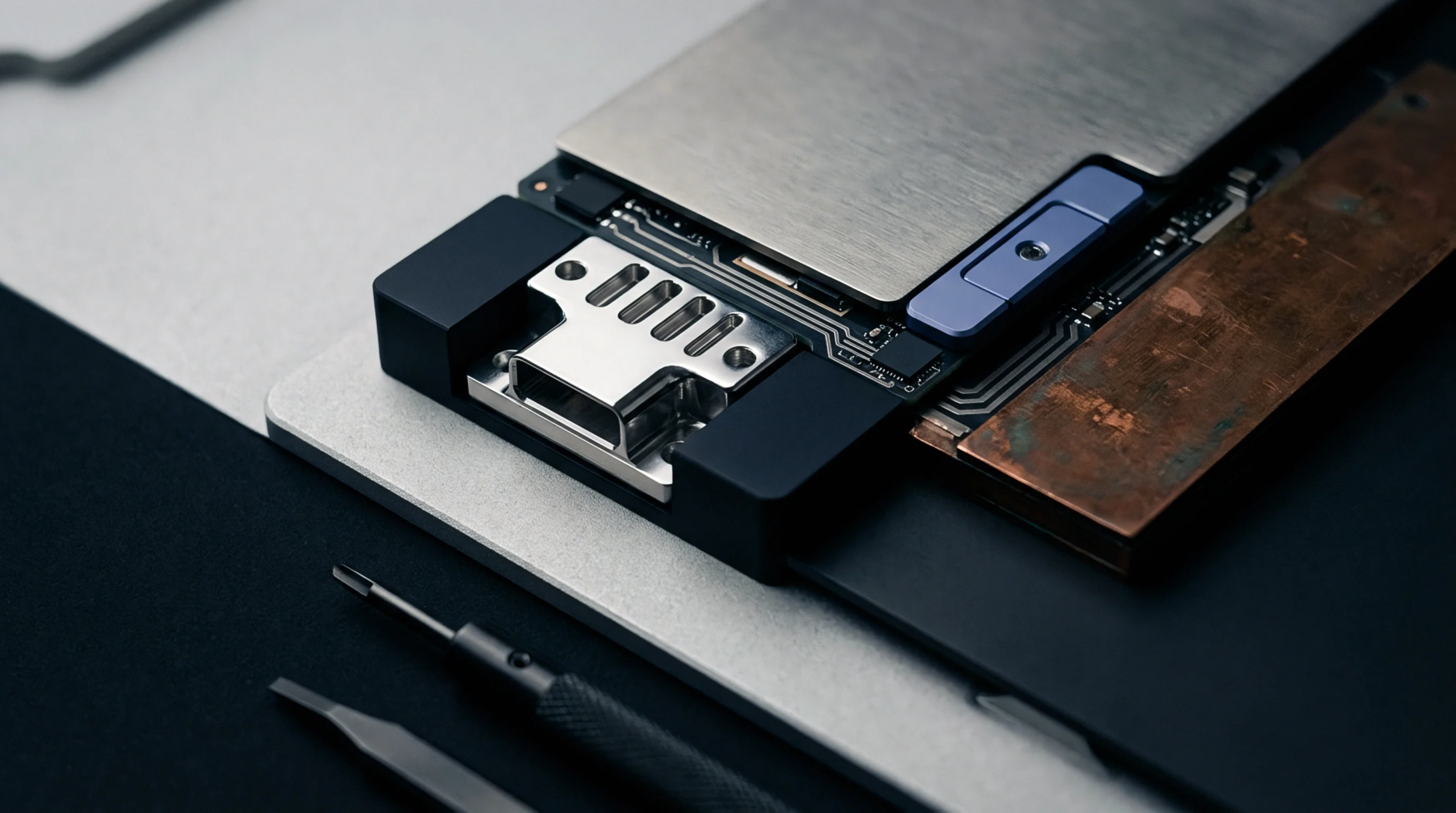
Feeder pick errors in fine pitch packaging resolve through calibrated cover tape peel angles, tight carrier cavity tolerances, and strict z-axis landing control.
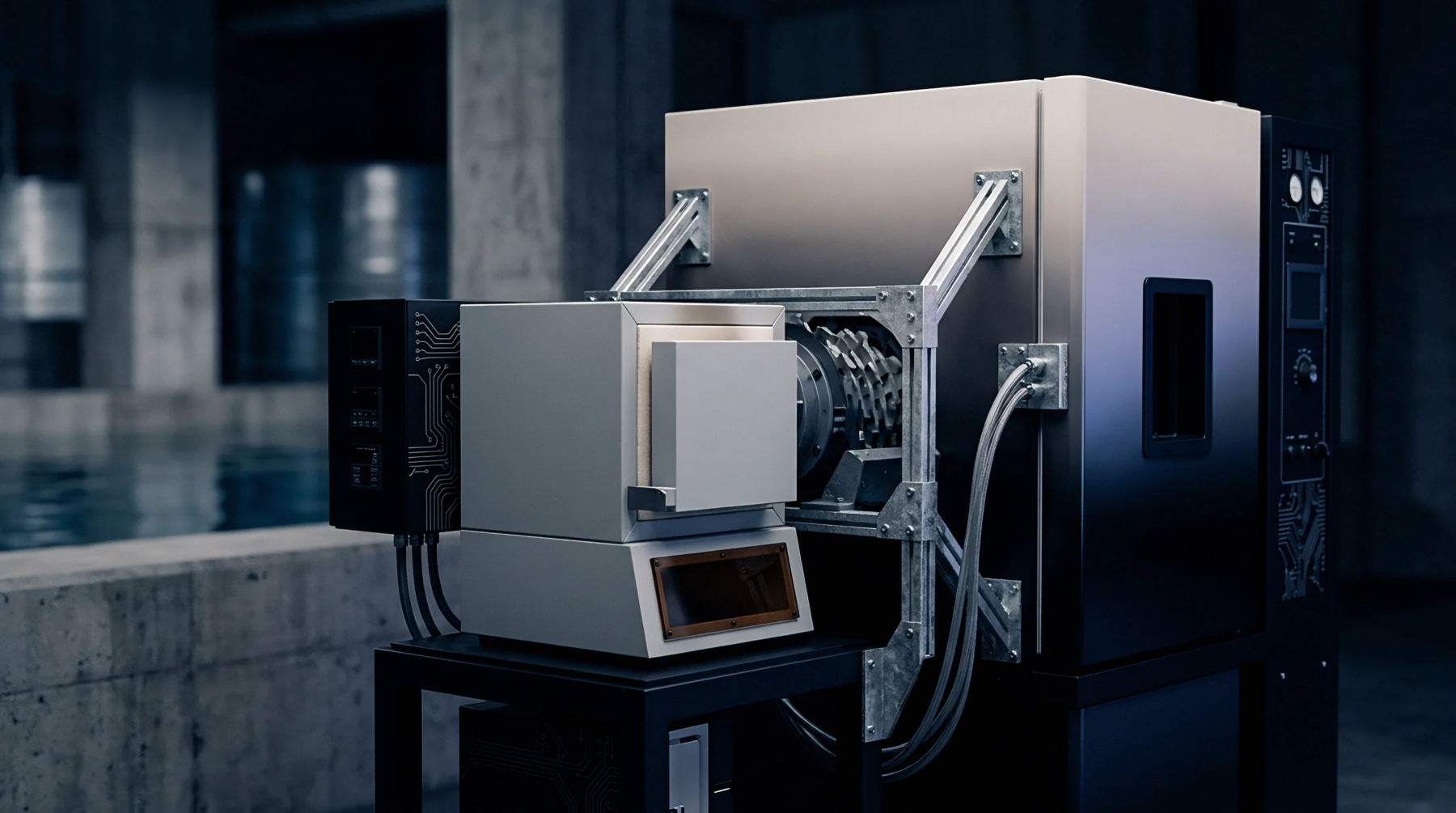
Differential channel skew drifts under environmental screening due to glass weave expansion mismatches, requiring in situ de-embedded phase verification.
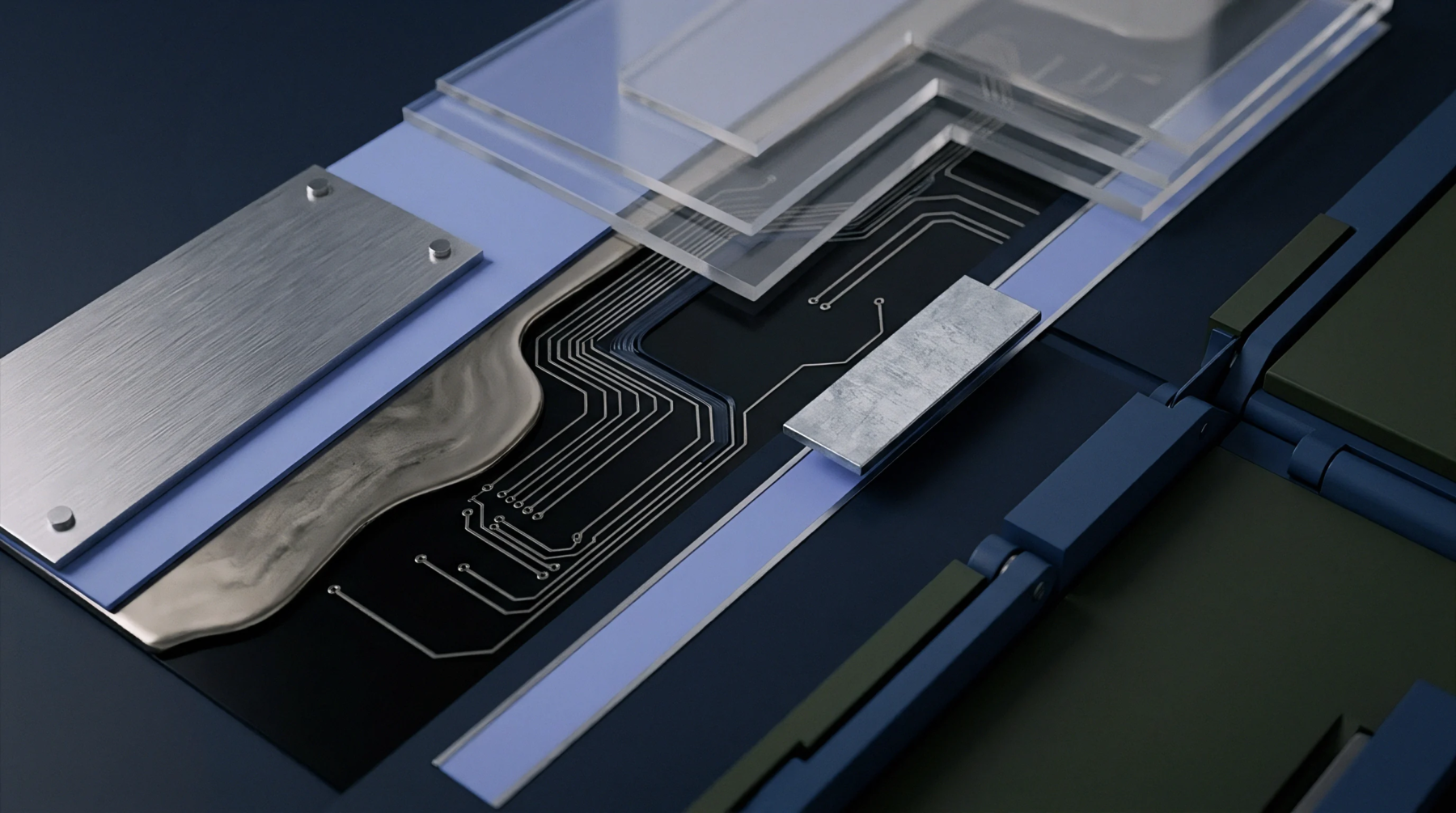
Managing cut tape loss in low volume SMT assembly balances leader splicing costs against reel overage allowances to prevent feeder downtime.

Continuous high-speed resistance monitoring during thermal reflow simulation catches latent microvia void coalescence that passes room temperature checks.

Differential phase skew sensitivity to glass yarn spacing requires spread-weave fabrics or Low-Dk fibers to suppress localized trace-to-resin permittivity mismatch.

Specifying mechanically spread low-Dk glass styles in dual-ply prepreg constructions eliminates intra-pair skew while preserving standard panel utilization.

Secondary vacuum lamination collapses ultra-thin high-frequency cores via viscoelastic creep, causing severe impedance loss unless drawing notes restrict press pressures and fix post-lamination dielectric thickness.

Environmental temperature and humidity cycling degrades substrate integrated waveguide cavity damping by elevating loss tangents and fracturing via fences.

Nickel finishes slash microwave cavity Q by contracting skin depth and introducing magnetic loss; maintain five skin depths of silver over non-magnetic barriers.
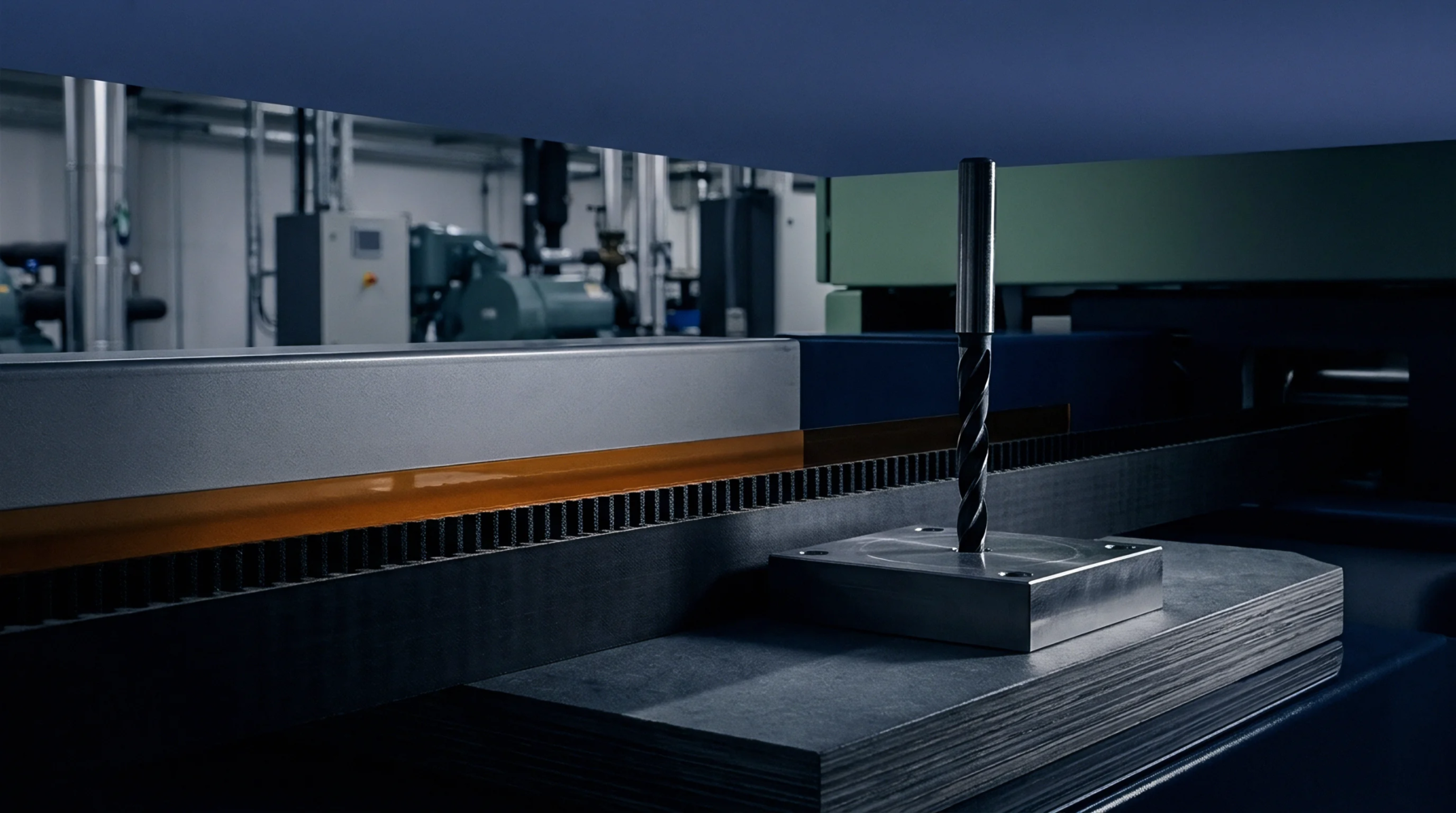
Standard SMT overage requires 50 pieces plus 1.5% for continuous reeled passives, and up to 30% on cut tape, covering feeder leader threading and machine attrition.
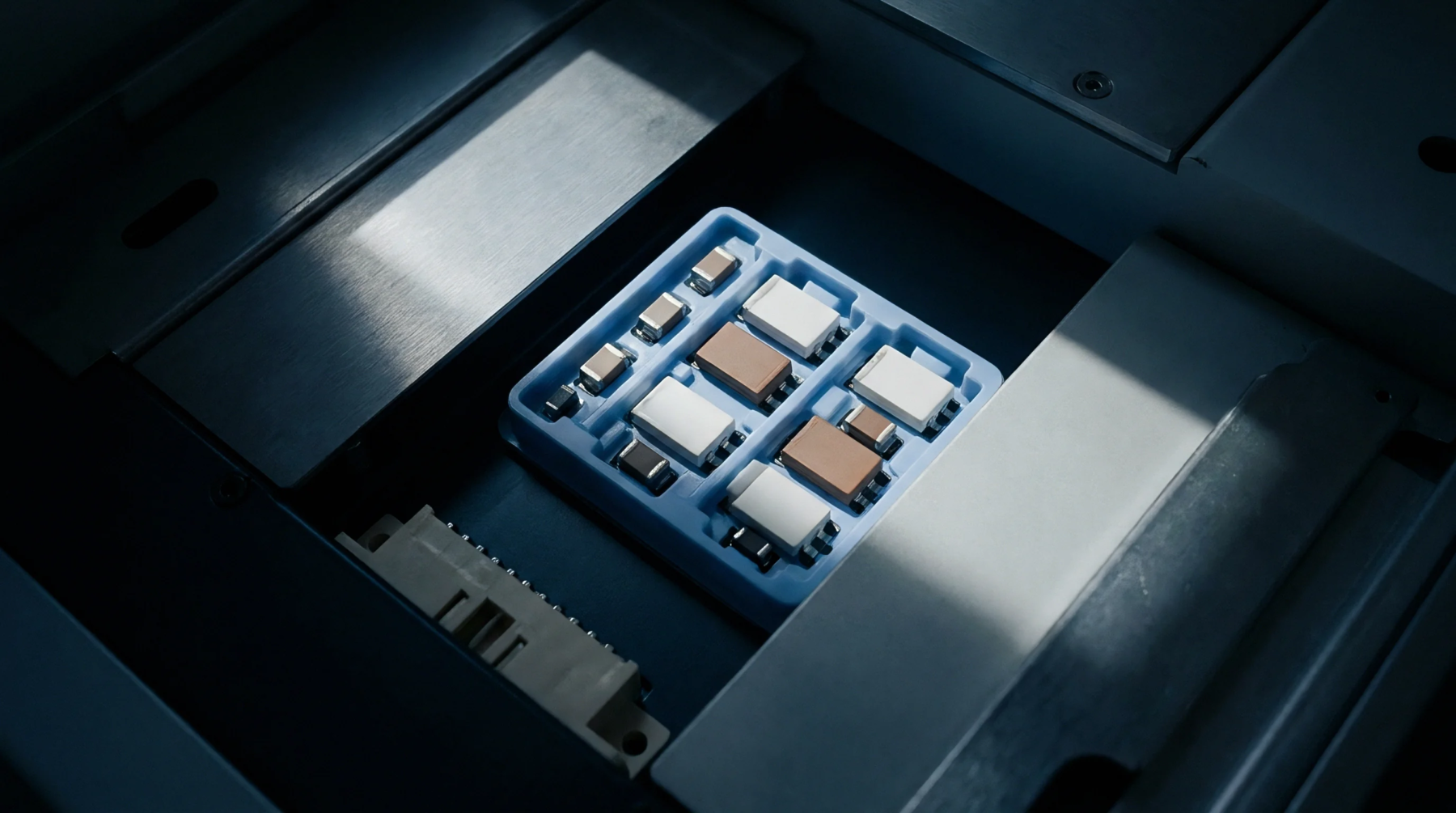
Secondary reflow delta T exceeding 15C degrades joint shear strength by accelerating intermetallic coarsening, demanding bottom-side thermal shields.
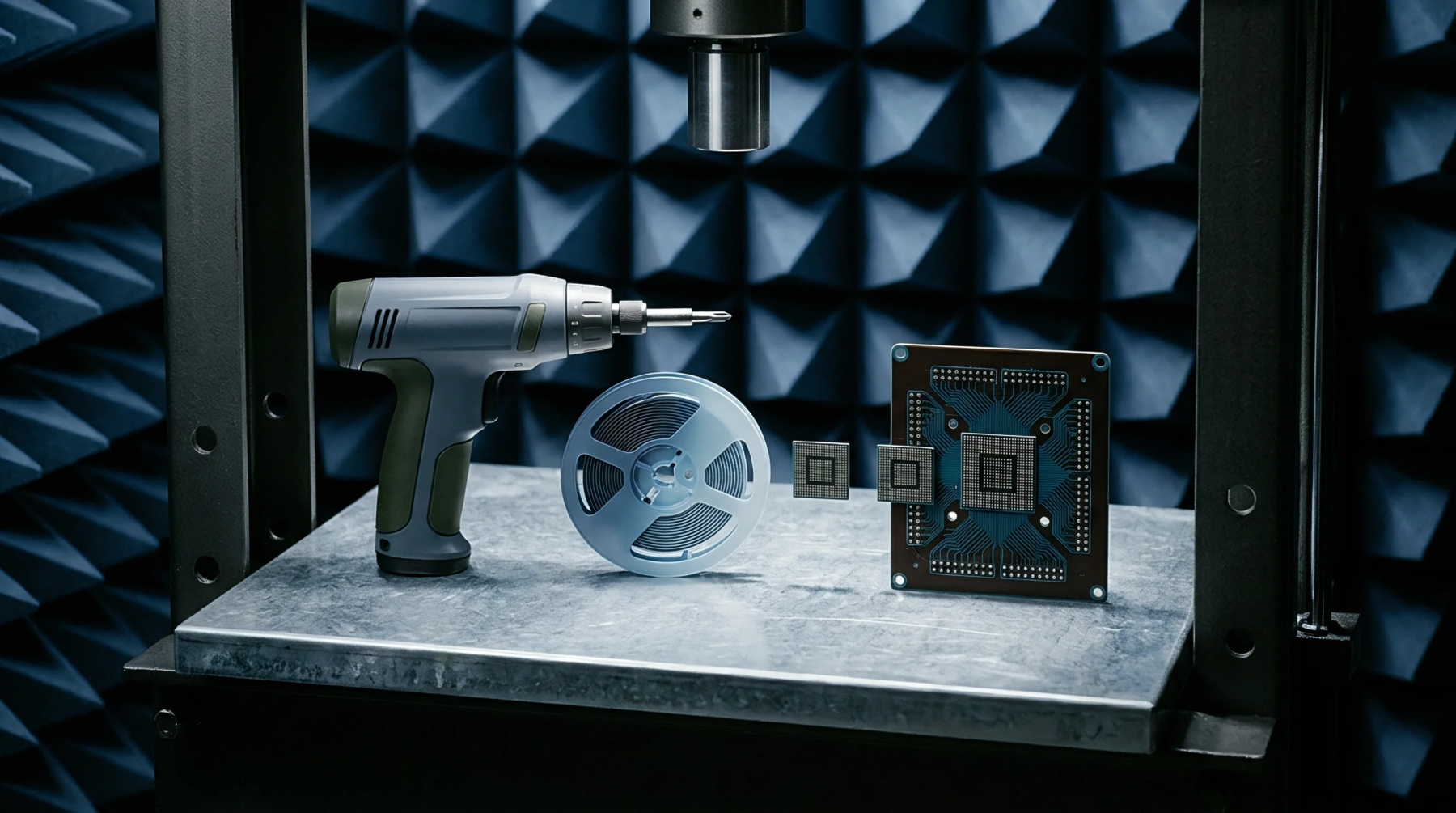
Select PCB cavity damping by tuning filler permeability to resonant field vectors, keeping dampers three trace heights away to prevent impedance drift.
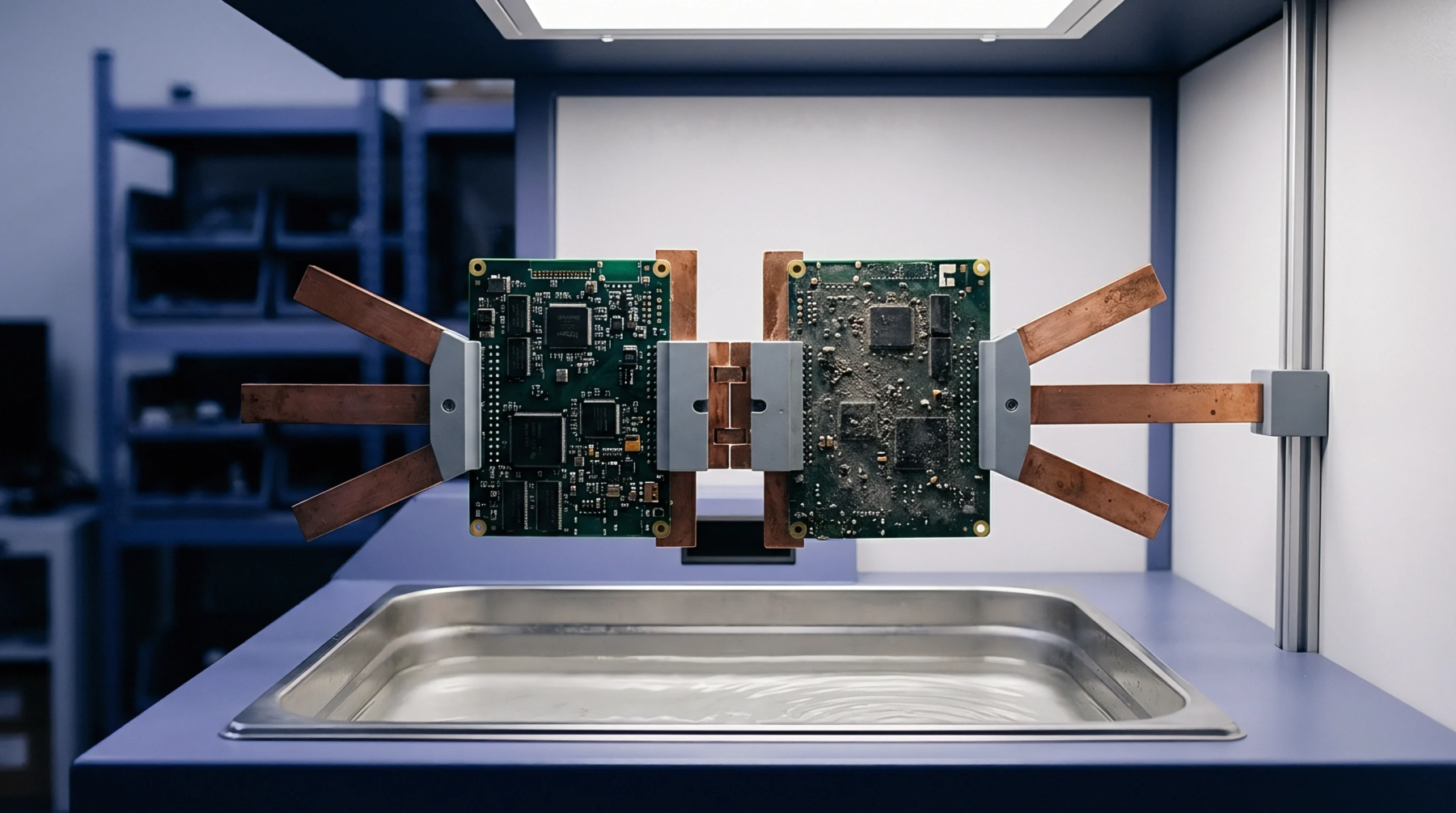
Maintain component spacing equal to twice the height of tall packages along the furnace conveyor axis to prevent defective convective cold joints.
Inner layer copper thieving balances etchant fluid dynamics and resin flow to lock fine-line trace geometry and dielectric height within impedance limits.
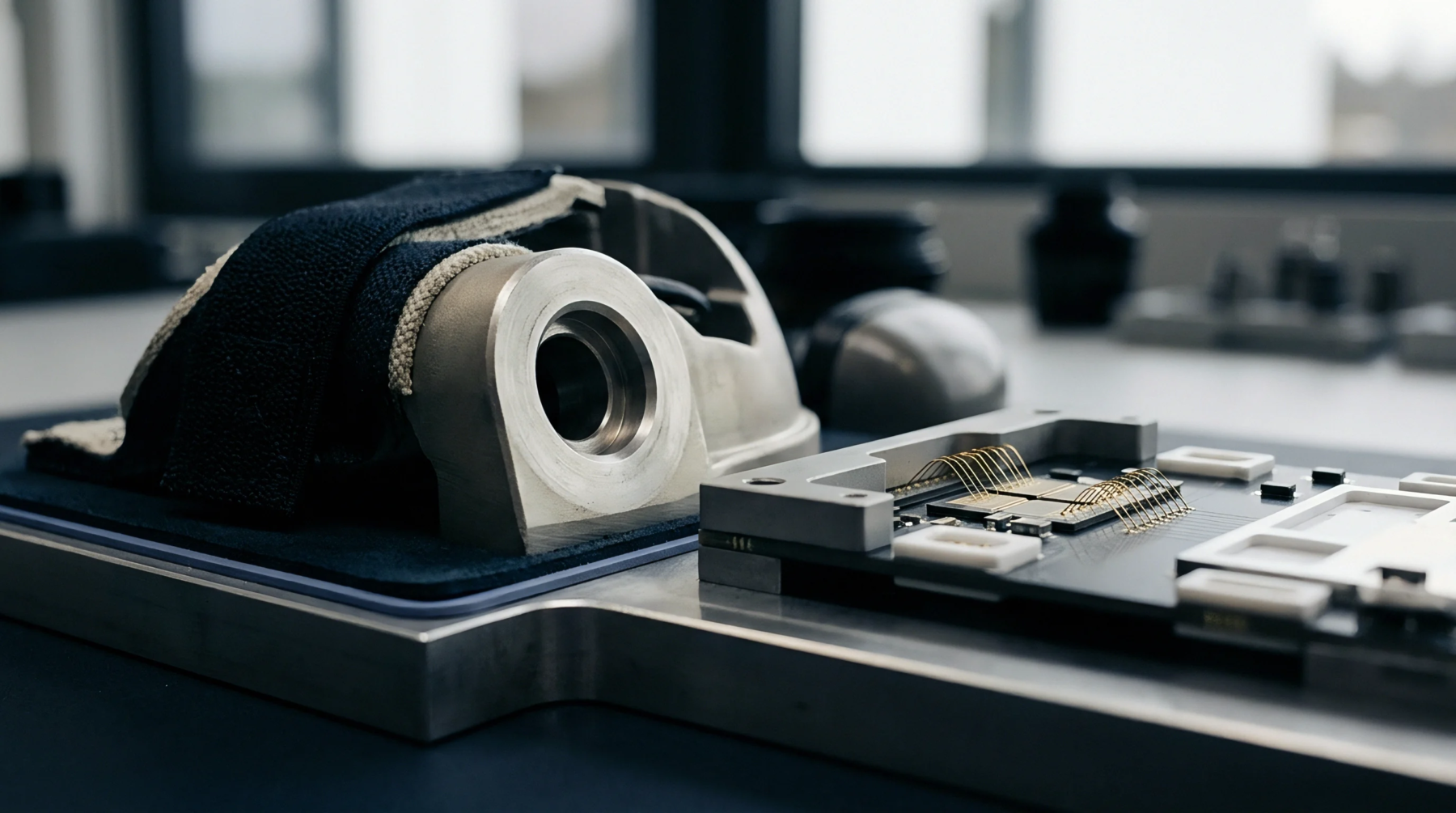
Dense copper patterns displace prepreg resin during lamination, compressing thin cores by up to 35 percent and shifting trace impedance down by 8 ohms.

Holding inverted component mass below 30 grams per square inch of pad area prevents drop-off during secondary reflow of double-sided surface mount boards.

Copper foil roughness profiles dominate gigahertz conductor loss, causing up to forty percent attenuation variations across equivalent IPC-4101 slash sheets.

High-frequency laminate selection for lead-free assembly requires low z-axis expansion and high decomposition temperatures to survive 260°C reflow stresses.
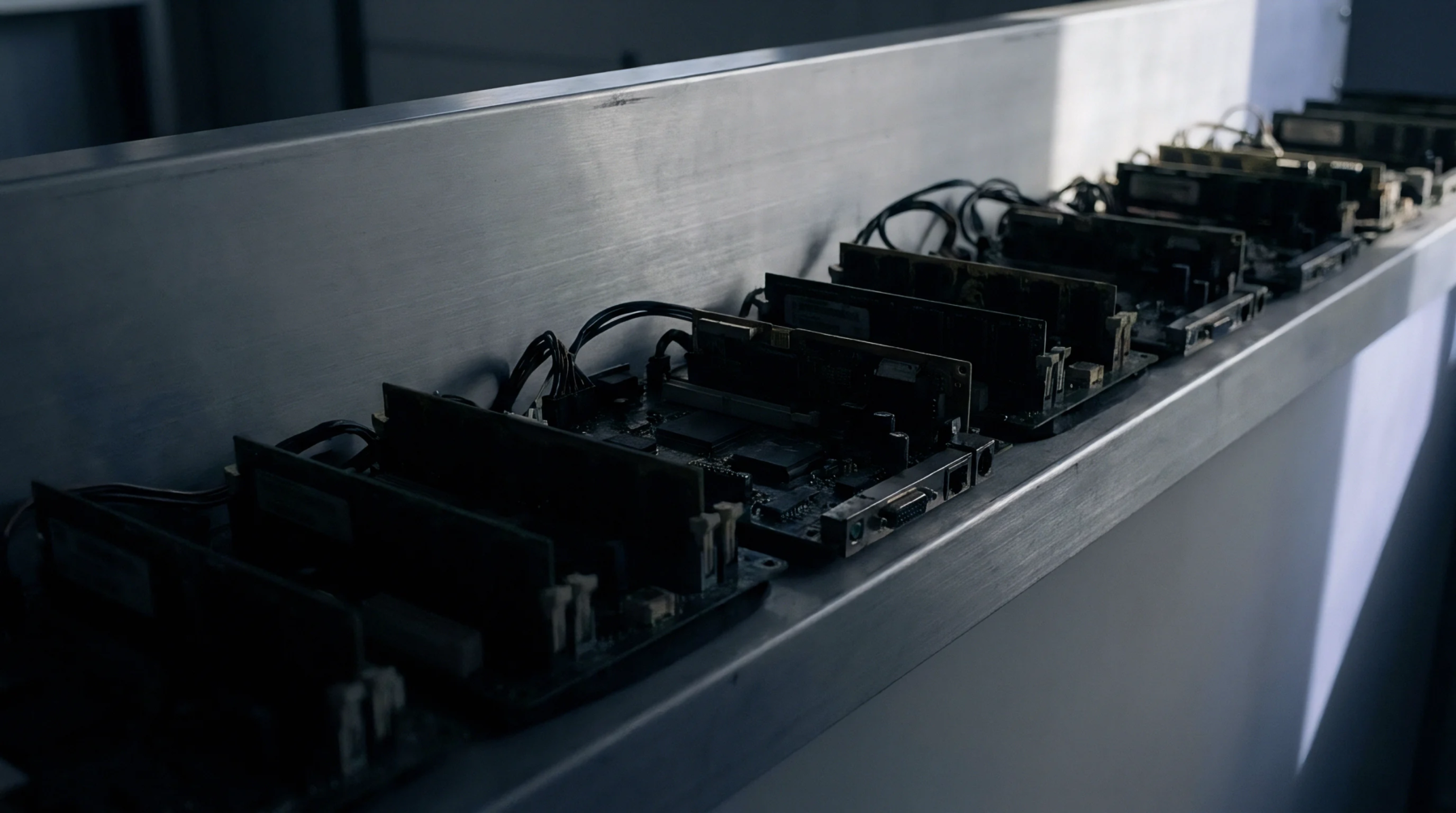
Reconciling idle SMT line charges and active component scrap requires contractual parity points, tiered attrition caps, and machine-log verification.

Structure component attrition by package tier with minimum piece floors, and bind setup delay penalties to verified machine logs past grace windows.
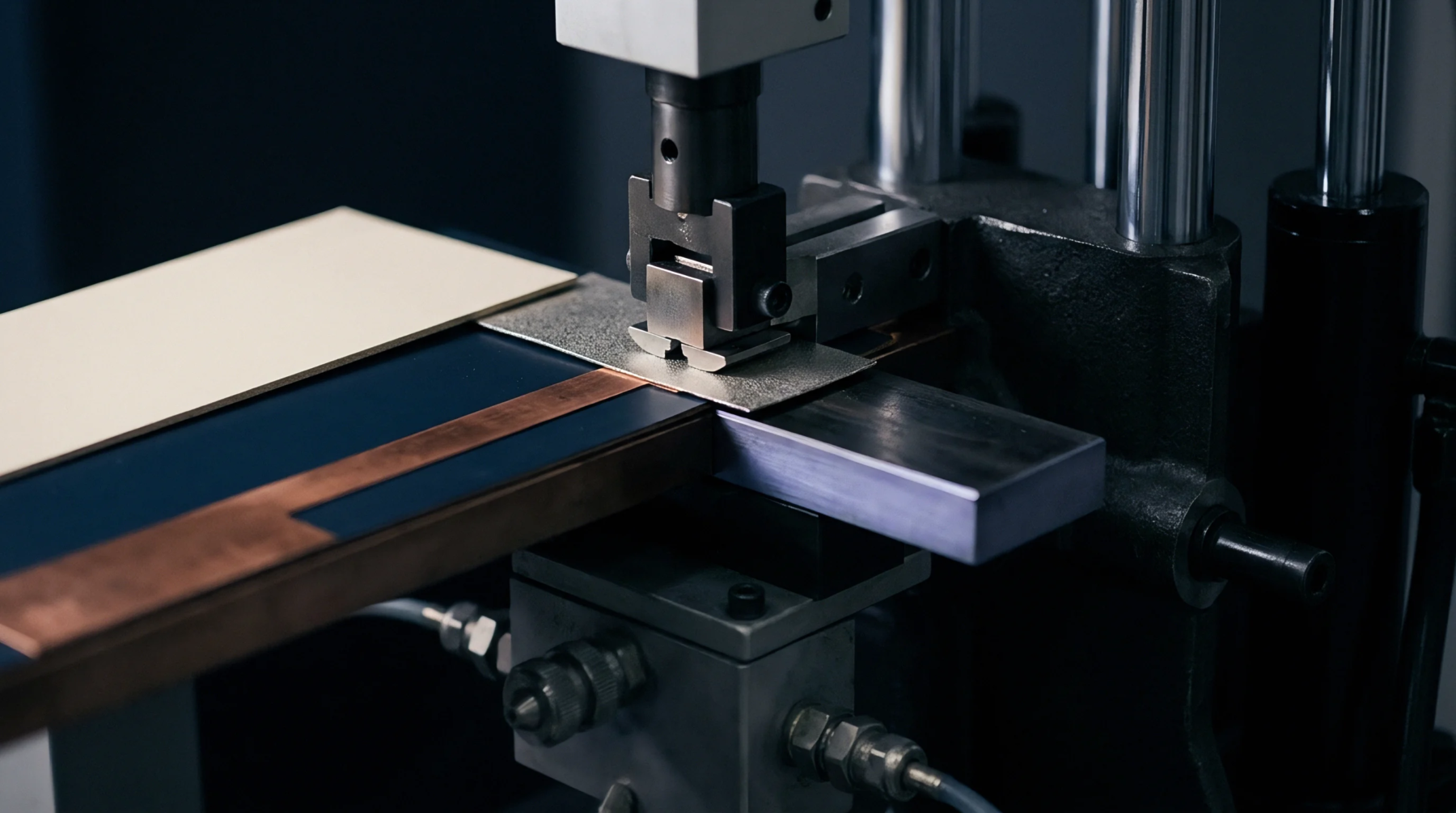
IPC-4101 slash sheets classify base laminate properties to bind fabricators to verifiable resin, thermal, and electrical limits on production drawings.
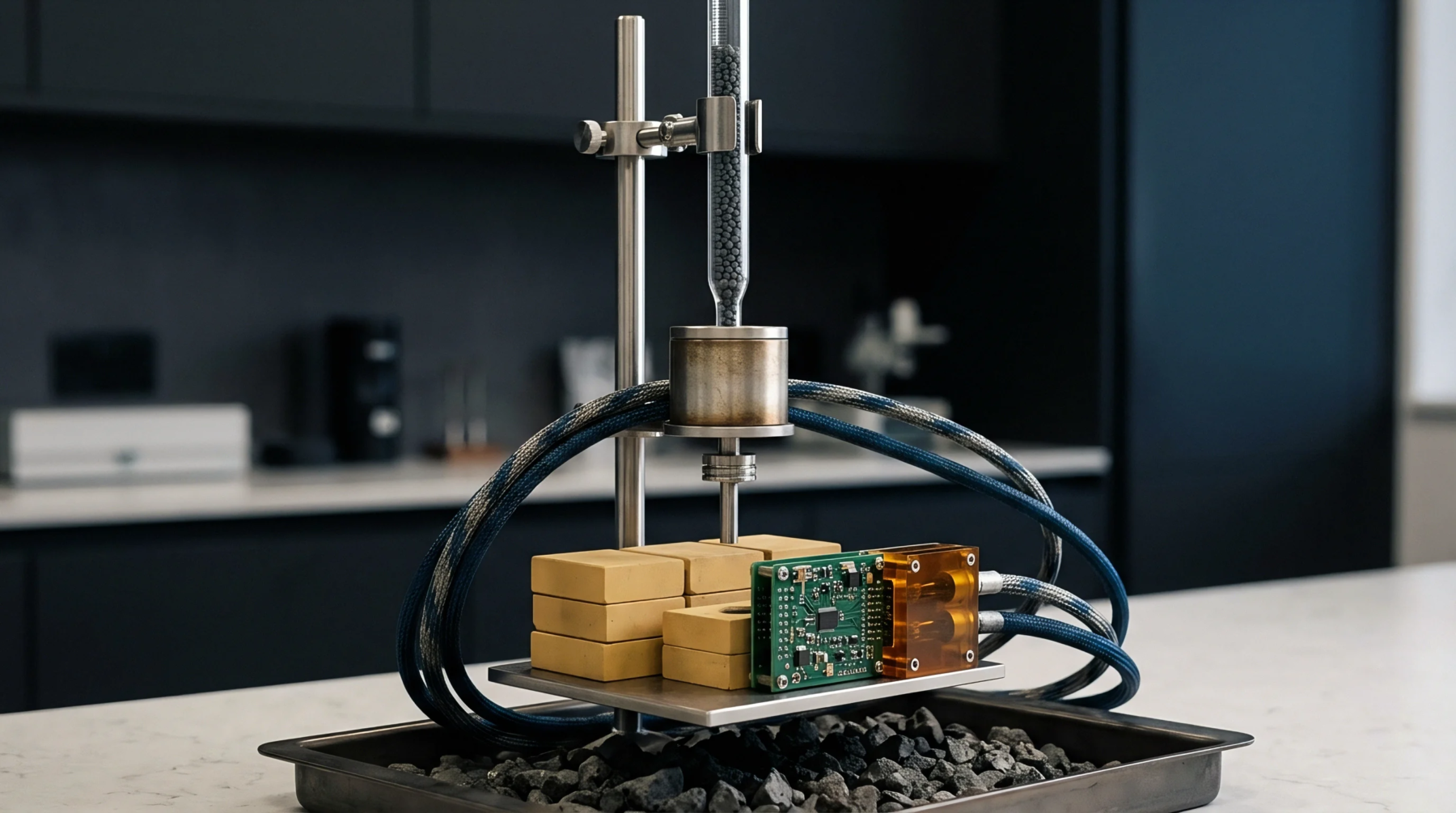
Micro-jet chemical delivery above 0.35 MPa induces bubble cavitation that strips deformed dry film resist lines below 15 microns in mSAP substrate processing.
Expertise is a utility, not a secret. sentiention™ publishes its working knowledge as open reference: intelligence layer covering the materials it sources, the markets it enters, and the reference that serves both.