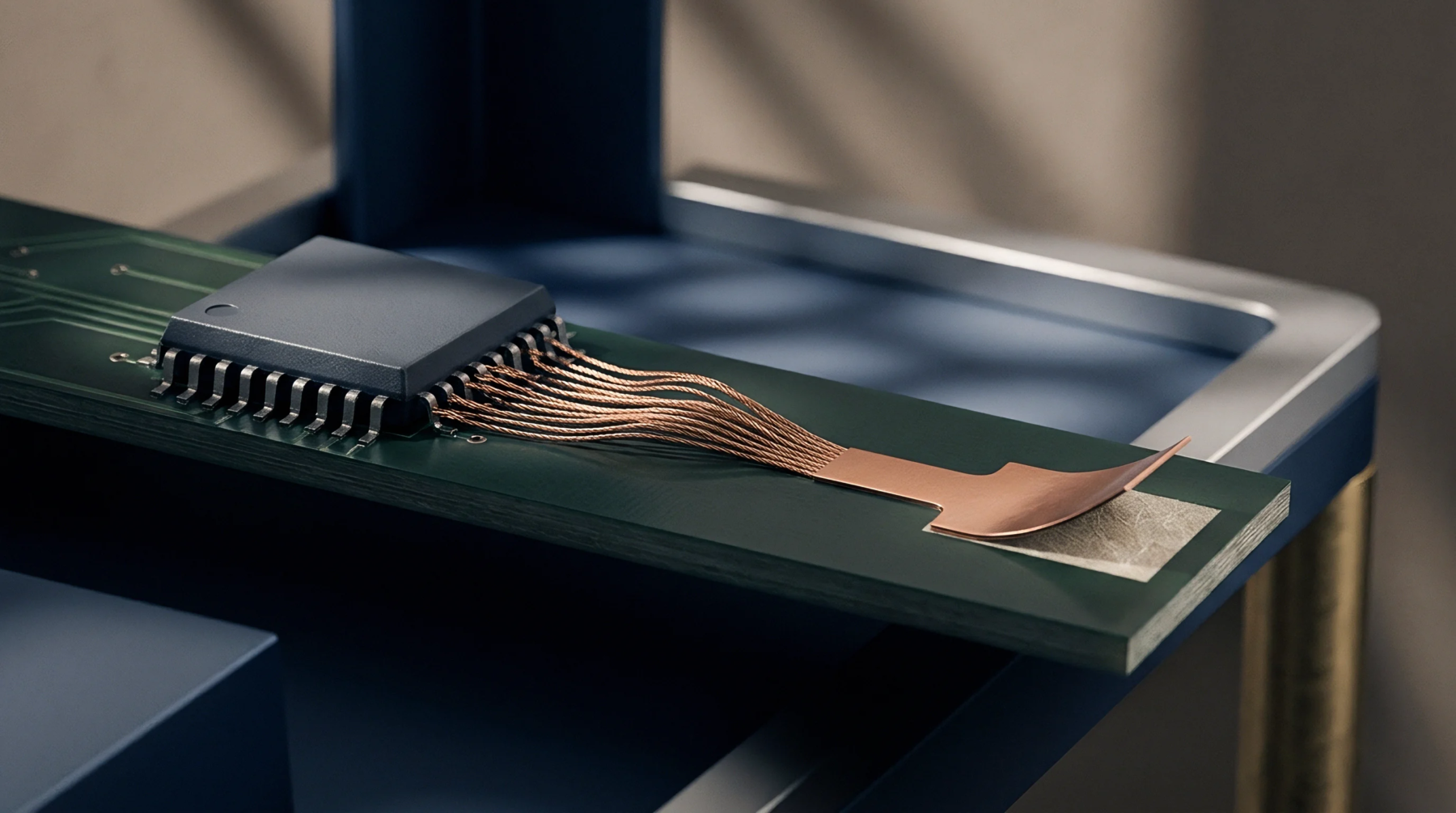
Optimizing Rigid Flex Stackup Architecture for High Speed Signals
Optimizing rigid-flex stackups for high-speed signals requires adhesiveless polyimide cores, cross-hatched reference alignment, and staggered rigid transitions.

Optimizing rigid-flex stackups for high-speed signals requires adhesiveless polyimide cores, cross-hatched reference alignment, and staggered rigid transitions.
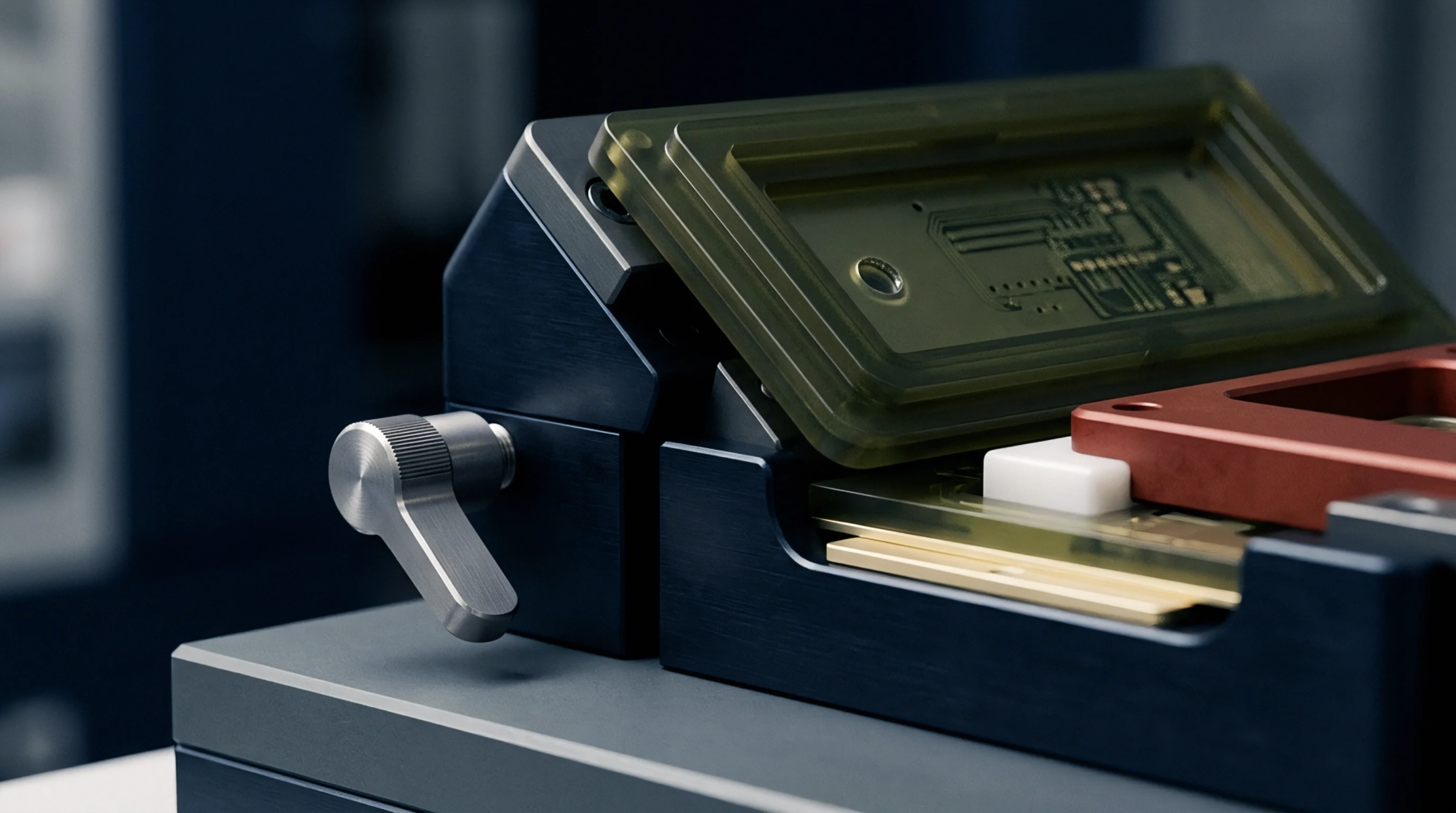
Boundary scan integration replaces physical test points with silicon registers, securing structural fault coverage on high density circuit assemblies.
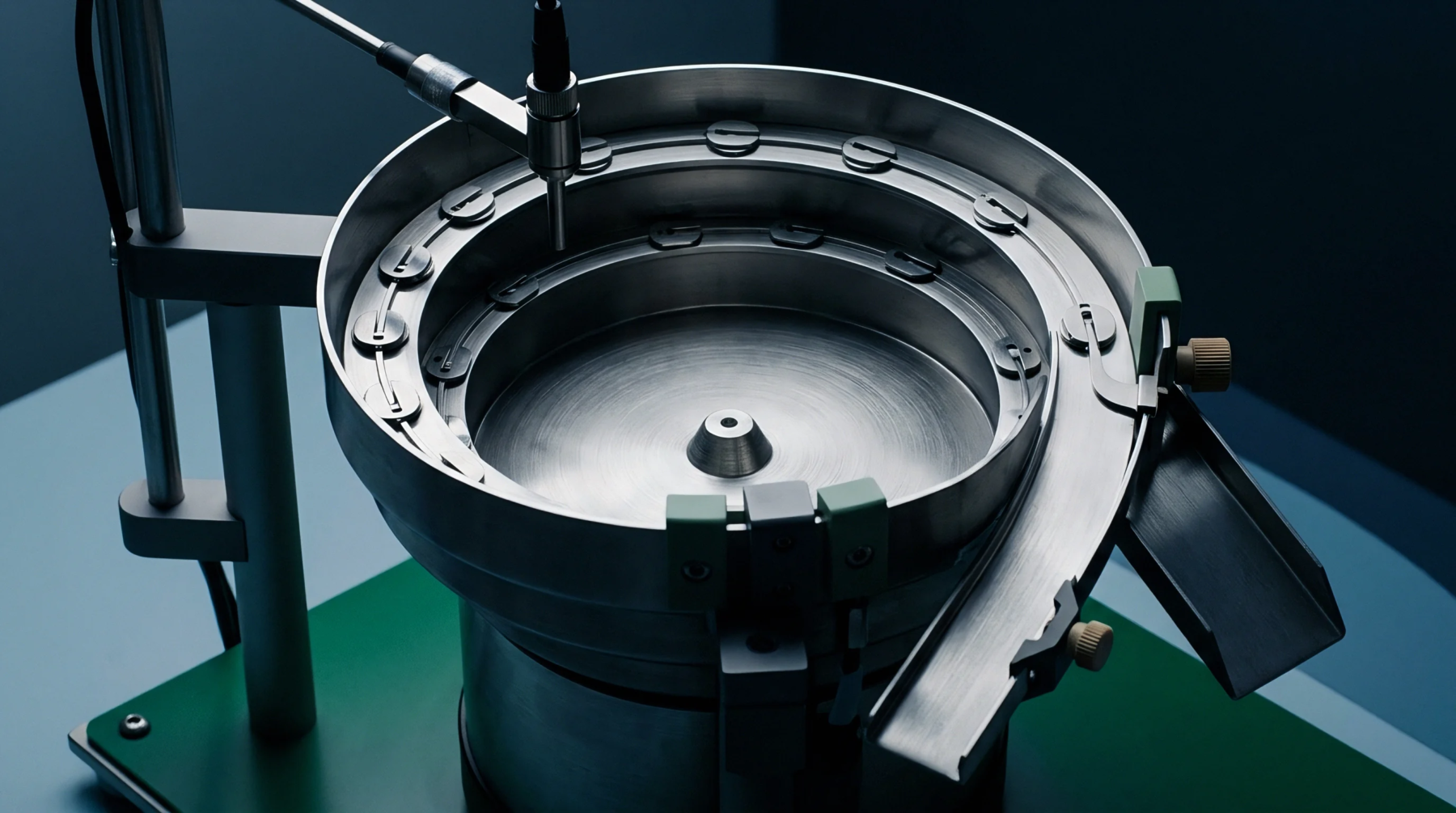
Thermal boundary layer compression via targeted convection gas velocity minimizes temperature deltas across high mass circuit board assemblies during reflow.

Fast cure cyanoacrylates exhibit viscoelastic shear relaxation that degrades strain transfer efficiency and causes zero drift under continuous static load.
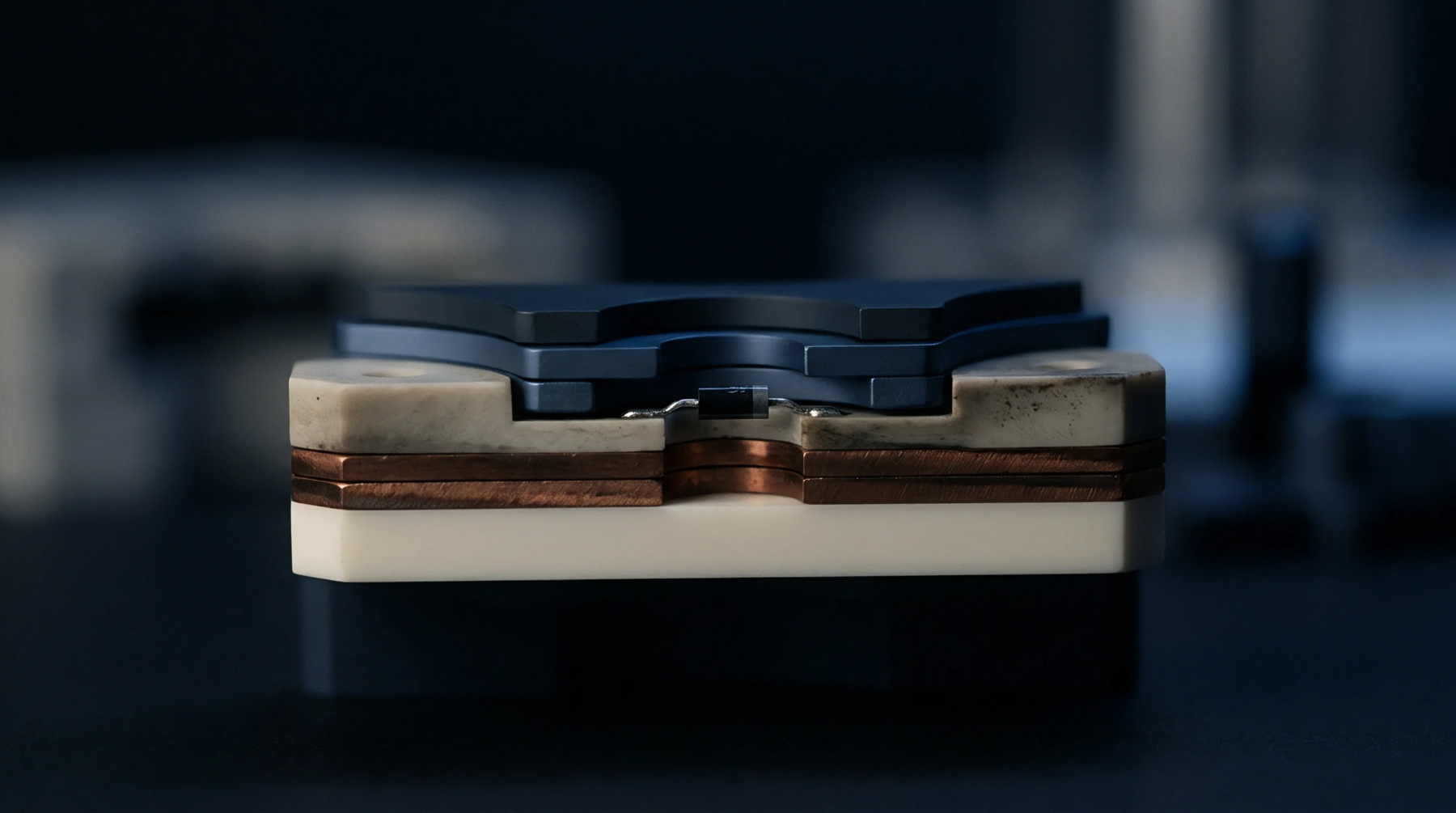
Acoustic phase inversion limits in baked plastic packages occur when thermal gap shrinkage creates sub-wavelength contact that suppresses echo reversal.
Cyclic thermal loading degrades epoxy shear modulus, causing strain transfer loss that demands strict bondline guard-banding in technical files.
Structural strain transfer requires minimal bondline thickness, high shear modulus adhesives, and precise surface roughness matching to prevent measurement lag.
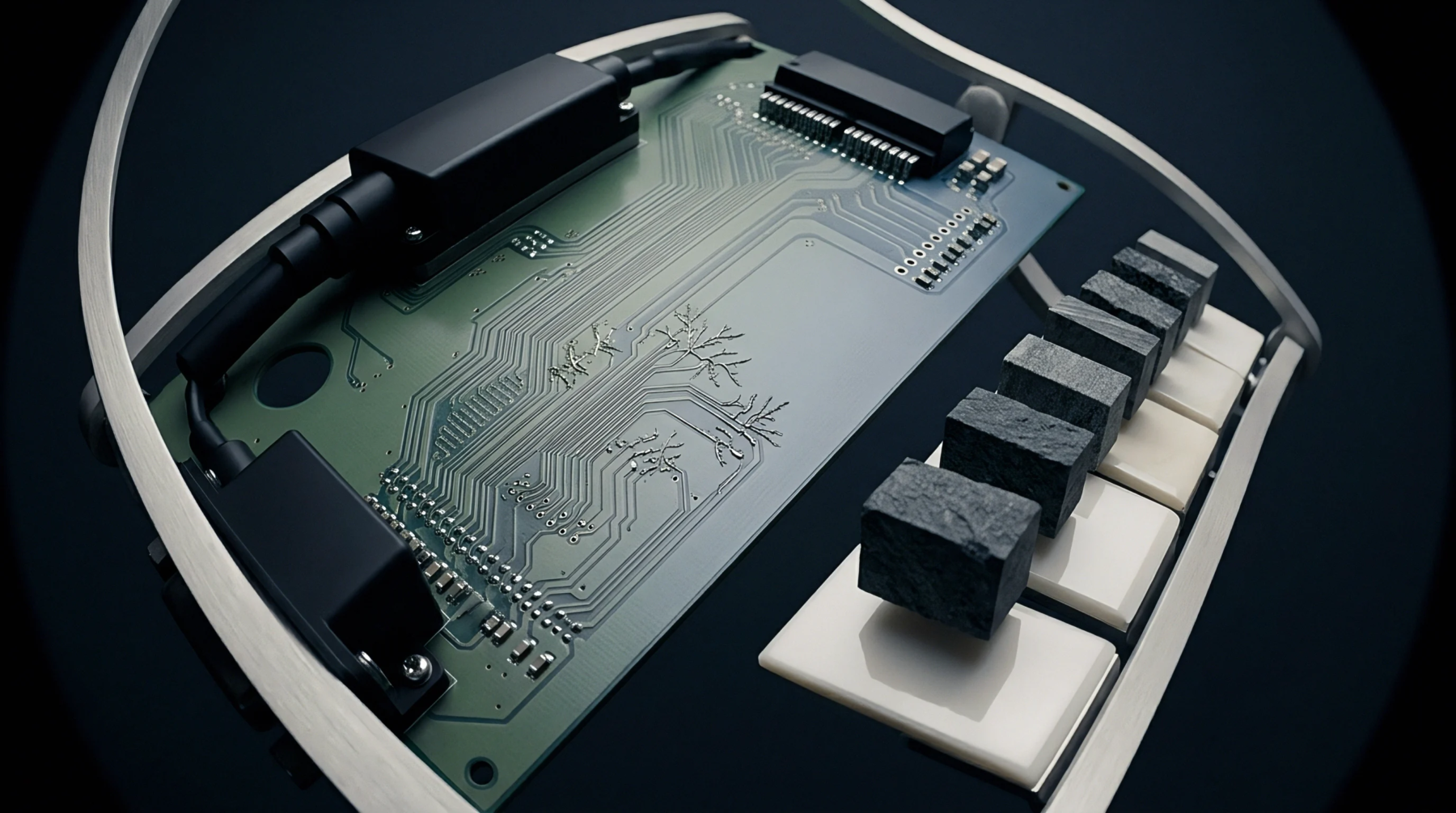
Dynamic phase calibration models calculate coupled thermal permittivity and physical expansion shifts to eliminate skew across heterogeneous interconnect stackups.
Thermal defect attribution models divide assembly defect liabilities between component material degradation and SMT oven profile deviations using empirical test data.

Consigned component reliability depends on strict intake MBB inspection, calculated J-STD-033 bake cycles, and J-STD-002 solderability testing before reflow.
Optimized lead-free reflow profiling requires thermal deltas under eight degrees, controlled time above liquidus, and precise paste transfer efficiency.
Sub-tier material drift erodes high-reliability board margins; mathematical risk modeling and rigorous chemical dossier validation eliminate latent field escapes.
Auditing test point density and pogo pin degradation prevents false yield loss and controls field escape rates in high-density board production.

Non-destructive verification of blind thermal via fill requires 3D computed laminography to isolate inner-layer solder volume through heavy copper planes.

Reinforcement fiber bundle periodicity causes localized dielectric constant variation, driving phase skew that requires spread glass or rotated routing to control.
Define fixture hardware, wiring schematics, and test software as buyer-owned bailment assets with explicit title vesting triggers in purchasing contracts.
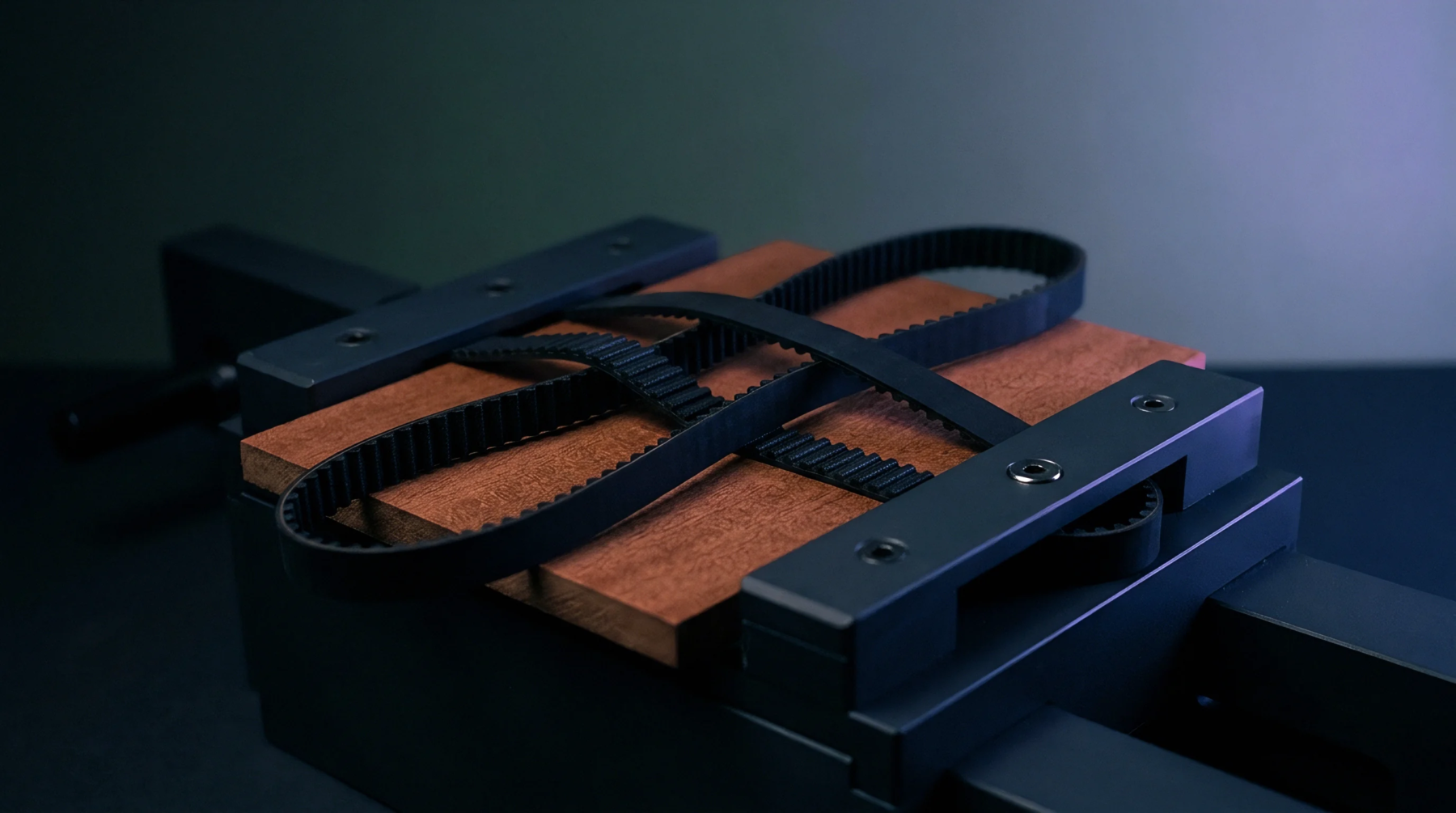
Quasi-optical extraction isolates intrinsic substrate loss from copper roughness, requiring explicit z-axis anisotropy conversion for accurate mmWave stackup design.
Quantifying boundary scan interconnect fault coverage pairs extracted netlist node universes with modified counting sequence vector execution logs.
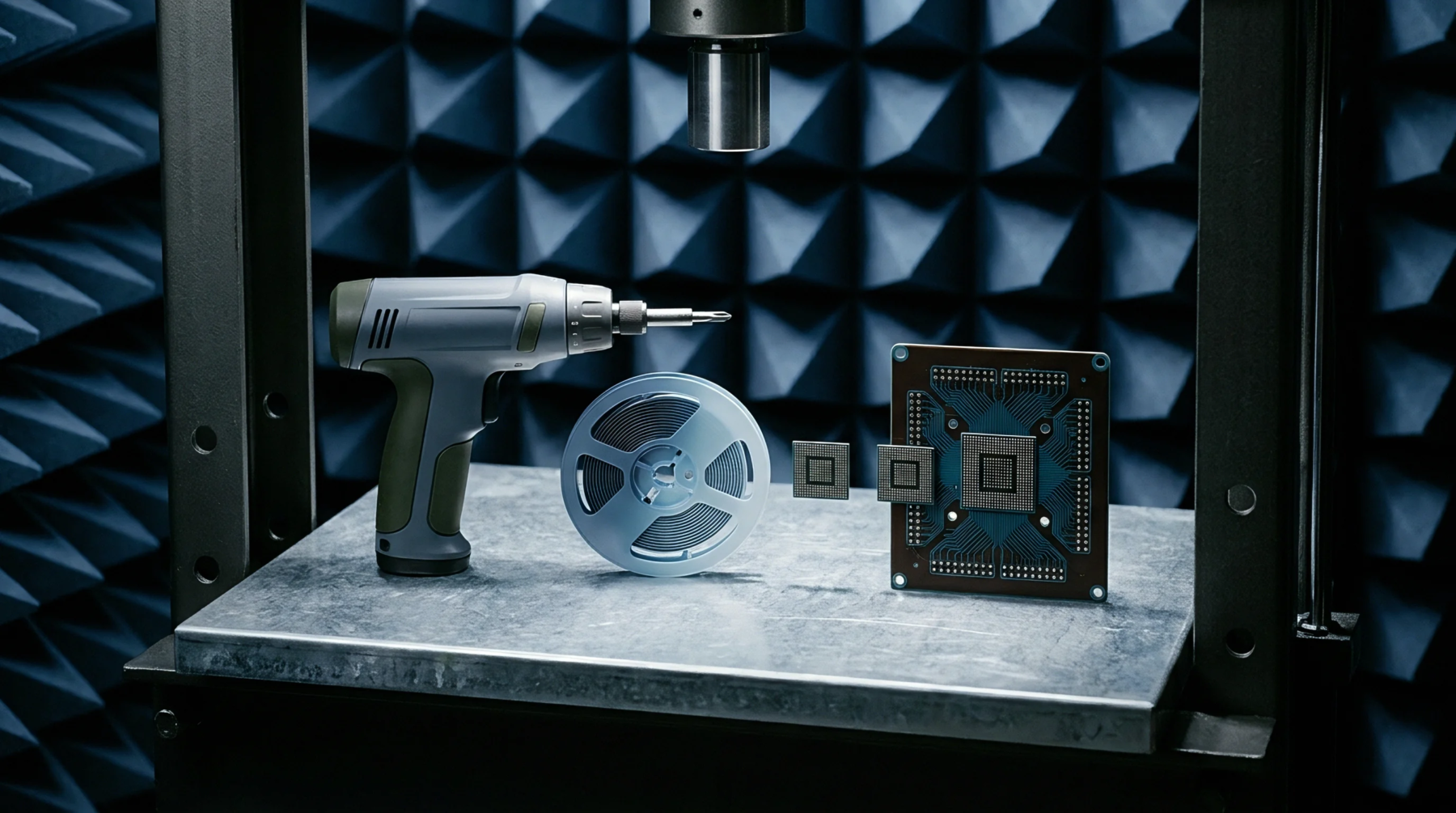
Non-destructive free-space characterization evaluates bulk dielectric properties of raw unclad laminates without etched coupon waste or copper interface errors.

Selecting boundary cells matching pin drive requirements enables full interconnect fault coverage and prevents system logic corruption during shift sequences.
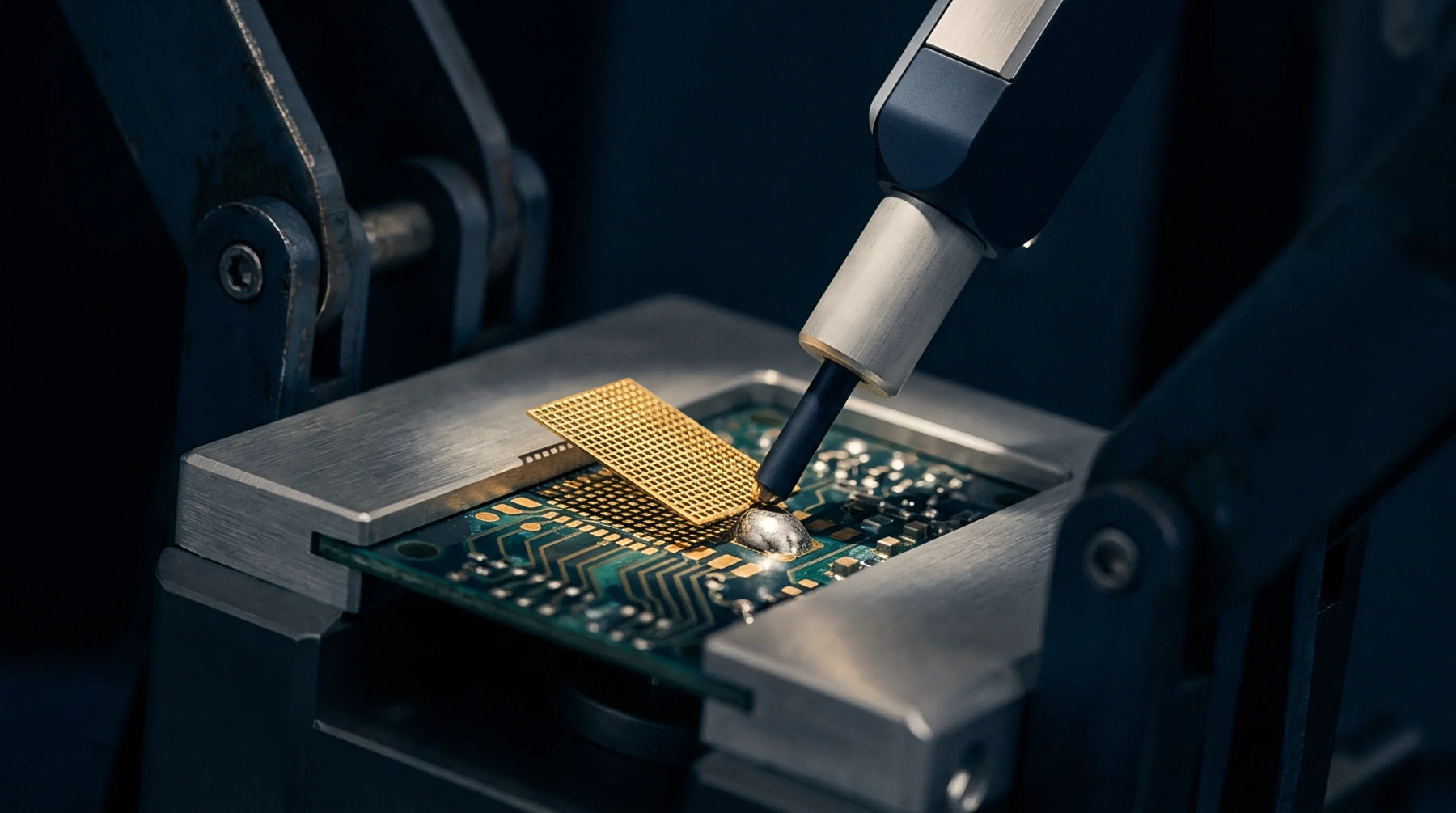
Phase-separated current extraction during low-frequency biased insulation testing isolates true resistive leakage from capacitive displacement currents.
Selective preheat windows for heavy multi-layer boards require top-side convection to achieve 110-130°C without exceeding flux thermal activation limits.
Achieving vertical hole fill on heavy copper PCBs requires extended preheat profiles, thermal relief spokes, and precise solder paste volumetric overprinting.
Microvia resin filling depends on vacuum timing before viscosity minimum to maximize capillary drive and dissolve trapped bubbles before thermoset gelation.

Dynamic prepreg viscosity and cure kinetics dictate resin flow windows, microvia filling completeness, and layer encapsulation during HDI board lamination.

Inline X-ray system re-qualification relies on statistical limits derived from detector drift and grey-scale stability rather than arbitrary time intervals.
Controlling wet-process nozzle velocity below two meters per second prevents hydrodynamic trace stripping on ultra-thin inner layer copper channels.
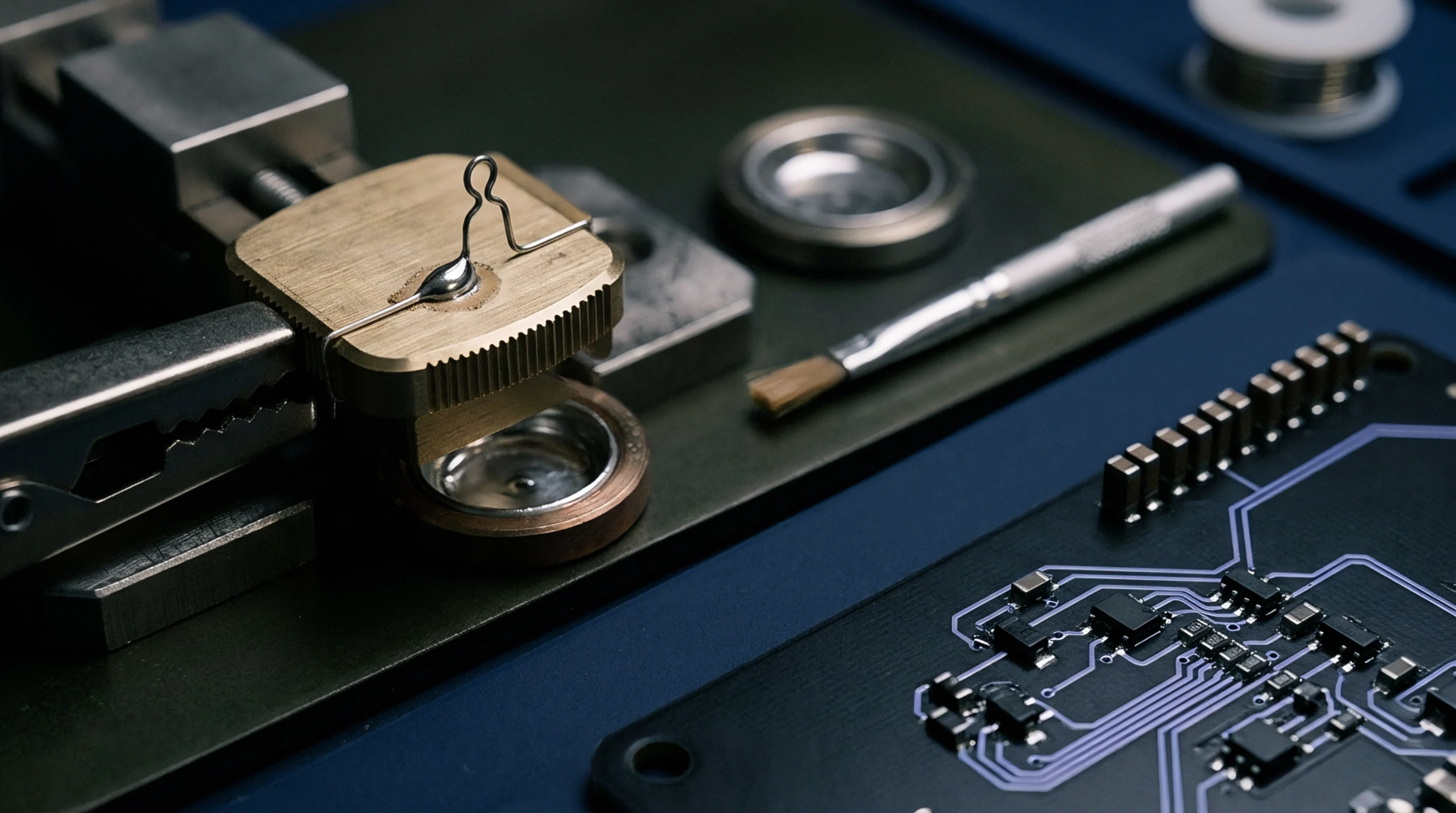
Routing traces at ten degrees off-axis eliminates fiber weave differential skew without paying panel artwork rotation penalties.
Selecting mechanically flattened spread glass styles like 1067 or 1078 eliminates dielectric pitch gaps and keeps high-speed differential skew below 2 ps/inch.
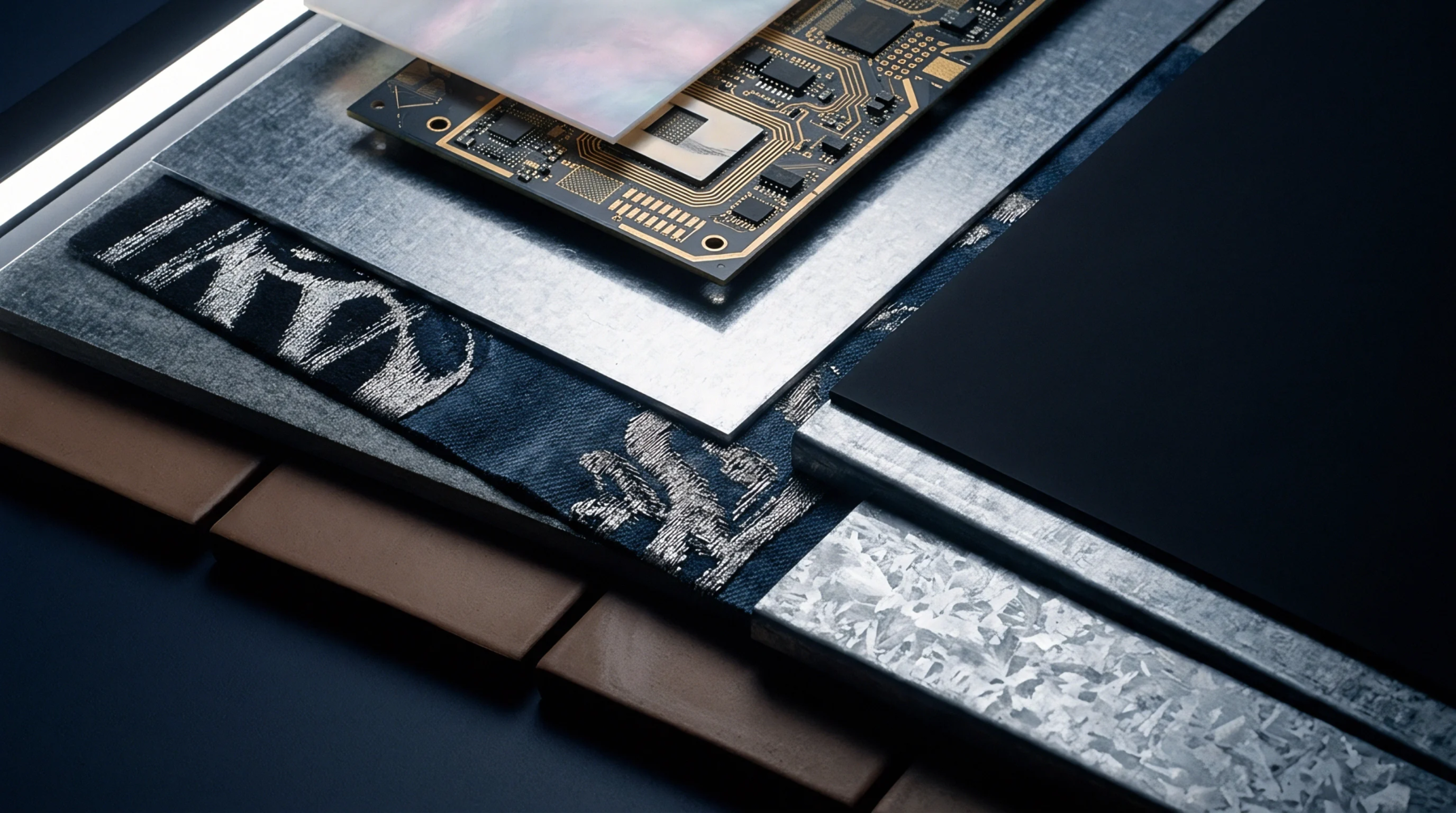
Arbitrated thermal wear-out liabilities require metallurgical failure proof and Weibull shape parameters exceeding two to establish pre-existing factory escapes.
Expertise is a utility, not a secret. sentiention™ publishes its working knowledge as open reference: intelligence layer covering the materials it sources, the markets it enters, and the reference that serves both.