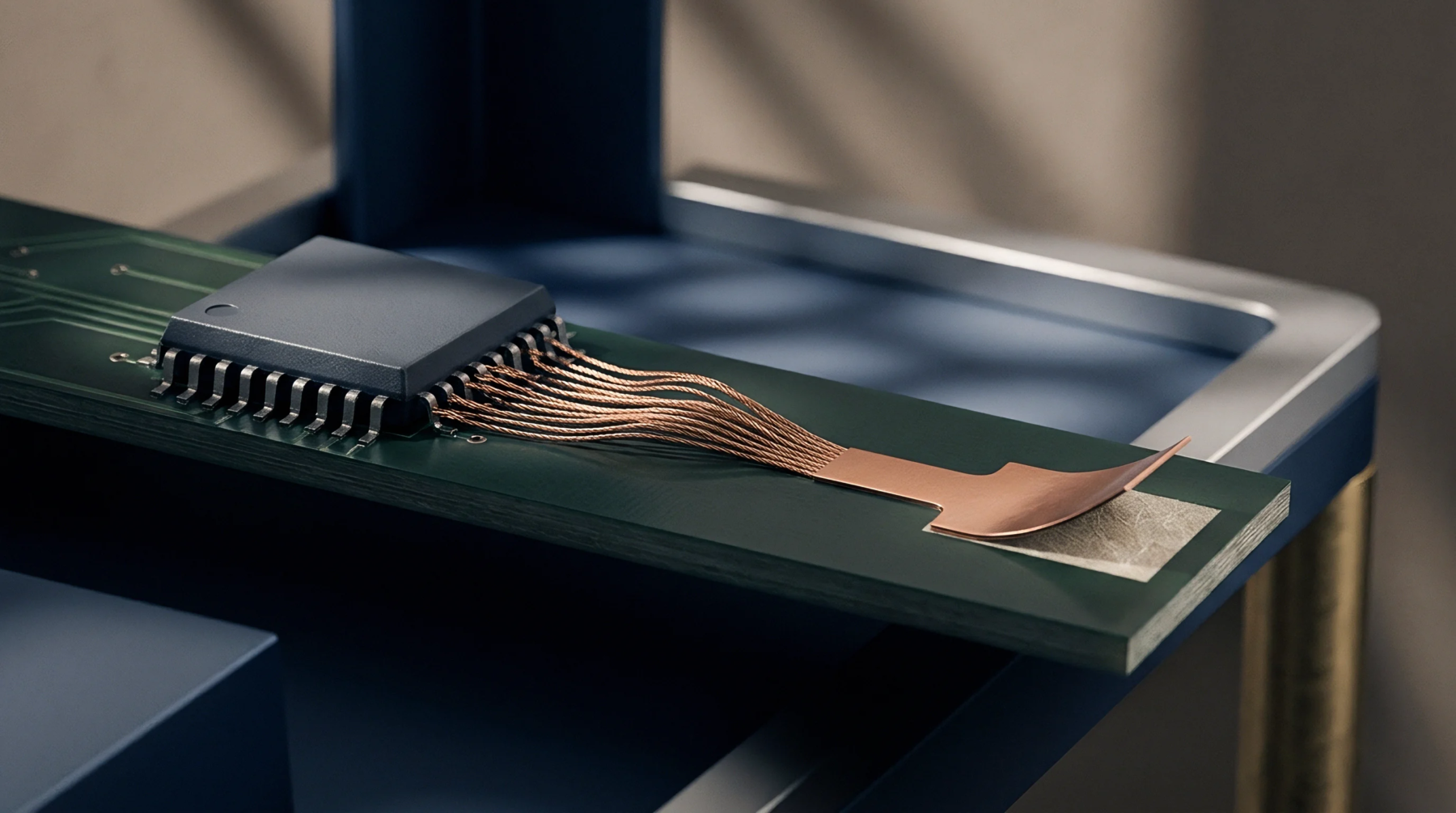
High Shear Squeeze Flow Analysis in Microvia Substrate Lamination
High shear squeeze flow during substrate lamination forces shear thinning in prepreg resin, enabling complete microvia cavity fill before gelation locks the network.
High shear squeeze flow during substrate lamination forces shear thinning in prepreg resin, enabling complete microvia cavity fill before gelation locks the network.
Staging hydraulic lamination pressure and damping heating rates above dynamic viscosity minimums prevents hydrodynamic resin shear from displacing heavy copper inner conductors.
Dense smooth foil stackups require synchronized vacuum press cycles and high-resin fine-glass prepregs to prevent micro-cavity voids and dielectric starvation.
Precise control of prepreg minimum viscosity and press temperature ramp rates prevents core squeeze out and micro voiding in thin laminate stackups.
Optimizing inner layer registration requires balancing thermal expansion tolerances through four-slot pinning while managing prepreg viscosity windows under staged pressure.
Precise thermal ramp and platen pressure sequencing optimize resin viscosity windows to eliminate voids, core wash, and dielectric drift in ultrathin multilayers.
Prevent inner layer trace swim by maintaining conductor aspect ratios below zero point five zero and pairing heavy copper with high glass fill prepregs.
Modelling slip velocity and pressure gradients across smooth copper foils prevents resin starvation and locks dielectric thickness tolerances during lamination.
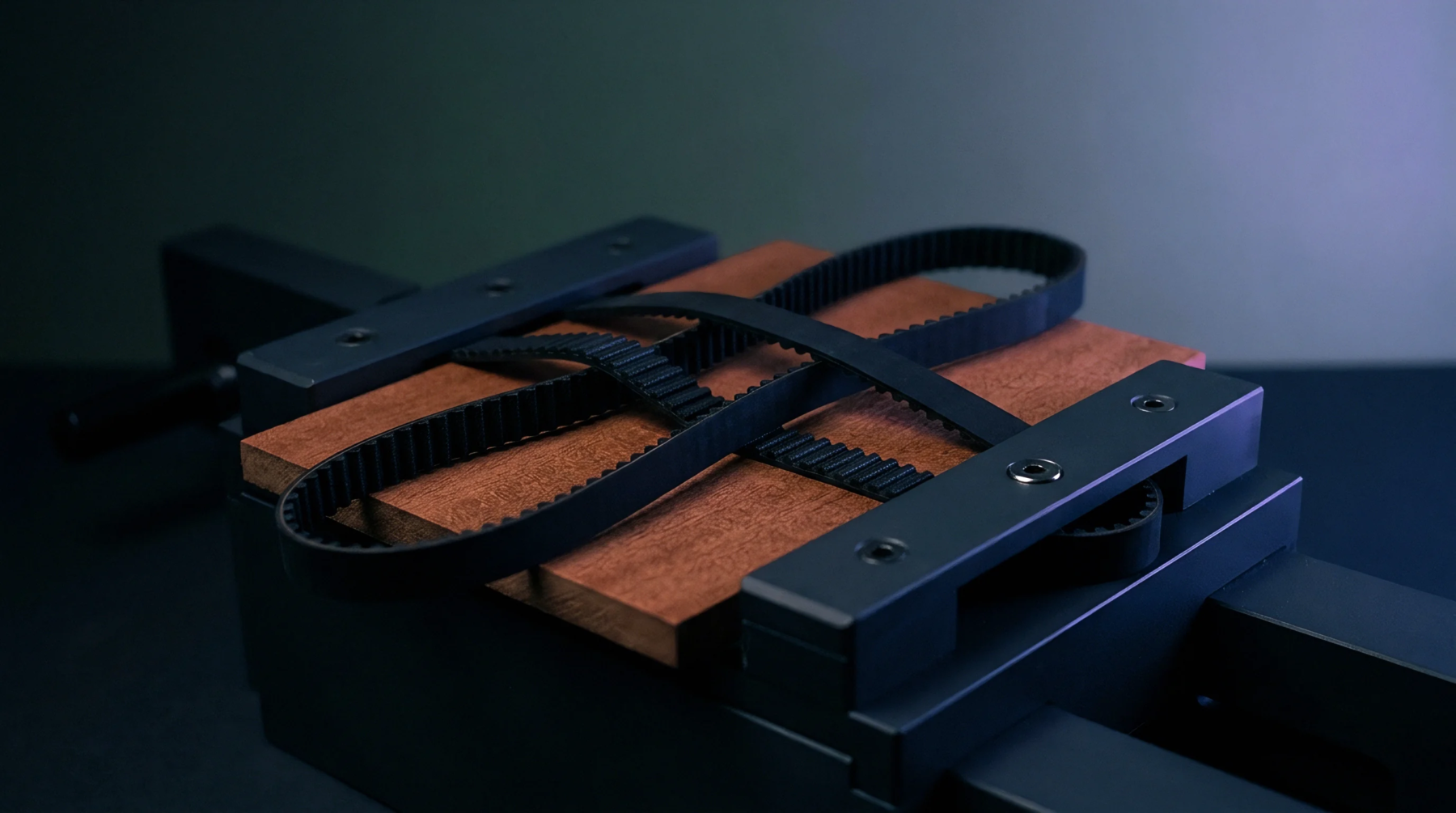
Subassembly press hydraulic parallelism and thermal ramp control determine resin distribution, eliminating dielectric height variation and differential signal phase skew.

High-frequency laminate rheology dictates prepreg flow kinetics, fixing pressed dielectric thickness, local impedance stability, and panel registration yield.
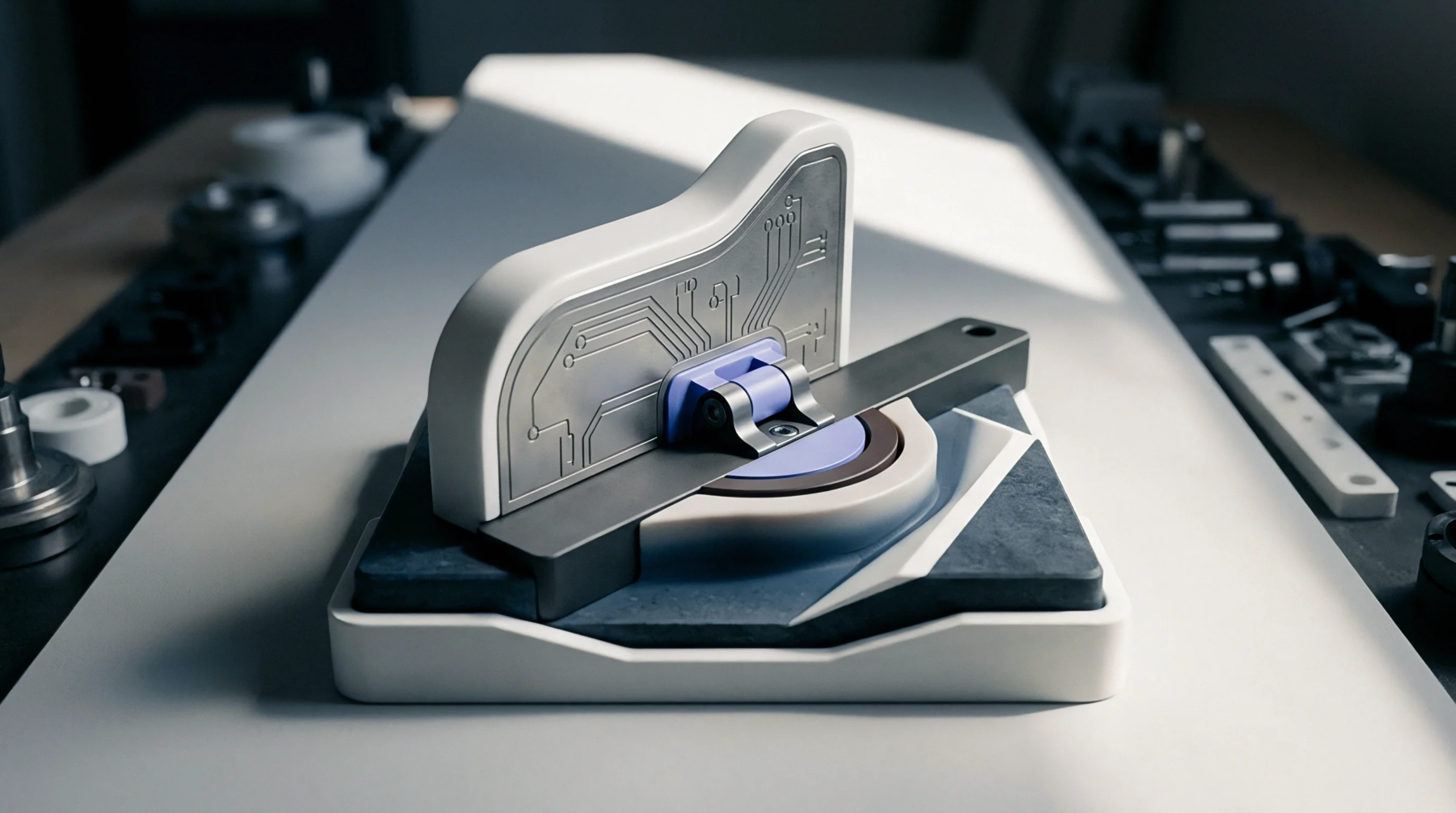
Sub-30 µm dielectric void suppression requires matching non-Newtonian dynamic viscosity to vacuum press ramps to maintain shear flow prior to cross-linking gelation.
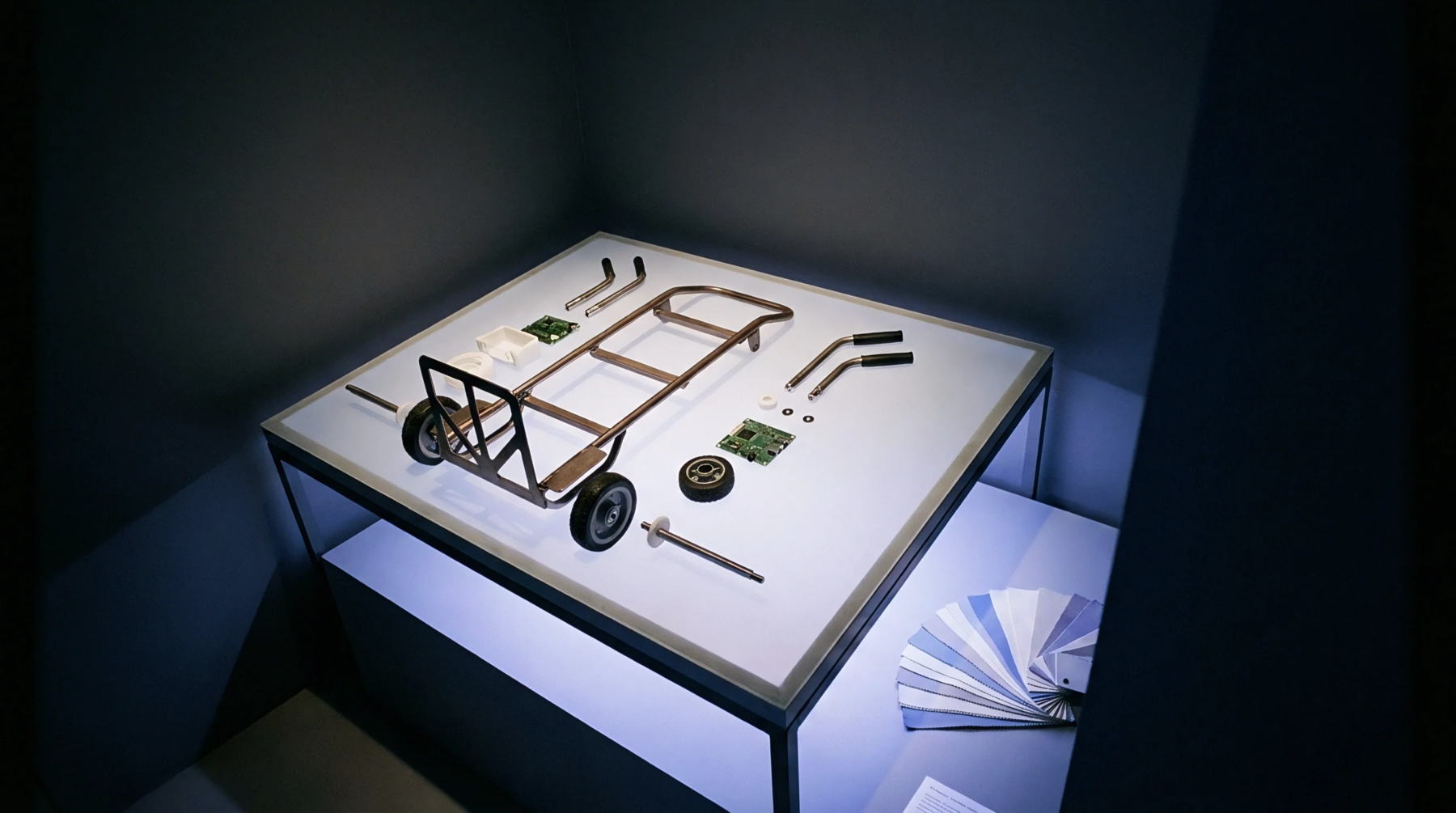
Multilayer PCB fabrication laminates etched copper cores and prepreg under heat and vacuum, creating vertical interconnects through precision drilling and copper electroplating.
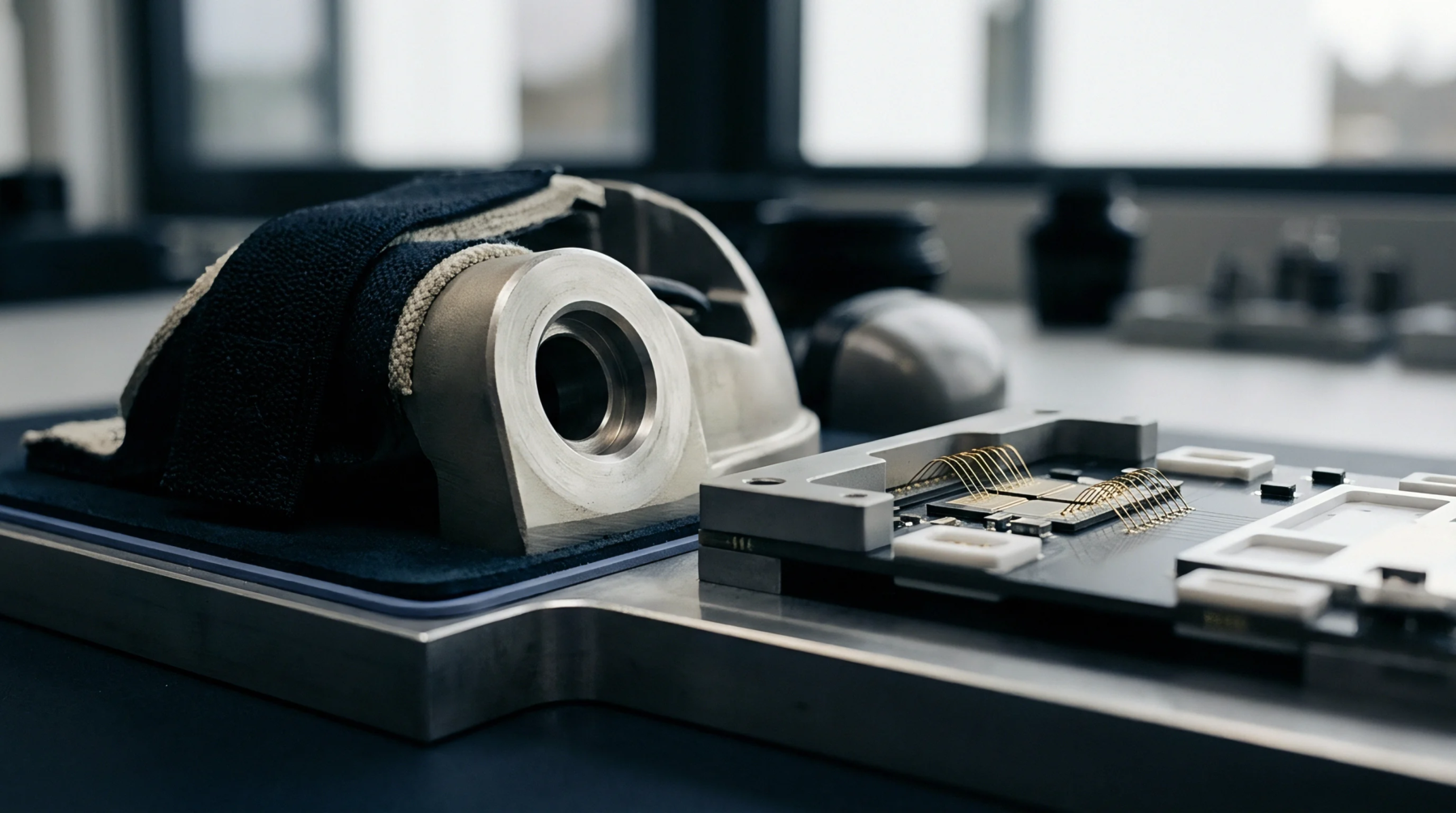
Moving from four to six layers adds 30 to 55 percent to bare board cost through double core usage, lamination press overhead, and tighter registration yields.
Expertise is a utility, not a secret. sentiention™ publishes its working knowledge as open reference: intelligence layer covering the materials it sources, the markets it enters, and the reference that serves both.