
Electrical Test Coverage Limits for Fine Pitch Ball Grid Array Assemblies
Fine pitch BGA electrical testing requires combining IEEE boundary scan, functional register checks, and dynamic stress to cover unprobed microvia-in-pad nets.

Fine pitch BGA electrical testing requires combining IEEE boundary scan, functional register checks, and dynamic stress to cover unprobed microvia-in-pad nets.
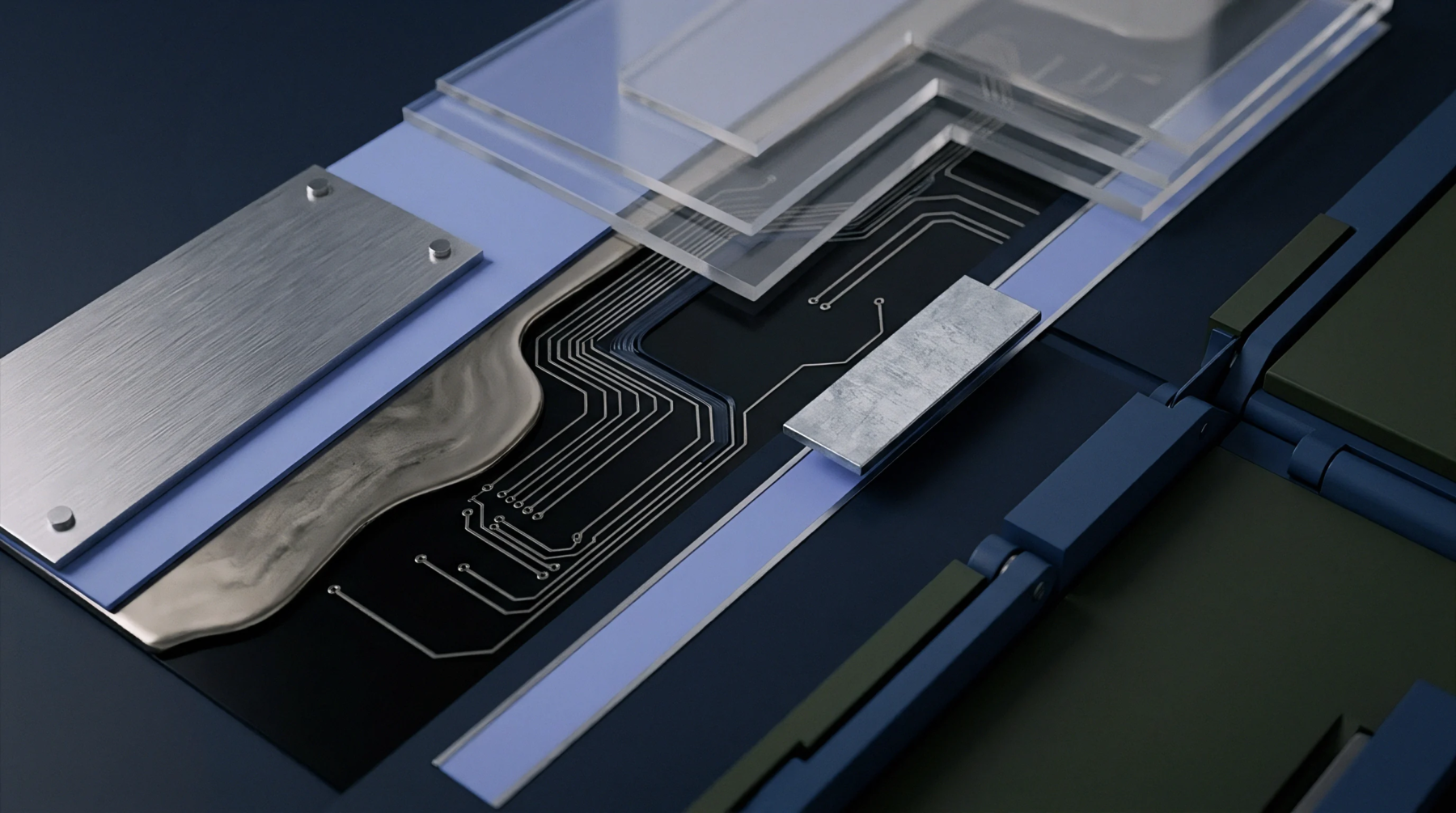
Echo phase inversion gating isolates leadframe delamination by detecting the 180-degree polarity reversal where epoxy compound separates from metallic leads.

Synchronizing prepreg dynamic viscosity windows and thermal ramp rates eliminates interfacial shear stress and trace swimming in hybrid multilayer lamination.
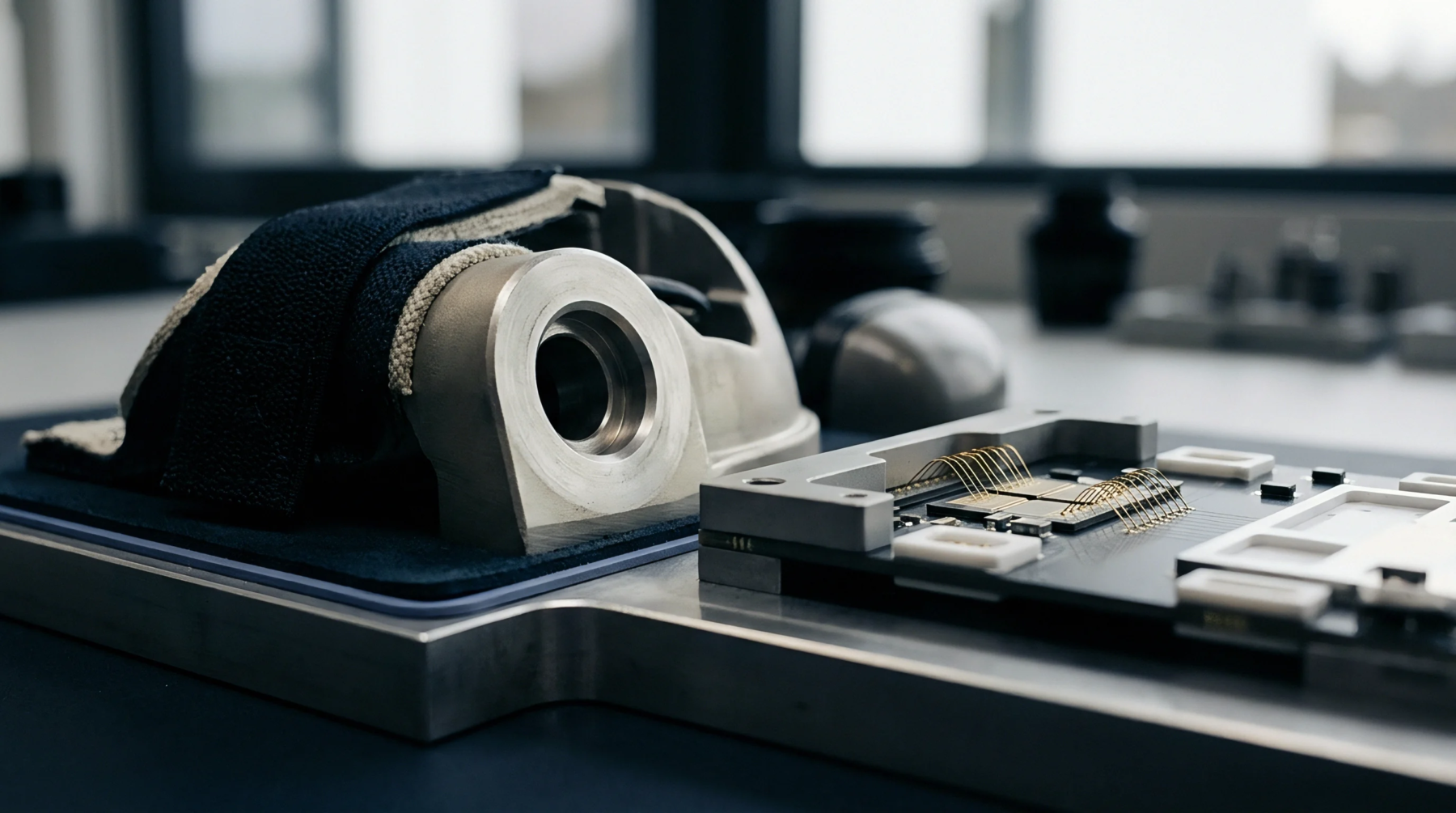
Acoustic microscopy verifies semiconductor package interface integrity by tracking reflection phase inversion and amplitude shifts across gated depth planes.

Laminate panel yield calculation derives net bare board output by compounding master sheet cut ratios, edge margin exclusions, and routing kerf allowances.
Phase inversion in acoustic microscopy detects interfacial delamination by identifying the 180-degree phase flip caused by zero-impedance air gaps.

Anisotropic glass-resin matrices induce spatial permittivity shifts that degrade millimeter-wave phase velocity unless controlled by spread plies and foil choice.

Bonepile scrap liability shifts to the assembly contractor if rework preheat falls below specified thresholds or if soldering dwell times exceed limits.

Spread glass reduces dielectric gradients, but intra-pair skew control requires angled routing or NE-glass selection to guarantee sub-picosecond lane matching.
Microsectioning and cavity resonator perturbation isolate glass bundle pitch drift and resin window skew before committing high-frequency panels to volume drill.
Diagnostic labor caps balance technician hourly payroll against scrap value to prevent unprofitable rework cycles on defective printed circuit board assemblies.
Dynamic temperature co-optimization of dielectric relaxation spectra prevents thermal phase skew and impedance steps in high-frequency package substrates.
J-STD-020 preconditioning validates plastic BGA package integrity by exposing parts to desorption baking, moisture saturation, and three reflow passes.
Adjusted first pass yield masks manufacturing defects and latent thermal damage through unlogged re-probes, widened guard bands, and hidden manual rework.

Non-Fickian dual-stage moisture retention drives high-pressure steam delamination during reflow, requiring verified desorption baking and acoustic gating.

MSL classification defines component floor life to prevent internal steam popcorning during reflow through controlled barrier packaging and dry baking.

Calculate desorption activation energy via multi-temperature isothermal mass loss to scale custom microelectronic bake times without inducing thermal packaging damage.

Resin flow hydrodynamics during prepreg gelation create shear forces that displace inner copper features, requiring spatial density balancing to maintain impedance.

Operational heat shifts substrate permittivity, detuning filters and creating common-mode radiation that erases radiated compliance margins.

Fickian diffusion modeling calculates package moisture saturation to set baking profiles and floor life limits that prevent popcorning during reflow.
Repeated 125 C baking resets package floor life but consumes pure tin into Cu-Sn intermetallics, producing oxidized leads that reject solder during reflow.

Loss tangent increases sharply near glass transition temperature, driving thermal eye closure and insertion loss drift that demand elevated-temperature coupon screens.
Calculate component floor life by derating baseline hours against ambient vapor pressure, sealing barrier bags with desiccant scaled to pouch surface area.
MSL standards classify package moisture vulnerability to prevent explosive steam delamination during lead-free reflow through timed floor life and baking rules.
Controlled thermal ramps below 1.5 degrees per minute eliminate transient cure gradients, preventing build-up resin flow disparities and substrate warpage.
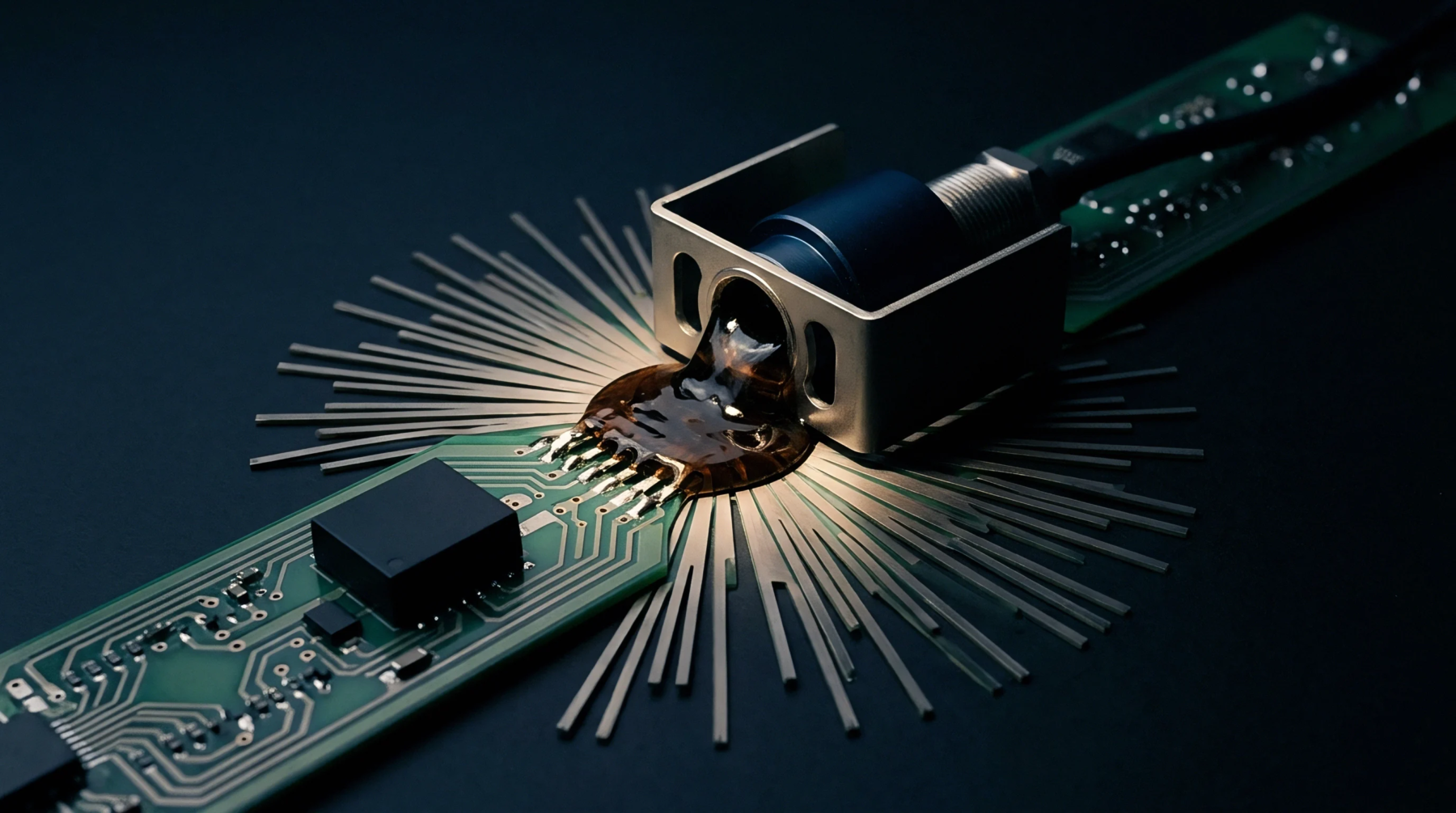
Operating thermal elevation shifts dielectric permittivity and expands layer spacing, driving gigahertz power plane edge radiation into non-compliance.

Extracting sub-terahertz dielectric tensors requires combining orthogonal transmission lines with multi-line TRL de-embedding to resolve anisotropic permittivity.
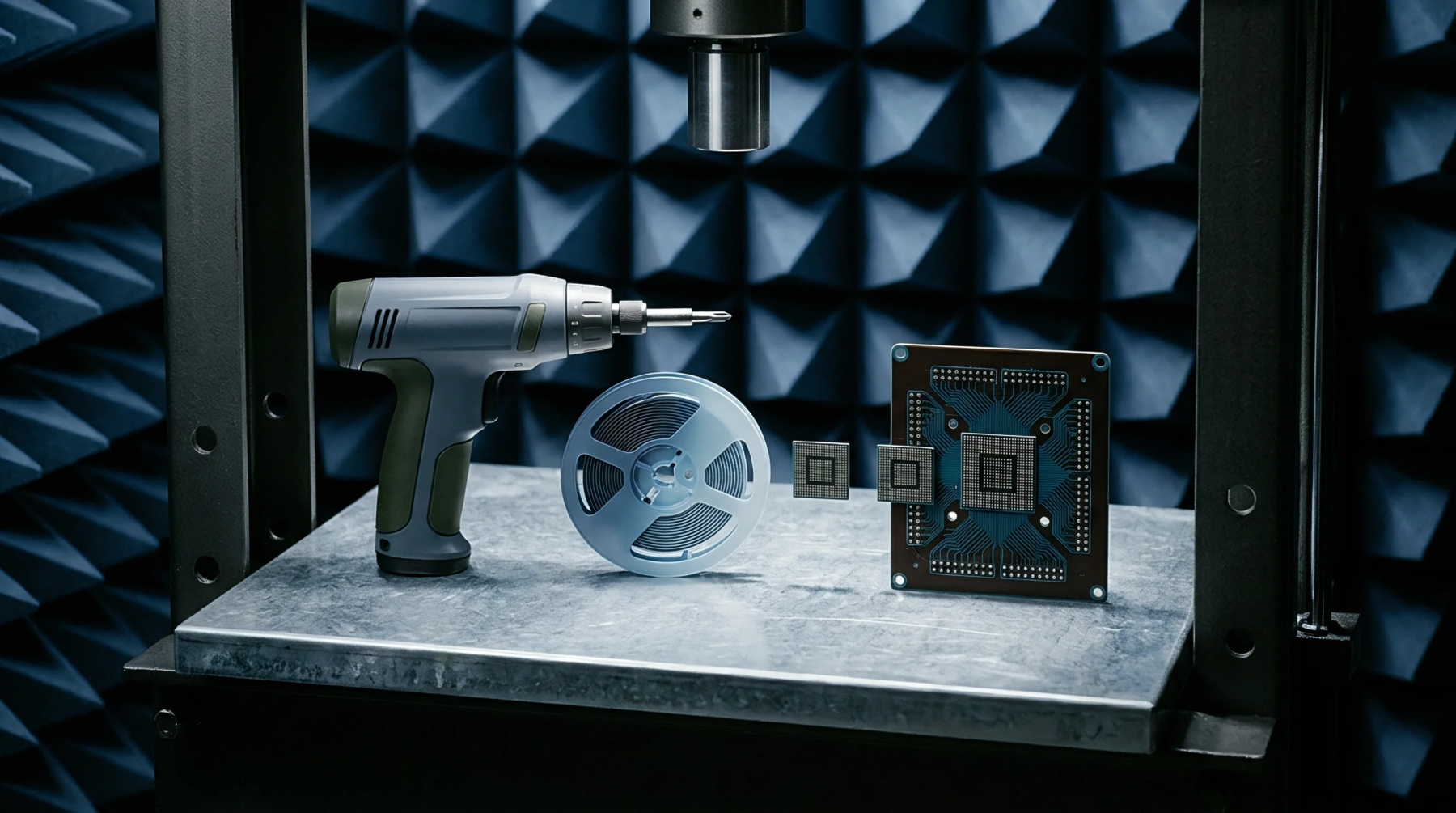
Mitigate sub-terahertz phase inversion instabilities by specifying spread L-glass laminates with nano-silane surface treatment and laser micro-drilling.
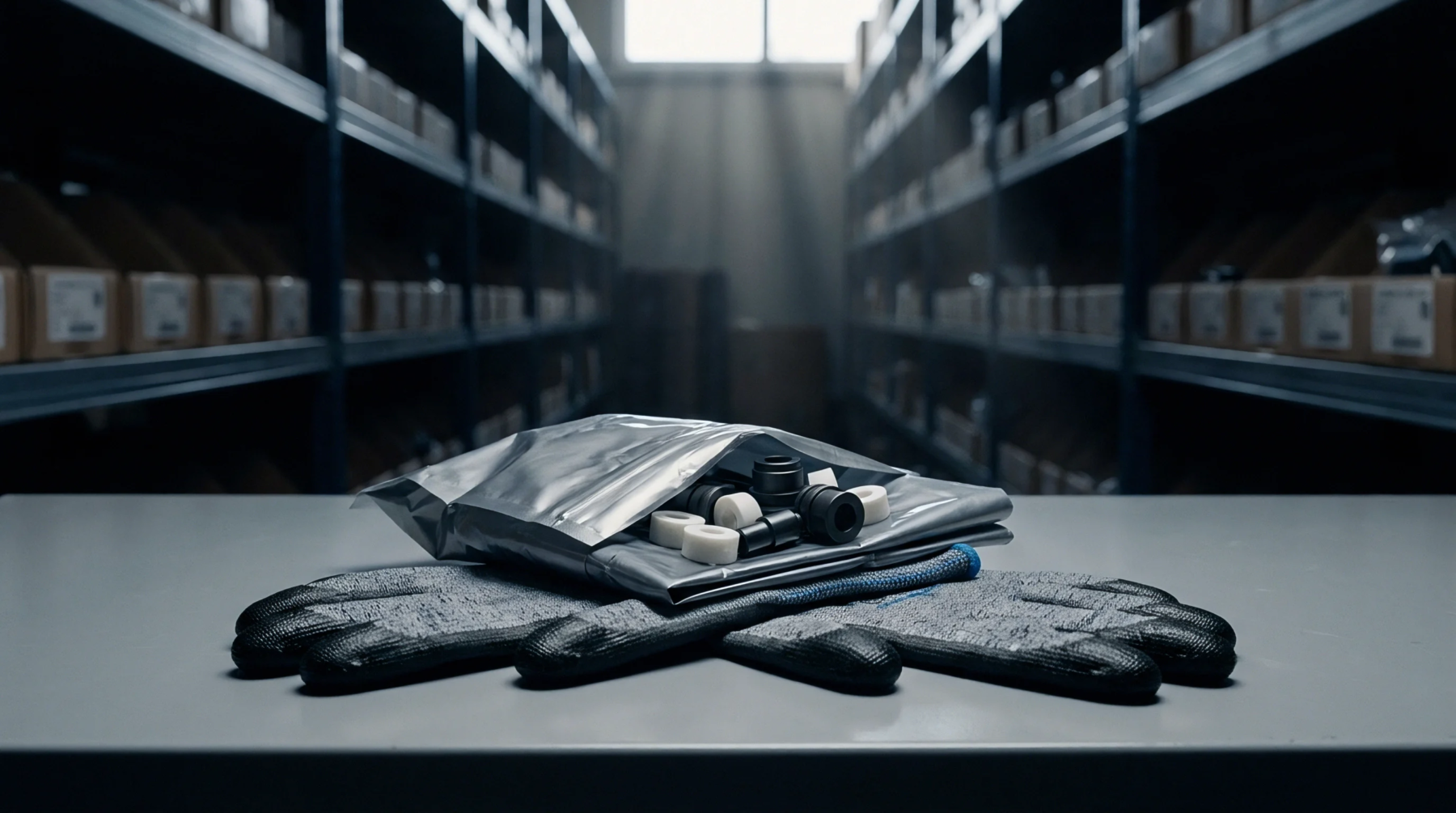
Predicting high-frequency plane radiation requires Monte Carlo modeling of capacitor tolerances to ensure power distribution networks pass CISPR 32 limits.

Board-edge emissions scale directly with power rail transient voltage steps, allowing near-field spectral scans to enforce CISPR compliance at board level.
Expertise is a utility, not a secret. sentiention™ publishes its working knowledge as open reference: intelligence layer covering the materials it sources, the markets it enters, and the reference that serves both.