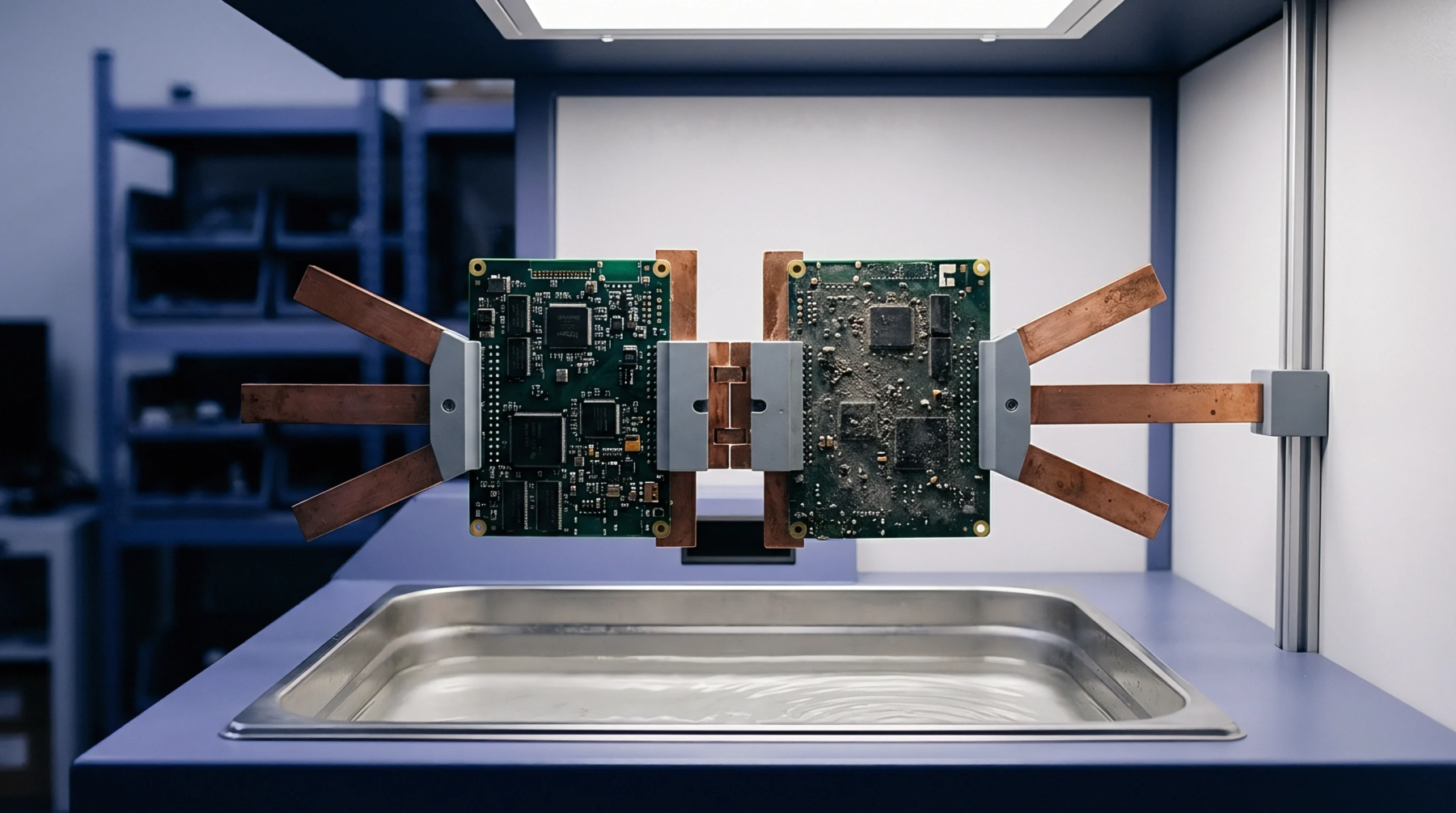
Convective Thermal Shadowing Clearances on Double Sided SMT Assemblies
Maintain component spacing equal to twice the height of tall packages along the furnace conveyor axis to prevent defective convective cold joints.
Maintain component spacing equal to twice the height of tall packages along the furnace conveyor axis to prevent defective convective cold joints.

Calculating perimeter via pitch below one-twentieth the guided harmonic wavelength maintains adequate shielding attenuation for radiated emissions compliance.

Production lines run stable when automated inspection yields fifty false calls per million solder joints without suppressing defect classification algorithms.

Combined boundary scan and bed-of-nails access modeling calculates structural escape rates to prevent latent defect exposure in field shipments.

Secondary reflow exposure drives solid-state intermetallic coarsening on inverted joints, degrading shear fatigue resistance long before electrical failure.

Spatial harmonization unifies disparate machine coordinate frames through rigid affine transformation, eliminating fleet-wide systematic offset errors.

Non-redundant aggregation of optical, X-ray, and boundary scan coverage metrics determines true defect escape risk on high-density circuit boards.

Derating tactical placement speed protects actual assembly yield by suppressing kinetic vibration, feeder mispicks, and reflow defects before scrap costs accumulate.
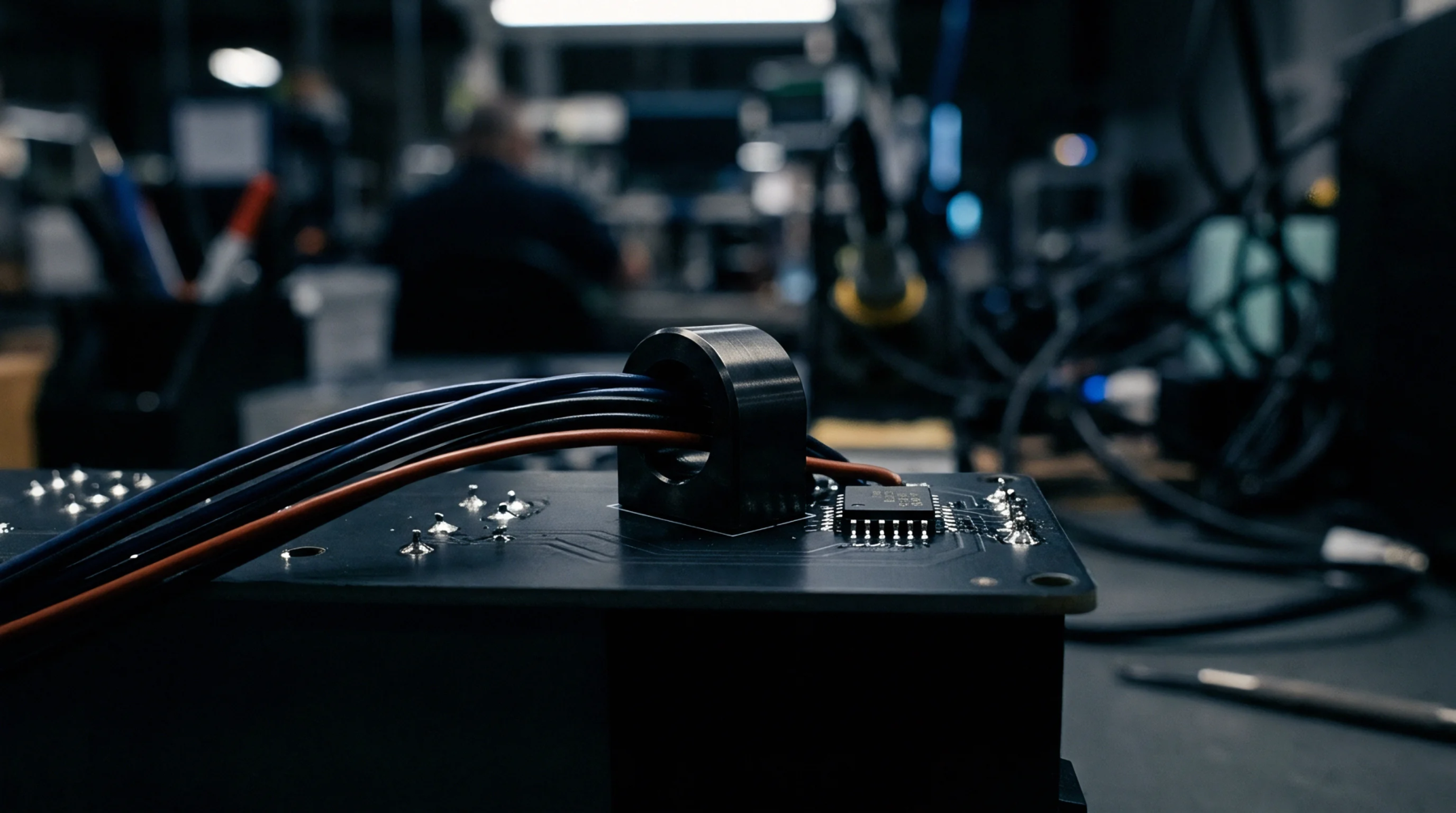
Unified PCOLA-SOPS deduplication calculates combined structural coverage through strict Boolean fault-class scoring rather than naive additive percentages.
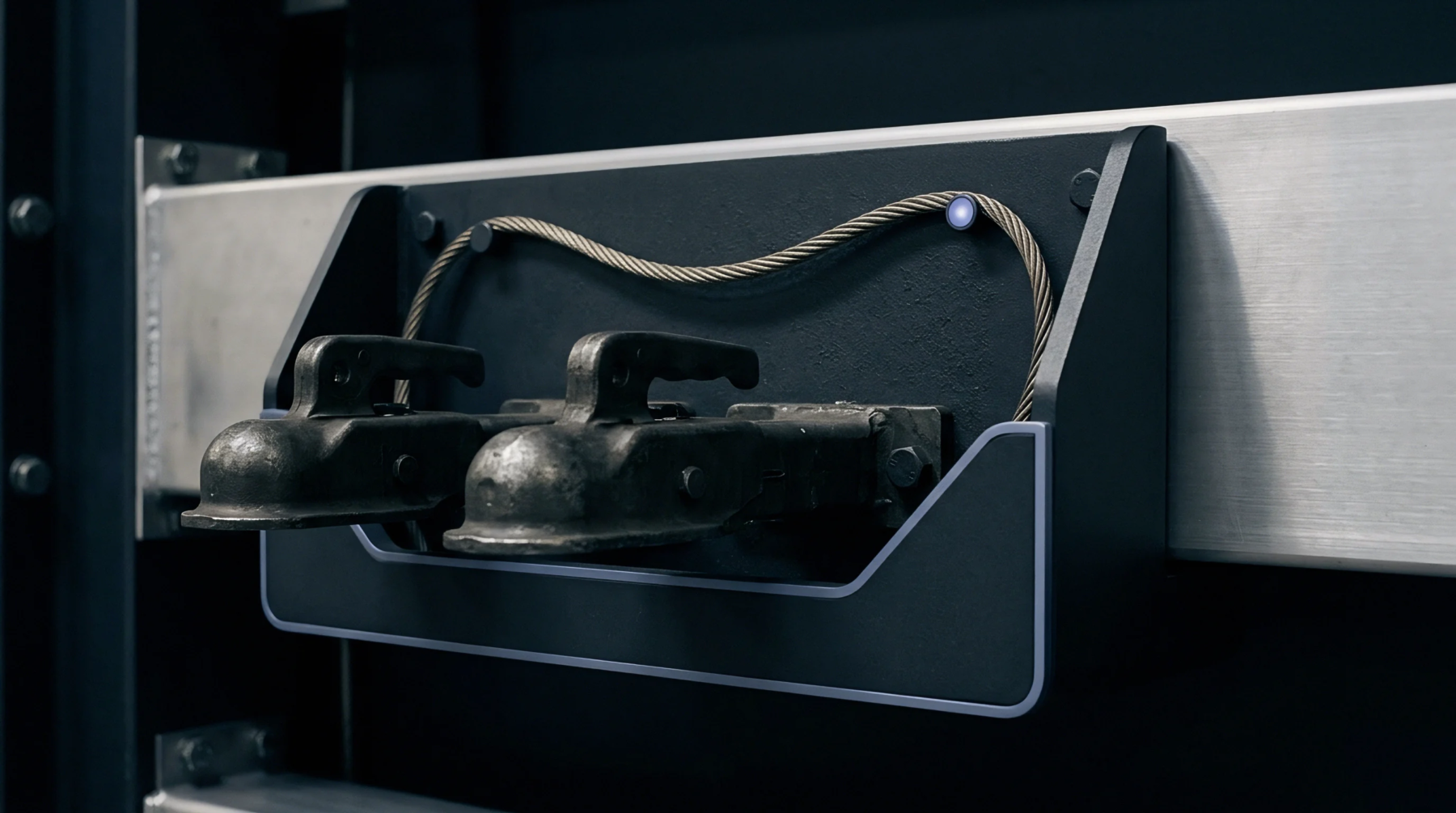
SMT liabilities partition through synchronized SPI, AOI and feeder logs, setting attrition caps by package size and billing overages above contract baselines.

Contractual yield allowances isolate mechanical feeder scrap from reflow defects to protect consigned stock value and settle component variances accurately.

Dynamic multi-frequency phase calibration cancels convection noise and substrate motion, preventing optical false rejects and open joints during SMT reflow.

Gantry settling delays and image compute latency bound automated optical inspection speed, requiring synchronized trigger timing to prevent motion blur rejects.

Optical inspection timing bounds demand mechanical settling dwell times that prevent sub-pixel motion blur without sacrificing line placement throughput.

Trapezoidal trace tapering reduces effective line width, raising microstrip impedance above rectangular model predictions and demanding field solver validation.

Eliminate Hermes inspection interlock latency by disabling TCP packet delays, isolating machine subnets, and stripping metrology data from board handshakes.
Calibrating AOI offset triggers for fine pitch SMT requires mapping optical pixel resolution against surface tension self-alignment limits to minimize false calls.
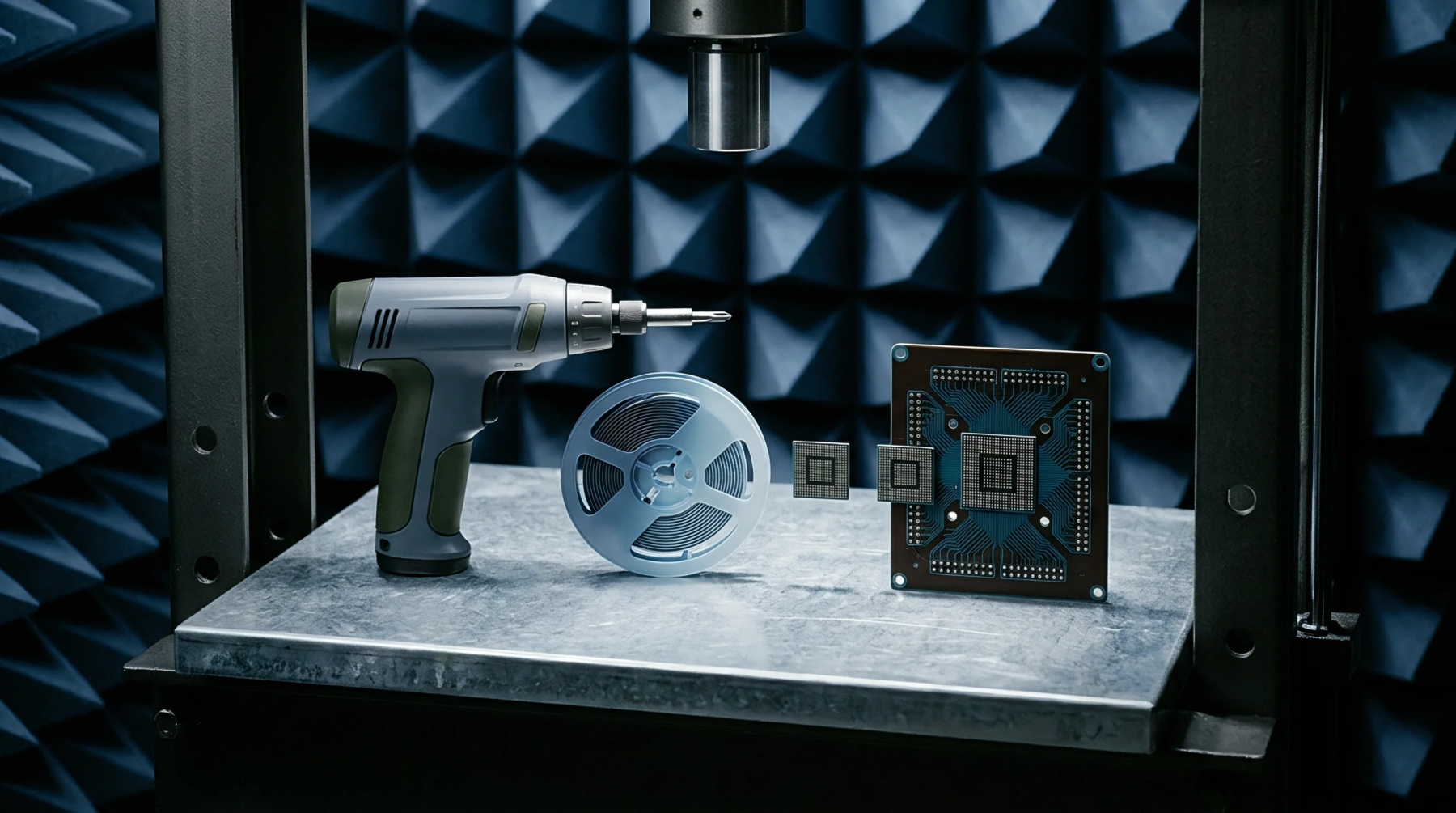
Evaporation kinetics and loss factor thresholds determine high-temperature rheological stability and prevent hot slump bridging in lead-free solder pastes.

Upper bound financial liability in high-density surface mount assembly depends on contract caps that separate labor processing fees from bill-of-materials scrap limits.
Statistical inspection bounds govern defect escape rates, defining commercial liability boundaries and scrap allocation across surface mount assembly lines.

Dynamic X-ray magnification correction resolves board warp scaling errors to deliver accurate sub-millimeter joint volume and void metrics in high-density builds.

Plated through hole solder joints evaluated under IPC standards require strict vertical fill, top and bottom fillet wetting, and bounded radiographic voiding.

Standardized optical calibration targets provide certified physical baselines to eliminate sensor magnification, distortion, and drift errors in fine pitch AOI.

Calibrating multi-angle specular reflectance algorithms eliminates false optical profiling errors on sub-15 micron traces, securing high mSAP panel yields.
Consigned material sourcing requires strict incoming package checks, chemical decapsulation, and clear contract risk allocation to prevent counterfeit escapes.

Closed loop focal tracking continuously adjusts z-height positioning during placement and inspection to prevent solder defects on deforming board substrates.

Fine pitch SMT inspection requires combining 3D optical profilers with boundary scan and automated X-ray gates to catch hidden solder escapes before field deployment.

Consigned component reliability depends on strict intake MBB inspection, calculated J-STD-033 bake cycles, and J-STD-002 solderability testing before reflow.

Optimized lead-free reflow profiling requires thermal deltas under eight degrees, controlled time above liquidus, and precise paste transfer efficiency.

Controlling wet-process nozzle velocity below two meters per second prevents hydrodynamic trace stripping on ultra-thin inner layer copper channels.
Expertise is a utility, not a secret. sentiention™ publishes its working knowledge as open reference: intelligence layer covering the materials it sources, the markets it enters, and the reference that serves both.