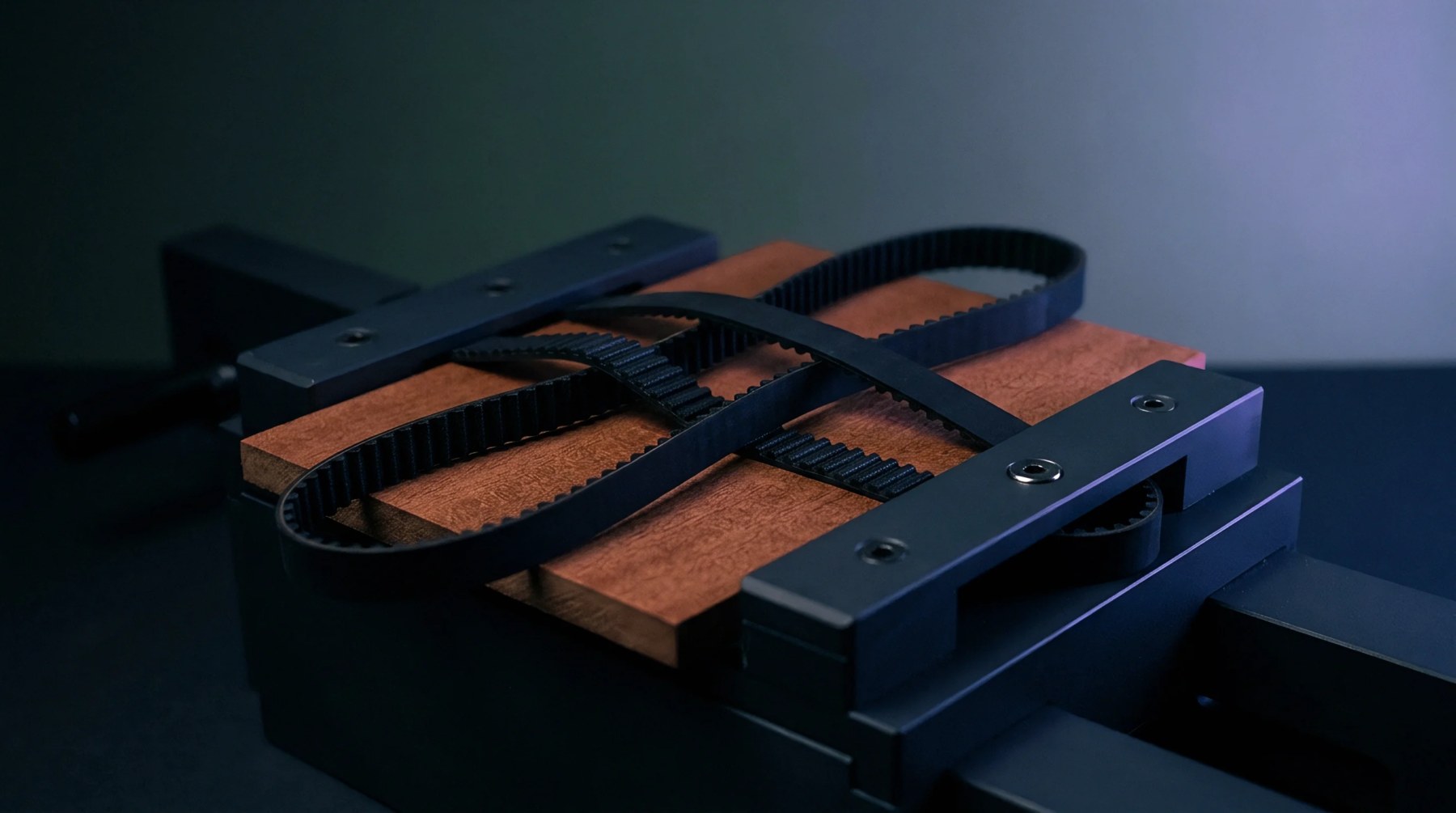
Substrate Thermal Distortion Impact on Optical Inspection Accuracy
Substrate thermal distortion shifts surface features out of optical focal planes, causing false inspection calls that demand dynamic surface mesh compensation.
Substrate thermal distortion shifts surface features out of optical focal planes, causing false inspection calls that demand dynamic surface mesh compensation.
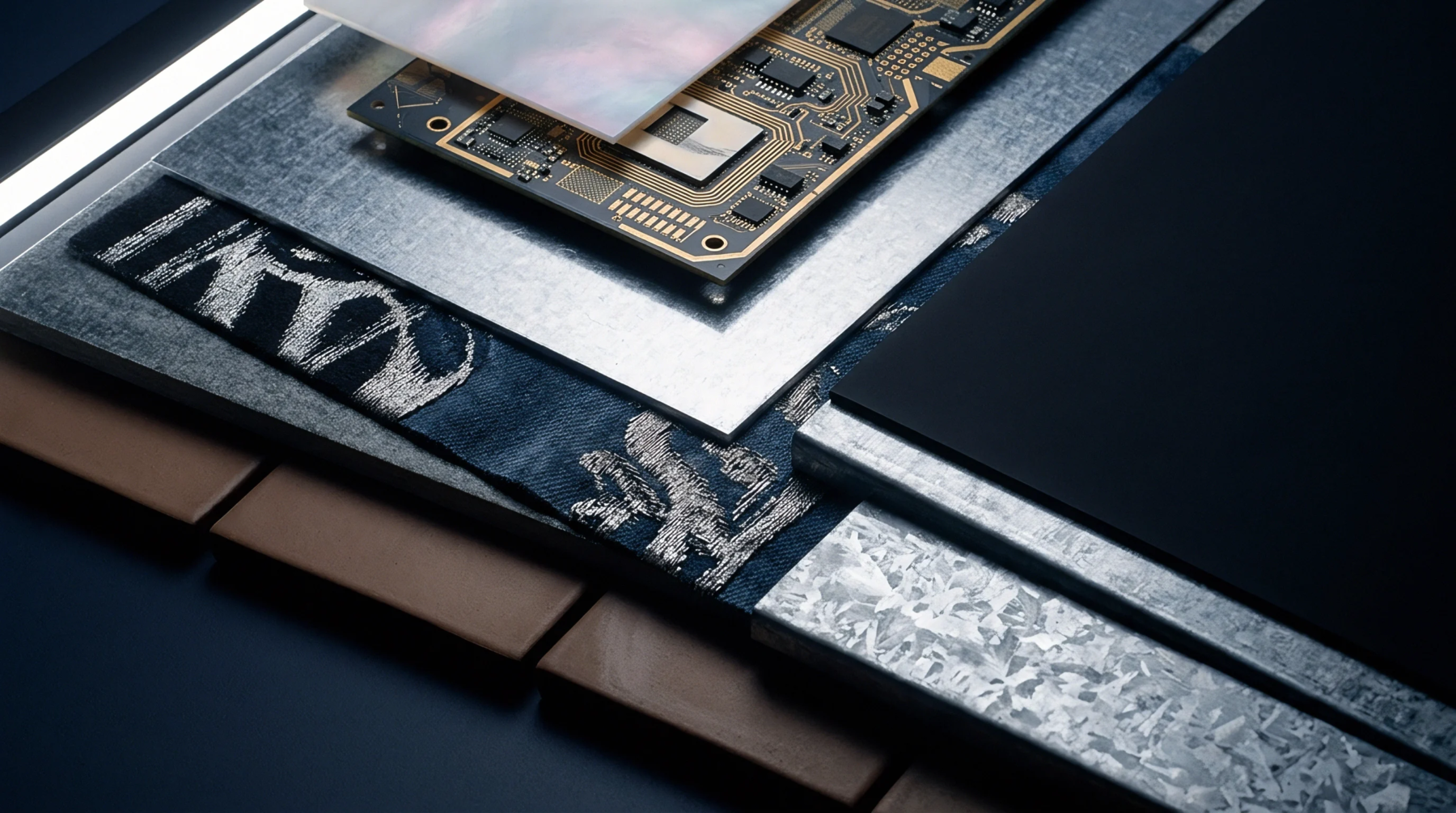
Non-linear platen thermal modeling eliminates extended panel registration drift by applying dynamic, localized vector scaling during laser direct imaging.
BGA moisture sensitivity compliance demands strict floor life tracking, J-STD-020 preconditioning qualification, and acoustic inspection for subsurface delamination.
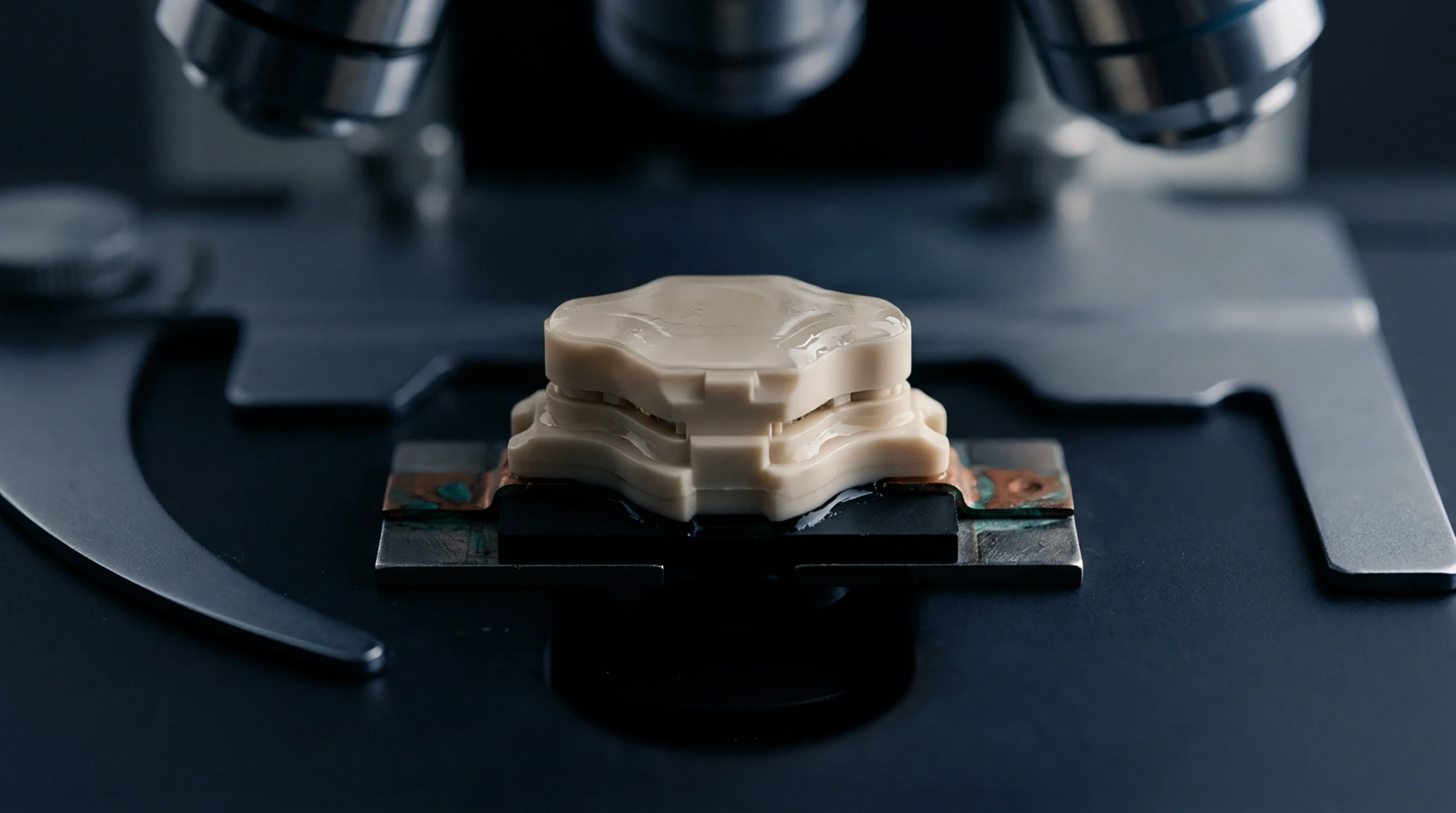
AC coupling capacitor solder joint failures require AC boundary scan and TDR screening to detect latent mechanical microcracks before field deployment.
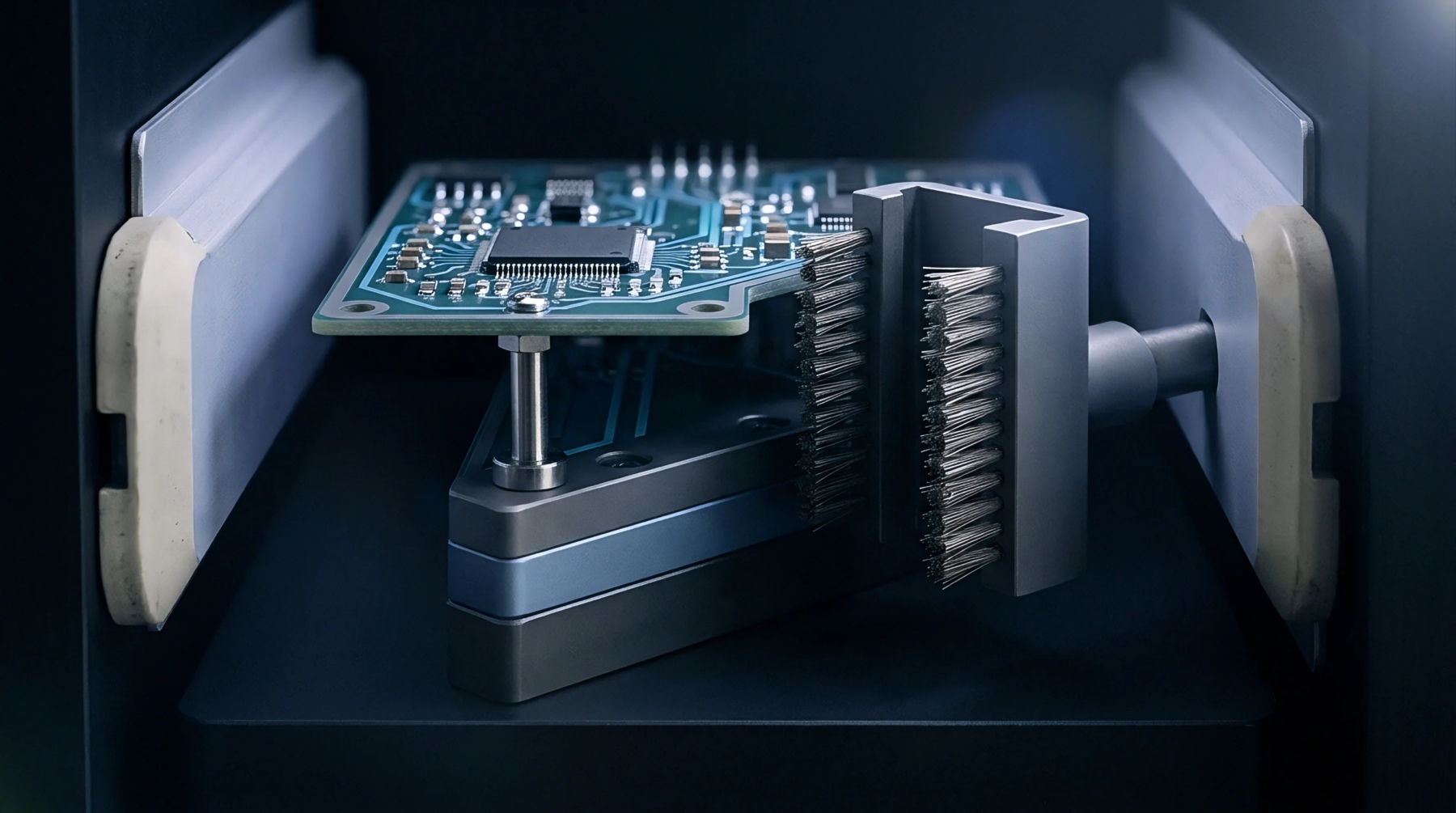
Microvoid coalescence under thermal cyclic strain stems from creep-fatigue interaction at intermetallic layers, requiring EBSD and strain partitioning to prove.
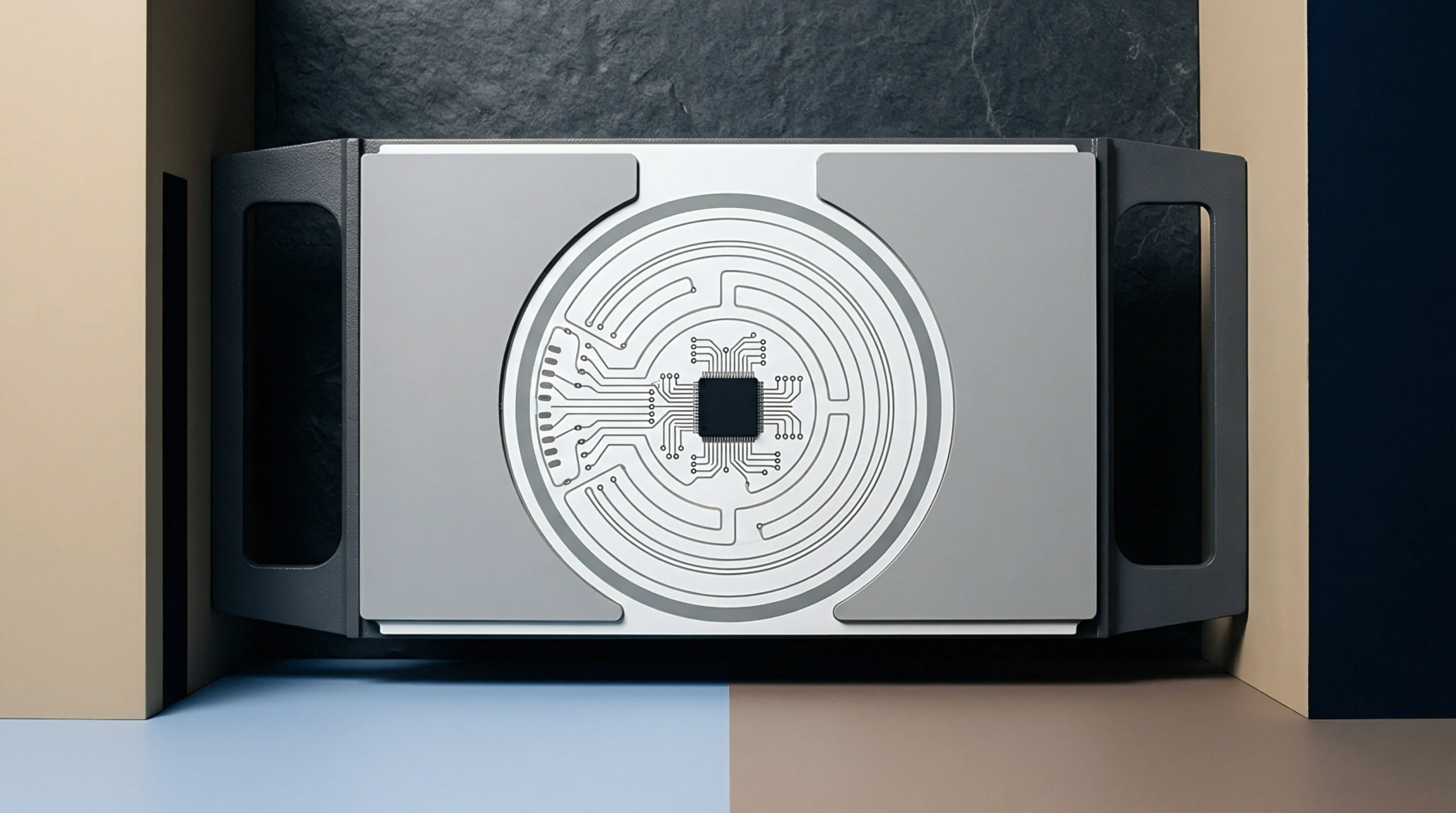
Substrate thermal distortion stems from CTE mismatch and copper asymmetry, requiring tight dynamic warpage limits and carrier tooling to protect joint yield.
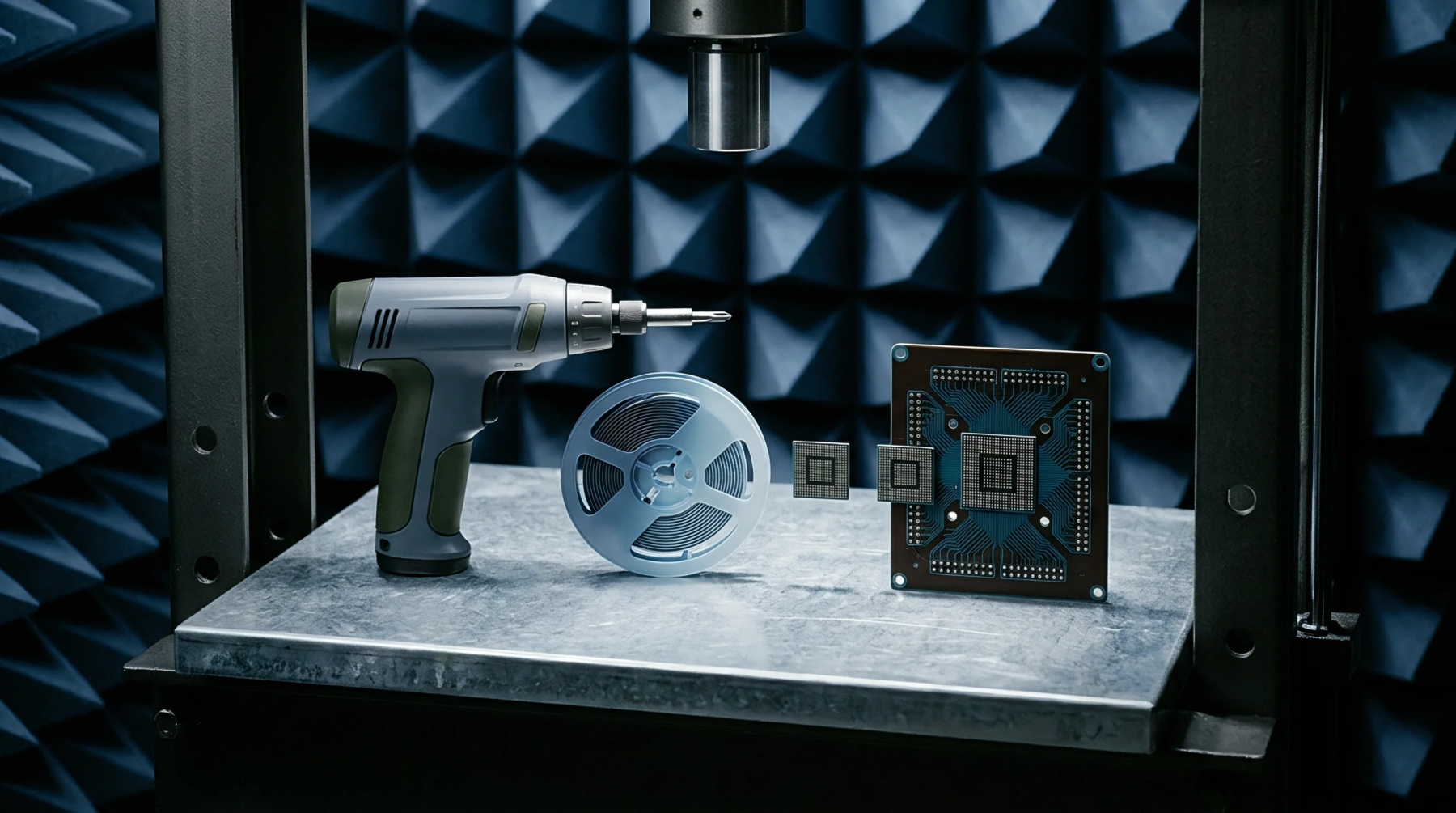
Asymmetric ultra-low-loss stackups shift the neutral axis and concentrate reflow shear strain at copper boundaries, requiring aspect ratios under 10:1 to protect barrel fatigue life.
Z-axis laminate expansion exceeding copper ductility during lead-free reflow drives microvia failure, requiring high-Tg filled dielectrics and coupon screening.
Extended thermal shock verification isolates latent perimeter via barrel fractures before high-density printed circuit board batches enter assembly streams.

Asperity contact pressure above ten megapascals masks interface delamination during acoustic qualification, requiring thermal-bias ultrasonic verification.
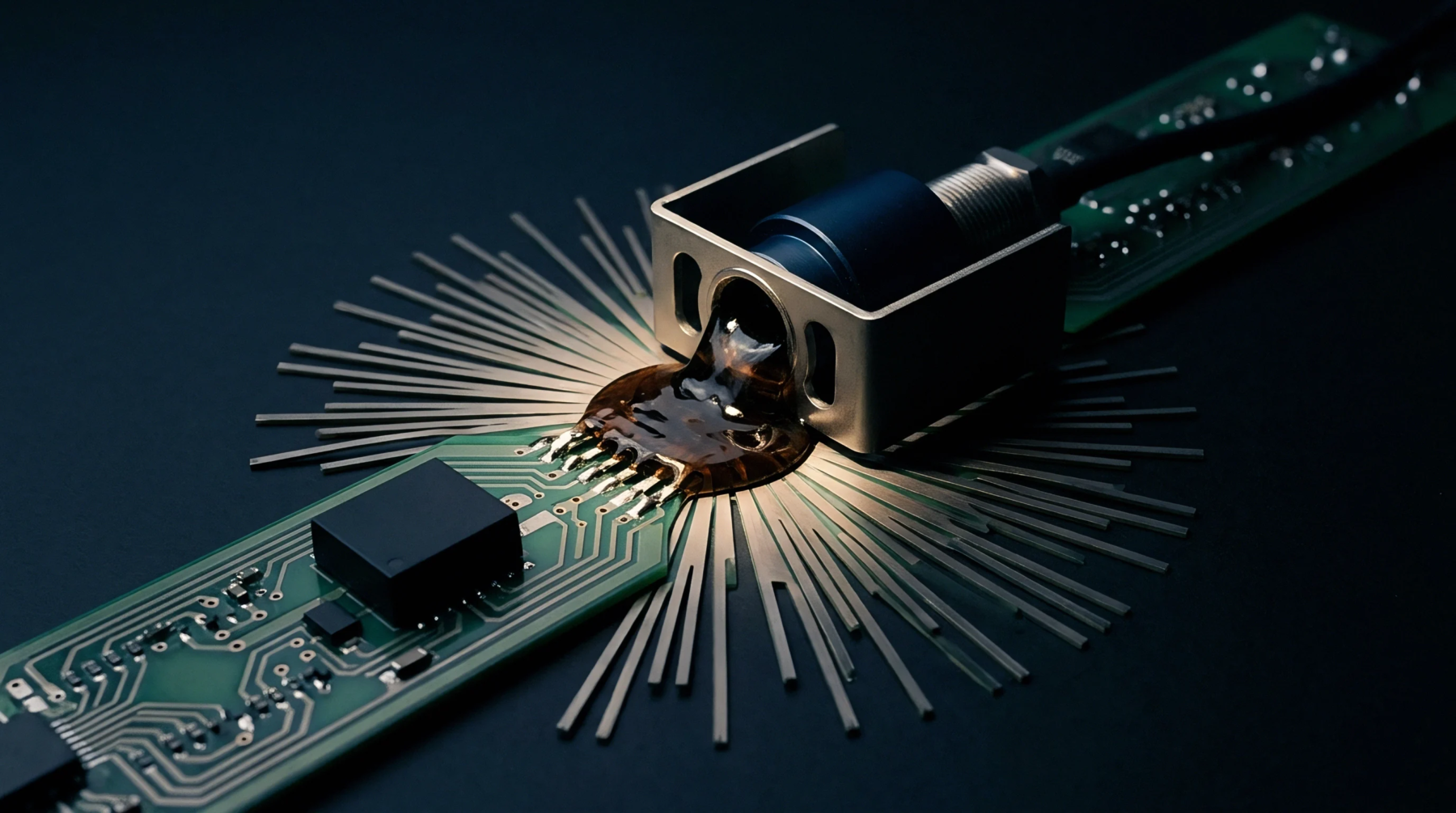
Dynamic multi-sensor thermal stage compensation maintains sub-micron inspection accuracy, preventing false solder joint defect calls on advanced packaging lines.
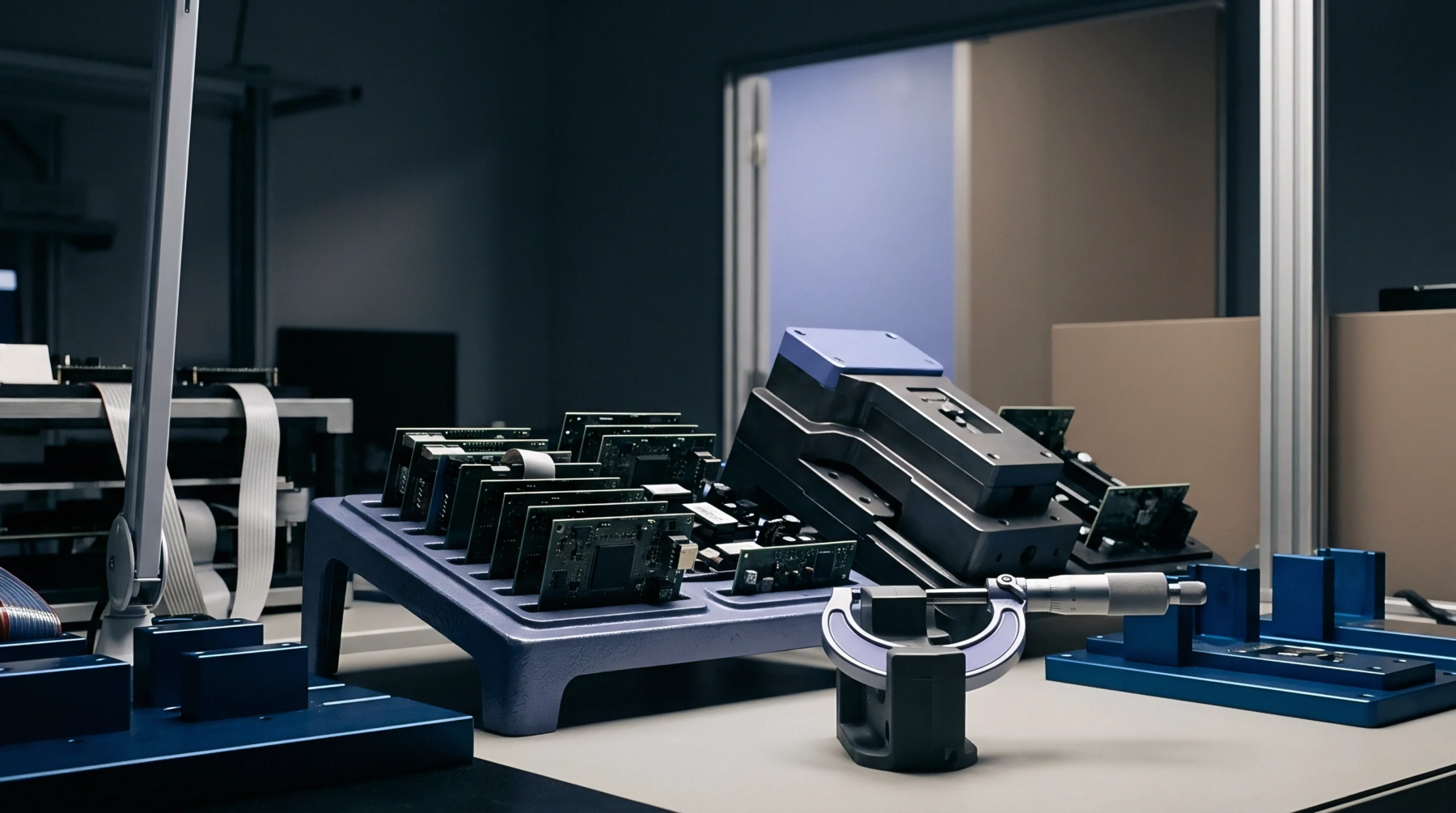
High aspect ratio multilayers resist cyclic thermal stress when barrel wall ductility exceeds eighteen percent and copper plating thickness remains uniform.

Interfacial shear stress during lead-free reflow peaks at target pad edges, requiring staggered vias or low-CTE filled prepregs to prevent open circuits.
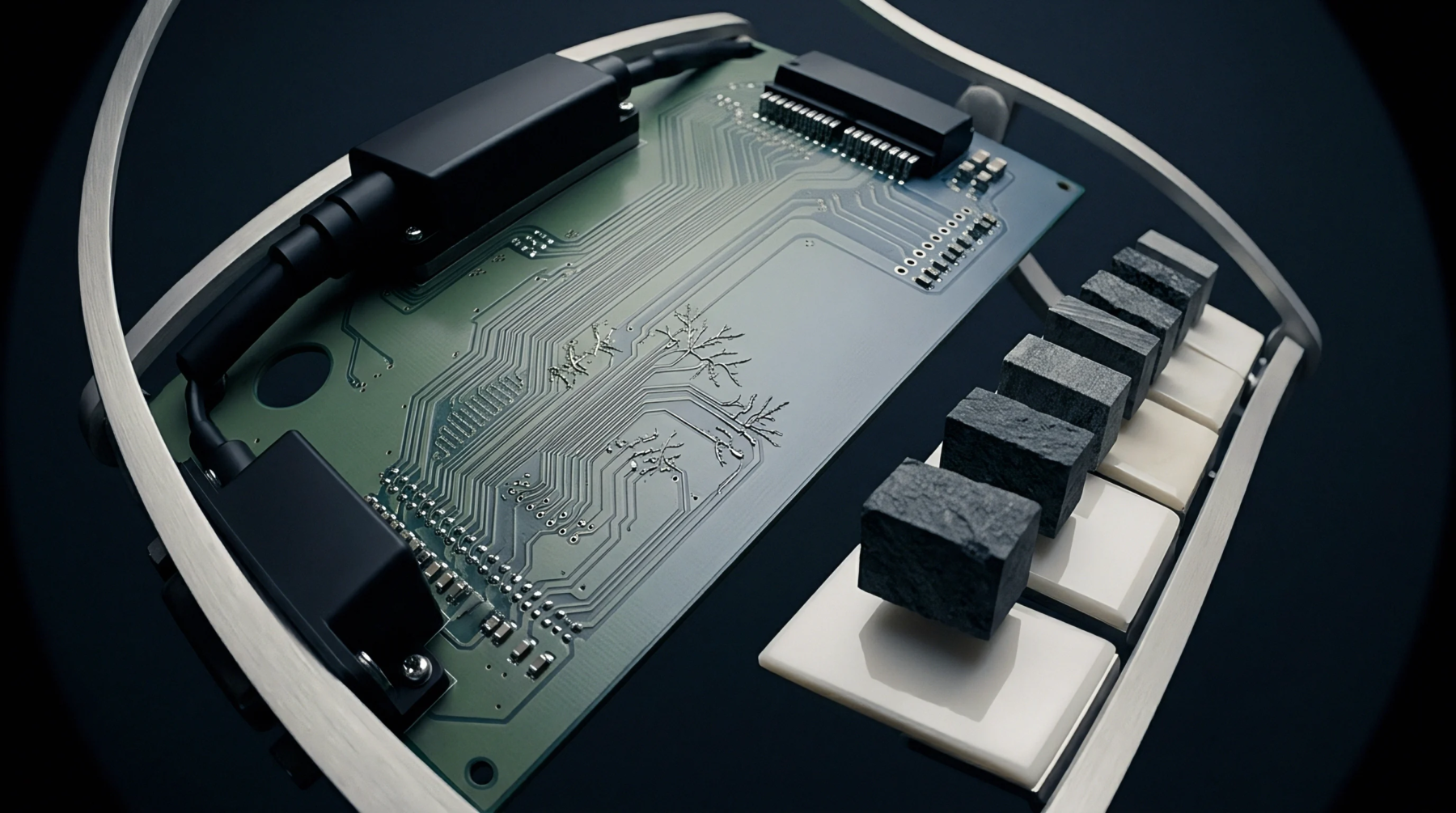
Synthetic quartz reinforcement cuts laminate dielectric loss and thermal expansion while demanding custom drill parameters and carrying a steep raw material cost.
Balancing low substrate thermal expansion with prepreg flow requires tuning press heating rates to sustain resin viscosity below 30 Pa·s before gelation locks.
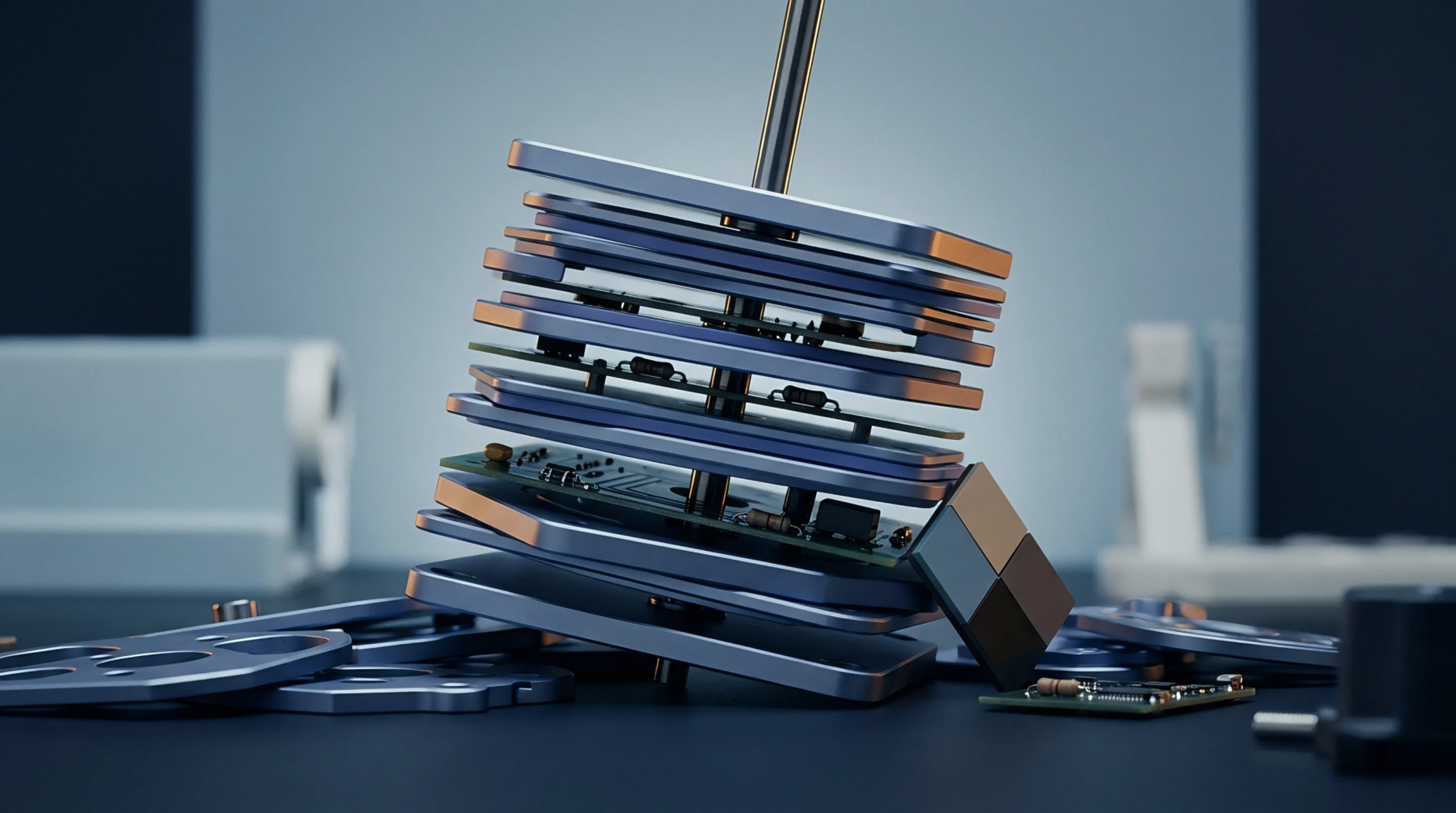
Ultra low profile foil adhesion on hydrophobic substrates depends on chemical bonding strength rather than mechanical tooth anchoring.
Interlaminar shear failure in heavy copper multilayers is prevented by balancing copper distribution and matching resin glass transition temperatures.
Substrate panel deformation stems from thermomechanical mismatch, cure shrinkage, and copper asymmetry, requiring balanced layouts and strict thermal control.
Controlled thermal ramps below 1.5 degrees per minute eliminate transient cure gradients, preventing build-up resin flow disparities and substrate warpage.
Phase inversion tracking isolates sub-micron delamination by detecting 180-degree polarity flips in high-frequency acoustic reflections at decoupled boundaries.

Thermal fatigue in surface mount joints is driven by CTE mismatch creep and interfacial voiding, requiring event-detected thermal cycling to prevent field failure.
Nanoscale interface texturing eliminates target pad shear delamination in any-layer assemblies by swapping macro-mechanical teeth for molecular silane bonds.
Matching glass style symmetry and thermal expansion coefficients across dielectric plies eliminates panel warp and prevents plated hole barrel fatigue under thermal cycle.
Unapproved component broker procurement voids contractual manufacturing liability caps, exposing assembly partners to full rework and recall costs.

Controlling dielectric z-axis expansion through silica filler loading and staggered microvia geometry prevents interface rupture under reflow.
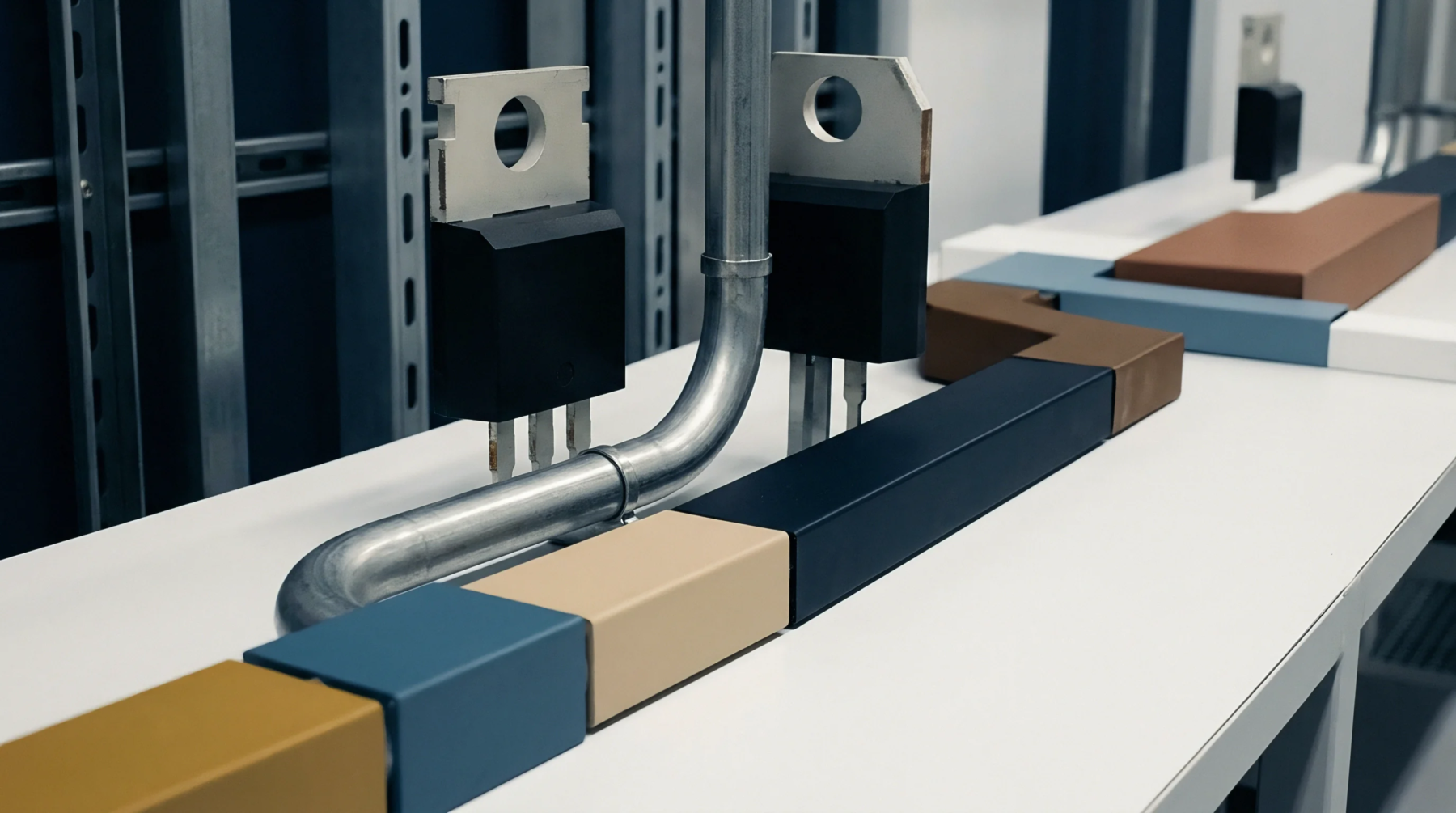
Orthotropic strain tensor modeling prevents reflow warpage by balancing glass weave orientations and copper distribution symmetrically around the stackup centerline.
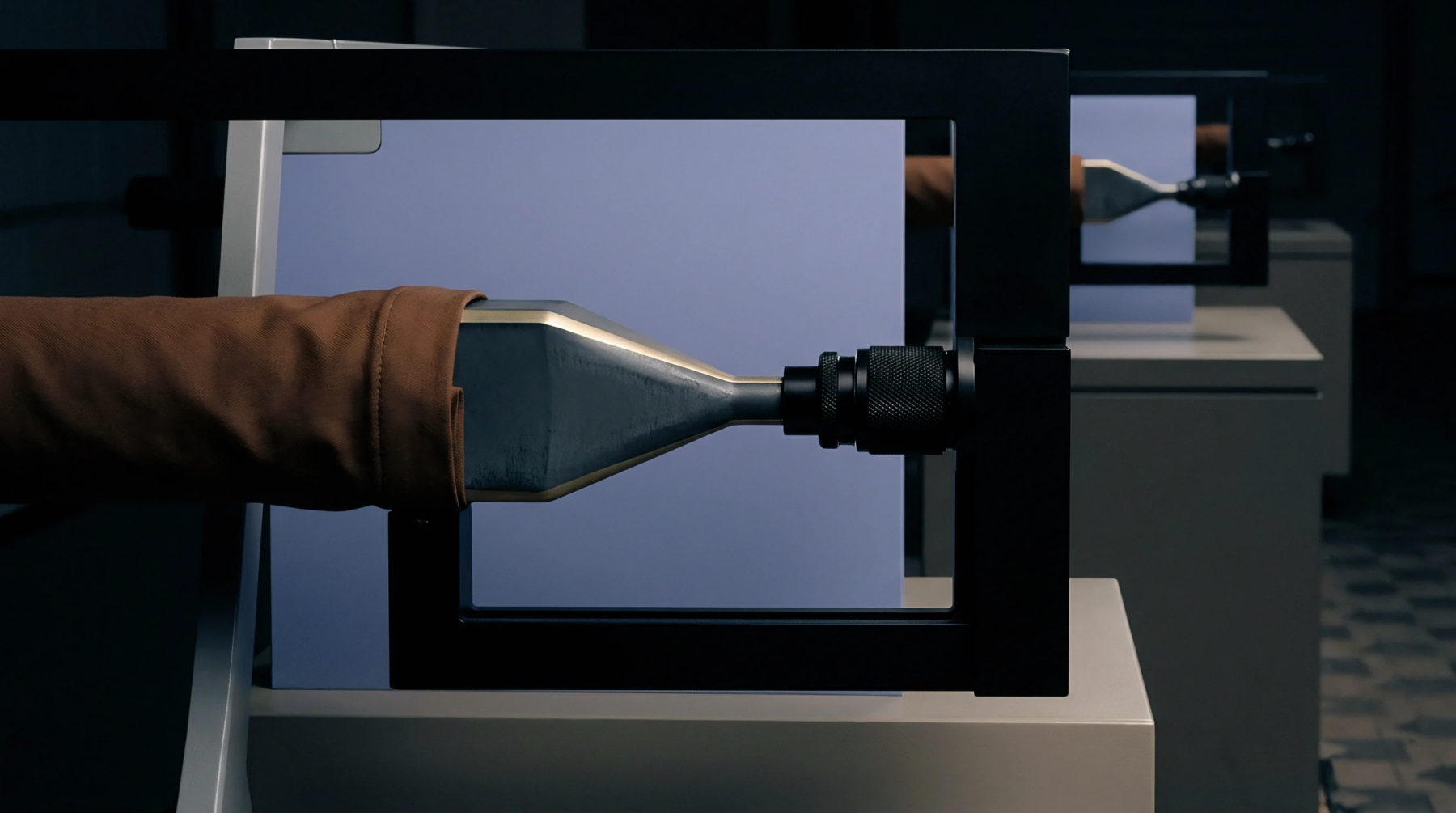
Thin dielectric cores undergo asymmetric dimensional shrinkage along warp and fill axes post-etching, requiring directional artwork scaling to maintain registration.
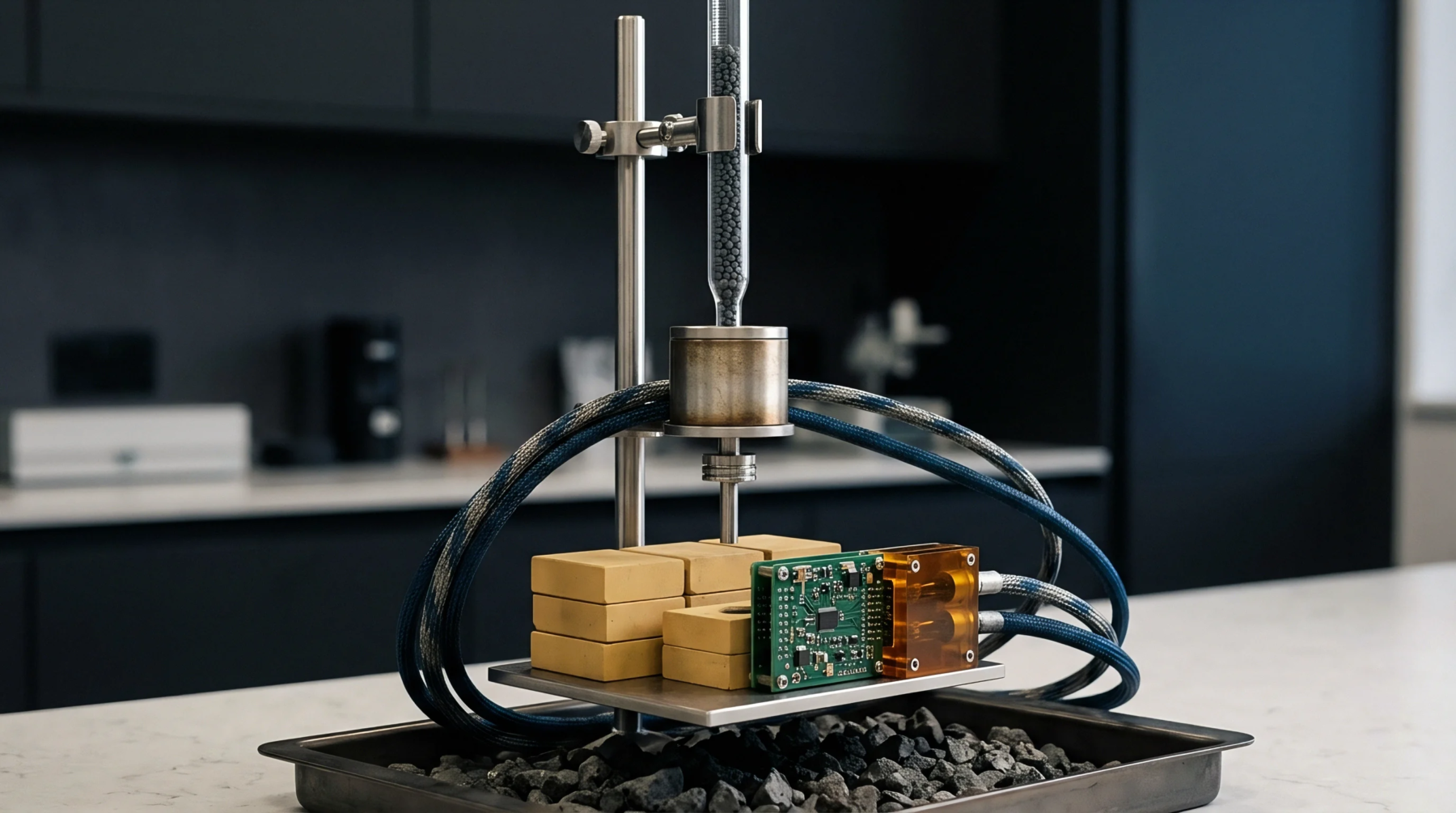
Sub-millimeter capacitor solder joints fail through accelerated creep shear strains that escape static electrical testing until cracks sever high-frequency lines.
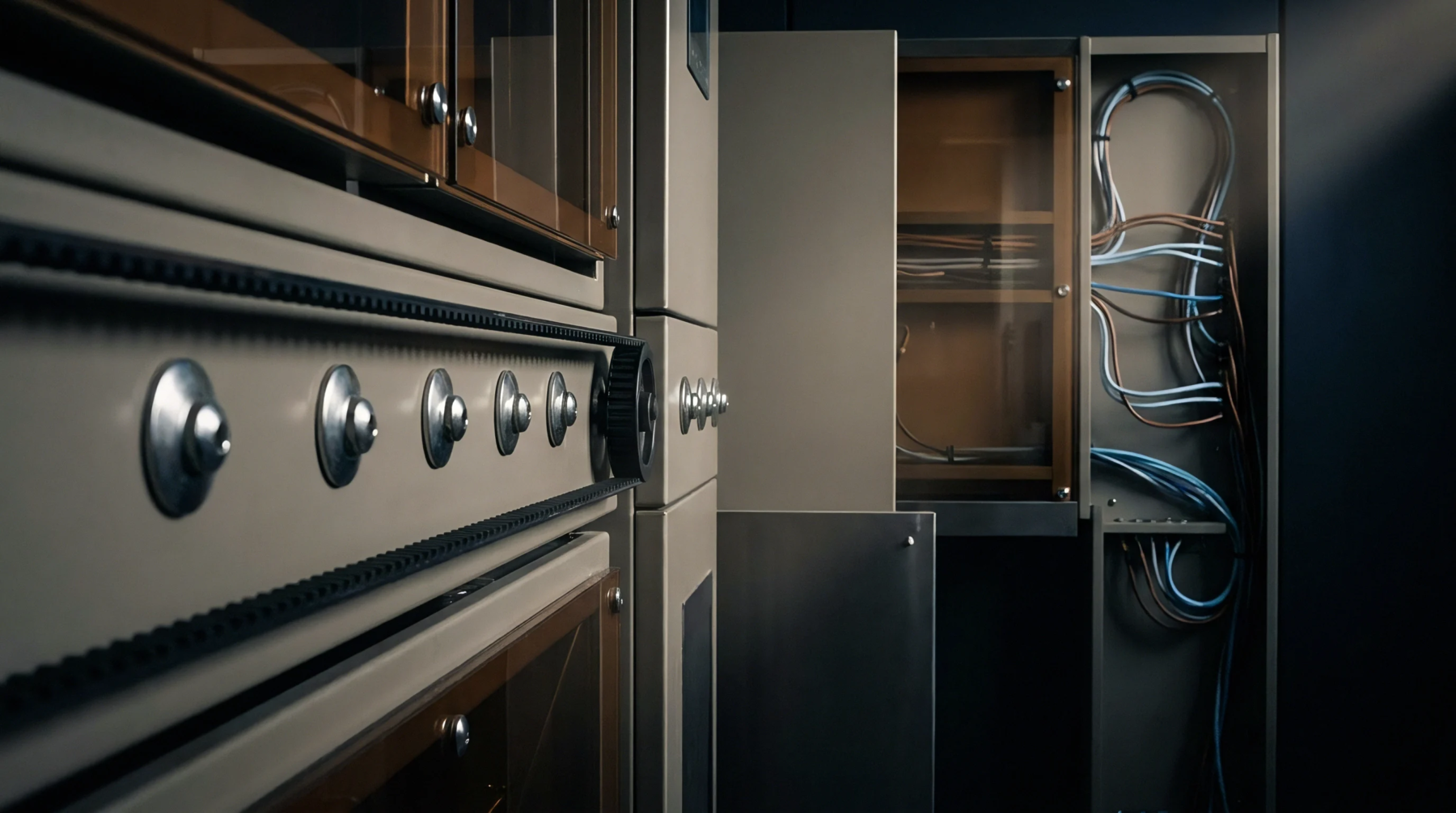
Substrate CTE mismatch drives severe dynamic warpage and shear strain during reflow cooling, requiring tight profiling, NSMD pads, and elevated standoff.
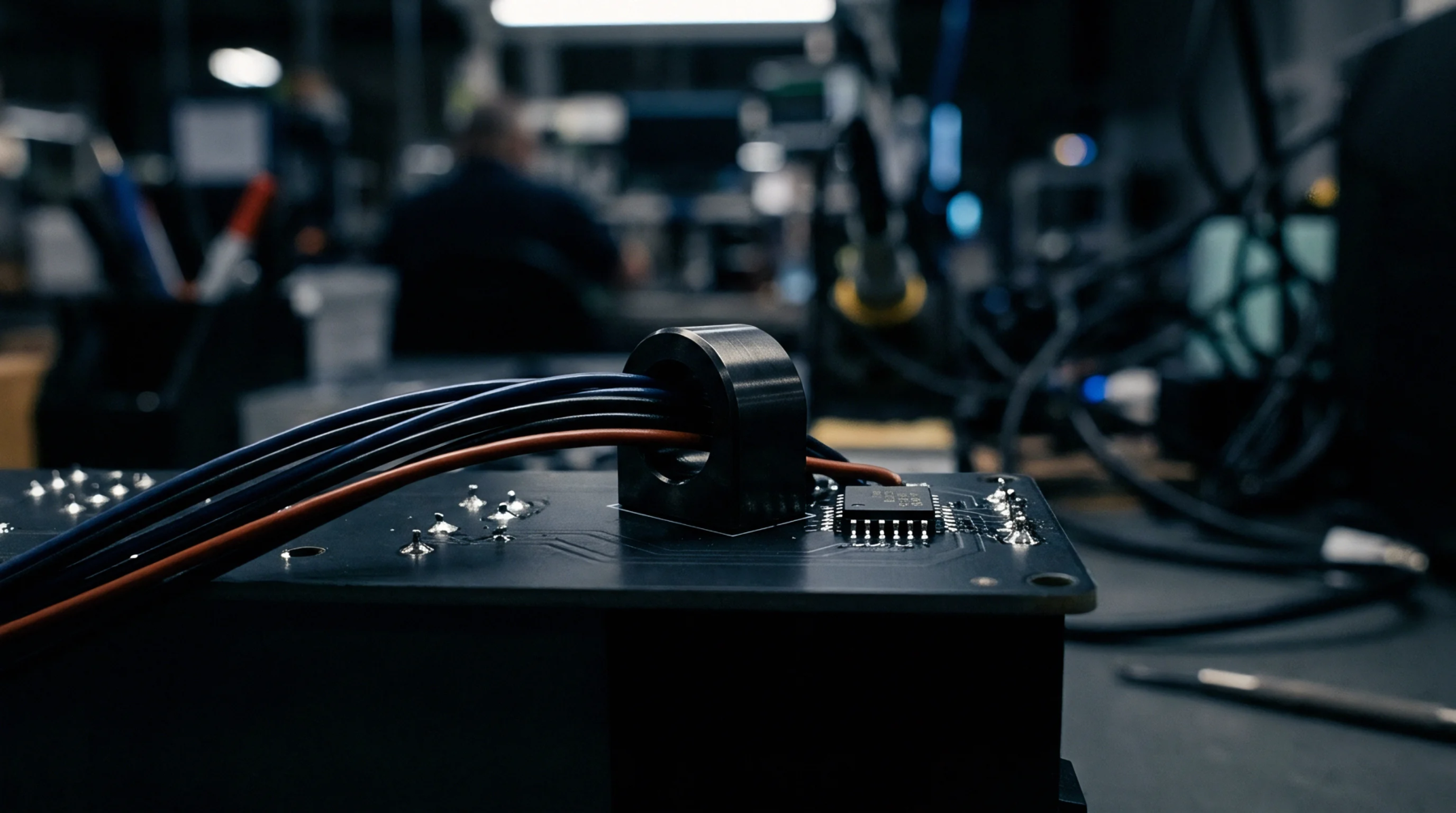
Dynamic warpage protocols quantify transient printed board flexure during reflow to establish empirical coplanarity limits and prevent open or bridged solder joints.
Expertise is a utility, not a secret. sentiention™ publishes its working knowledge as open reference: intelligence layer covering the materials it sources, the markets it enters, and the reference that serves both.