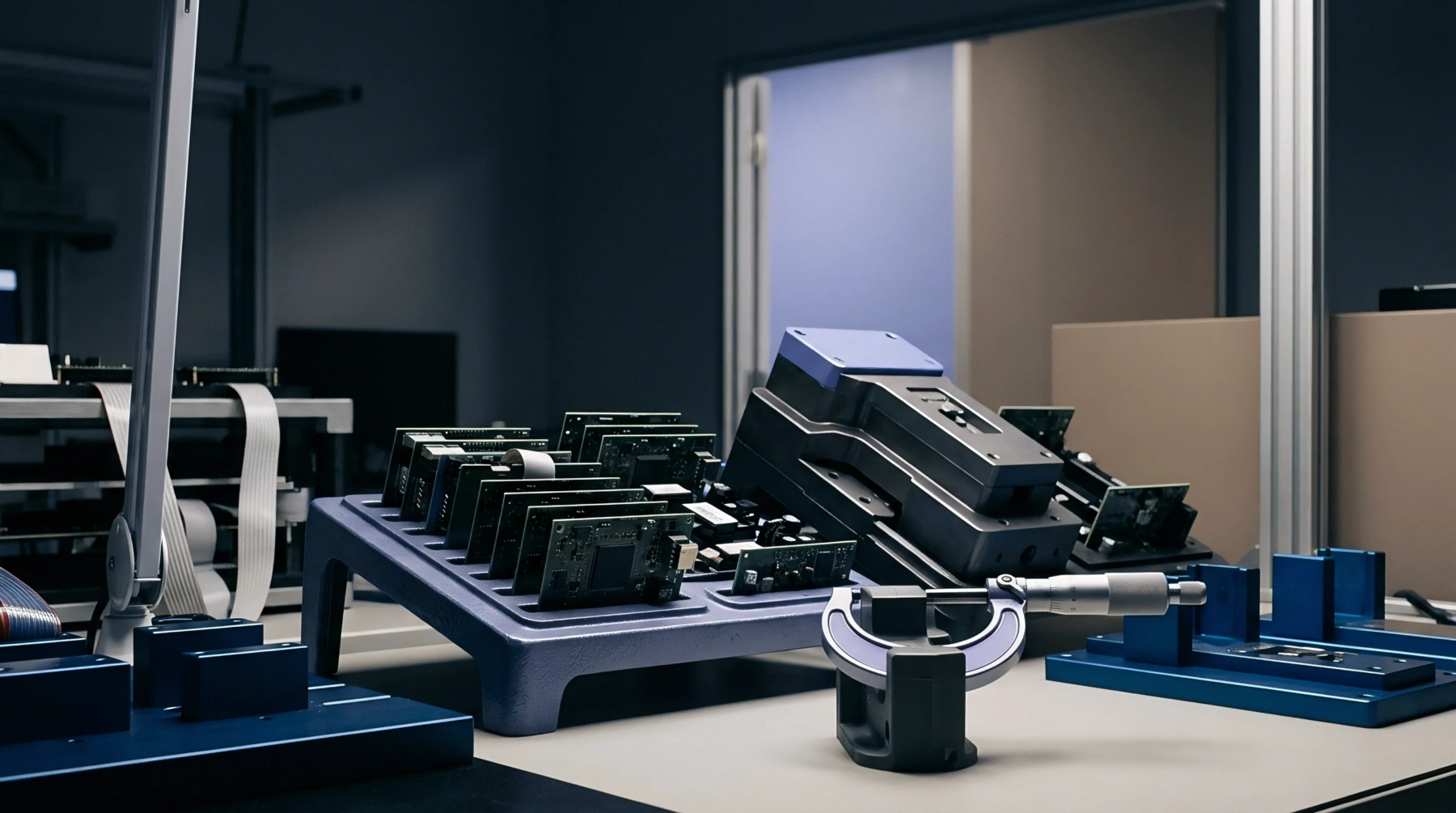
Dynamic Squeeze Flow Dielectric Thickness Control in Ultra Smooth Copper Stackups
Ultra-smooth copper reduces boundary wall friction, accelerating resin squeeze-out and requiring tailored lamination press cycles to hold dielectric thickness.
Ultra-smooth copper reduces boundary wall friction, accelerating resin squeeze-out and requiring tailored lamination press cycles to hold dielectric thickness.
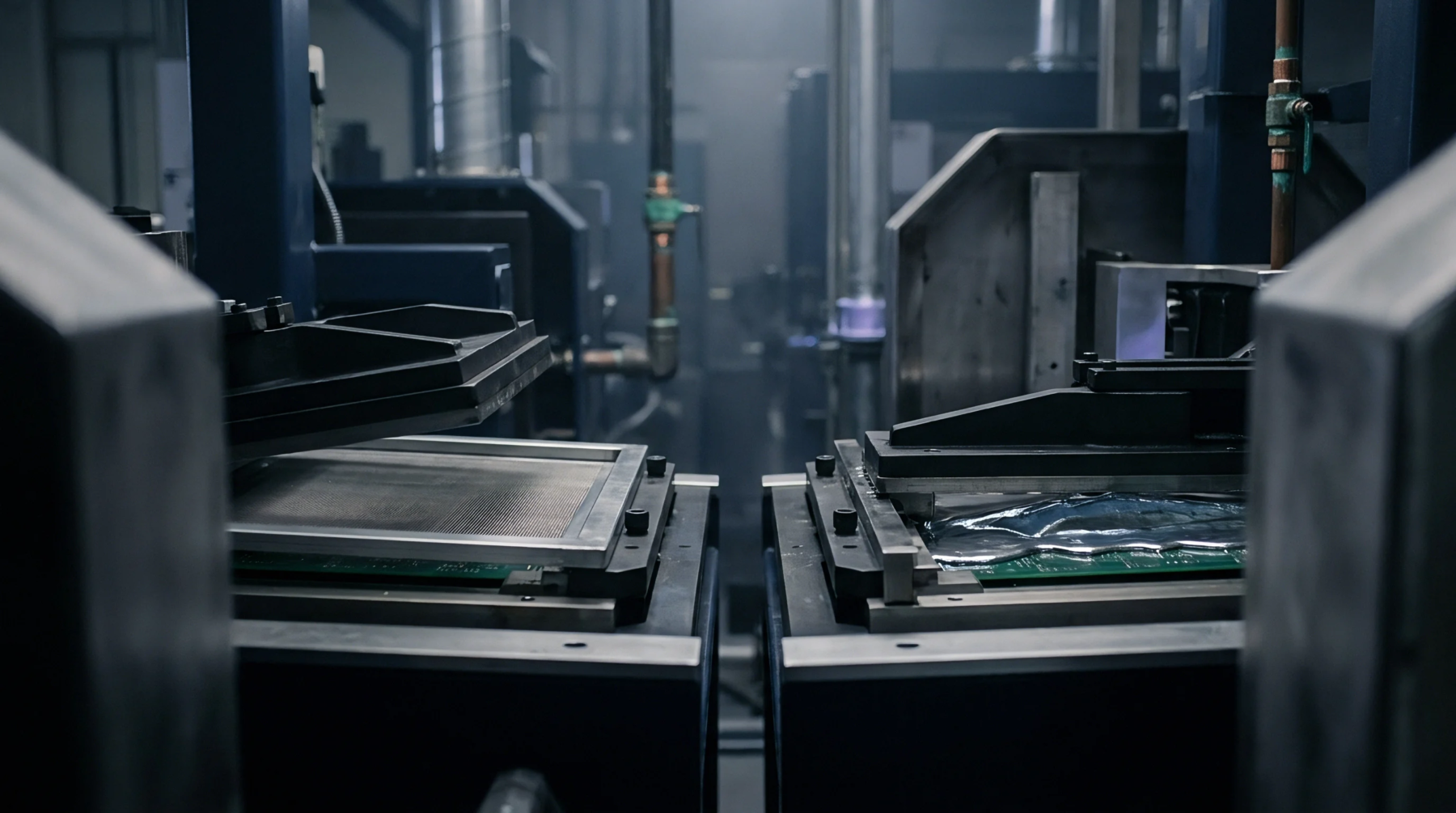
Ultra-smooth foil lamination trades mechanical tooth for chemical bonding, demanding tightly controlled press viscosity windows to avoid delamination.
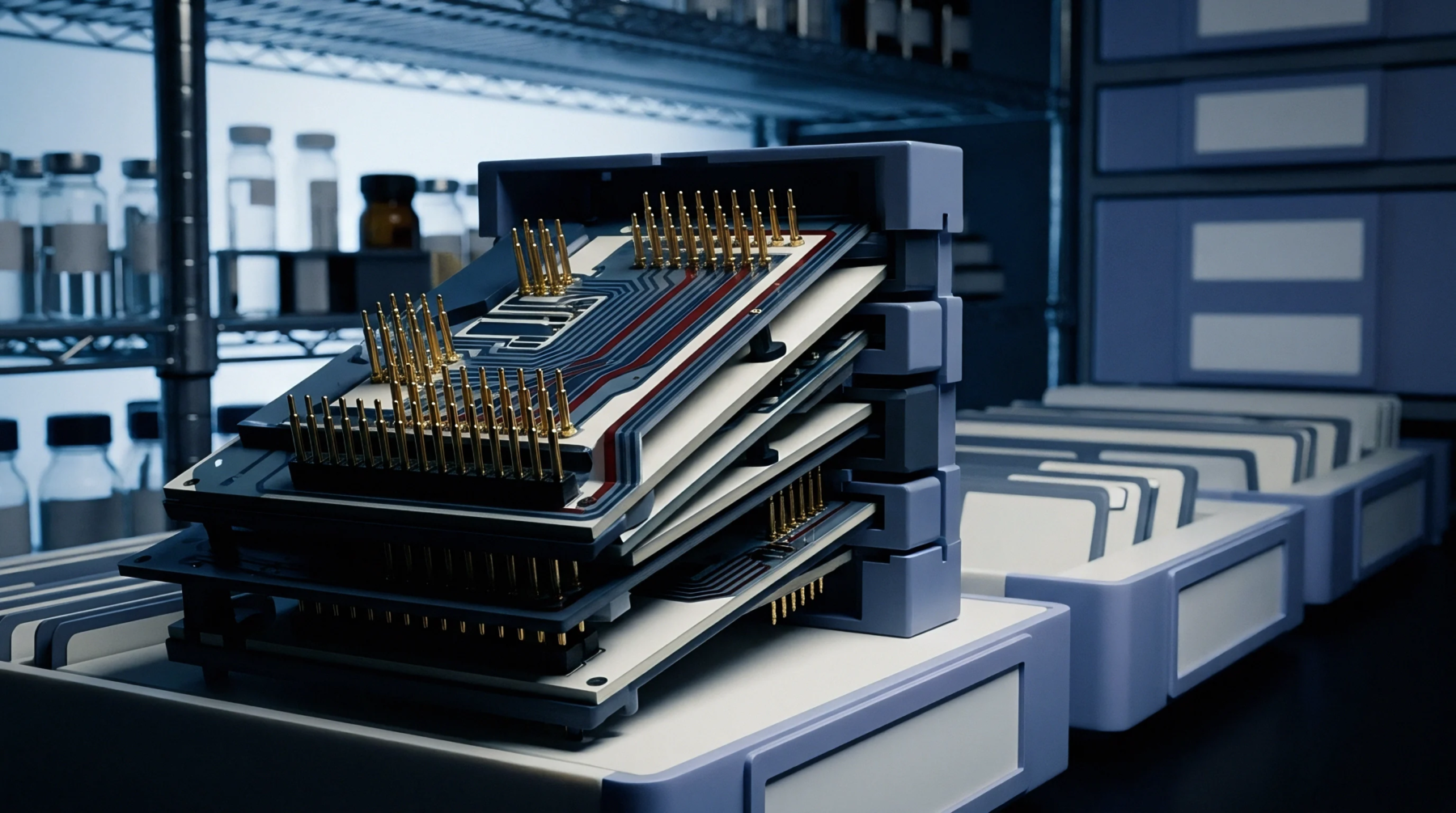
Calculating pressed prepreg thickness requires accounting for copper pattern density, foil height, glass style geometry, and resin flow during cure.
Foil roughness forces skin currents through sub-micron surface teeth above 10 GHz, requiring Huray snowball modeling and low-etch oxide chemistries.
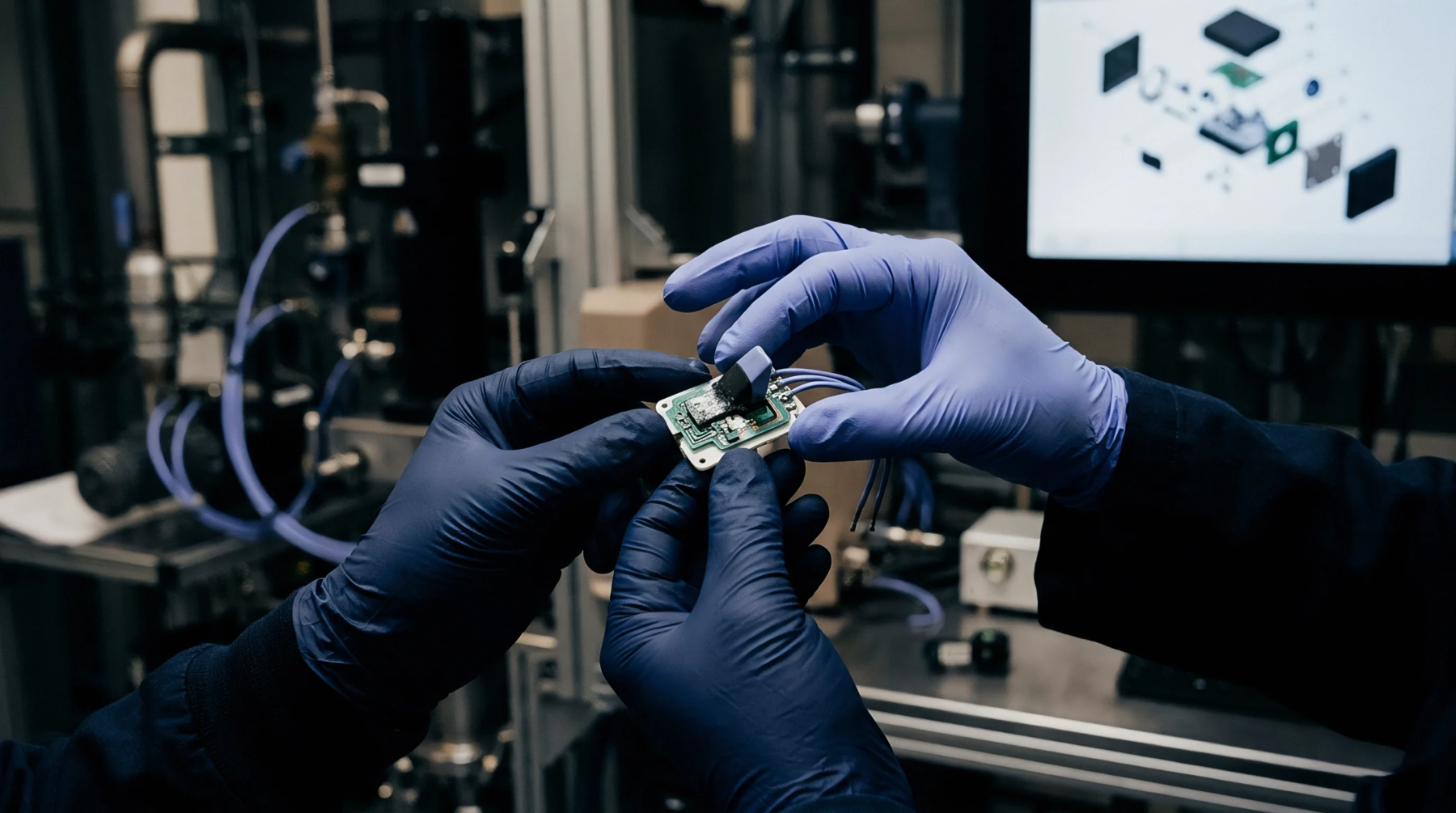
Mitigate differential stripline glass weave skew by combining low-Dk spread glass, multi-ply prepregs, and minimum two-degree routing offsets on drawings.
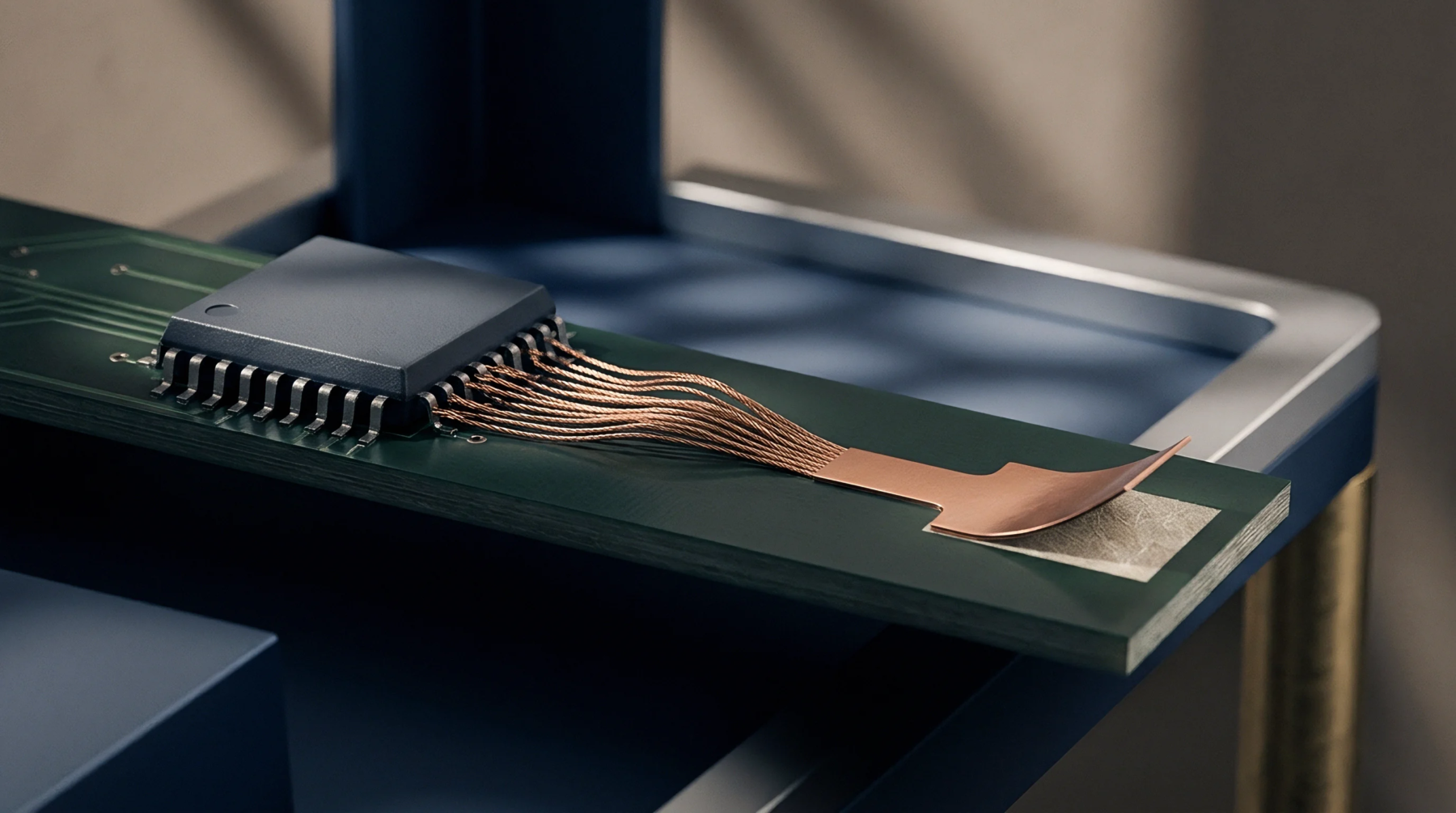
High shear squeeze flow during substrate lamination forces shear thinning in prepreg resin, enabling complete microvia cavity fill before gelation locks the network.
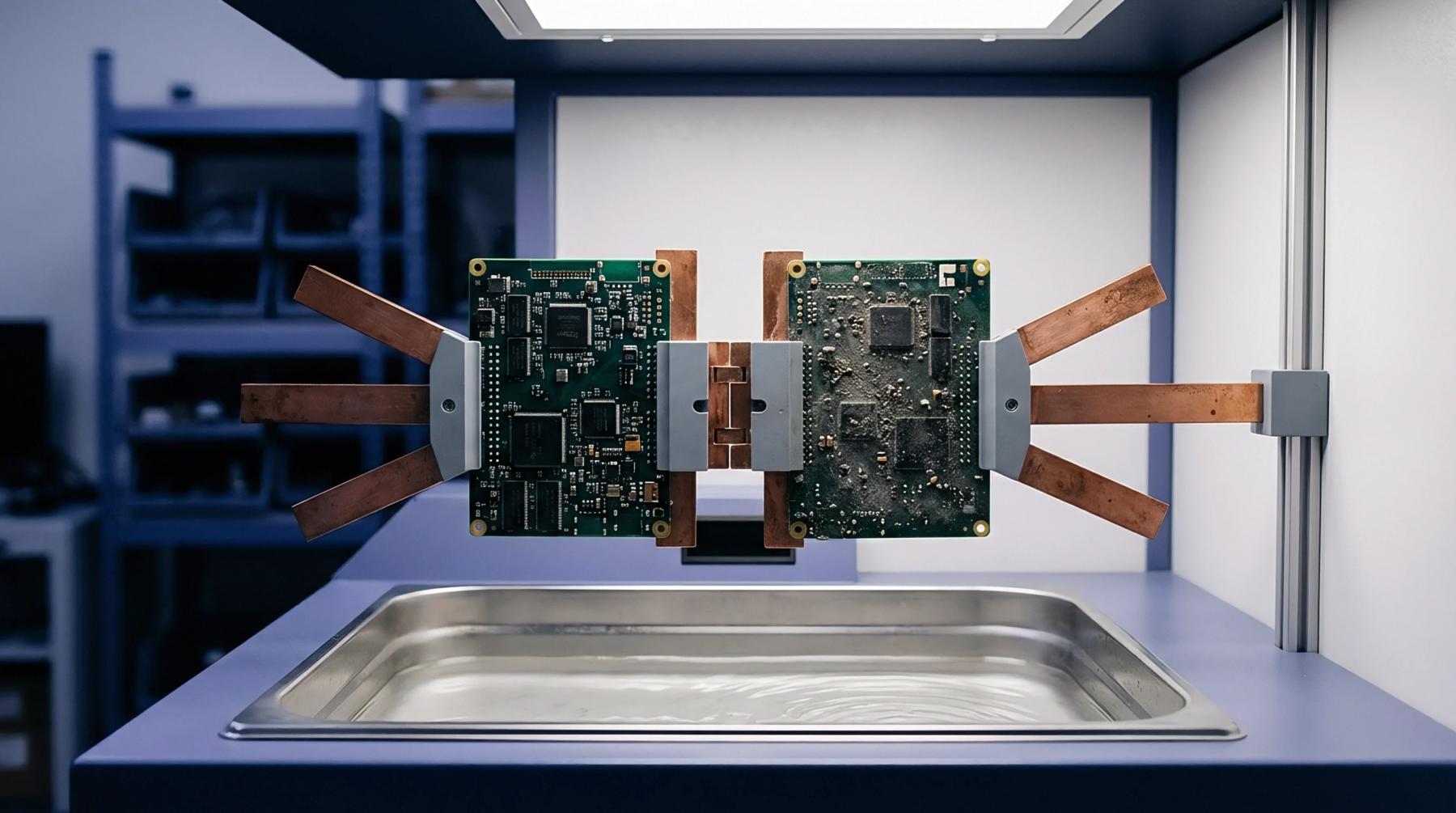
Spread glass styles eliminate dielectric spatial variation, stabilizing differential impedance and phase skew across high-frequency printed circuit routing.
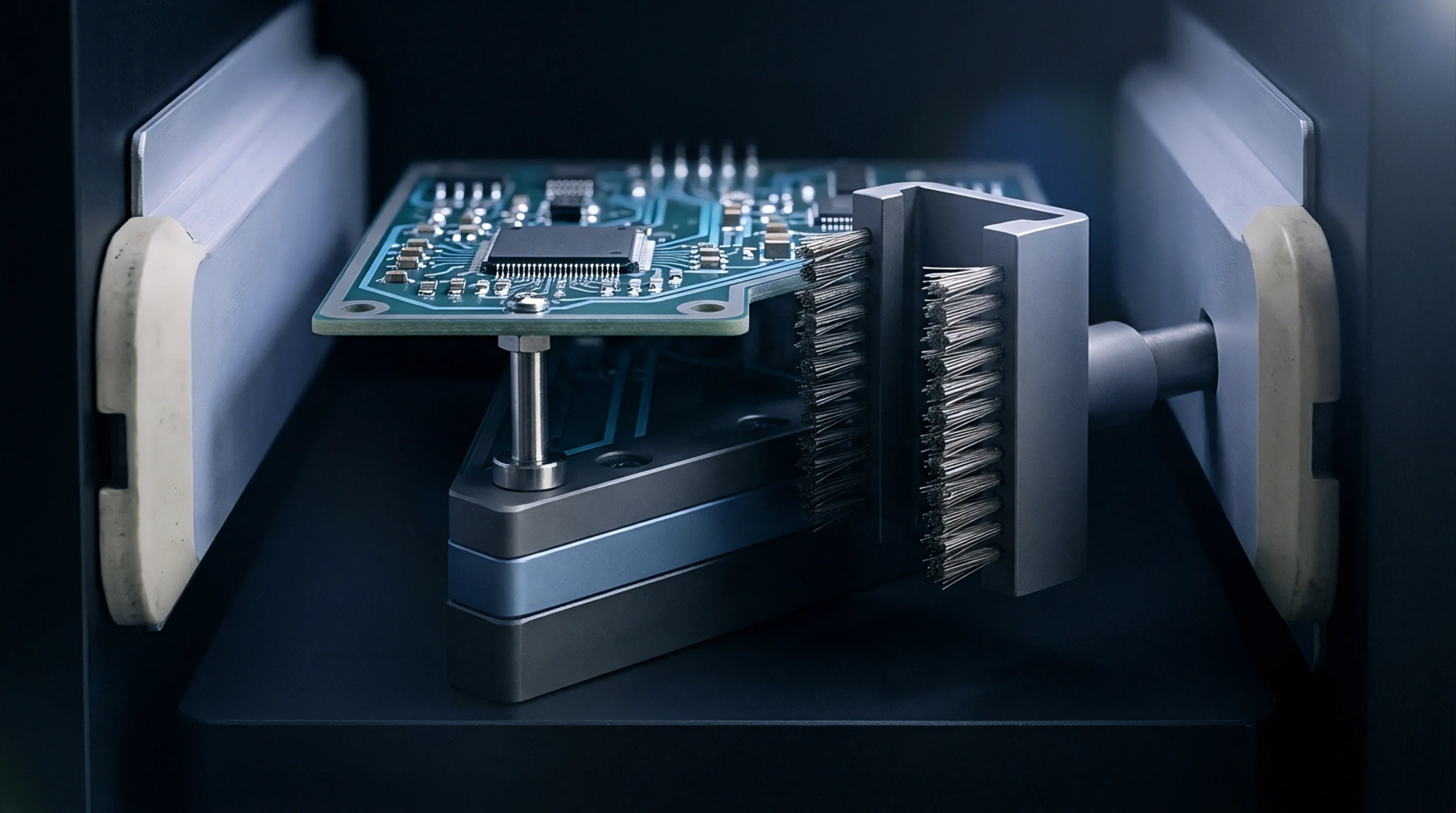
Z-axis laminate expansion exceeding copper ductility during lead-free reflow drives microvia failure, requiring high-Tg filled dielectrics and coupon screening.
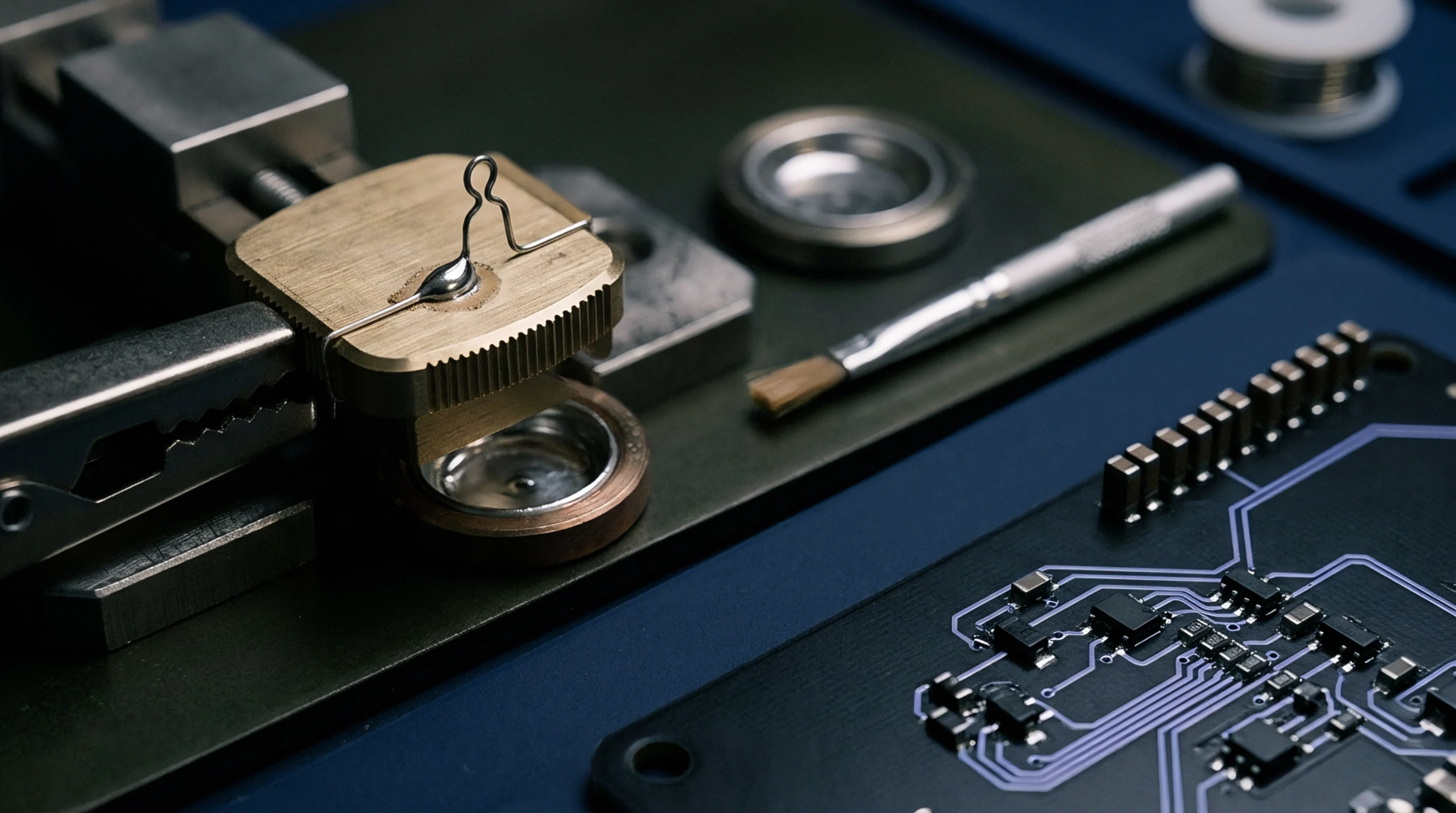
Integrating z-axis dielectric dispersion with resin distribution data prevents impedance mismatches and vertical eye closure in 112G PAM4 channels.

Resin content mismatch shifts dielectric constants, alters transmission line impedance, and drives thermal warpage unless glass styles and resin volumes balance.
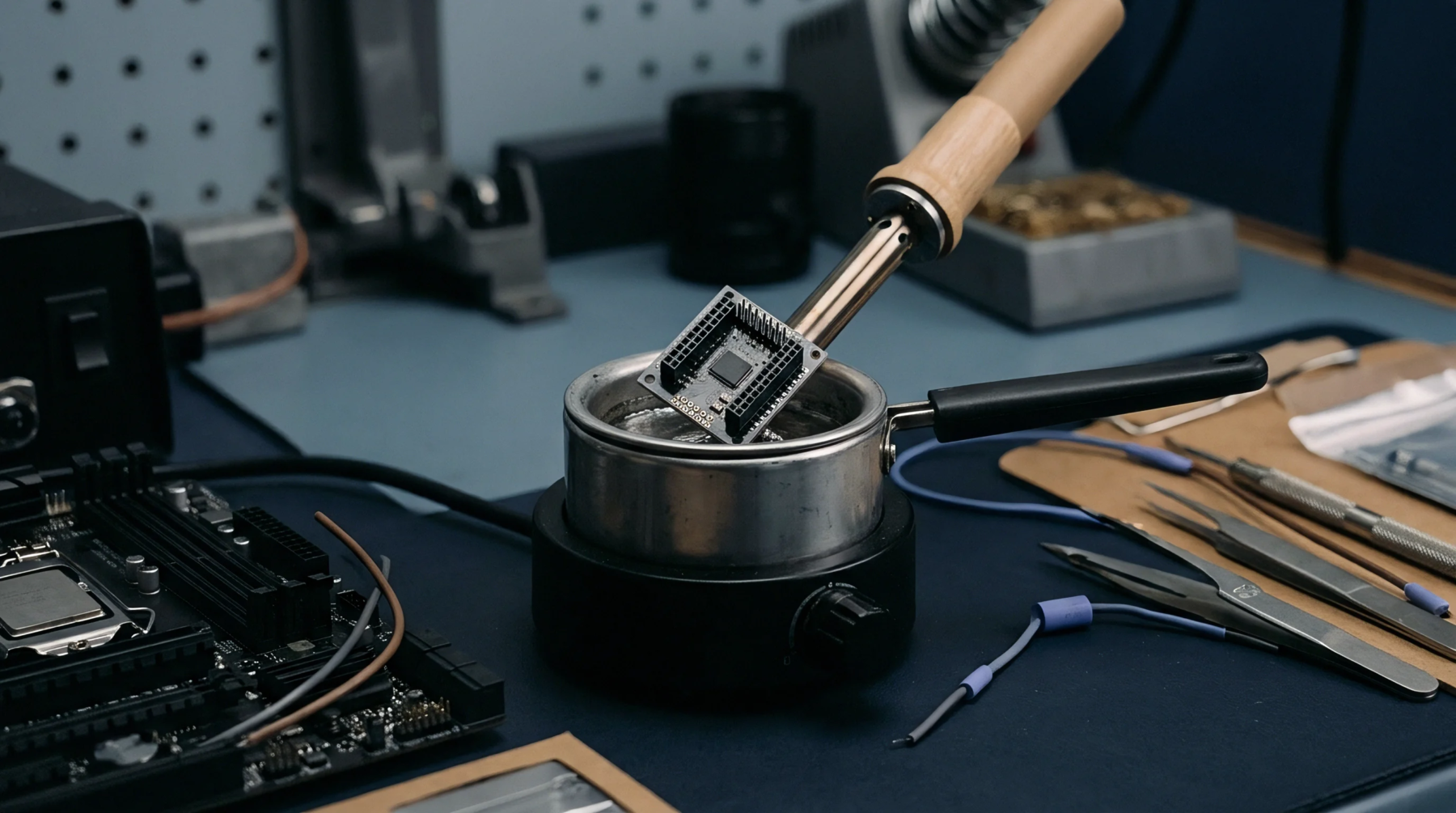
Modeling spatial permittivity gradients across master panels prevents severe sub-THz phase mismatch and bounds yield loss in production multilayers.
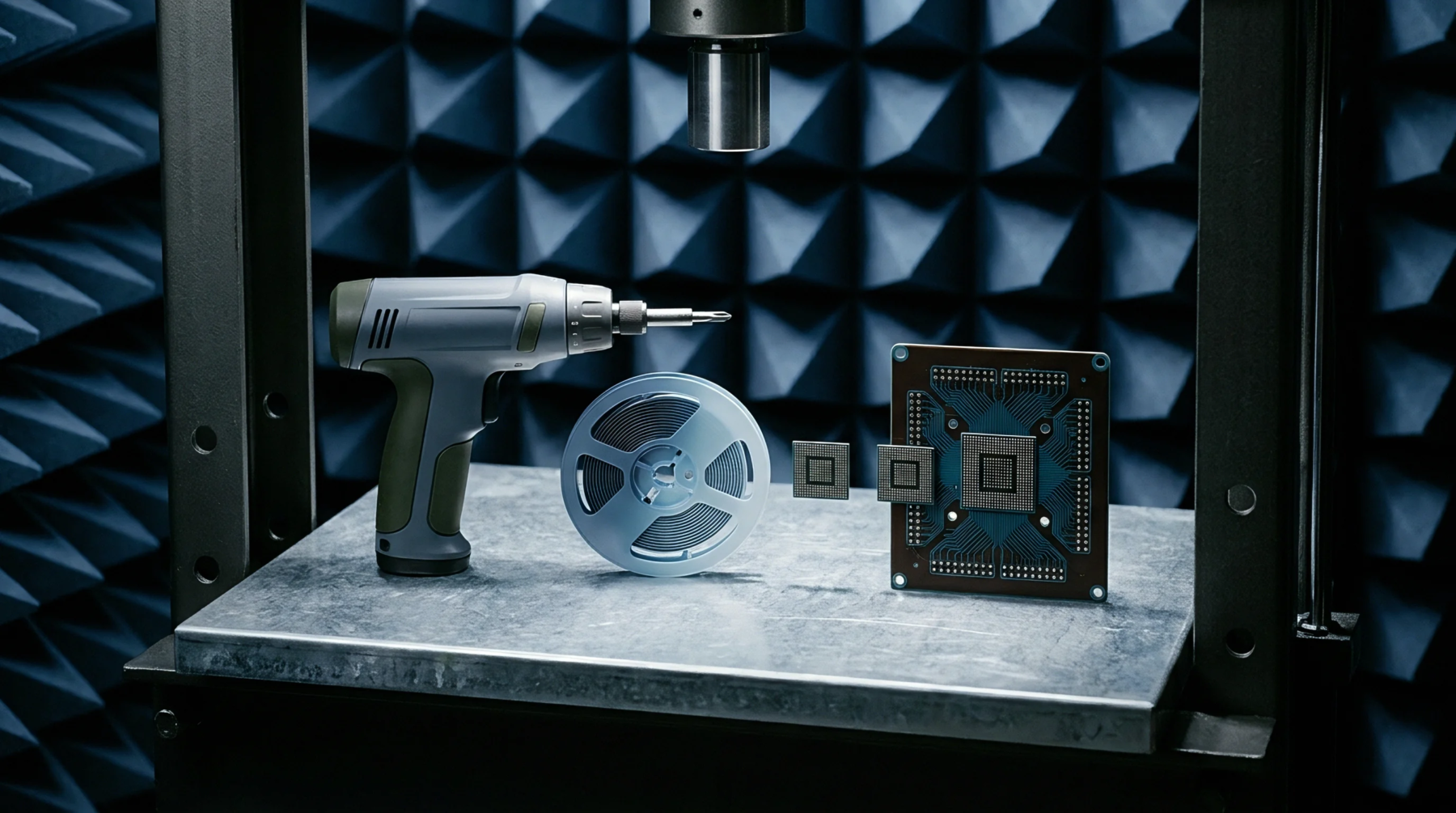
Asymmetric ultra-low-loss stackups shift the neutral axis and concentrate reflow shear strain at copper boundaries, requiring aspect ratios under 10:1 to protect barrel fatigue life.
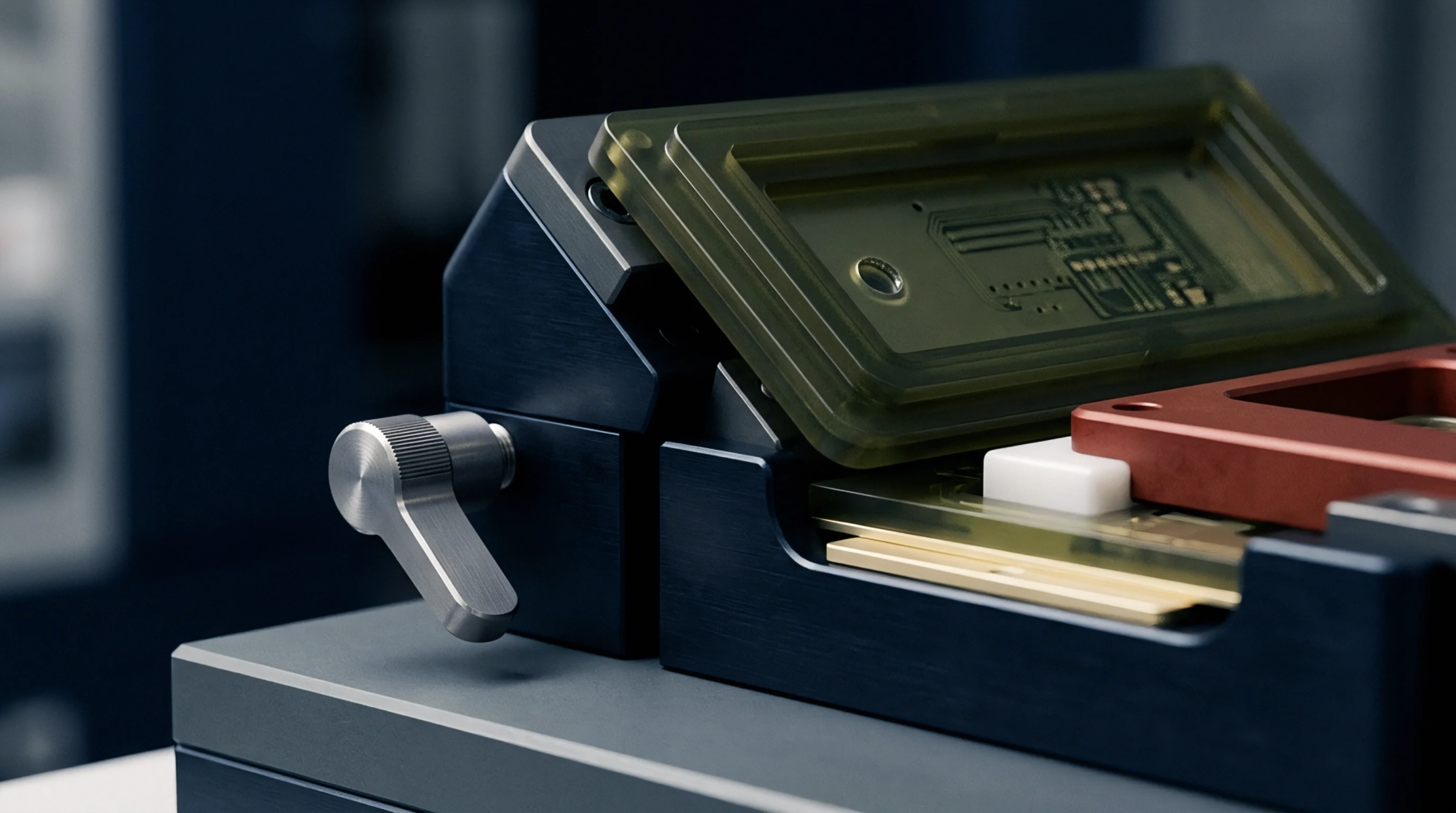
Quantify anisotropic permittivity drift by extracting tensor components across environmental chambers to preserve differential impedance and phase margins.

High-frequency phase delay anisotropy stems from woven reinforcement and foil grain directions; locking panel alignment ensures repeatable channel timing.
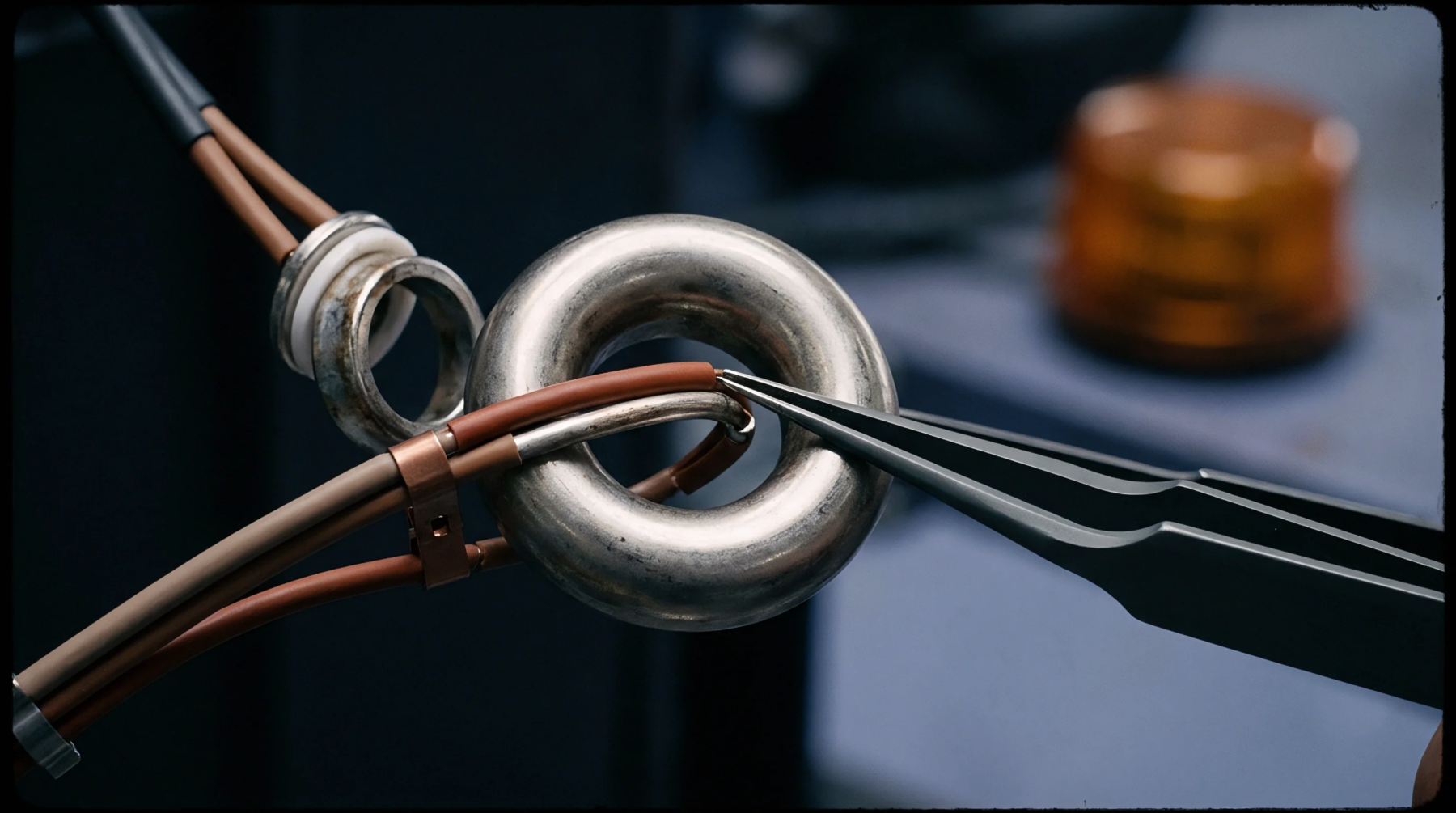
Heterogeneous core lamination requires synchronized thermal ramps to align flow windows and prevent resin phase extraction along substrate interfaces.
Expertise is a utility, not a secret. sentiention™ publishes its working knowledge as open reference: intelligence layer covering the materials it sources, the markets it enters, and the reference that serves both.