Fundamental Layer Stackup Selection and Dielectric Properties for Multilayer Printed Circuits
Stackup selection balances resin flow, z-axis dielectric constants, and panel utilization to fix bare-board cost, impedance tolerances, and factory pool.
Stackup selection balances resin flow, z-axis dielectric constants, and panel utilization to fix bare-board cost, impedance tolerances, and factory pool.
Mechanically spread glass fabrics flatten yarn bundles to eliminate resin-rich windows, stabilizing relative permittivity and preventing high-speed differential skew.
Spread glass weaves minimize micro-spatial permittivity variations, stabilizing high-frequency phase delay when press thermal cycles are tightly controlled.
Sub-30 µm dielectric void suppression requires matching non-Newtonian dynamic viscosity to vacuum press ramps to maintain shear flow prior to cross-linking gelation.
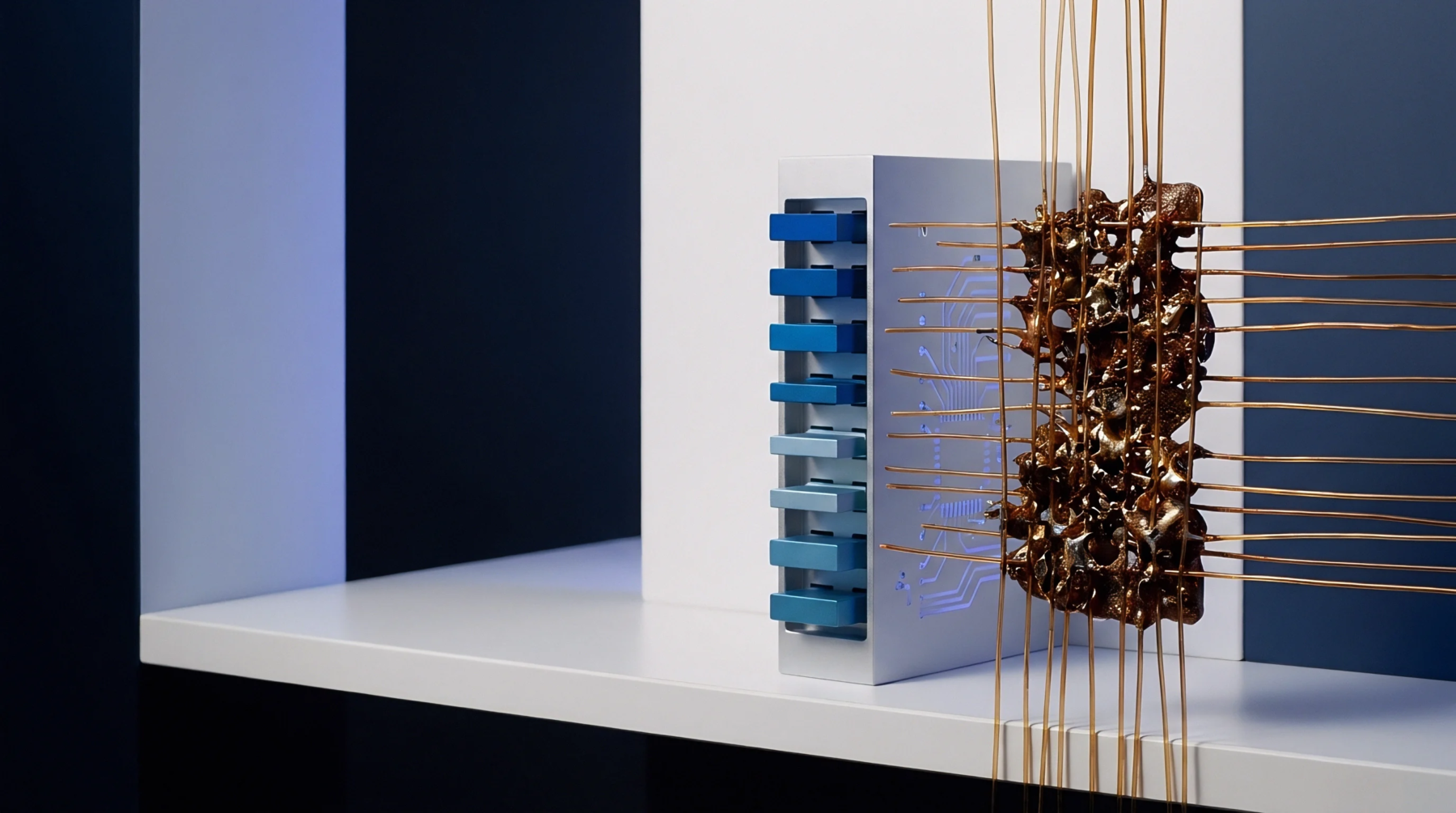
Spatial dielectric variation in glass laminates stems from weave periodicity and drives phase skew, requiring spread glass or angled routing to pass tight jitter budgets.

Extracting out-of-plane permittivity requires guarded parallel-plate or re-entrant cavity tests to isolate vertical flux fields from in-plane glass weave effects.
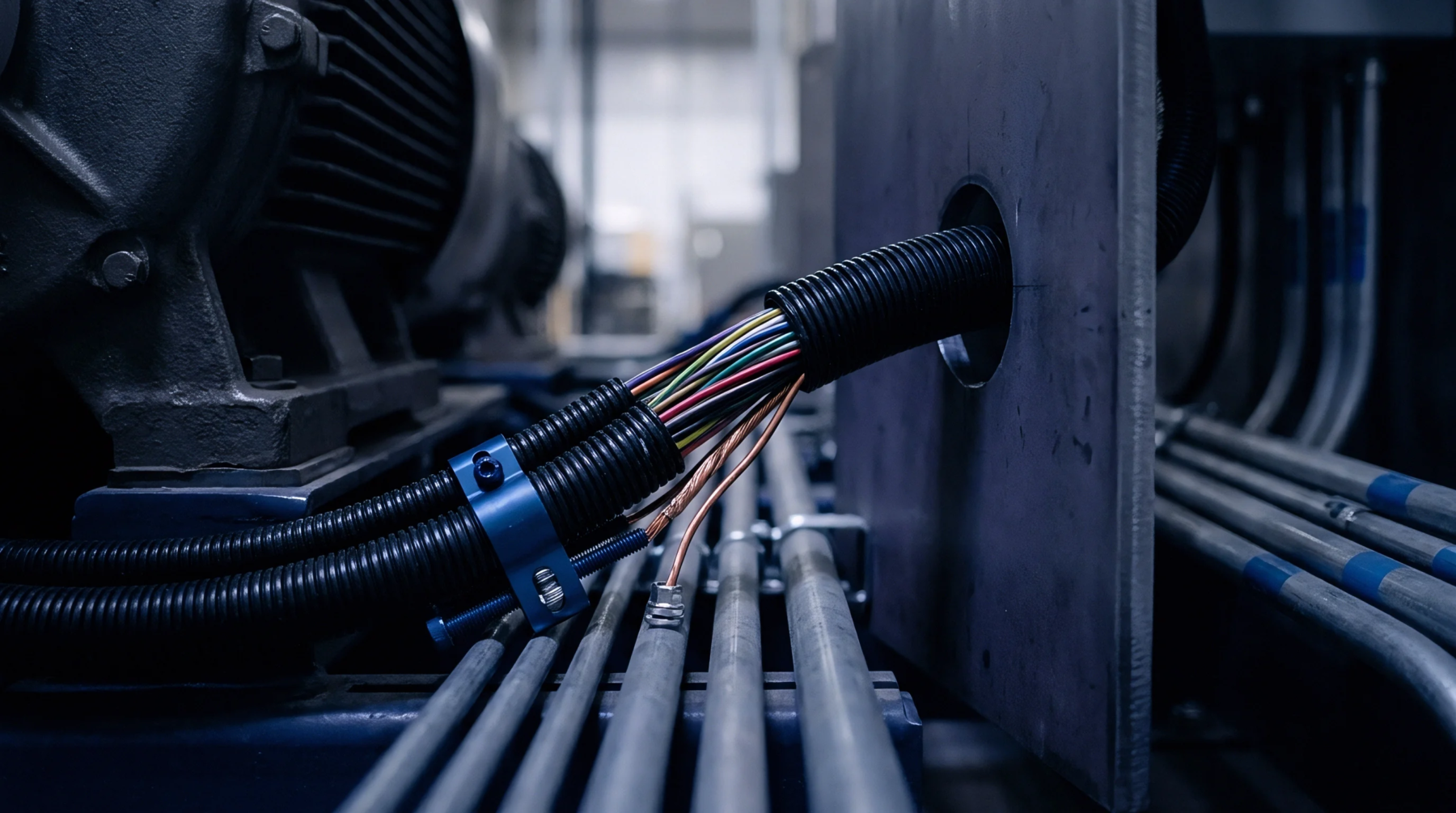
In-situ quasi-optical interferometry resolves thermo-mechanical dielectric tensor degradation across sequential reflow passes, preventing mmWave phase error.
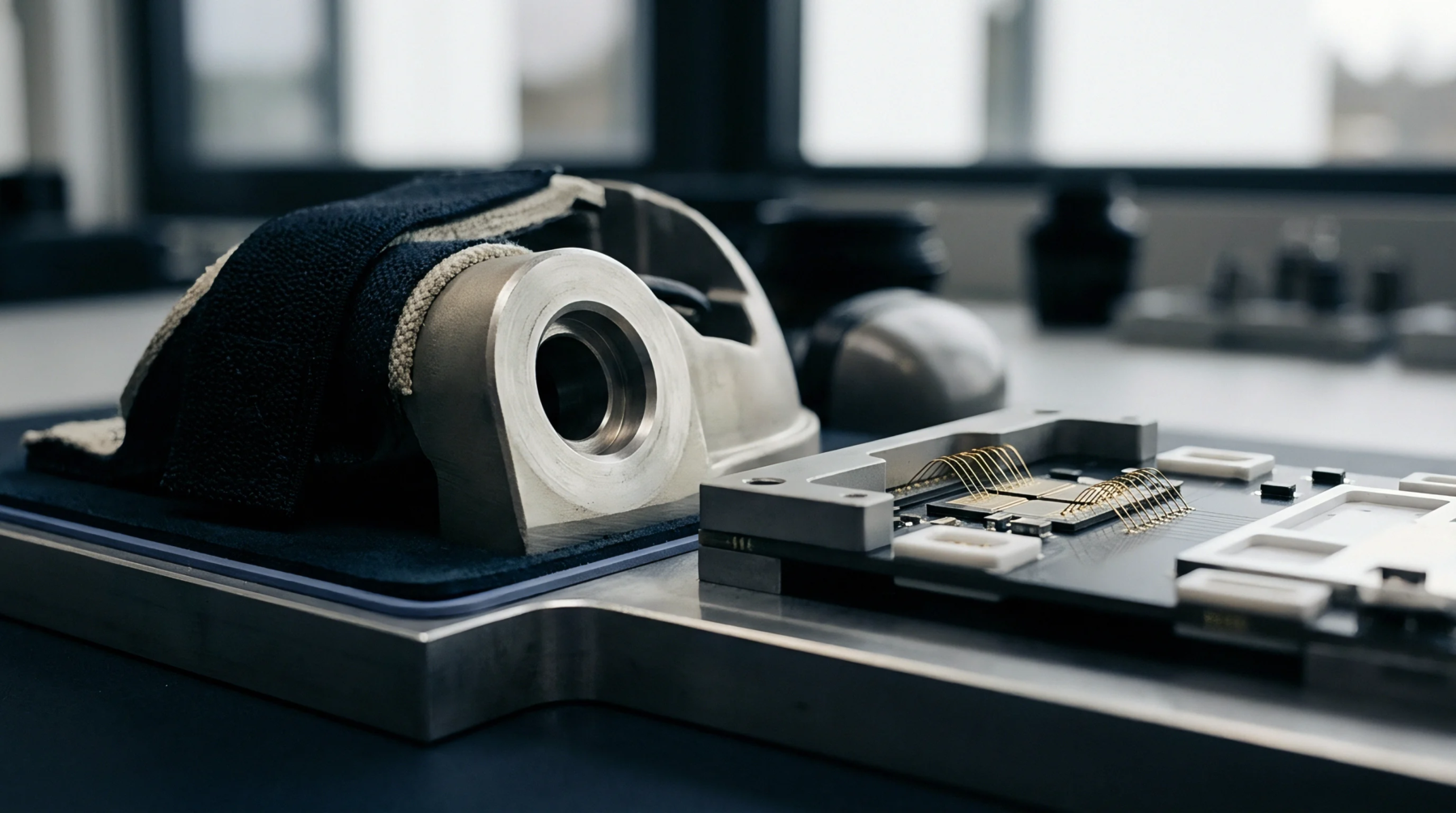
Selecting spread glass fabrics and controlling resin distribution tightens microstrip relative permittivity tolerances, eliminating differential phase skew.
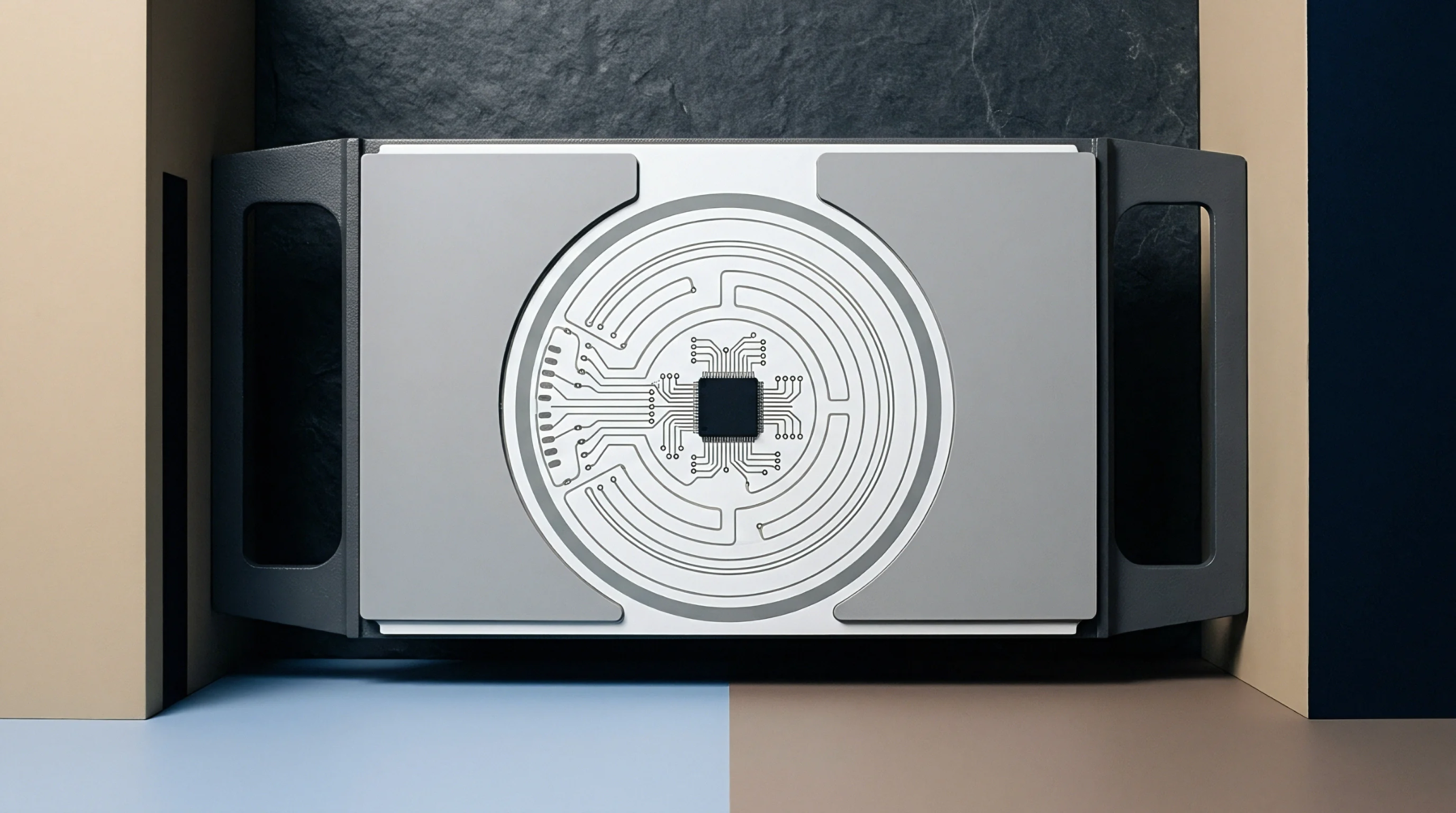
Spread glass prepreg selection eliminates differential phase skew by flattening fiber bundles and reducing dielectric constant variations across signal paths.
Differential phase skew control requires spread-glass fabrics or off-axis routing to eliminate local micro-scale dielectric variations across high-speed traces.
Non-Newtonian resin flow inside thin prepreg micro-channels governs void formation, trace displacement, and dielectric thickness stability during high-pressure lamination.
Viscoelastic boundary slip and capillary pressure dictate microvia filling and trace stability during high-density circuit board lamination.
Matching differential signal trace routing to glass bundle pitch and specifying spread-glass laminates eliminates microvia phase distortion in high-density interconnect stackups.
Resin squeeze-out shear distorts dielectric tensor components and drives microvia misregistration in multi-pass buildup substrates.
Standardizing spread Low-Dk glass fabrics eliminates phase skew and stabilizes trace impedance across high-speed printed circuit board panels.

High-frequency laminate rheology dictates prepreg flow kinetics, fixing pressed dielectric thickness, local impedance stability, and panel registration yield.
Sequential lamination elevates Z-axis permittivity via resin compaction and thermal cross-linking, requiring pre-compensated CAD trace widths per layer pass count.
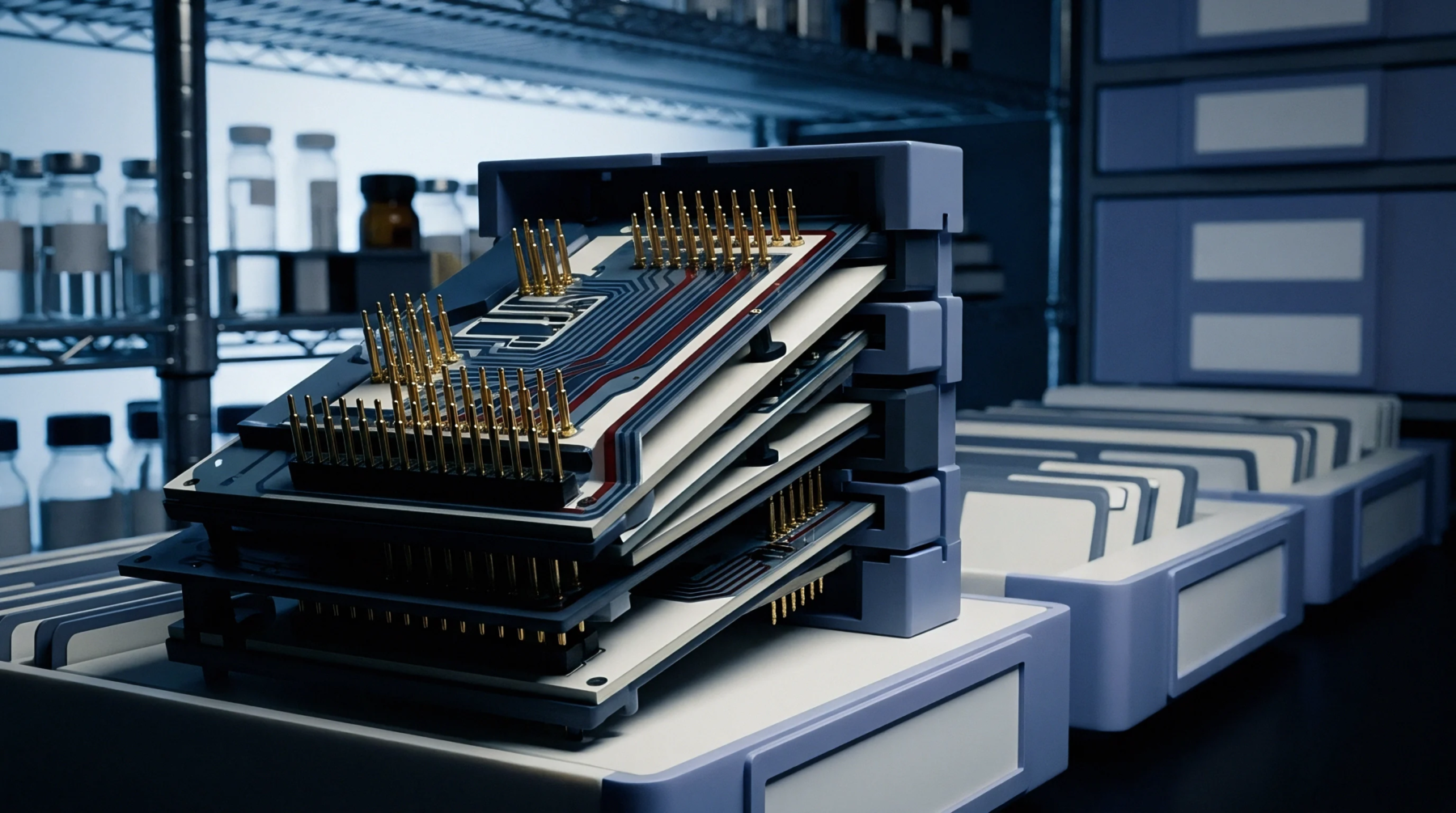
Matching prepreg melt viscosity minima to press pressure ramps prevents thin-core distortion and resin starvation in high-density multilayer lamination.
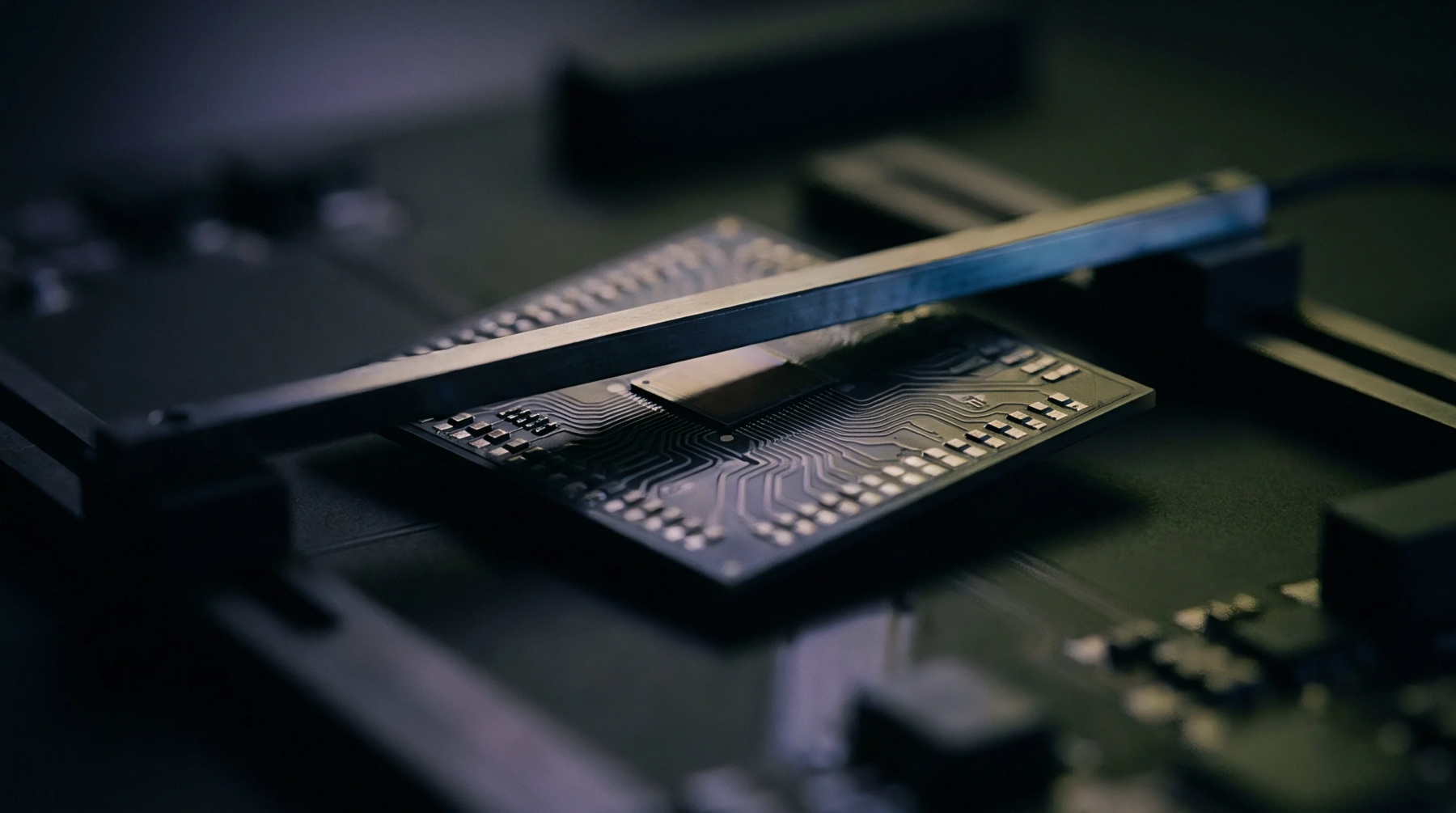
Spatial resin gradients in heterogeneous cores alter localized permittivity, requiring spread-glass selection and off-axis trace routing to control high-frequency phase skew.
Mid-loss laminates optimize high-speed signal reach between 5 and 28 Gbps by controlling dielectric loss without imposing low-loss fluoropolymer costs.
Sub-stack thickness drift stems from secondary resin compression during sequential lamination, requiring flow-controlled prepregs and thieving arrays to hold Z-axis impedance.
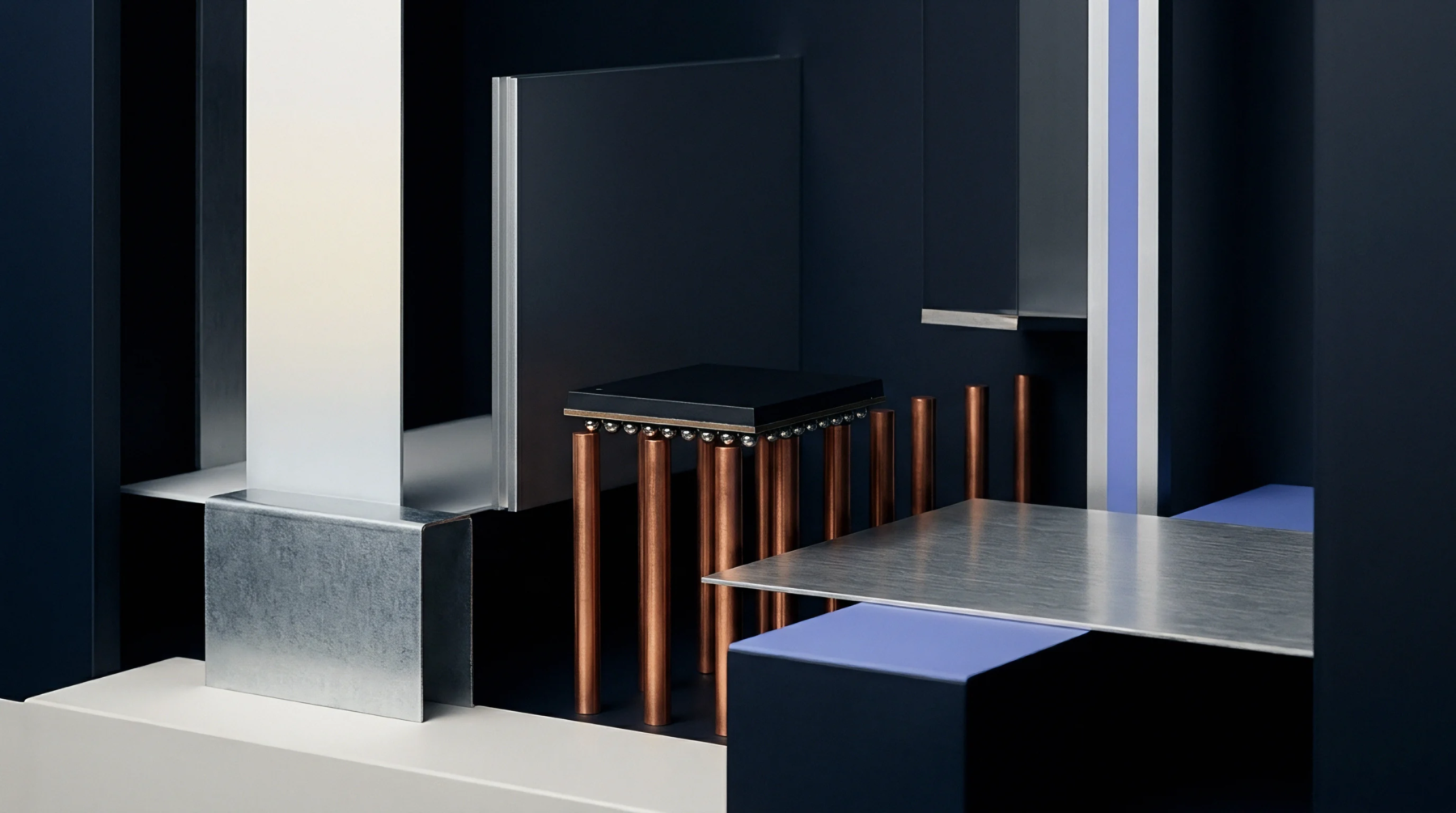
Spread glass prepregs suppress localized permittivity fluctuations on surface microstrips, cutting intra-pair differential phase skew below 1 ps/100mm.
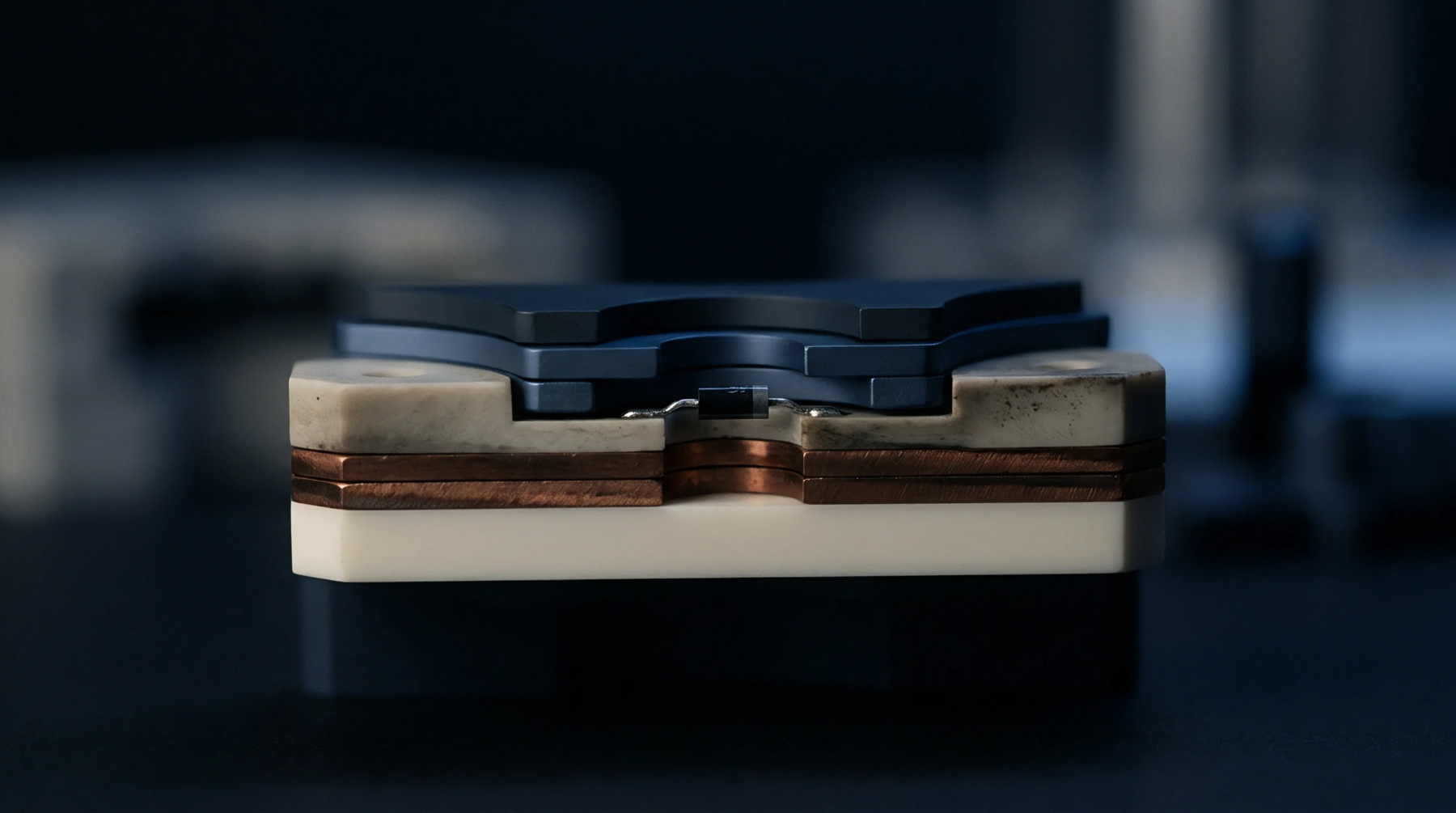
Substrate dielectric drift alters high-frequency signal phase velocity and impedance under thermal stress, requiring flat TCDk resin selection to hold timing margins.
Controlling master panel resin flow gradients stabilizes dielectric tensor anisotropy and prevents high-frequency parametric yield collapse.
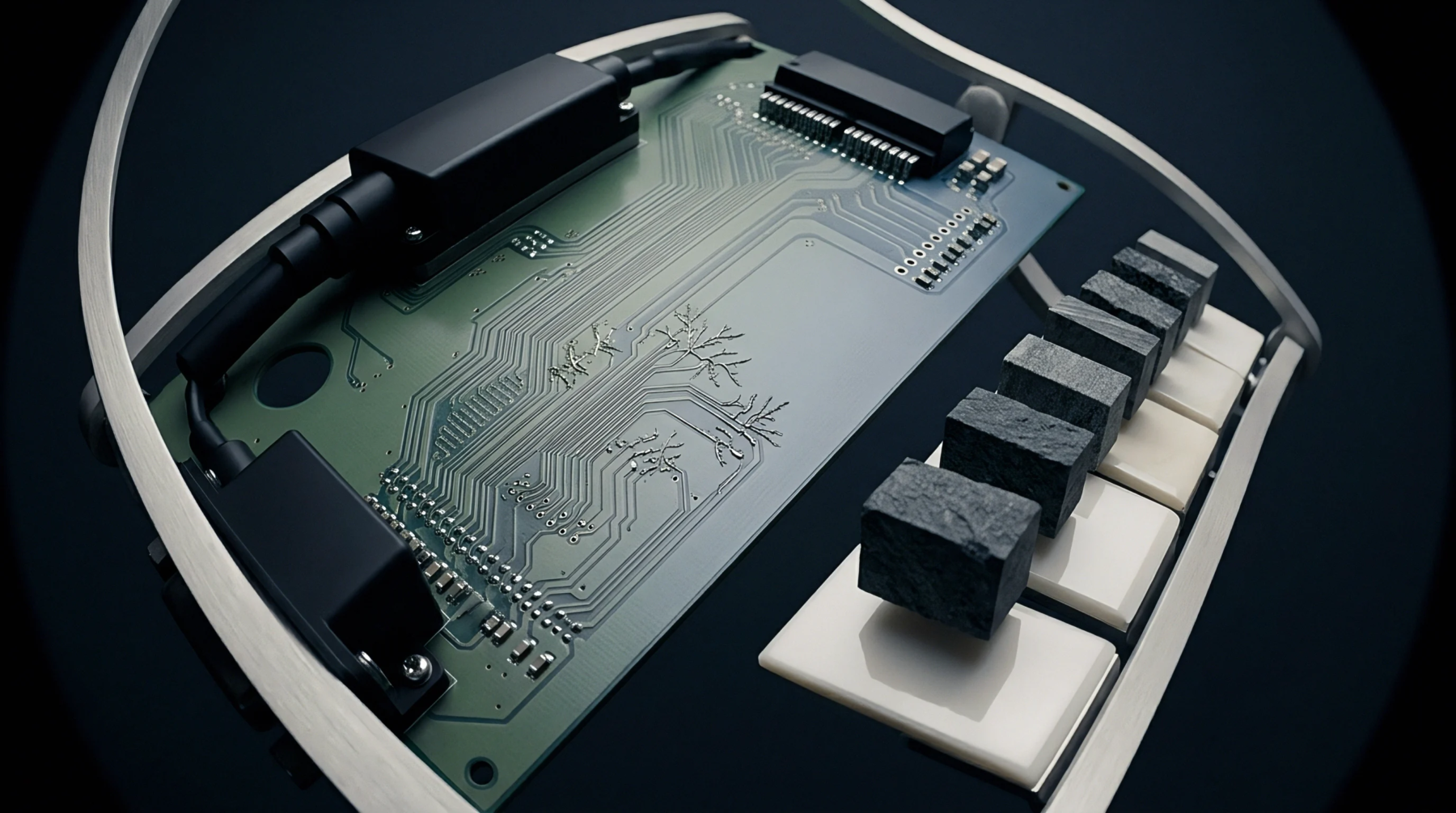
Out-of-plane permittivity in glass-reinforced multilayer stackups runs lower than datasheet figures, requiring Z-axis test methods to hold impedance.
Selecting spread glass fabric styles with tight yarn pitch eliminates differential skew and preserves PAM4 channel margins without complex trace routing.
Selecting dielectric substrates requires balancing dissipation factor, glass weave uniformity, foil roughness, and panel yields to meet high-speed impedance targets.
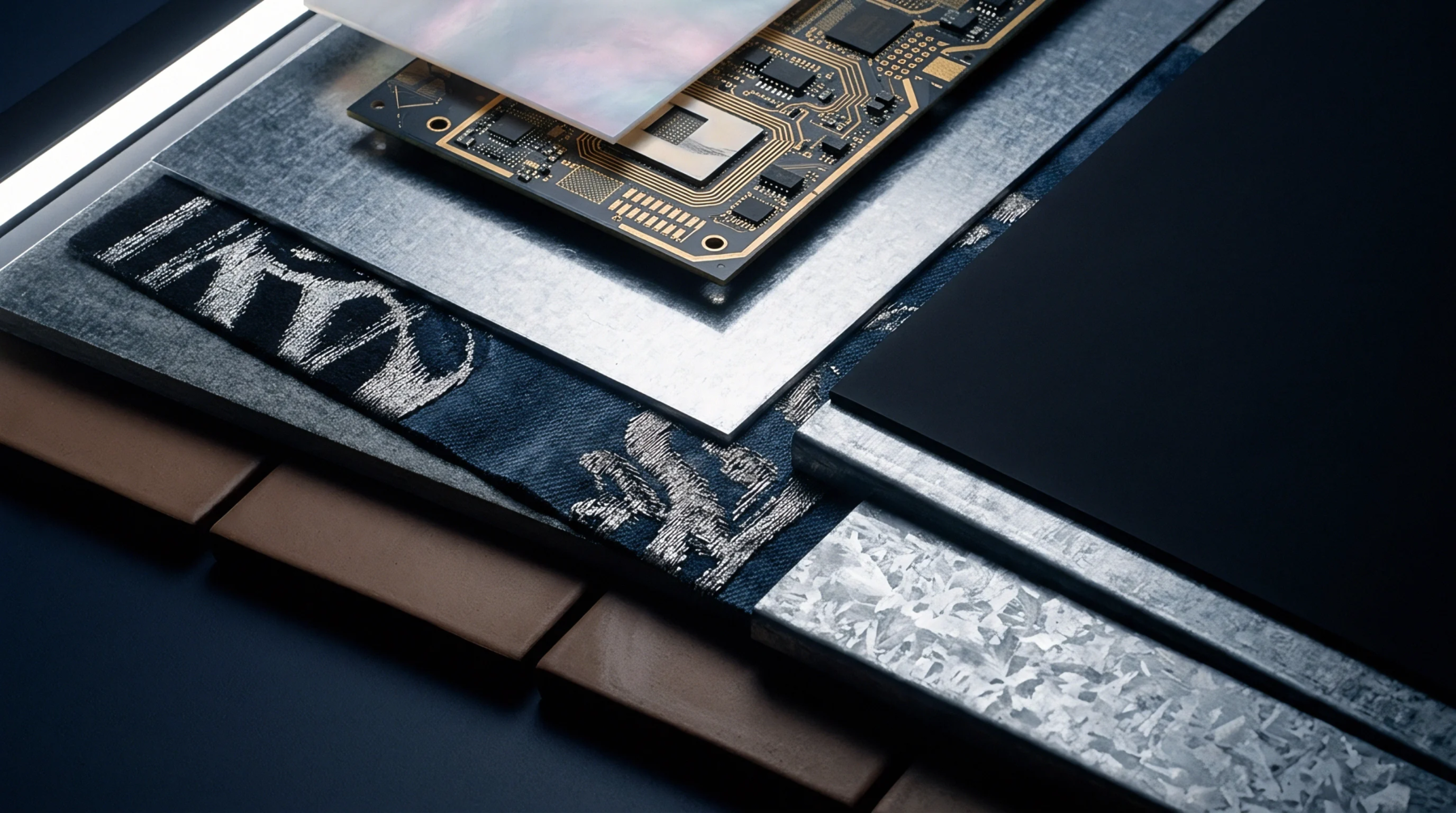
Selecting mechanically spread glass fabric and enforcing multi-ply laminate construction mitigates intra-pair differential skew without panel rotation costs.
Optimize hybrid PCB fabrication by matching laminate cure kinetics, deploying plasma desmear for mixed resins, and applying layer-specific scaling factors.
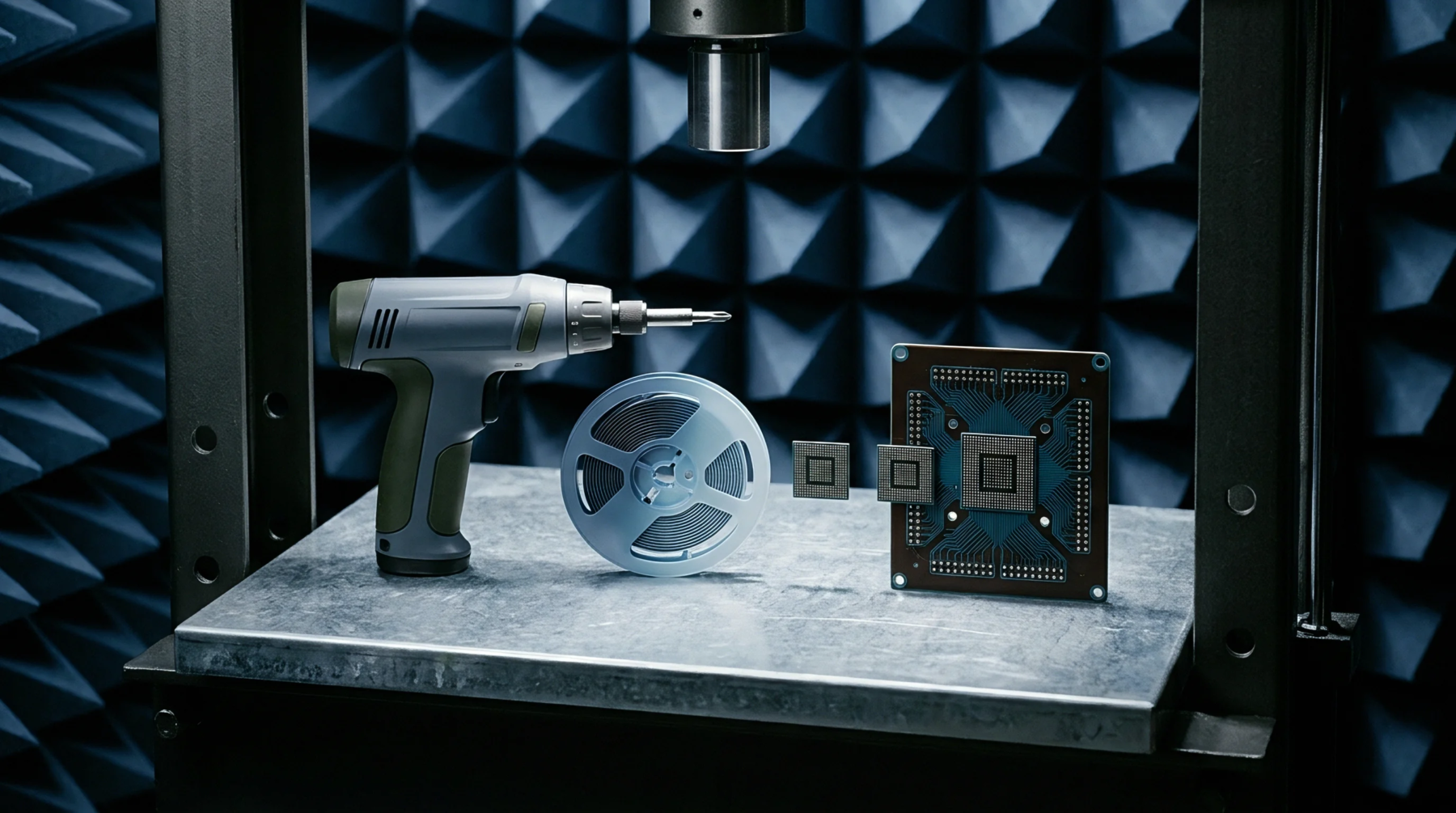
Spread glass prepreg flattens yarn bundles to eliminate open resin windows, preventing high-speed intra-pair differential skew and mode conversion.
Expertise is a utility, not a secret. sentiention™ publishes its working knowledge as open reference: intelligence layer covering the materials it sources, the markets it enters, and the reference that serves both.