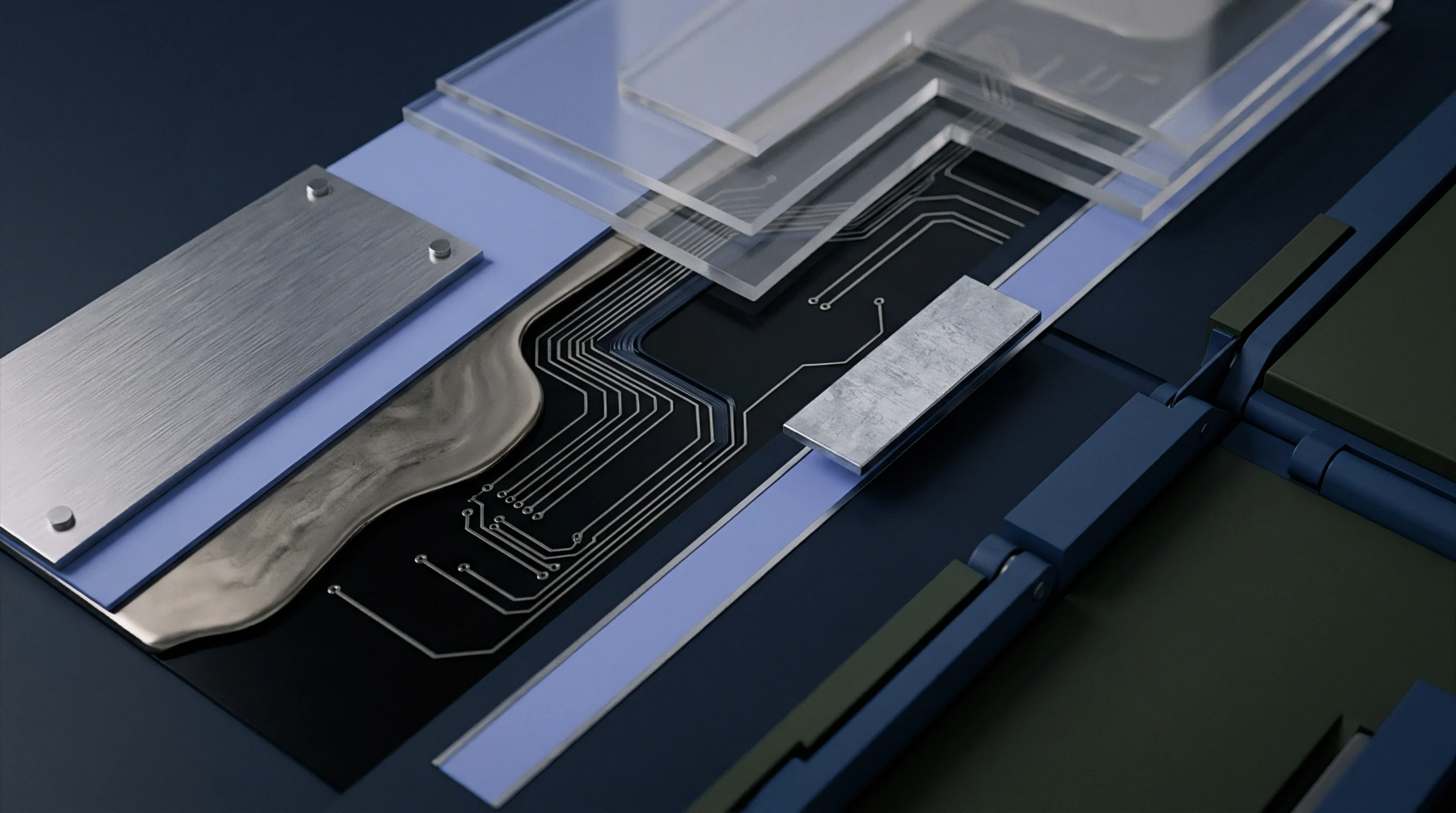
Microvia Plating Fatigue under Thermal Cycling
Microvia plating fatigue under thermal cycling stems from z-axis CTE mismatch, requiring ductile copper plating and continuous resistance monitoring to prevent field failures.
Microvia plating fatigue under thermal cycling stems from z-axis CTE mismatch, requiring ductile copper plating and continuous resistance monitoring to prevent field failures.
Split post resonators extract substrate temperature dielectric coefficients by separating thermal expansion dimensional changes from intrinsic permittivity drift.
Grain boundary sliding at microvia target interfaces stems from additive contamination and z-axis strain during reflow, requiring thermal annealing controls.
Interconnect stress testing detects sub-micron post separations through dynamic resistance drift before static optical microsections show physical cracks.
Matching dielectric CTE above Tg to copper ductility prevents inner layer interconnect fracture during high temperature reflow thermal profile cycles.
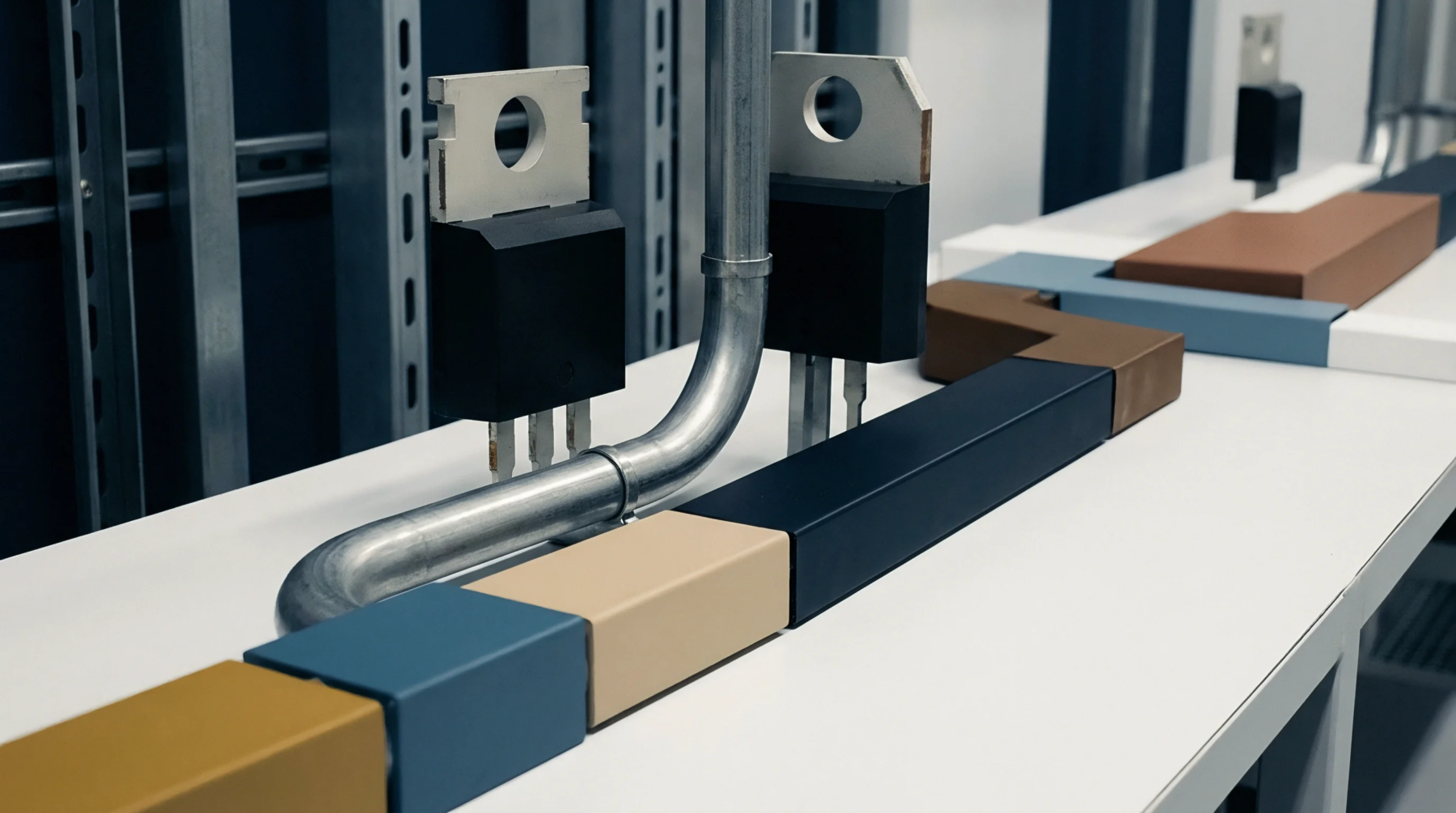
Quantifying composite matrix degradation requires depth-resolved FTIR and nanoindentation to track silane debonding and Tg loss from unreacted acid flux.
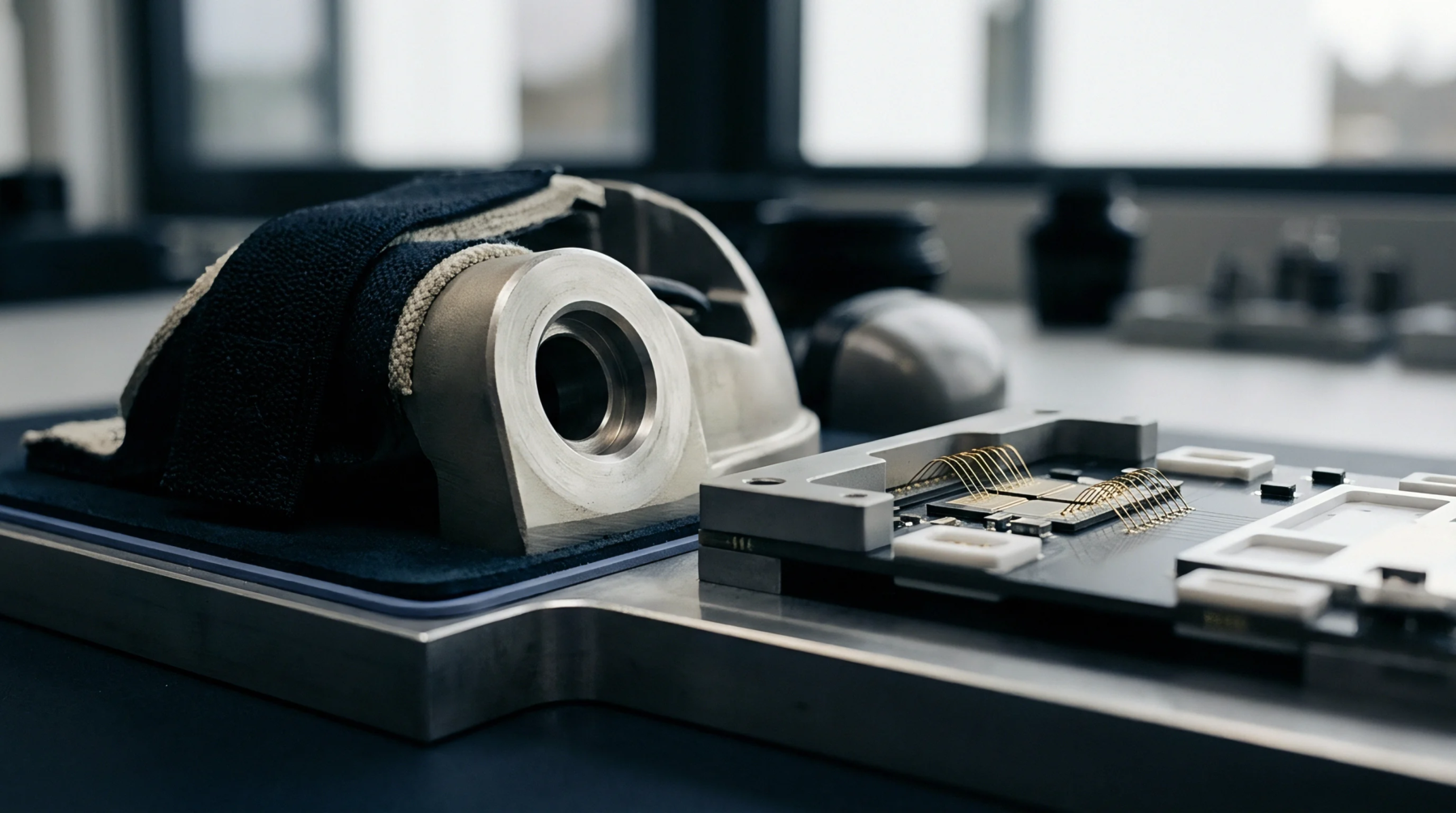
Microvia interface mechanics dictate that thermal cycling drives out-of-plane dielectric expansion, inducing shear failure at contaminated target pad boundaries.
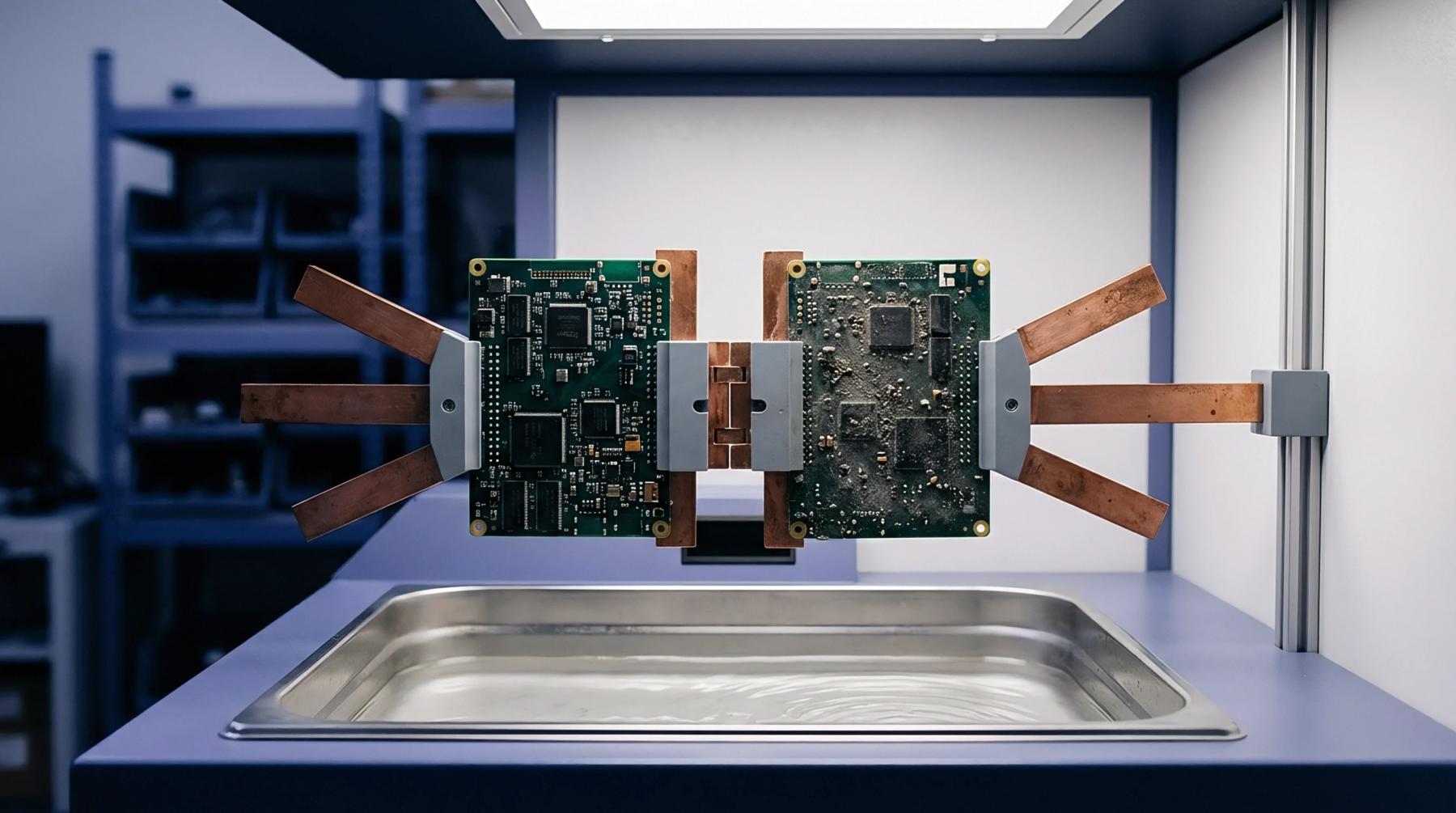
Dynamic thermal stress screening using micro-ohm glitch detection isolates latent intermittent microcracks in high-density multilayer substrates before release.
Sub-millimeter spatial dielectric variations from glass weaves and filler distribution shift dynamically under heat, requiring spread glass and low TCDk resins.
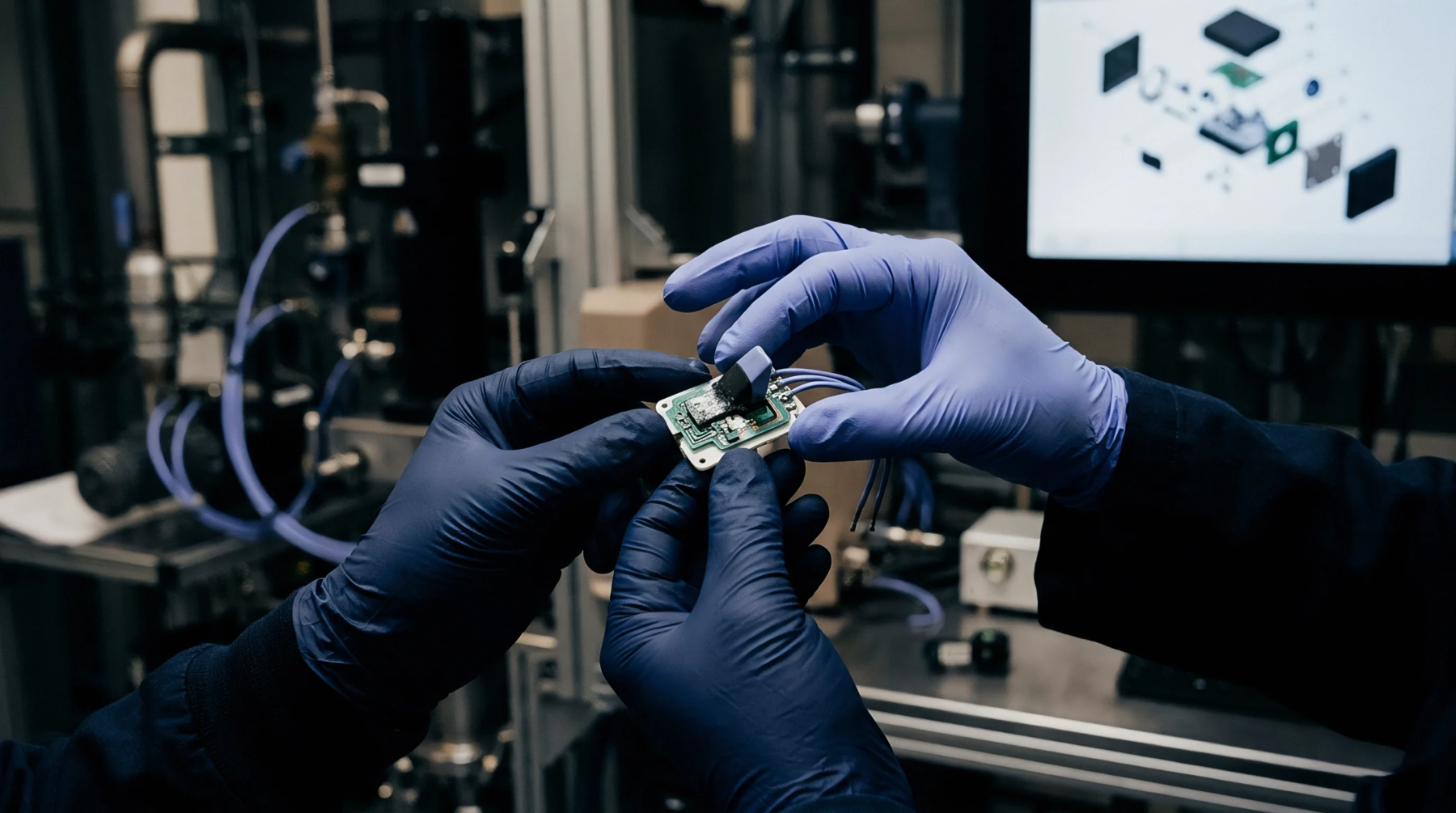
Mid-loss laminates paired with low-roughness copper foil match high-cost ultra-low-loss performance at a fraction of the raw panel price.
Expertise is a utility, not a secret. sentiention™ publishes its working knowledge as open reference: intelligence layer covering the materials it sources, the markets it enters, and the reference that serves both.