
Lead Free Solder Alloy Attenuation Factors during X-Ray Profiling
Lead-free alloy attenuation shifts require recalibrating X-ray tube parameters and grey-scale thresholds to ensure accurate void measurement and line yield.
Lead-free alloy attenuation shifts require recalibrating X-ray tube parameters and grey-scale thresholds to ensure accurate void measurement and line yield.

Linking assembly liability to landed unit cost when nodal access drops below baseline protects buyers from unprobed circuit escape losses.

Hidden interconnect defects escape visual inspection, requiring explicit contract terms that redefine acceptance windows and enforce 3D laminography profiling.

SMT setup delays, component scrap overages, and rework thermal damage are governed by explicit contractual downtime tariffs, material allowances, and IPC inspection limits.

Unprobed netlist escapes caused by latent intermetallic microvoiding fall on the buyer unless contract terms define microstructural aging as a material defect.

Split procurement saves component markup fees on high-cost ICs but demands strict kit audits, overage management, and clear contract defect attribution rules.

Quantifying boundary layer collapse around high mass PCB features prevents thermal shadow defects through profile adjustments and targeted gas flow management.
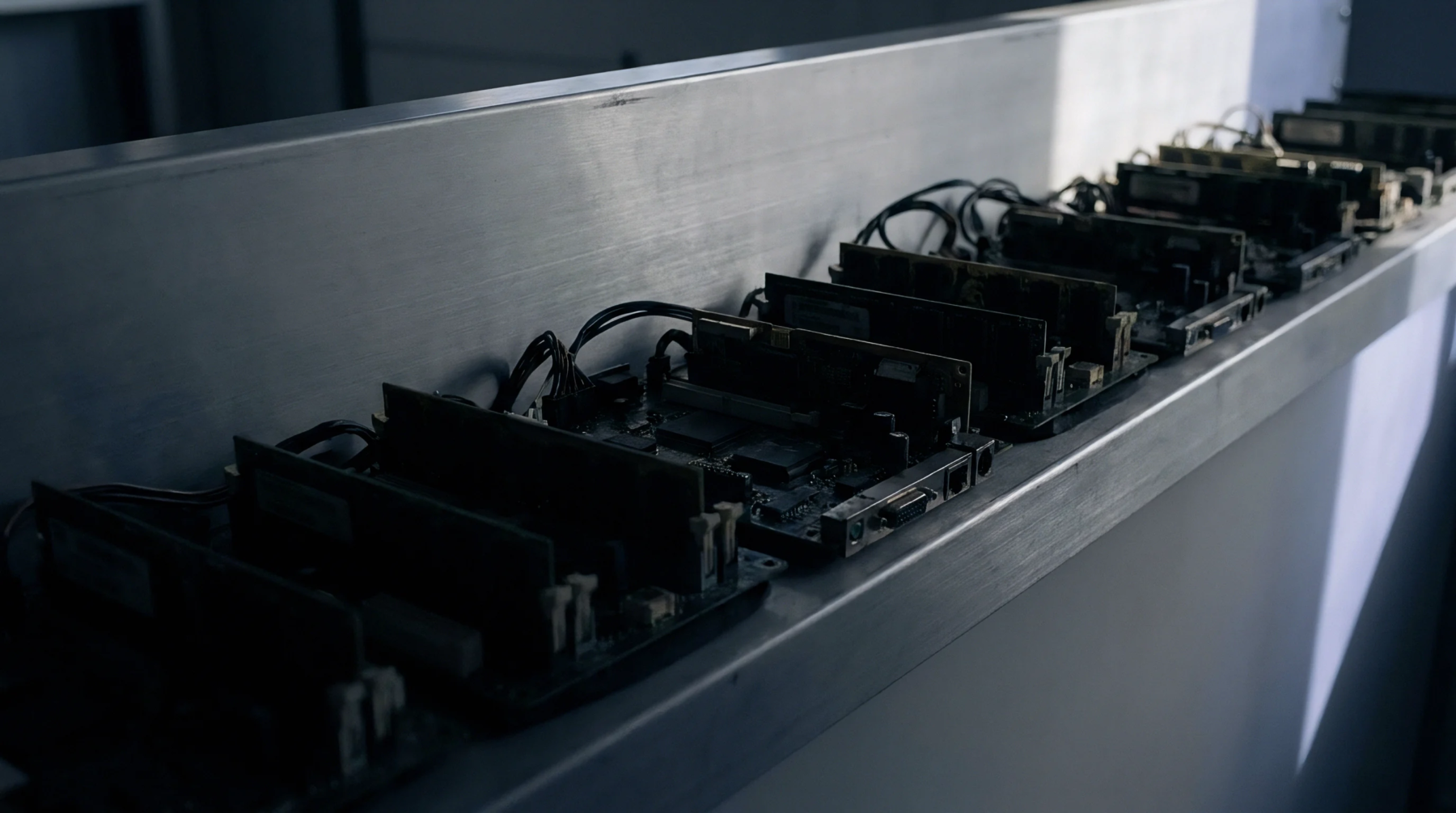
Modeling structural failure escape rates on hybrid AC-coupled serial nets requires combining IEEE 1149.6 boundary scan with automated X-ray inspection.
Multi-regime coverage modeling combines structural, boundary scan, and at-speed functional tests to quantify and suppress differential serial net escapes.
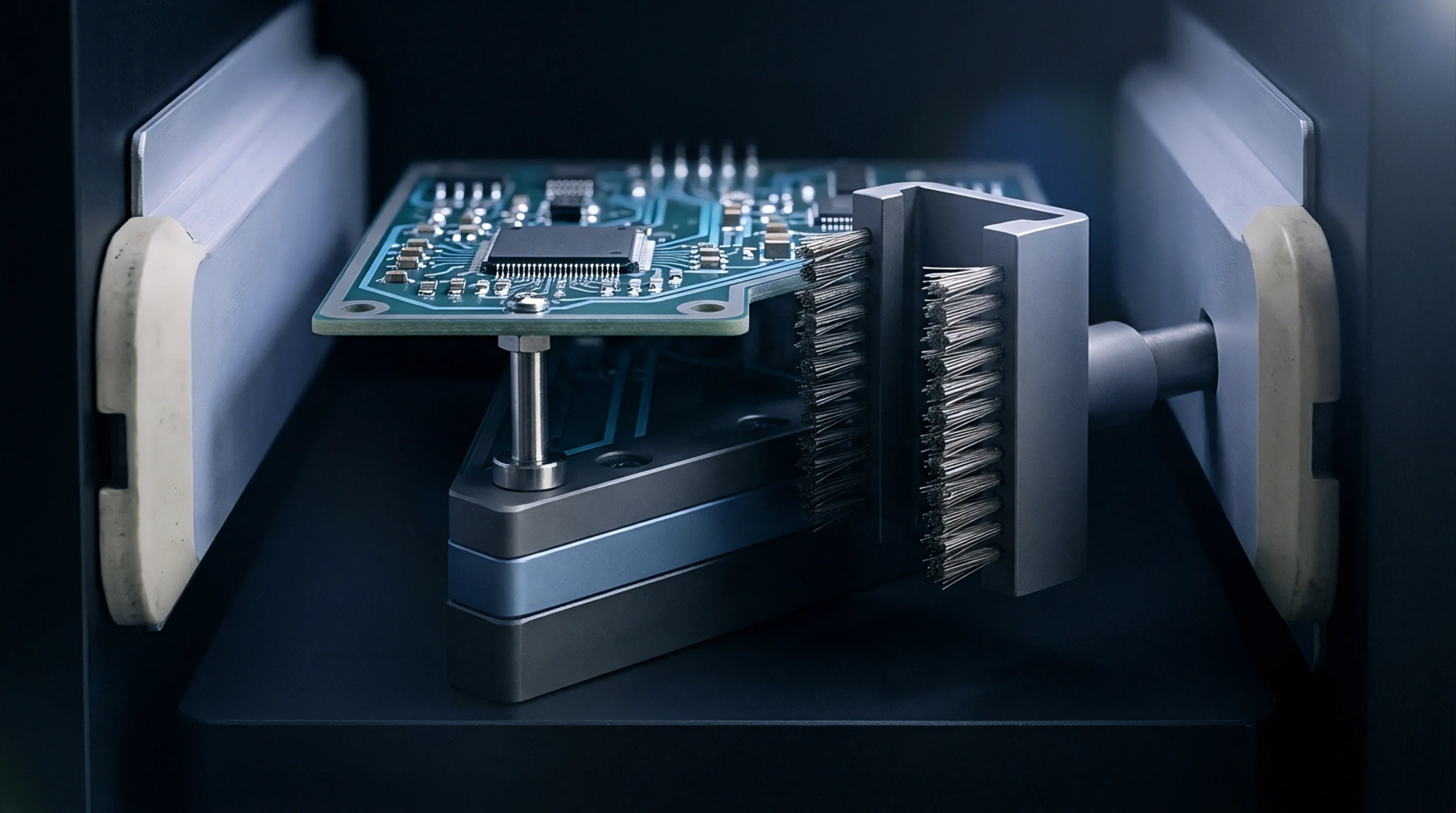
Unscreened high-frequency channel structural escapes drive PCI Express residual bit error rates above spec limits by inducing localized signal resonances.
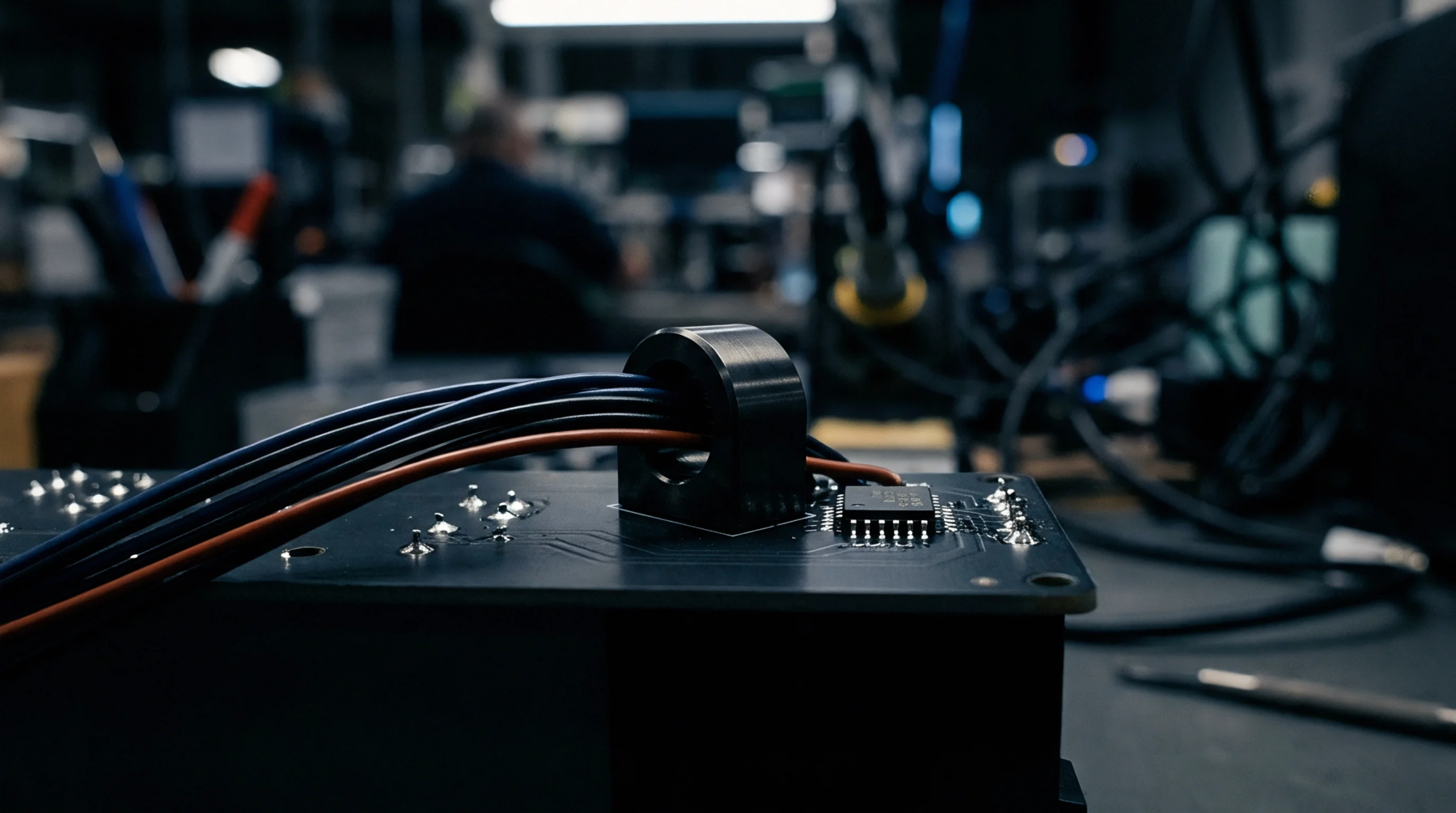
Intermetallic growth control and thermal profile validation prevent latent BGA fracture defects before boards leave the line.
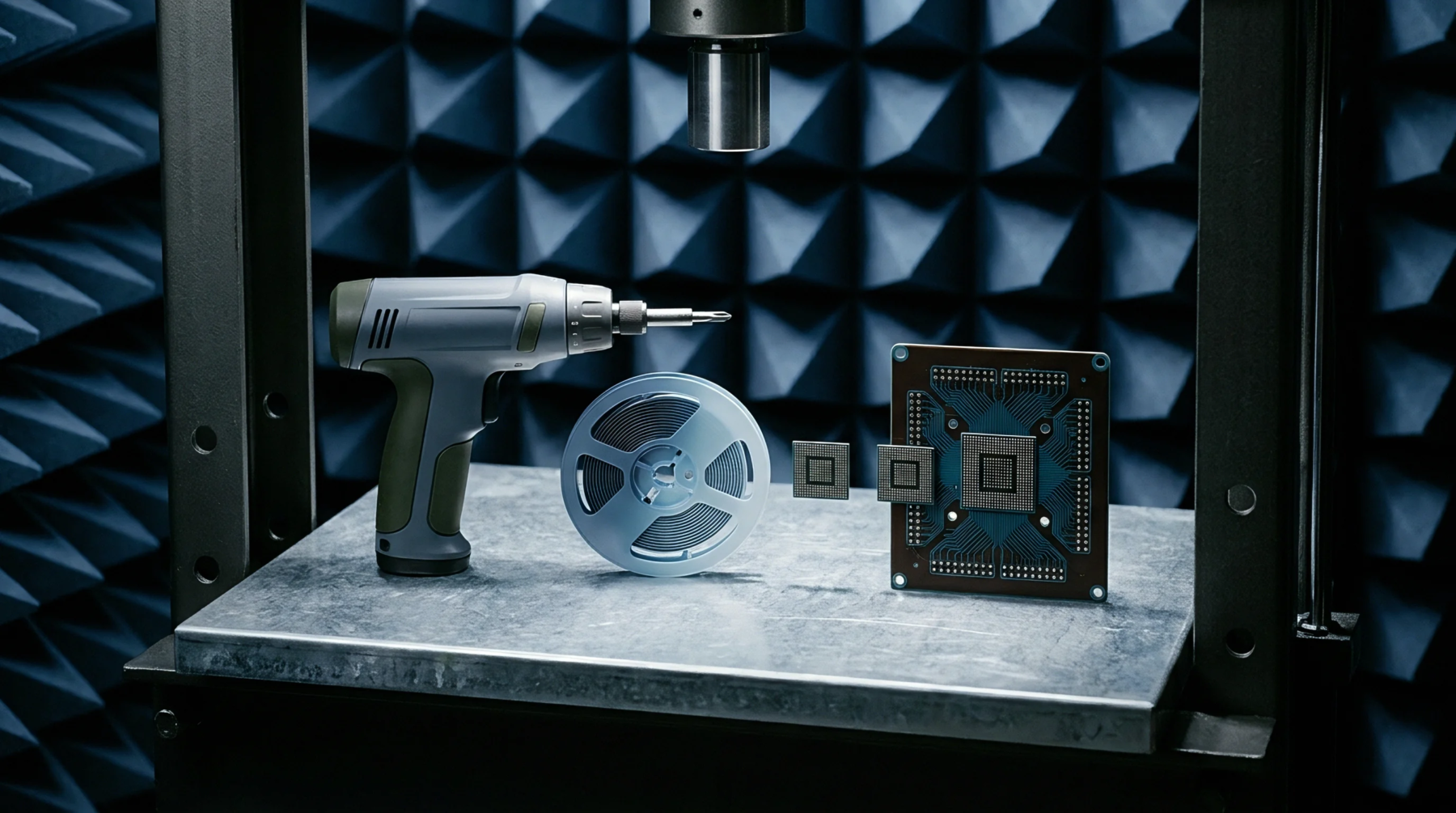
PCOLA SOQ metrics convert raw inspection data into weighted fault coverage, enabling precise calculation of board escape rates and field exposure risk.
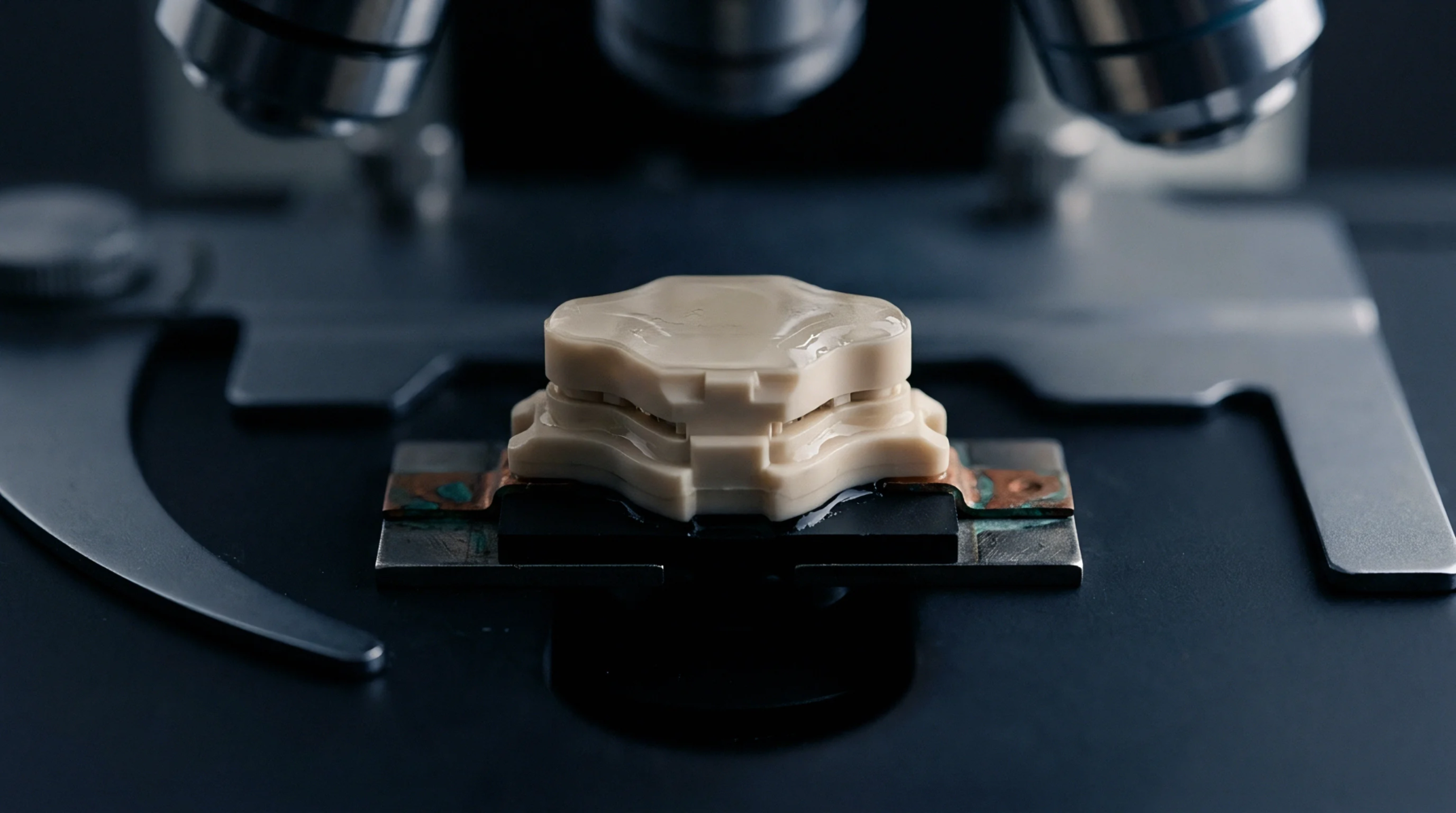
Automated inspection hold triggers halt surface mount lines on consecutive statistical defects, preventing costly scrap propagation and hidden interconnect failure.

Radiographic escape quantification requires correlating grey-scale attenuation thresholds with physical microsections to catch hidden non-wetting defects.
Allocate micro BGA line standby and rework exposure by binding hourly downtime tariffs and hot-gas rework liability directly to SPI, AXI, and feeder logs.
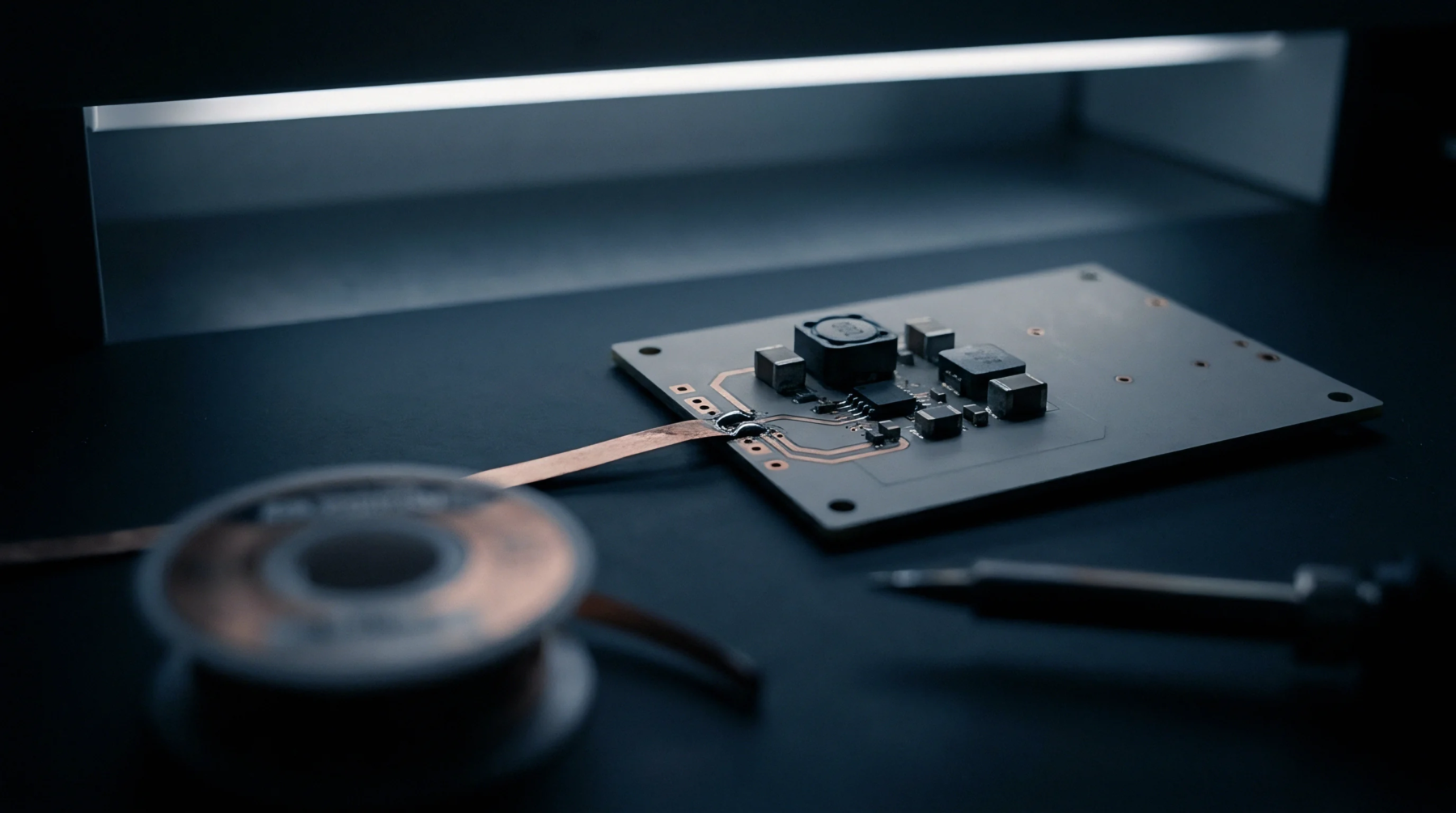
Explicit PPM false call thresholds and labor chargebacks protect multi-layer assembly yields without shifting inspection costs or masking solder escapes.

Maintaining secondary clearance spacing above component height ratios prevents convective shadowing and stops inverted solder joint remelt detachment during reflow.

Forced convective reflow on heavy mass surface mount panels demands extended soak zones, elevated fan velocities, and adjusted paste deposition to ensure total reflow without scorching thin components.
Dynamic thermal warpage alters fine pitch component standoff during reflow, trapping flux outgassing and increasing solder joint voiding percentages.

Contractual yield adjustments protect buyers from paying assembly fees on reworked boards while allocating bonepile diagnostic labor transparently.

Calibrating convective reflow for heavy copper requires low conveyor speeds, high blower velocity, and dedicated thermal vehicle profiling to limit panel delta-T.

Inline X-ray system re-qualification relies on statistical limits derived from detector drift and grey-scale stability rather than arbitrary time intervals.

Non-destructive verification of blind thermal via fill requires 3D computed laminography to isolate inner-layer solder volume through heavy copper planes.

Thermal defect attribution models divide assembly defect liabilities between component material degradation and SMT oven profile deviations using empirical test data.

Partial nodal access models predict field escapes by multiplying baseline DPMO against unprobed structural and functional coverage gaps across dense nets.

Fine pitch SMT inspection requires combining 3D optical profilers with boundary scan and automated X-ray gates to catch hidden solder escapes before field deployment.
AC coupling capacitor solder joint failures require AC boundary scan and TDR screening to detect latent mechanical microcracks before field deployment.

Sub-atmospheric pressure profiling reduces bottom-terminated component voiding below 5% by expanding and evacuating trapped flux gases during liquidus.
Microvoid coalescence under thermal cyclic strain stems from creep-fatigue interaction at intermetallic layers, requiring EBSD and strain partitioning to prove.
Matching reflow soak durations to flux solvent evaporation rates eliminates sub-component pressure spikes and drops QFN thermal pad voiding below ten percent.
Expertise is a utility, not a secret. sentiention™ publishes its working knowledge as open reference: intelligence layer covering the materials it sources, the markets it enters, and the reference that serves both.