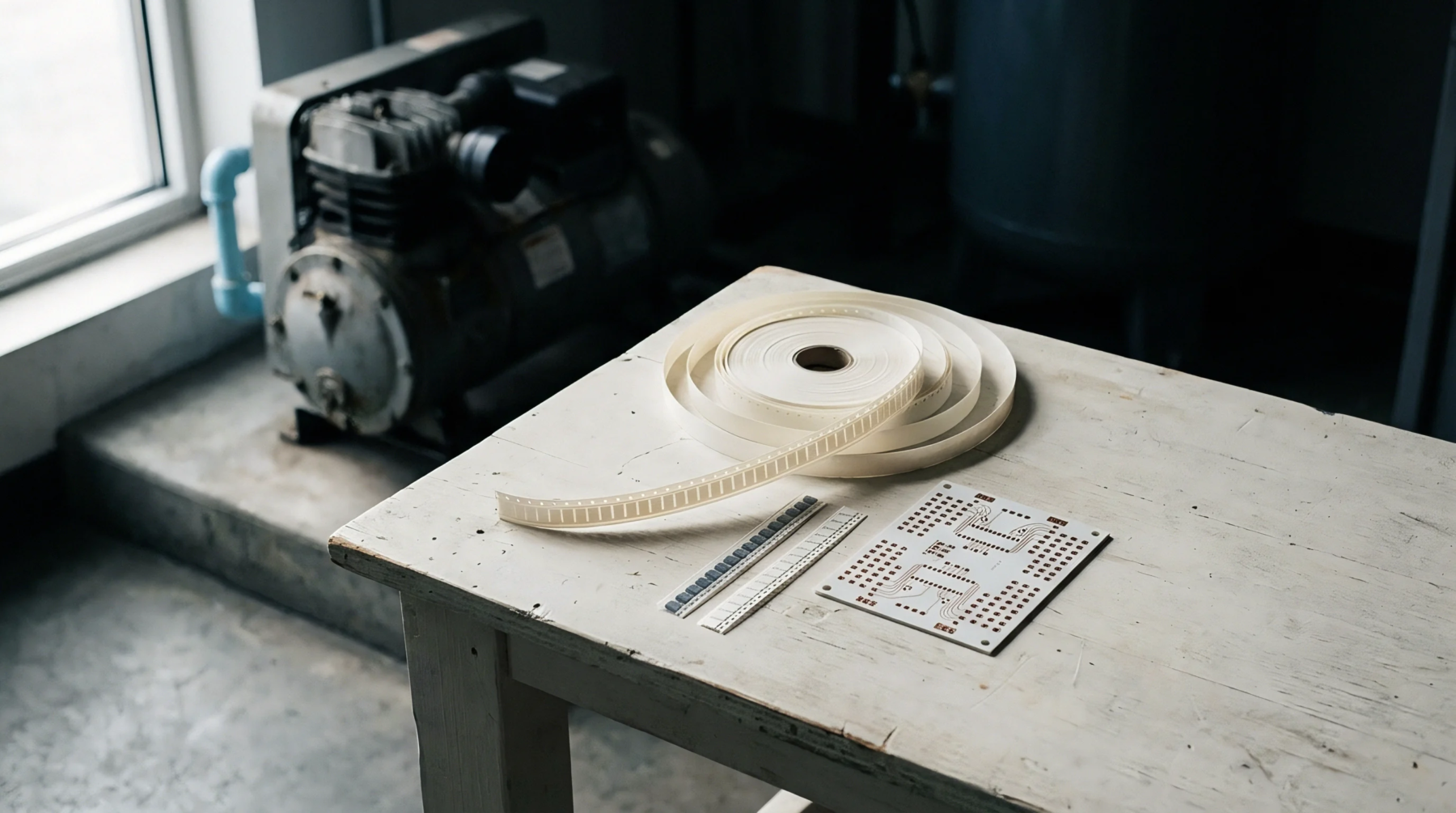
Correlating Thermogravimetric Volatile Mass Loss Derivatives to Solder Void Formation
Matching solder paste flux mass loss derivatives to reflow profiles before alloy liquidus minimizes gas entrapment and eliminates bottom-terminated voiding.
Matching solder paste flux mass loss derivatives to reflow profiles before alloy liquidus minimizes gas entrapment and eliminates bottom-terminated voiding.
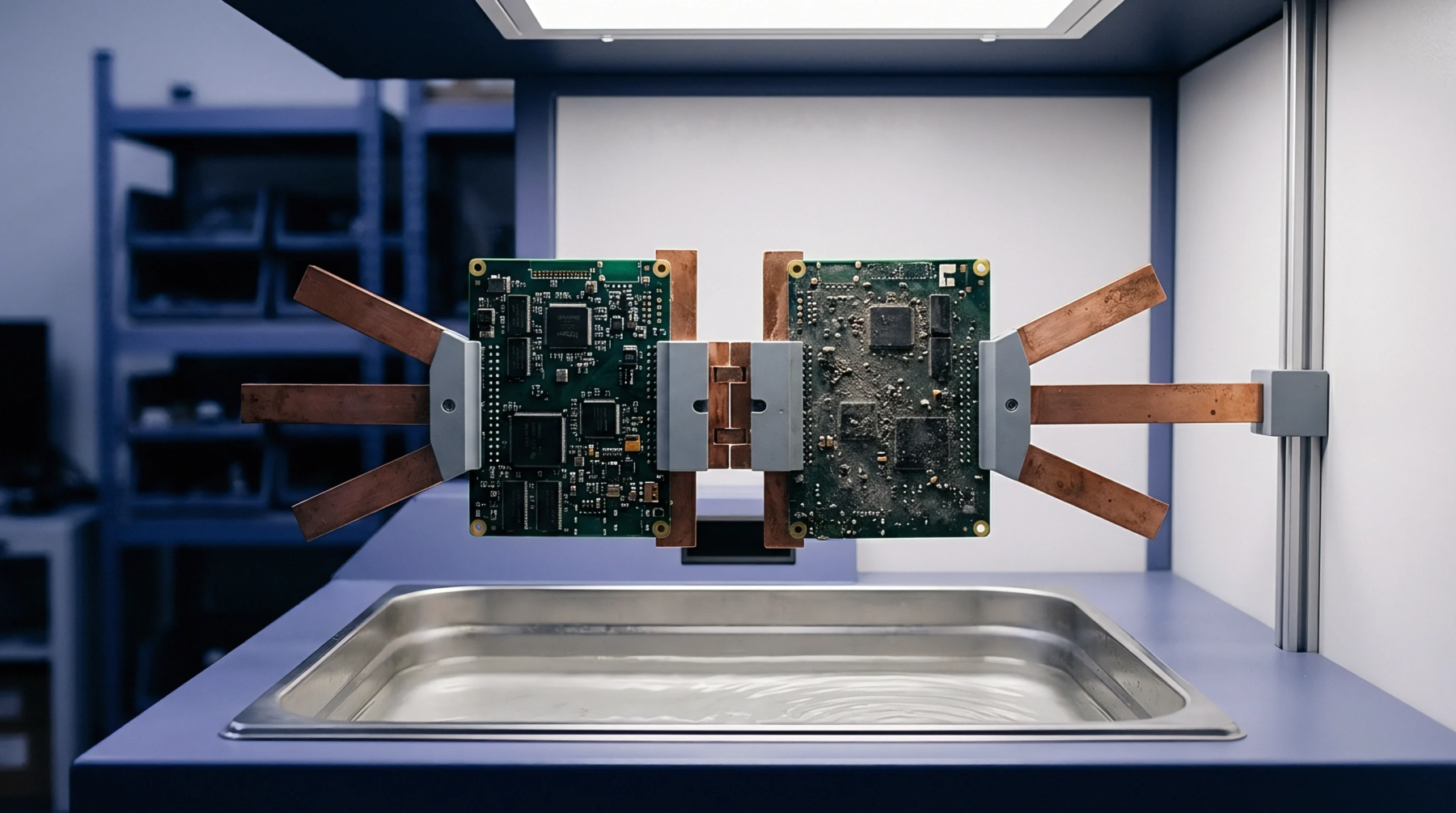
Verify serial capacitor array solder joints using 3D X-ray, high-frequency TDR, and in-situ thermal electrical monitoring to catch sub-micron cracks before field failure.
Quantifying boundary scan gaps on uninspectable underside mountings requires auditing non-scan pins, power plane back-feeding, and AC-coupling blind spots.
Integrating automated optical and X-ray inspection reduces high-density board failure escapes below ten parts per million by correlating surface and buried solder defects.
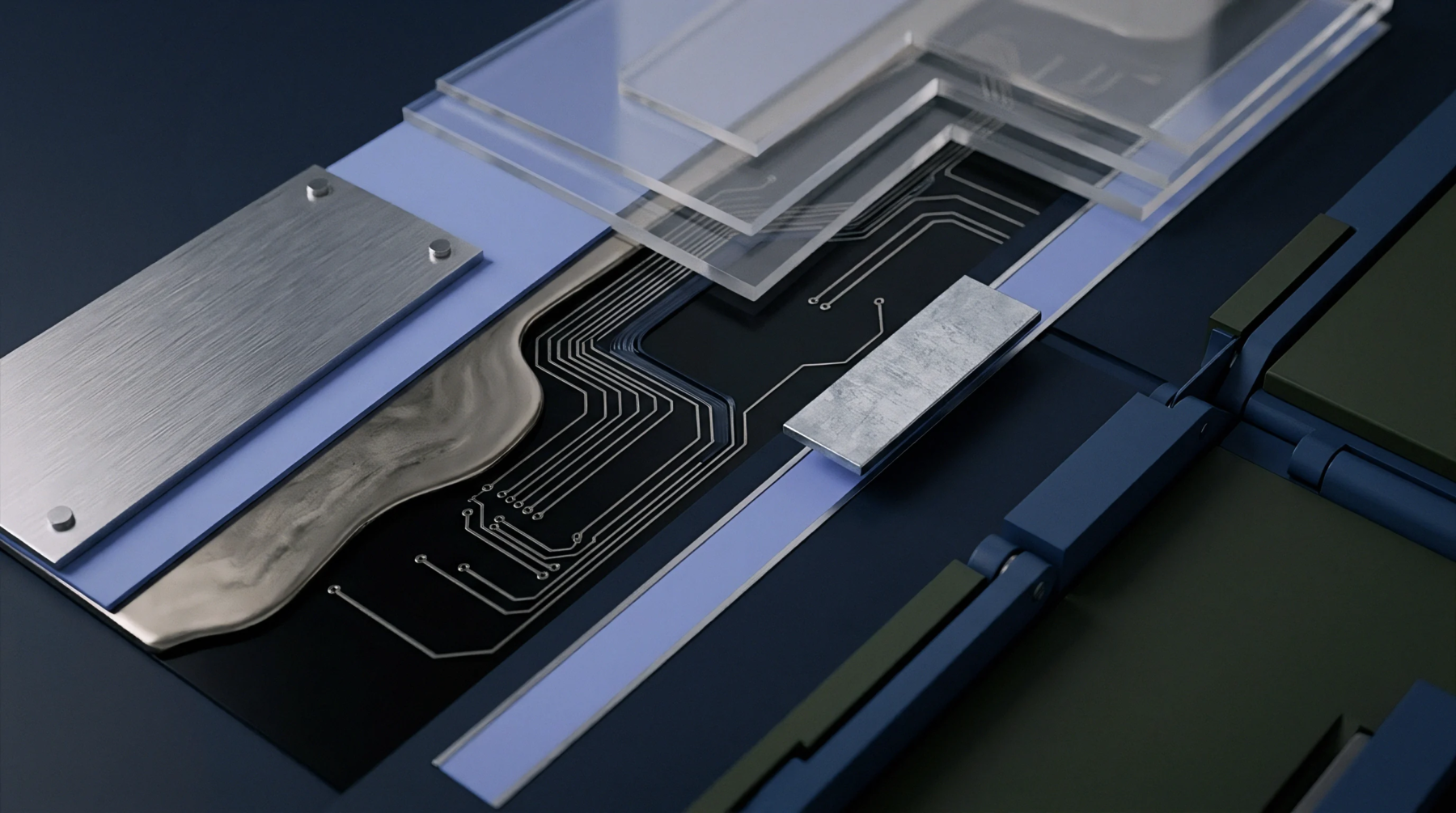
Modeling latent solder defect escapes under partial ICT access requires combining nodal coverage data with physical mechanical compression failure modes.
Incomplete physical test access increases latent structural defect escape rates, requiring complementary boundary scan and X-ray testing to protect field reliability.
Defect resolution hinges on forensic material proof establishing whether solder failure stemmed from component metallization flaws or reflow processing errors.
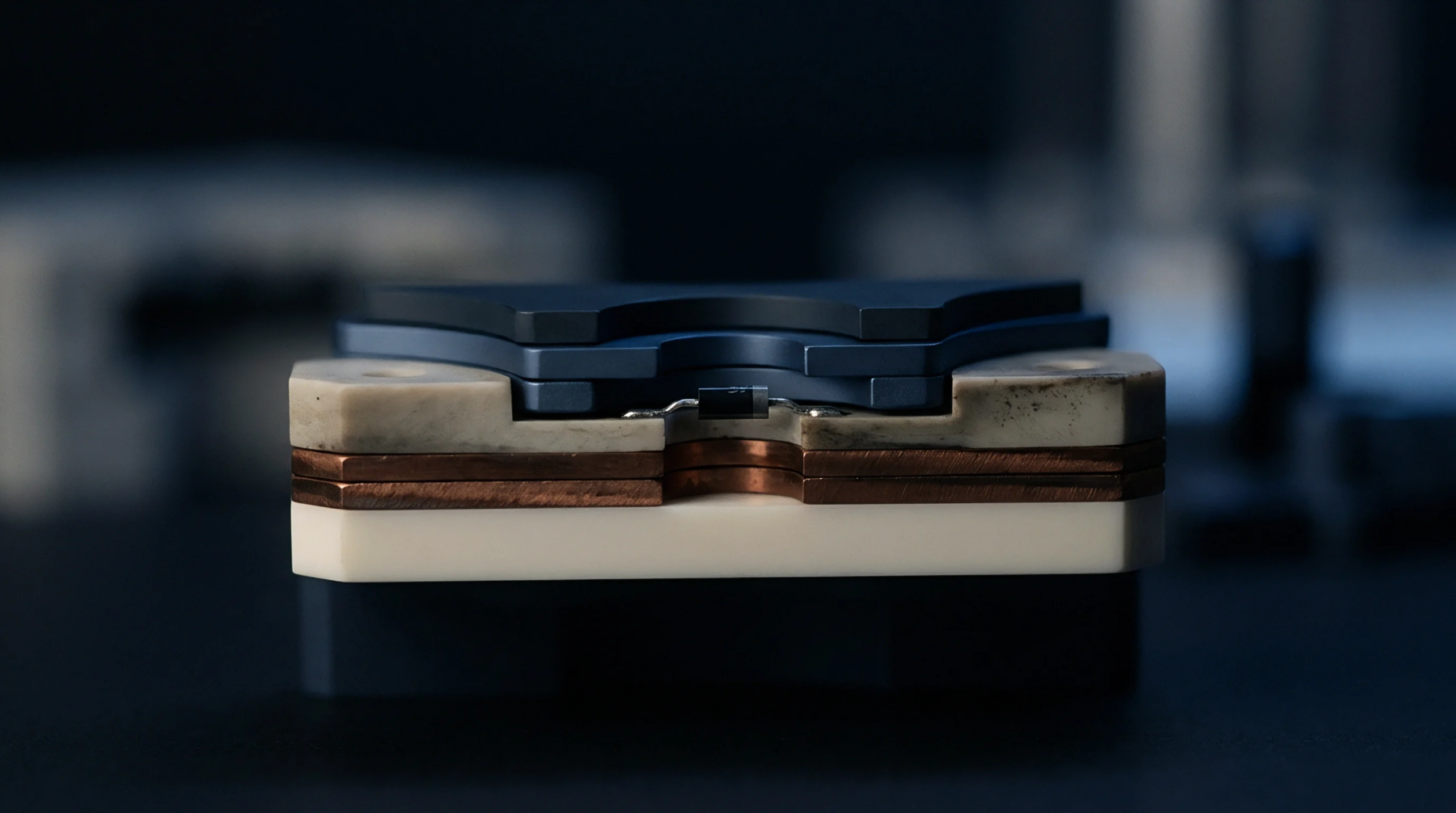
Mixed-alloy interconnects demand strict reflow dwell and cooling control to prevent localized phase segregation and non-linear intermetallic creep cracking.
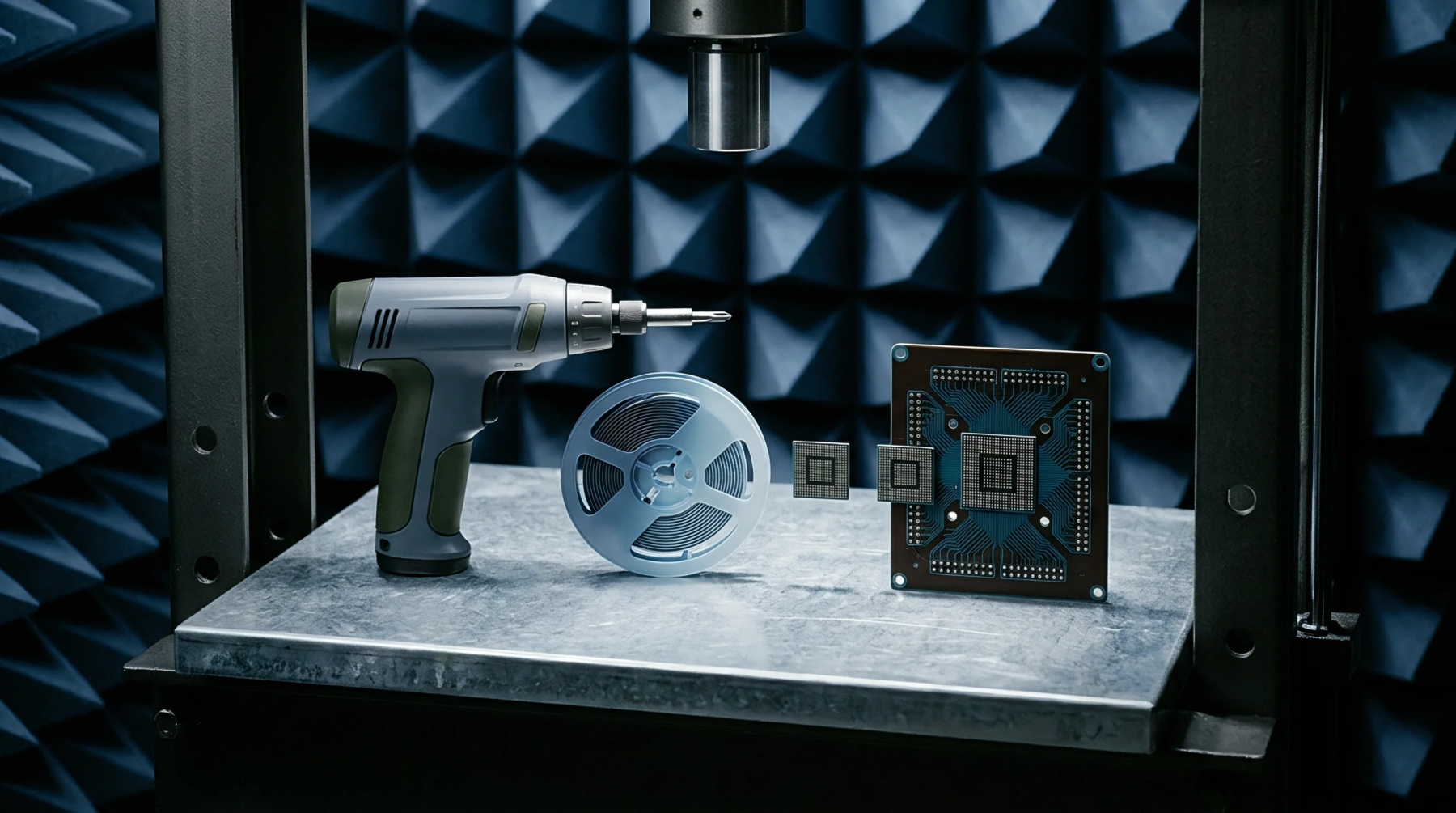
Calibrating X-ray grey levels requires matching radiographic attenuation gradients to physical serial microsections, eliminating projection errors in power joints.
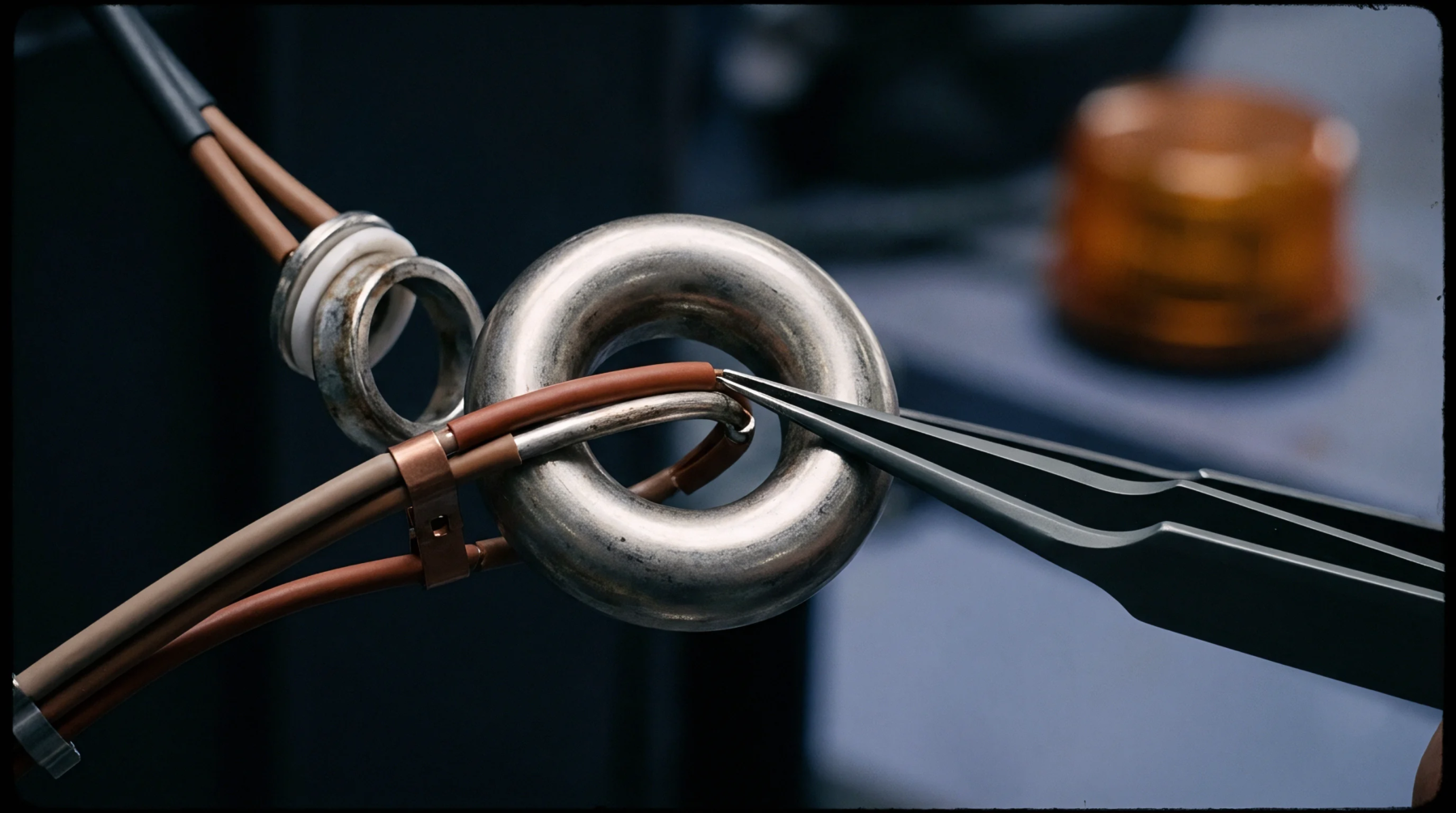
Accurate intrusive reflow on thick boards requires doubling calculated paste volume to offset 50% flux loss while stepping stencils or adding preforms.
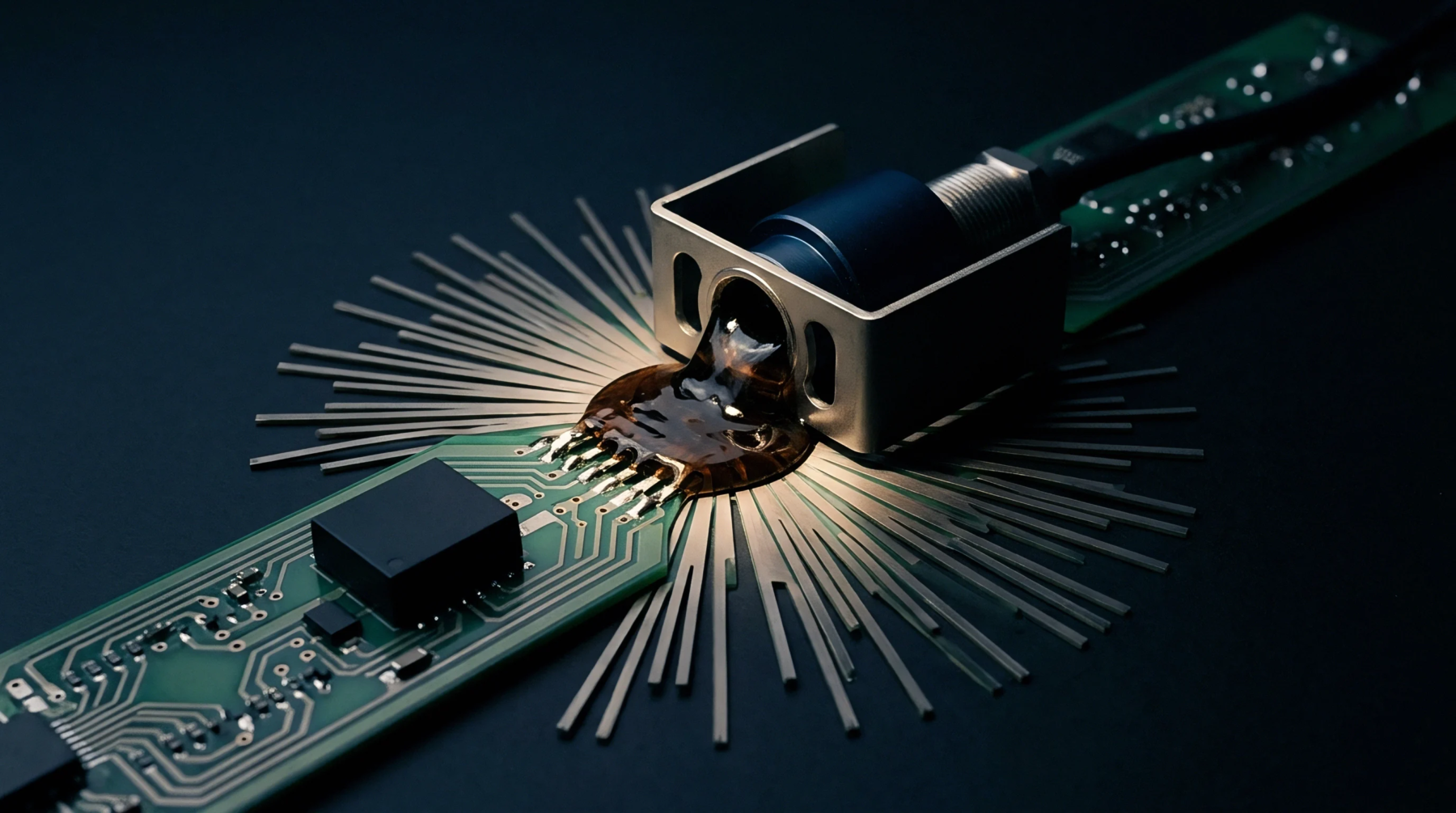
Boundary scan tools overstate AC-coupled differential net coverage because low-frequency test patterns cross broken joints via stray capacitive coupling.
Managing test access loss requires combining miniature spring probes, boundary scan, and 3D X-ray inspection to prevent expensive latent defect field escapes.
Dynamic multi-sensor thermal stage compensation maintains sub-micron inspection accuracy, preventing false solder joint defect calls on advanced packaging lines.
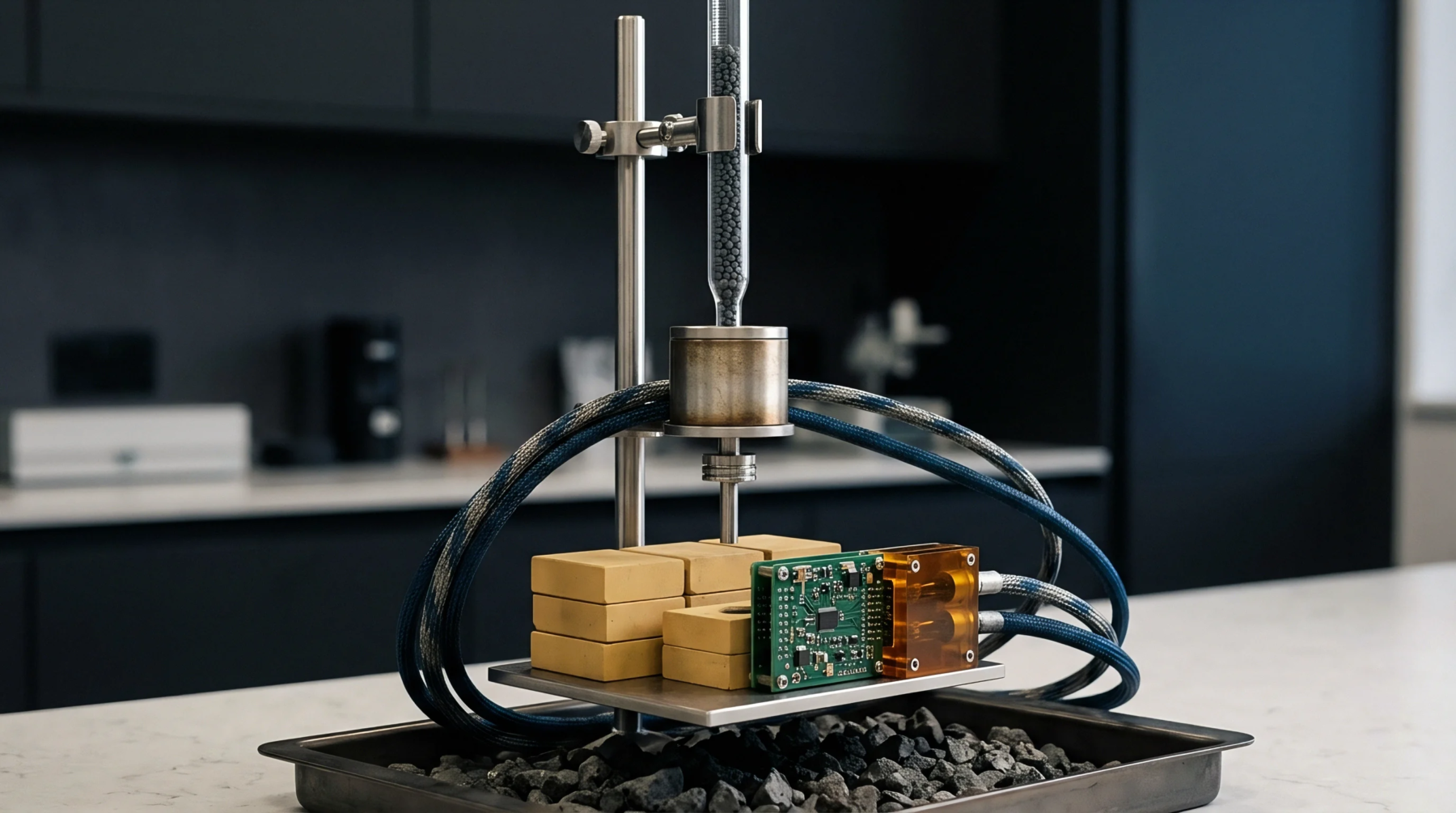
Interfacial solder joint voids accelerate creep strain accumulation, converting IPC-compliant connections into latent field open circuits.

High density defect classification demands isolating planar fractures and head-in-pillow anomalies through volumetric laminography and targeted thermal stress.
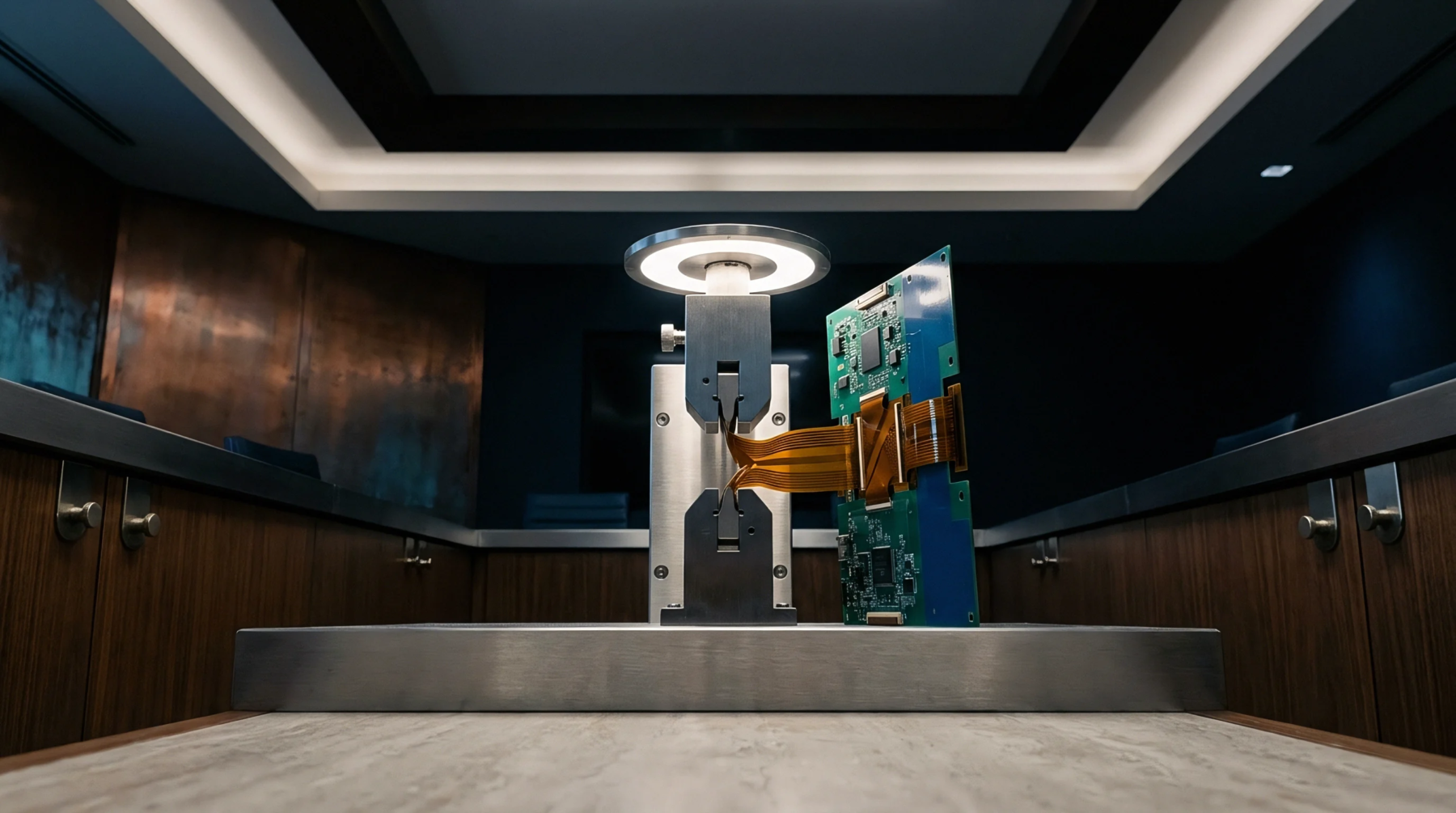
Iterative voxel deconvolution removes missing-cone elongation in limited-angle X-ray scans, enabling accurate fine-pitch joint void and bridge qualification.
Calibrated multi-angle filtration and empirical scatter correction prevent false solder voiding calls and false barrel-fill rejections on dense PCB assemblies.
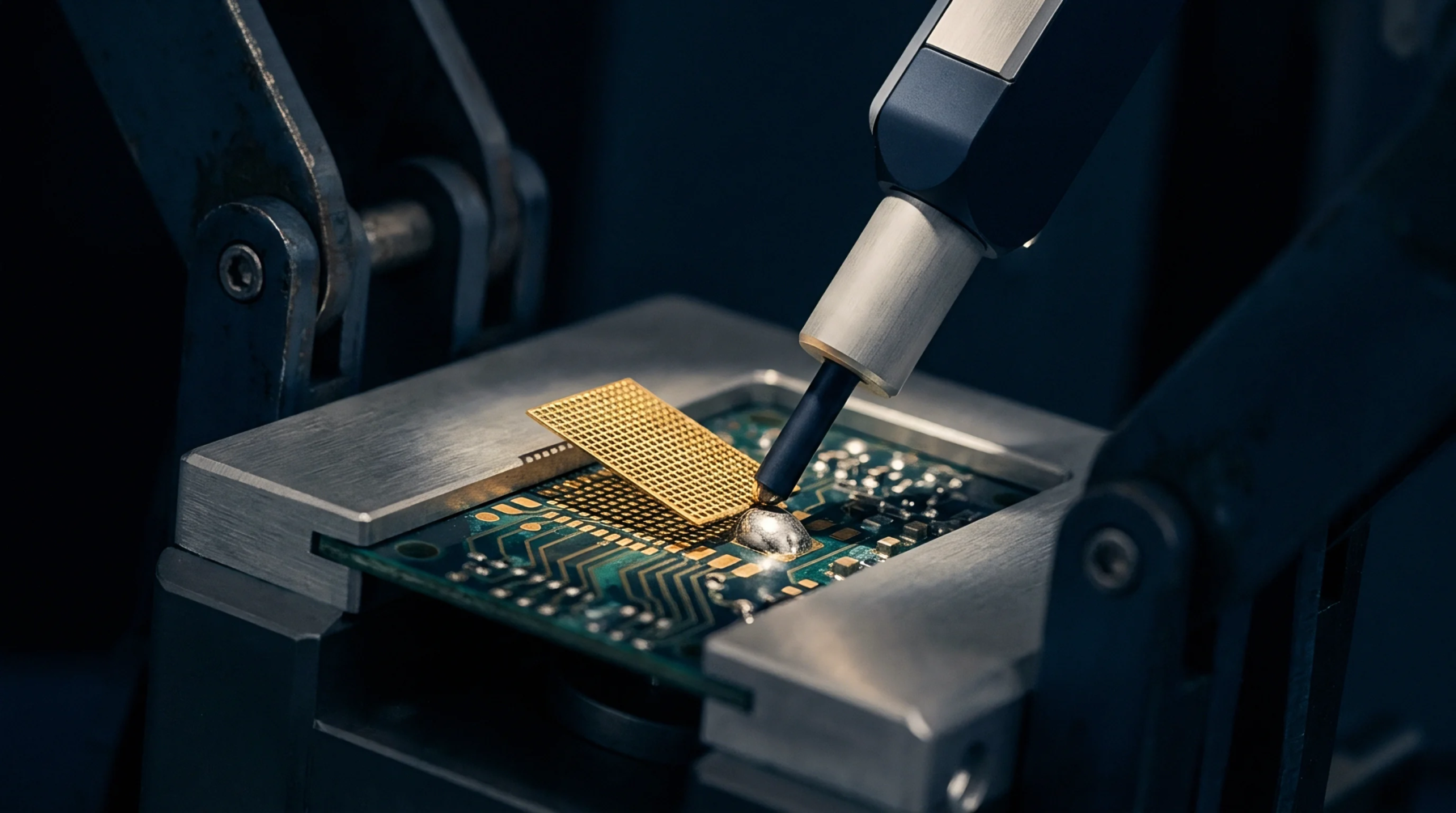
Verify structural fault coverage on high density assemblies by combining boundary scan with radiographic inspection where physical probe access falls below eighty percent.
Subsurface power planes extract heat downward during reflow, creating thermal shadowing and premature freezing that traps flux volatiles as interfacial voids.
Radiometric CT false call disputes resolve when volumetric gray-scale variance stays within two percent of baseline attenuation targets.

Combined boundary scan and bed-of-nails access modeling calculates structural escape rates to prevent latent defect exposure in field shipments.
Radiographic inspection qualifies hidden bottom-terminated joints through calibrated photon absorption, measuring void percentages and wetting without sightlines.

Spatial harmonization unifies disparate machine coordinate frames through rigid affine transformation, eliminating fleet-wide systematic offset errors.
Unified PCOLA-SOPS deduplication calculates combined structural coverage through strict Boolean fault-class scoring rather than naive additive percentages.
Vapor phase reflow eliminates thermal delta on heavy copper substrates by clamping peak heat at fluid boiling point while condensation latent energy melts solder.

Gas phase reflow uses latent heat condensation to deliver uniform heating and zero temperature delta across heavy assemblies while vacuum stage lowers voiding.
Statistical inspection bounds govern defect escape rates, defining commercial liability boundaries and scrap allocation across surface mount assembly lines.
Thermal anode expansion and electromagnetic lens drift cause focal spot displacement, forcing closed-loop beam calibration in high-power X-ray tubes.

Plated through hole solder joints evaluated under IPC standards require strict vertical fill, top and bottom fillet wetting, and bounded radiographic voiding.
Minimizing assembly thermal gradients demands balanced board copper, tuned oven convection, and zoned soak profiles to shrink array temperature differentials.
Expertise is a utility, not a secret. sentiention™ publishes its working knowledge as open reference: intelligence layer covering the materials it sources, the markets it enters, and the reference that serves both.