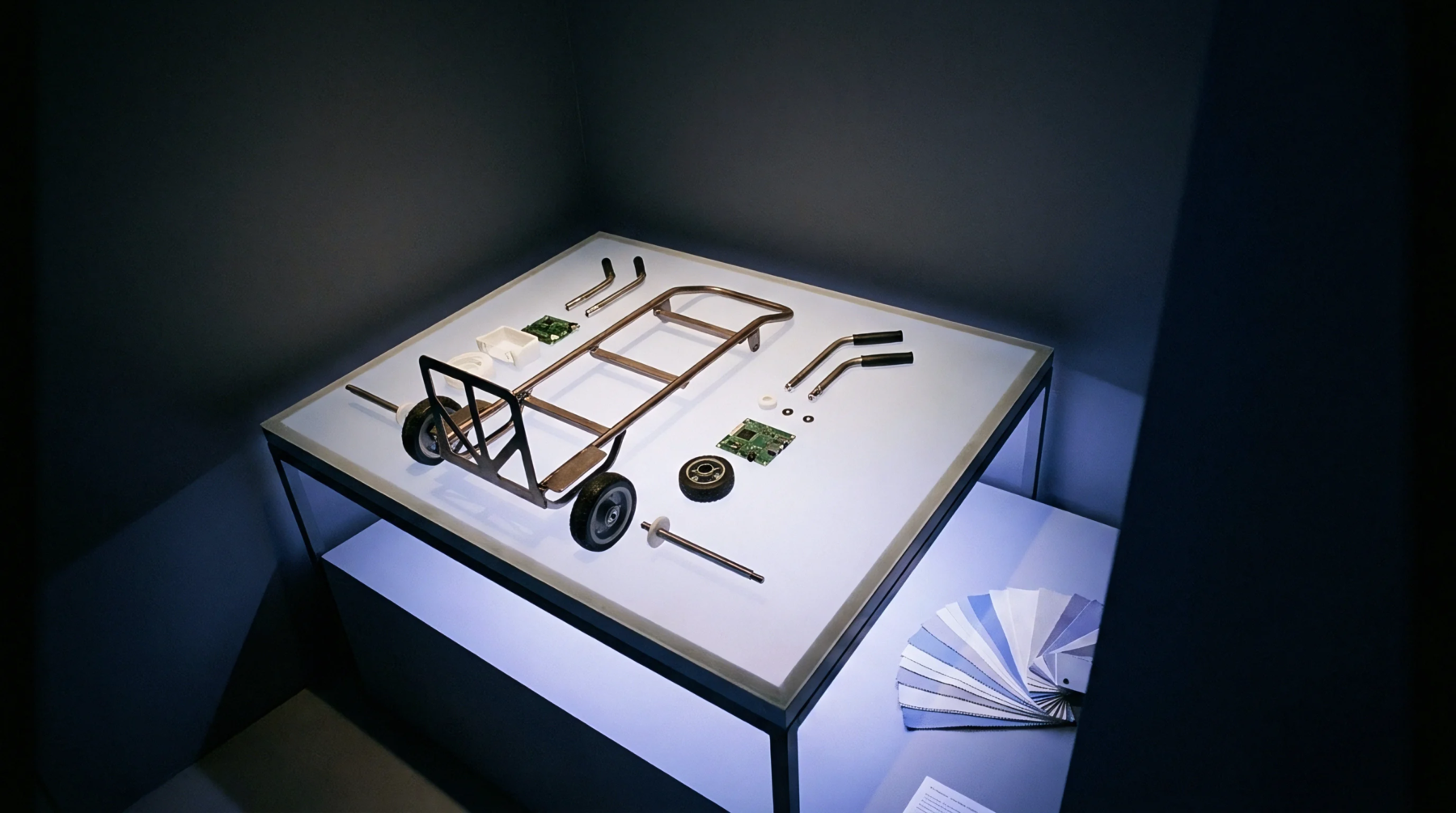
Differential Pair Loss Budgeting across Mid Loss Resin Matrix Selection
Mid-loss resin selection balances conductor and dielectric attenuation against panel costs, keeping high-speed differential insertion loss within budget.
Mid-loss resin selection balances conductor and dielectric attenuation against panel costs, keeping high-speed differential insertion loss within budget.
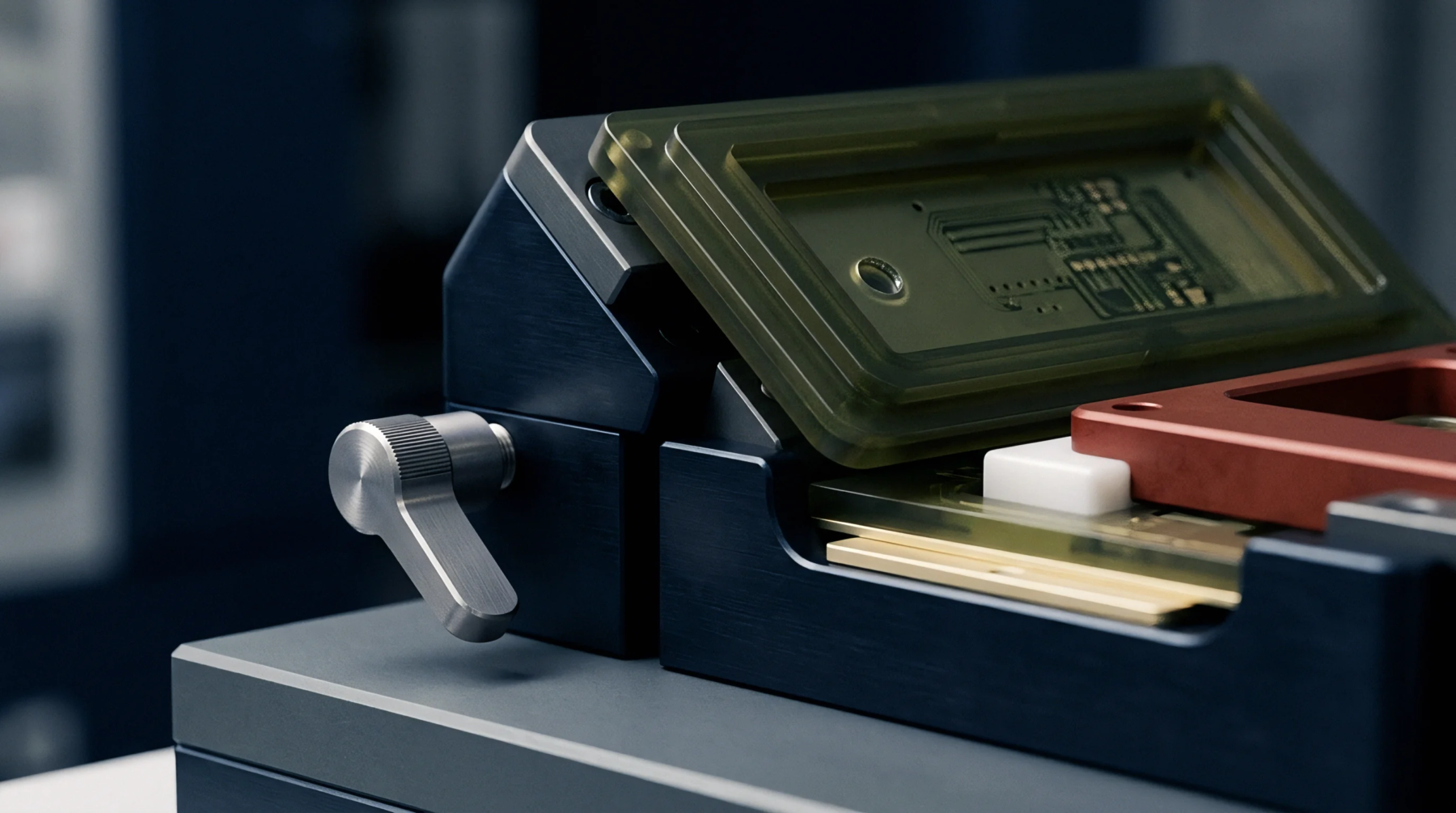
IPC-4101 mid-loss laminates deliver dissipation factors between 0.005 and 0.010 at 10 GHz, optimizing high-speed signal loss against total panel yield.
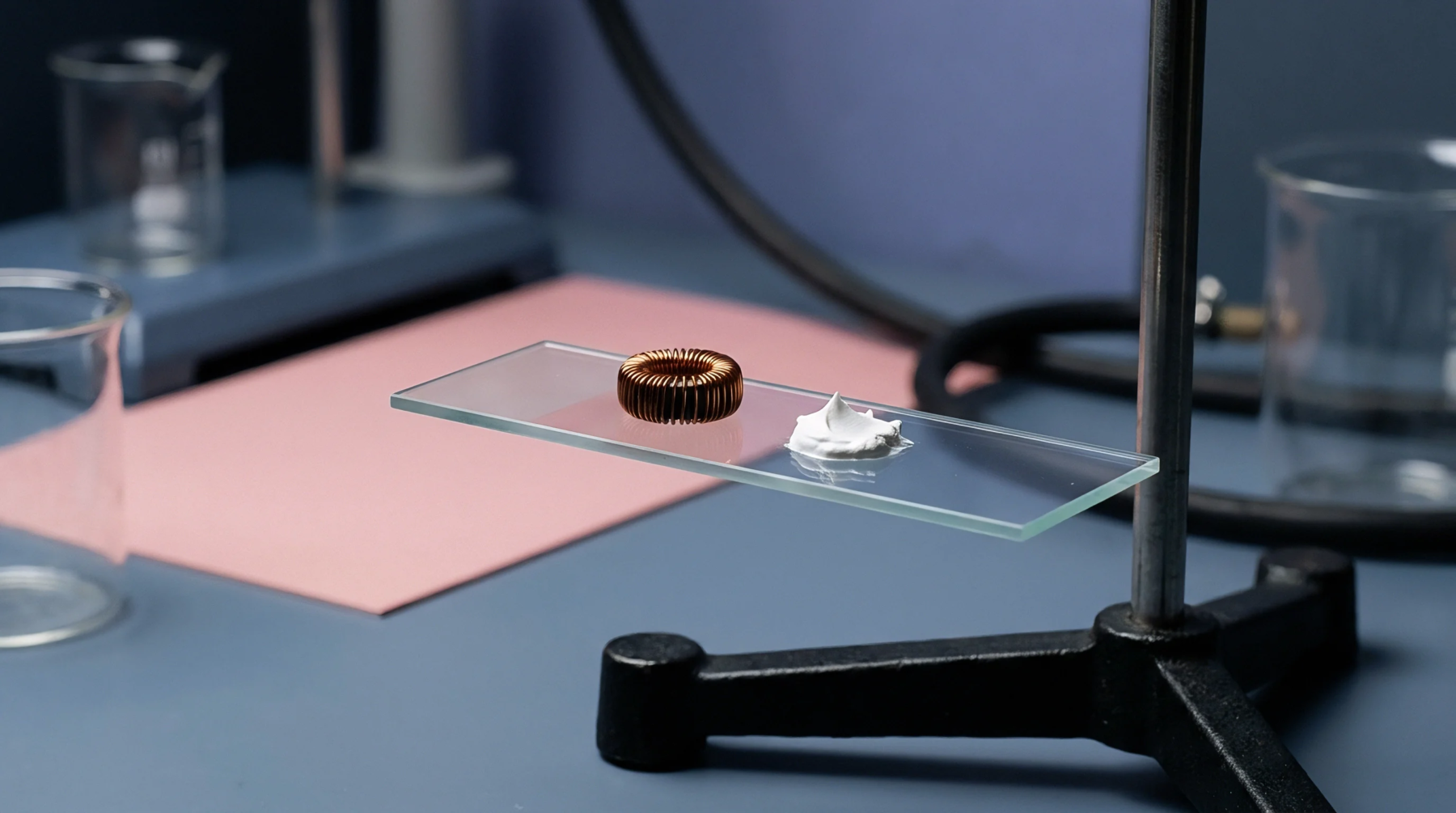
Spread glass core laminates reduce intra pair phase skew below 1.5 picoseconds per inch by eliminating resin windows and flattening glass yarn bundles.
Unstitched reference plane interruptions generate inductive impedance spikes that distort high-speed signal edges and trigger radiated emission failures.
High-speed stripline loss modeling requires Svensson-Djordjevic causal dielectric dispersion paired with Causal Huray roughness corrections to accurately predict gigahertz attenuation.
Correlating 2D field solver predictions with PCB impedance requires feeding microsectioned etch geometry, high-frequency Dk dispersion, and surface roughness into calculations.
Reconciling stripline and split cylinder values requires separating series air gap fixture errors from structural woven glass dielectric anisotropy.
Accelerated thermal cycling alters laminate dielectric constants and geometry, causing phase velocity drift that requires flat-weave glass and low-TcDk resins.
Unreinforced resin pockets in edge-coupled arrays lower local odd-mode permittivity, driving differential impedance five to nine ohms above coupon measurements.
Optimizing high-frequency flex microstrip attenuation requires combining adhesiveless polyimide with low-profile rolled copper to minimize skin depth and dielectric losses.
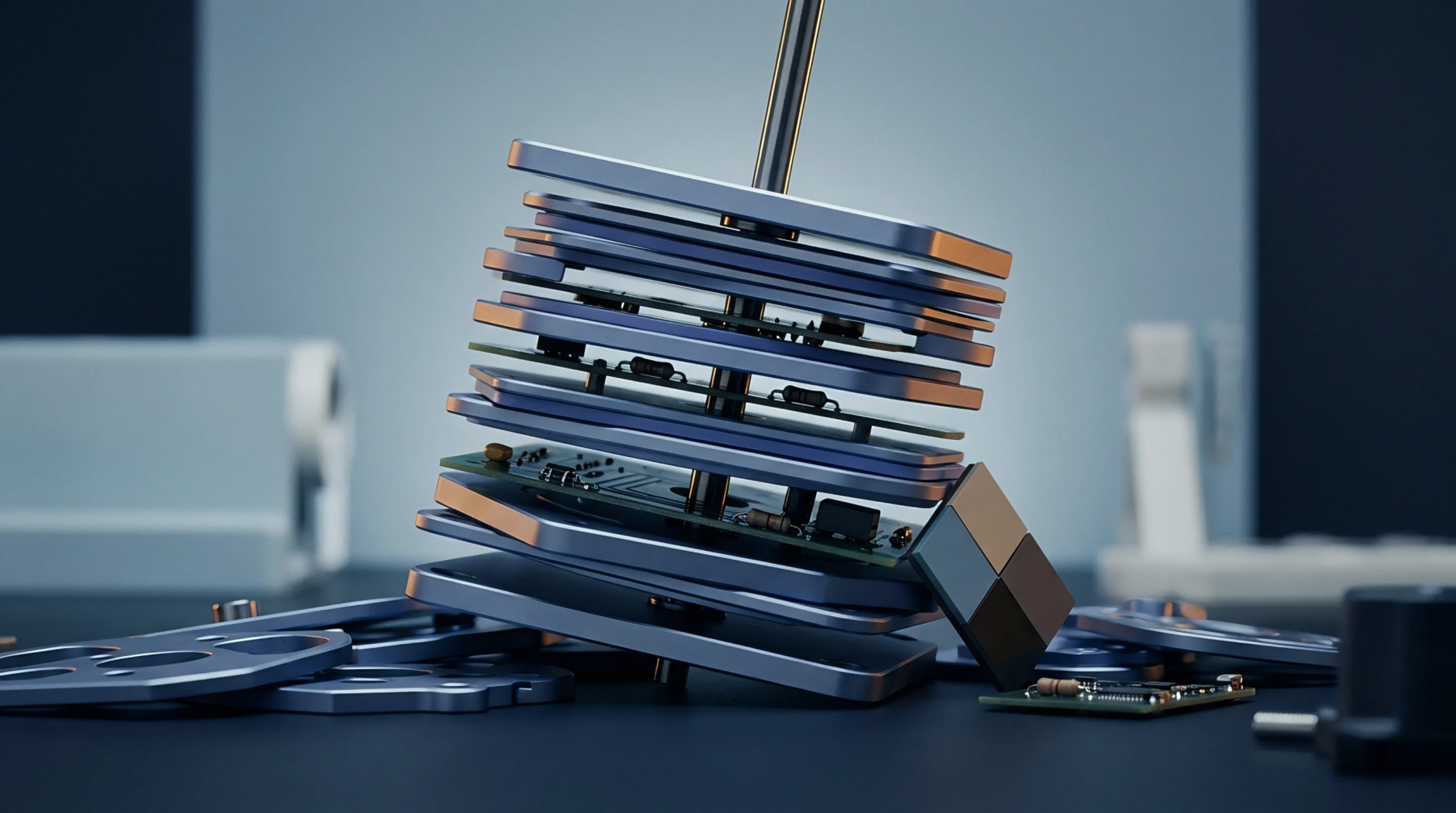
Controlled impedance on rigid-flex boards demands independent trace geometries and zoned stackup models that absorb polyimide permittivity shifts.

Phase skew from fiber weave periodicity is bounded by specifying dual-ply spread glass laminates or 5-degree off-axis trace routing to protect PAM4 timing margins.
Select mechanically spread low-Dk glass styles or angled routing to eliminate periodic dielectric variance and suppress high-speed differential phase skew.
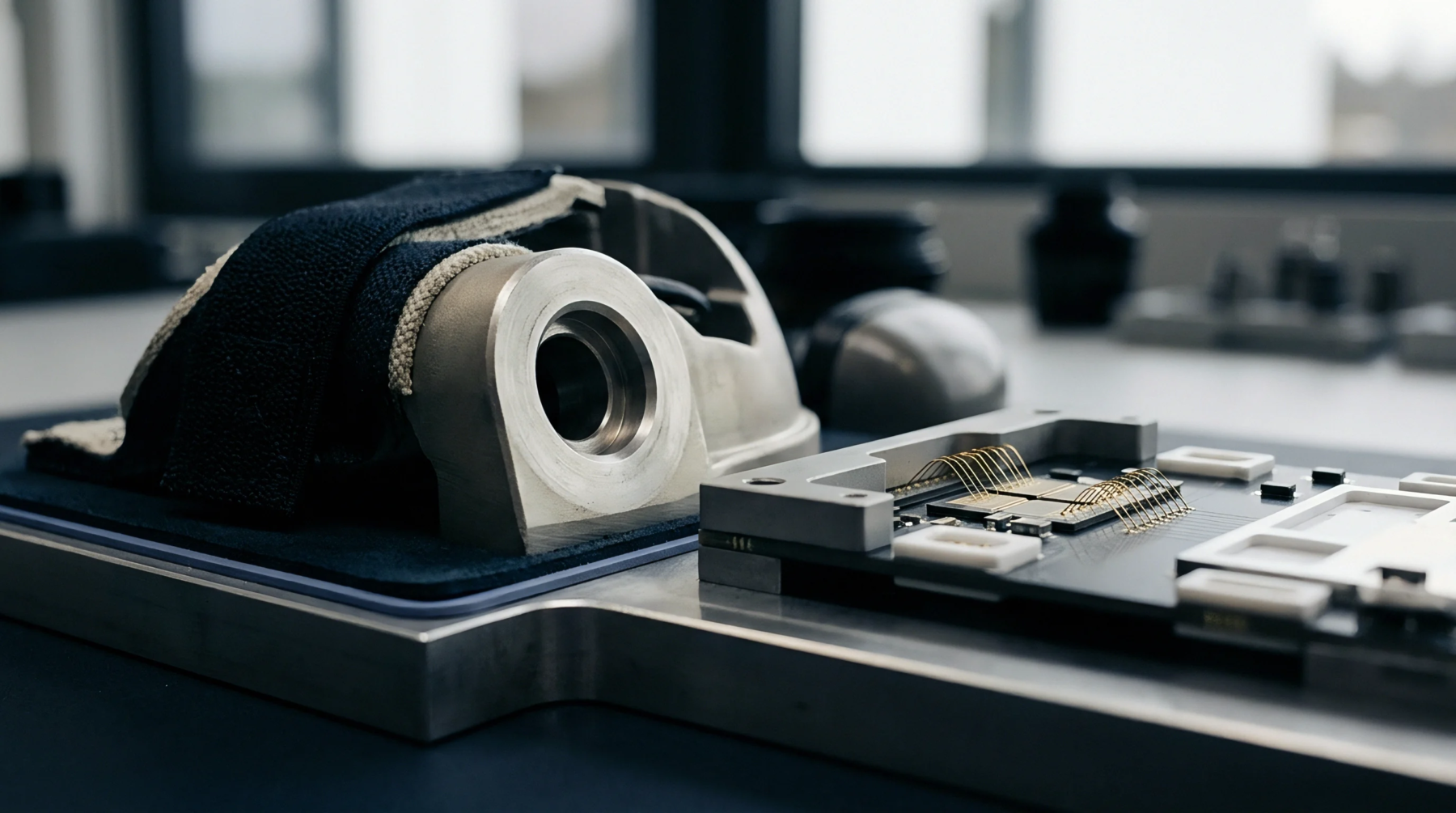
High-frequency transmission line loss is minimized by selecting ultra-low-profile copper foils and spread glass laminates to limit roughness and phase skew.
Quasi-optical free-space scattering extracts true bulk dielectric properties of unclad laminates without mechanical contact, preventing multi-layer panel scrap.
Mechanically spread glass prepregs eliminate periodic resin windows to suppress differential phase skew below 3 picoseconds across high-speed channels.
Mitigate high-speed differential phase skew by specifying dual-ply mechanically spread glass like 1078 or angled panel fabrication to equalize dielectric constant.
Phase velocity matching in differential routing requires stripline geometry, spread-glass laminates, and open-pitch tuning bumps placed near discontinuities.
Specify mechanically spread, dual-ply glass styles to eliminate weave windows, suppress phase skew, and maintain consistent characteristic impedance.
Controlling dielectric skew and PAM4 timing jitter requires spread low-Dk glass styles, HVLP copper, and angled trace routing to hold signal phase alignment.
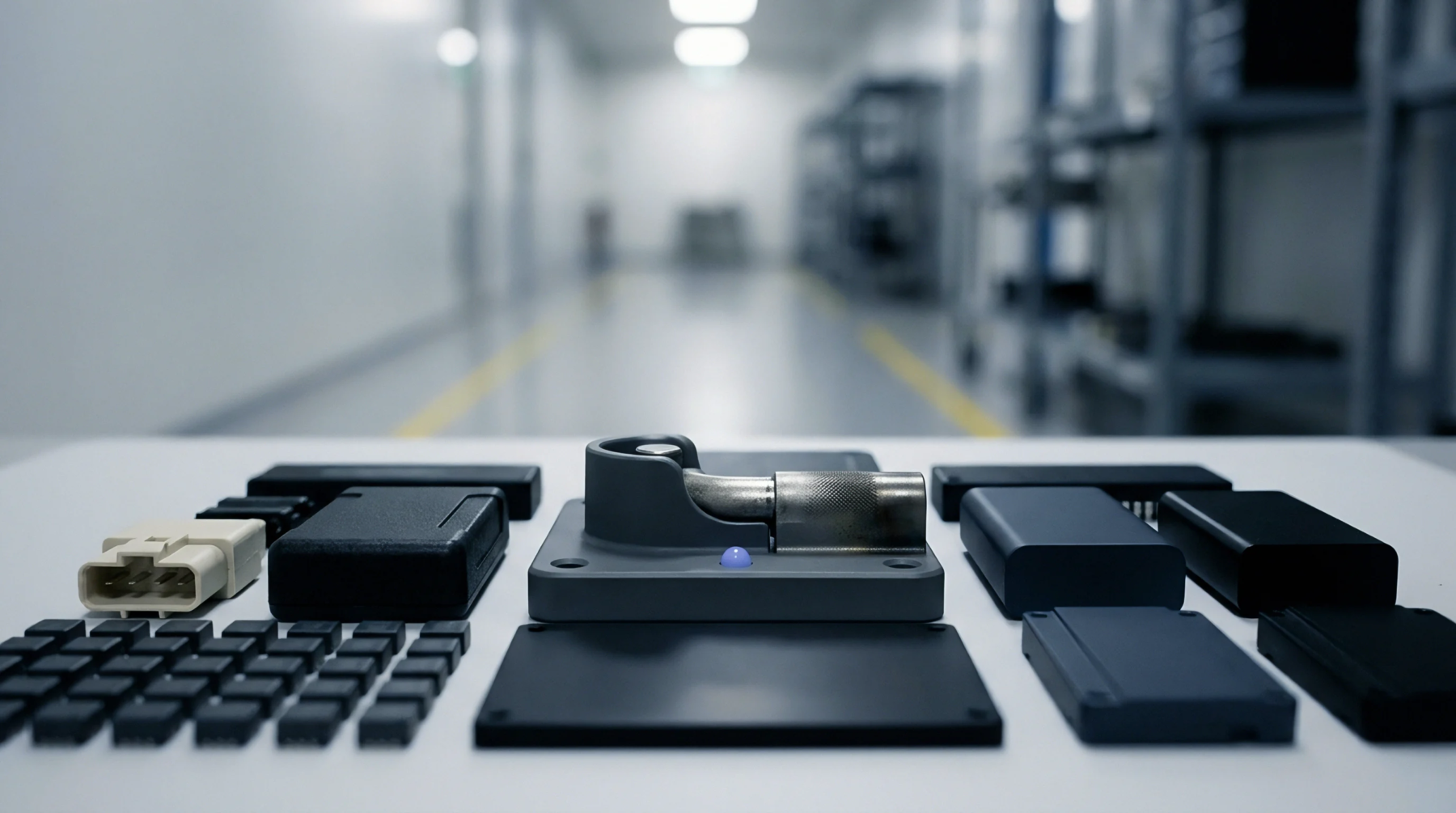
Optimize multi-gigahertz stackup phase jitter by specifying mechanically spread glass fabrics, matched thermal resins, and off-axis panel trace layout.

High density SMT pad parasitics cause local impedance drops up to 12.8 Ohms, requiring TDR coupon extraction and de-embedded S-parameters to verify signal limits.
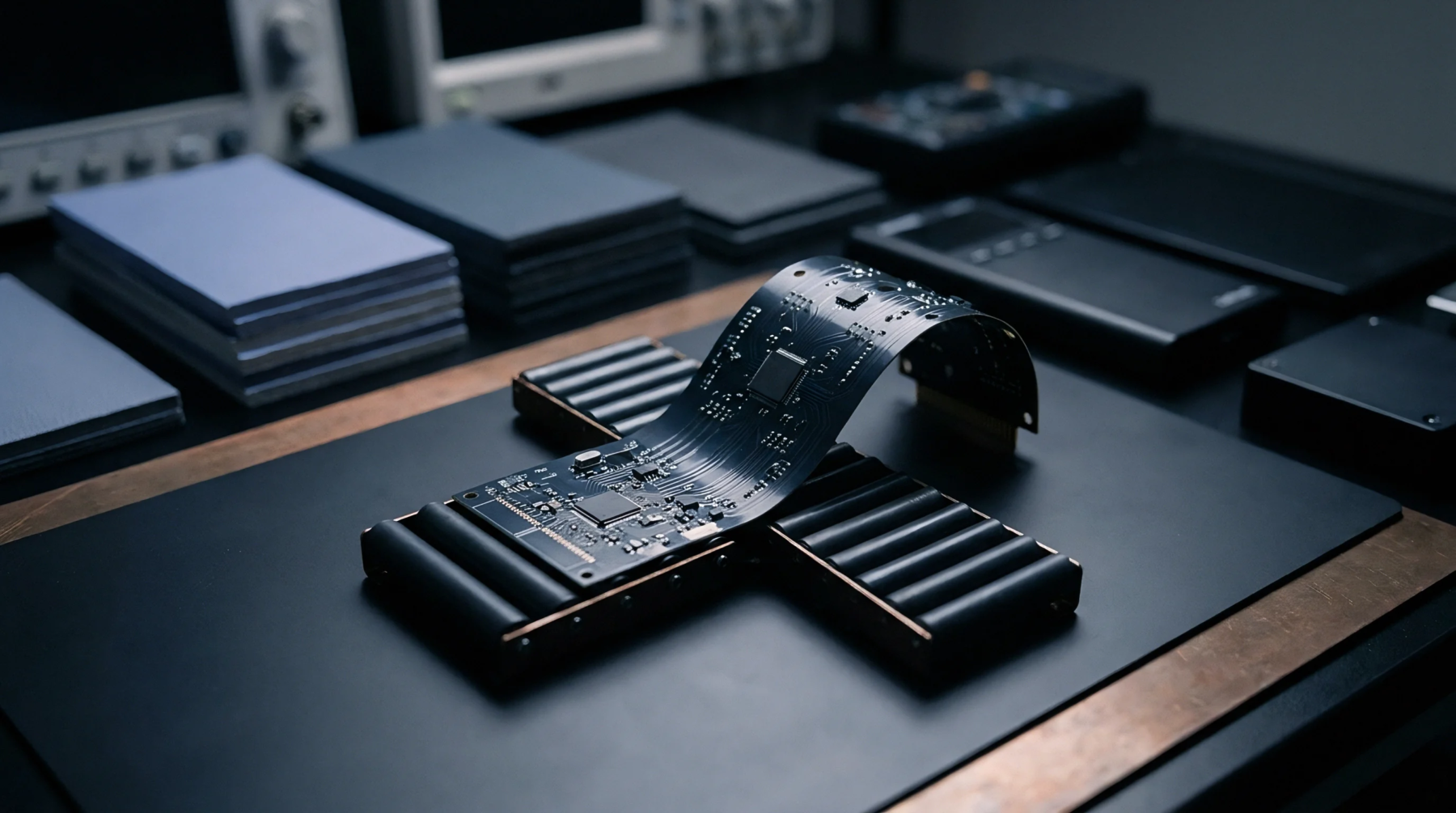
Spread prepreg selection controls PAM4 intra-pair skew by eliminating dielectric pitch gaps across high-speed differential signal traces.
Glass weave mechanics induce differential skew through spatial Dk variations; spread glass and off-axis routing mitigate phase jitter at high data rates.
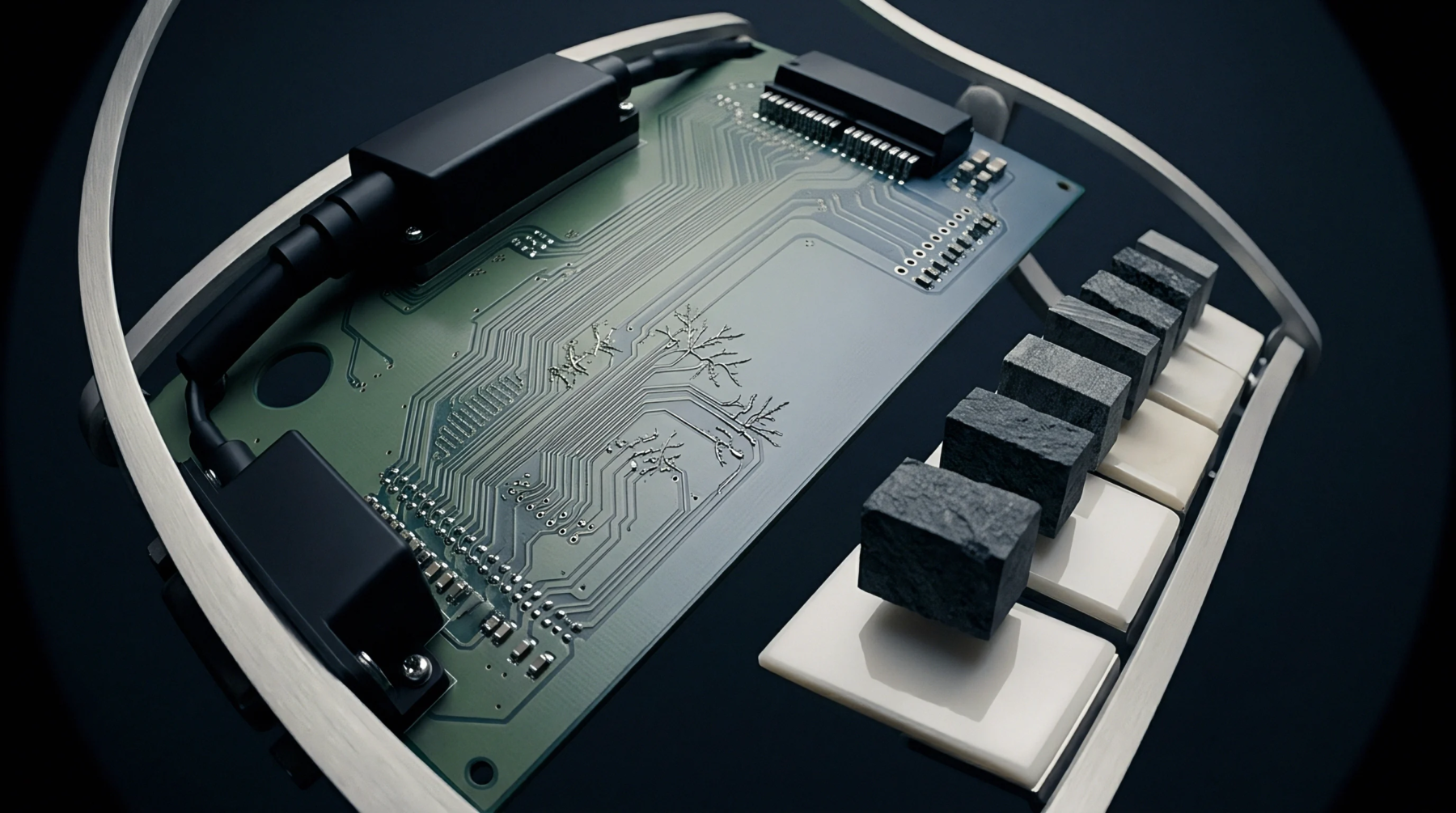
Interfacial shear strain concentrates along ultra-low-profile differential conductor edges during thermal cycling, causing delamination and phase skew.
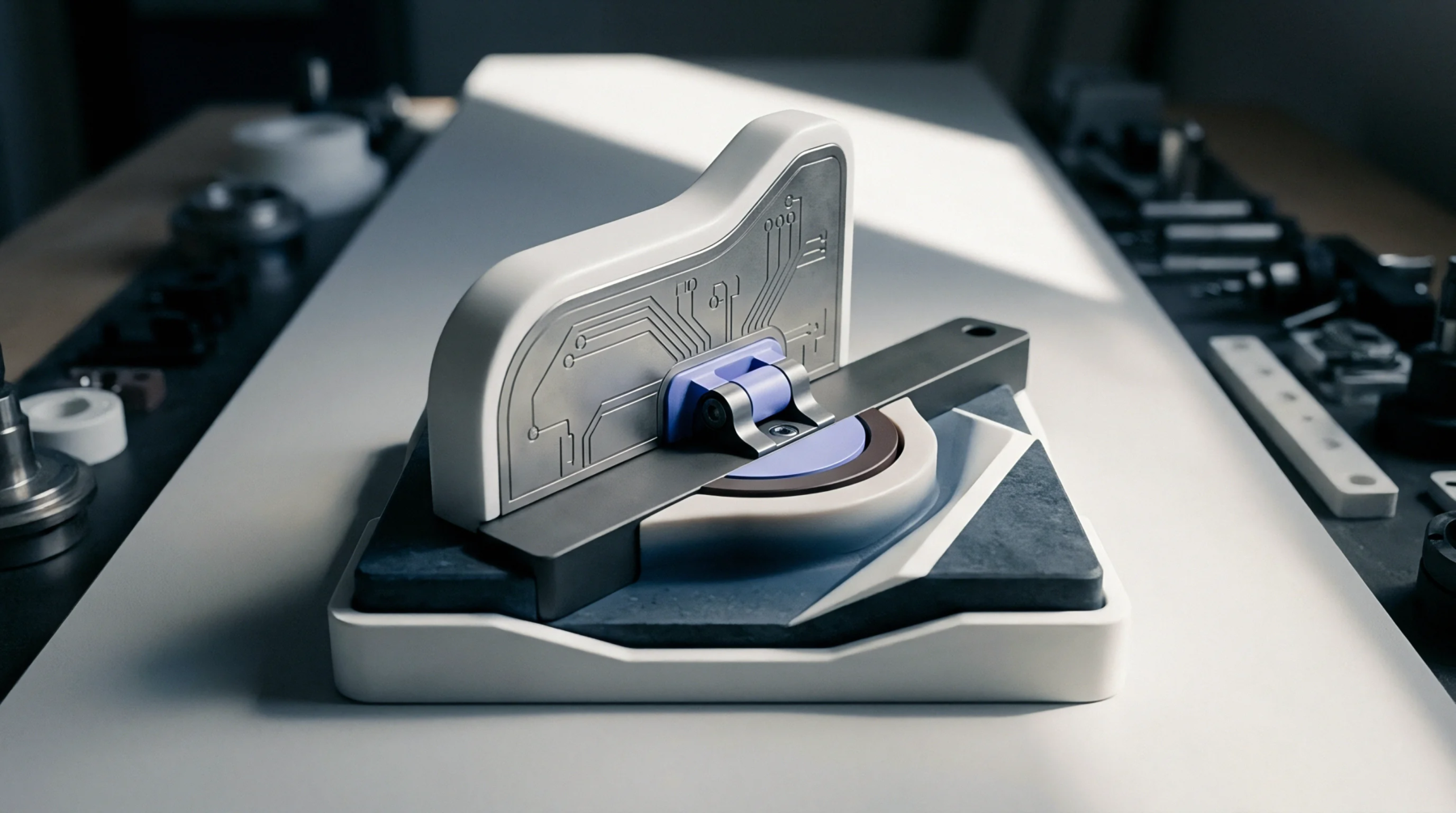
Test point parasitic capacitance creates localized low-impedance discontinuities that increase insertion loss and jitter on high-speed PCB traces.
Dynamic electrothermal permittivity drift shifts asymmetrical stripline impedance and phase velocity when uneven losses establish vertical heat gradients.
Monte Carlo sensitivity analysis maps laminate and etch variations into statistical yield predictions, replacing nominal impedance guesses with reliable tolerance bounds.
Expertise is a utility, not a secret. sentiention™ publishes its working knowledge as open reference: intelligence layer covering the materials it sources, the markets it enters, and the reference that serves both.