
Ground Layer Conductive Losses in High Frequency Substrates
Ground layer conductive losses at high frequencies depend primarily on copper foil surface roughness profiles and reference current loop paths.
Ground layer conductive losses at high frequencies depend primarily on copper foil surface roughness profiles and reference current loop paths.

Quasi-optical free-space scattering extracts true bulk dielectric properties of unclad laminates without mechanical contact, preventing multi-layer panel scrap.
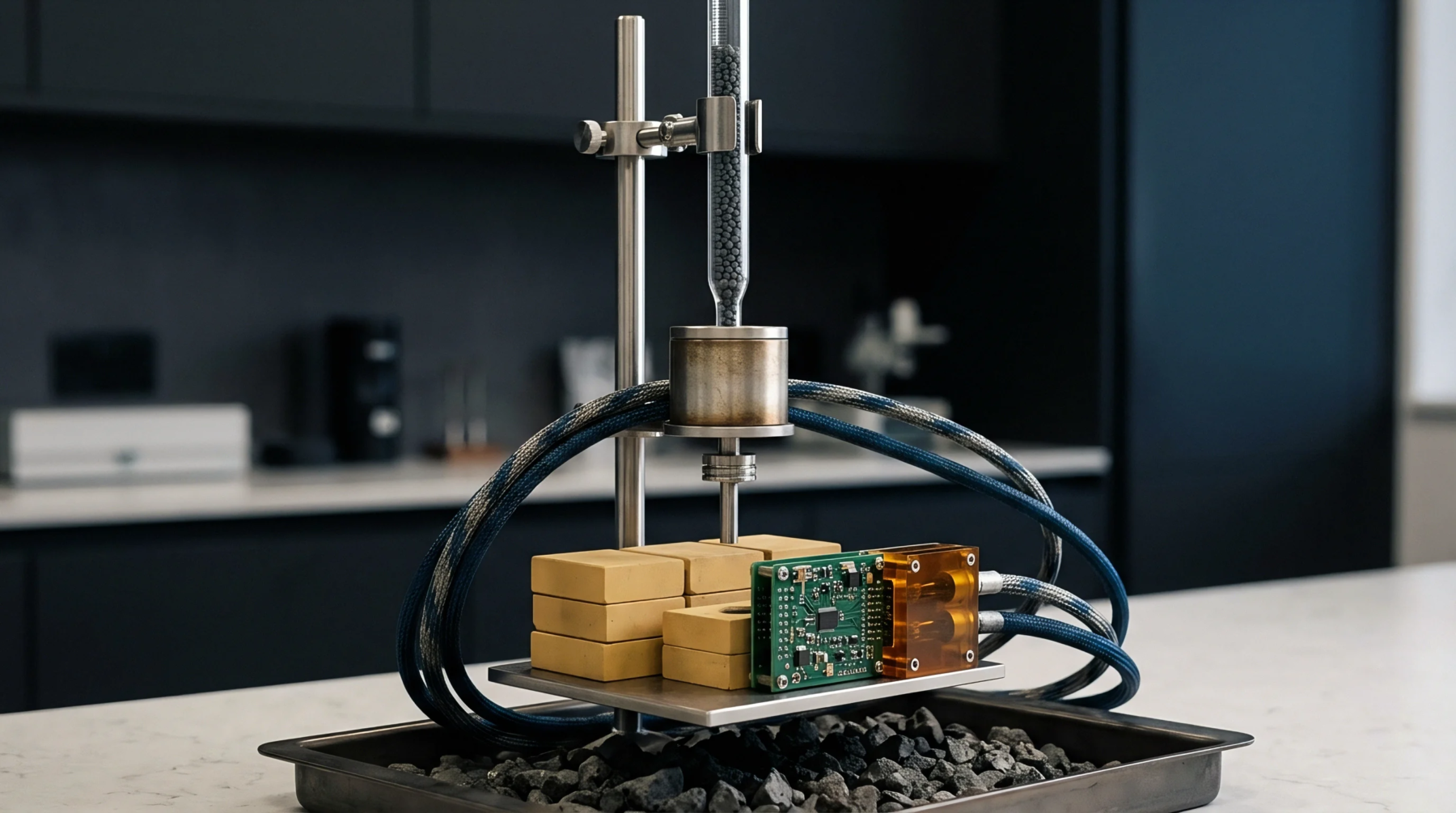
Non-destructive raw panel permittivity evaluation screens dielectric constant variations before lamination, securing impedance yields and material vendor returns.
Spatial intrinsic density drift in amorphous dielectrics causes localized permittivity shifts, demanding multi-point coupon cavity resonance testing for release.
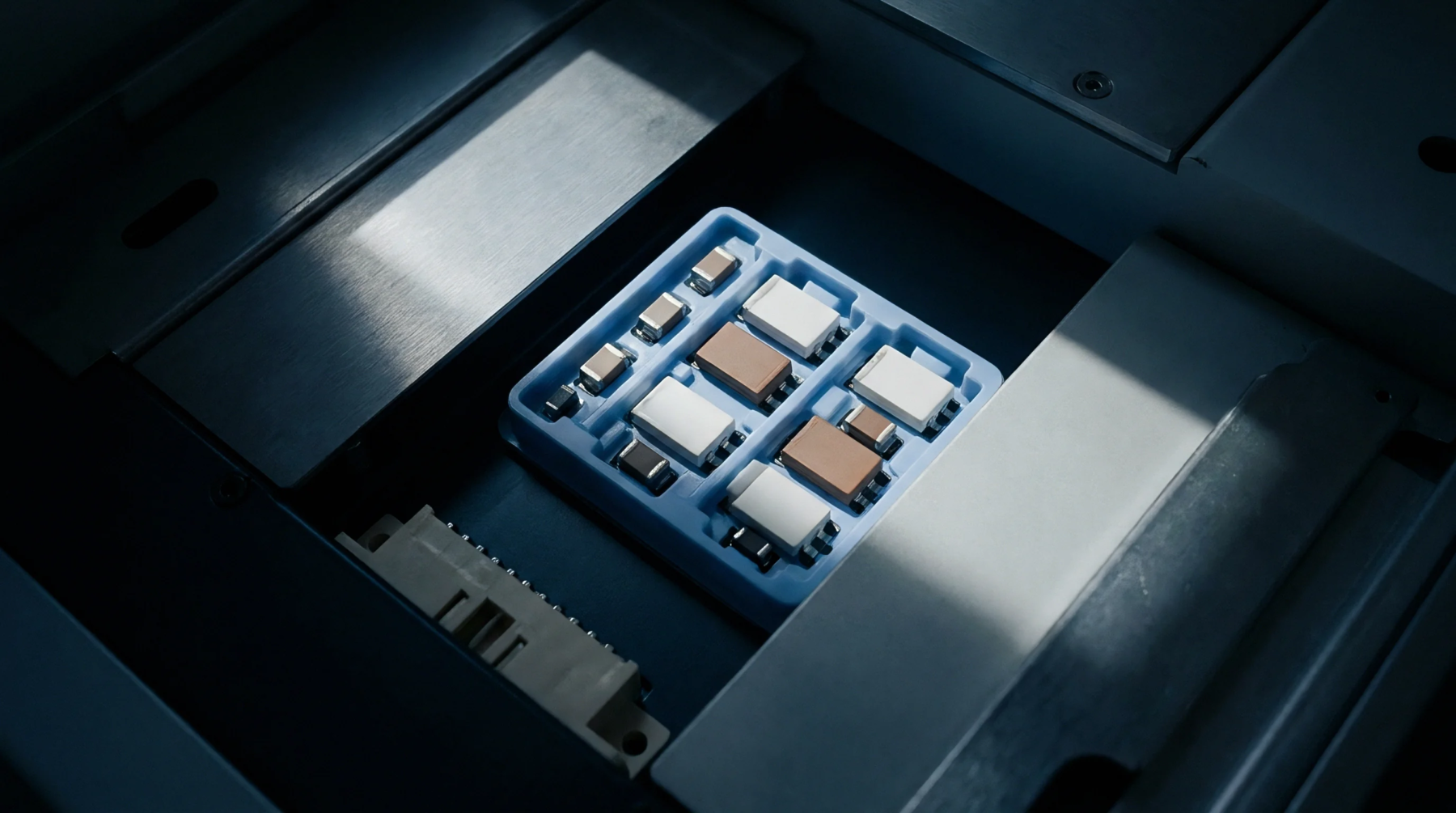
Compressive loading shifts high-frequency substrate permittivity tensors, requiring anisotropic tensor qualification to prevent phase drift.

Residual strain in ultra-thin buildup substrates dilates resin matrices, lowering relative permittivity and shifting millimeter-wave impedance off target.

Sequential lamination forces dielectric constant downward by two percent per press pass, compelling fabricators to bias initial prepreg thickness nominals.

Ultra-low skew core performance depends on spread-glass symmetry and flat resin temperature coefficients to prevent thermal phase jitter in high-speed links.

Glass weave mechanics induce differential skew through spatial Dk variations; spread glass and off-axis routing mitigate phase jitter at high data rates.

Radial resin displacement during lamination alters local glass fraction, demanding spatial impedance modeling across full panels to prevent RF phase yield loss.

Split post dielectric resonators measure in-plane core permittivity non-destructively, preventing impedance shifts caused by glass weave anisotropy.

Sub-fifty-micrometre dielectric metrology requires edge fringing subtraction and Huray surface topography modeling to prevent massive impedance scrap.
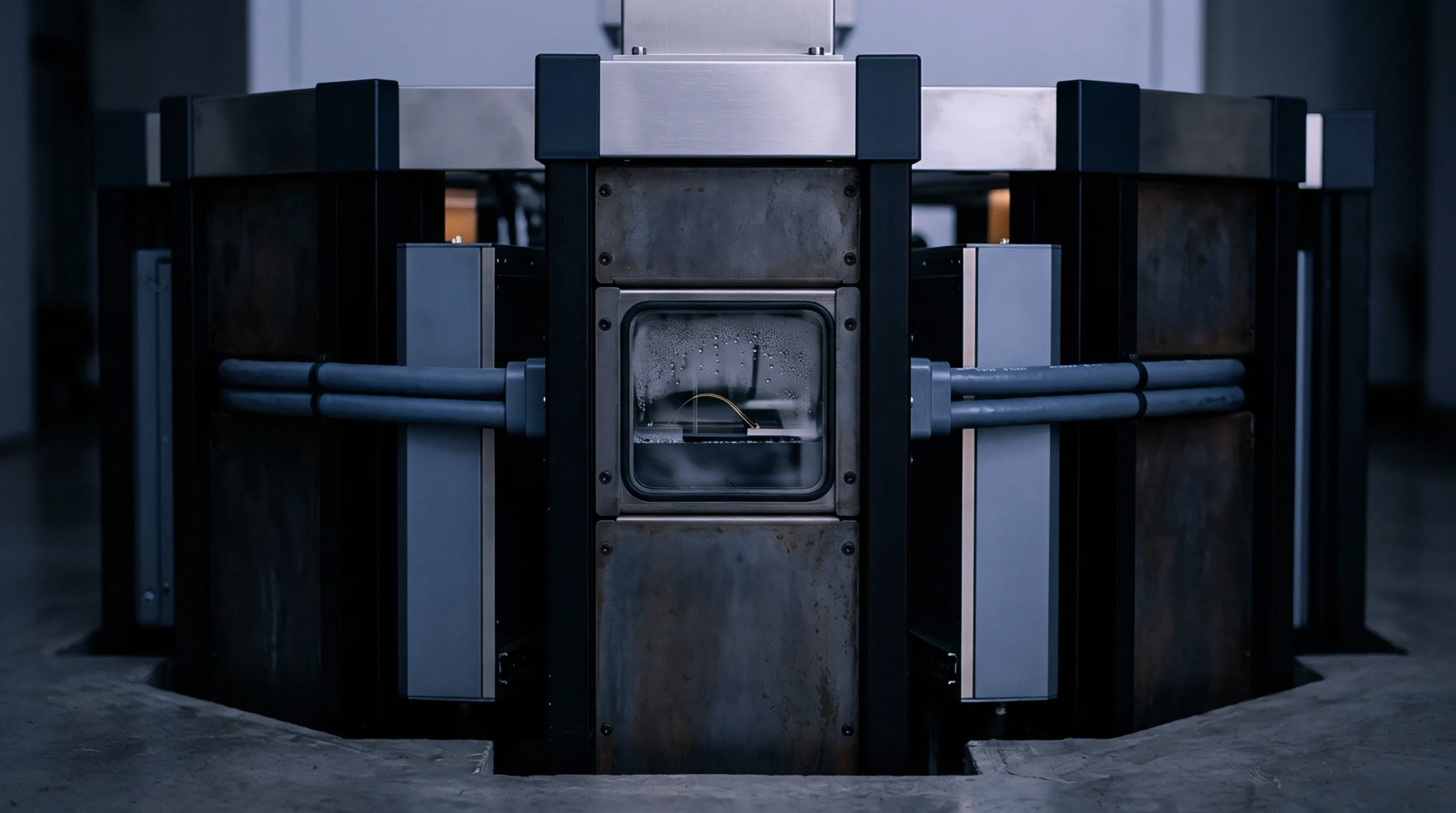
Dielectric anisotropy and thermal drift alter modal phase velocities, demanding tensor based modeling and angle routing to protect high speed signal timing.

Anisotropic glass-resin matrices induce spatial permittivity shifts that degrade millimeter-wave phase velocity unless controlled by spread plies and foil choice.

Dynamic temperature co-optimization of dielectric relaxation spectra prevents thermal phase skew and impedance steps in high-frequency package substrates.

Loss tangent increases sharply near glass transition temperature, driving thermal eye closure and insertion loss drift that demand elevated-temperature coupon screens.
Integrating orthotropic dielectric tensors into full-wave solvers aligns simulated phase delay with production panels, eliminating scrap from unmodeled skew.
Anisotropic permittivity characterization isolates out of plane dielectric constants from in plane vectors to prevent high speed trace impedance mismatch.
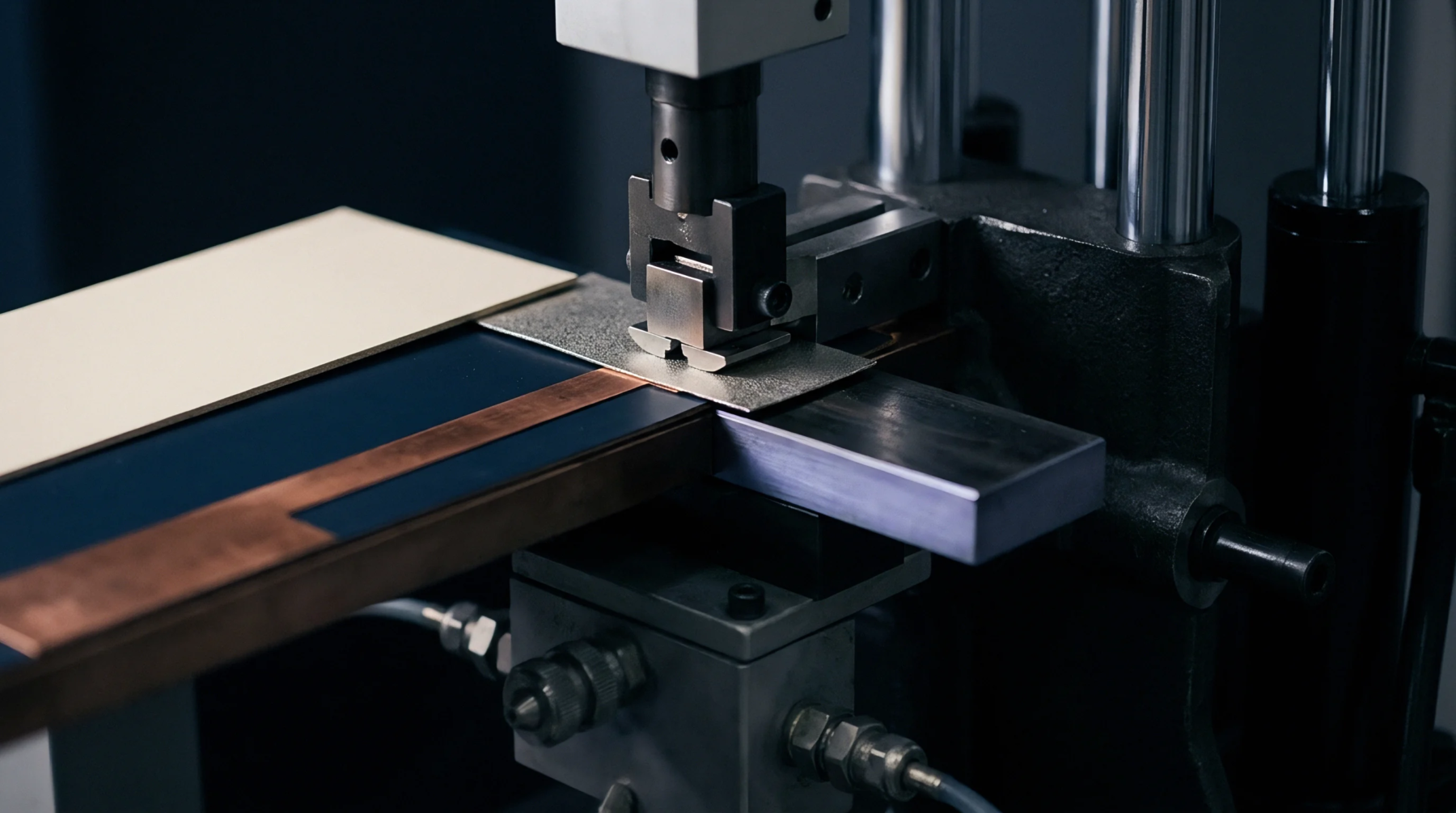
Non-linear interphase polarization causes unmodeled phase drift in sequential multilayers; accounting for this gradient restores millimeter-wave array yields.
Interphase chemical treatments and moisture uptake double millimeter-wave dielectric loss in fluorinated polyimides, requiring multi-pole gradient modeling.
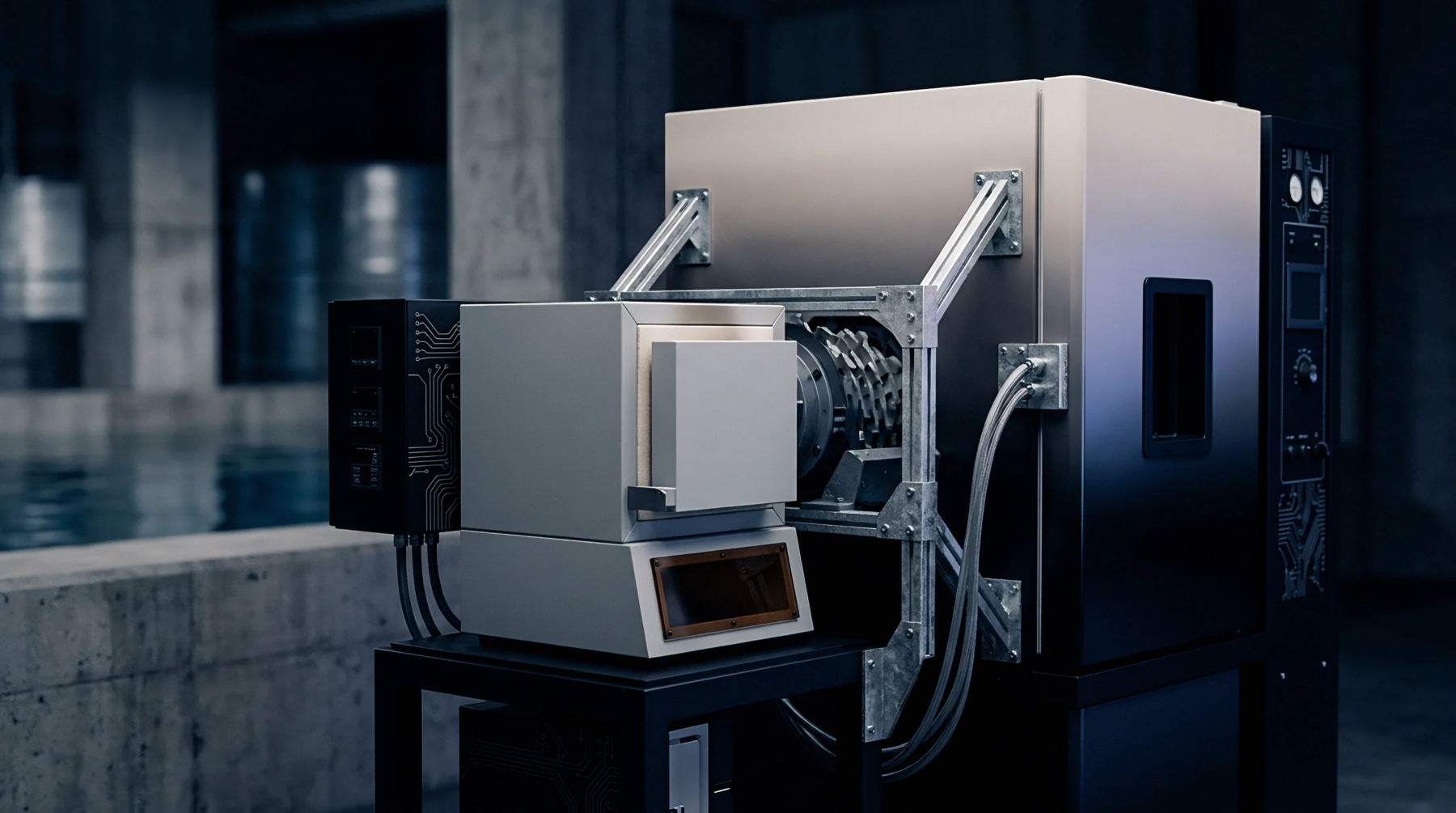
Low-profile copper foils reduce high-frequency conductor loss by minimizing surface roughness path extension, trading signal integrity against peel strength.
Low-Dk glass reduces transmission line phase velocity skew and composite dielectric constant across multi-gigabit links while adding laminate sheet surcharges.
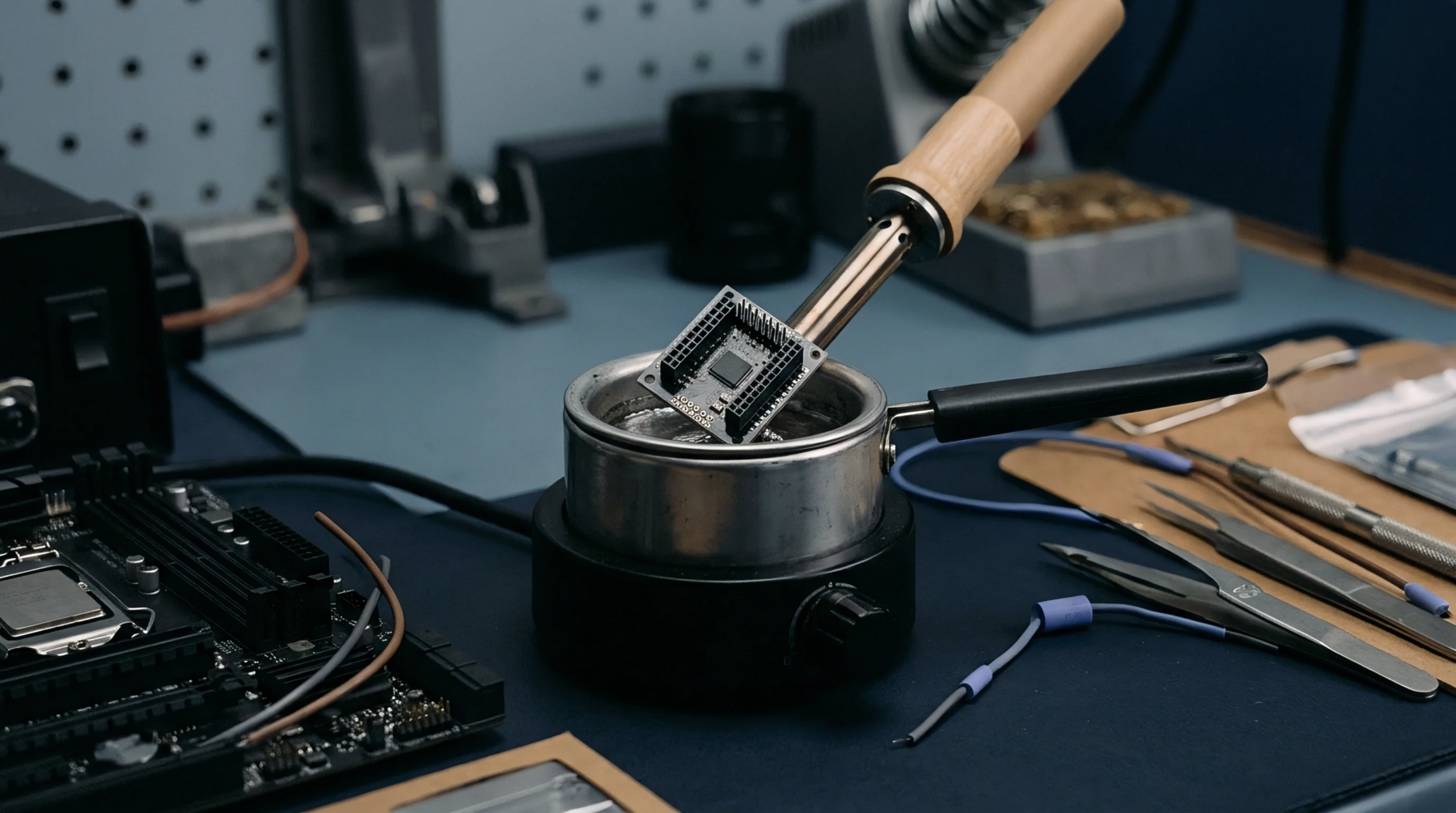
Enforce wideband Svensson-Djordjevic causal dispersion modeling linked to measured foil tooth profiles to maintain five percent impedance windows across volume panels.
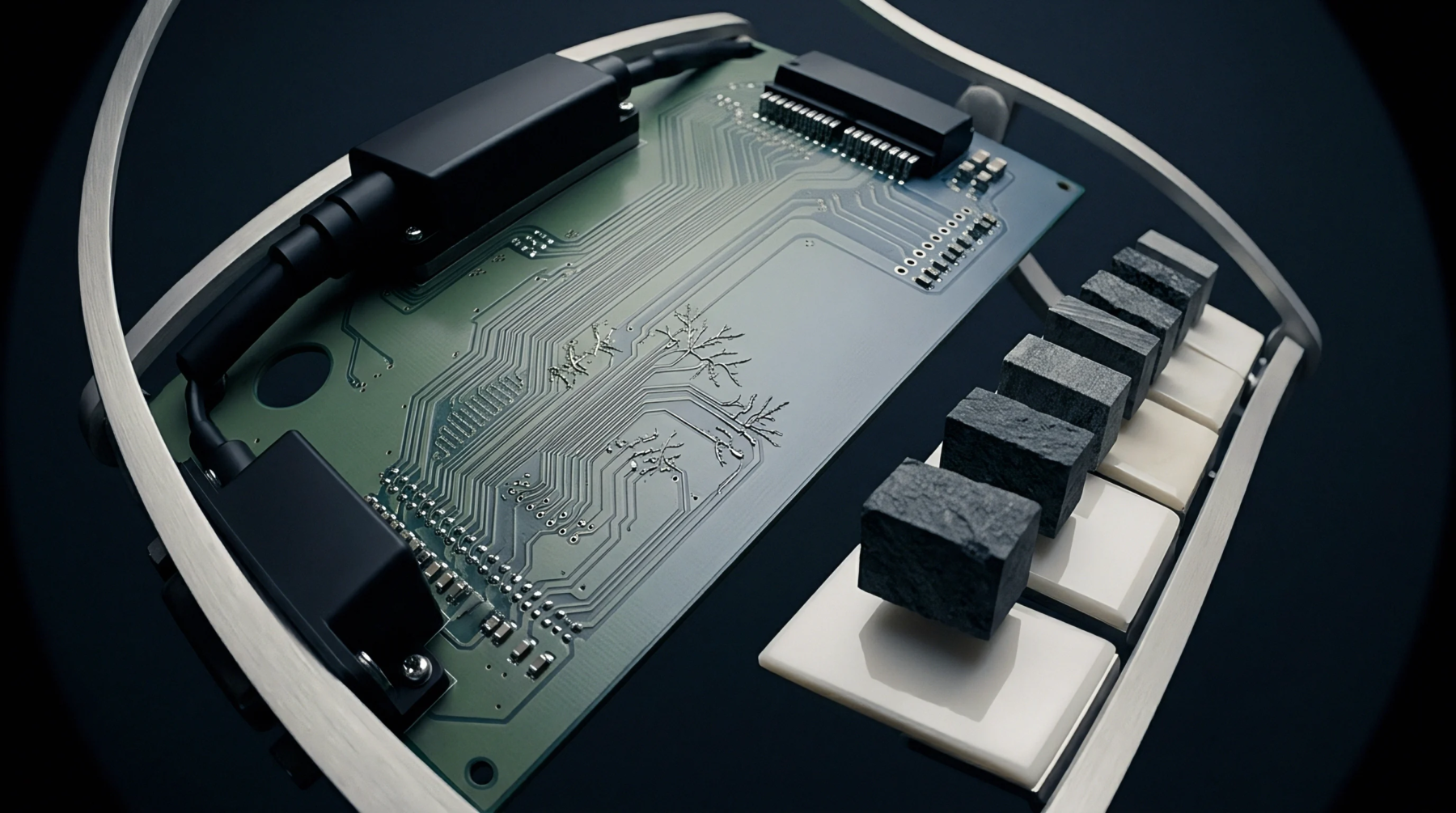
Synthetic quartz reinforcement cuts laminate dielectric loss and thermal expansion while demanding custom drill parameters and carrying a steep raw material cost.
Expertise is a utility, not a secret. sentiention™ publishes its working knowledge as open reference: intelligence layer covering the materials it sources, the markets it enters, and the reference that serves both.