Dielectric Permittivity Modulations inside Mechanically Spread Glass Fabrics
Mechanically spread glass fabrics flatten yarn bundles to eliminate resin-rich windows, stabilizing relative permittivity and preventing high-speed differential skew.
Mechanically spread glass fabrics flatten yarn bundles to eliminate resin-rich windows, stabilizing relative permittivity and preventing high-speed differential skew.
Dynamic resin flow in thin core laminates governs post-press dielectric thickness, feature filling capability, and panel impedance uniformity.
Spread glass weaves minimize micro-spatial permittivity variations, stabilizing high-frequency phase delay when press thermal cycles are tightly controlled.
Spatial dielectric variation in glass laminates stems from weave periodicity and drives phase skew, requiring spread glass or angled routing to pass tight jitter budgets.
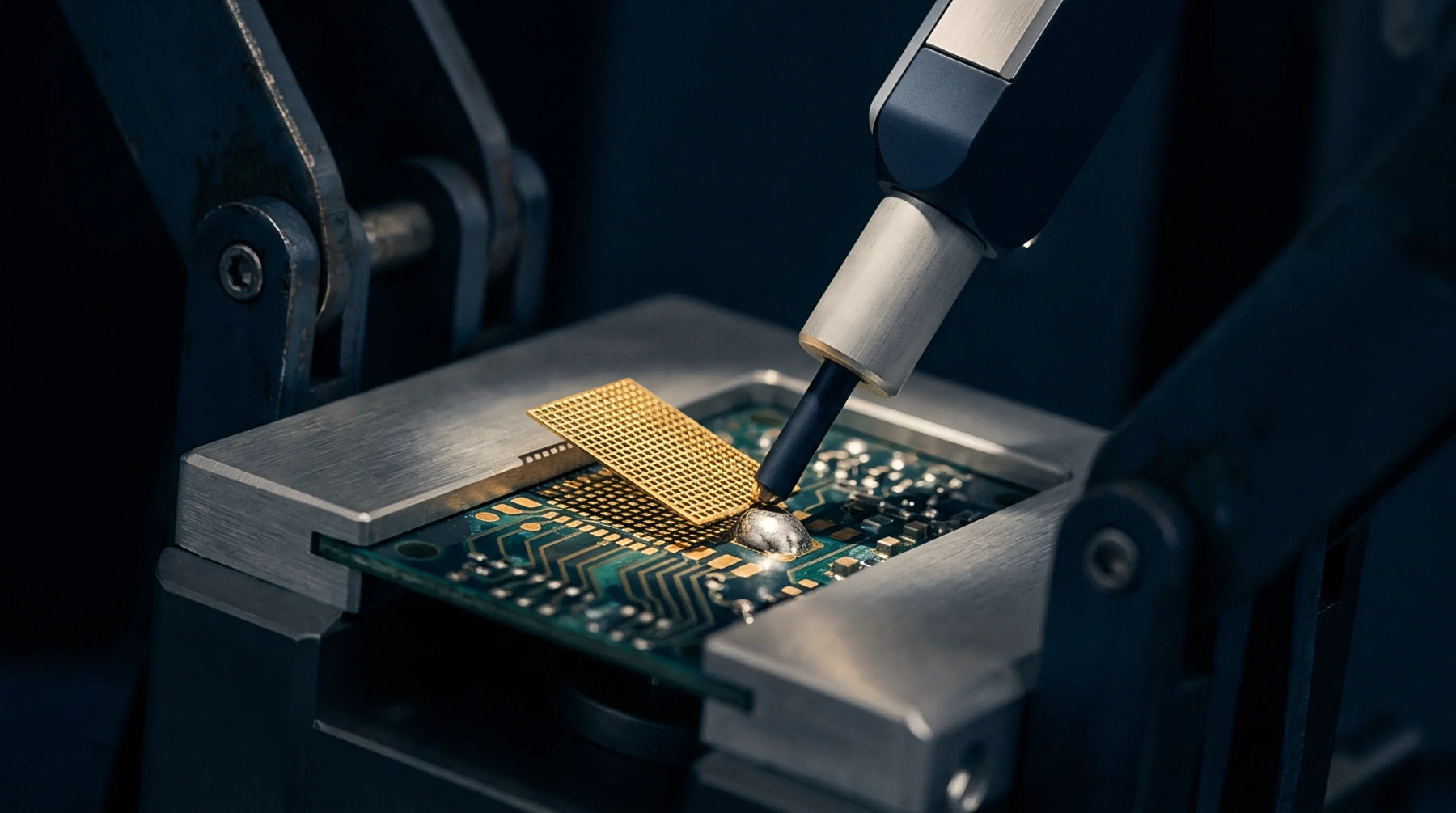
Select spread-glass prepreg and extract dielectric constants from TRL transmission line measurements to eliminate weave skew and impedance errors.
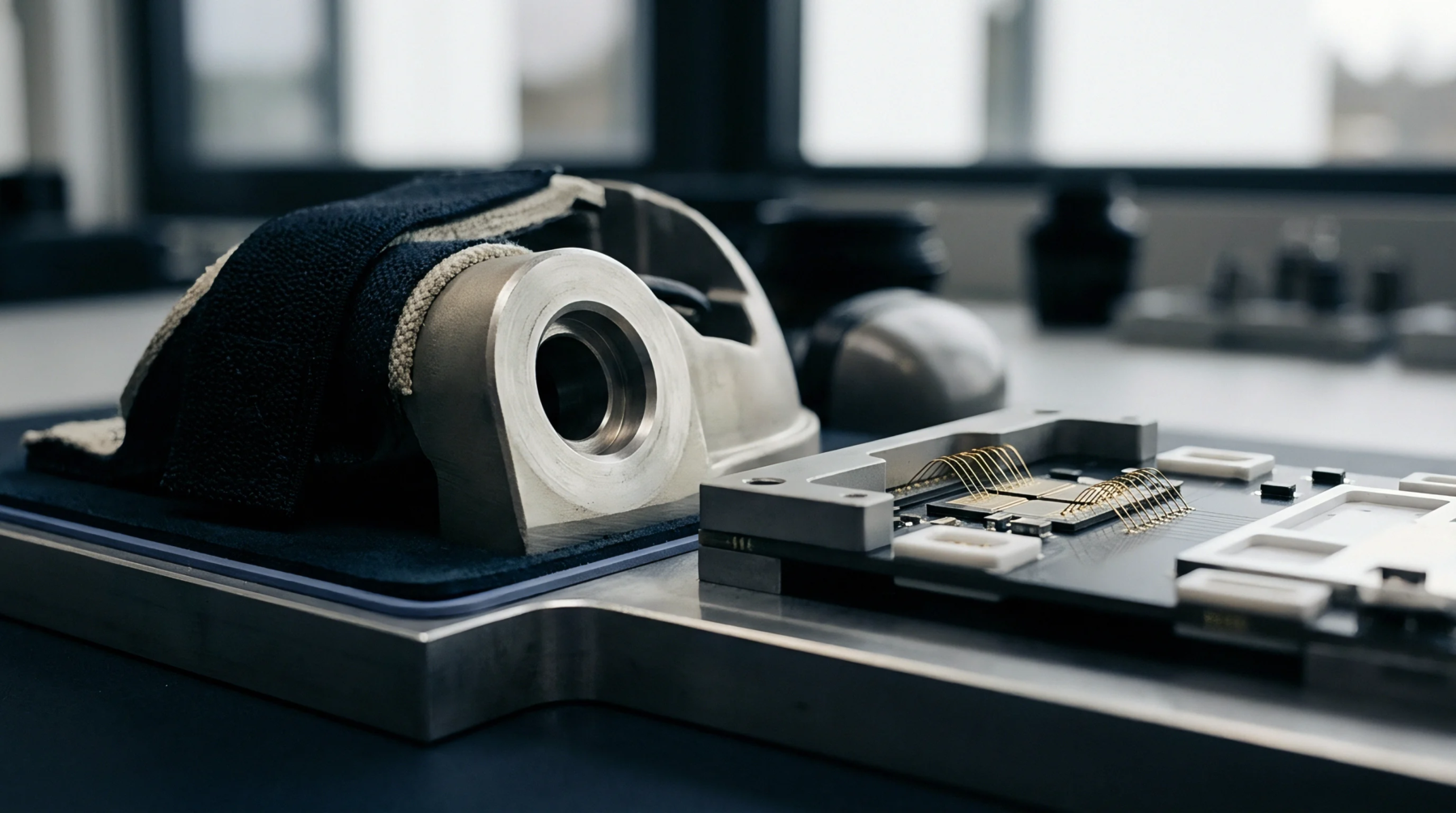
Selecting spread glass fabrics and controlling resin distribution tightens microstrip relative permittivity tolerances, eliminating differential phase skew.
Adhesiveless hydrophobic polyimide interfaces reduce high-frequency dielectric attenuation by suppressing moisture uptake and eliminating lossy acrylic adhesive layers.
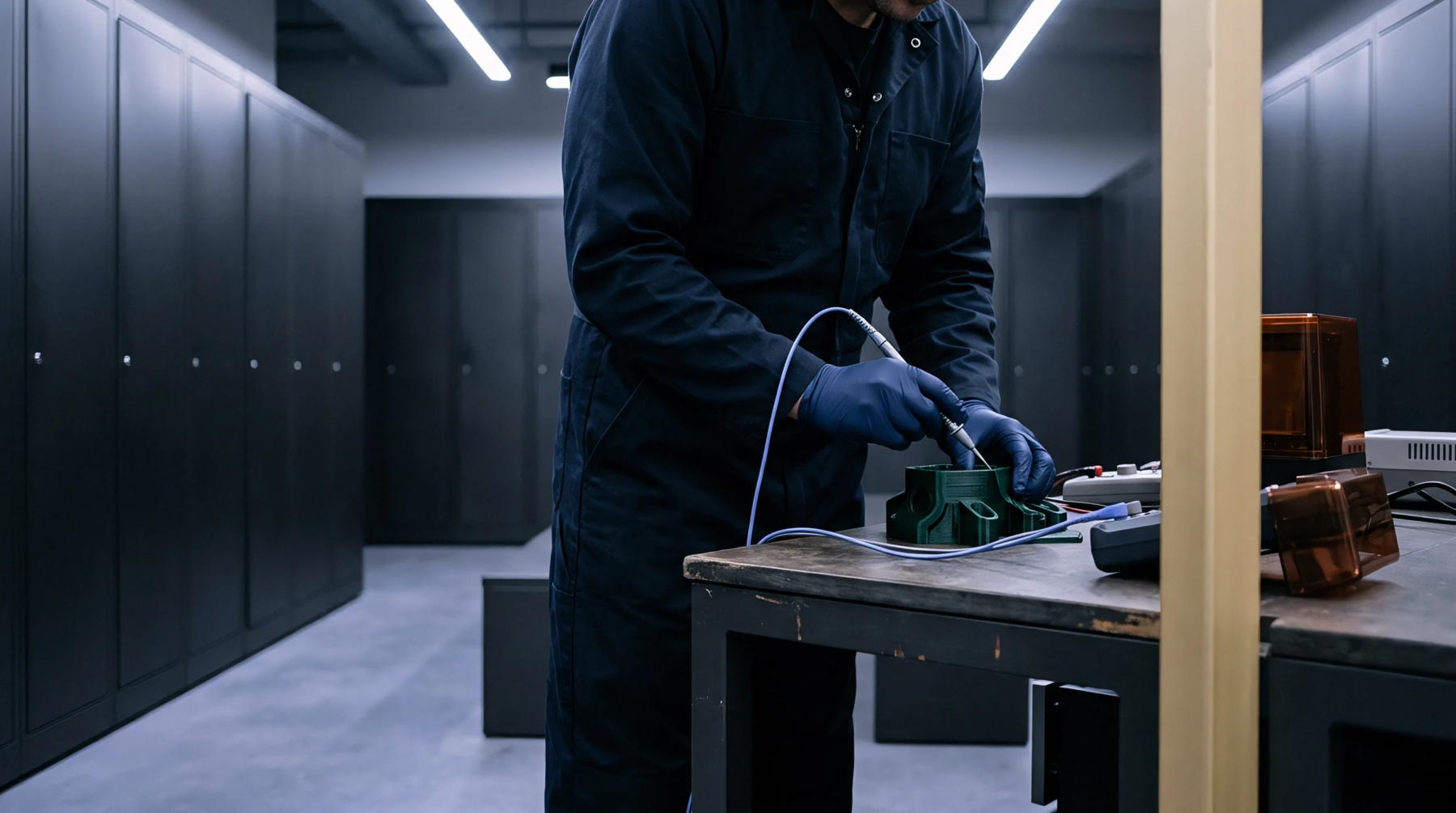
Directional dielectric permittivity variance in multilayer laminates requires evaluating in-plane and out-of-plane Dk tensors to prevent impedance errors.
Sequential lamination elevates Z-axis permittivity via resin compaction and thermal cross-linking, requiring pre-compensated CAD trace widths per layer pass count.
Multilayer directional permittivity variance causes stripline capacitance shifts that must be corrected by modeling in-plane and out-of-plane dielectric constants separately.
Substrate copper roughness exceeding skin depth dampens cavity quality factor by extending surface current paths, demanding 3D surface area profiling and incoming batch screening.
Spatial resin gradients in heterogeneous cores alter localized permittivity, requiring spread-glass selection and off-axis trace routing to control high-frequency phase skew.
Mid-loss laminates optimize high-speed signal reach between 5 and 28 Gbps by controlling dielectric loss without imposing low-loss fluoropolymer costs.

Anisotropic permittivity variations in glass filament bundles under thermal cycling and moisture exposure are driven by silane interphase degradation, requiring spread-glass weaves and dynamic tensor modeling to prevent high-speed differential skew.
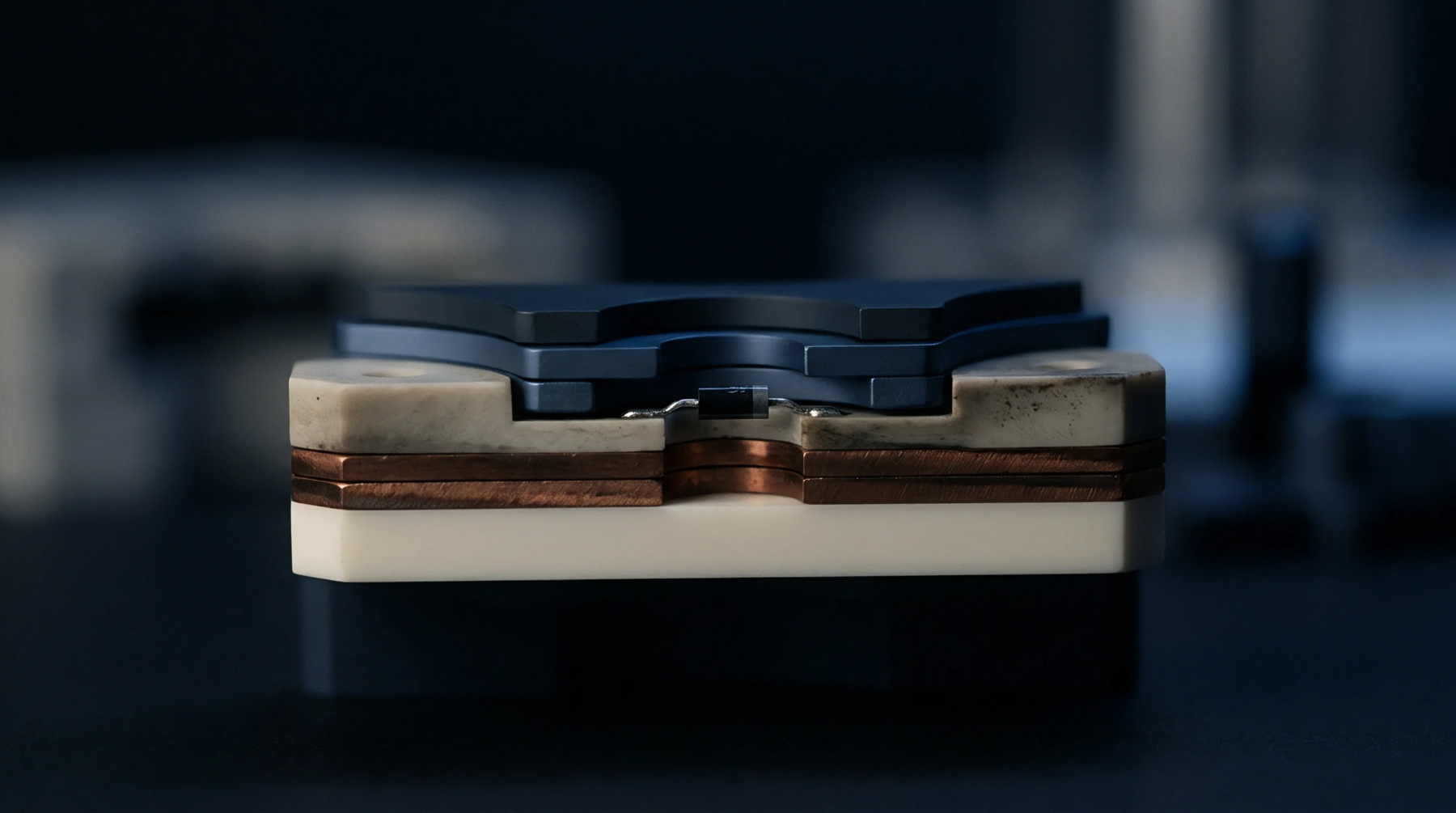
Substrate dielectric drift alters high-frequency signal phase velocity and impedance under thermal stress, requiring flat TCDk resin selection to hold timing margins.
Resolving high-frequency dissipation factor degradation requires specifying hydrophobic organosilane treatments on low-loss glass fabrics with strict vacuum desiccation protocols.
Controlling master panel resin flow gradients stabilizes dielectric tensor anisotropy and prevents high-frequency parametric yield collapse.
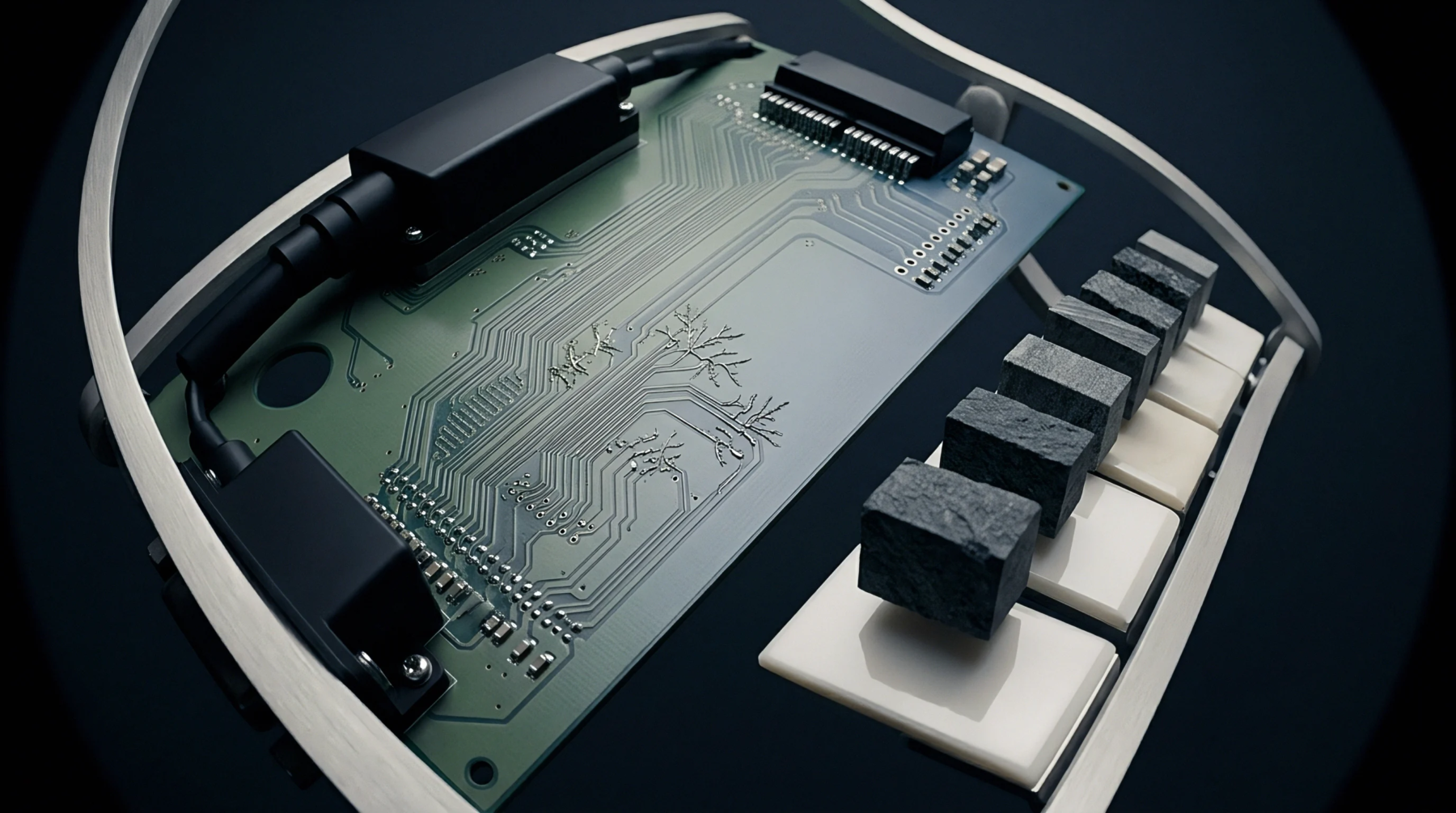
Out-of-plane permittivity in glass-reinforced multilayer stackups runs lower than datasheet figures, requiring Z-axis test methods to hold impedance.
Selecting dielectric substrates requires balancing dissipation factor, glass weave uniformity, foil roughness, and panel yields to meet high-speed impedance targets.
Lead-free reflow shifts substrate permittivity by altering free volume and desorbing moisture, changing line impedance by up to 2.5 ohms on high-speed traces.
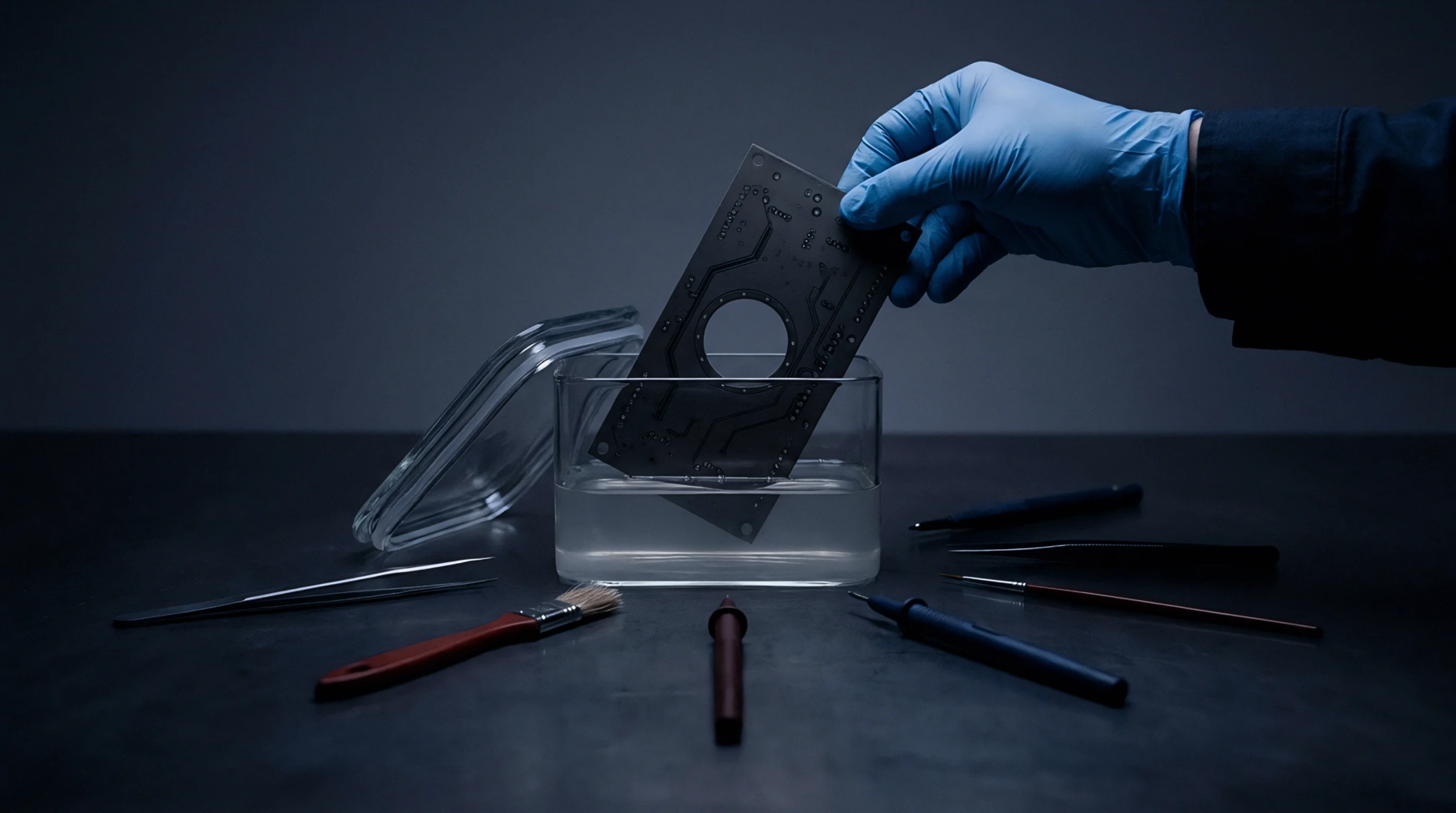
Quantifying phase velocity shift in glass weave substrates requires mapping fiber pitch against trace angle to control differential skew.
Spatial resin flow and glass weave density variations across woven laminate panels drive localized dielectric drift, requiring strict test protocols and explicit stackup drawing bounds.
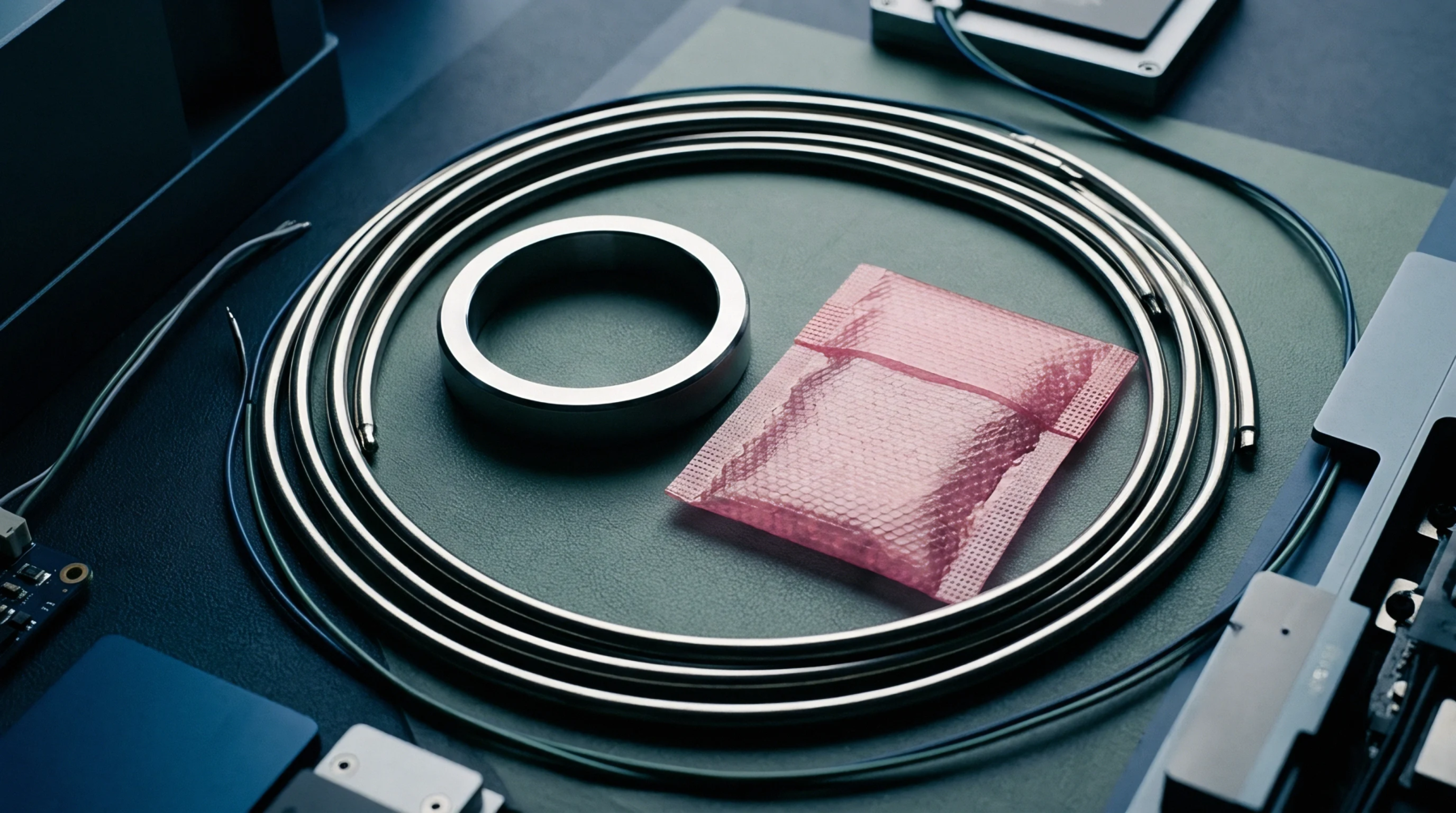
Sub-millimeter spatial dielectric variations from glass weaves and filler distribution shift dynamically under heat, requiring spread glass and low TCDk resins.
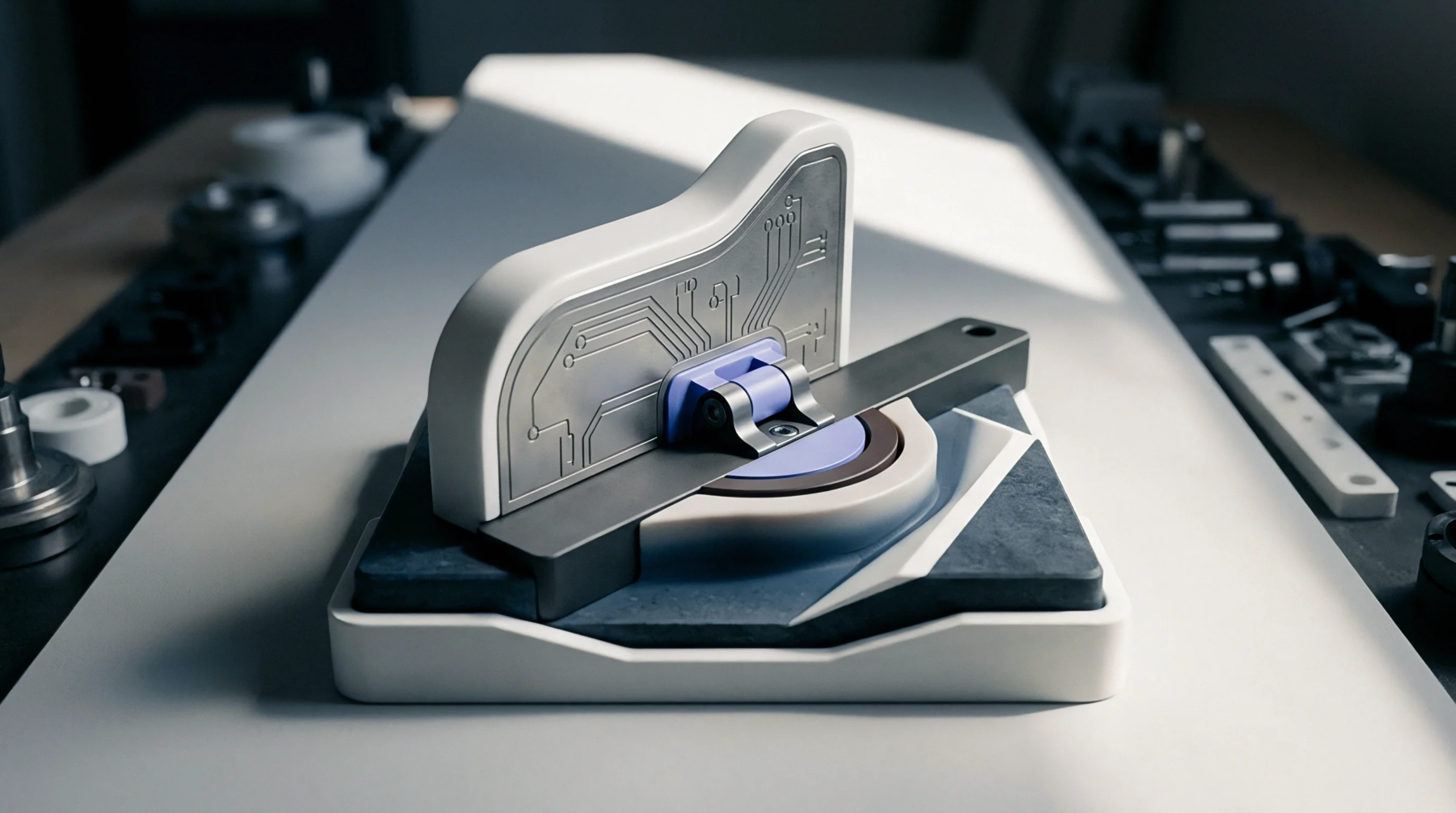
Accurate millimeter-wave substrate modeling demands 3D tensorial permittivity and causal frequency dispersion to prevent impedance and differential skew errors.
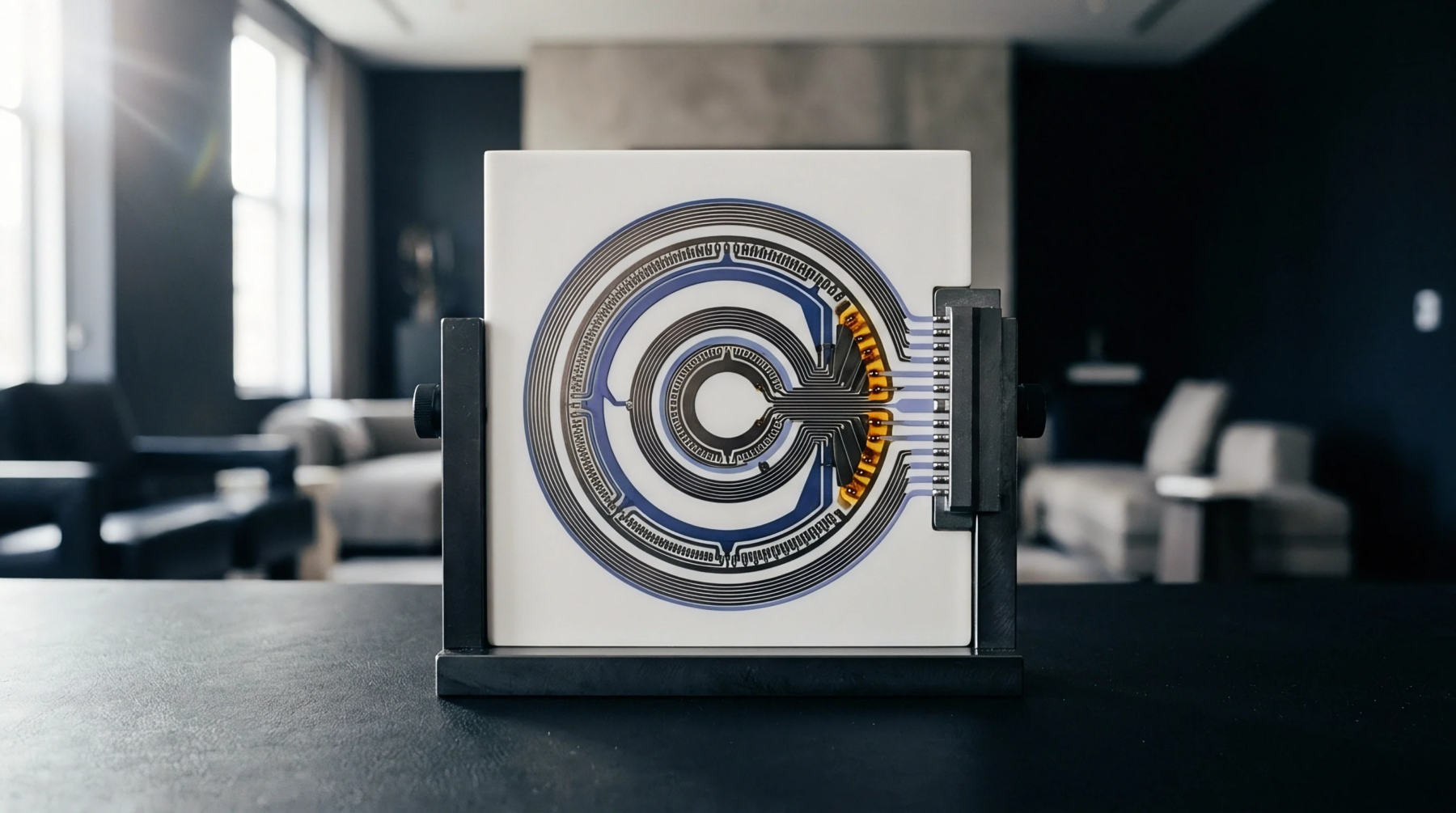
Standardizing low-Dk spread glass requires matching glass chemistry with mechanical yarn flattening to eliminate differential skew and fix impedance tolerances.
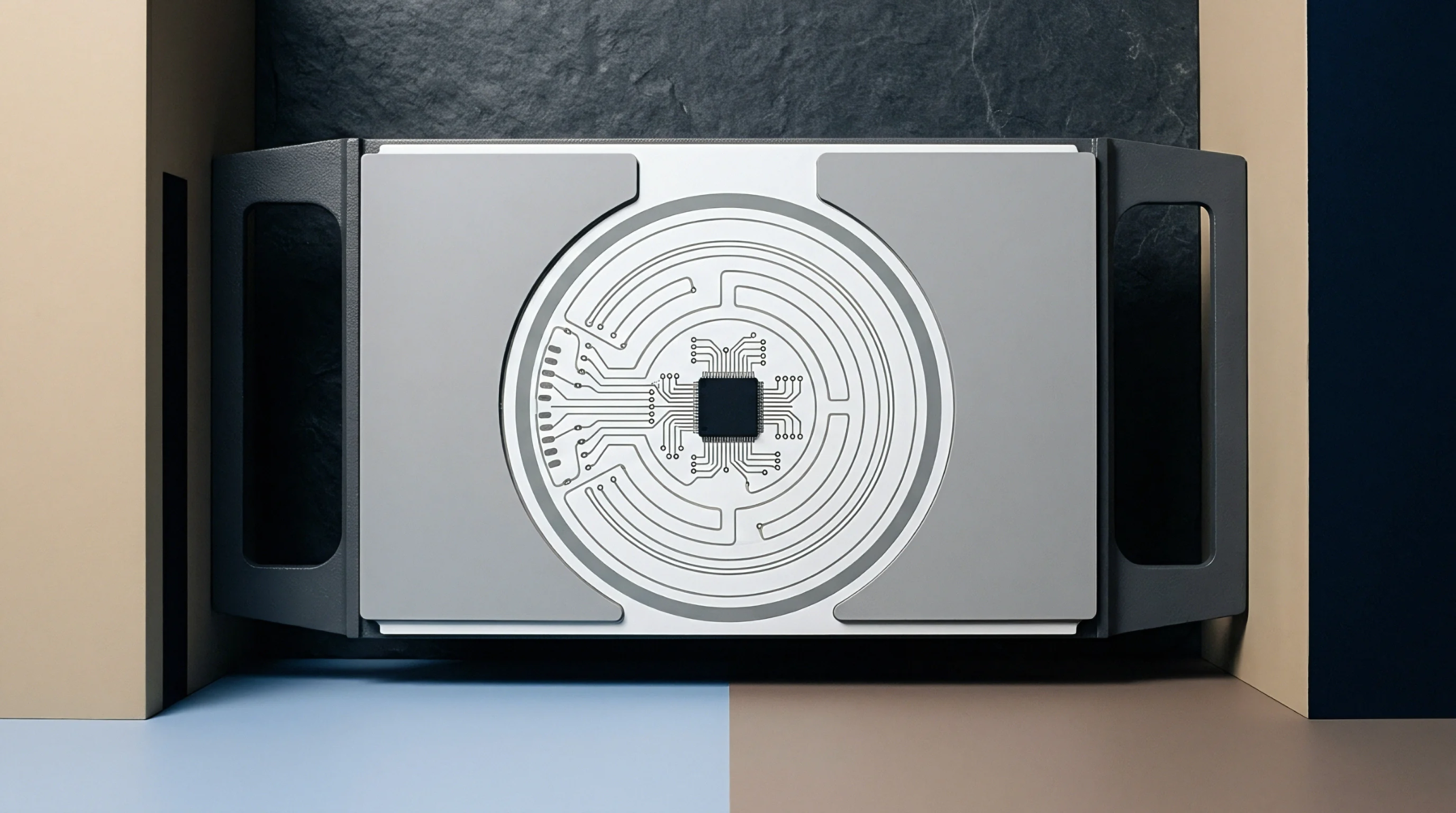
Sequential lamination induces non-linear dielectric relaxation at glass-resin interfaces, shifting Dk up to 0.14 and altering impedance by over 4 ohms.
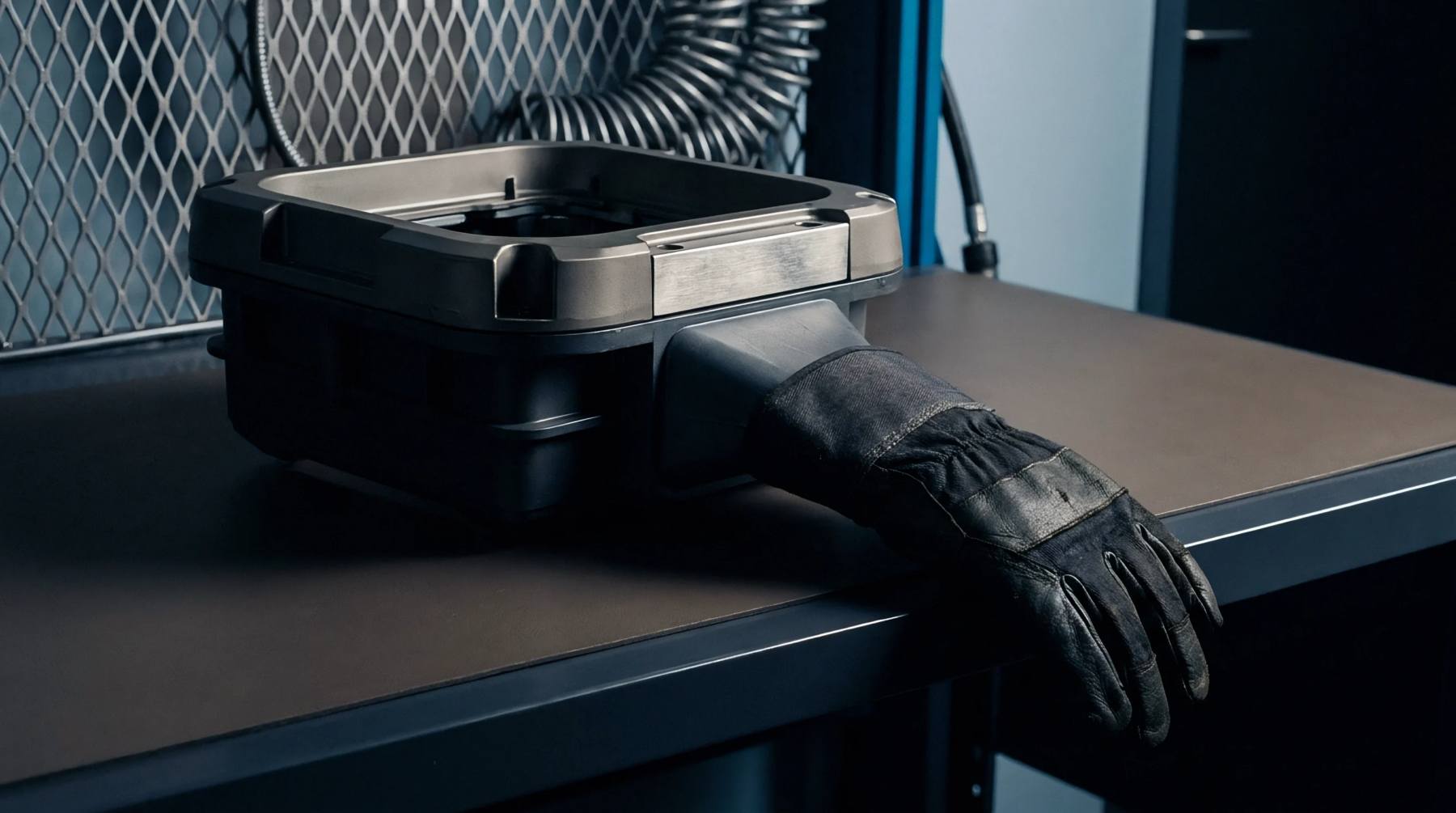
Anisotropic dielectric tensor modeling eliminates up to 8 ohm trace impedance errors and timing skew in high speed package substrates compared to isotropic models.
Evaluating laminate glass weave anisotropy requires specifying mechanically spread low-Dk glass styles and off-axis trace routing to eliminate spatial phase skew.
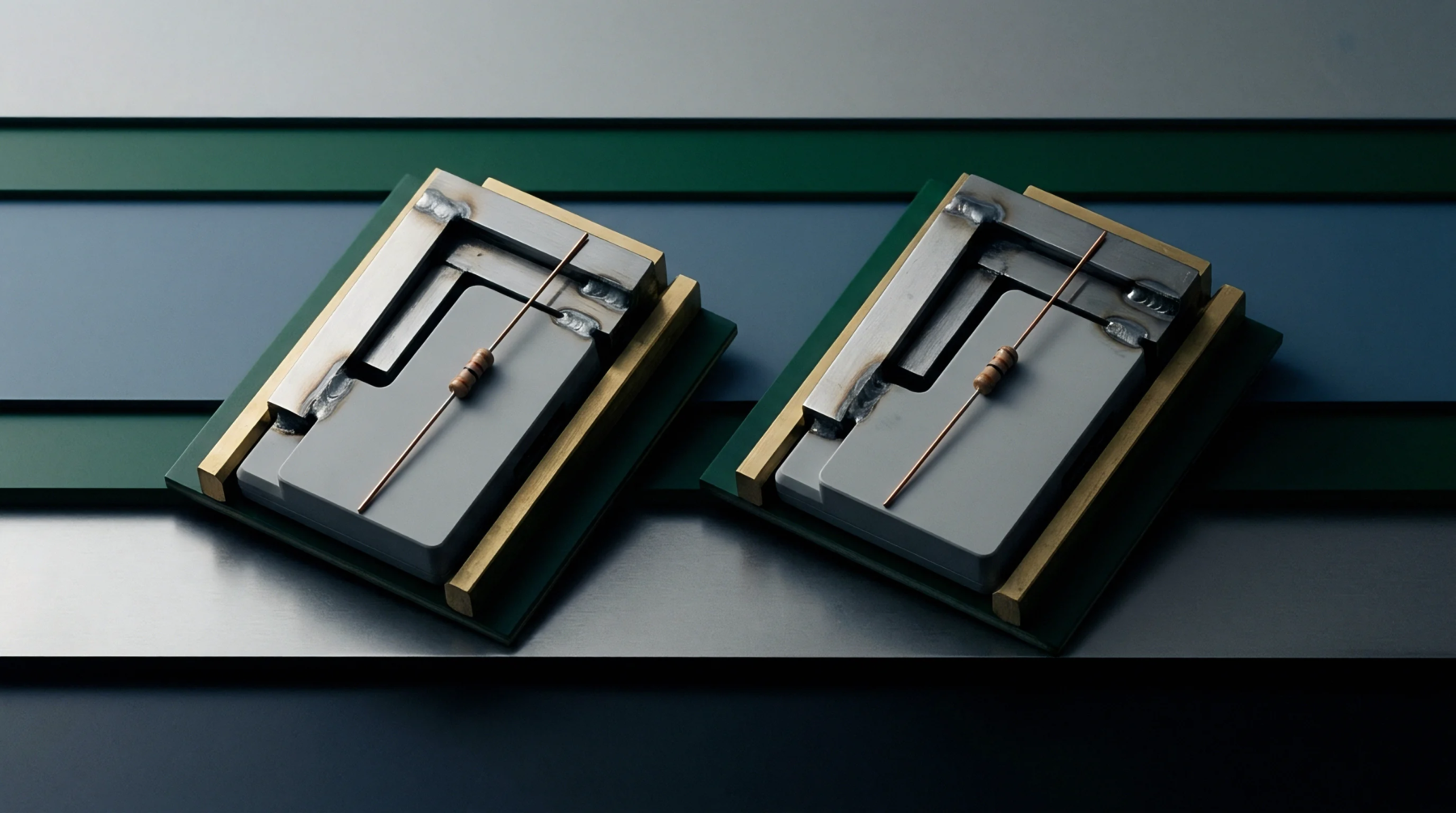
Dielectric characterization methods determine in-circuit signal velocity by accounting for test fixture field structure, glass anisotropy, and copper surface roughness.
Adhesiveless polyimide substrates eliminate high-loss acrylic adhesives, dropping dielectric loss tangents to 0.002 at 10 GHz when paired with smooth rolled copper.
Expertise is a utility, not a secret. sentiention™ publishes its working knowledge as open reference: intelligence layer covering the materials it sources, the markets it enters, and the reference that serves both.