Elasticity Quotient
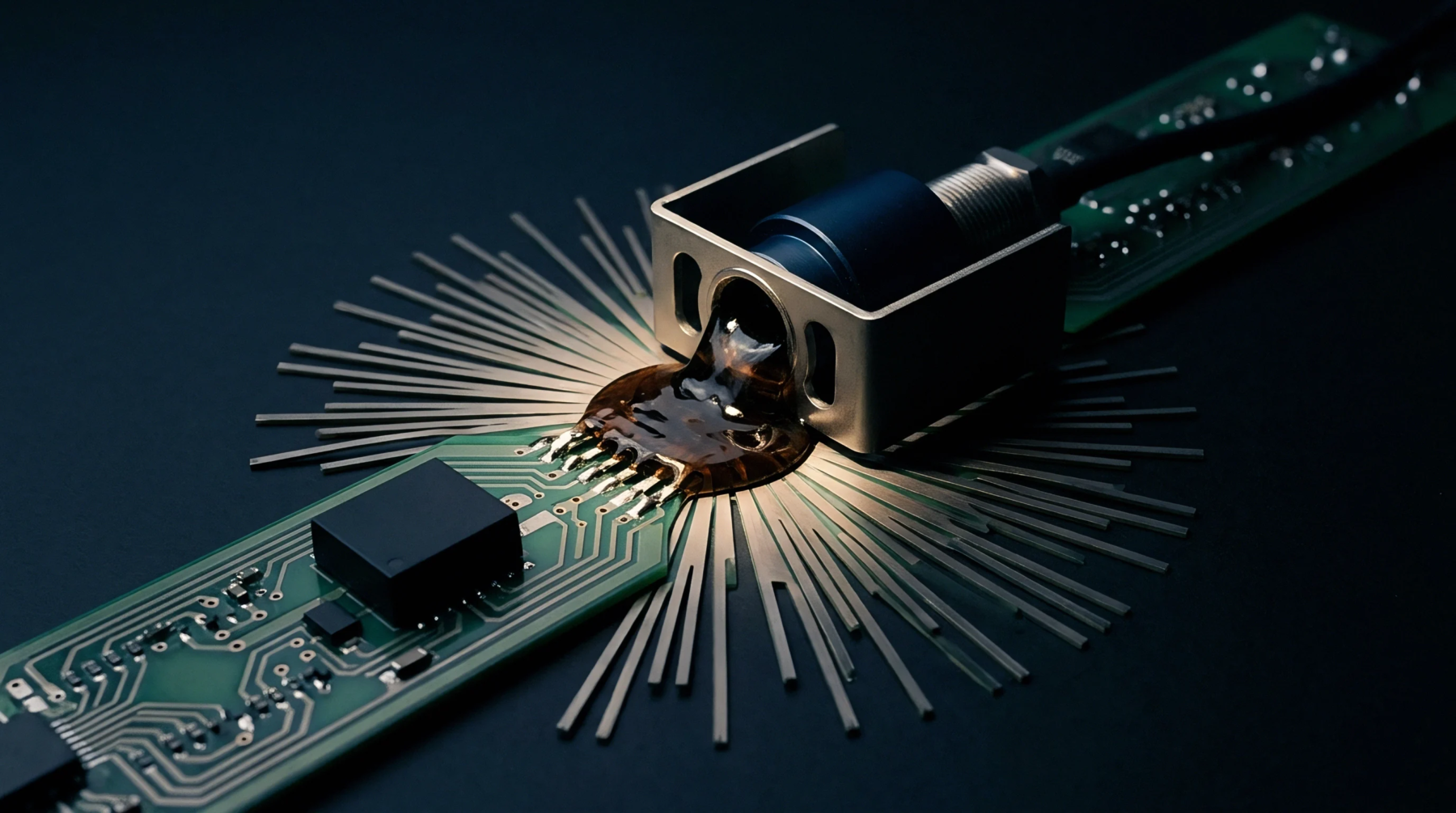
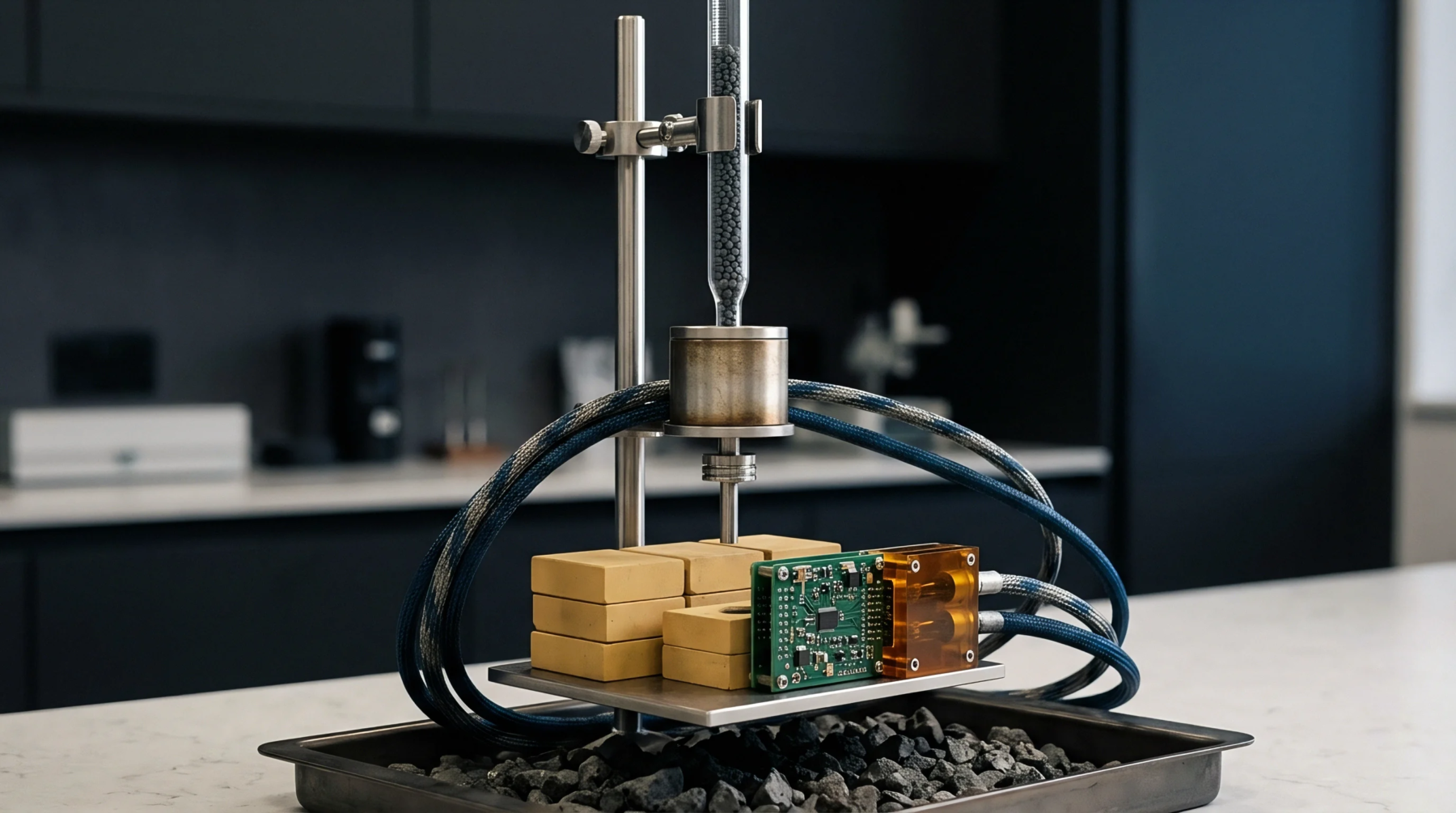
Viscoelastic behavior governs polymeric materials during high frequency surface mount adhesive dispensing and underfill curing operations. The storage modulus measures the elastic response of a cured thermoset polymer network, quantifying stored energy during sinusoidal deformation cycles. Epoxy formulations deployed in flip chip encapsulation rely on this parameter to withstand thermal expansion mismatches between silicon dies and organic substrate laminates.
Boundary conditions restrict valid application of the metric to the linear viscoelastic regime, where stress remains strictly proportional to strain. Exceeding this threshold induces permanent microstructural damage in the polymer matrix, invalidating subsequent mechanical predictions.
Mechanical Boundary
Temperature fluctuations across reflow soldering zones alter crosslink density within structural adhesives, reducing load bearing capacity significantly. Viscoelastic properties dictate how well structural adhesives maintain dimensional stability under cyclic thermal loads imposed during operational life. Differential thermal expansion between copper traces and dielectric layers generates continuous shear forces inside surface mount assemblies.
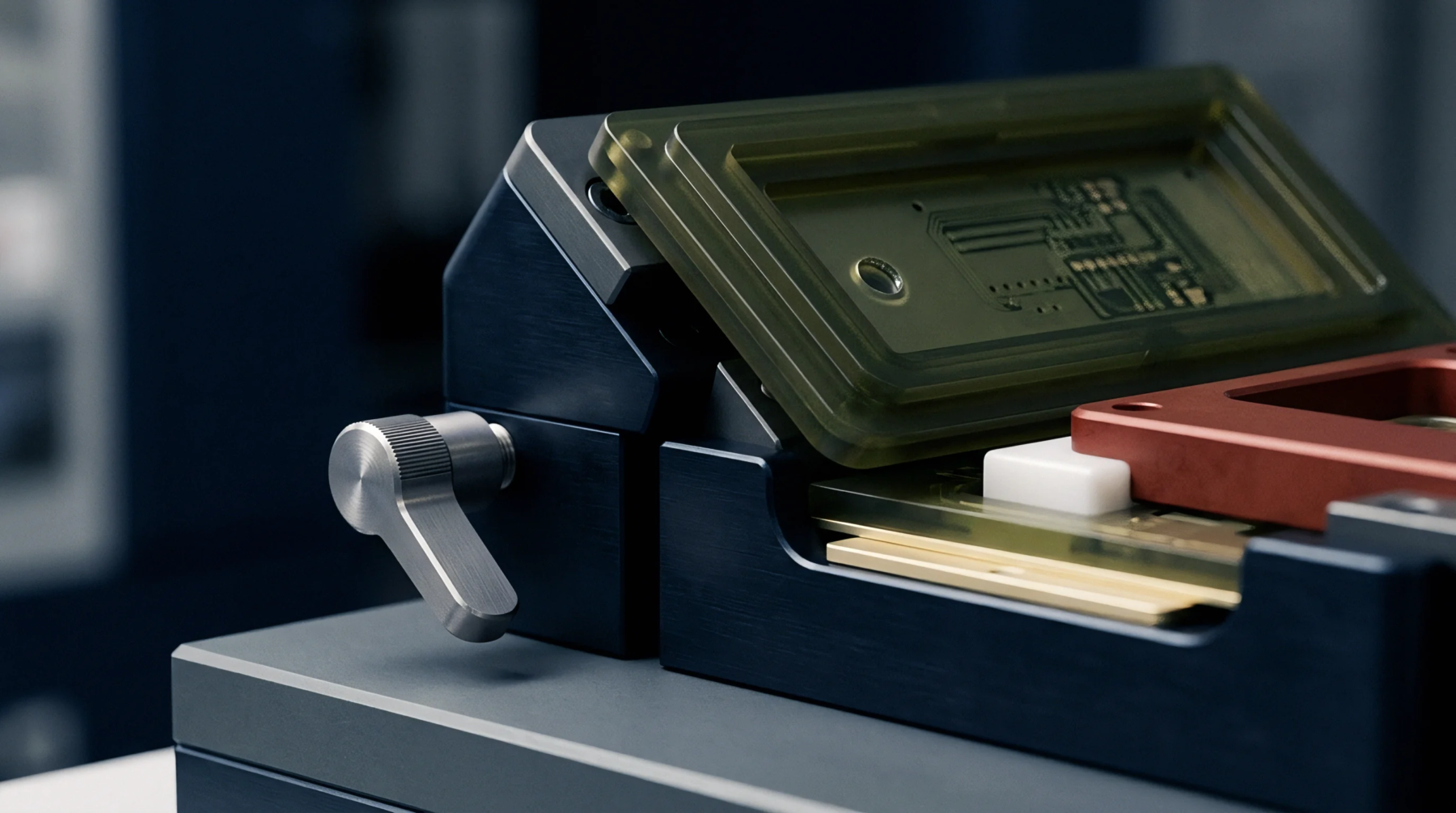
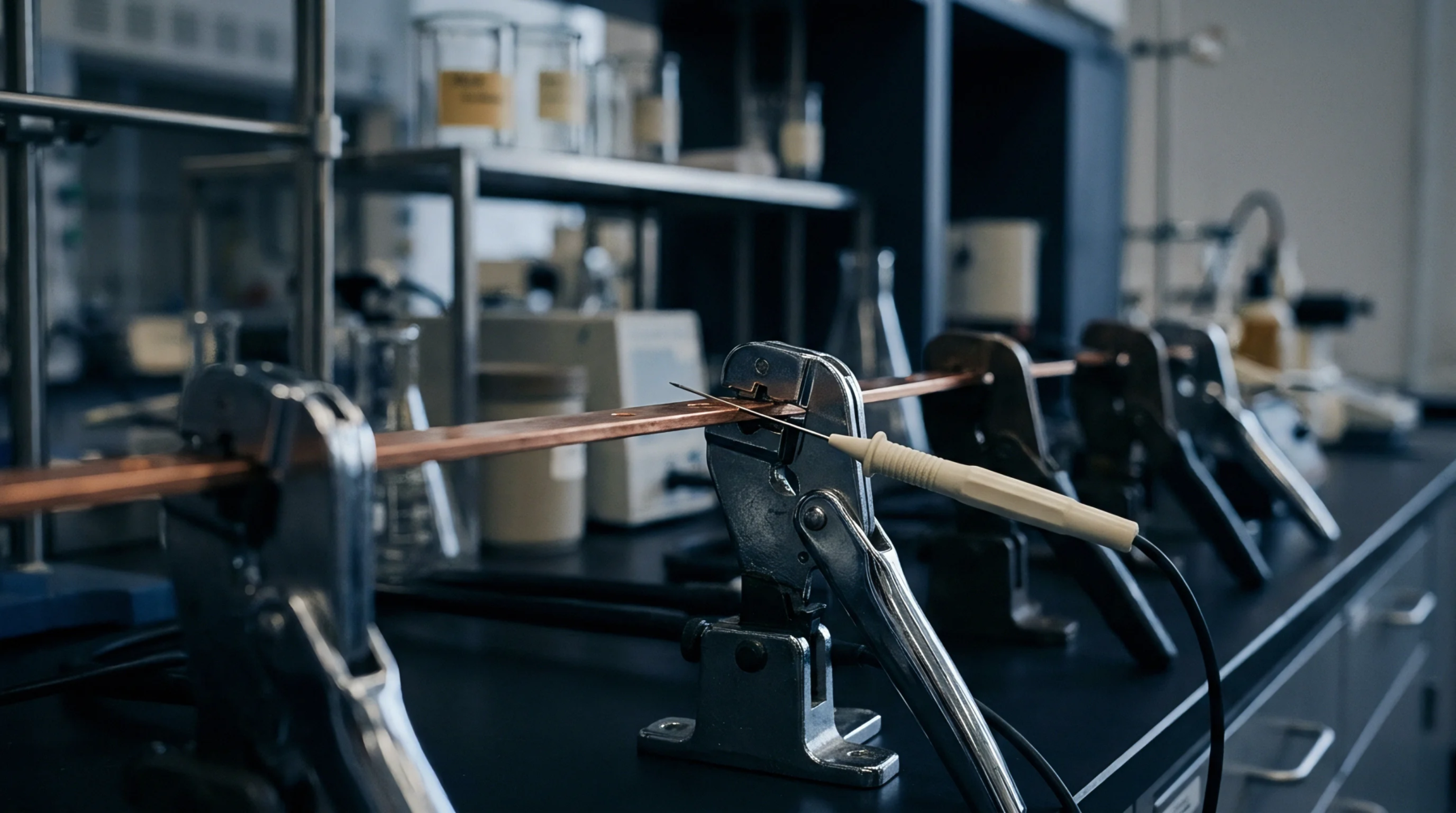
Automated optical inspection equipment detects subsequent delamination faults resulting from insufficient elastic recovery during cooling phases. Dynamic mechanical analysis instrumentation applies oscillating loads to cured polymer specimens, recording stress and strain phase angles to calculate mechanical stiffness across specific thermal profiles.
Polymer Rigidity
Thermoset underfill formulations require precise storage modulus values to prevent solder joint fatigue failure during thermal shock testing. High stiffness values restrict joint movement, transferring mechanical stresses directly into brittle intermetallic layers formed during wave soldering. Component placement machines demand consistent material viscosity profiles to ensure uniform dispensing volumes across high density printed circuit boards.
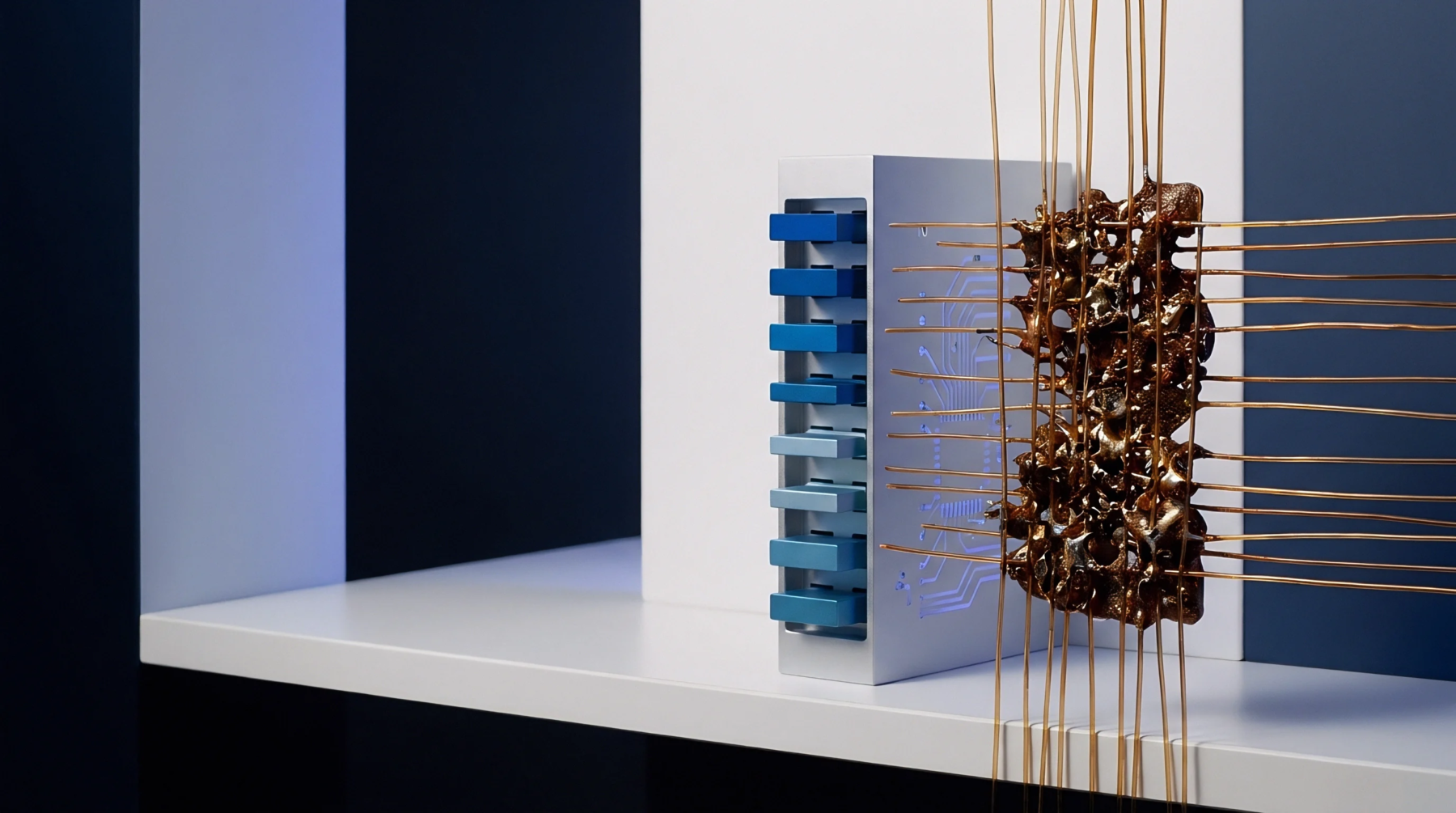
Residual stresses accumulate within encapsulated microcircuits whenever the polymer cures outside prescribed temperature windows. Proper crosslinking ensures the cured adhesive maintains structural integrity under mechanical vibration encountered in harsh operational environments.