
Mapping High Speed Power Grid Transfer Impedance to Emissions Limits
Mapping high-speed power rail transfer impedance limits directly to radiated emissions limits prevents costly EMC chamber re-tests and batch rejections.
Mapping high-speed power rail transfer impedance limits directly to radiated emissions limits prevents costly EMC chamber re-tests and batch rejections.

Re-test thresholds depend on loop area shifts, stackup changes, and near-field delta spikes exceeding two decibels relative to baseline compliance limits.
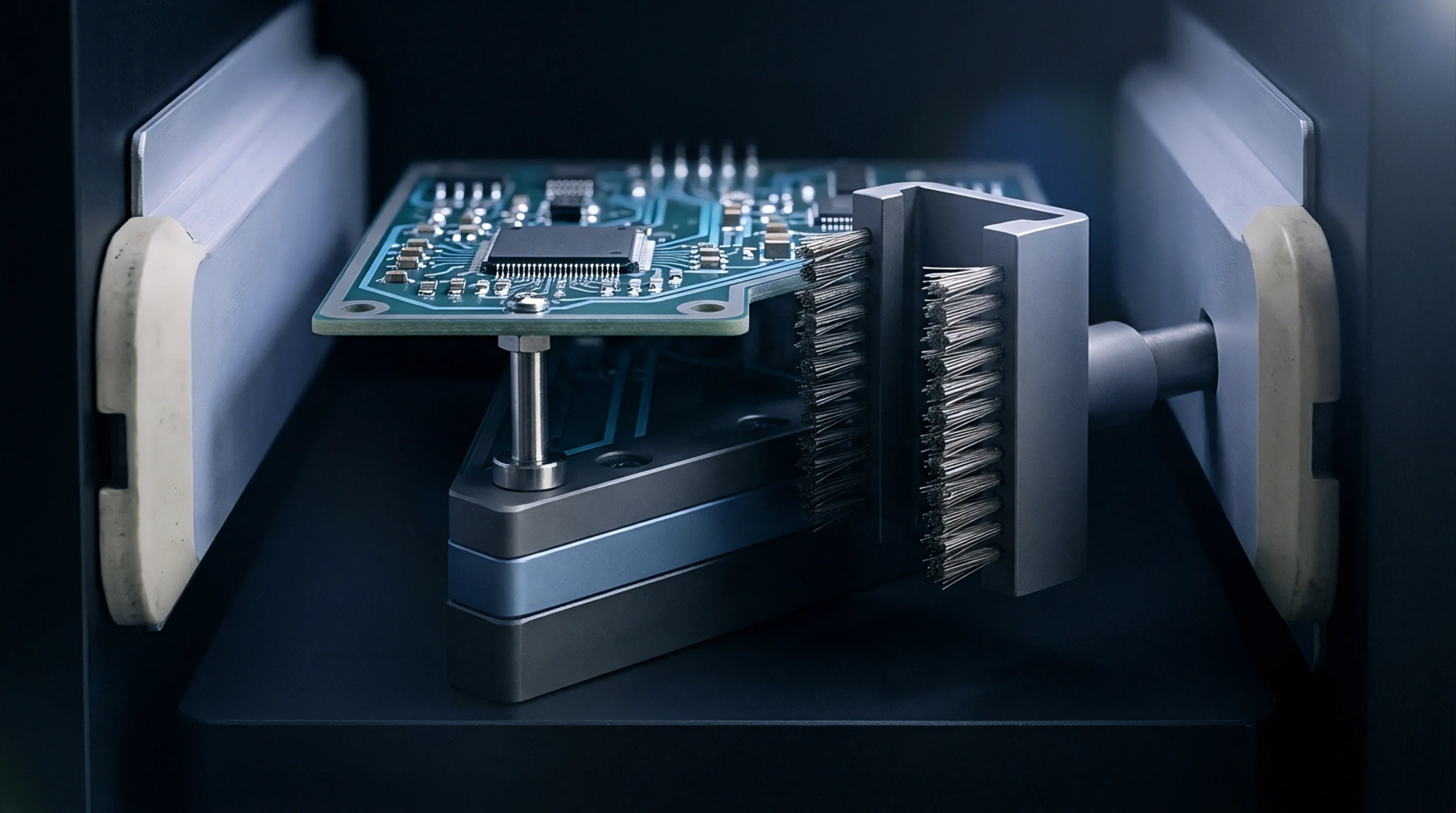
Surveillance compliance demands continuous cross-tier test record alignment, analytical material validation, and strict engineering change authorization.
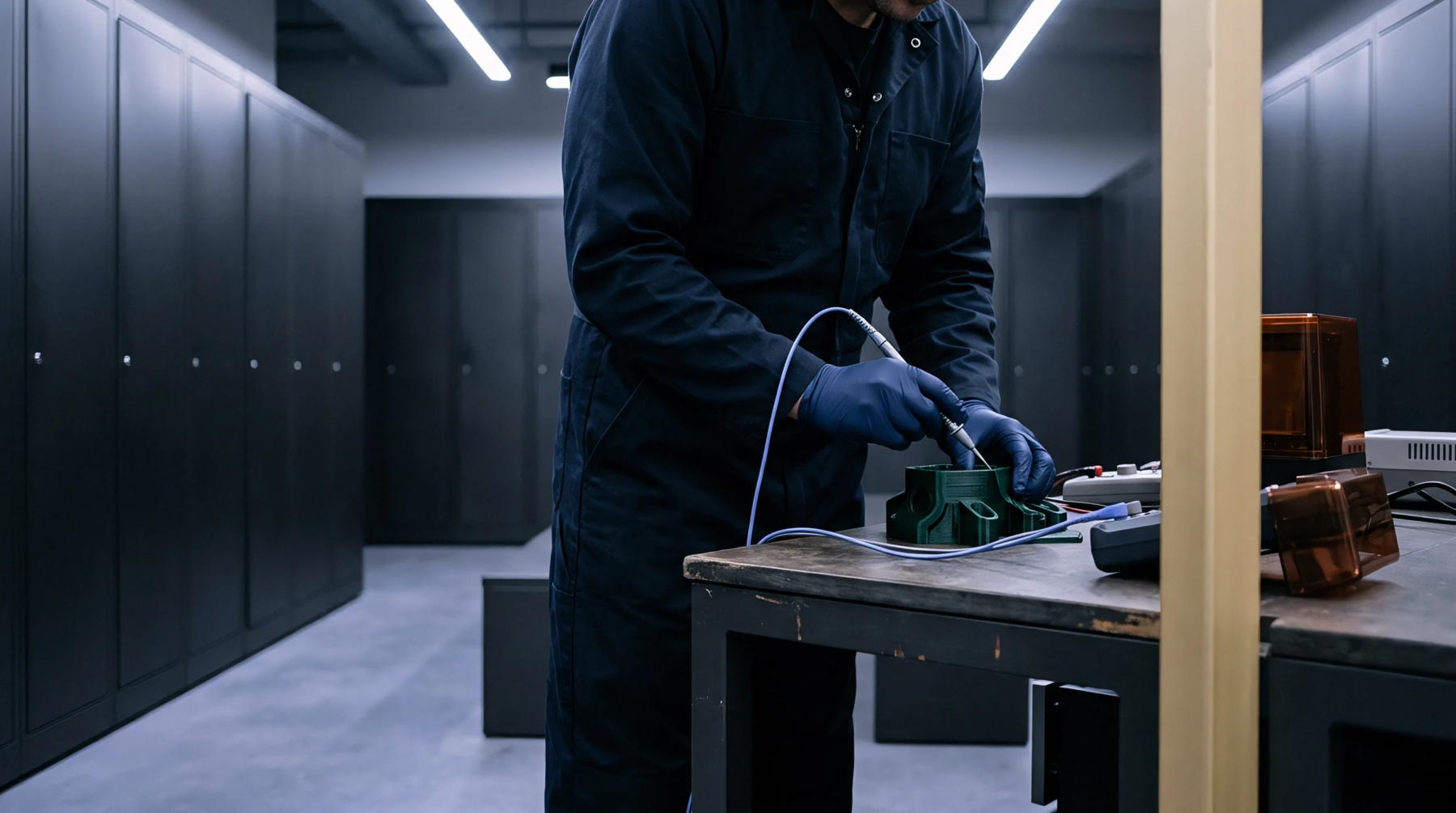
Market surveillance sampling targets high-risk import batches; importers defend compliance through accredited test dossiers and formal uncertainty guard bands.
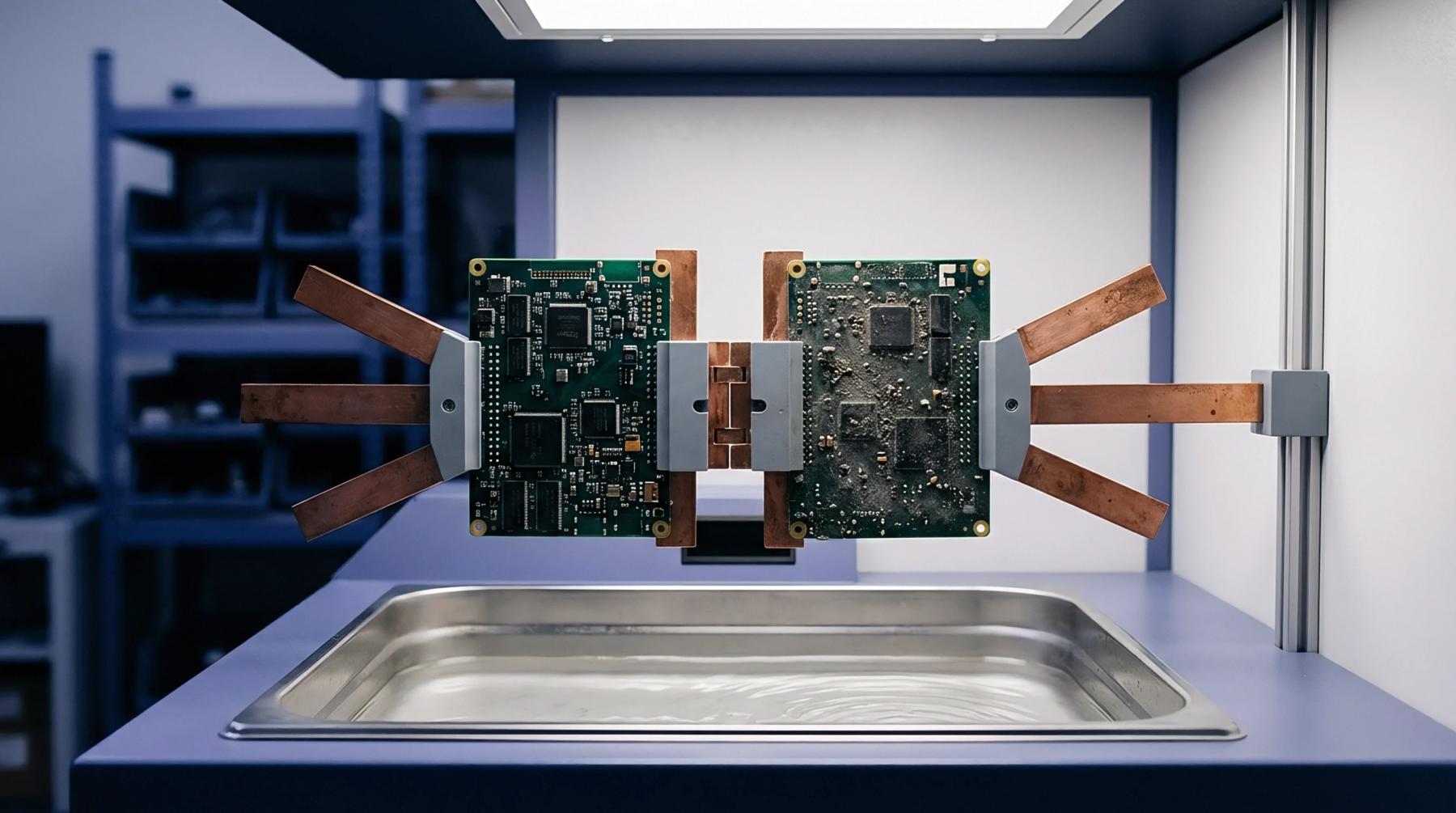
Combining boundary scan and in-circuit testing metrics requires mapping per-pin PCOLA-SOPS access, deduplicating overlapping faults, and logging verified nets for batch release.

Unapproved passive dielectric swaps cause severe capacitance drop under DC bias, triggering market surveillance recalls and compound financial liabilities.
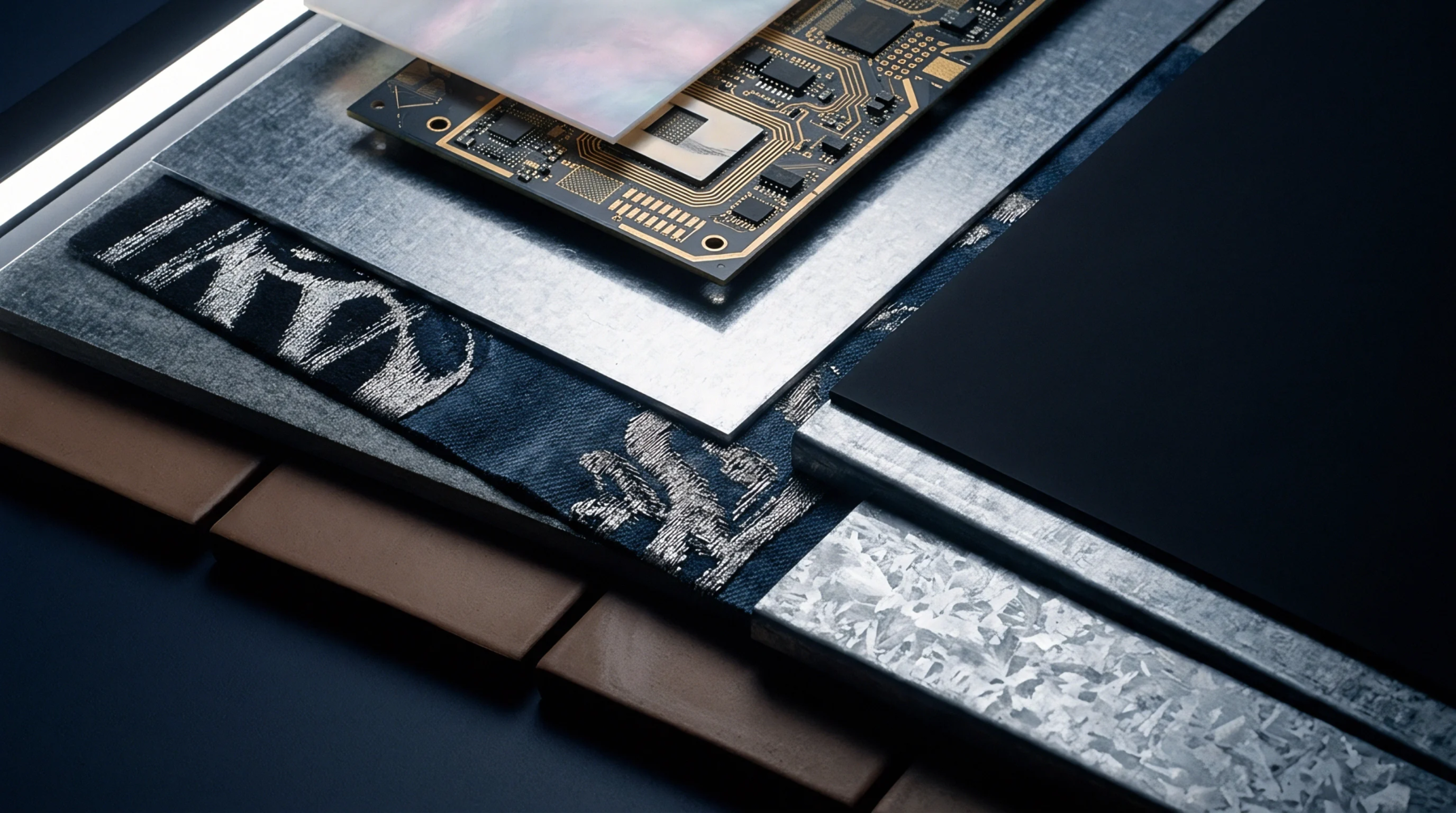
Benchtop near-field scanning maps surface magnetic leaks to locate reference plane splits and edge escapes before formal compliance testing.

Unapproved component and layout modifications void baseline EMC reports, creating severe legal liability and immediate market surveillance recall exposure.

Multilayer power distribution field escape risk requires bench near-field scanning and transfer impedance limits to prevent far-field compliance chamber failures.
Expertise is a utility, not a secret. sentiention™ publishes its working knowledge as open reference: intelligence layer covering the materials it sources, the markets it enters, and the reference that serves both.