SMT Thermal Profiles and Solder Paste Rheology Controls
Optimal SMT yield requires matching paste shear-thinning rheology with stencil area ratios above 0.66 and reflow profiles holding peak temperatures within 5°C.
Optimal SMT yield requires matching paste shear-thinning rheology with stencil area ratios above 0.66 and reflow profiles holding peak temperatures within 5°C.

Optimize solder paste print volume and yield by maintaining area ratios above 0.66, controlling squeegee force, and verifying viscosity stability.
Optimizing solder paste rheology and stencil area ratios above 0.66 drives transfer efficiency stability and eliminates fine-pitch assembly defects.

Optimizing surface mount stencil apertures demands balancing area ratios above 0.66, foil wall smoothness, and pad reductions for repeatable paste volume.

Establishing rotational Malcolm viscosity and oscillatory yield stress acceptance gates prevents stencil printing slump defects before chemical paste reaches the line.
Verify stencil aperture area ratios exceed 0.66 using SPI volume data before adjusting reflow oven profiles for solder starvation defects.

Optimizing stencil area ratios above 0.55 using electropolished foils and Type 5 paste maximizes volume transfer efficiency while minimizing SMT assembly defects.
Oscillatory amplitude sweeps define solder paste structural yield points to guarantee accurate aperture filling and clean release on fine pitch stencils.
Matching paste particle size and viscosity to stencil area ratio maintains stable transfer efficiency above 80 percent on fine-pitch components.
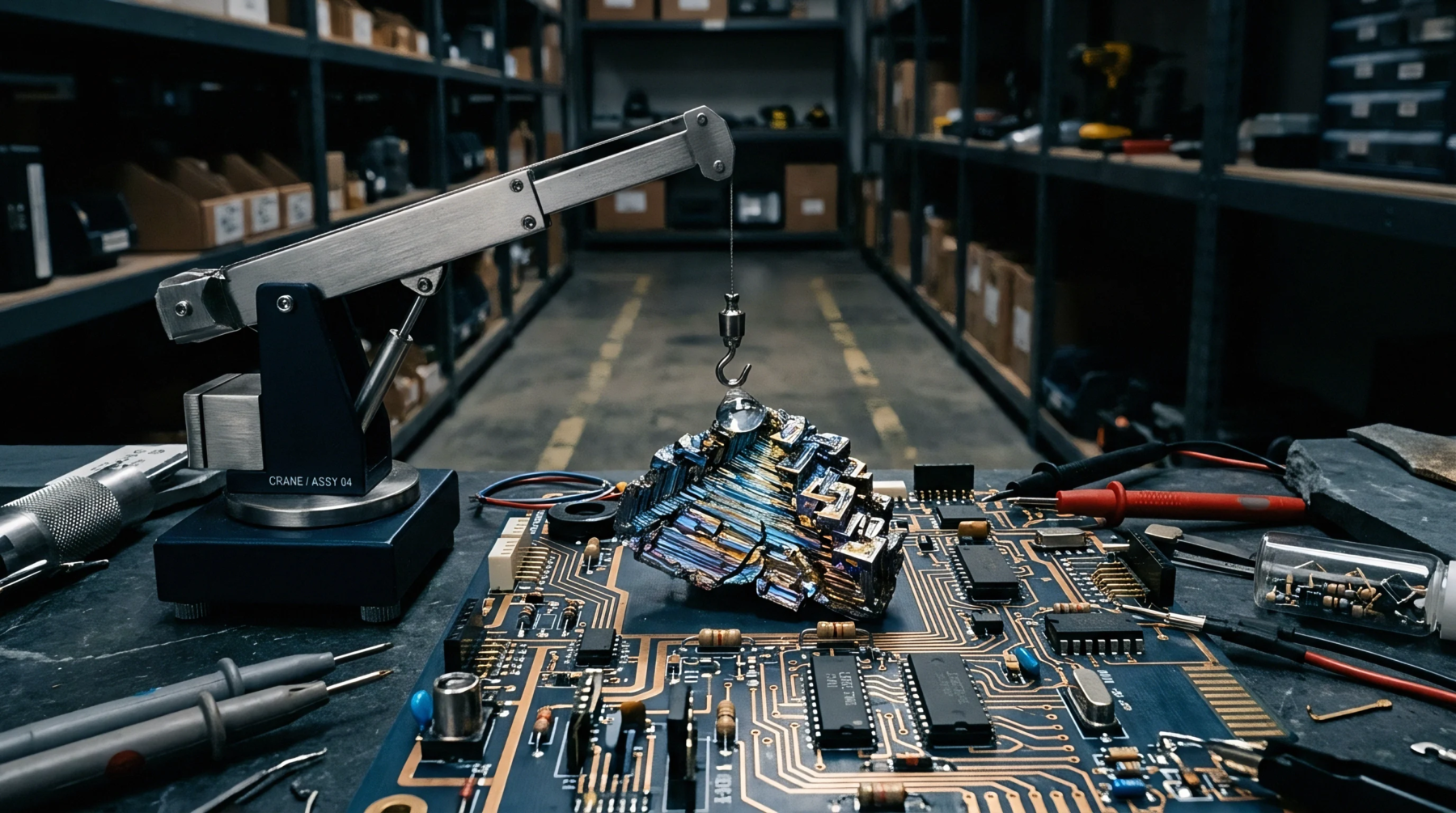
Fine pitch stencil printing stability drops sharply below 0.50 area ratio, requiring Type 5 powder, nano-coated apertures, and tight SPI volume limits.
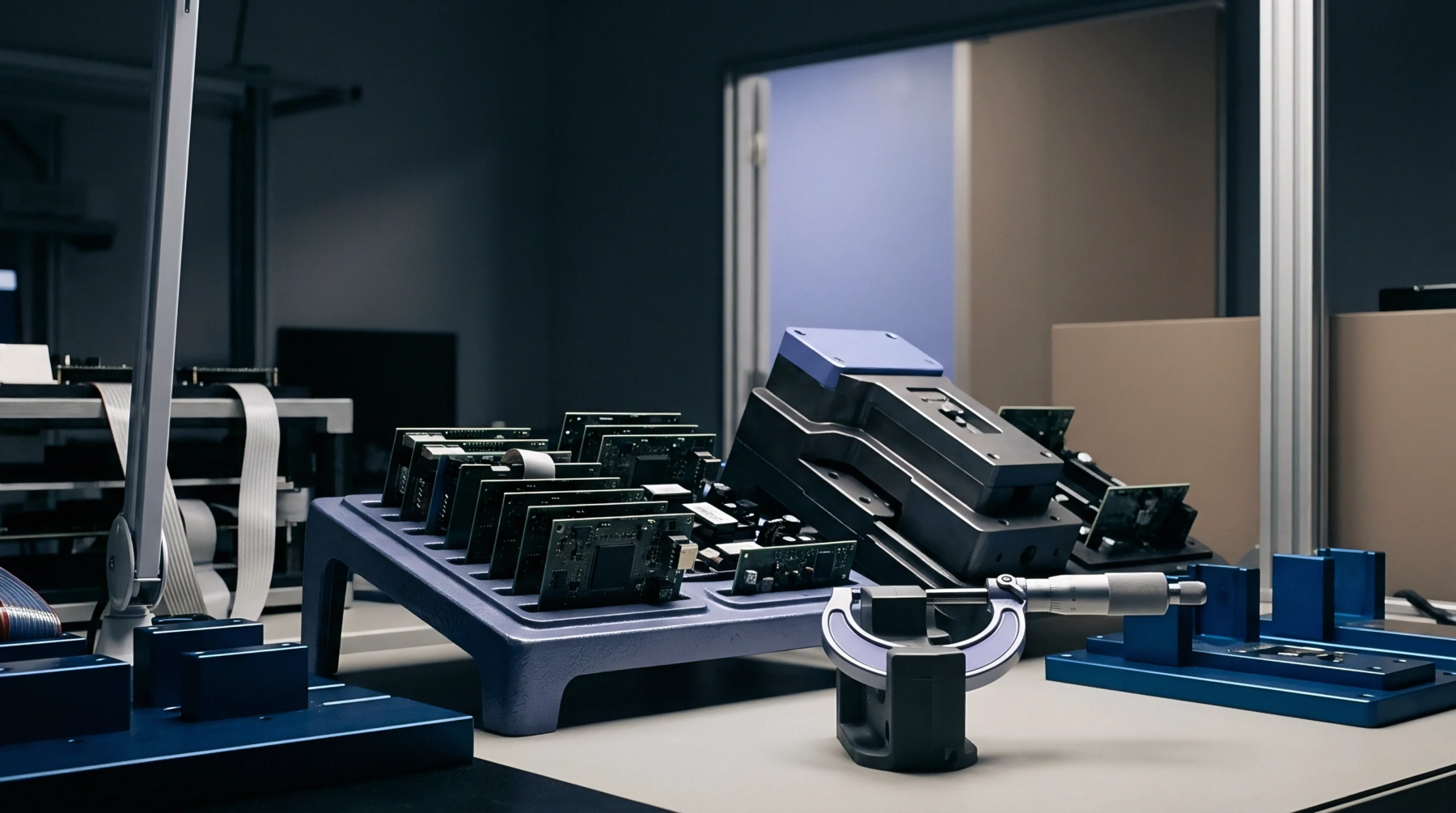
Extended line stagnation causes micro aperture transfer failure through solvent evaporation and thixotropic recovery; dynamic post-pause knead strokes restore printable shear viscosity.
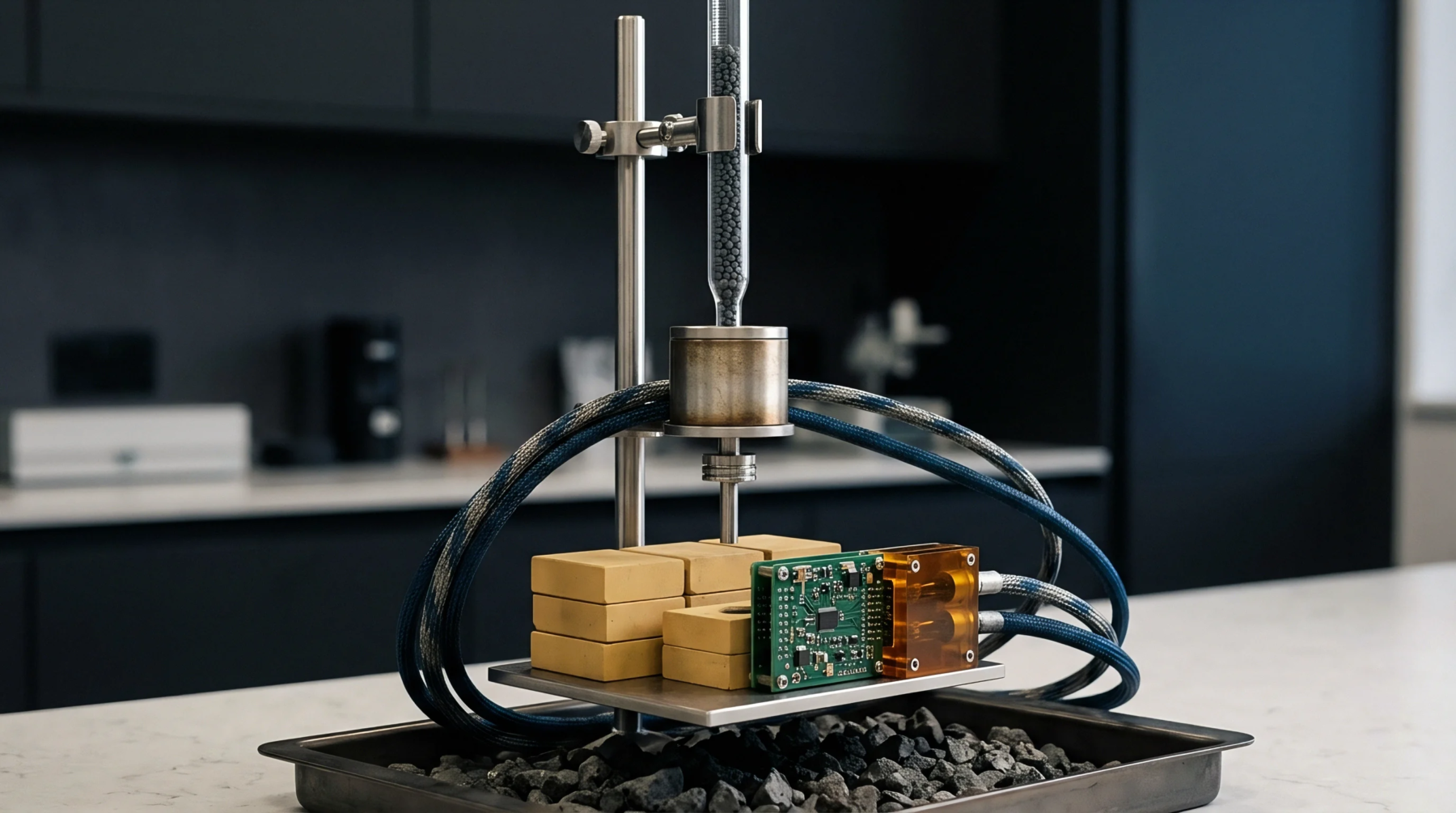
Optimize squeegee speed, separation rate, and aperture nanocoating to stabilize paste viscosity, maintain high transfer efficiency, and maximize SPI yields.
High strain shear thinning reduces ultra fine paste viscosity during squeegee strokes, requiring rapid thixotropic yield recovery to prevent post print slump.
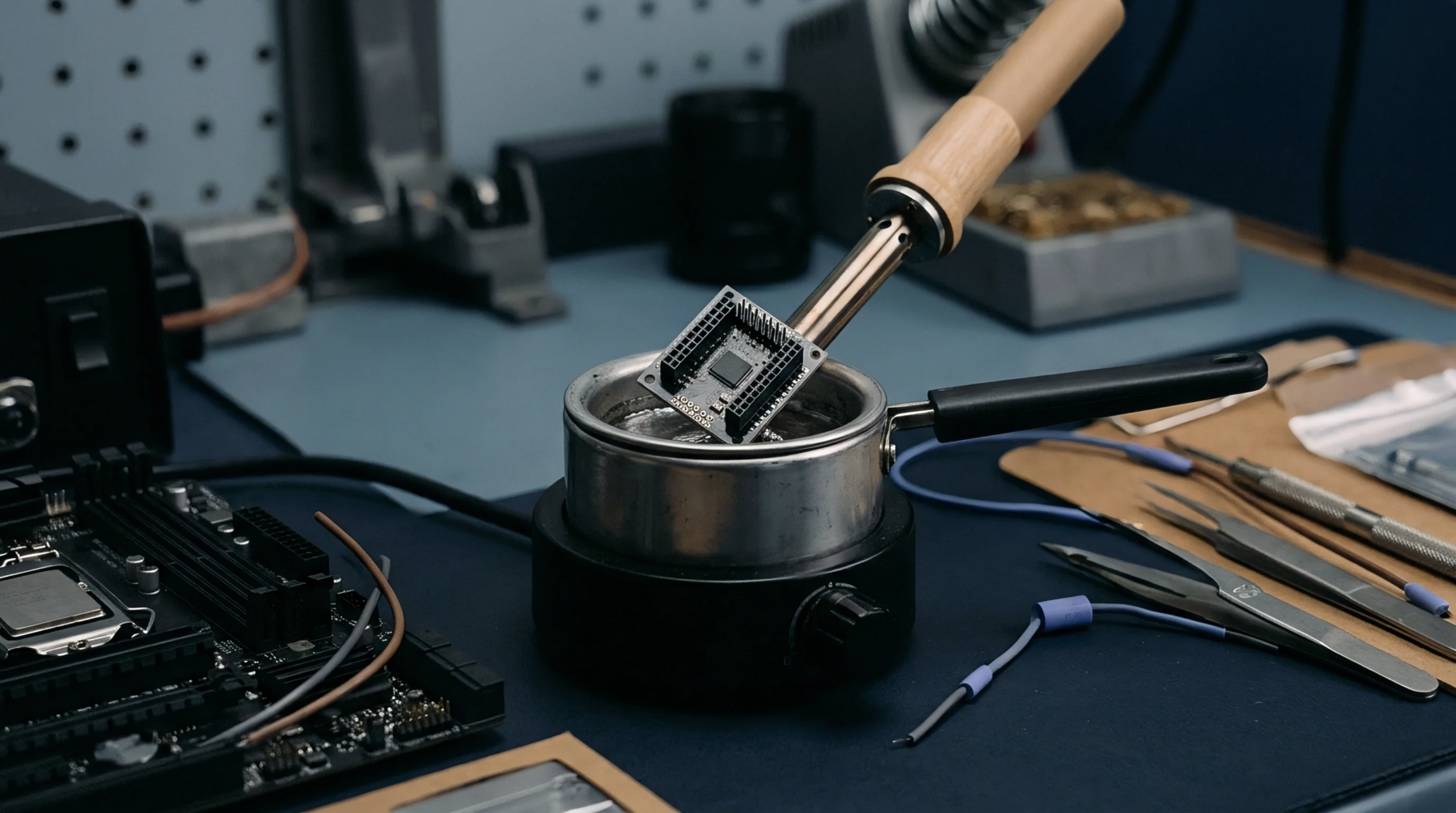
Calculate stencil area ratio above 0.66 for standard laser foil and above 0.50 for nano coated electroformed stencil to guarantee ninety percent paste release.
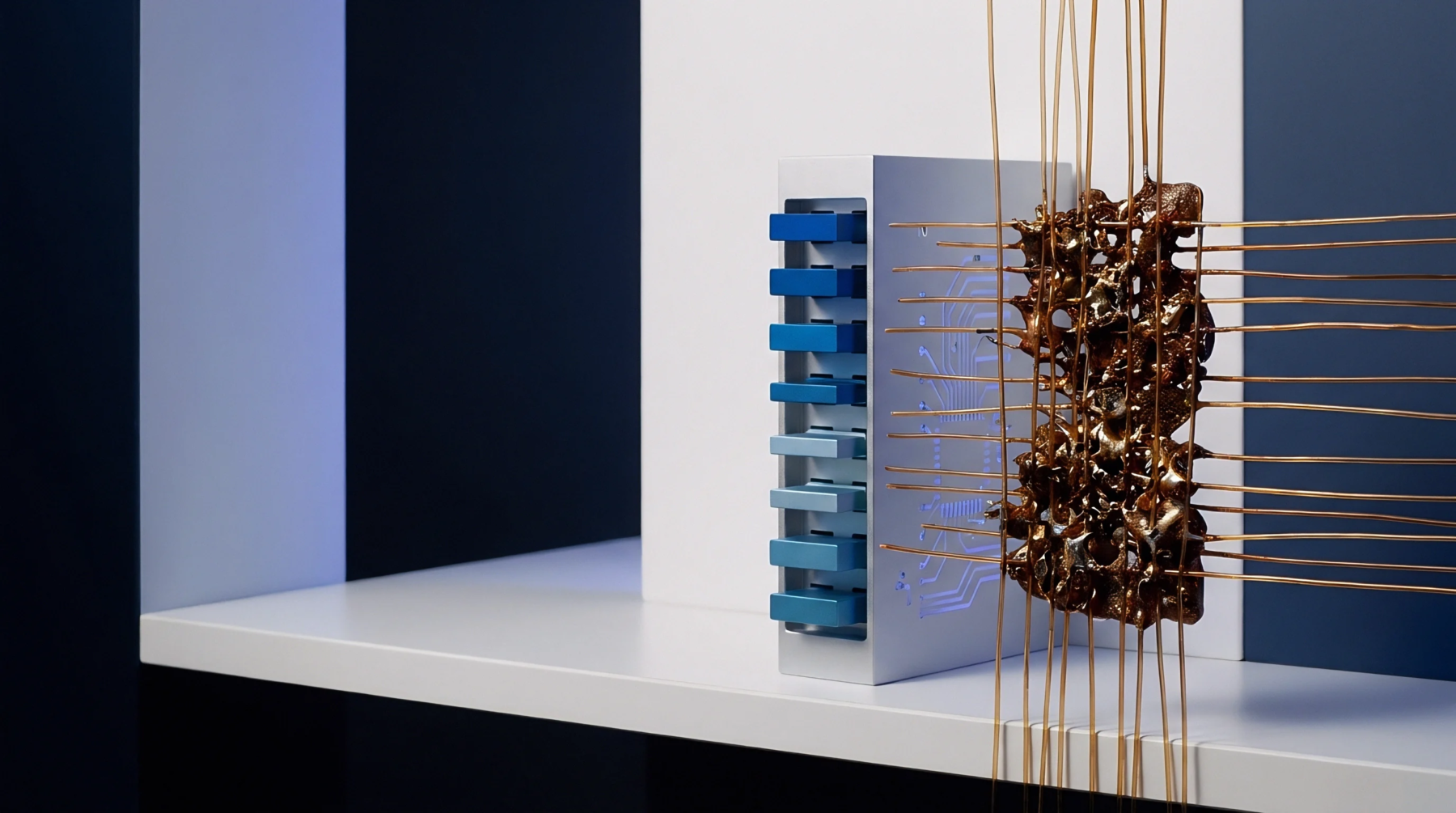
Isothermal solvent evaporation determination defines paste stencil life, rheological stability, and defect limits by tracking flux carrier loss over time.

Baseline verification of incoming solder paste requires verifying transit thermal logs, measuring malcom viscosity, and checking powder oxide limits.
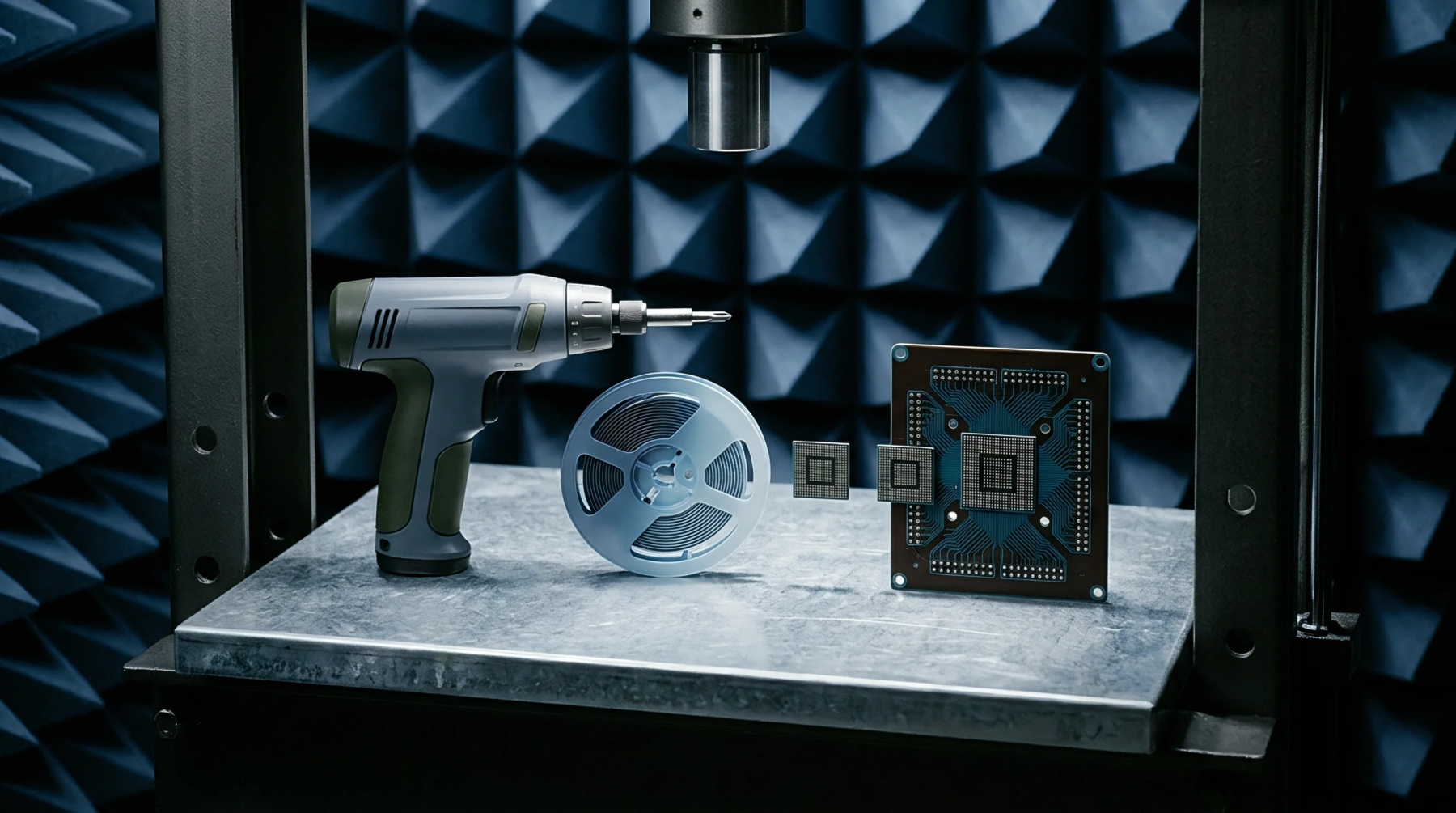
Evaporation kinetics and loss factor thresholds determine high-temperature rheological stability and prevent hot slump bridging in lead-free solder pastes.
Optimize solder paste release by balancing shear-thinning recovery against aperture area ratios and deploying smooth wall finishes below 0.66 area ratio limits.
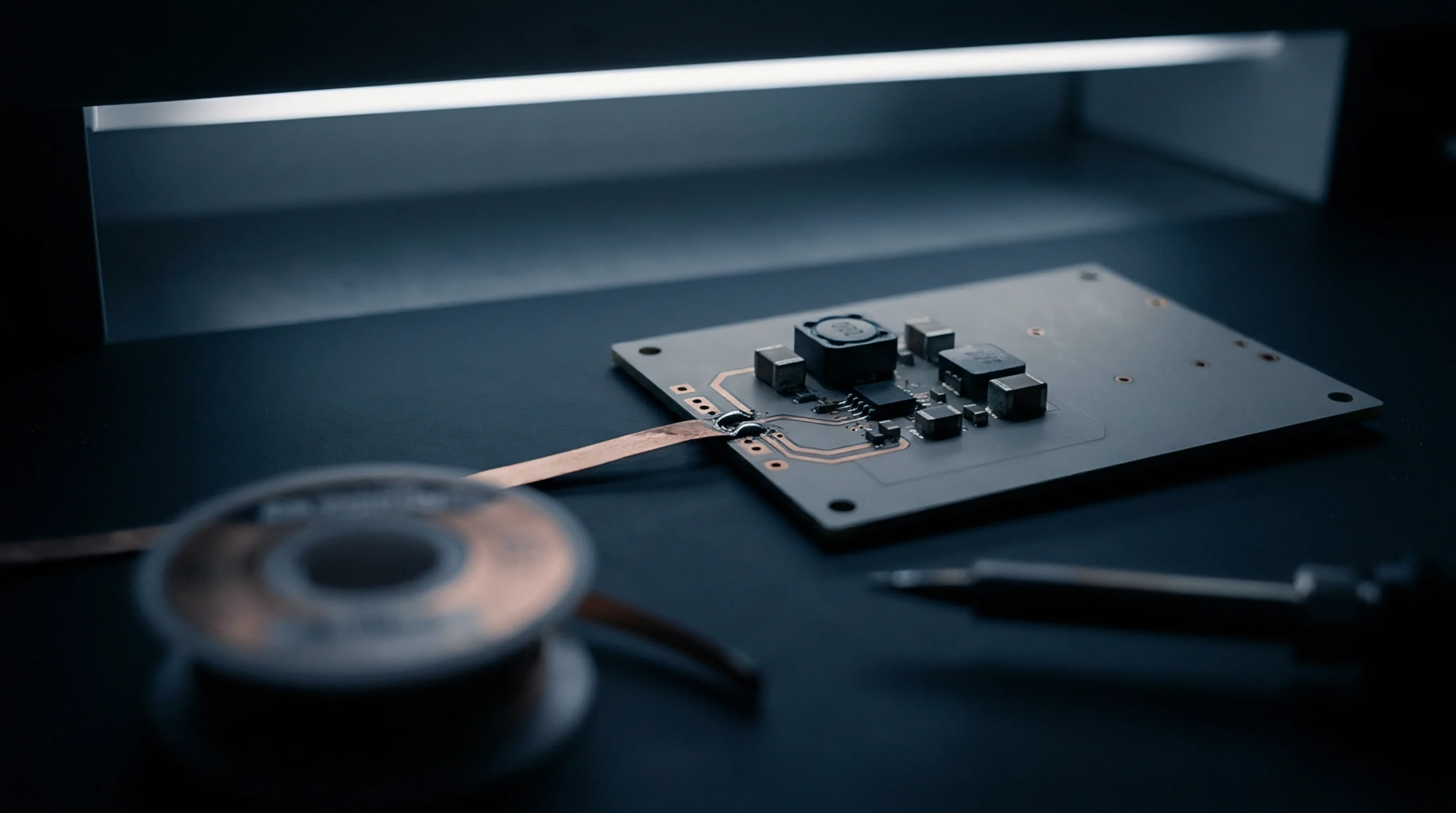
Evaluating solder paste volume across fine pitch pads requires maintaining area ratios above 0.55 and enforcing 3D inspection windows between 75 and 120 percent.
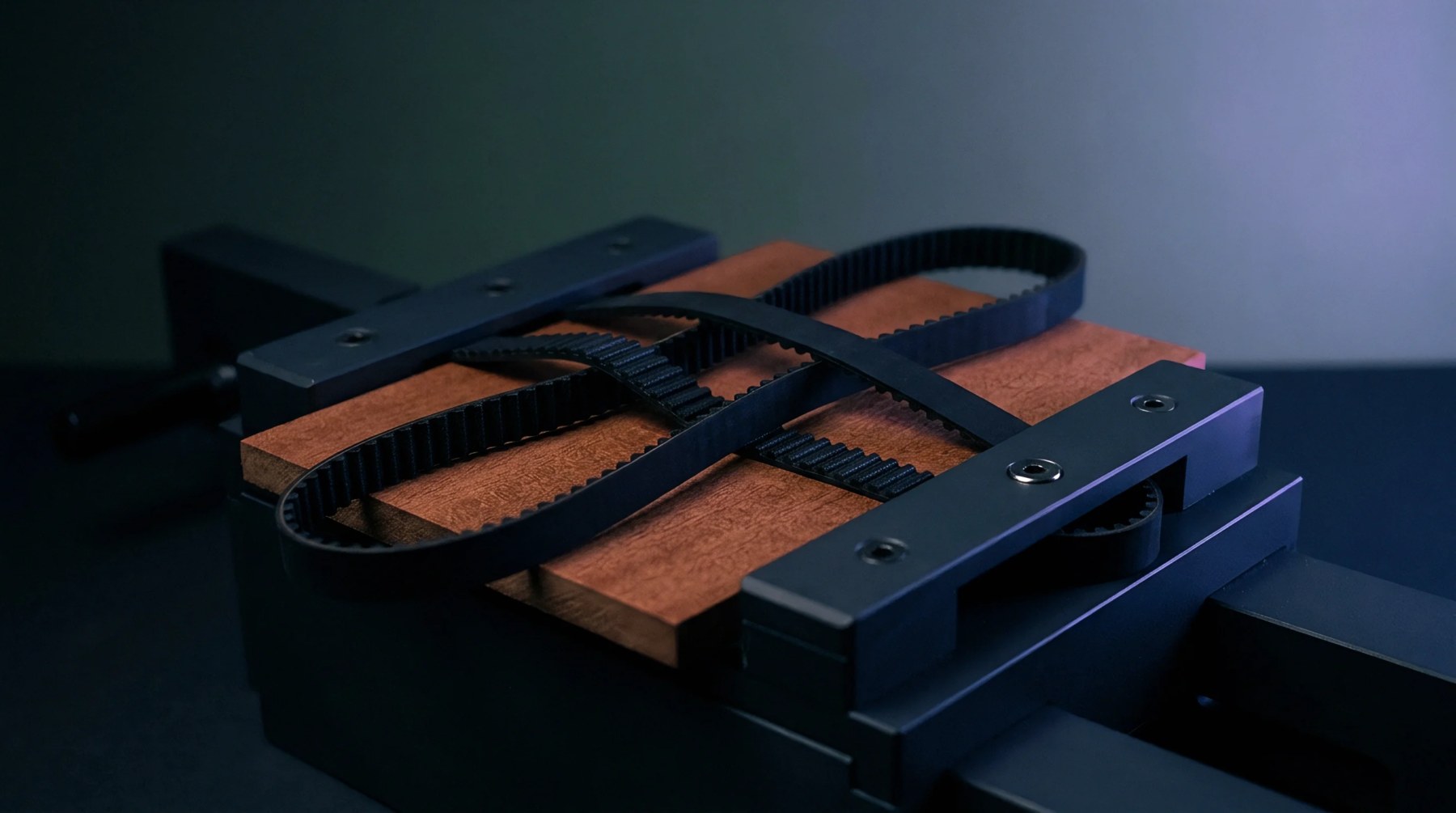
Optimizing solder paste rheology and stencil aperture geometry achieves consistent paste transfer efficiency and minimizes volume dispersion on fine pitch SMT pads.
Characterizing shear thinning and structural recovery limits in Type 5 solder pastes establishes precise print windows to eliminate aperture clogging and post-print slump.
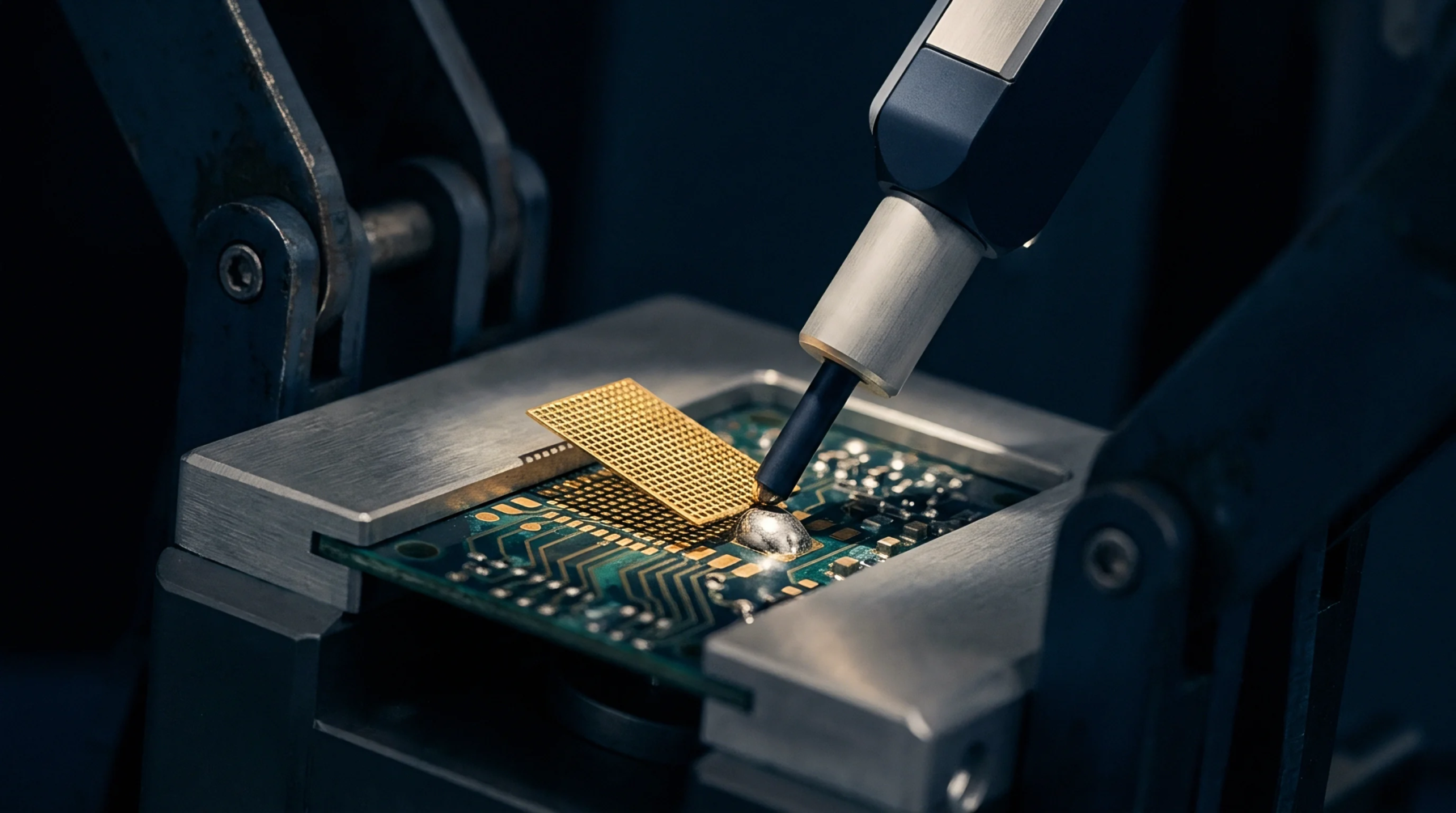
Sub-0.50 area ratio printing requires non-Gaussian statistical process control limits, Type 5 paste, and nano-coated stencils to prevent severe volume starvation.
Line qualification requires measuring first-print transfer efficiency after 30-minute pauses to prevent micro-aperture deposit starvation on high-density boards.
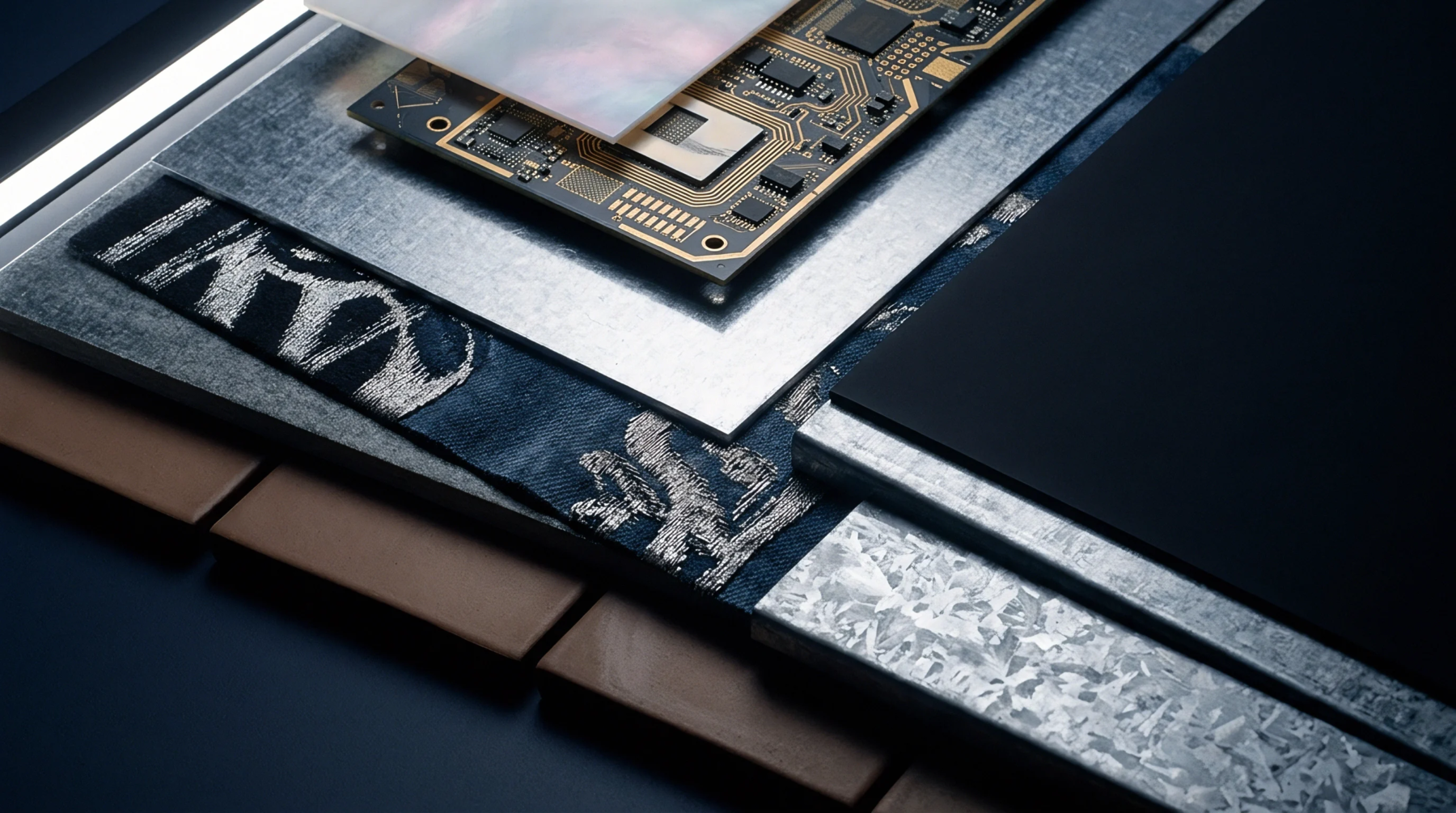
Fine pitch SMT printing success relies on qualifying solder paste yield stress, thixotropic recovery, viscosity profiles, and tack retention dynamics.
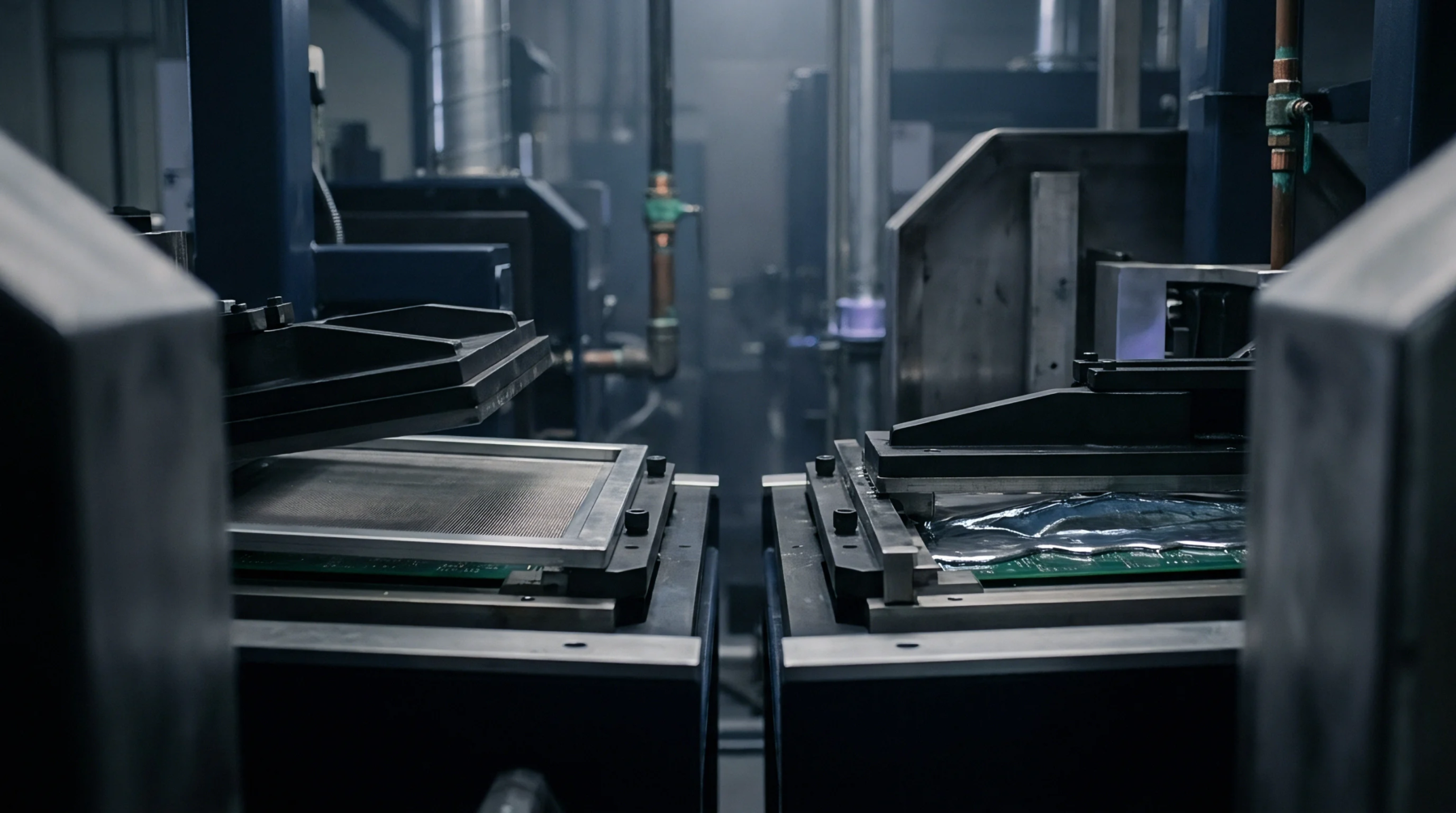
Parallel plate oscillatory strain sweeps validate high-speed deposit release by measuring storage modulus breakdown and yield stress thresholds.
Type 6 paste requires G prime recovery above 1,200 Pa within 30 seconds of stencil extrusion to maintain 0.3mm pitch deposit geometry without bridging.
Optimize micro-pitch stencil area ratios above 0.50 by pairing fine-grain or electroformed foils, nano-coatings, and Type 5 paste to stabilize transfer volume.
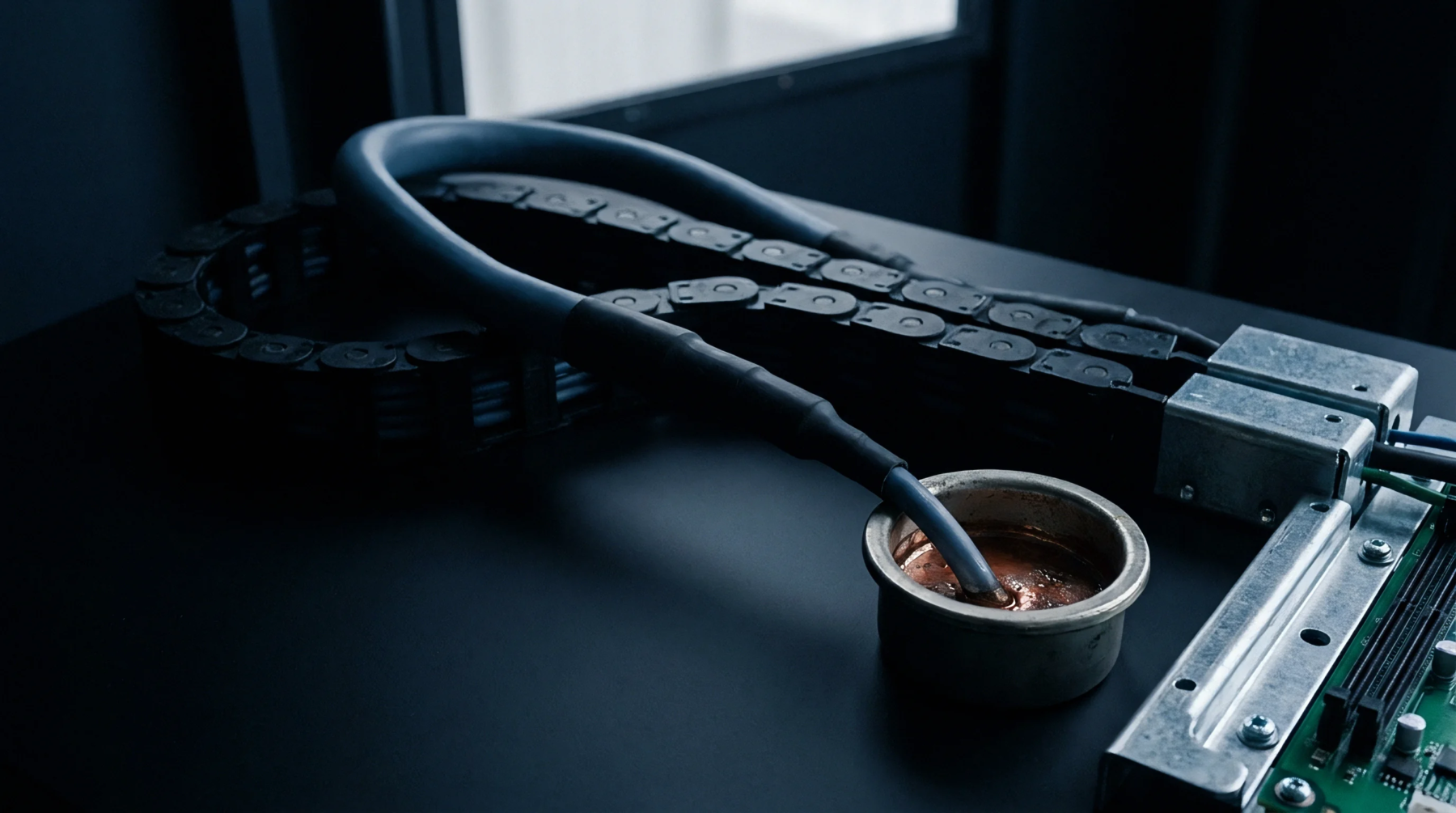
Sub-0.5 area ratio stencils require Type 5 paste with fluoropolymer nanocoating to prevent wall friction sticking and maintain 80 percent transfer efficiency.
Fine pitch printing requires controlling paste viscosity under squeegee shear and managing stencil area ratios above zero point five five to maintain volume yield.
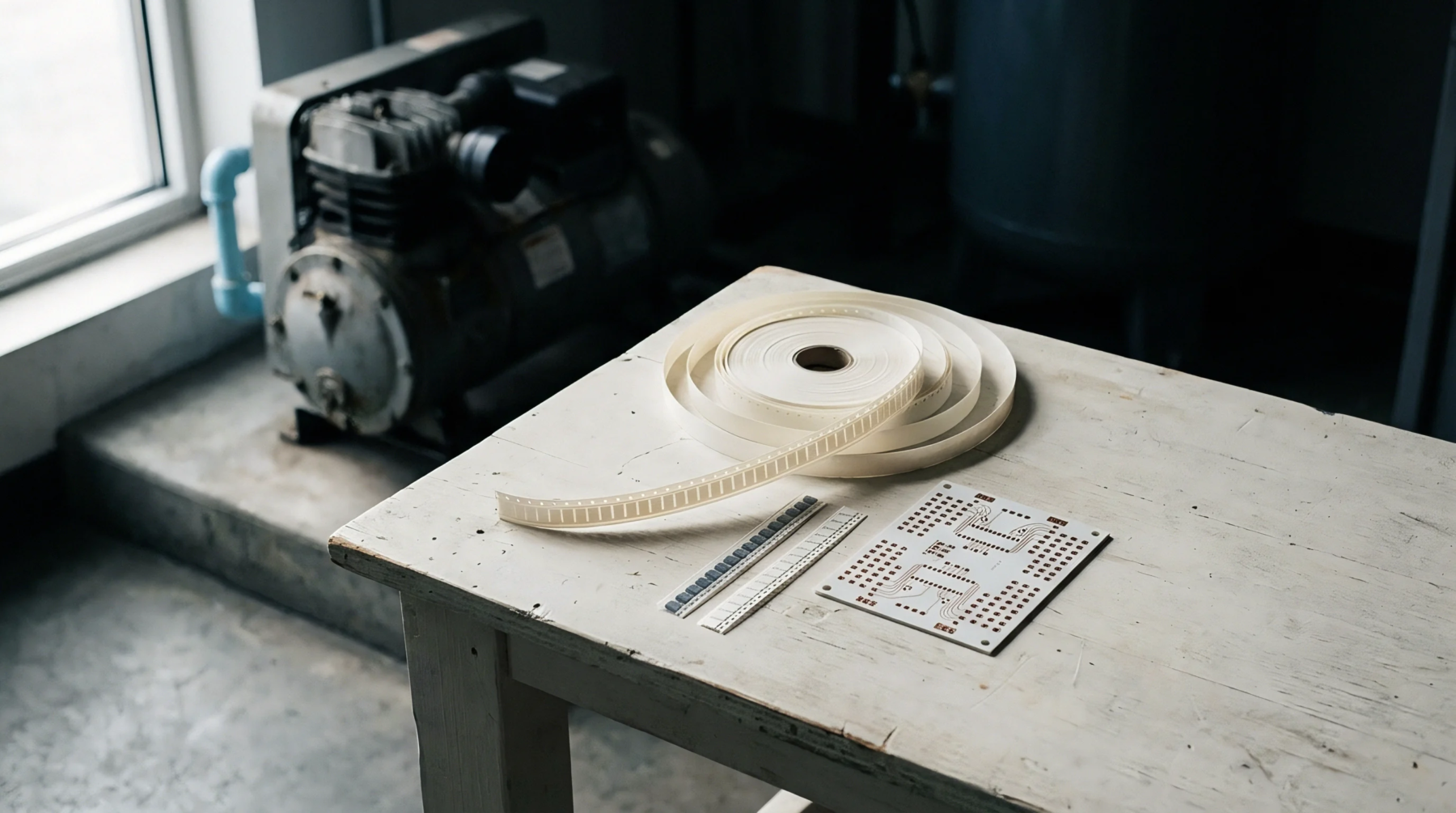
Type 6 solder paste rheology enables micro-aperture printing below 0.50 area ratios by balancing shear thinning flow with rapid thixotropic structural recovery.
Expertise is a utility, not a secret. sentiention™ publishes its working knowledge as open reference: intelligence layer covering the materials it sources, the markets it enters, and the reference that serves both.