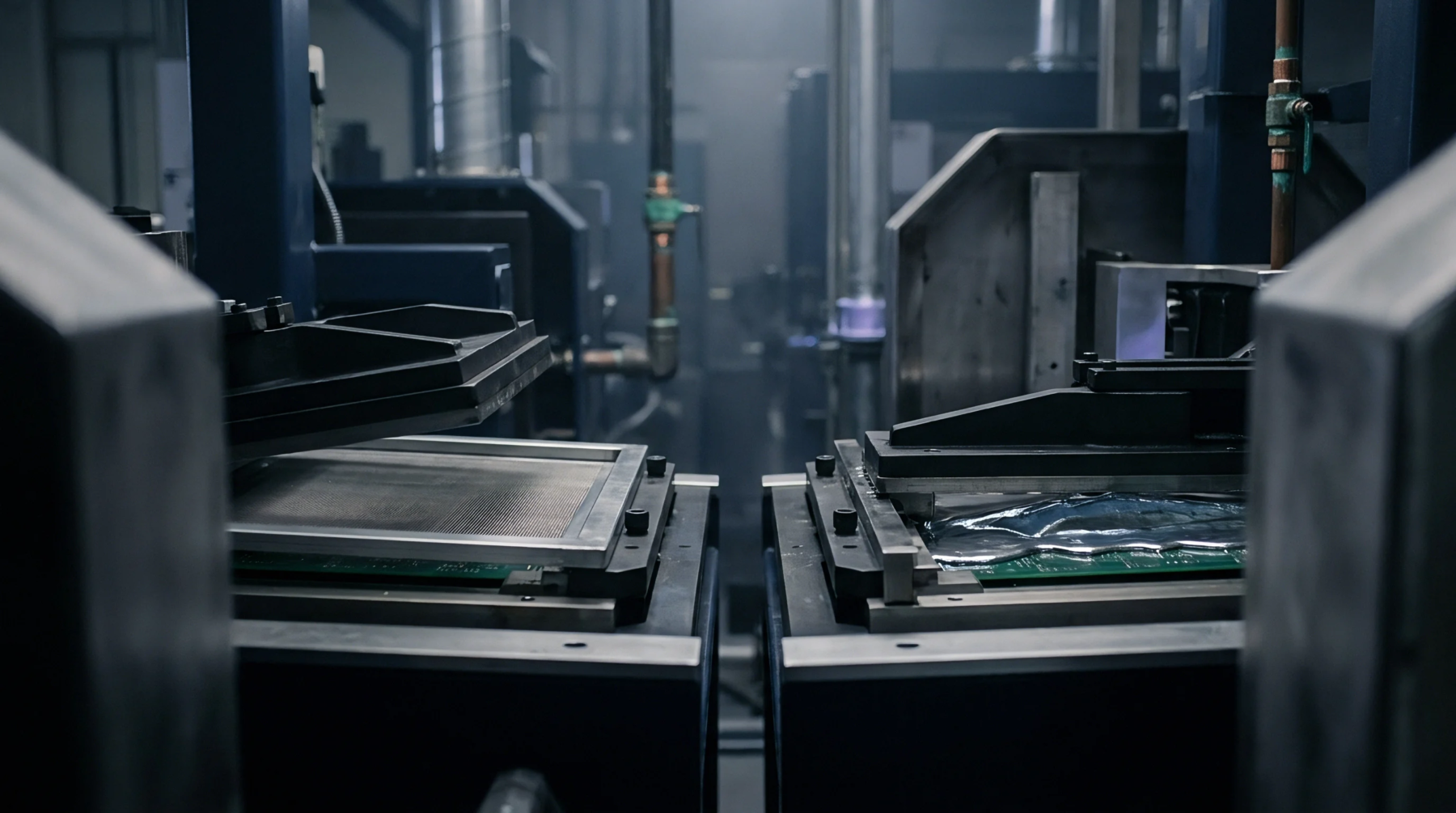
First Article Approval Steps Worth Writing into the Contract
Contractual first-article approval requires binding solder volume maps, 5-point profile logs, X-ray void limits, and clear downtime liability terms.
Contractual first-article approval requires binding solder volume maps, 5-point profile logs, X-ray void limits, and clear downtime liability terms.
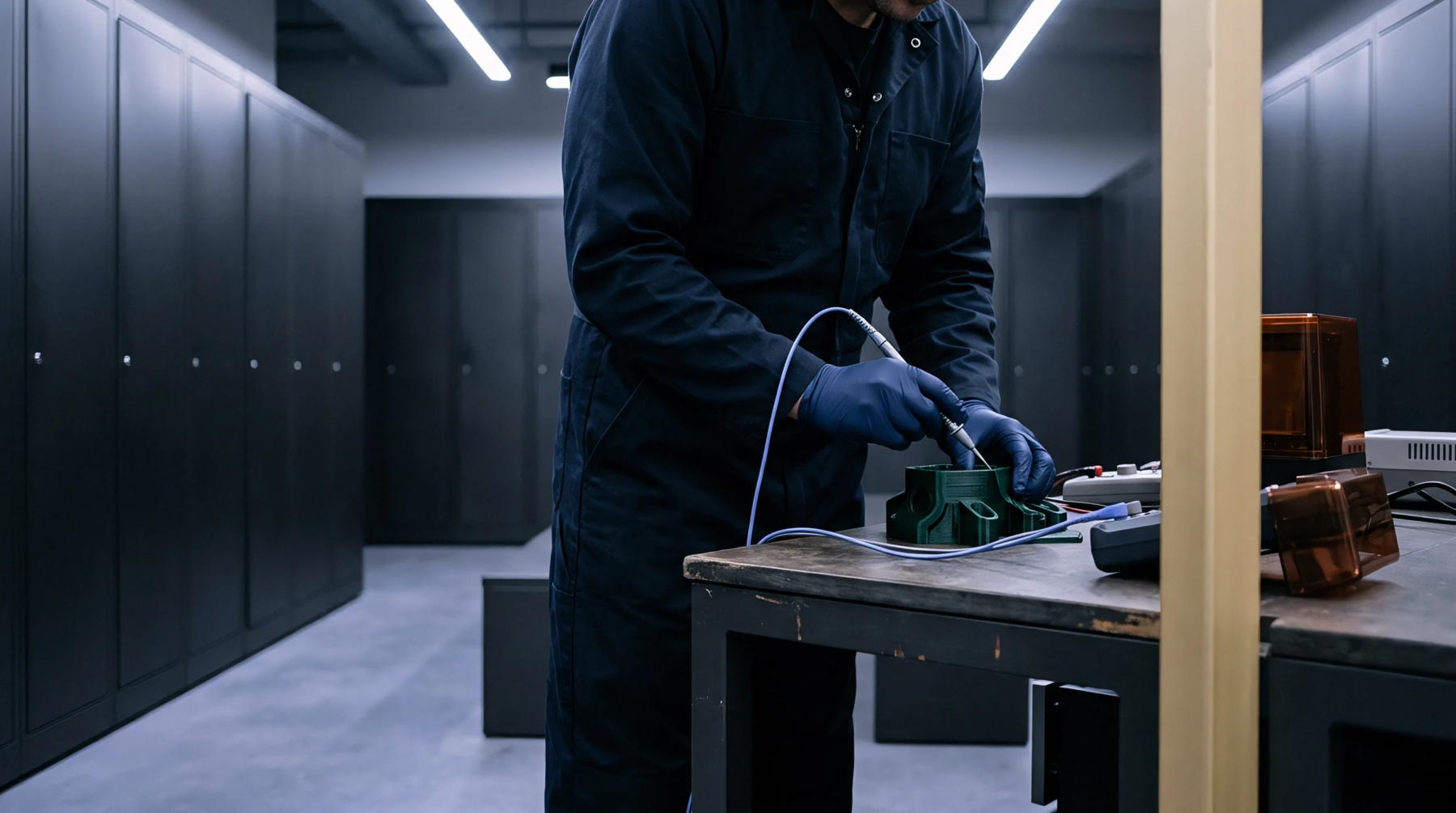
Setup hours in small batch assembly represent fixed feeder loading, stencil alignment, and inspection programming costs that dominate unit landed pricing.
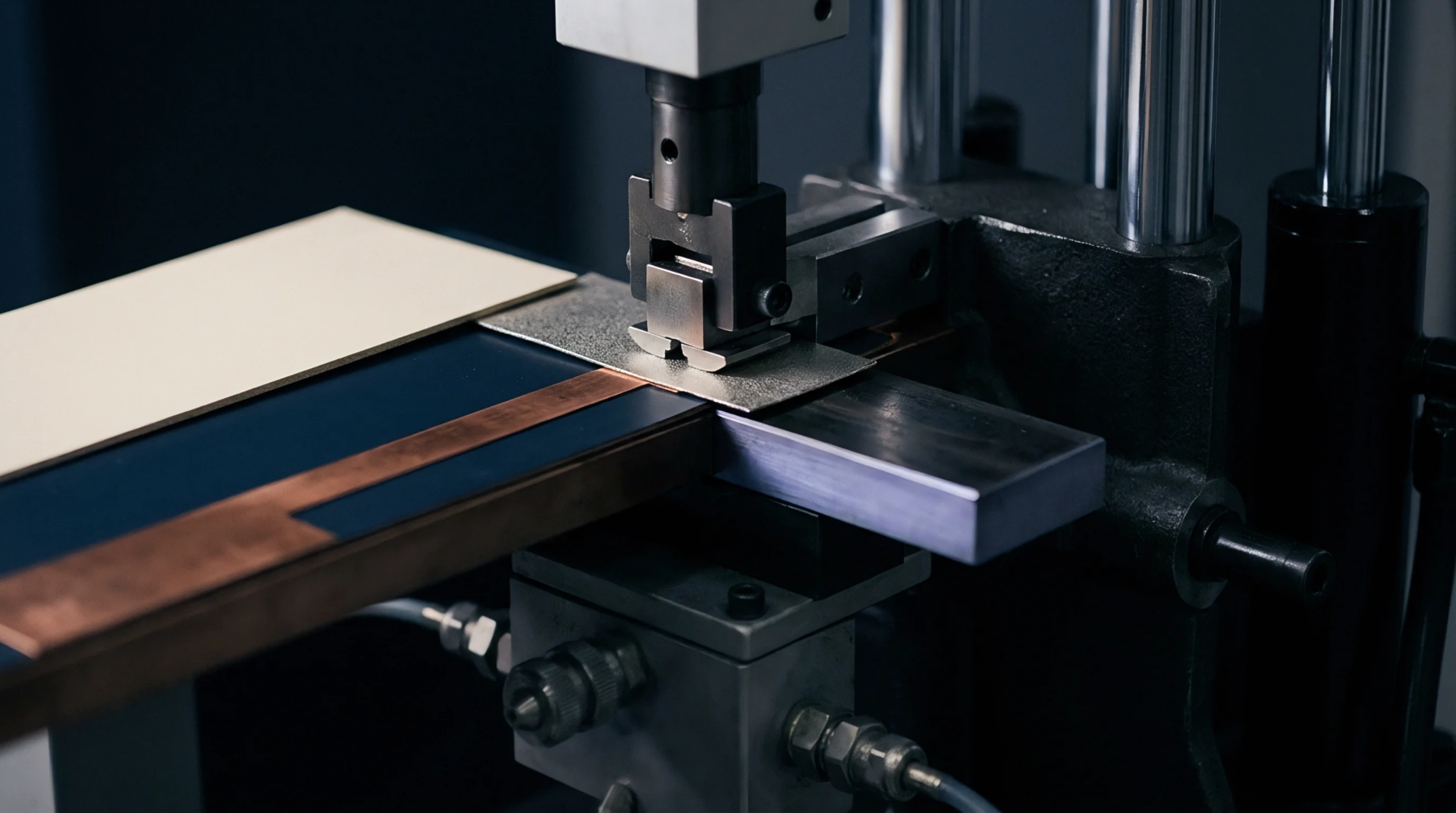
Class 3 line qualification demands paste measurement, thermal profiling, microsection verification, and first-article sign-off before production release.
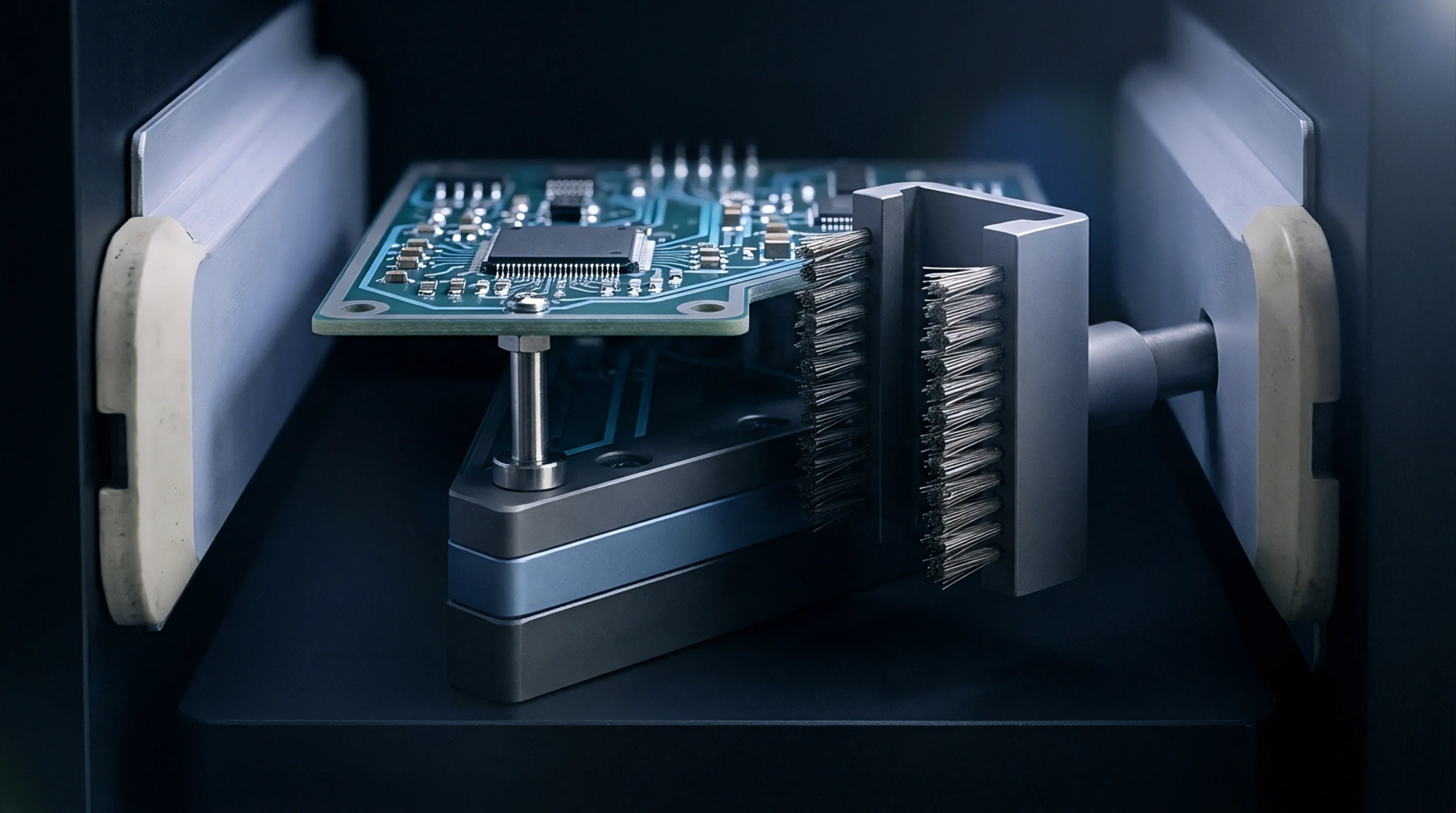
Component placement and soldering quality depend on stencil aperture ratios above 0.66, vision placement accuracy under 25 microns, and controlled liquidus reflow profiles.

Optimal SMT yield requires matching paste shear-thinning rheology with stencil area ratios above 0.66 and reflow profiles holding peak temperatures within 5°C.
Quantifying boundary layer collapse around high mass PCB features prevents thermal shadow defects through profile adjustments and targeted gas flow management.
Thermal defect attribution in mixed consigned assembly requires combining profile logs, 3D X-ray data, and MSL handling records to split material and process liability.
Unequal copper board reflow requires soak zone extended thermal balancing to overcome boundary layer insulation and prevent localized pad cold joints.
Allocating latent defect risk in advanced assembly relies on defined screening limits, clear warranty triggers, and empirical root-cause testing formulas.

Quantifying solder paste solvent evaporation rates in reflow profiles prevents micro-boiling, solder ball spattering, and excessive voiding beneath BTCs.

Thermogravimetric solvent mass loss below half a percent prior to liquidus eliminates outgassing macro-voids under bottom-terminated components.
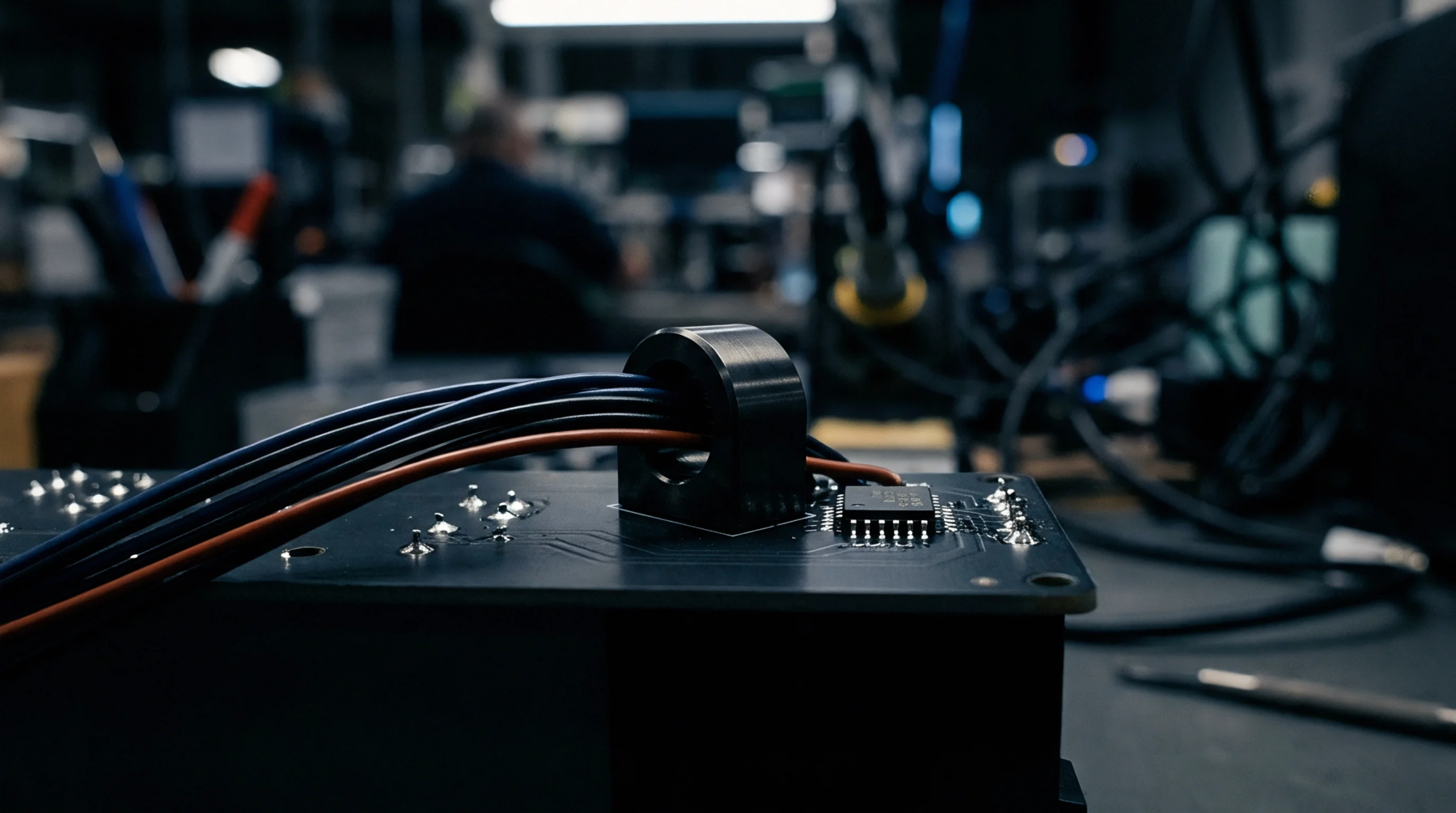
Intermetallic growth control and thermal profile validation prevent latent BGA fracture defects before boards leave the line.

Substrate Z-axis thermal expansion above Tg drives low-cycle fatigue and target pad separation in HDI microvias during SAC305 lead-free reflow profiles.
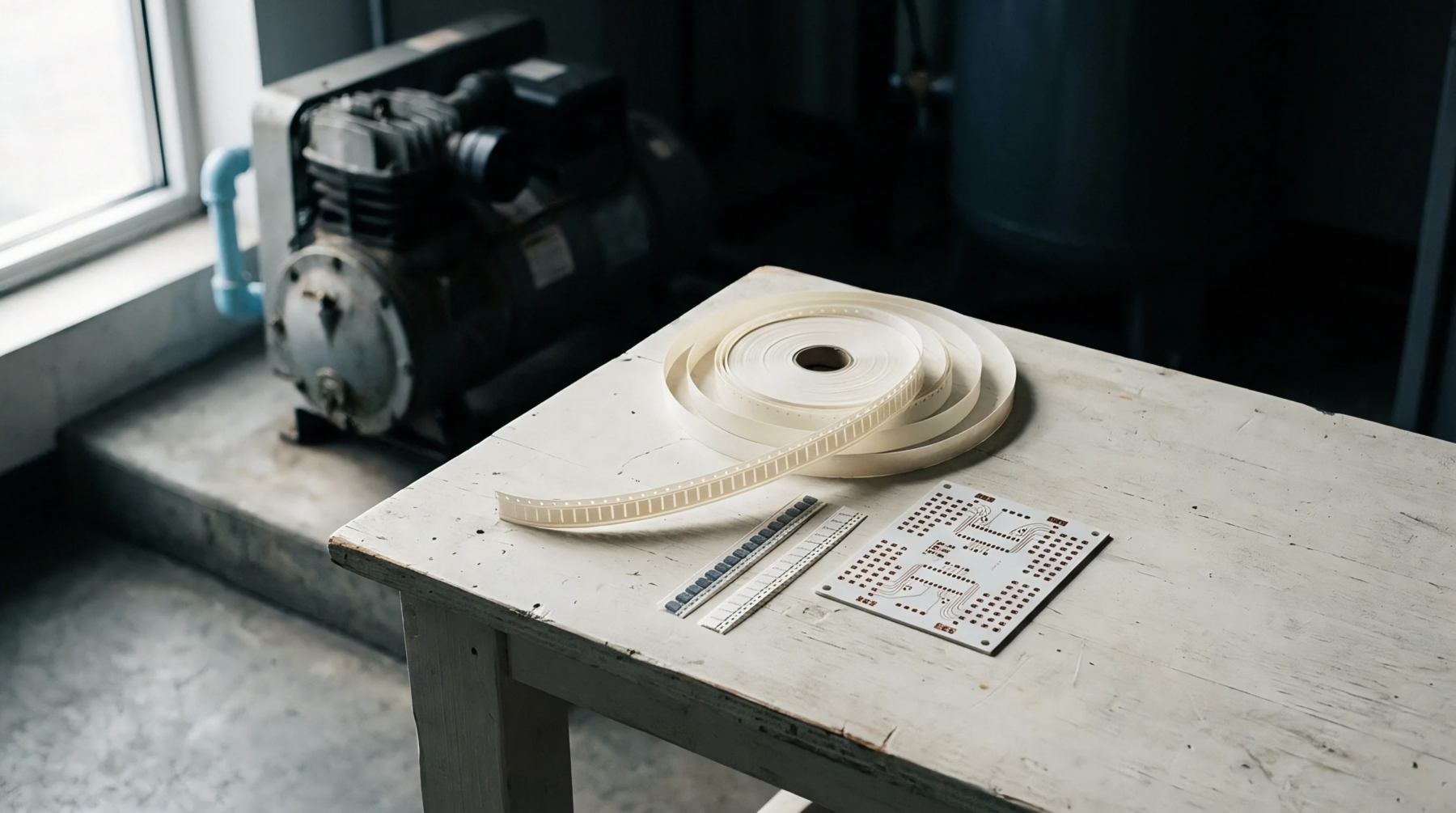
Financial exposure bounds in high-density SMT rely on binding paste volume thresholds, AOI escape modeling, and explicit contract scrap liability caps.

Vapor phase reflow eliminates thermal deltas across unequal copper density substrates by transferring latent condensation energy at constant fluid temperatures.
Allocate micro BGA line standby and rework exposure by binding hourly downtime tariffs and hot-gas rework liability directly to SPI, AXI, and feeder logs.
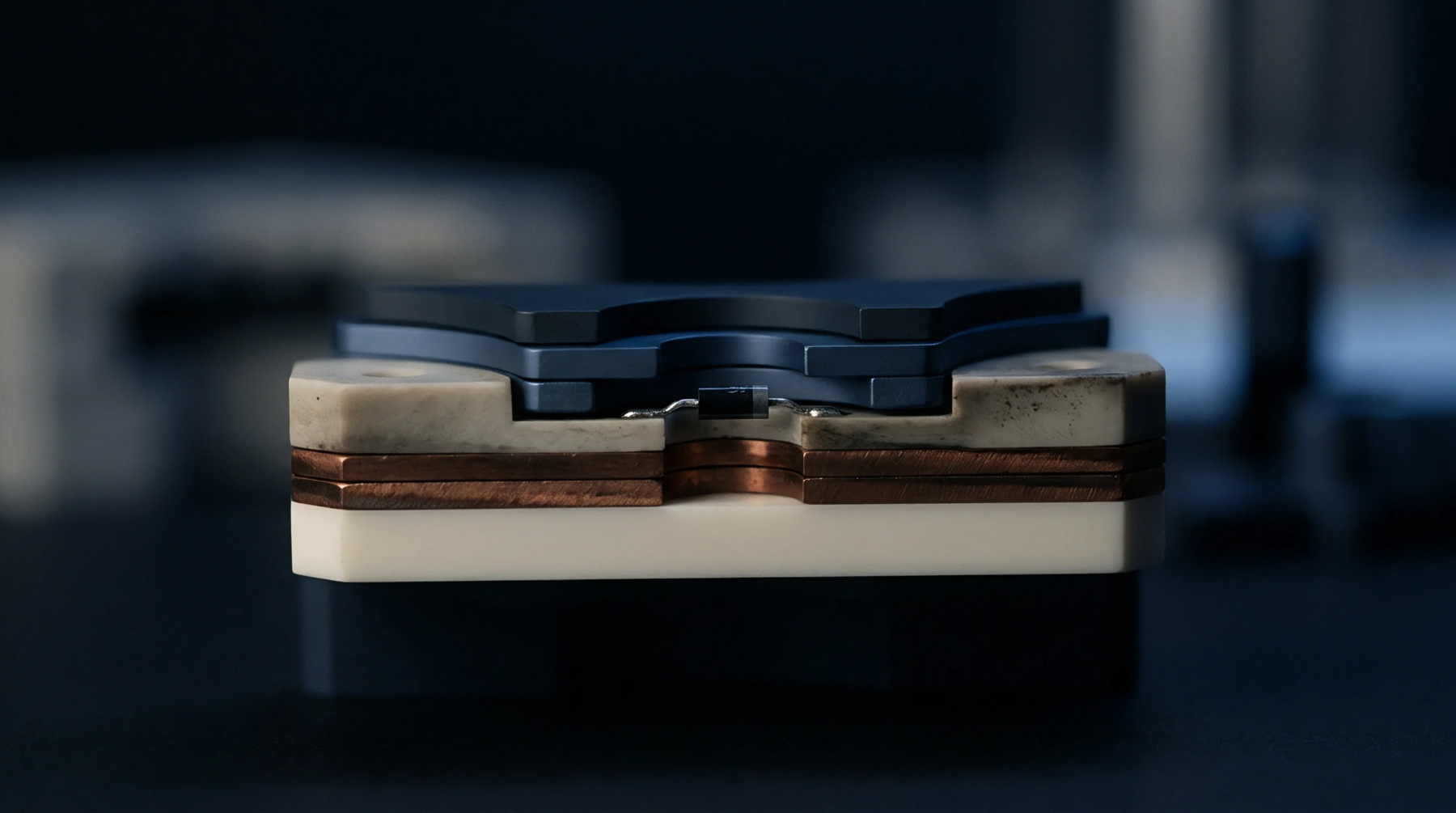
Optimize SAC305 reflow profiles between 235-248°C with 45-75s TAL and 3-5°C/s cooling to limit interfacial intermetallic growth and prevent brittle joint failure.

Forced convective reflow on heavy mass surface mount panels demands extended soak zones, elevated fan velocities, and adjusted paste deposition to ensure total reflow without scorching thin components.
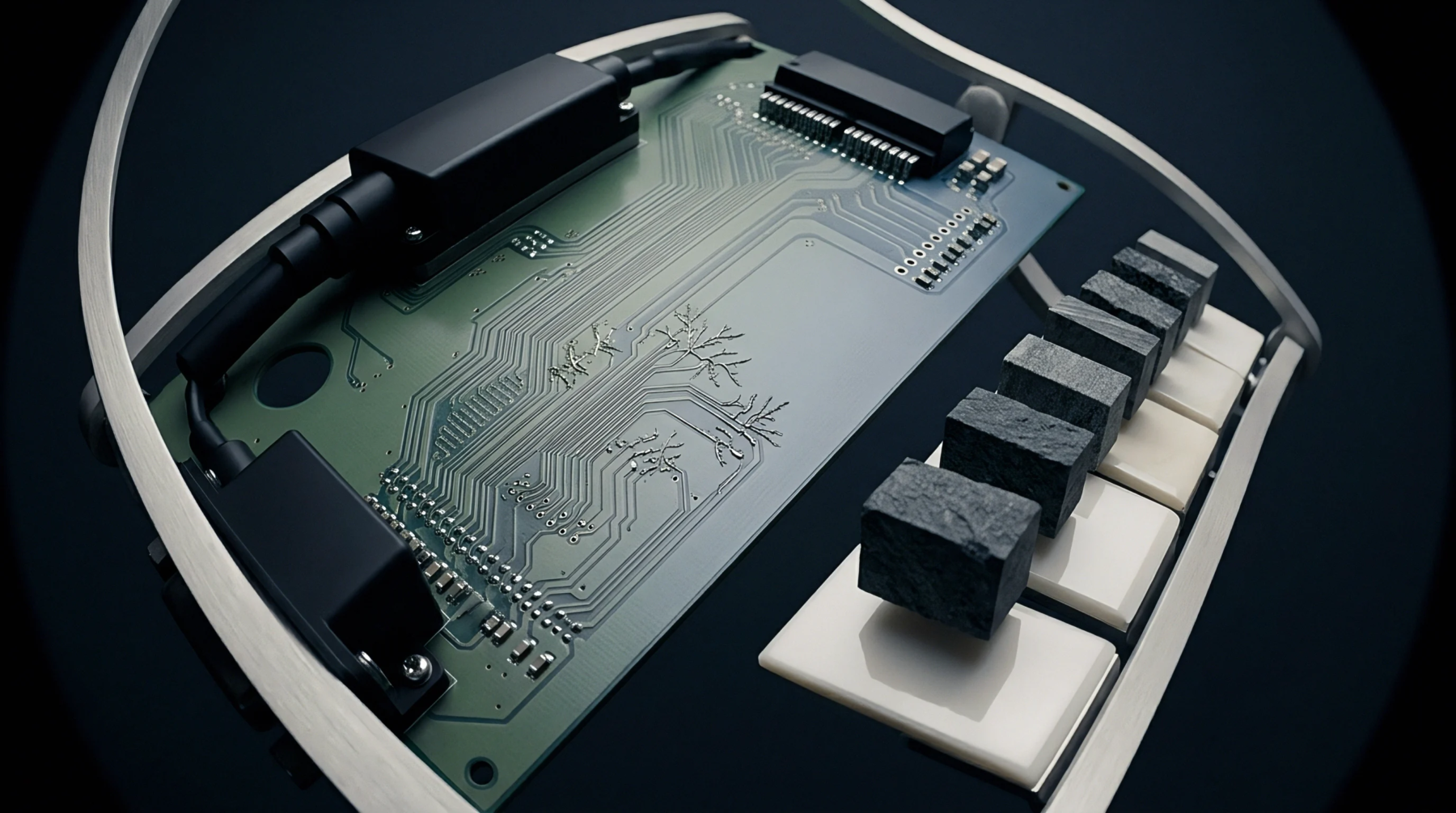
Dynamic thermal warpage alters fine pitch component standoff during reflow, trapping flux outgassing and increasing solder joint voiding percentages.

Reducing thermal gradients across multi-layer assemblies requires balancing inner copper mass, profiling zone dwell times, and applying rigid carrier support.
Solder reflow steam pressures inside plastic components demand exact floor life accounting and dry storage discipline to prevent package delamination.
Calculated steam expansion pressures in reflowed plastic integrated circuits reach 4.69 MPa at 260°C, causing catastrophic delamination if moisture exceeds critical levels.
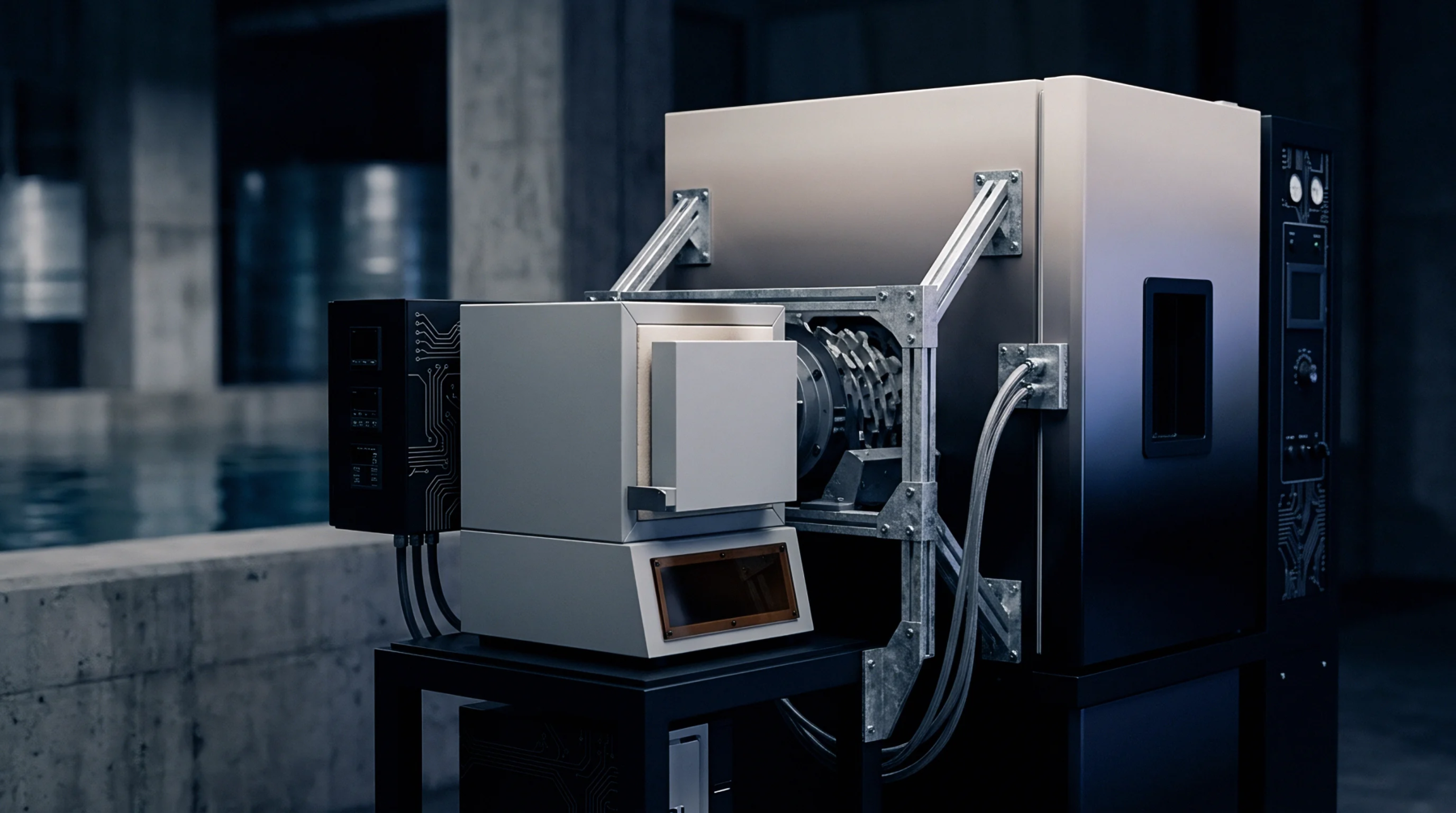
Calibrating convective reflow for heavy copper requires low conveyor speeds, high blower velocity, and dedicated thermal vehicle profiling to limit panel delta-T.
Preventing thermal collapse near high-mass components requires optimizing zone convection vectors rather than reducing line speed.
Optimized lead-free reflow profiling requires thermal deltas under eight degrees, controlled time above liquidus, and precise paste transfer efficiency.
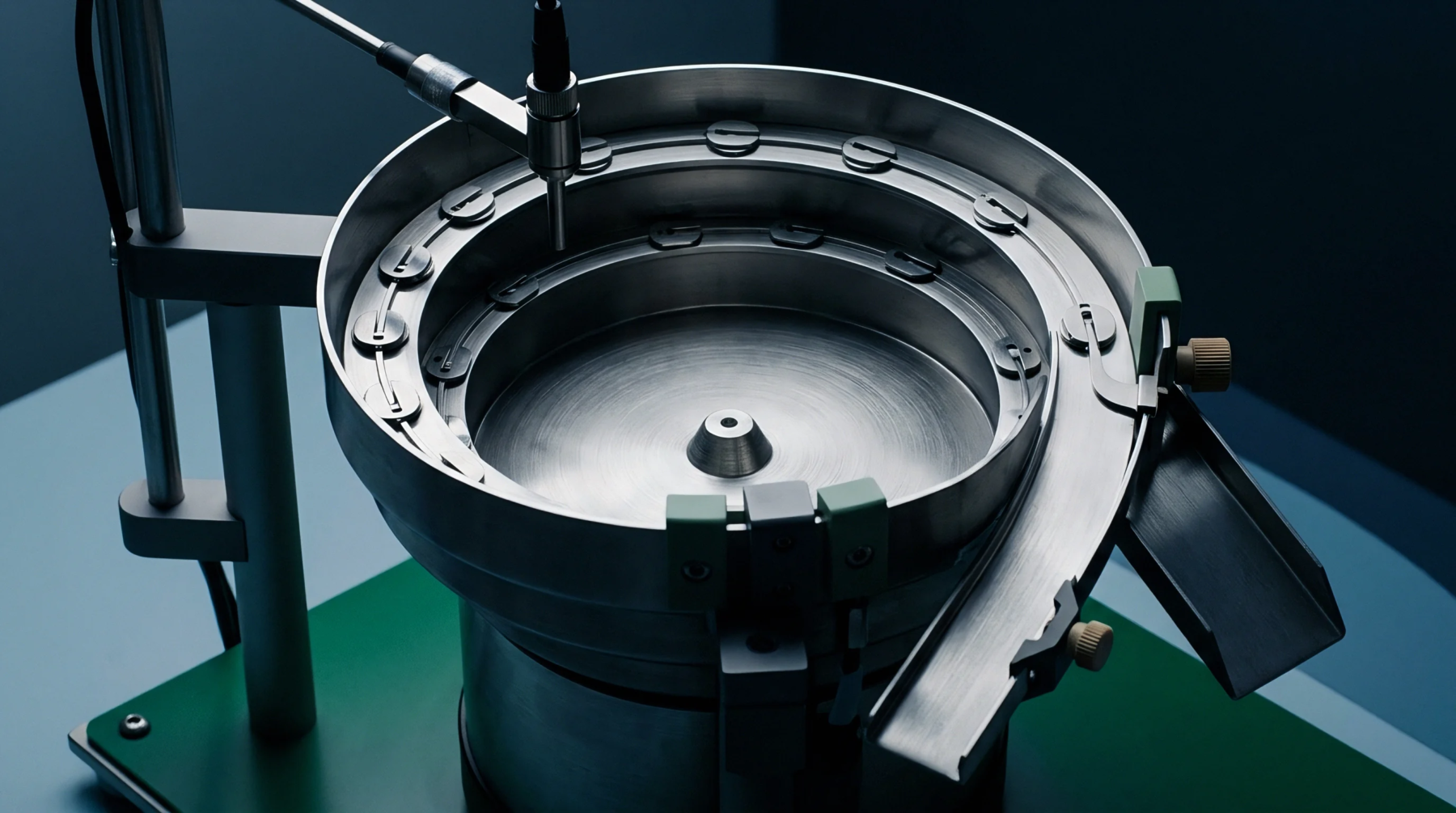
Thermal boundary layer compression via targeted convection gas velocity minimizes temperature deltas across high mass circuit board assemblies during reflow.
Profiling variable weight copper stackups requires extended soak dwell and high gas velocity to equalize thermal delta across light pads and heavy ground planes.
Sub-atmospheric pressure profiling reduces bottom-terminated component voiding below 5% by expanding and evacuating trapped flux gases during liquidus.
Micro-aperture solder paste transfer efficiency demands electroformed or nanocoated stencils, Type 5 powder, and strict 3D inspection controls below 0.55 area ratios.
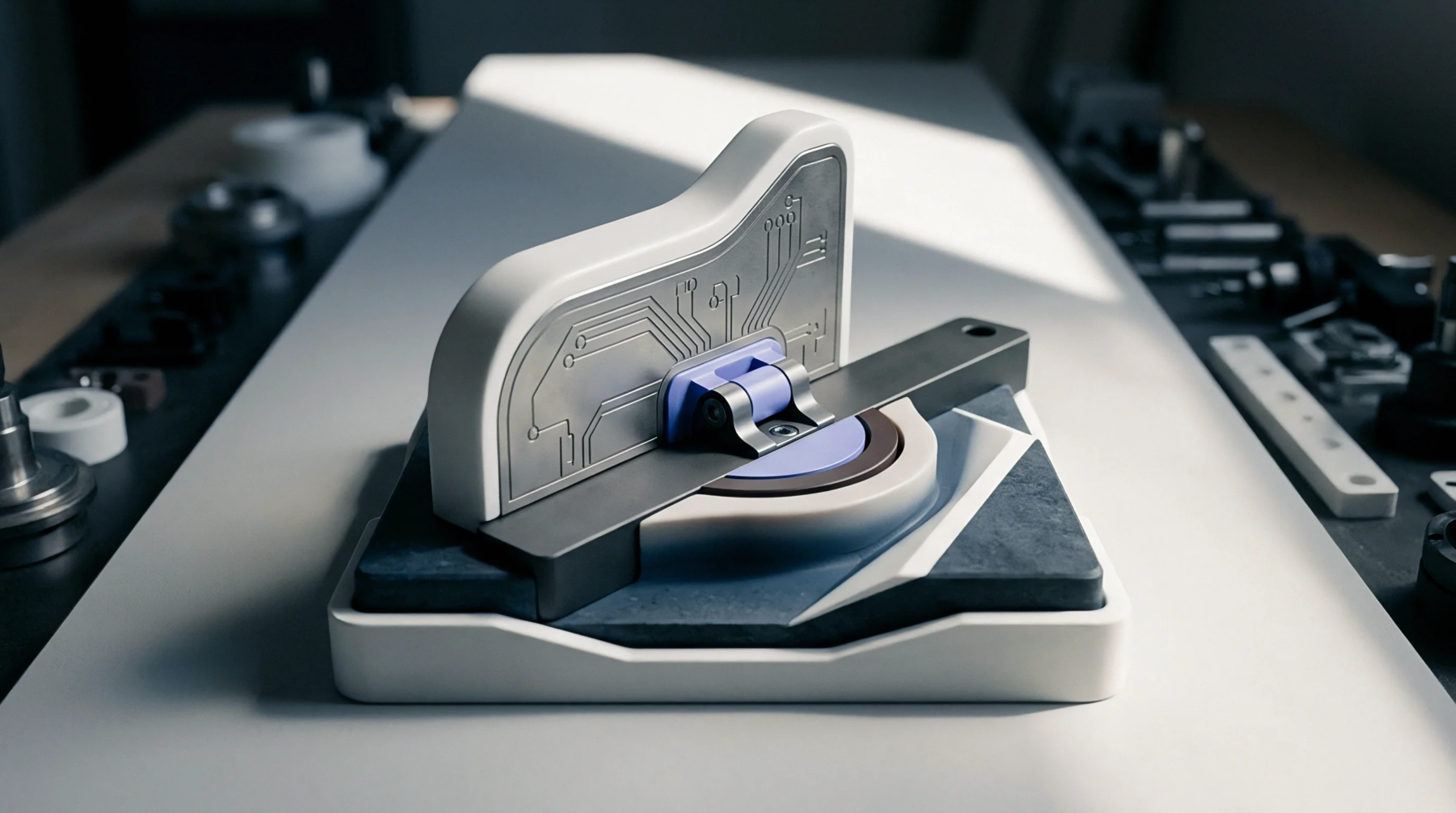
Matching reflow soak durations to flux solvent evaporation rates eliminates sub-component pressure spikes and drops QFN thermal pad voiding below ten percent.
Expertise is a utility, not a secret. sentiention™ publishes its working knowledge as open reference: intelligence layer covering the materials it sources, the markets it enters, and the reference that serves both.