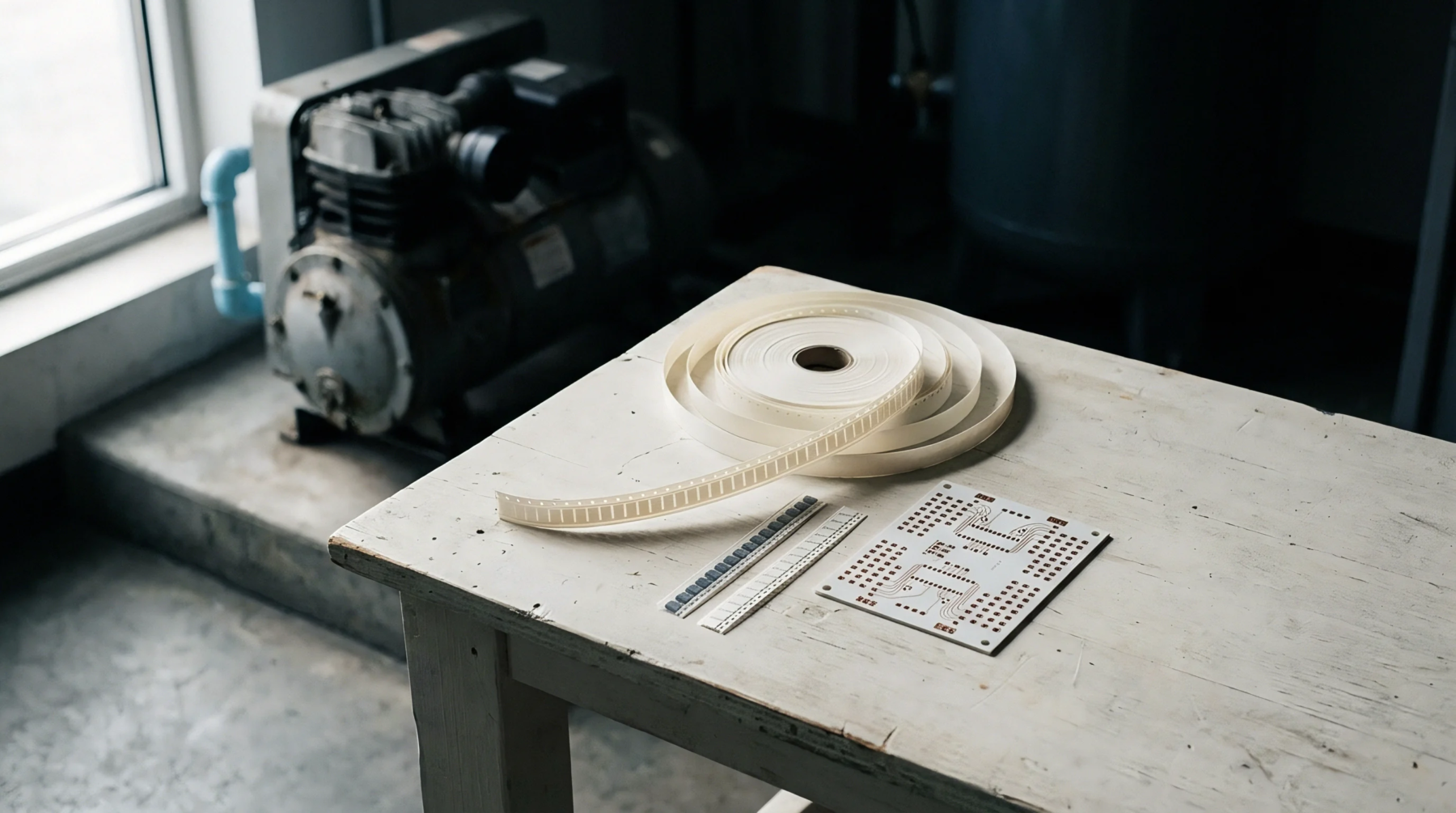
Correlating Thermogravimetric Volatile Mass Loss Derivatives to Solder Void Formation
Matching solder paste flux mass loss derivatives to reflow profiles before alloy liquidus minimizes gas entrapment and eliminates bottom-terminated voiding.
Matching solder paste flux mass loss derivatives to reflow profiles before alloy liquidus minimizes gas entrapment and eliminates bottom-terminated voiding.
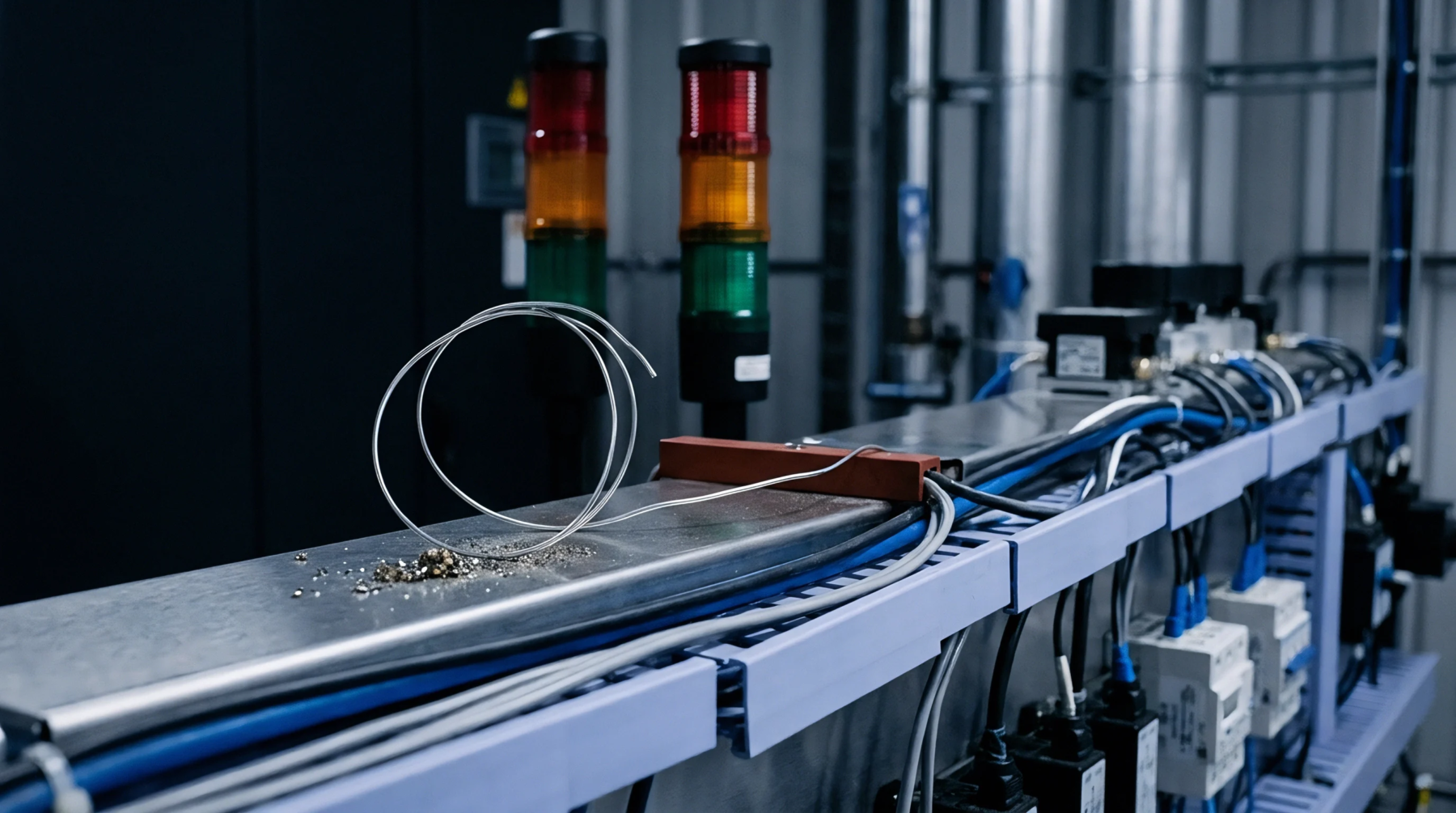
Strict convective ramp limits below 2.0C/s combined with flexible polymer terminations eliminate MLCC microcracking during surface mount reflow assembly.
Vapor phase reflow uses condensing fluorochemical vapor to eliminate thermal mass deltas, holding peak temperatures at fluid boiling point to stop component overheating.
Optimizing high-density reflow profiles requires capping thermal deltas below eight degrees Celsius while balancing liquidus dwell against outgassing kinetics.
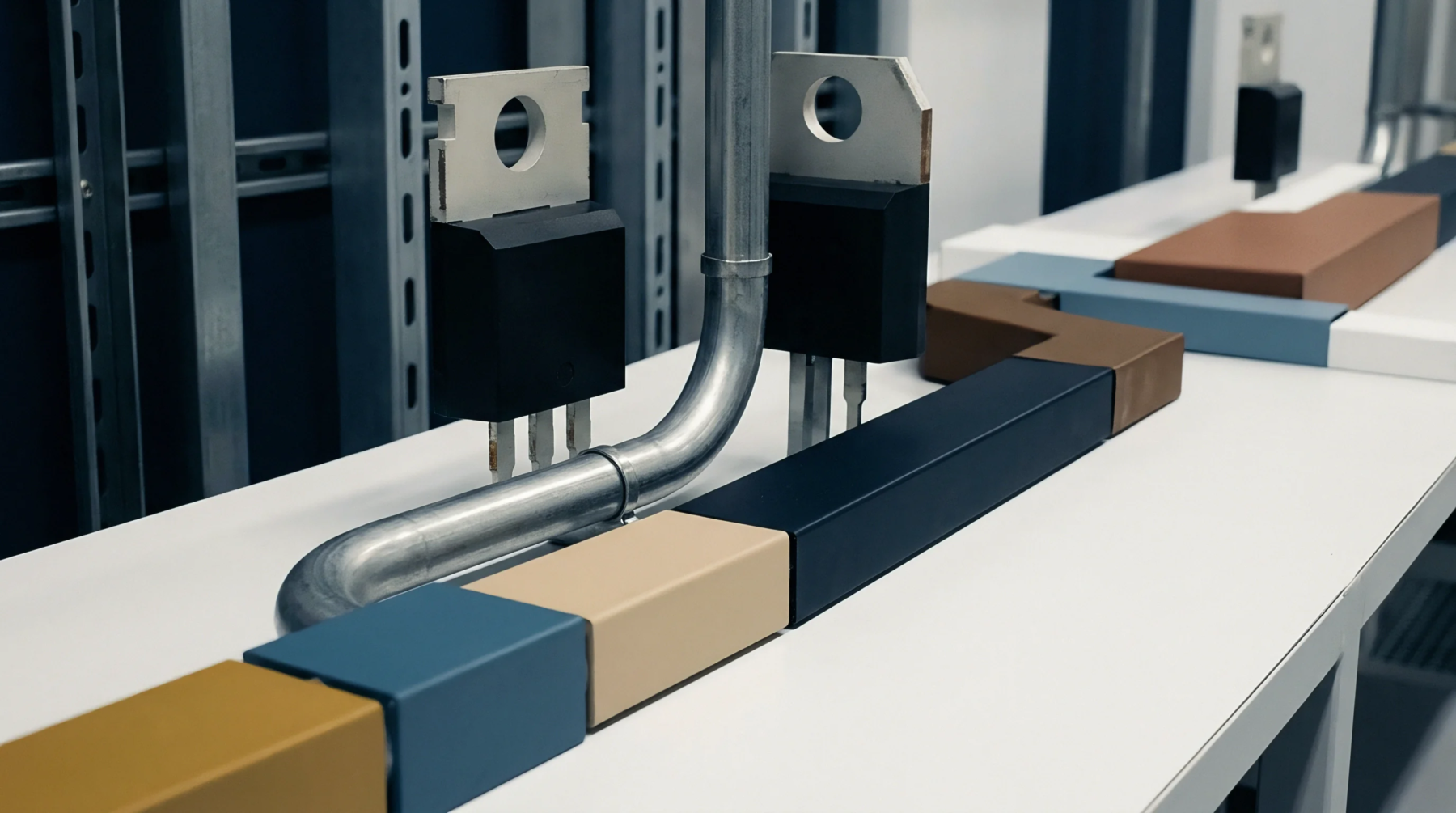
Optimizing reflow heating slopes between 1.2 and 1.8 °C/sec prevents premature solder sealing and reduces BTC thermal pad voiding below Class 3 limits.

Micro BGA thermal ramp selection balances solvent outgassing, substrate deformation, and wetting kinetics to prevent bridging and non-wetting defects.
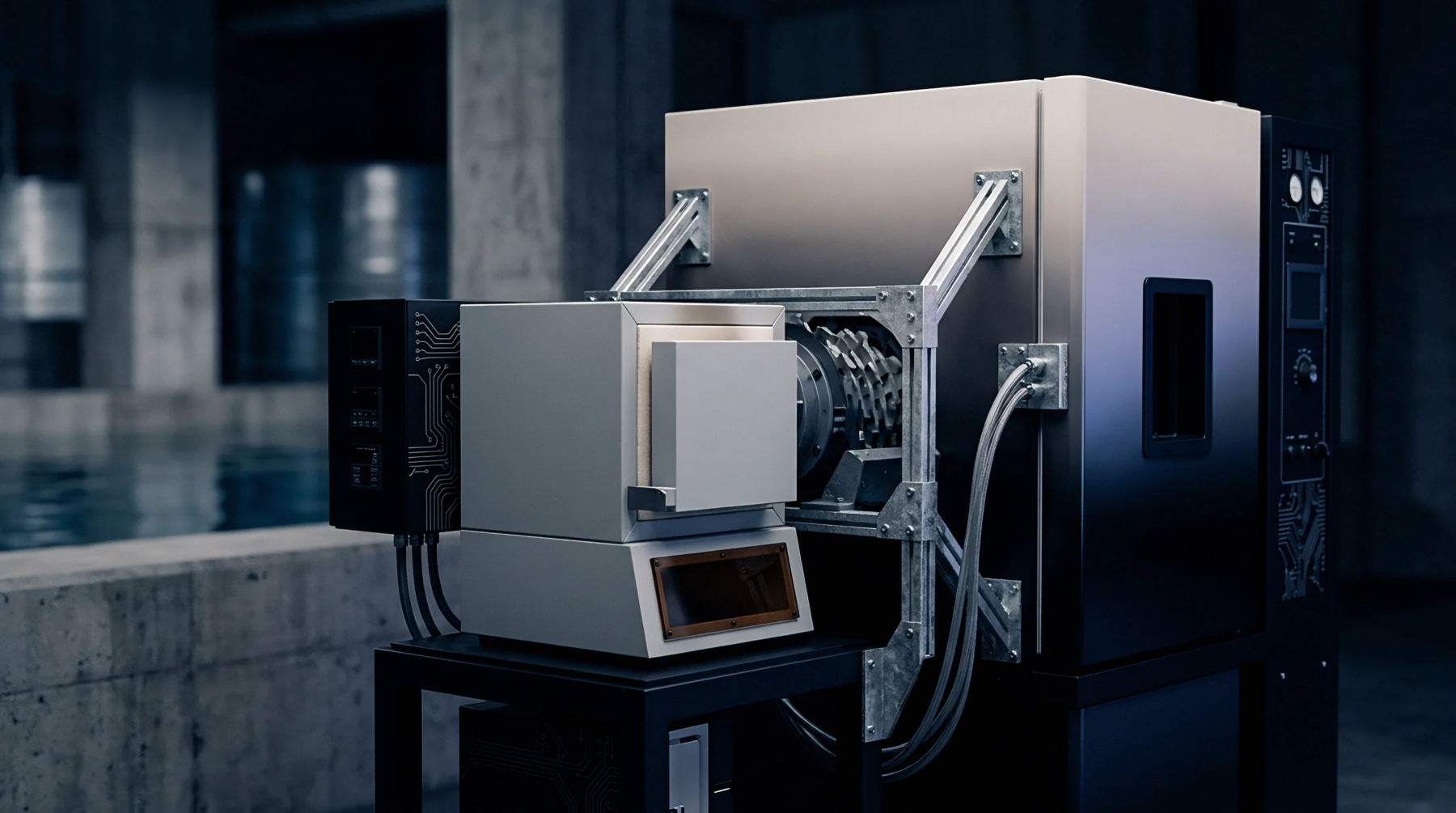
Fine pitch solder paste transfer efficiency increases by pairing electroformed stencils with Type 5 powder and controlled separation speeds.
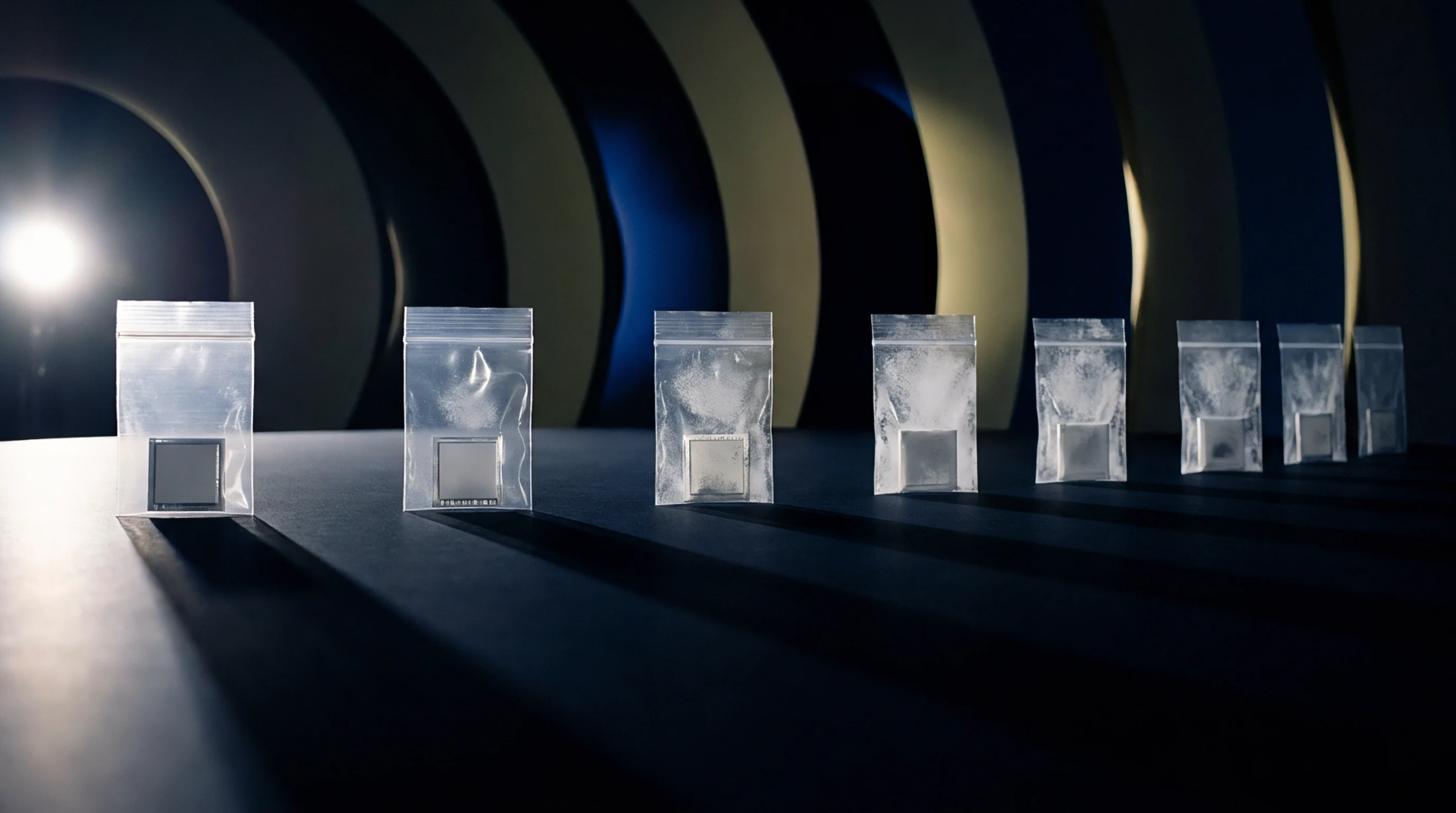
Sub-forty millimeter component pin inspection relies on calibrated 3D profilometry, telecentric optics, and IPC Class 3 coplanarity thresholds.
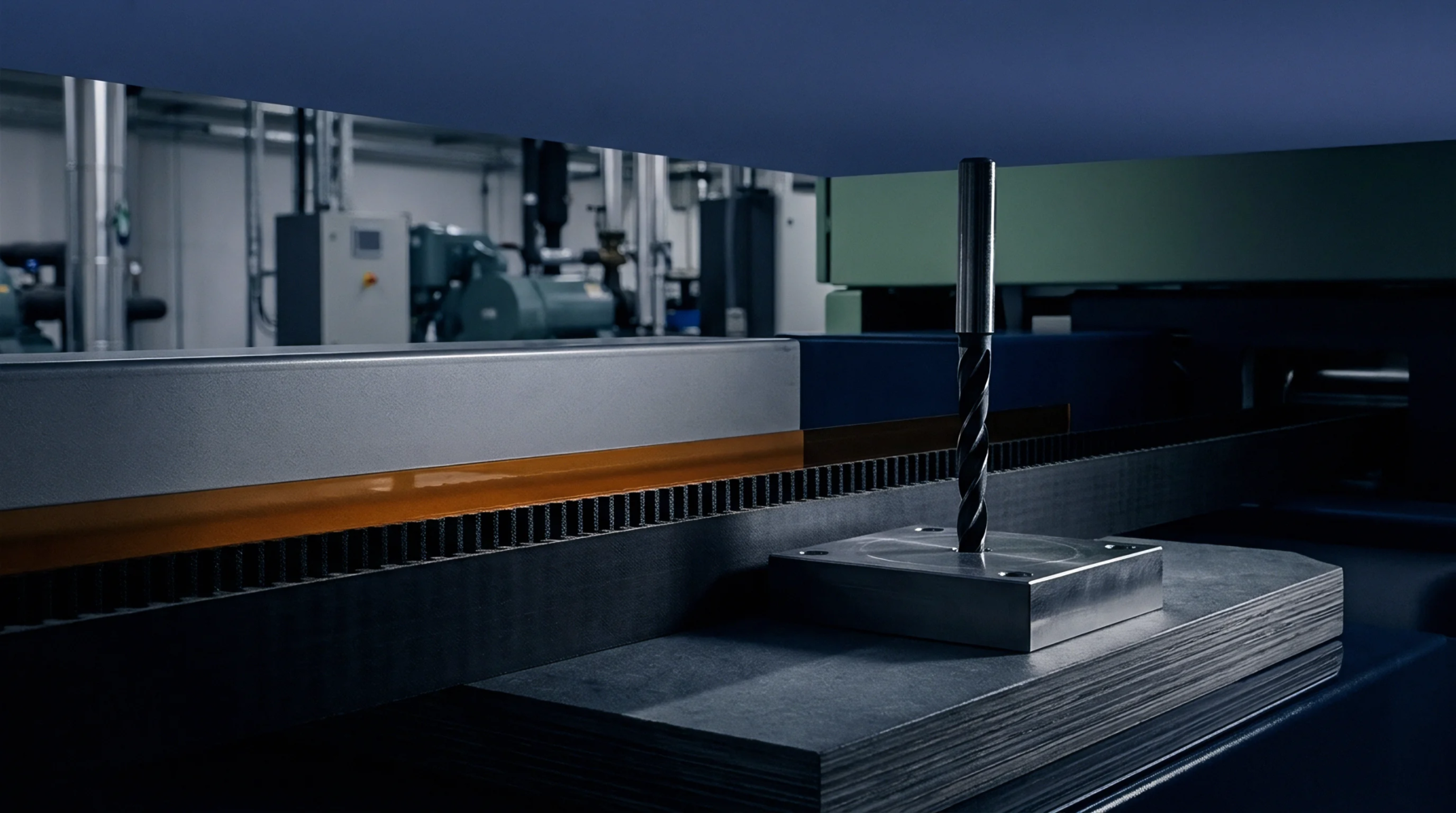
Submicron target pad separation grows exponentially across repeated reflow passes due to Kirkendall void coalescence at intermetallic layers.
Substrate CTE mismatch drives severe dynamic warpage and shear strain during reflow cooling, requiring tight profiling, NSMD pads, and elevated standoff.
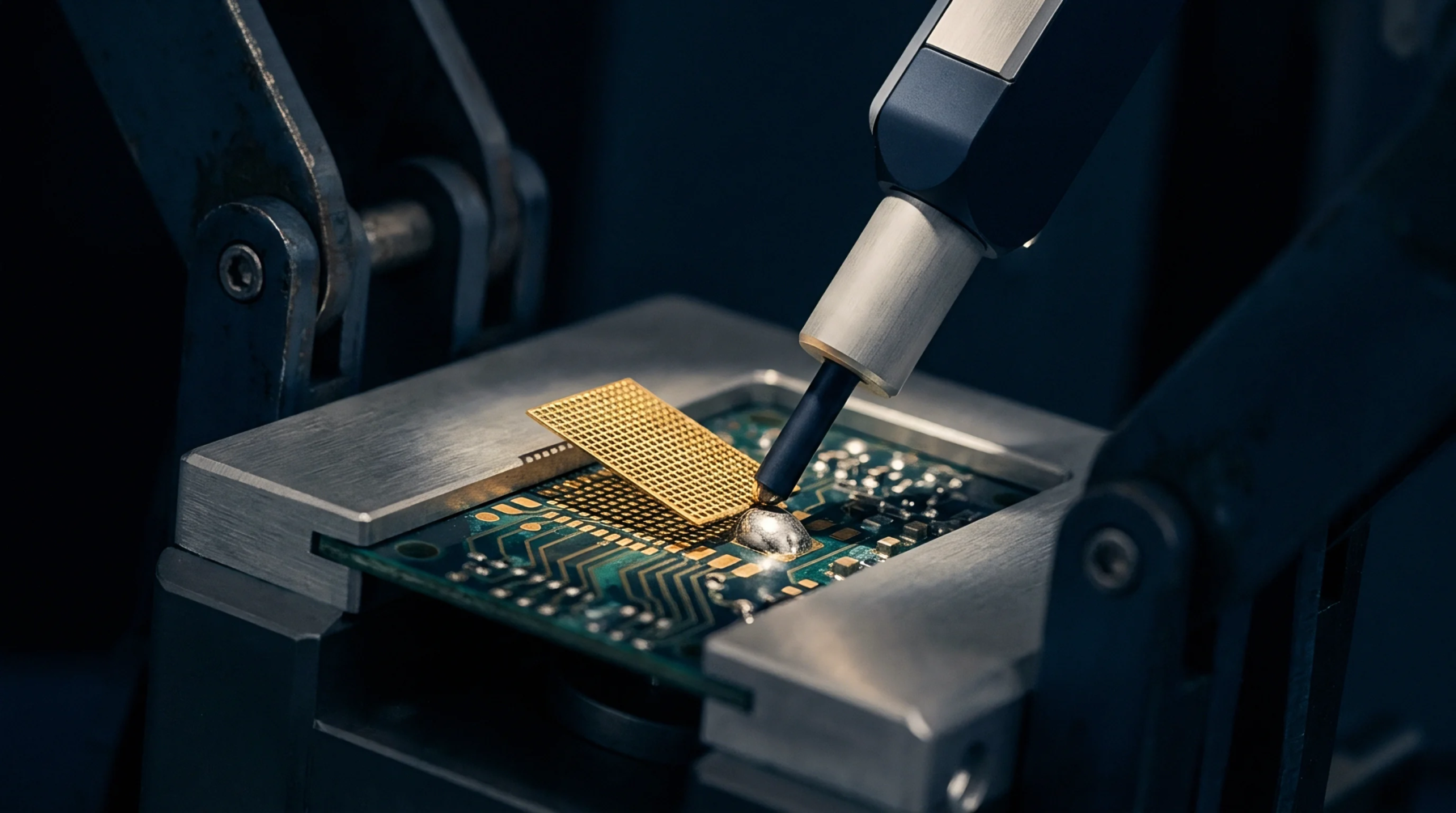
Matching flux solvent evaporation rates to vacuum depressurization timing eliminates leadless ground pad voiding without solder bead ejection.
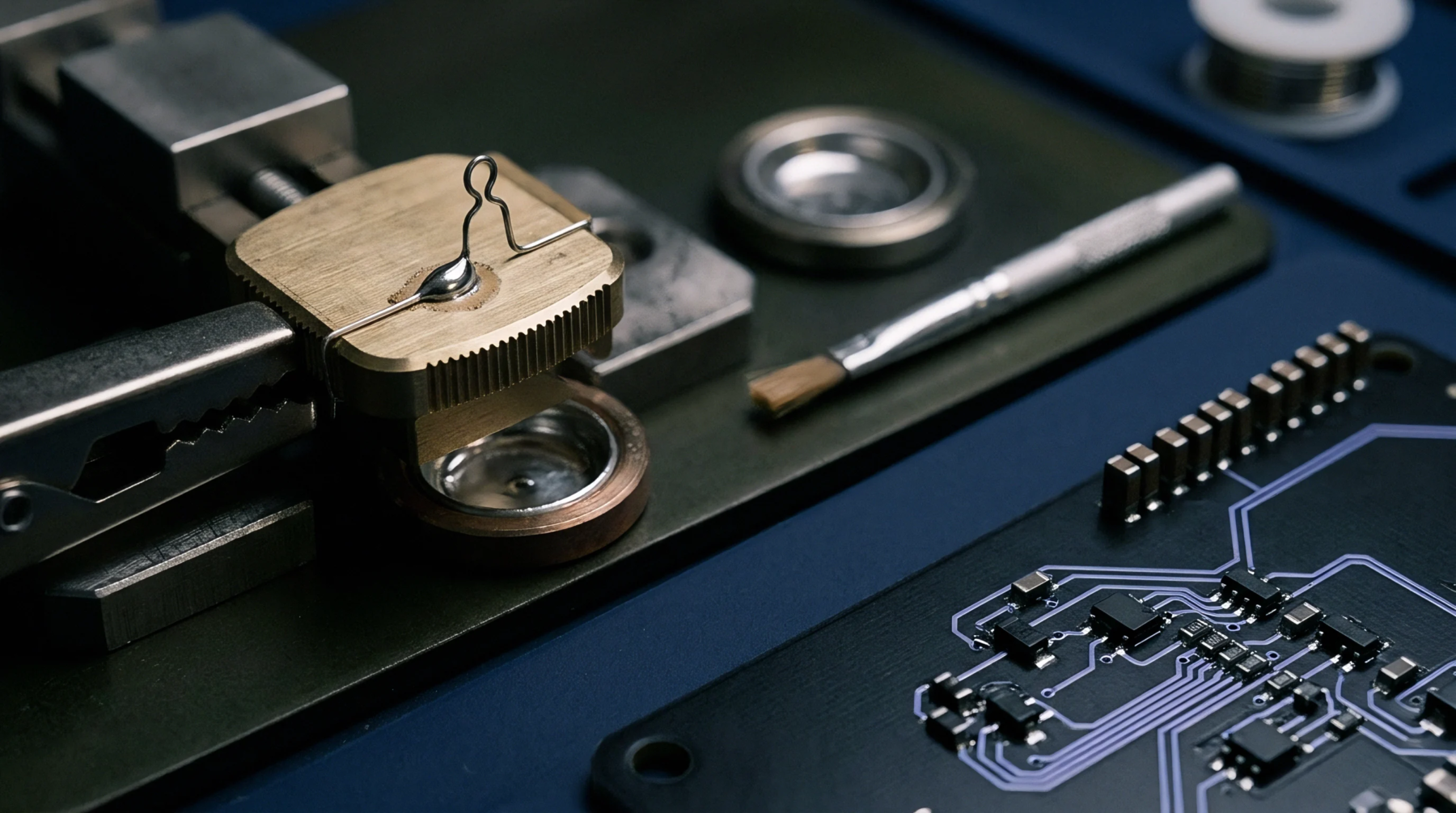
Optimizing BTC reflow profiles requires extended soak zones between 150°C and 180°C to exhaust flux solvents before liquidus coalescence traps outgassing vapor.
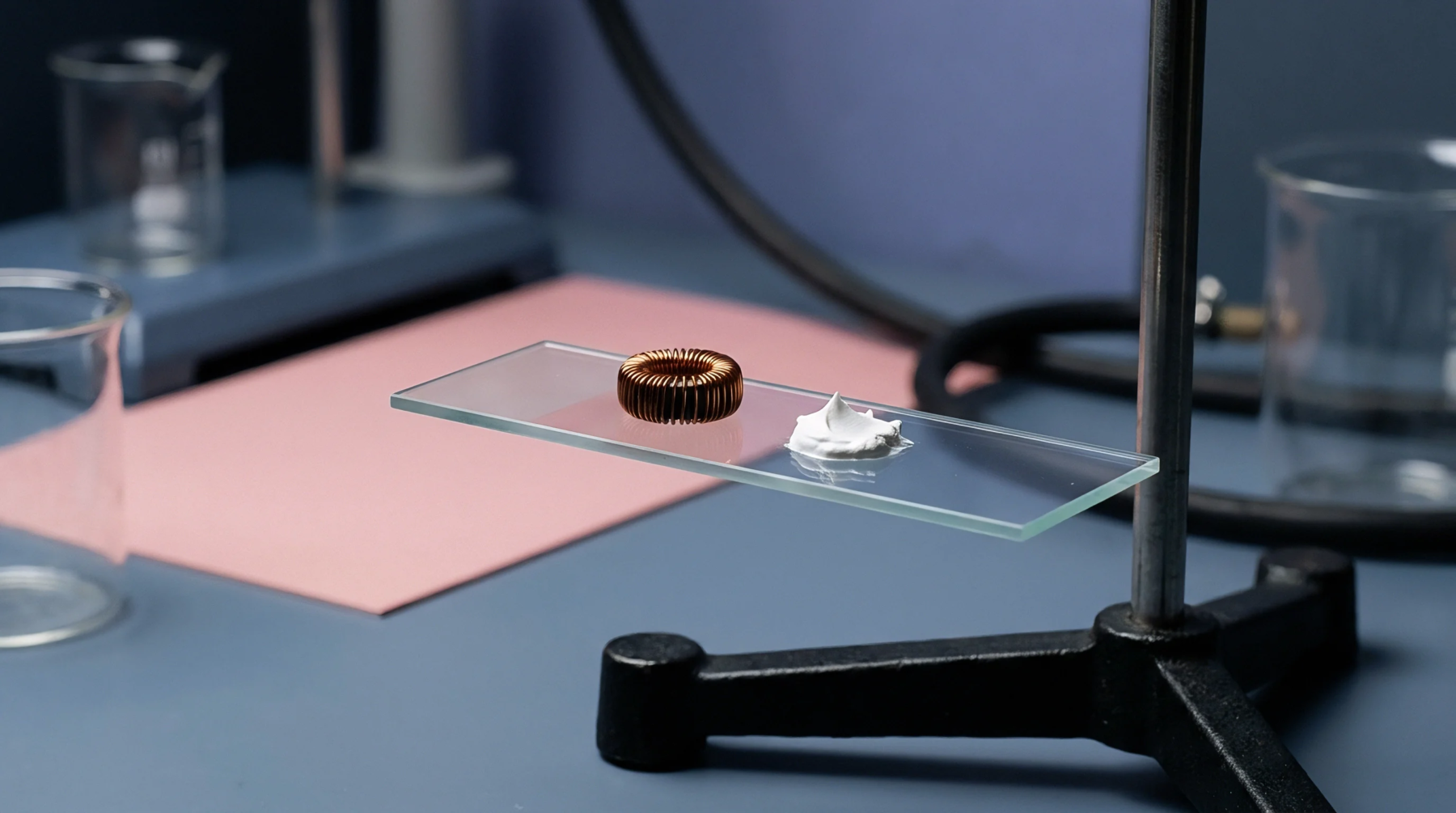
Defect resolution hinges on forensic material proof establishing whether solder failure stemmed from component metallization flaws or reflow processing errors.

Clear contract assembly boundaries require linking specific IPC inspection classes to documented thermal profiles, moisture logs, and signed first-article records.
Microvoids under thermal fatigue concentrate local creep strain, accelerating intermetallic crack propagation and shortening solder joint lifespan.
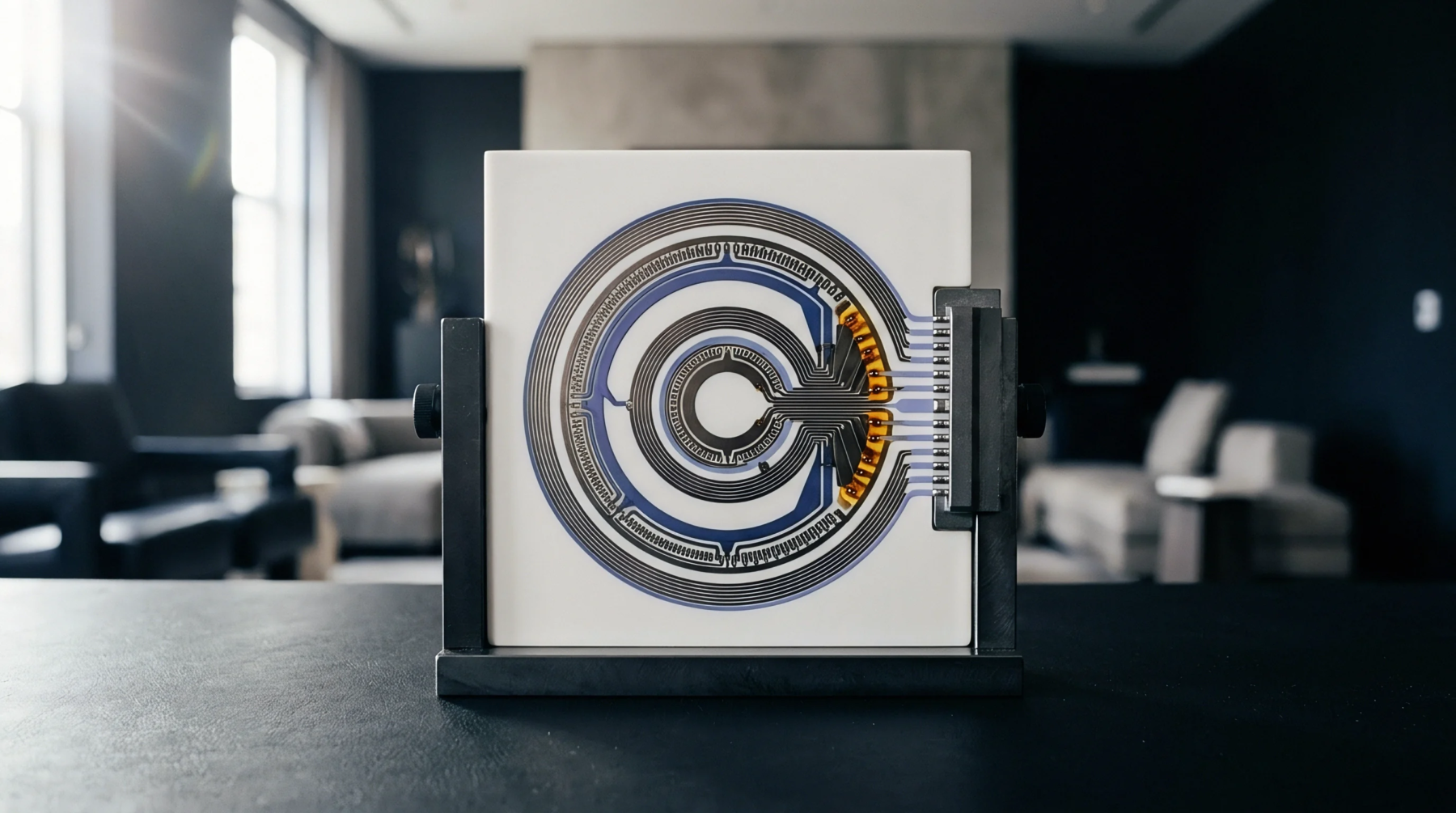
Non-equilibrium bubble transport in large BTC joints depends on surface tension gradients and outgassing channels, requiring controlled peak profile dynamics.
Interfacial bubble nucleation is governed by substrate surface energy and volatile outgassing kinetics, controlling void formation in molten solder joints.
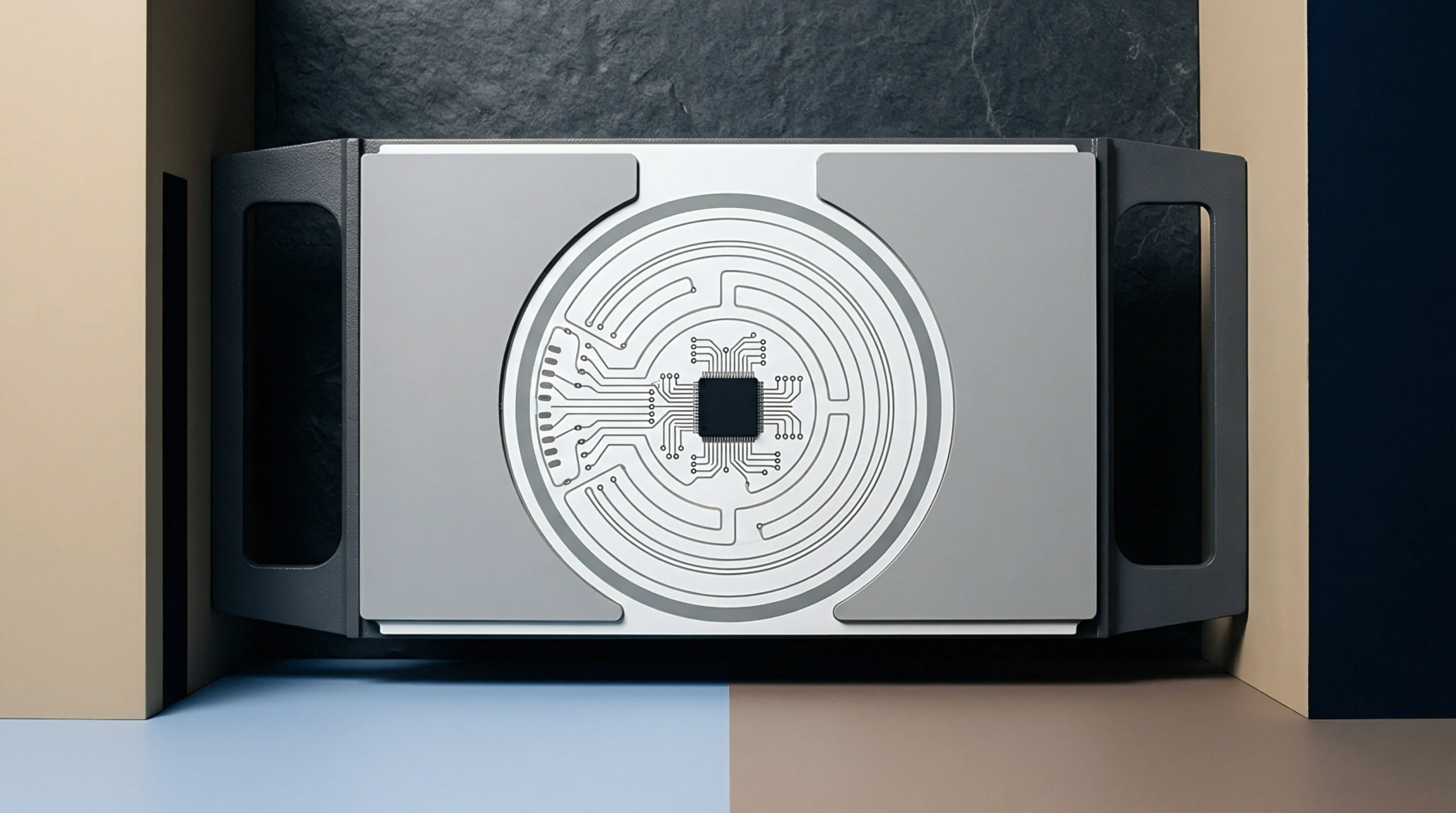
Vacuum reflow reduces SMT interfacial voiding below 3% when dwell targets 10 mbar pressure for 15 seconds within the liquidus temperature window.
Controlled pump-down rates between 15 and 30 mbar/s suppress volatile splatter while reducing power termination voiding below IPC Class 3 defect thresholds.
Vacuum reflow profiling requires aligning vacuum dwell fully inside liquidus while controlling depressurization rates to suppress voiding below five percent.
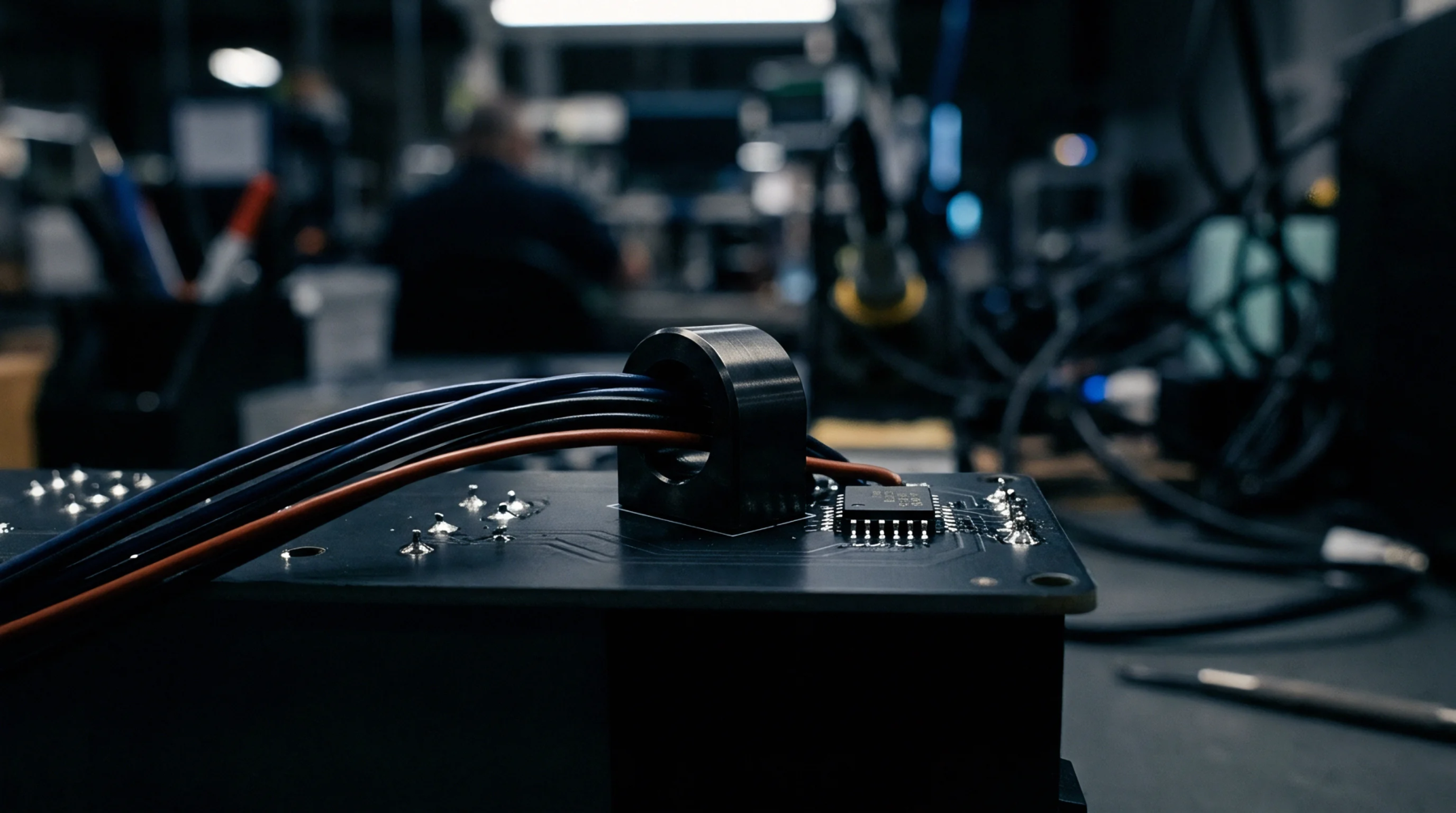
Apportioning latent solder degradation losses requires metallurgical micro-sectioning to isolate process defects from thermal fatigue before enforcing warranty indemnity.
J-STD-020 preconditioning validates plastic BGA package integrity by exposing parts to desorption baking, moisture saturation, and three reflow passes.
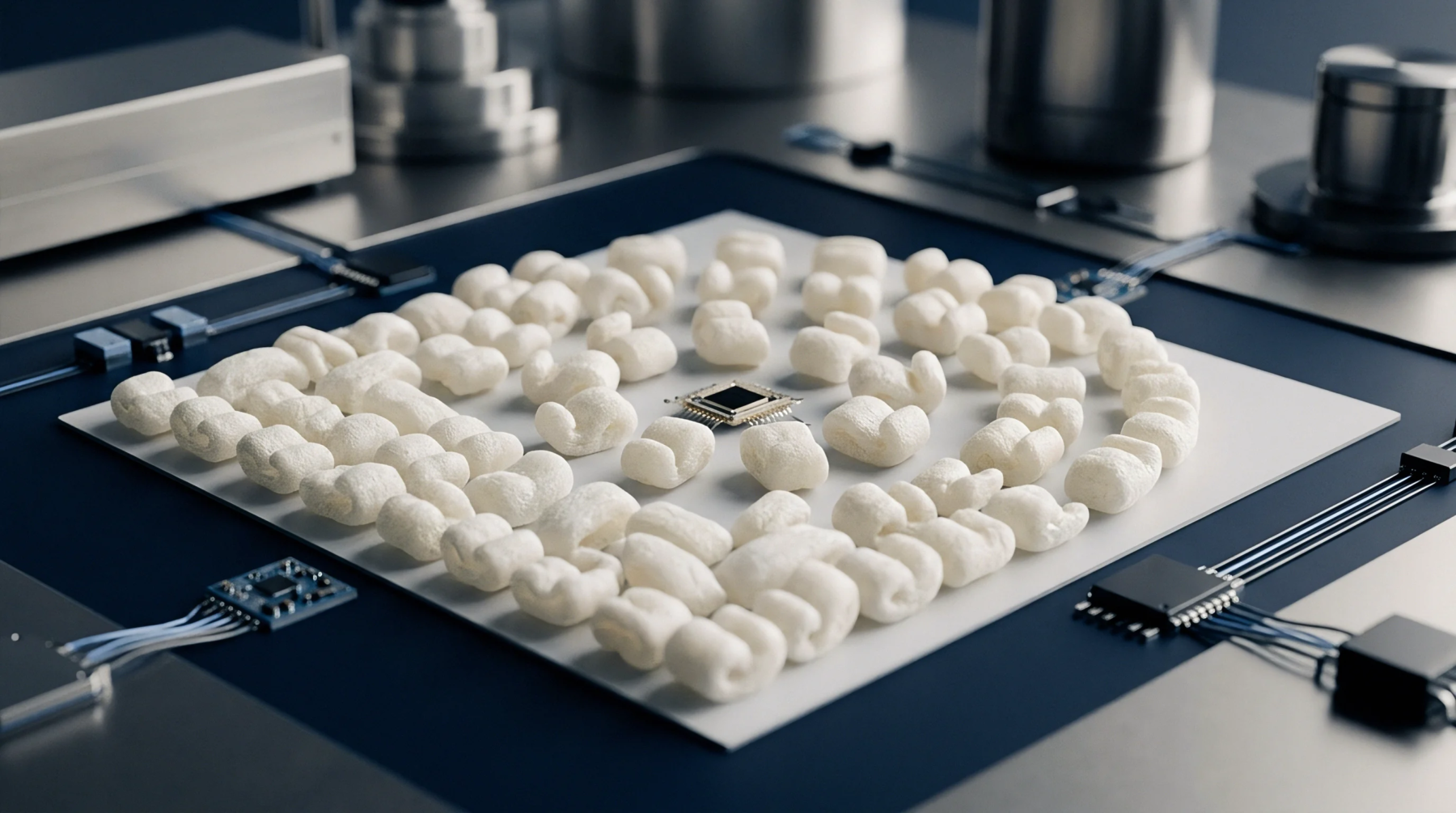
Maximize convection gas velocity and lower-plenum thermal bias to collapse cross-board temperature deltas on heavy copper stackups without slowing line output.
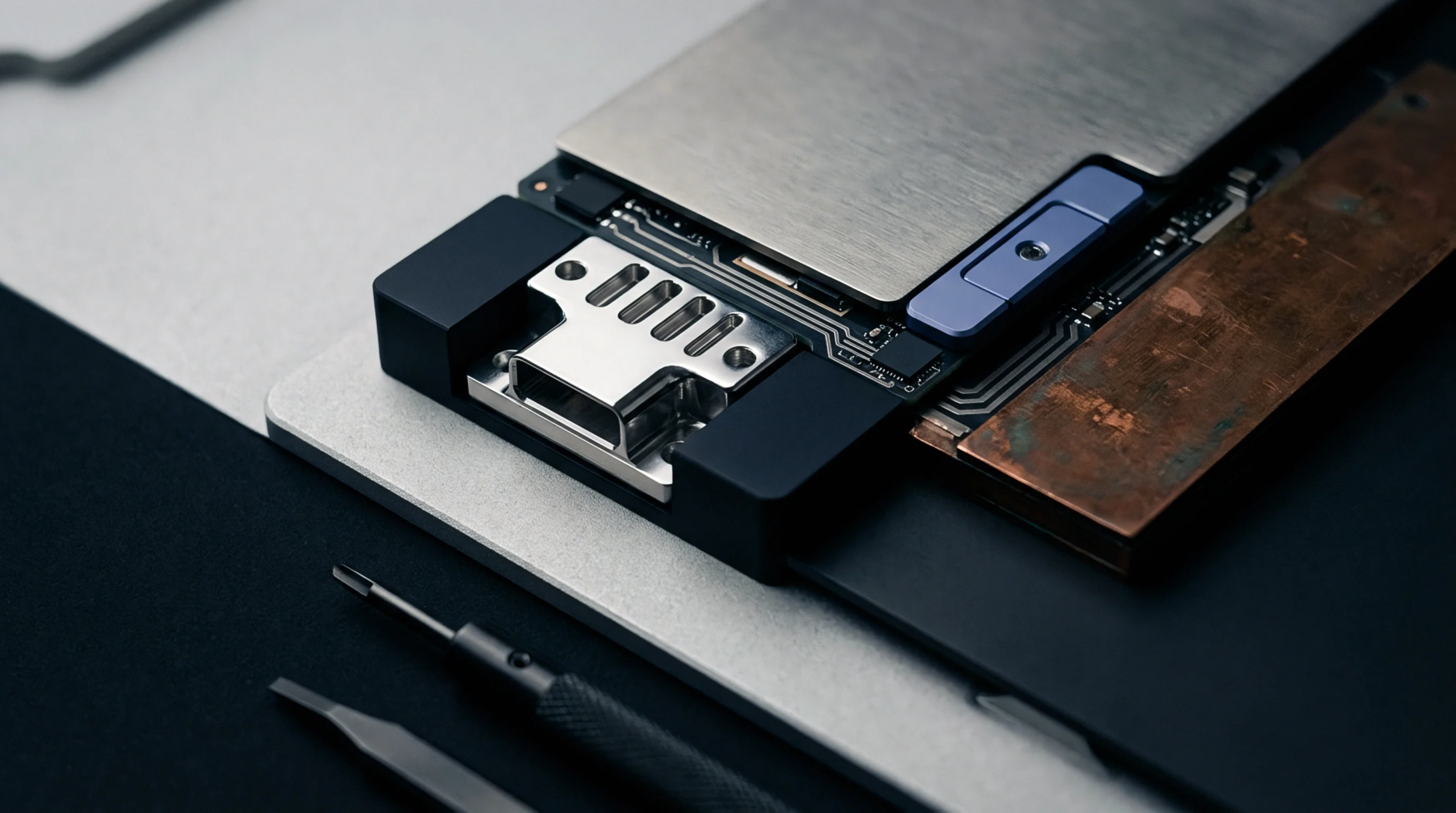
Managing reflow on high thermal mass PCBs requires extended soak profiles, nitrogen inerting, and precise TC placement to hold Delta T below ten degrees Celsius.
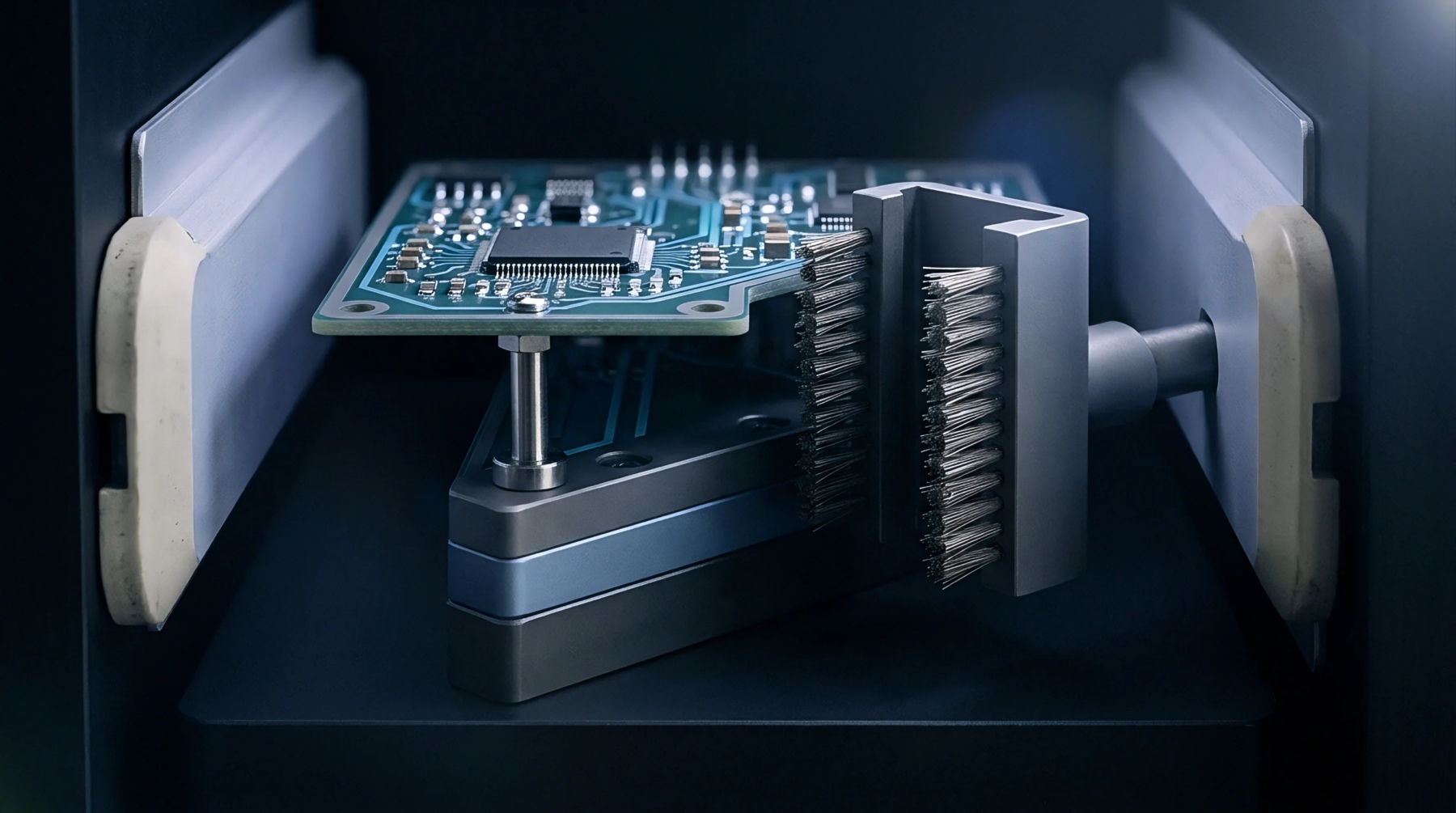
Thick boundary layers behind tall, high-mass SMT packages insulate joints from oven gas, creating steep thermal deltas that force slower line speeds.

Forced convection reflow zones transfer thermal energy by breaking stagnant boundary layers with gas jets calibrated between two and six meters per second.
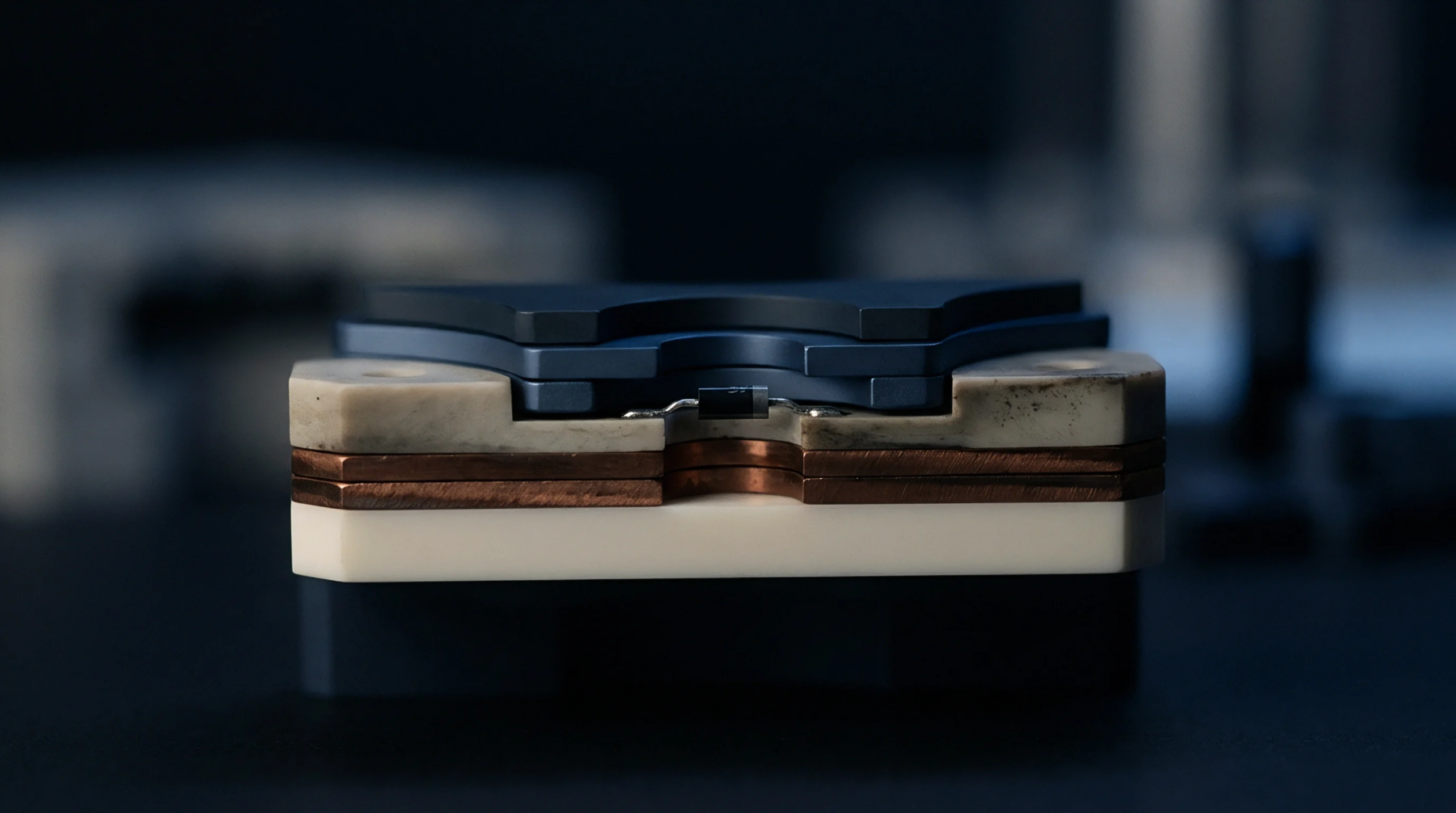
Mixed-alloy interconnects demand strict reflow dwell and cooling control to prevent localized phase segregation and non-linear intermetallic creep cracking.
Controlled thermal gradients prevent localized package warpage, solder bridging, and intermetallic brittleness across complex high-density printed assemblies.
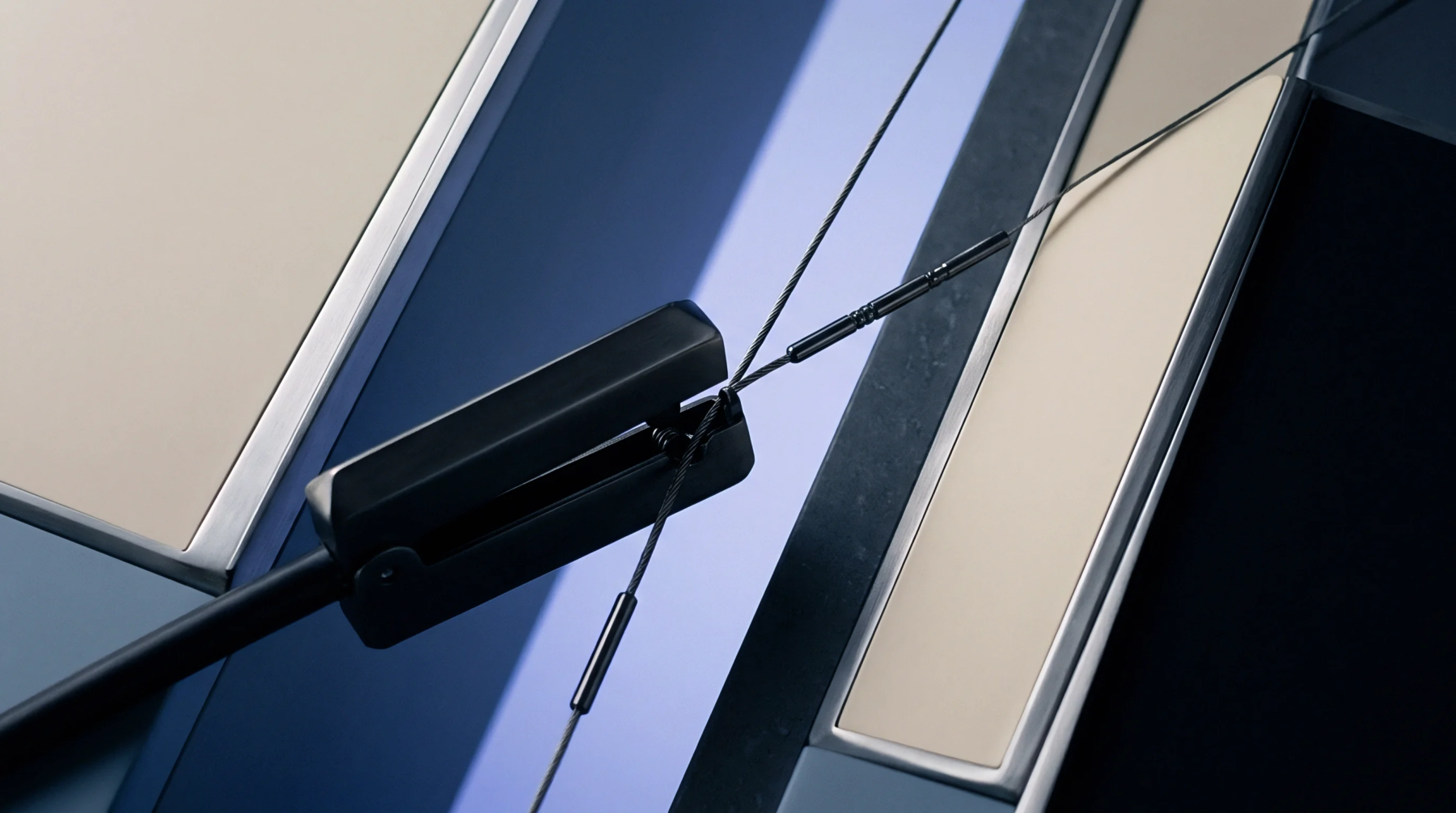
Dynamic reflow profiling and tailored carrier tooling compress panel thermal deltas below eight degrees Celsius, preventing joint defects on dense boards.
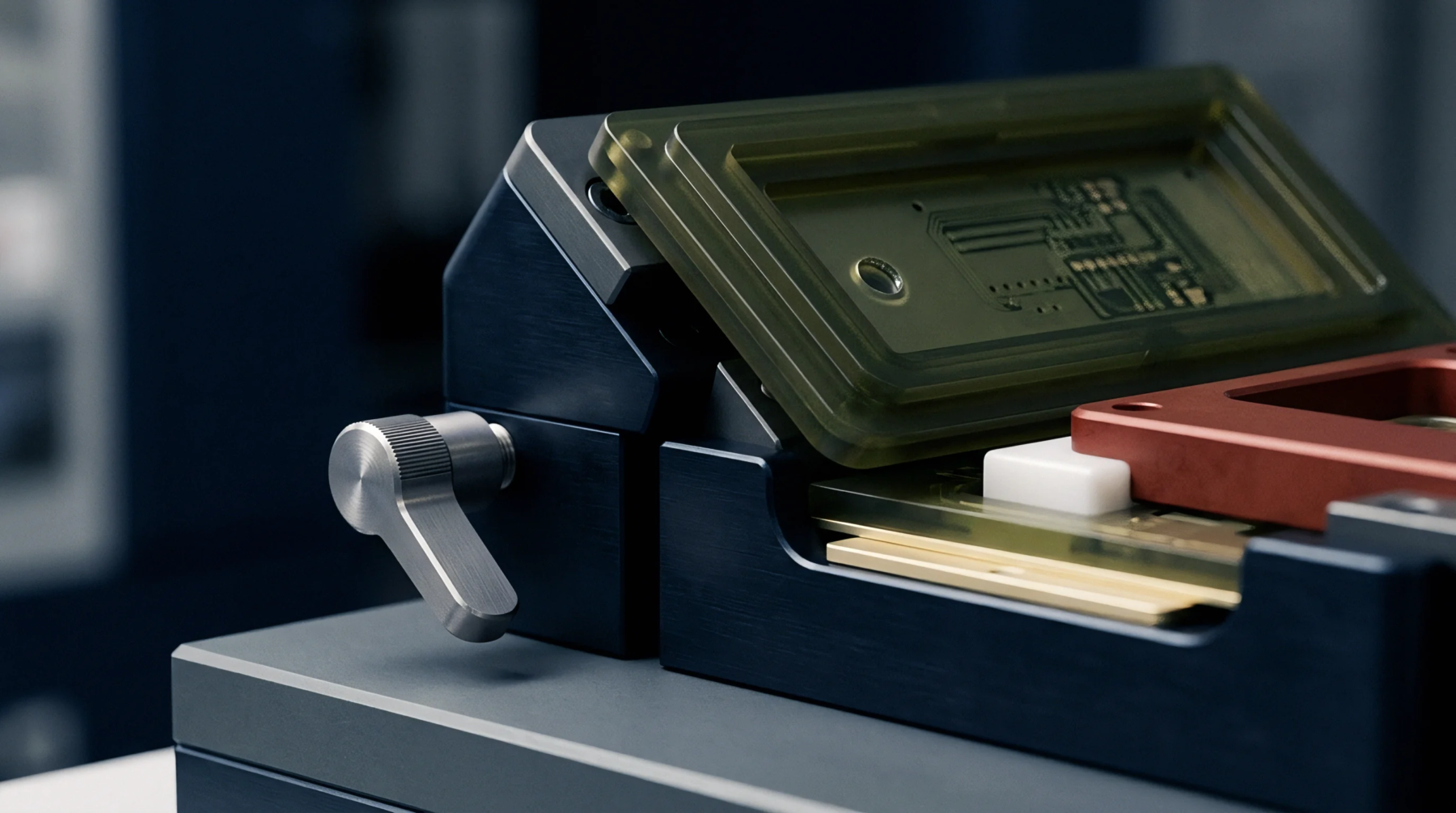
Lead-free SMT reflow calibration locks peak temperatures between 235°C and 248°C across all board masses to secure joint wetting without package damage.
Expertise is a utility, not a secret. sentiention™ publishes its working knowledge as open reference: intelligence layer covering the materials it sources, the markets it enters, and the reference that serves both.