
Burn in Hours Charged against the Product Life Remaining
Accelerated burn in hours deduct directly from product life reserves based on activation energy kinetics and must be contractually capped to prevent premature field wear out.
Accelerated burn in hours deduct directly from product life reserves based on activation energy kinetics and must be contractually capped to prevent premature field wear out.

Thermogravimetric solvent mass loss below half a percent prior to liquidus eliminates outgassing macro-voids under bottom-terminated components.

Fickian desorption calculations use temperature-dependent diffusivity to determine exact package bake times, preventing reflow popcorning and structural delamination.
Arrhenius life consumption modeling quantifies wear out from bias screening, preventing overstress while proving infant mortality removal.

DSC solvent evaporation endotherms set strict SMT preheat soak limits to clear high-boiling flux carriers before alloy reflow prevents joint voiding.

Micro-BGA intermetallic compound formation depends on peak reflow energy and thermal aging, where excessive layer thickness causes brittle interfacial failure.

Solid state intermetallic growth degrades lead-free solder joints through parabolic Cu3Sn layer thickening and Kirkendall void embrittlement under thermal aging.
Intermetallic thickness growth follows parabolic kinetics; derive activation energy and pre-exponential constants via multi-temperature Arrhenius slope regression.

Interfacial halogen trapping at electroless nickel interfaces drives thermal embrittlement, requiring ToF-SIMS verification to cap chlorine concentration below critical voiding limits.
Solid-state diffusion accelerates intermetallic growth and Kirkendall voiding under sustained thermal stress, demanding destructive SEM qualification to prevent catastrophic joint embrittlement.
Hydrocarbon laminates recover nominal dielectric constants within hours through Fickian desorption, accelerated by post-reflow baking at 105 degrees Celsius.
Repeated reflow passes accelerate interfacial Cu6Sn5 and Cu3Sn growth, exhausting solder compliance and driving brittle fracture under thermomechanical stress.

Calculate component floor life by derating baseline hours against ambient vapor pressure, sealing barrier bags with desiccant scaled to pouch surface area.

Fickian diffusion modeling calculates package moisture saturation to set baking profiles and floor life limits that prevent popcorning during reflow.
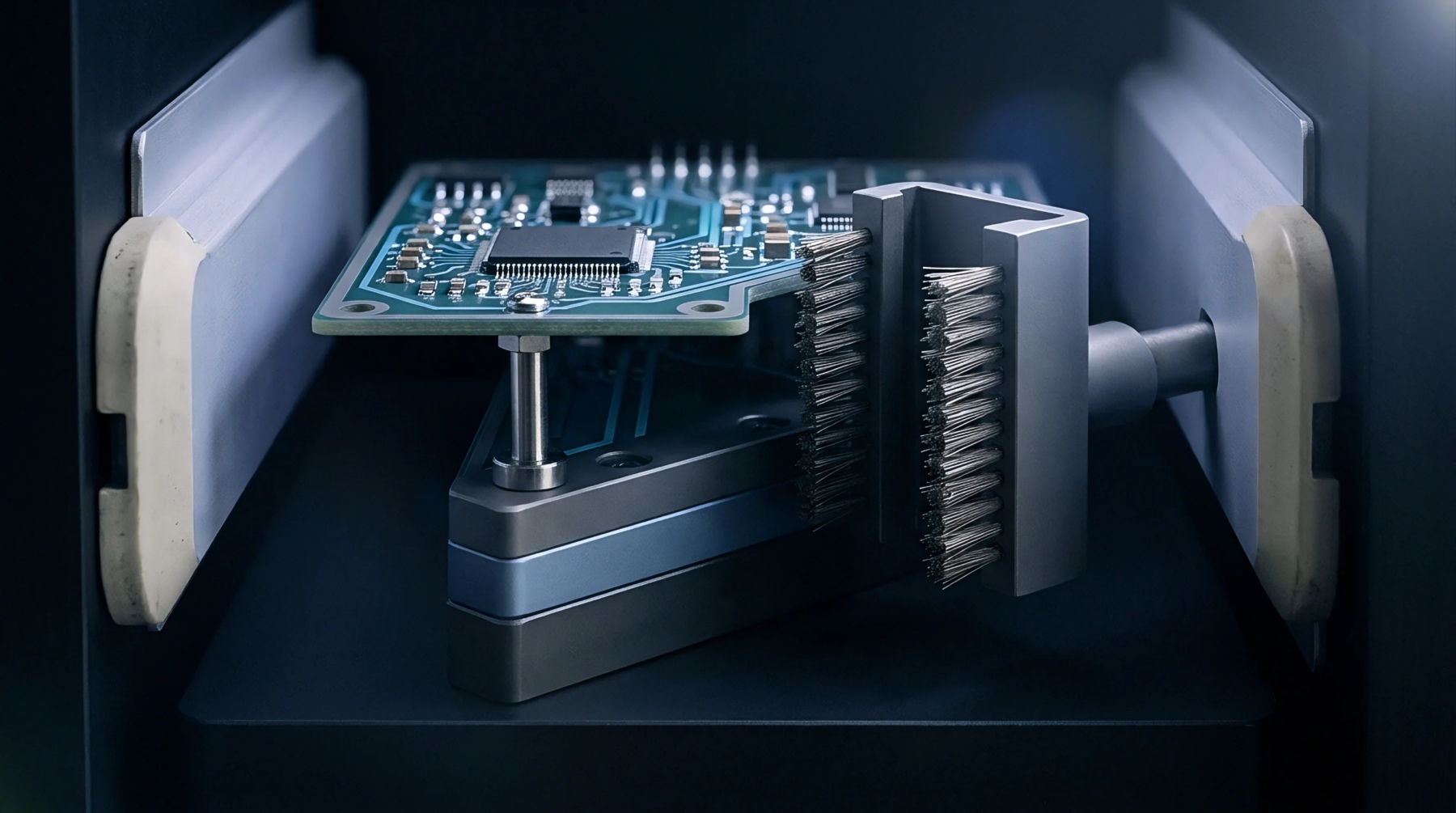
Bayesian escape modeling updates sub-tier dielectric drift priors with stress-screen data to bound latent field leakage exposure.
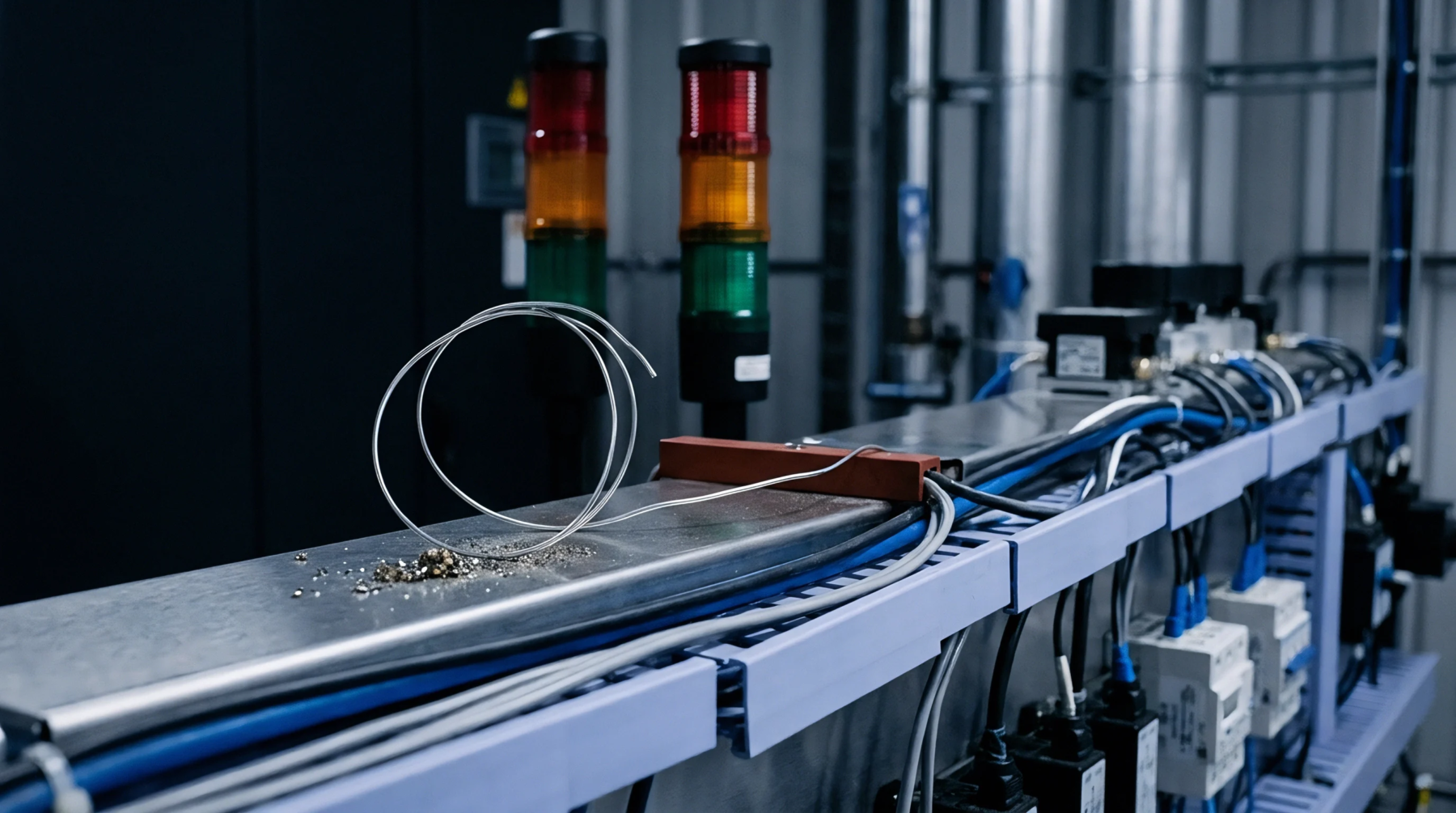
Multivariate copula modeling prevents hidden electronic batch escapes by capturing correlated non-linear sub-tier polymer aging inside regulatory technical dossiers.
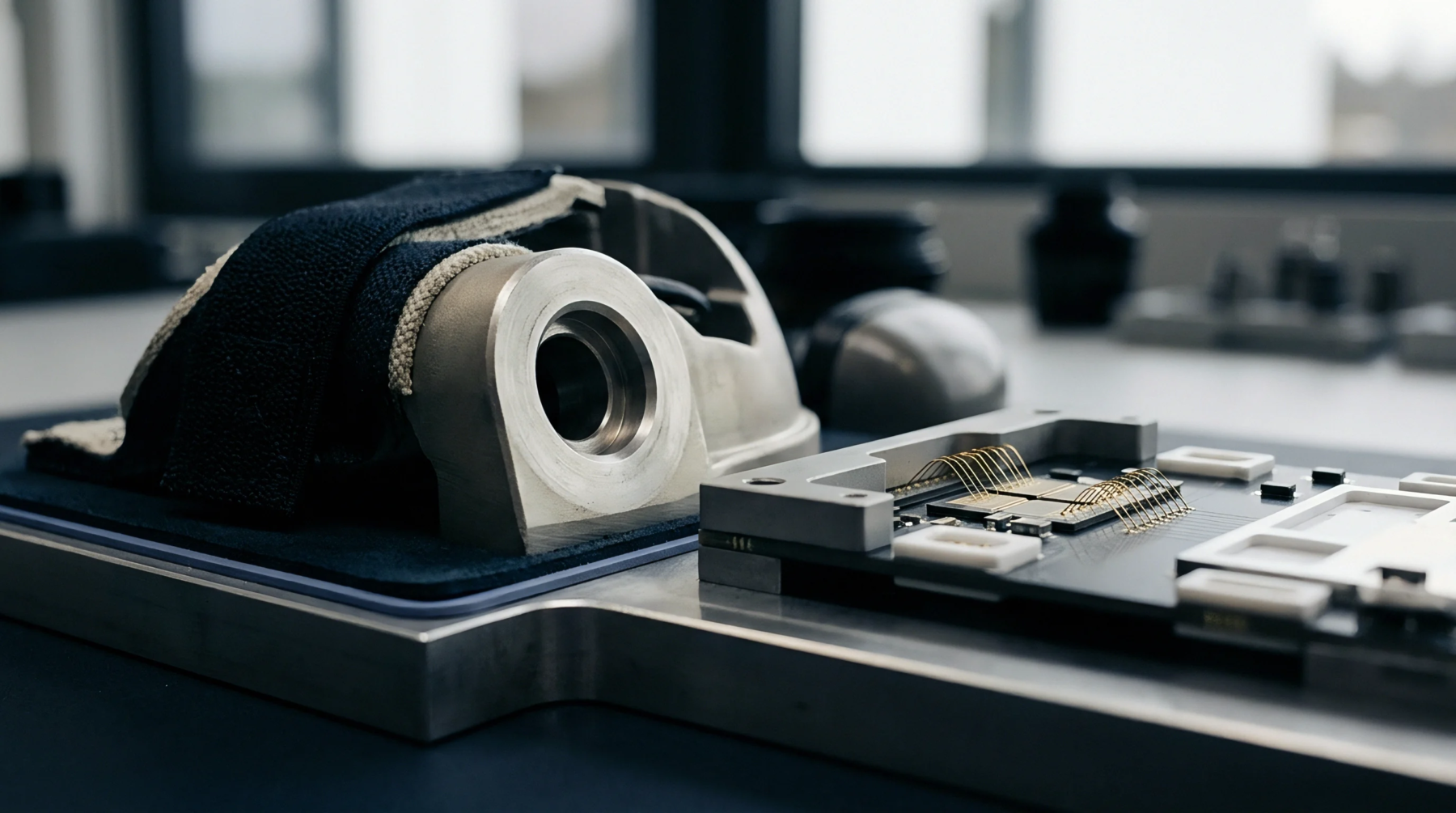
Thermal stress screening acceleration models predict field solder joint escape rates when correlated with specific unprobed surface mount defect distributions.
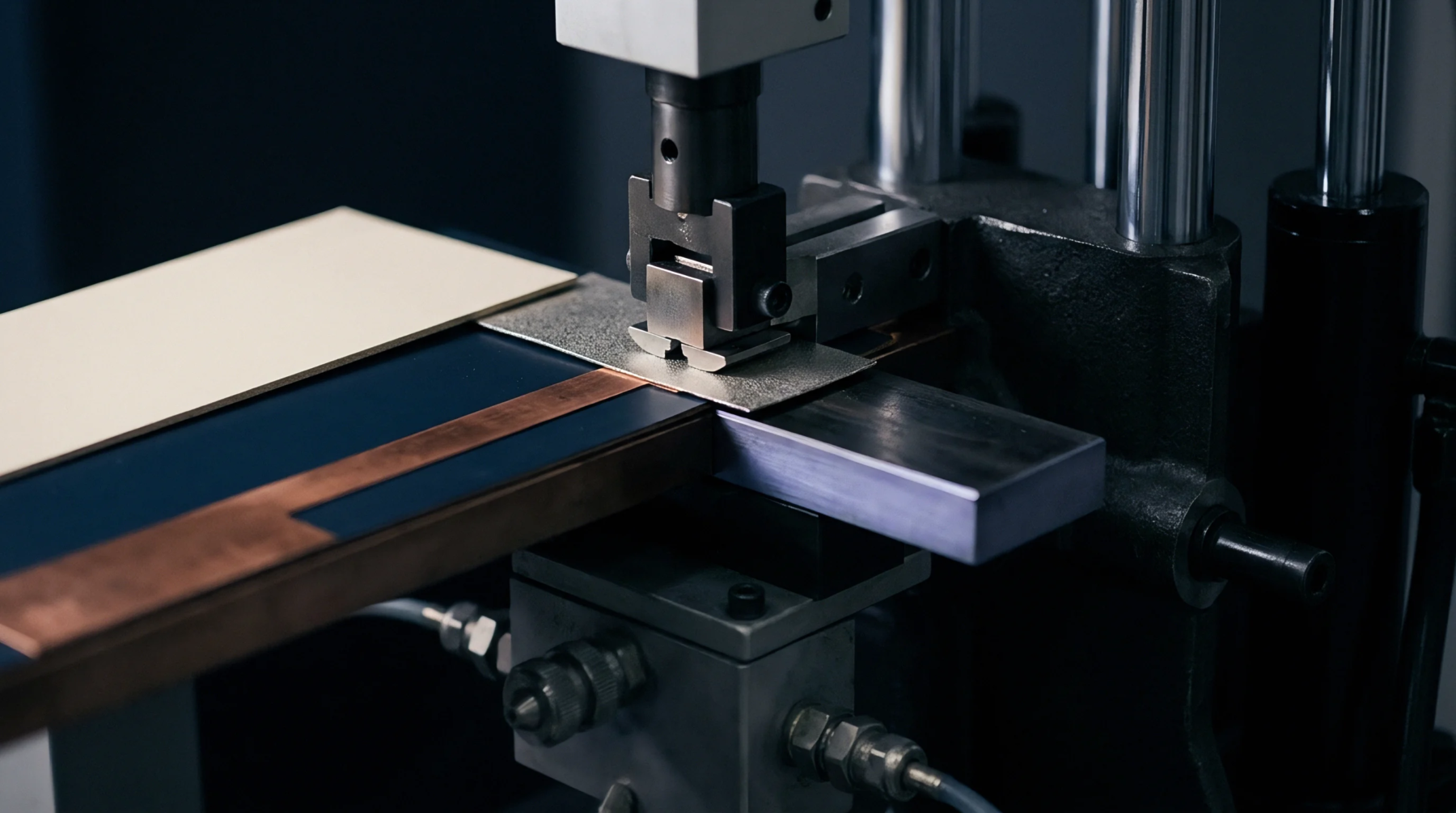
Amorphous electroless nickel crystallizes into Ni and brittle Ni3P above 310°C or via Sn diffusion during reflow, driving voiding and joint shear failure.
Accelerating press heating ramps lowers minimum viscosity but compresses fill time, demanding precise two-stage pressure timing to eliminate microvia voids.
Thermogravimetric analysis verifies flux vehicle evaporation stability by tracking isothermal solvent mass loss rates under nitrogen to prevent reflow voiding.
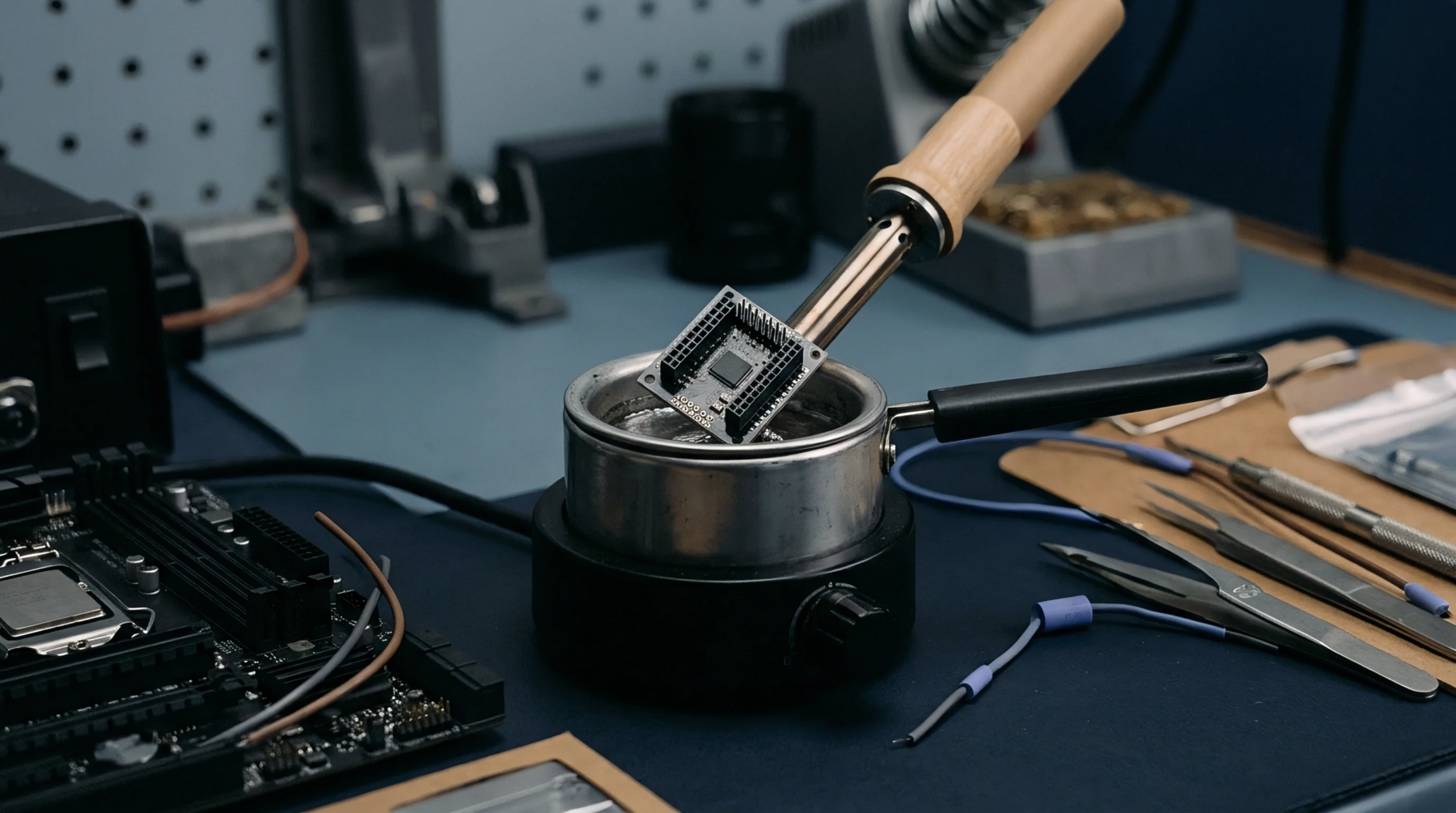
Calculate solder fatigue acceleration factors by pairing alloy creep kinetics with exact thermal profiles to prove assembly batch field survival.
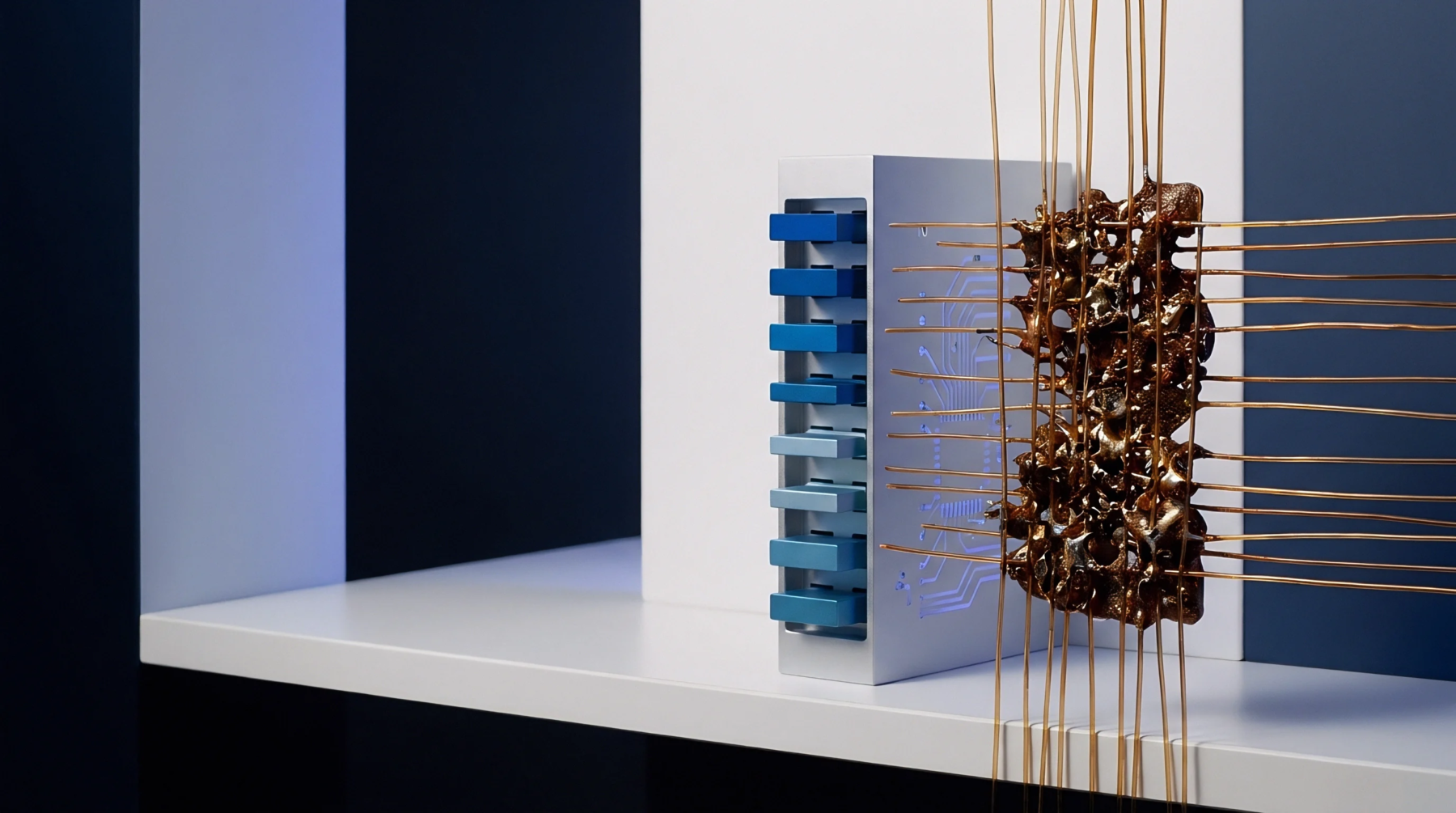
Thermal stress modeling translates package material thermal mismatches into precise accelerated life chamber profiles, preventing field fatigue escapes.

Accelerated burn-in models life consumption by multiplying thermal Arrhenius ratios by field acceleration factors to purge infant flaws without exhausting oxide life.
Standardized thermal burn-in methods accelerate silicon infant mortality through monitored thermal and voltage stresses to ensure field-grade reliability.
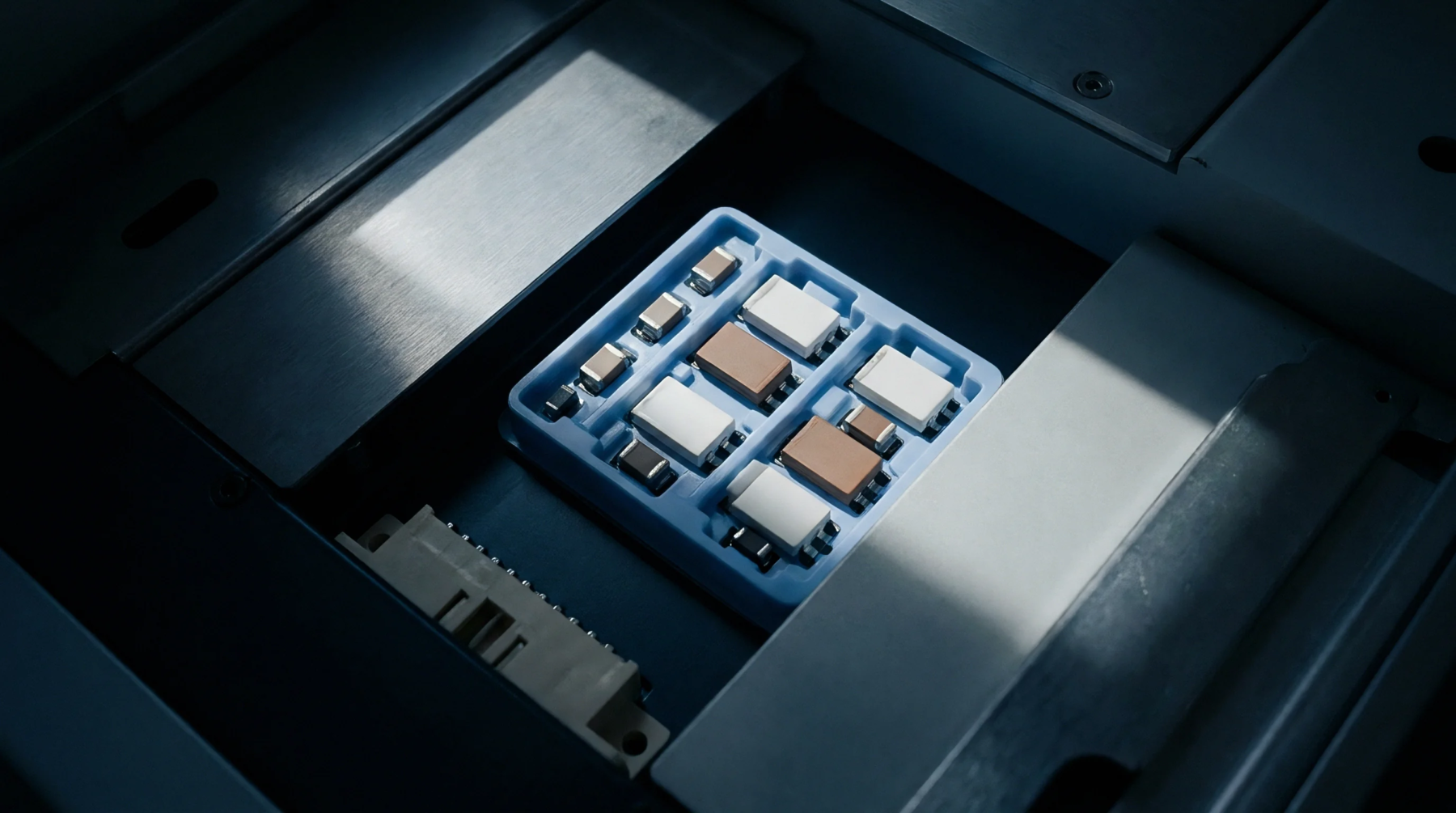
Quantifying micro-BGA intermetallic growth requires measuring initial reflow layer thickness and calculating Arrhenius diffusion rates to avoid boundary voiding.

Micro-BGA Kirkendall voiding stems from unbalanced Cu-Sn diffusion in Cu3Sn, requiring bath impurity controls and 150°C aging screening to prevent shock failure.
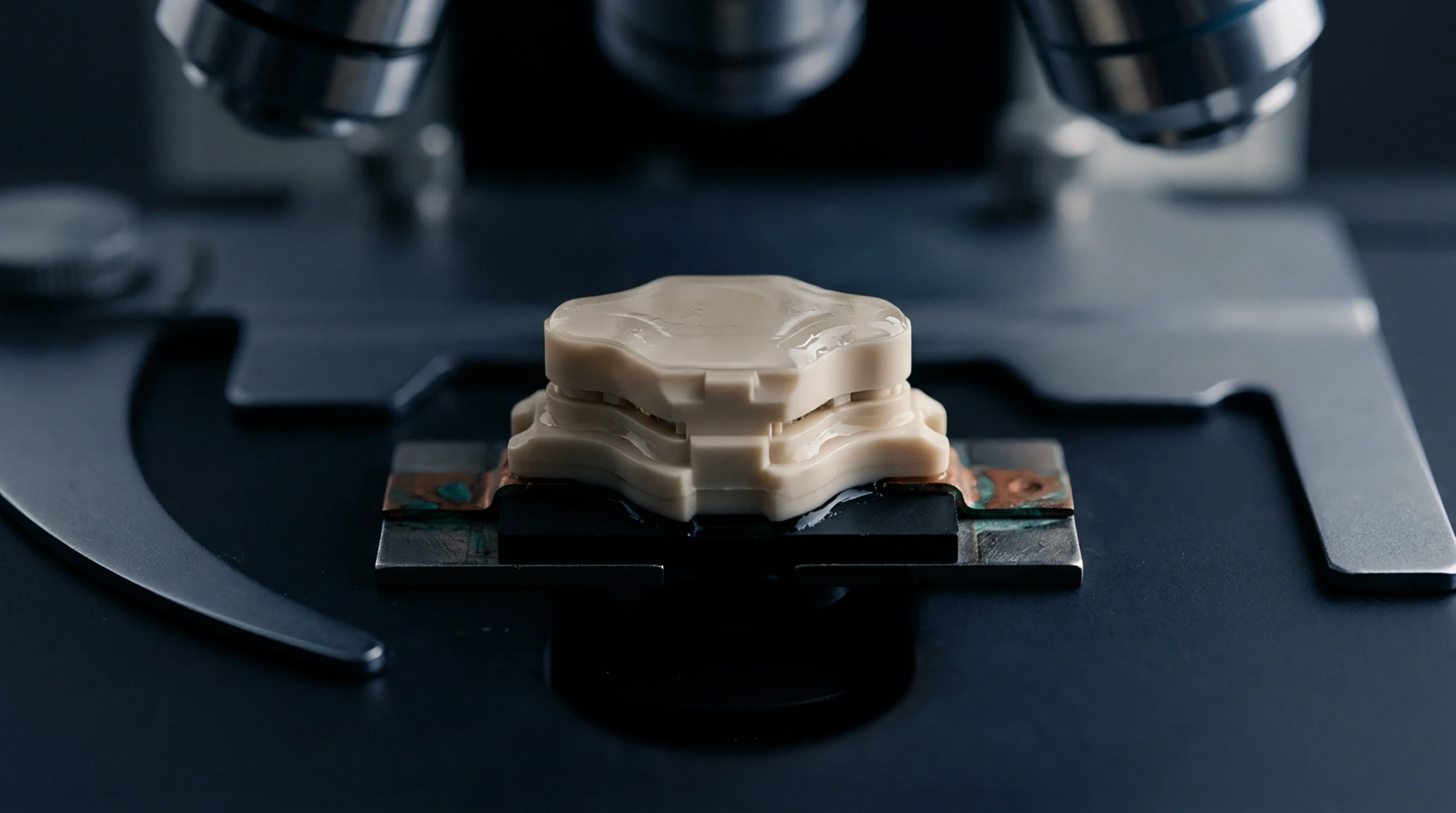
Bismuth additions in low-silver solder alloys lower reflow temperatures but accelerate interfacial intermetallic growth and voiding during thermal aging.
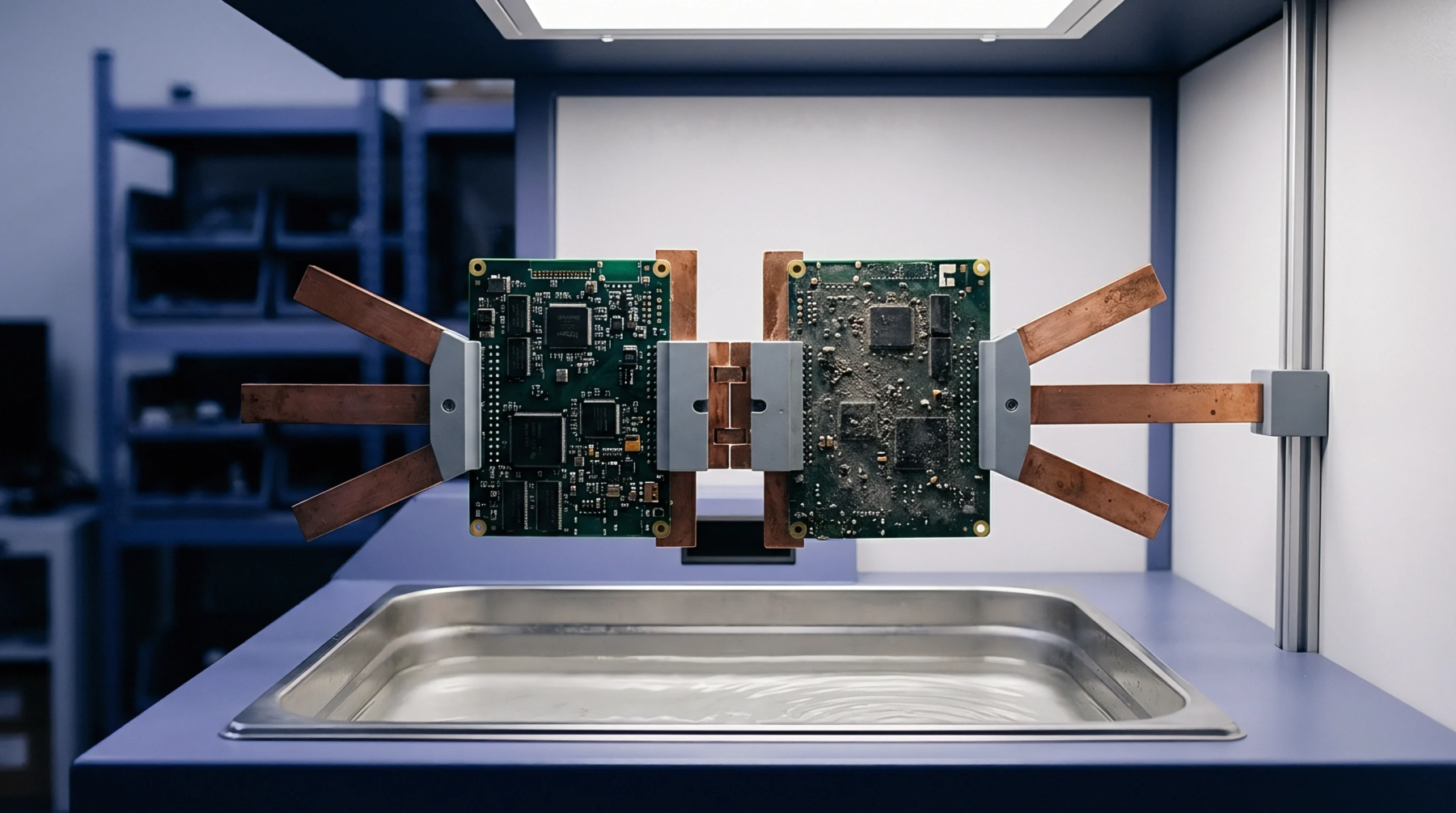
Long thermal dwell induces bismuth migration to interfacial reaction zones, causing localized embrittlement and cleavage along intermetallic boundaries.

Electrochemical migration rate limits in sub-50 micron laminates depend on localized field gradients, requiring pitch-adjusted humidity bias screening to prevent field failures.

Sub-surface electrochemical migration in dense interconnects requires in-situ biased humidity screening to detect leakage silent during dry electrical test.
Expertise is a utility, not a secret. sentiention™ publishes its working knowledge as open reference: intelligence layer covering the materials it sources, the markets it enters, and the reference that serves both.