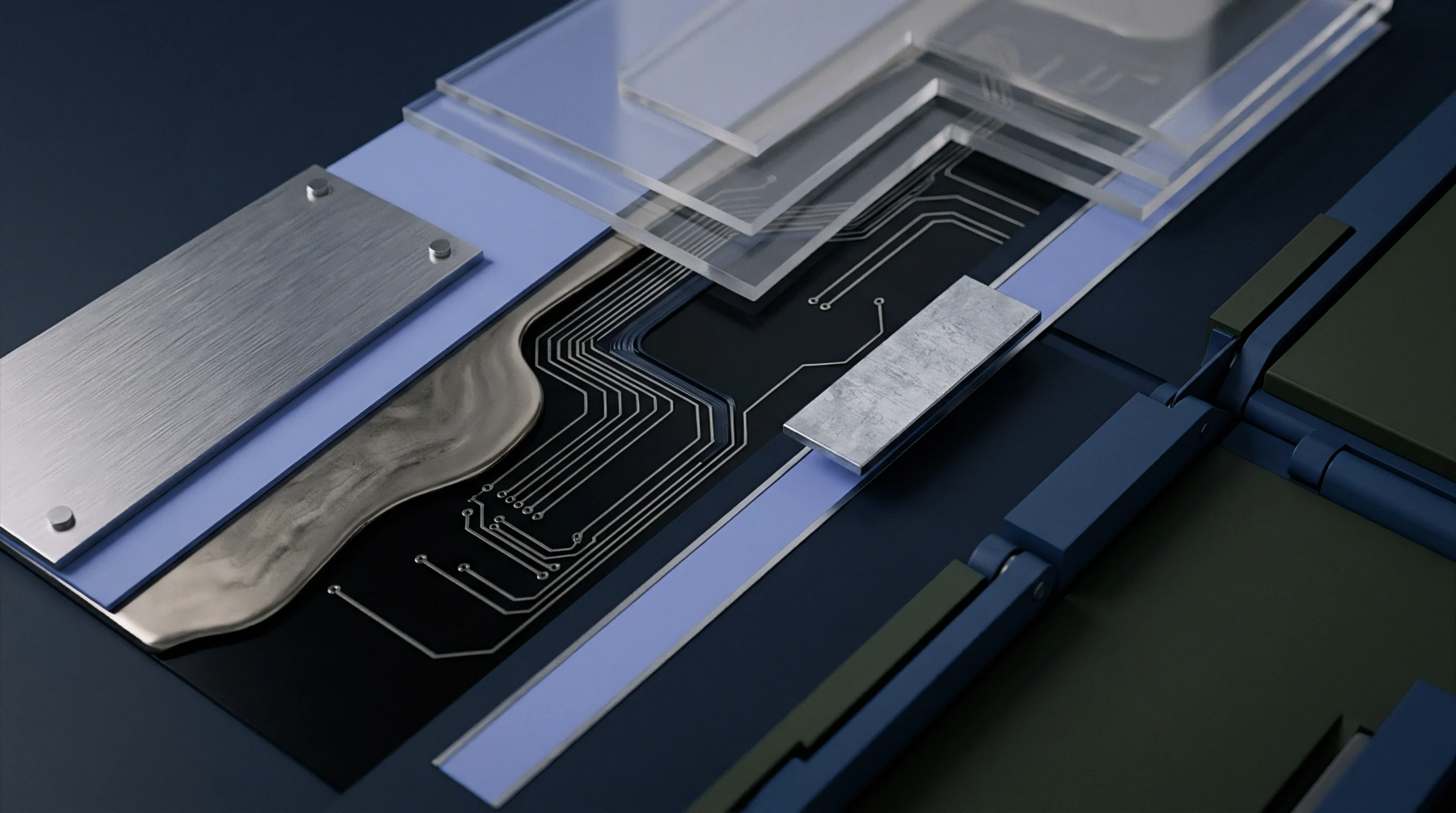
Impedance Coupon Reports Read against the Working Board
Peripheral coupon TDR reports require empirical offset adjustments derived from physical microsections to accurately reflect functional internal board impedance.
Peripheral coupon TDR reports require empirical offset adjustments derived from physical microsections to accurately reflect functional internal board impedance.
Sub-30 µm dielectric void suppression requires matching non-Newtonian dynamic viscosity to vacuum press ramps to maintain shear flow prior to cross-linking gelation.
Unprobed netlist escapes caused by latent intermetallic microvoiding fall on the buyer unless contract terms define microstructural aging as a material defect.

Characterizing spatial dielectric anisotropy under extreme thermal excursions prevents sub-THz phase distortion and catastrophic high-density packaging yield loss.
Quantifying stacked microvia thermal fatigue requires matching resin z-axis CTE limits to electrodeposited copper ductility under continuous resistance monitoring.
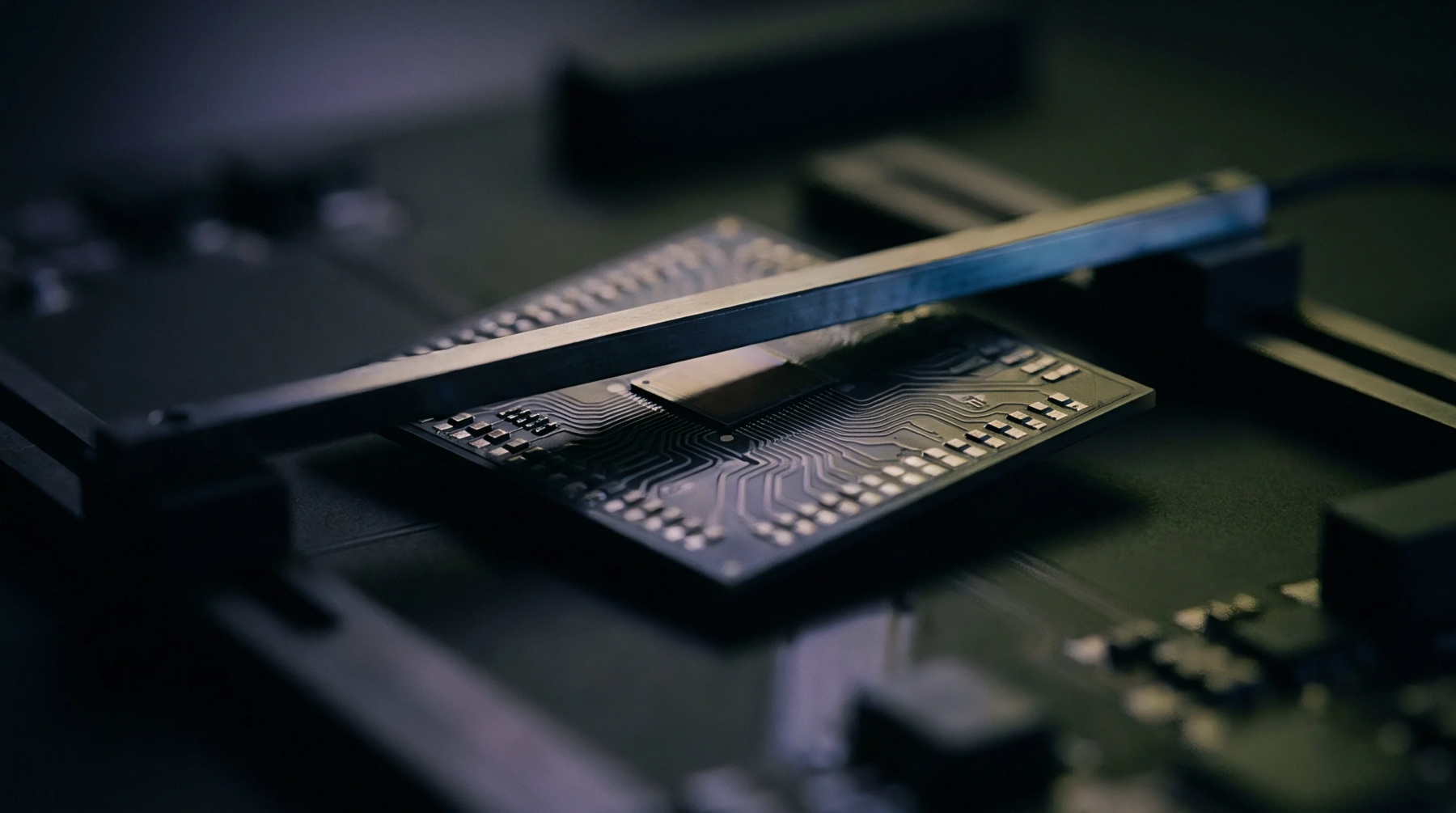
Sequential lamination registration budgets require root-sum-square alignment modeling of sub-core thermal shrinkage and drill offsets to size microvia lands.
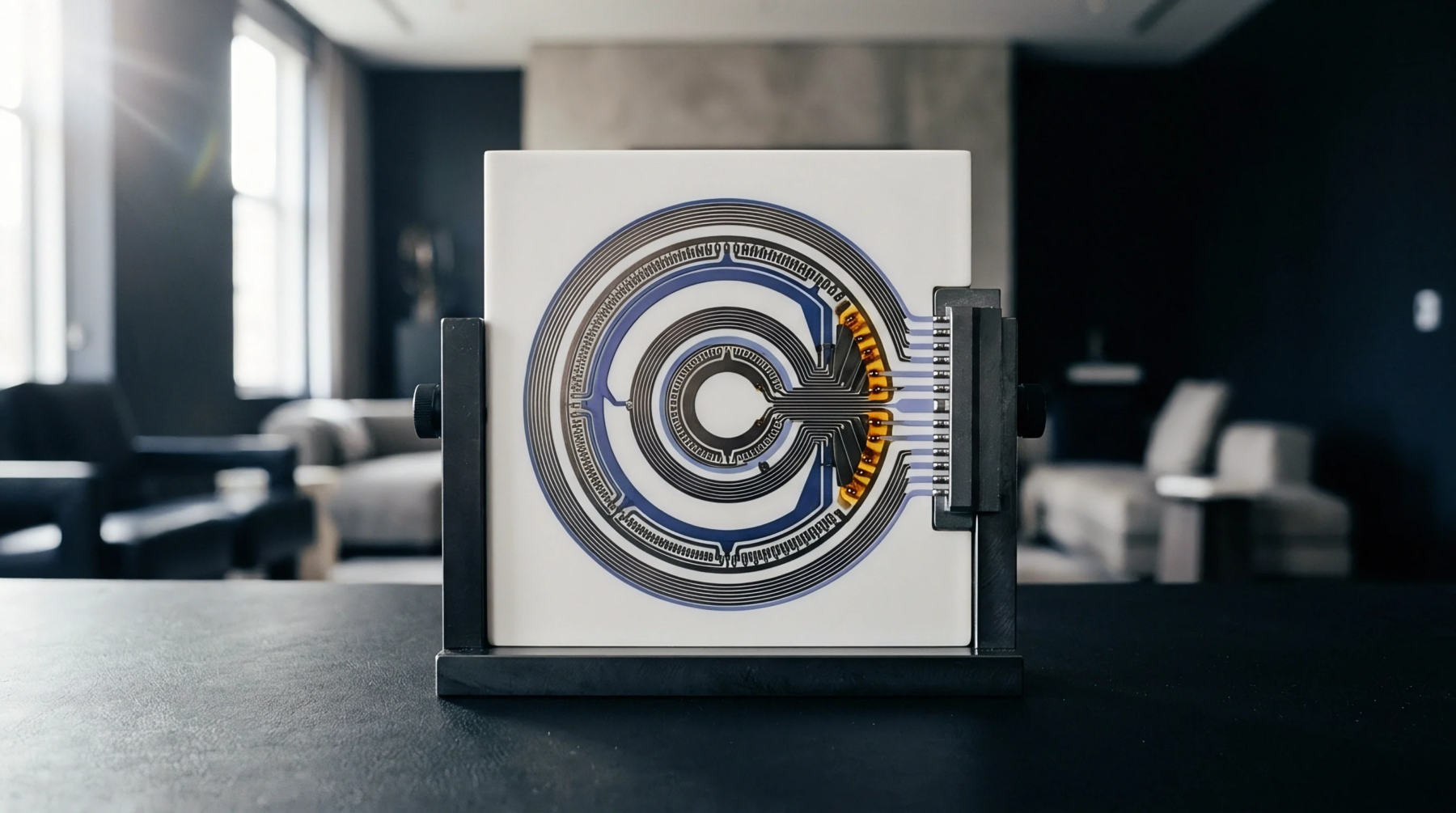
Integrating hybrid boundary scan and flying probe regimes eliminates unreached structural defects by establishing 99 percent nodal fault coverage.
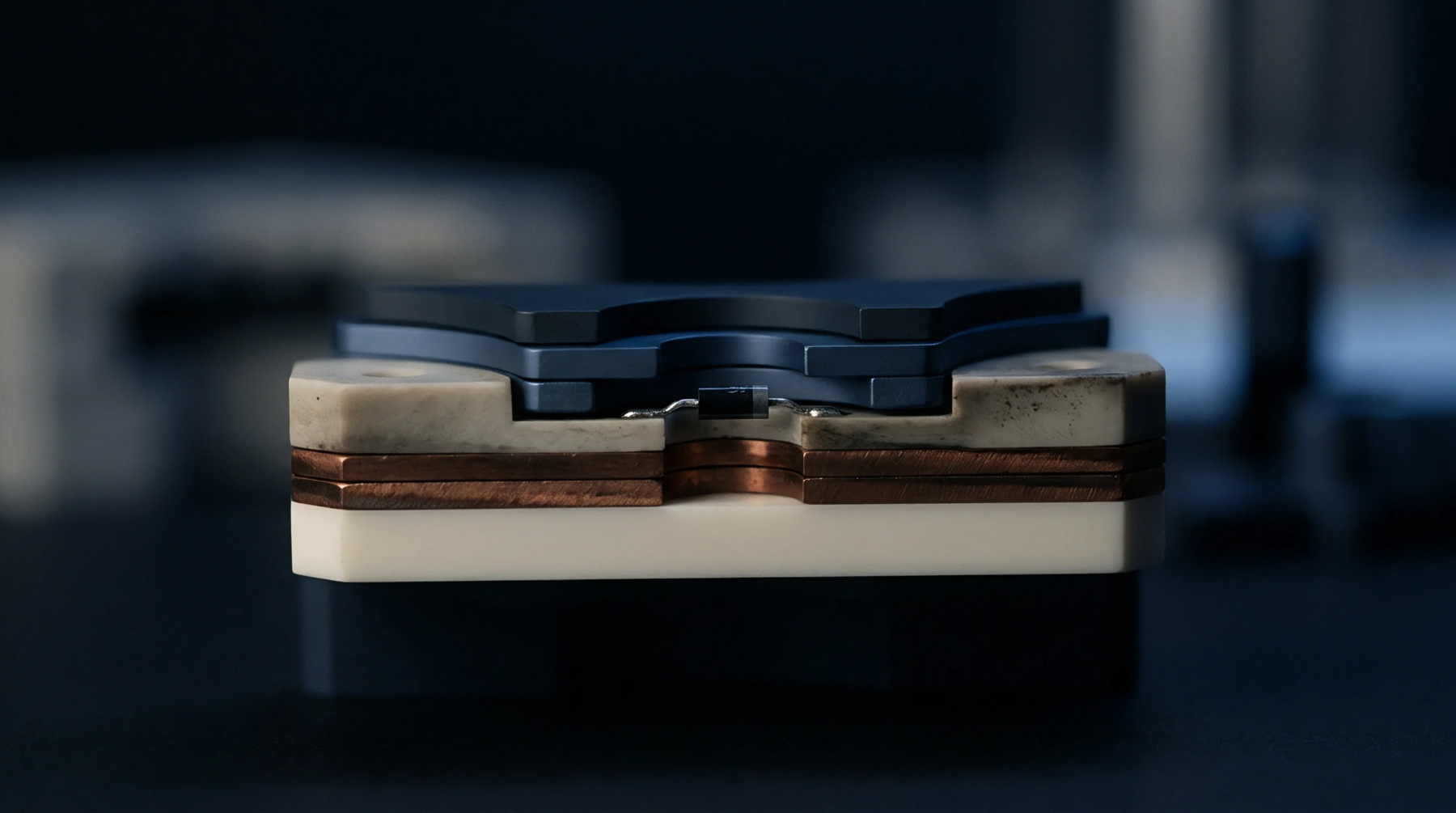
First pass yield gaps in high-density assemblies stem from optical test blind spots, microvia structural fatigue, and restricted physical probe access.
Matching differential signal trace routing to glass bundle pitch and specifying spread-glass laminates eliminates microvia phase distortion in high-density interconnect stackups.
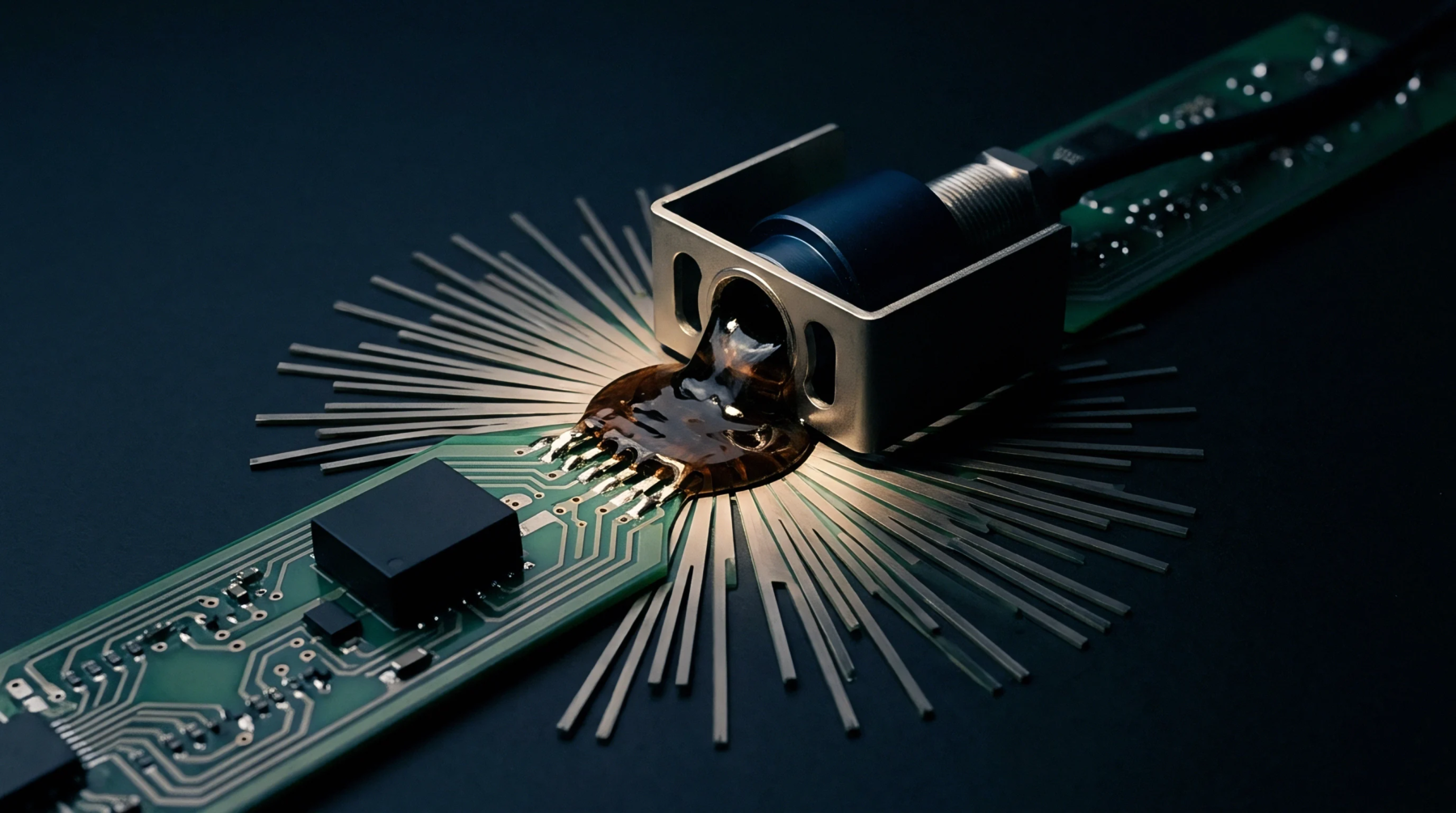
Managing anisotropic permittivity in sequential substrates requires spread glass prepregs, optimized press kinetics, and directional fixture qualification.
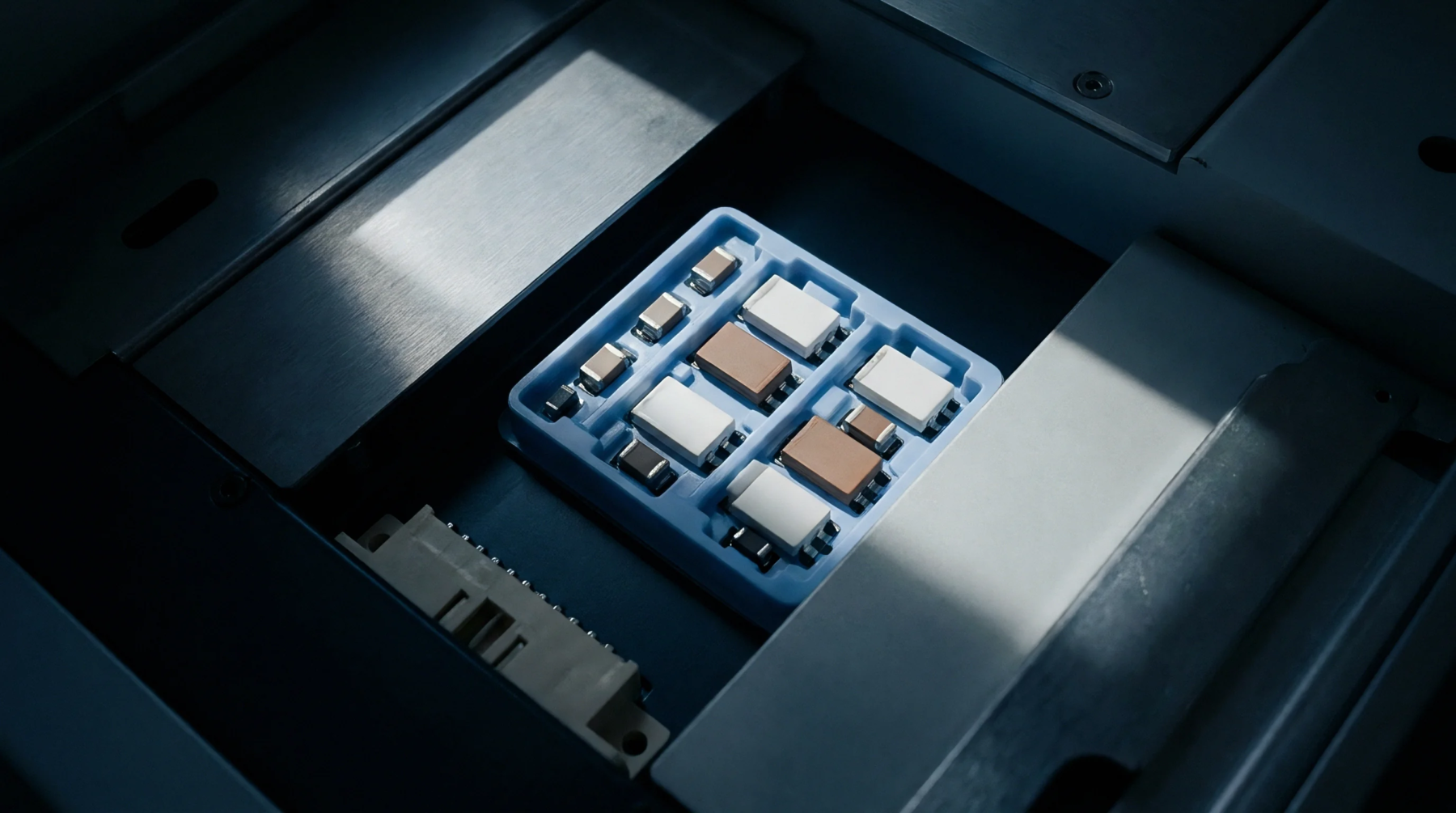
Latent microvia interfacial fatigue opens during thermal transients to cause intermittent high-speed signal failures detectable only by dynamic four-wire thermal screening.

Hybrid execution matrices combine physical probe mechanics with boundary scan cell vectors to maximize structural fault coverage on partially accessible ASIC clusters.
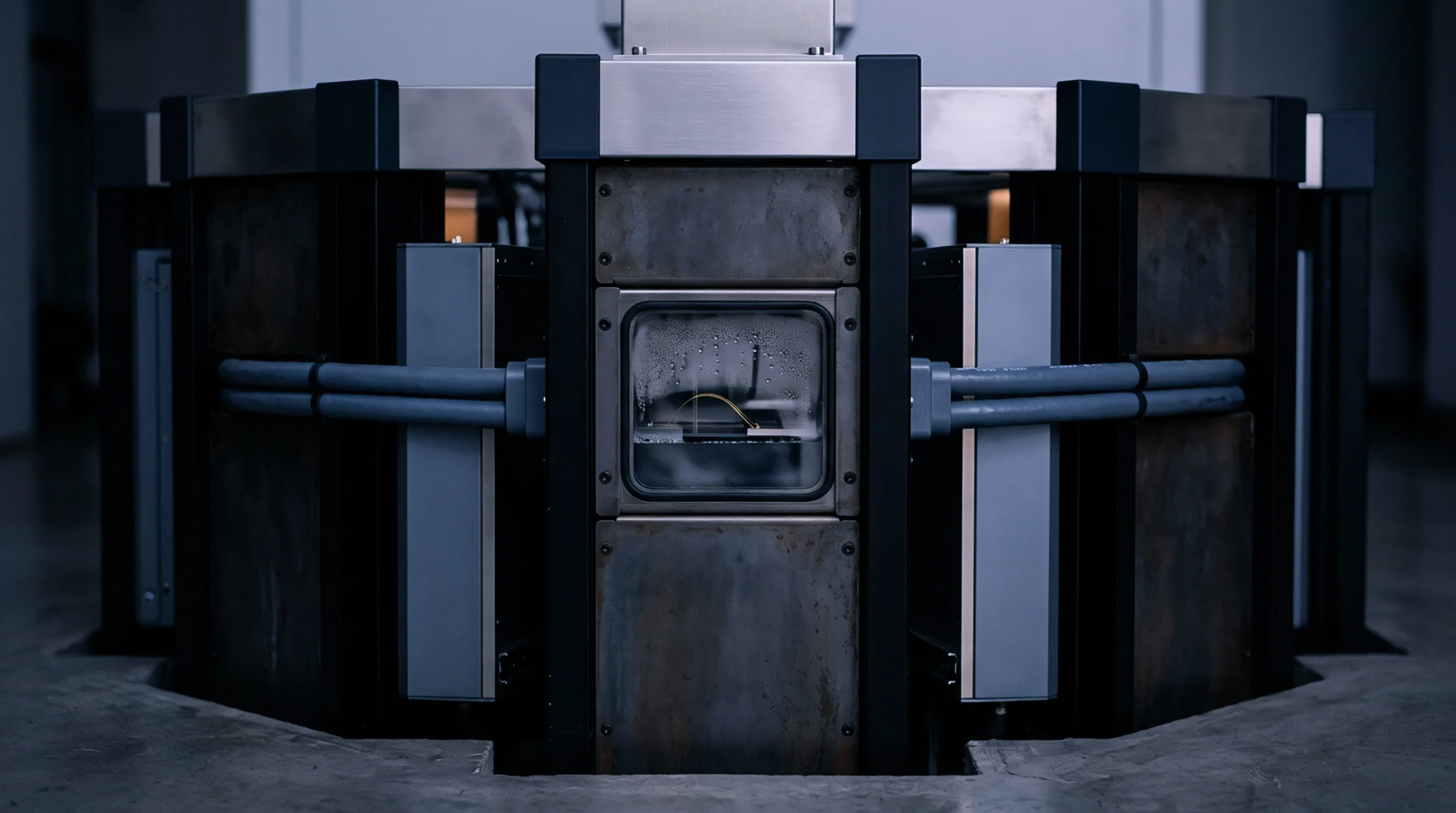
Dynamic four-wire resistance screening under thermal stress isolates latent microvia defects prior to assembly, preventing costly field failures.
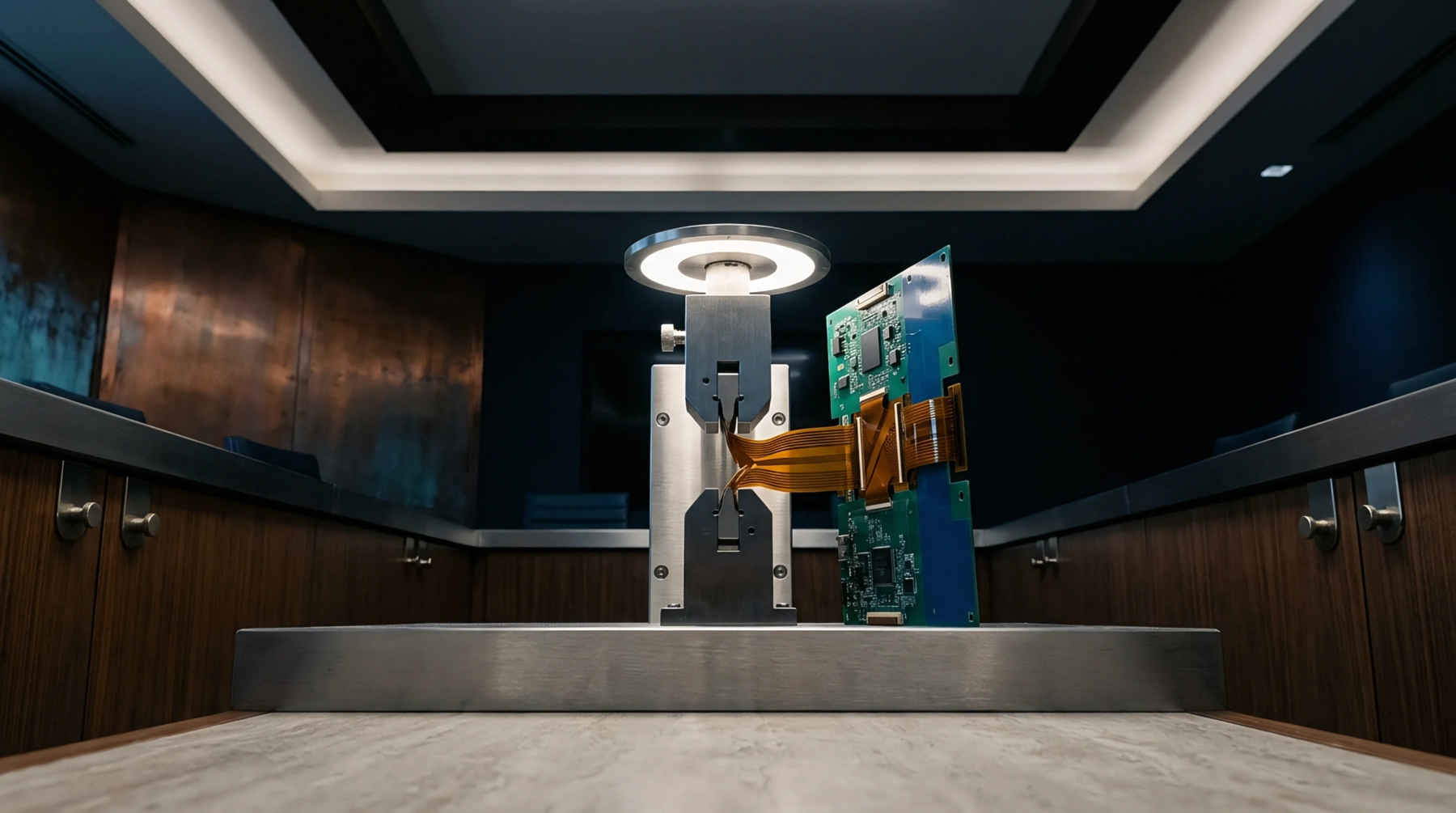
Frequency-domain tensor extraction decouples directional permittivity and loss tangent variations on glass core build-up panels, fixing impedance tolerances across sub-THz interconnects.
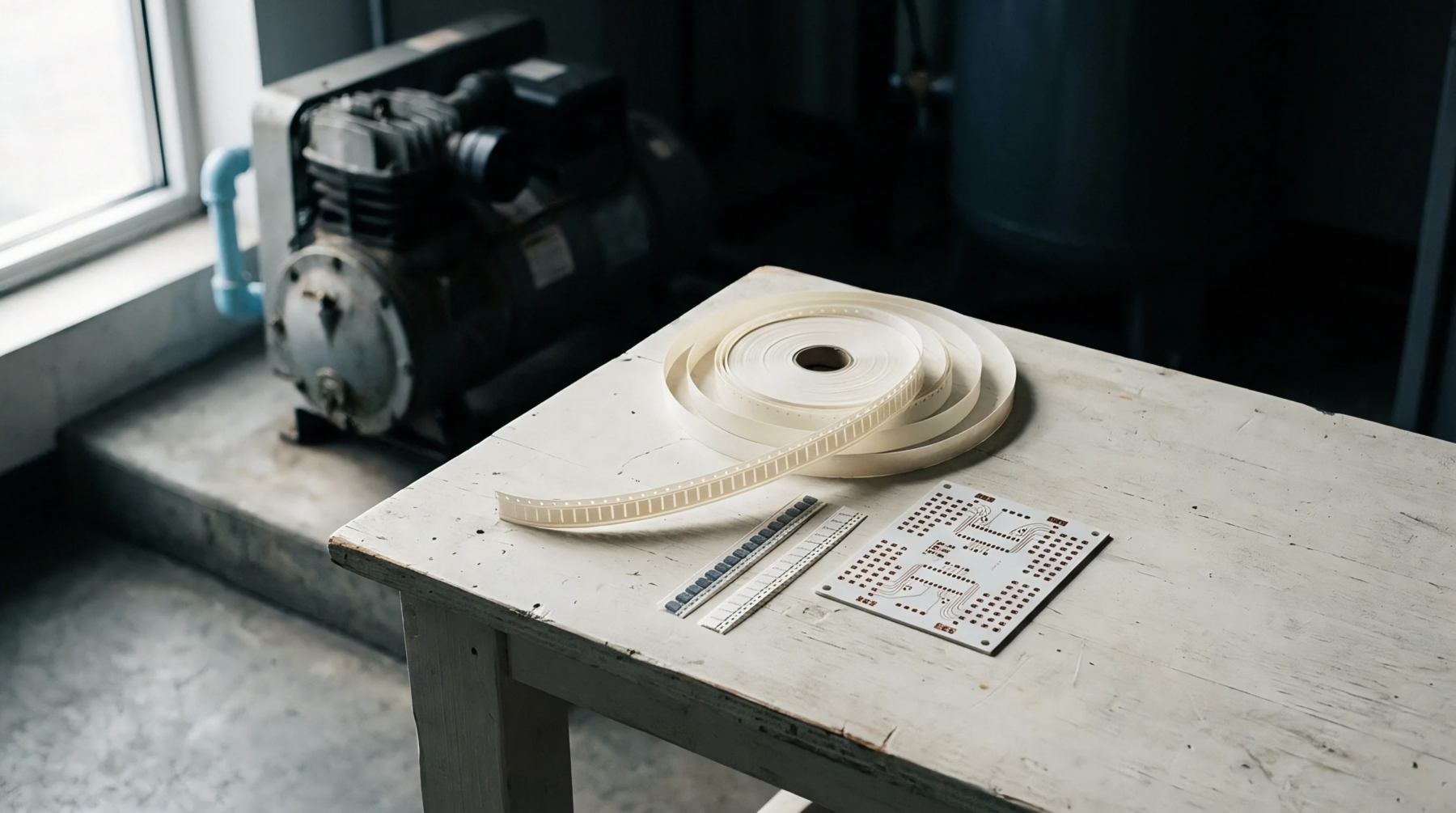
Continuous high-speed Kelvin monitoring during rapid thermal cycling isolates latent target pad separations that re-nest and pass static ambient tests.
Acoustic microscopy detects sub-micron HDI substrate delamination using phase-inversion gating at frequencies between 100 MHz and 300 MHz.
Sub-30 micron mSAP feature generation requires controlling seed layer thickness, LDI resist profiles, plating additive dynamics, and flash etch undercut.
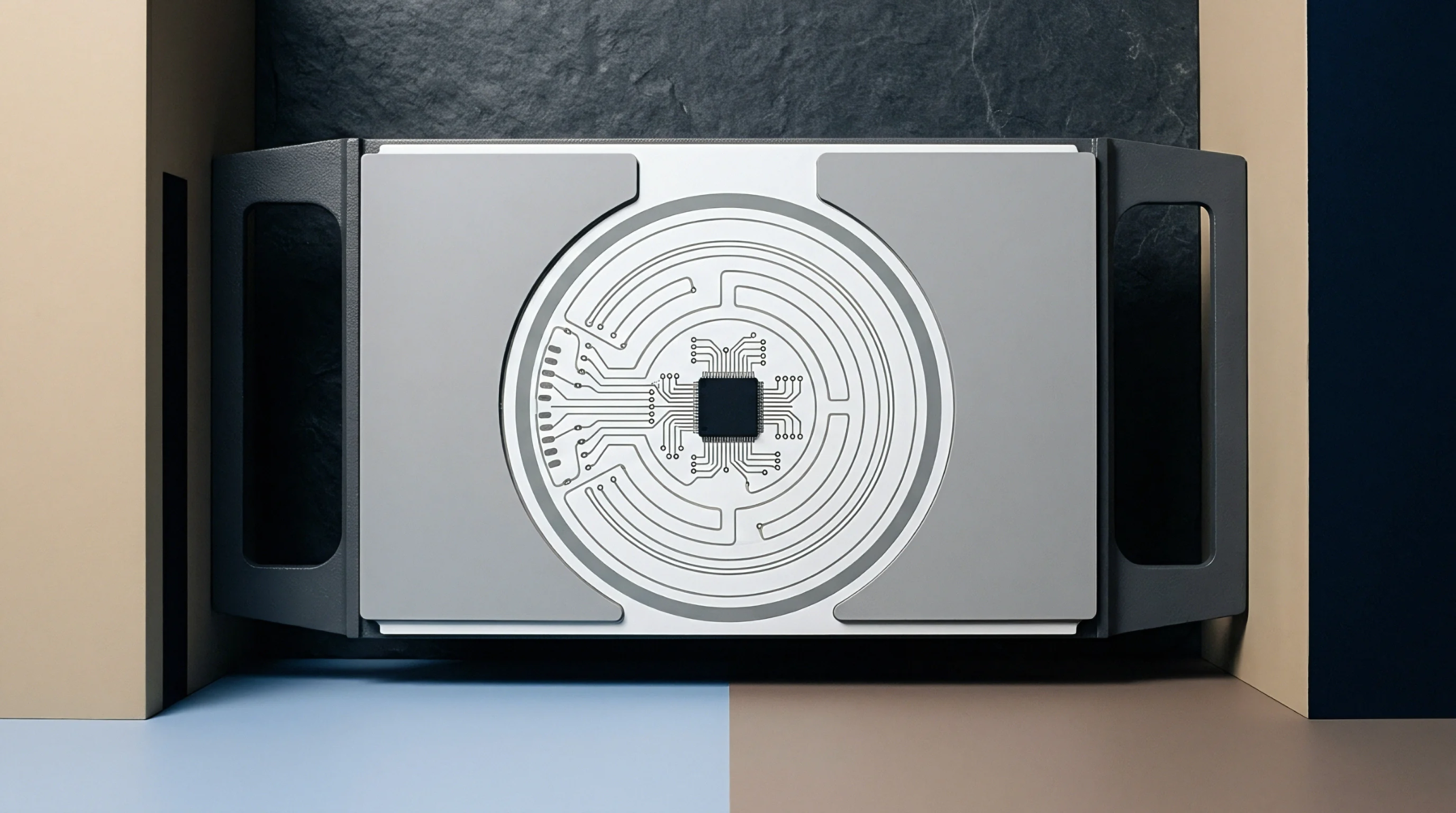
Deriving boundary scan coverage for high-density ASIC arrays requires precise accounting of scannable versus un-scannable nets to prevent costly field escapes.
Flying probe continuity testing on high-density substrates balances net capacitance screening, soft-touch force control, and Kelvin micro-ohmic checks to achieve Class 3 defect coverage without pad damage.
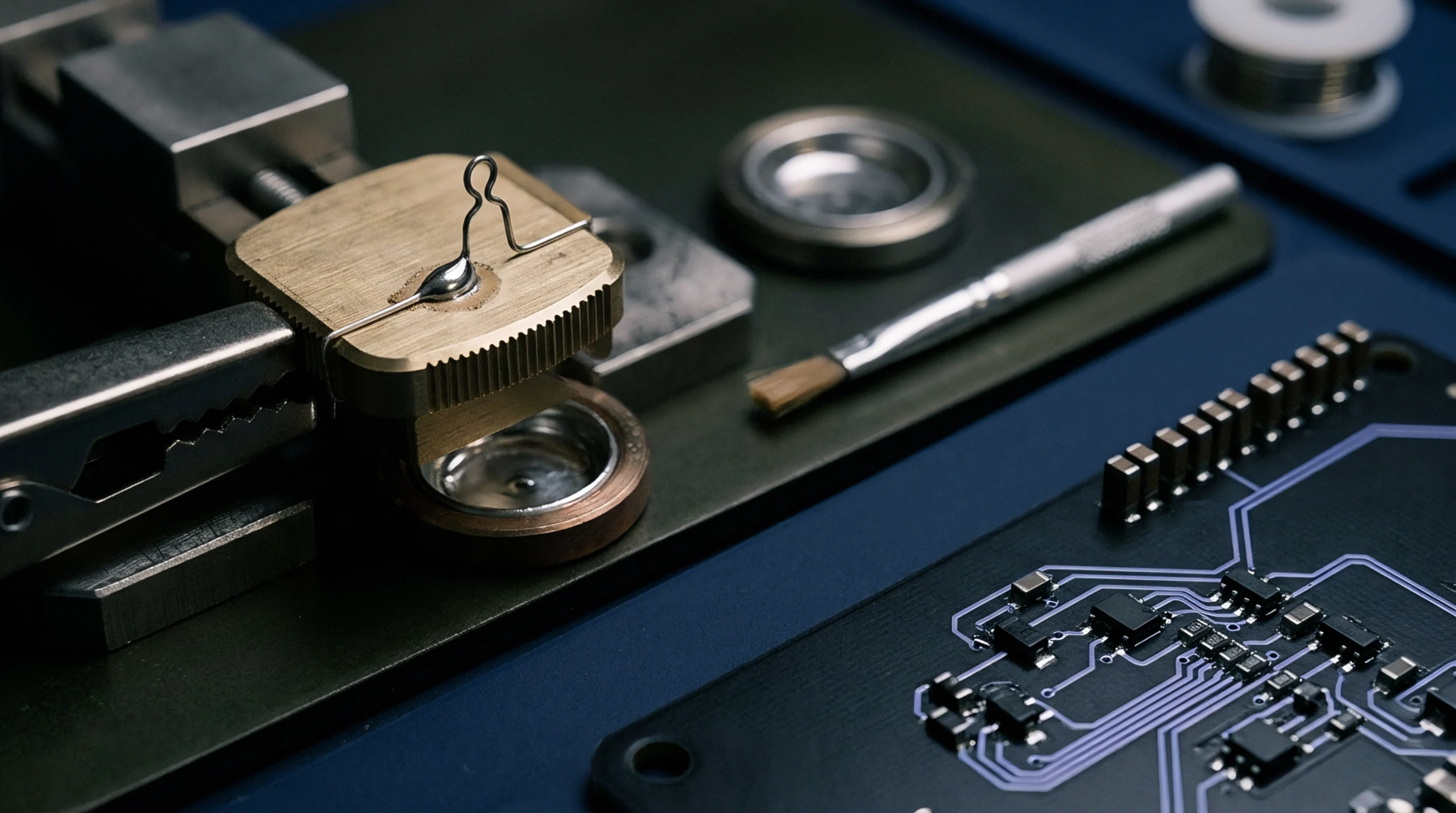
Analytical squeeze flow models predict trace swim by calculating hydrodynamic drag and side-wall pressure differentials across fine copper features during lamination.
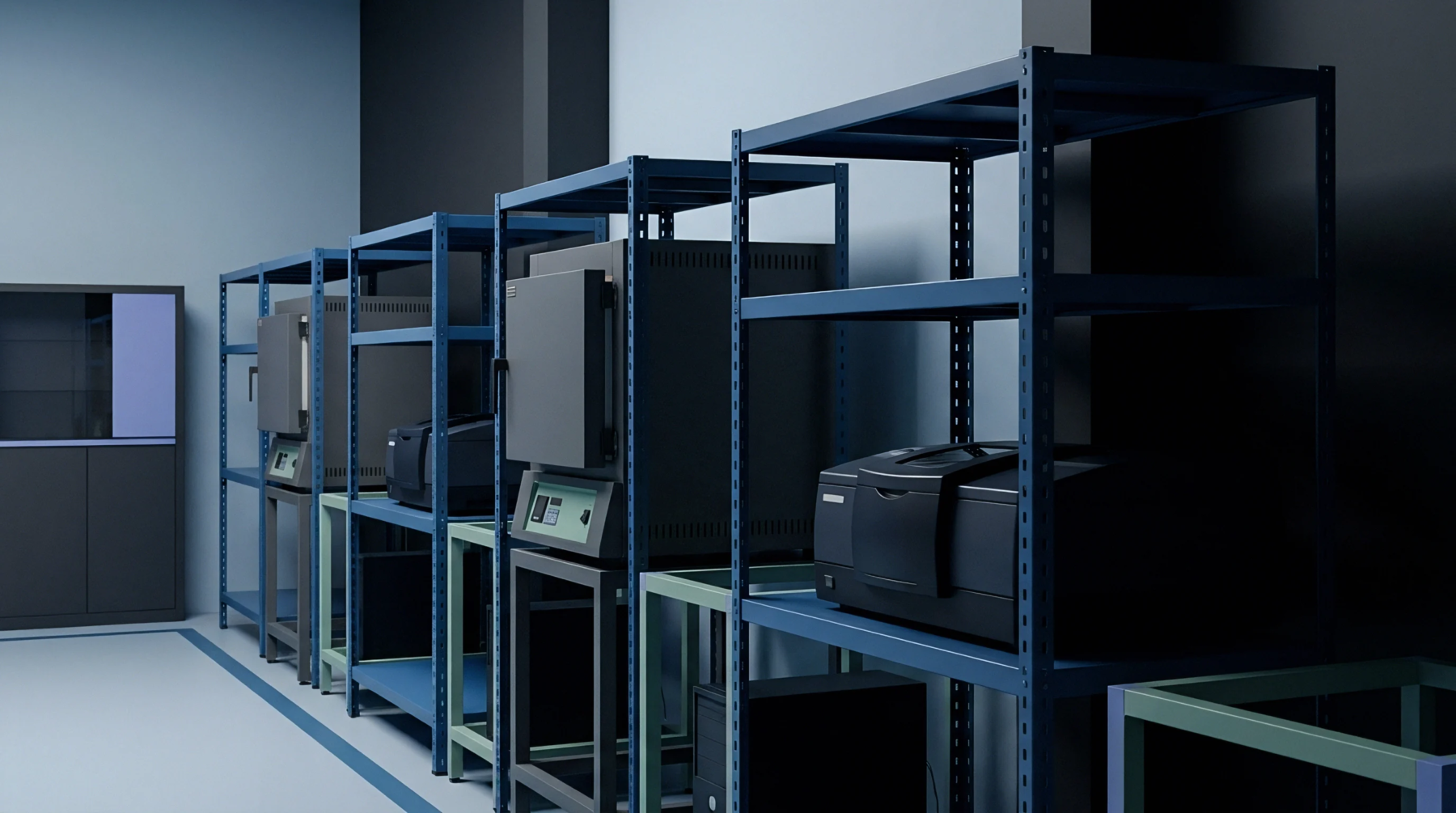
Dynamic environmental stress screening with live high-frequency monitoring catches transient microvia void skew escapes that static room-temperature DC testing misses.
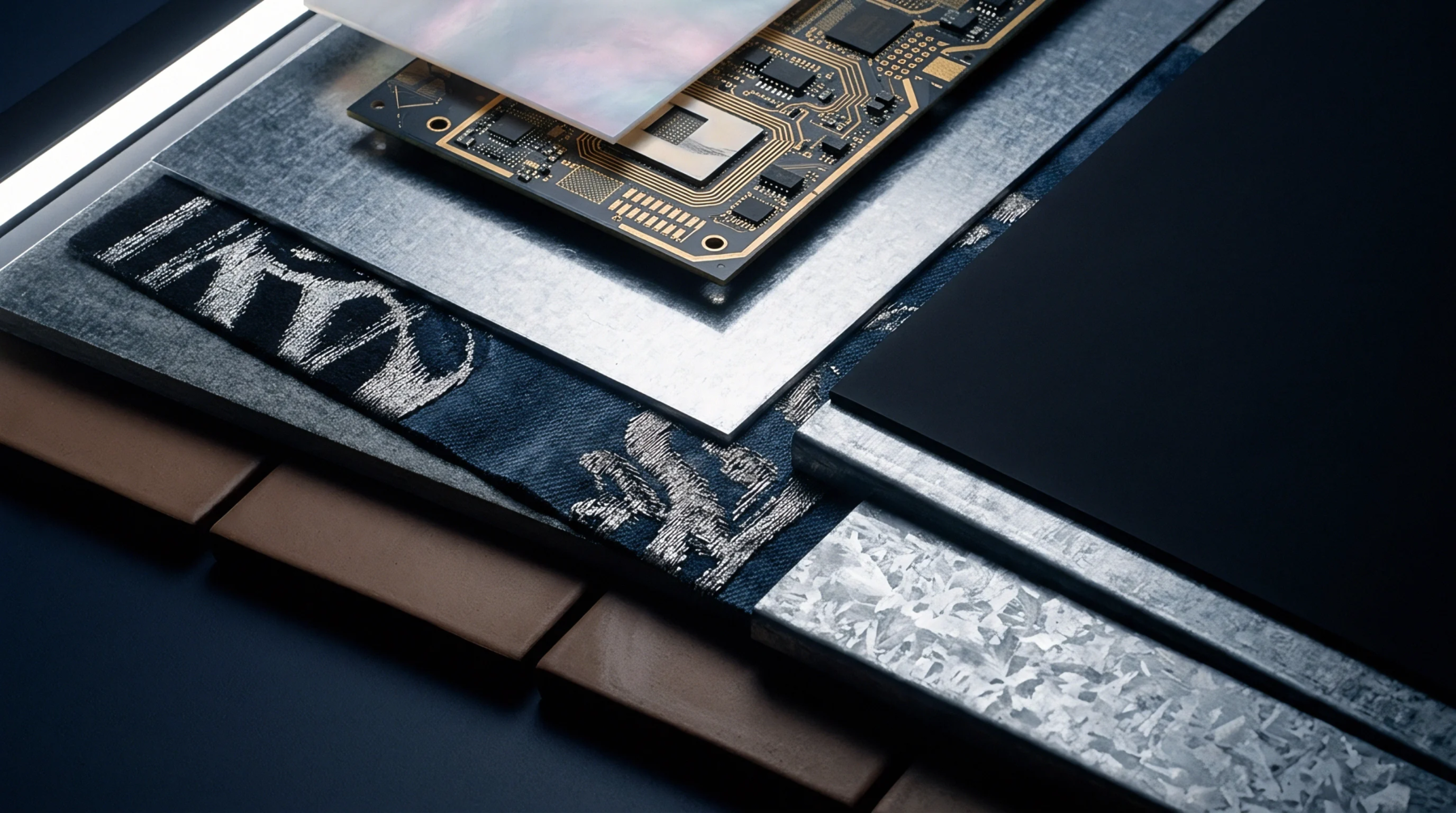
Non-linear platen thermal modeling eliminates extended panel registration drift by applying dynamic, localized vector scaling during laser direct imaging.
Low z-CTE silica-filled laminates (IPC-4101/129) and staggered microvia topologies prevent target pad separation during 260°C lead-free reflow excursions.
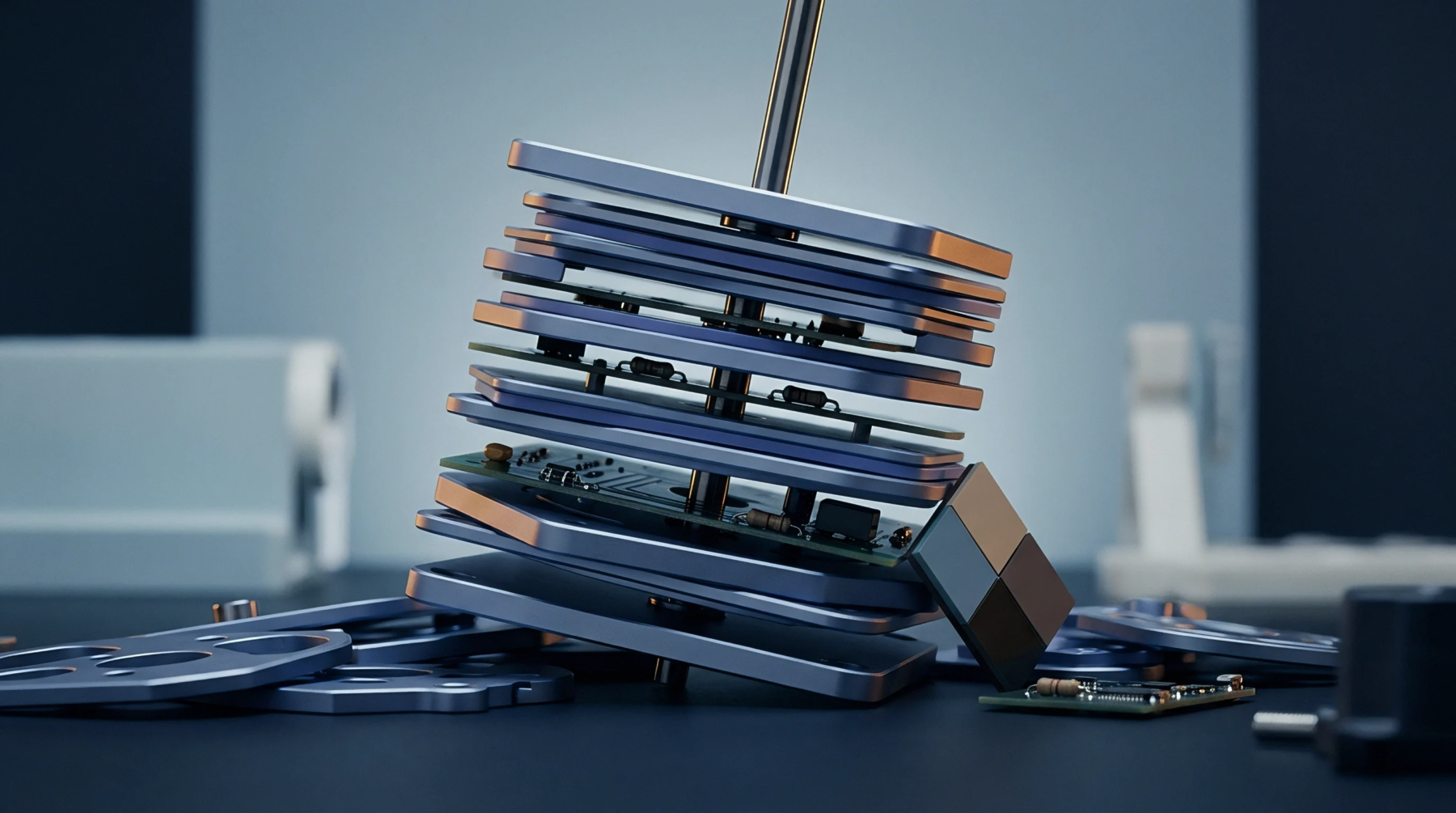
Continuous high-power SMT X-ray inspection causes dynamic focal spot and stage expansion, requiring active cooling and matrix software calibration to prevent false calls.
Quantifying false-call escape margins in 3D radiometric line inspection requires balancing sensor signal noise floors against strict IPC Class 3 geometric limits.
Sequential lamination induces non-linear dielectric relaxation at glass-resin interfaces, shifting Dk up to 0.14 and altering impedance by over 4 ohms.

Non-linear shear modeling predicts accumulated plastic strain at microvia target pads during sequential lamination, preventing assembly reflow failures.

Sequential lamination densifies HDI glass fabric, increasing out-of-plane dielectric constant and driving trace impedance below calculated line targets.
Controlling HDI registration vectors demands balancing core dimensional shrinkage, LDI grid warping, and stackup symmetry to prevent microvia pad breakout.
Capture pad size equals laser diameter plus twice the root-sum-square of tool, drill, and lamination movement tolerances.
Expertise is a utility, not a secret. sentiention™ publishes its working knowledge as open reference: intelligence layer covering the materials it sources, the markets it enters, and the reference that serves both.